The best walks and hikes around Caprese Michelangelo
4.5
(388)
1,501
hikers
31
hikes
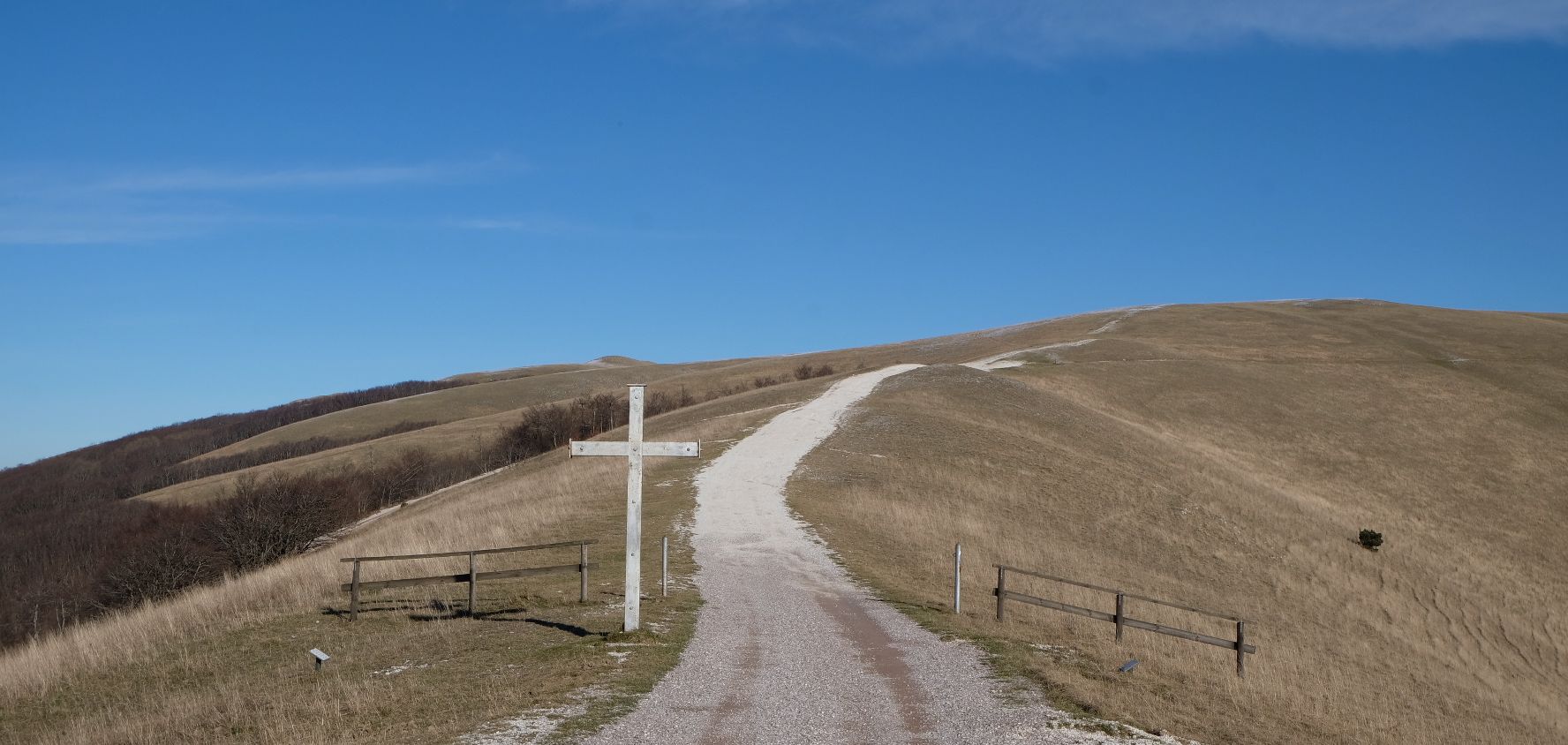
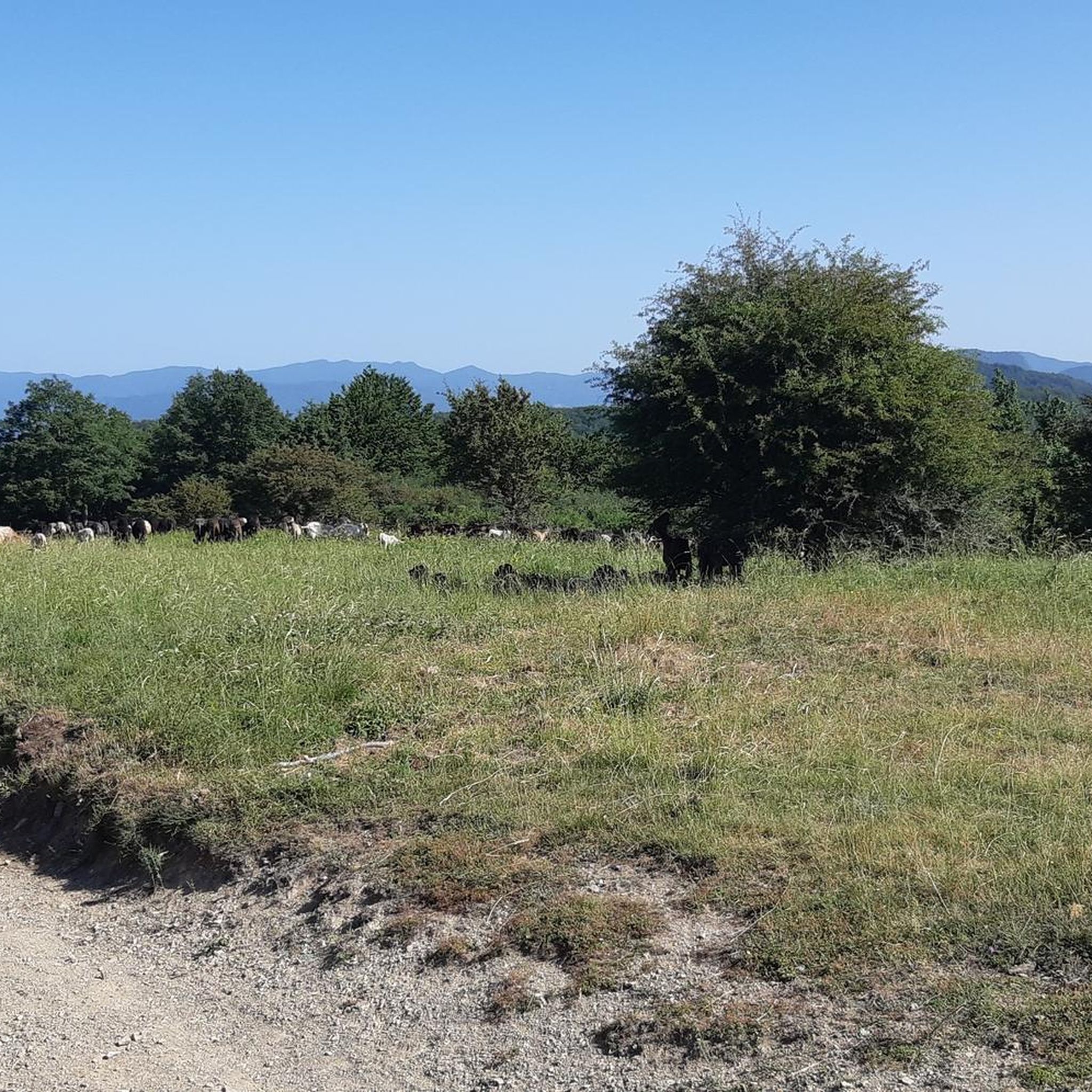
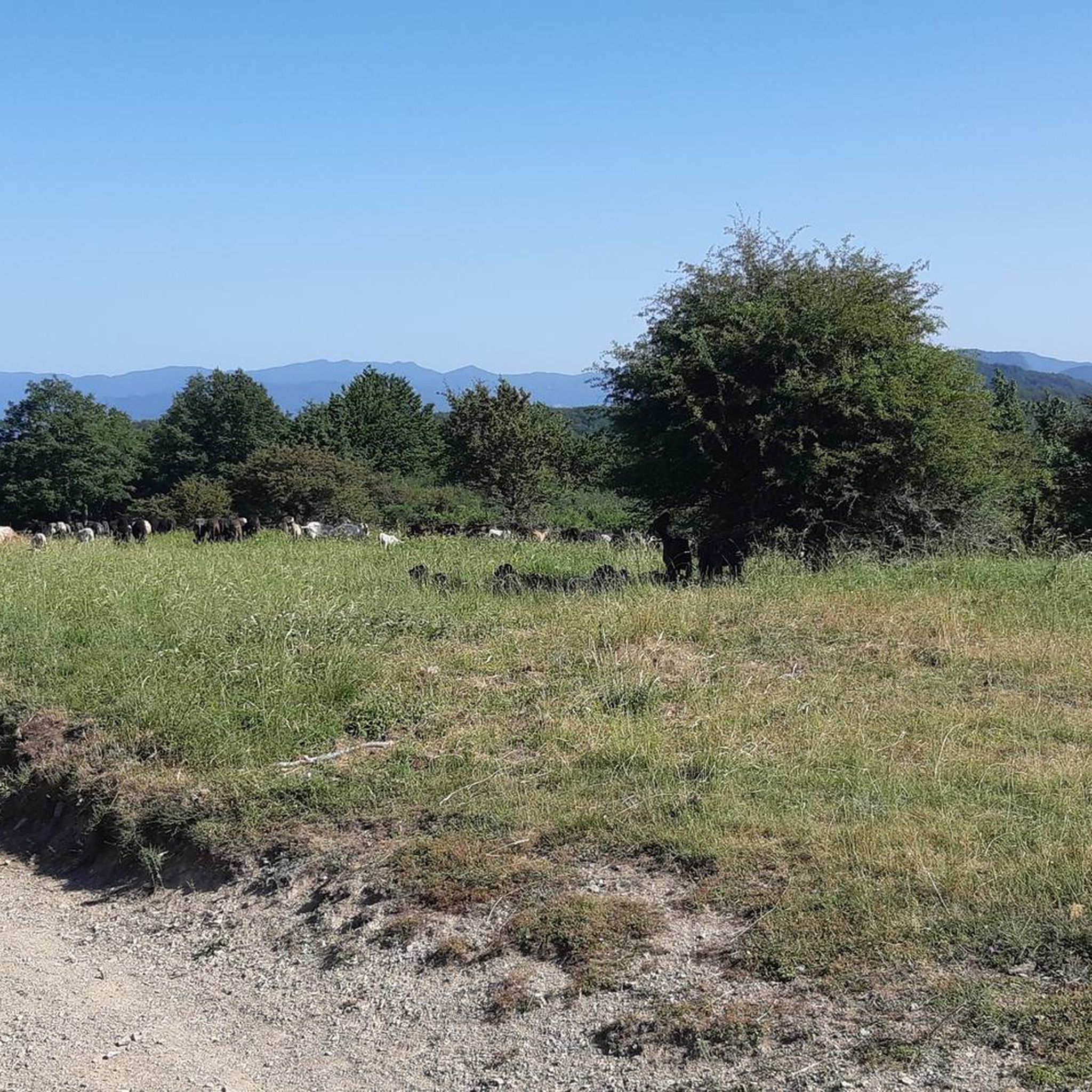
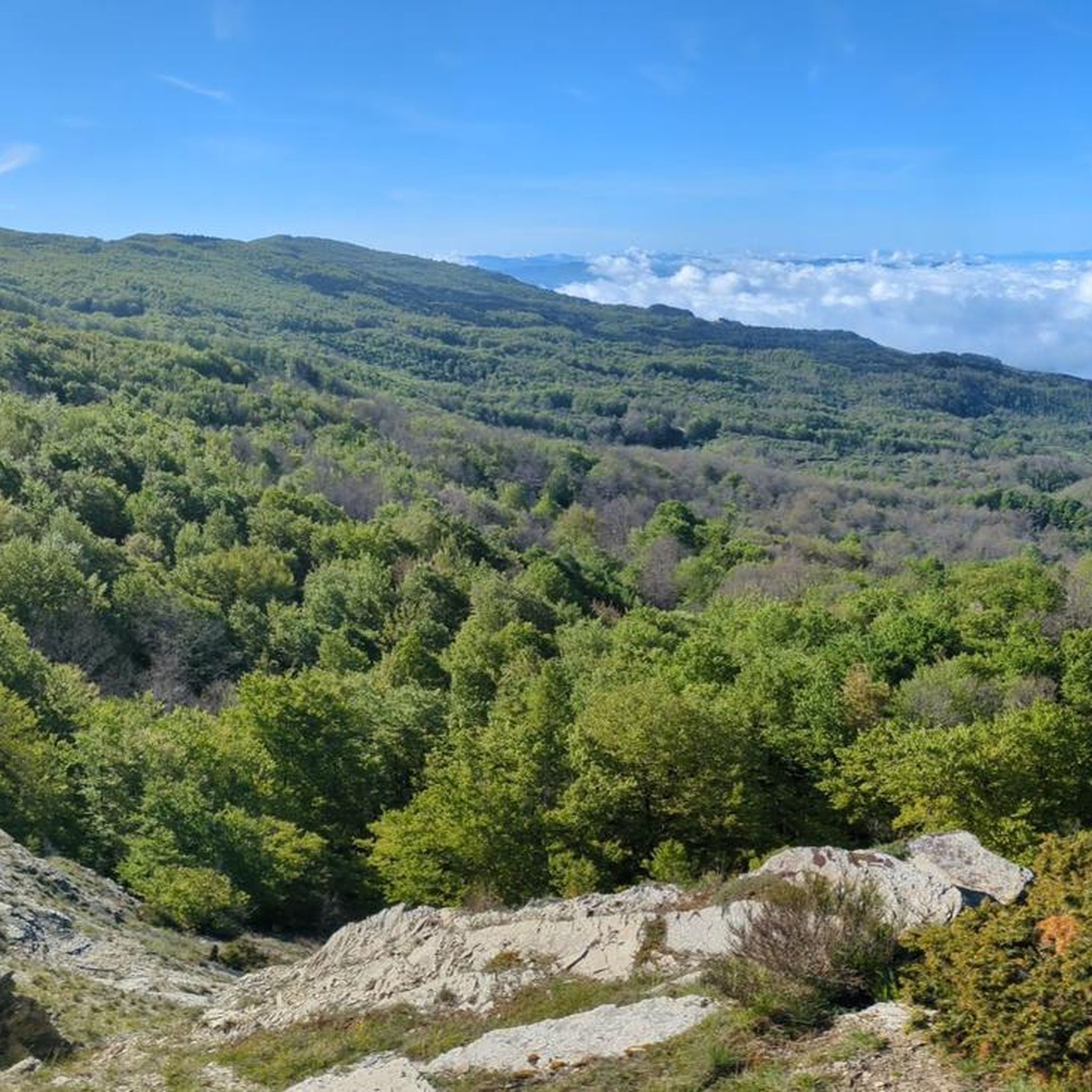
Hiking around Caprese Michelangelo offers diverse natural landscapes within the Tuscan Valtiberina, situated on the Apennine ridge. The region features elevations up to 1415 meters, deeply carved by waterways like the Singerna torrent, which flows towards the Tiber River and Montedoglio Lake. Extensive, unspoiled forests of beech, chestnut, and oak trees characterize the terrain, providing a rich environment for outdoor activities. Hikers can explore mountainous areas, natural monuments like Monte Calvano Summit, and cold sulfur water springs.
Best hiking trails…
Last updated: June 25, 2026
4.8
(12)
49
hikers
Hard hike. Good fitness required. Sure-footedness, sturdy shoes and alpine experience required.
4.3
(3)
13
hikers
8.54km
02:39
320m
320m
Moderate hike. Good fitness required. Easily-accessible paths. Suitable for all skill levels.

Sign up for free
5.0
(1)
9
hikers
6.72km
01:57
180m
180m
Easy hike. Great for any fitness level. Easily-accessible paths. Suitable for all skill levels.
3.7
(3)
18
hikers
7.37km
02:05
160m
160m
Moderate hike. Good fitness required. Easily-accessible paths. Suitable for all skill levels.
5.0
(2)
14
hikers
9.63km
03:01
390m
390m
Moderate hike. Good fitness required. Easily-accessible paths. Suitable for all skill levels.
Get access to more routes and recommendations from other explorers.
Sign up for free
Already have an account?
Our route recommendations are based on thousands of hikes, rides, and runs completed by other people on komoot.
Start today with a free account
Your next adventure awaits.
Login or Signup

Other adventures around Caprese Michelangelo

Tips from the Community

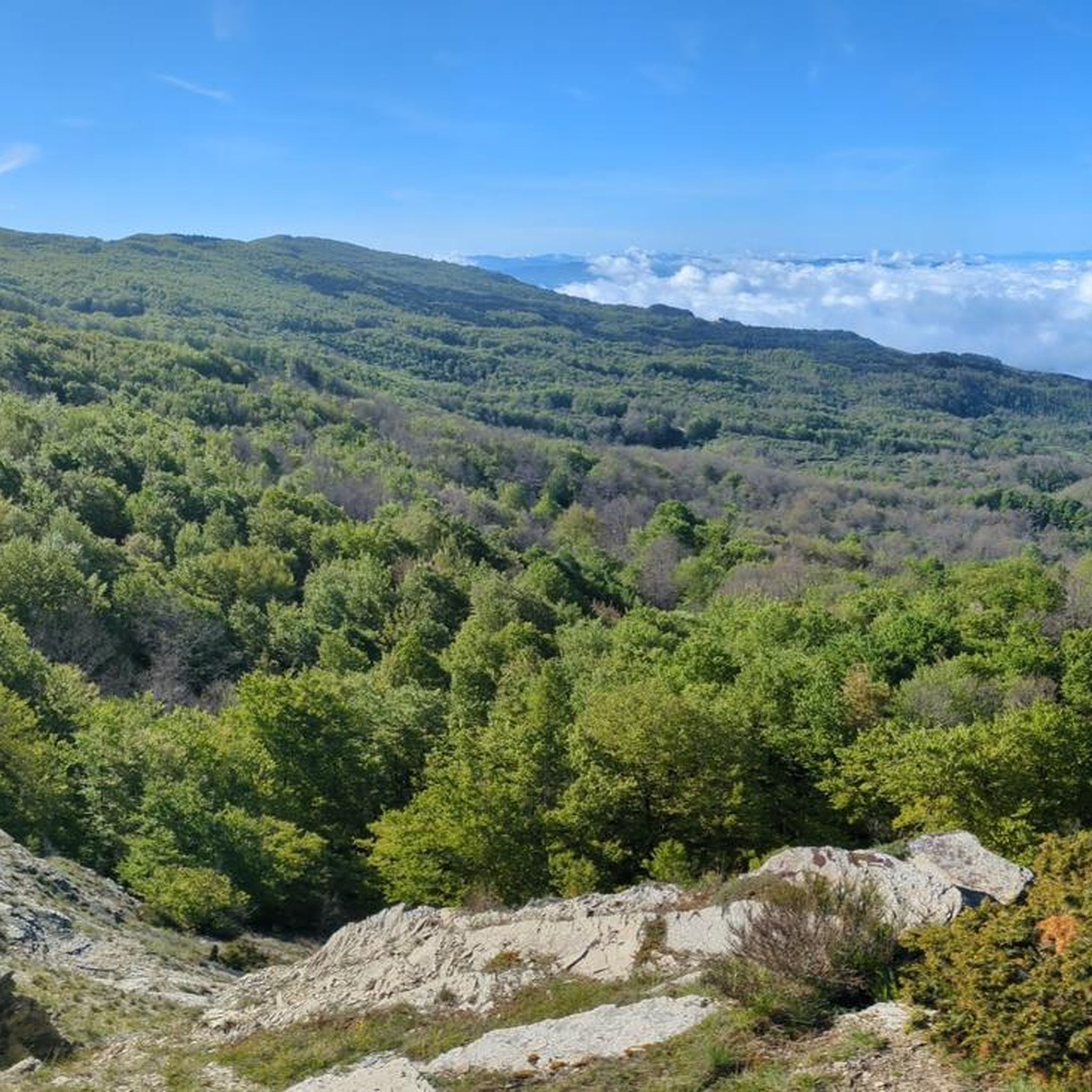
The Sasso della Regina is a striking rock formation jutting out like a natural terrace over the valley below. This sandstone spur offers one of the most spectacular and dizzying views of the Apennines, characterized by a near-vertical drop overlooking a sea of pristine forests.
0
0

Legend has it that St. Francis, after receiving the Stigmata, left La Verna on September 30, 1224. The itinerary he was to follow wound toward Monte Arcoppe, the Foresto and reached the place called La Casella, from where, via Castello di Montauto, Sansepolcro, Citta’ di Castello, he would have reached Assisi. At La Casella, where a hermitage would later be built, he wanted to stop to perform a rite. From that height, where the eye sweeps across the vastness of superb landscapes, St. Francis, aware that that journey would be one with no return, looked at La Verna for a long time and with deep emotion said: Farewell, mountain of God, holy mountain, mons coagulatus, mons pinguis, mons in quo beneplacitum est Deo habitare! Farewell Mount Alvernia; God the Father, God the Son, God the Holy Spirit bless you! Stay in peace, for we will never see each other again. The Hermitage, built with light gray stone, consists of a chapel dedicated to St. Francis and a shelter that is always open. (Source: https://www.ursea.it/wp/archives/1118 )
0
0

A small place but lots to see and the birthplace of Francis
0
1

Fantastic views over the valley of the Singerna. In addition, a nice place where you can BBQ, picnic tables are available. Good place to cool down during hot summer days.
0
0


This walk is definitely worth the drive from Sansepolcro, Pieve even Arezzo. There is a steep 15 minute climb early on but the views across the Tiber Valley to Arezzo and Sansepolcro are amazing. We were lucky enough to come across a very large herd of wild board enjoying the open fields at the top with no fear of humans until we got there. It would not be an exaggeration to say there were 60-70 of them, all sizes.
0
0

Curiosity: In the area of that beautiful lawn and the picnic area, next to a large tree there is a memorial stone in memory of exactly what happened on Sunday 18 July 1976. That day many people gathered on the Alpe di Catenaia, to celebrate the anniversary of the liberation from Nazi-fascism, which began in our province in early July 1944. Arezzo was liberated on 16 July 1944. This area of the Alpe di Catenaia is located in the municipality of Subbiano and as in other mountains, here too there were numerous clashes between Nazi-fascists and partisans during the resistance period (1943-1945). The "Gothic Line" also passed through this mountain, since from here you could see the slopes of Arezzo and the Tiber Valley. But on that 18th July 1976, what was supposed to be a day of celebration in the afternoon became a dramatic day: a strong storm hit the area, lightning struck a group of people who had taken shelter under the trees; nine people were killed!
0
0

Michelangelo's father was mayor of Caprese for two years between 1474 and 1475. Michelangelo was born in this period and this is why the Palazzo dei Podestà is the center of this museum dedicated to the famous artist. In addition to this building, the Corte Alta and Palazzo Clusini are also part of the museum spaces. The collection mostly features plaster casts of sculptures created by Michelangelo. Very interesting is a reproduction of a series of frescoes commissioned by Michelangelo's great-grandson and depicting 23 scenes from the artist's life.
0
0
Frequently Asked Questions
How many hiking trails are available in Caprese Michelangelo?
There are over 30 hiking trails around Caprese Michelangelo, offering a variety of experiences for different skill levels. You'll find paths winding through lush forests, along waterways, and up to scenic viewpoints.
What kind of terrain can I expect on hikes around Caprese Michelangelo?
The terrain around Caprese Michelangelo is characterized by its position on the Apennine ridge, featuring elevations up to 1415 meters. You can expect deeply carved valleys with numerous waterways, extensive forests of beech, chestnut, and oak trees, and mountainous areas. Some trails might include rocky sections or ascents to viewpoints like Monte Calvano Summit.
Are there any easy or beginner-friendly hiking options in Caprese Michelangelo?
Yes, Caprese Michelangelo offers a good selection of easier trails. There are 10 routes classified as easy, perfect for beginners or those looking for a relaxed walk. These paths often traverse gentler forest tracks or follow riverbanks, providing a pleasant introduction to the region's natural beauty.
Can I find circular hiking routes in the area?
Absolutely. Many of the trails around Caprese Michelangelo are designed as loops, allowing you to start and end at the same point without retracing your steps. For example, the Sasso della Regina Viewpoint – Baregno Spring Picnic Area loop from Faggeto offers scenic views, while the I Borri Neri Stream – The Footbridge loop from Caprese Michelangelo takes you through varied terrain including a stream.
Are there specific trails that are suitable for families with children?
While specific family-friendly routes aren't explicitly listed, the region's easier trails, often through forests or along streams, are generally suitable for families. Look for routes with lower elevation gain and shorter distances. The extensive forests provide plenty of shade and interesting natural elements for children to explore.
Is Caprese Michelangelo a good destination for hiking with dogs?
Caprese Michelangelo is generally very welcoming for hikers with dogs. The vast natural landscapes, including extensive forests and open trails, provide ample space for dogs to enjoy. Always ensure your dog is on a leash where required, especially near wildlife or livestock, and carry waste bags.
What natural landmarks or viewpoints can I discover on the trails?
Hikers can discover several natural landmarks and viewpoints. The Monte Calvano Summit offers panoramic views, and you might encounter unique cold sulfur water springs bubbling visibly. The Sasso Spicco is another notable natural monument. Many trails lead through monumental forests of fir and beech trees, particularly around the La Verna Sanctuary.
Are there historical or cultural sites accessible via hiking trails?
Yes, Caprese Michelangelo is rich in history and culture, with many sites integrated into the hiking network. You can follow sections of the historic Way of Saint Francis, which passes through the area. Notable sites include the La Verna Sanctuary, various hermitages like Hermitage of Casella, and ancient churches. The town itself features a medieval fortress and the birthplace museum of Michelangelo Buonarroti.
What do other hikers enjoy the most about hiking in Caprese Michelangelo?
The hiking experience in Caprese Michelangelo is highly rated by the komoot community, with an average score of 4.5 stars from over 350 reviews. Hikers often praise the region's untouched nature, the tranquility of its extensive forests, and the diverse landscapes that combine mountains, waterways, and historical sites. The well-maintained trails and the opportunity to explore both natural beauty and cultural heritage are frequently highlighted.
What is the best time of year to go hiking in Caprese Michelangelo?
The best time for hiking in Caprese Michelangelo is typically from spring to autumn. Spring brings lush greenery and blooming wildflowers, while autumn offers stunning foliage colors in the extensive forests. Summer is also pleasant, especially at higher elevations, though some lower trails might be warmer. Winter hiking is possible but requires appropriate gear for potentially snowy or icy conditions.
Are there any huts or shelters available along the hiking routes?
Yes, there are several huts and shelters in the vicinity that can be useful for hikers. You can find places like the Pian della Capanna Forest Refuge, Asva Nara Pilgrim’s Rest Stop, and Rifugio Pian d'Acero. These can offer a place to rest or shelter during longer treks.
Where can I park my car when starting a hike in Caprese Michelangelo?
Parking is generally available in or near the villages and starting points of popular trails. For example, routes like the Sasso della Regina Viewpoint – Baregno Spring Picnic Area loop start from Faggeto, and the I Borri Neri Stream – The Footbridge loop begins from Caprese Michelangelo itself, where you can usually find designated parking areas. It's advisable to check specific route details for precise parking information.
Are there any caves or unique rock formations to explore?
Yes, the region features interesting geological formations and caves. Hikers can explore sites such as The Icehouse of Cattiglio, Fra' David's Cave, and the Cave of Saint Francis' Bed. These offer unique points of interest and a glimpse into the area's natural history.
Most popular routes around Caprese Michelangelo
Most popular attractions around Caprese Michelangelo

Get inspired with the komoot mobile app


Explore more
Browse the best Hikes in other regions.
