Attractions and Places To See around Sissa Trecasali - Top 20
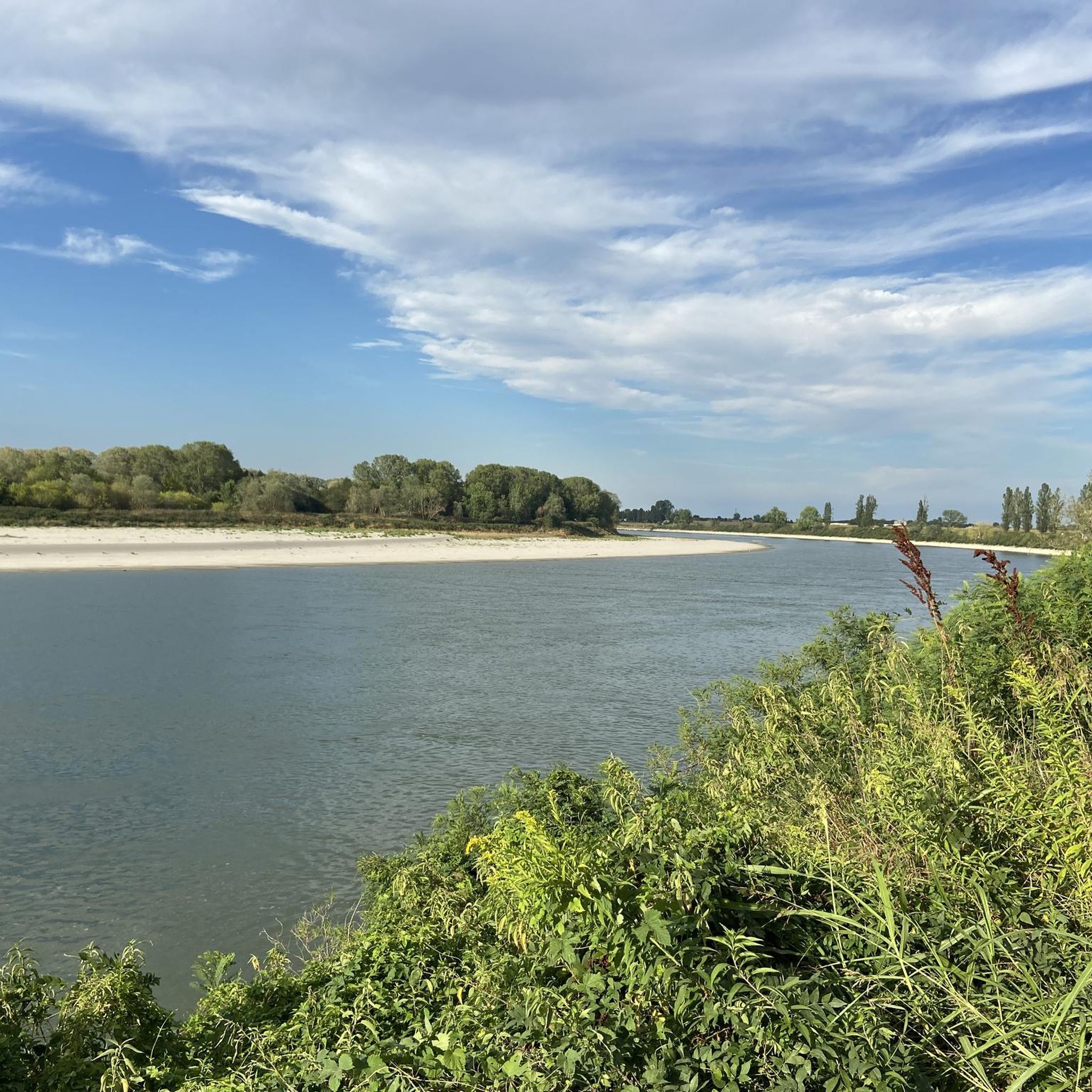
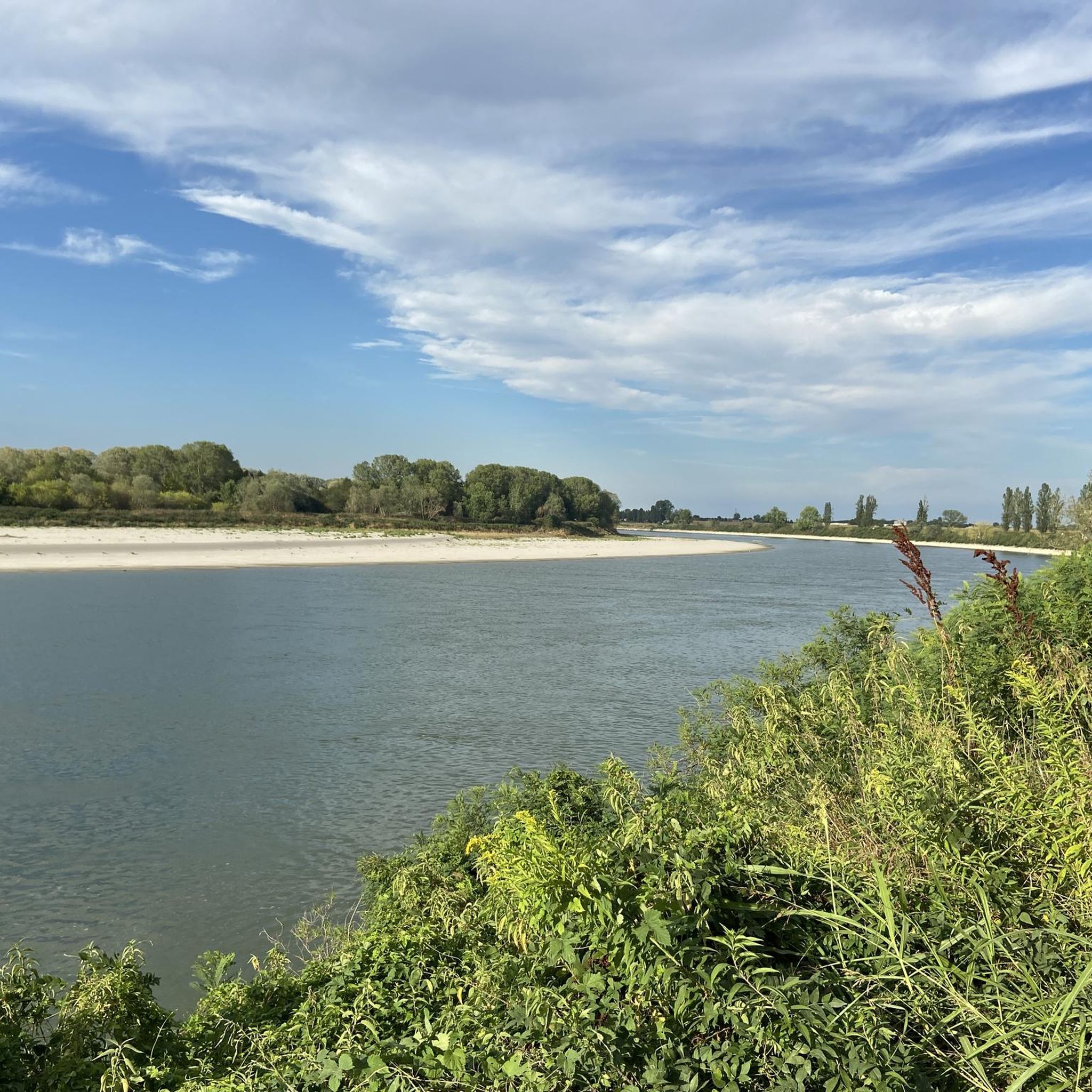
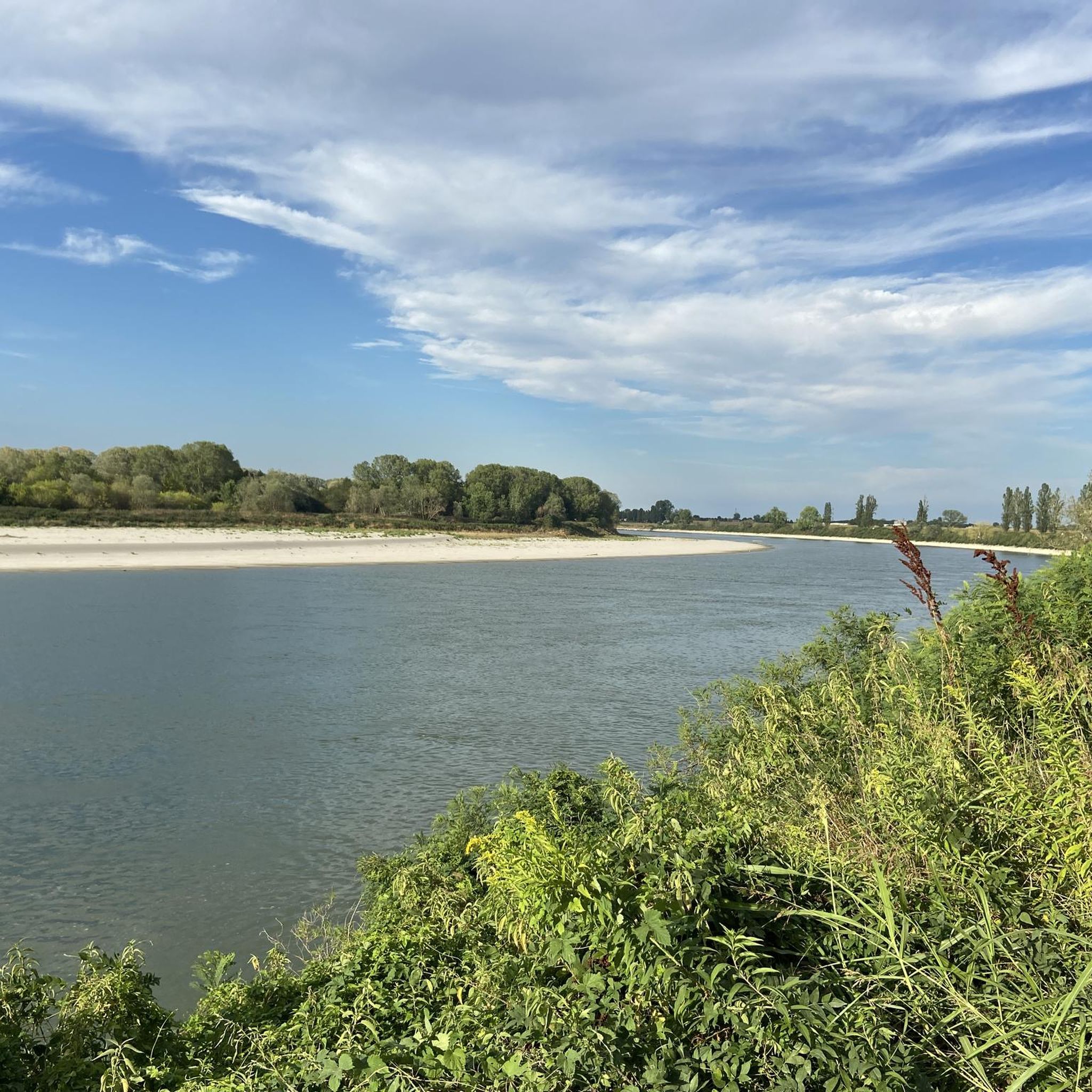
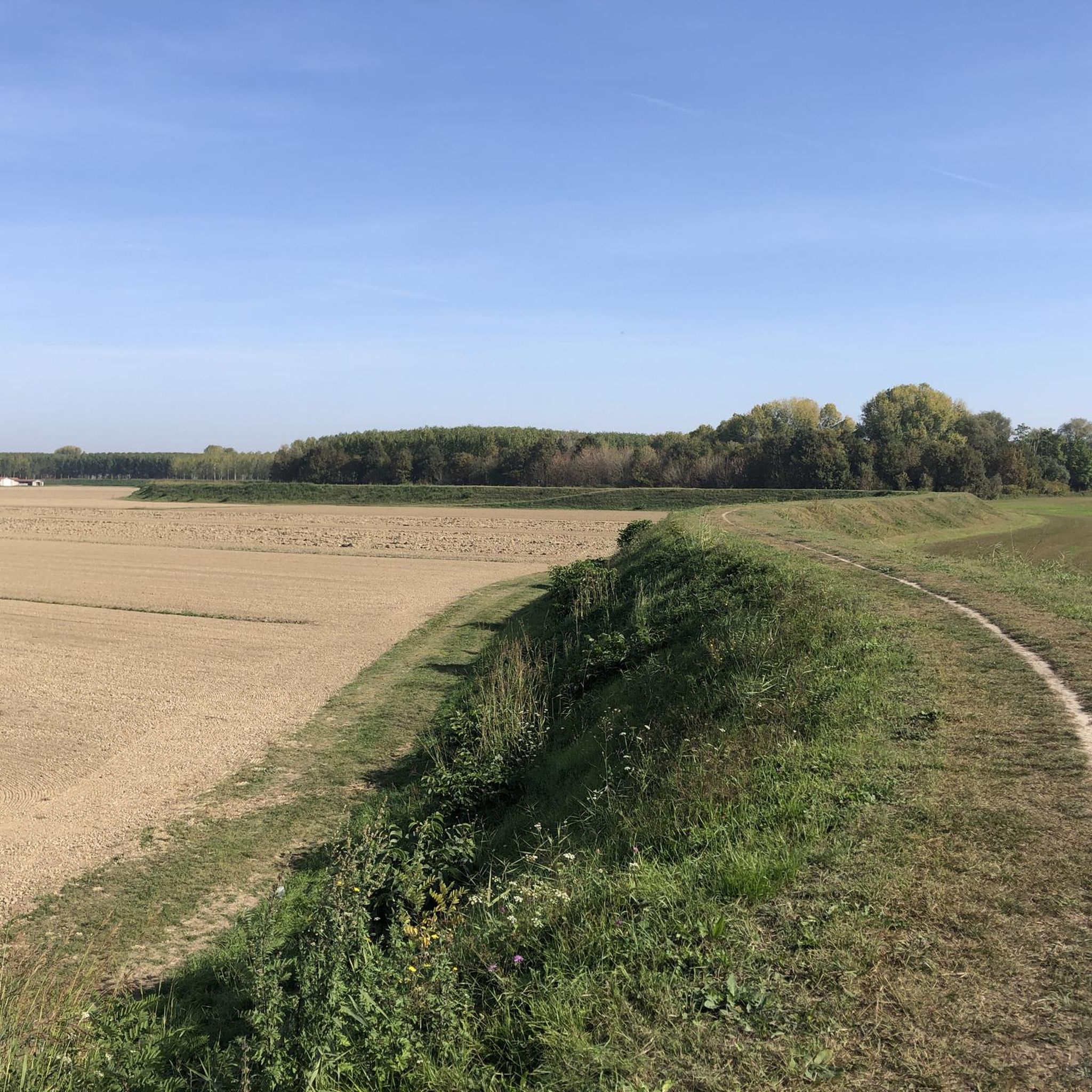
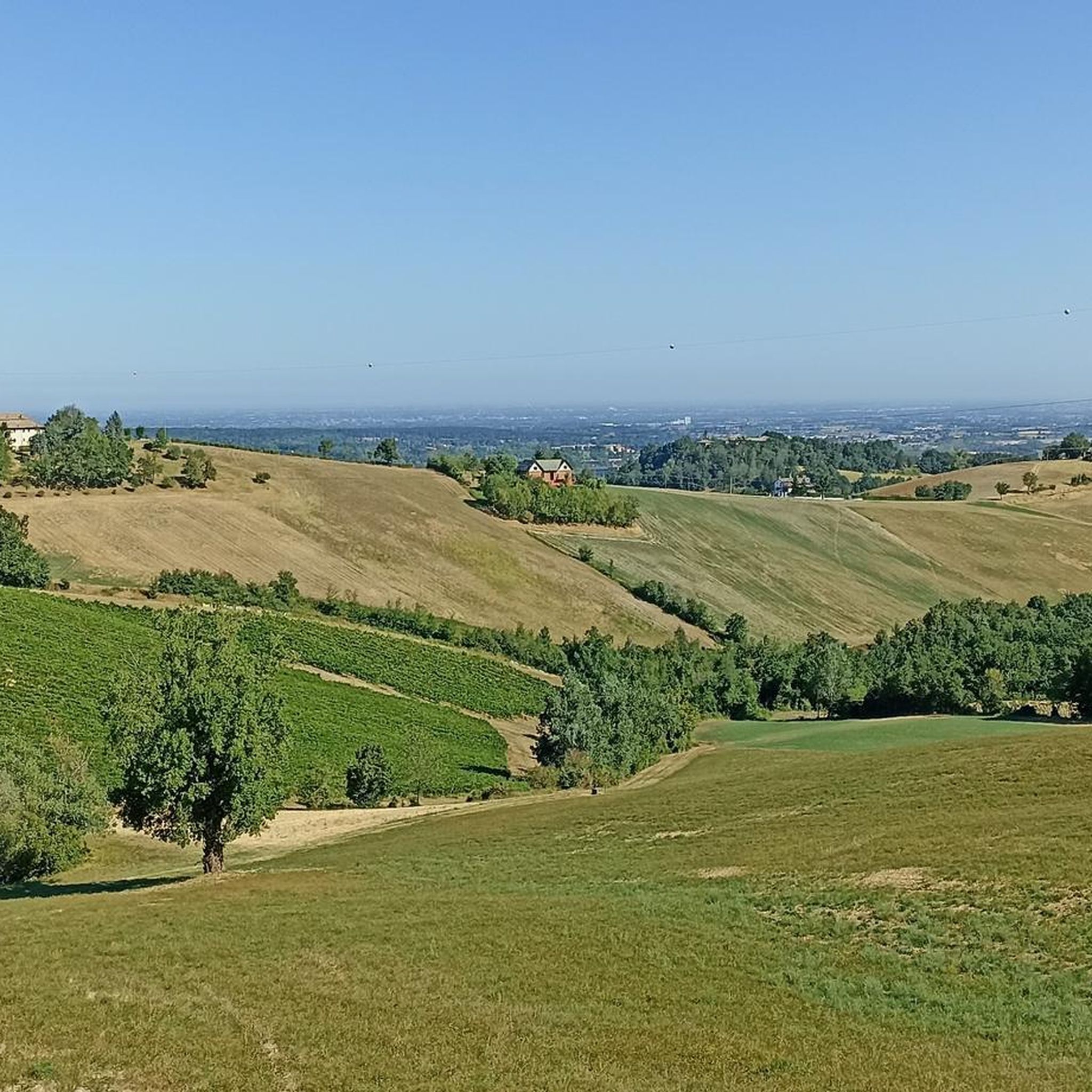
Best attractions and places to see around Sissa Trecasali include a blend of historical sites, cultural experiences, and natural landscapes in the Bassa Parmense area. The municipality, formed from the merger of Sissa and Trecasali, is situated near the Po River, offering opportunities for outdoor activities. Visitors can explore historical landmarks and immerse themselves in the region's culinary traditions. The area features rolling hills, green fields, and lush forests.
Best attractions and places to see around Sissa Trecasali
- The most…
Last updated: July 6, 2026
Garibaldi Square
Highlight • Historical Site
Translated by Google •
Tip by

Parma Cathedral
Highlight • Religious Site
Translated by Google •
Tip by
Sign up now to discover places like this
Get recommendations on the best single tracks, peaks, & plenty of other exciting outdoor places.
Sign up for free
Palazzo della Pilotta
Highlight • Historical Site
Translated by Google •
Tip by
Monument to Giuseppe Verdi
Highlight • Monument
The Verdiana altar survived the 1944 bombing …
Translated by Google •
Tip by
Governor's Palace
Highlight • Historical Site
Piazza Giuseppe Garibaldi, 19, 43100 Parma PR
0521218929
Translated by Google •
Tip by

Sign up for free to discover even more attractions around Sissa Trecasali.
Sign up for free
Already have an account?
Start today with a free account
Your next adventure awaits.
Login or Signup

Tips from the Community

The Governor's Palace is a Baroque and Neoclassical building located on the entire north side of Parma's central Piazza Garibaldi. The palace was originally built on the north side of Piazza Nuova (now Piazza Garibaldi) between 1283 and 1285 as the "Merchants' Palace," following the demolition of pre-existing dwellings. In late Romanesque style, it consisted of two separate buildings, separated in the center by the narrow Borgo di San Marco, which no longer exists. Entirely clad in brick, it rose above a portico on the ground floor and featured two rows of mullioned windows on the first floor; the façade was crowned by battlements at the top. Having lost its original mercantile function, the building soon became the seat of the Captain of the city and, later, of the Governor, the Civil Auditor, and other municipal magistrates. However, its architectural structure remained unchanged for centuries. Following the collapse of the towering Civic Tower on January 27, 1606, which also caused the destruction of the Town Hall, the need arose to renovate the Governor's Palace. Initially, the building was unified by enclosing the Borgo di San Marco with a vault. A tower was erected on top of this vault in 1673, designed by Piacenza engineer Gian Battista Barattieri. This tower assumed the former functions of the destroyed Civic Tower, retaining the original bell known as the "third bell," dating back to 1453, which remained intact over the centuries until it was replaced with a copy in 1998. In 1760, the court architect Ennemond Alexandre Petitot was commissioned to redesign the square; the Governor's Palace was thus renovated in elegant neoclassical style, with the addition of typical decorative elements. The central niche was also opened to house the statue of the Crowned Virgin, sculpted by Jean-Baptiste Boudard. In 1829, Duchess Maria Luigia commissioned Lorenzo Ferrari and Luigi Pazzoni to create the large sundials on the façade. In the 1920s, the interior and rear of the building underwent a major renovation in the Rationalist style, which preserved only some of the original interior decorations. The entire building, home to several municipal offices until the end of the 20th century, underwent a complete restoration between 2000 and 2009, transforming it into today's "Place of Modern and Contemporary Art": inaugurated in January 2010 with the Nove100 exhibition, it hosts temporary exhibitions of mostly contemporary art. SOURCE and further information https://it.wikipedia.org/wiki/Palazzo_del_Governatore_(Parma)
0
0

An early Christian church, probably built over a pre-Christian sanctuary, stood on the site of today's cathedral square from the 4th or 5th century. From 860 onwards, the Church of St. Mary was built nearby, which became the cathedral. After its destruction by fire, construction of the present cathedral began in 1074 in several phases. The bell tower was built between 1284 and 1294 in the Gothic style. https://de.wikipedia.org/wiki/Dom_von_Parma
2
0
The Pilotta in Parma is today a Monumental Complex that gives life to a cultural and scientific center and opens up to a new dialogue with citizens. complessopilotta.it
0
0
The Pilotta in Parma is today a Monumental Complex that gives life to a cultural and scientific center and opens up to a new dialogue with citizens. https://complessopilotta.it
1
0

Parma Cathedral has been a place of art, history and sanctity for 900 years. Here are preserved the bas-reliefs of Benedetto Antelami, the Romanesque art heritage and the great frescoes of Antonio Allegri, known as Correggio. Entering this place means living the faith, opening yourself to art and discovering one of the city's most precious treasures.
6
0
Garibaldi is depicted standing, with his cap on his head and his shoulders covered by a poncho, his hands resting on the hilt of his sword and his right foot forward. On the sides of the pyramidal pedestal supporting the statue are three bronze bas-reliefs, depicting three crucial moments in Garibaldi's epic - the defense of the Roman republic in 1849, the battle of San Fermo in the Como area in 1859 and the landing of the Thousand in Marsala del 1860 - and on the front a marble plaque with the inscription: «A / GIUSEPPE / GARIBALDI / MDCCCXXXIII». Source: https://bbcc.ibc.regione.emilia-romagna.it/pater/loadcard.do?id_card=169950&force=1
5
0
Piazza Garibaldi is the result of successive phases of evolution where the main forms of municipal power have gradually established themselves in this point of the city. At the beginning of the thirteenth century, the Palazzo Vecchio defined the south side together with the Palazzo Comunale, later the Palazzo dei Mercanti, now Palazzo del Governatore, caused an extension to the north. The arrangement of the north side in neoclassical style reinforces the uneven character of the space. Today the square, with its outdoor tables, the nearby pedestrian streets, the elegant shops, is the real living room of the Parmesan people. Center of city life and crossroads of the city's crossroads.
5
0
The Palazzo della Pilotta is a monumental complex made up of several buildings on which numerous architects worked at different times. Originally designed as a container for the services of the Farnese court, able to integrate the system of ducal residences, connecting the representative palace (today's Palazzo del Giardino), located across the stream, to the more modest building which housed the headquarters of the Farnese court , located on the opposite bank near the historic center, which no longer exists, expanded between the sixteenth and seventeenth centuries until it assumed the imposing dimensions that still today characterize its gigantic masses, almost out of size compared to the diminutive size of the Old City. Its name derives from the noble game "pelota" which was played in the courtyards on special occasions for representation. Knowing more? Click through to https://complessopilotta.it/il-complesso-monumentale/
4
0
Frequently Asked Questions
What historical landmarks can I explore in Sissa Trecasali?
Sissa Trecasali offers several historical sites. You can visit the medieval Rocca dei Terzi in Sissa, which features a restored 27-meter tall keep offering panoramic views. Other significant historical sites include Corte Sala and Villa Simonetta in Torricella di Sissa. While slightly further afield, the komoot community also appreciates sites like Palazzo della Pilotta and Ducal Palace, Parma, known for their rich history and architecture.
Are there any notable cultural or religious sites in the area?
Yes, Sissa Trecasali and its surroundings are home to several cultural and religious sites. Key examples include the Church of San Michele in Trecasali and the Church of San Giorgio in Viarolo. Additionally, Parma Cathedral, an 11th-century Romanesque structure with impressive bas-reliefs and frescoes, is a significant religious and architectural landmark nearby.
What natural features and outdoor activities are available near Sissa Trecasali?
The region boasts beautiful natural features, particularly along the Po River. You can explore the significant riverside area of Boschi di Maria Luigia near Coltaro, or visit the Po River itself, which has an important port for nautical sports in Torricella. The mythical 'Ponte del Diavolo' (Devil's Bridge) of Gramignazzo is another point of interest. The area is ideal for hiking, with various trails, including the picturesque Olive Tree Trail winding through ancient groves. For more structured outdoor adventures, you can find numerous hiking routes, cycling tours, and gravel biking trails around Sissa Trecasali.
Are there family-friendly attractions in Sissa Trecasali?
Many attractions in the broader Sissa Trecasali area are suitable for families. Historical sites like Garibaldi Square, Parma Cathedral, and Palazzo della Pilotta are categorized as family-friendly by the komoot community. The natural areas along the Po River, such as Boschi di Maria Luigia, also offer pleasant environments for family walks and outdoor exploration.
What kind of culinary experiences can I expect in Sissa Trecasali?
Sissa Trecasali is renowned for its rich culinary traditions, being part of the Bassa Parmense area. Visitors can savor typical products such as Parmigiano-Reggiano cheese, Parma Ham, Culatello, and Salame. The town of Sissa is particularly known for its training school for 'norcini' (pork processing experts) and its local specialty, 'spalla cruda' (cured shoulder).
What are some popular outdoor routes for cycling near Sissa Trecasali?
For cycling enthusiasts, there are several popular routes around Sissa Trecasali. Options range from easy to difficult, including the 'Food Valley Cycle Route – Po Embankment loop from Trecasali' (easy, 23.4 km) and more challenging rides like the 'Busseto – Food Valley Cycle Route loop from Trecasali' (moderate, 75.7 km). You can find more details and other routes on the Cycling around Sissa Trecasali guide page.
Are there any easy walks or hiking trails suitable for all experience levels?
Yes, the area around Sissa Trecasali offers various hiking trails suitable for different experience levels. The Olive Tree Trail is a particularly picturesque route. For easier options, consider the 'Hiking loop from San Secondo Parmense' (easy, 5.8 km) or the 'Hiking loop from Torrile' (easy, 5.7 km). More hiking options are available on the Hiking around Sissa Trecasali guide page.
What do visitors appreciate most about the attractions in this region?
Visitors frequently highlight the blend of historical depth and natural beauty. For instance, Garibaldi Square is praised as the central hub of Parma's old town, where social life converges. The Parma Cathedral is admired for its 900 years of art, history, and sanctity, with its impressive Romanesque architecture and frescoes. The Palazzo della Pilotta is noted for its vast complex, museums, and the sensational Teatro Farnese, exuding history and culture.
Are there any hidden gems or lesser-known spots worth visiting?
Beyond the main highlights, consider exploring the smaller historical sites like Corte Sala or Villa Simonetta for a deeper dive into local heritage. The Boschi di Maria Luigia near Coltaro offers a tranquil natural escape, and the mythical 'Ponte del Diavolo' of Gramignazzo provides an interesting stop along the Po River, offering a glimpse into local folklore and natural beauty.
What are some significant monuments or statues in the area?
While exploring the region, you can visit the Monument to Giuseppe Verdi. This stately monument honors one of Italy's greatest musical geniuses, with bronze plaques depicting scenes from his works. It's a place for quiet reflection on a significant cultural figure.
Are there any castles or fortresses near Sissa Trecasali?
Yes, the region is rich in historical fortifications. Within Sissa Trecasali, the Rocca dei Terzi is a prominent medieval castle. Additionally, within 8-12 km, you can find other significant castles such as the Rocca di San Secondo and the Castle of Roccabianca, offering further opportunities to explore the area's rich history.
What is the best time to visit Sissa Trecasali for outdoor activities?
The region's climate, with its rolling hills and green fields, makes spring and autumn ideal for outdoor activities like hiking and cycling. During these seasons, the weather is generally mild and pleasant, perfect for exploring the natural landscapes along the Po River and the various trails without the intense heat of summer or the chill of winter.
Most popular routes around Sissa Trecasali
Most popular attractions around Sissa Trecasali

Get inspired with the komoot mobile app


Explore more
Still not found the Highlight you’re looking for? See guides of the top attractions in other regions:
