Attractions and Places To See around Rorà - Top 20
Best attractions and places to see around Rorà, a municipality in Italy's Piedmont region, offer a blend of historical significance, cultural insights, and natural beauty. The area is characterized by its valley landscape, rich Waldensian heritage, and historical connection to the stone industry. Visitors can explore a variety of sites that showcase both the region's past and its natural environment.
Best attractions and places to see around Rorà
- The most popular attractions is Colle Vaccera, a mountain pass that…
Last updated: July 6, 2026
Source of the Po River
Highlight • River
Translated by Google •
Tip by

Pian della Regina Plateau
Highlight • Trail
Translated by Google •
Tip by

Sign up now to discover places like this
Get recommendations on the best single tracks, peaks, & plenty of other exciting outdoor places.
Sign up for free
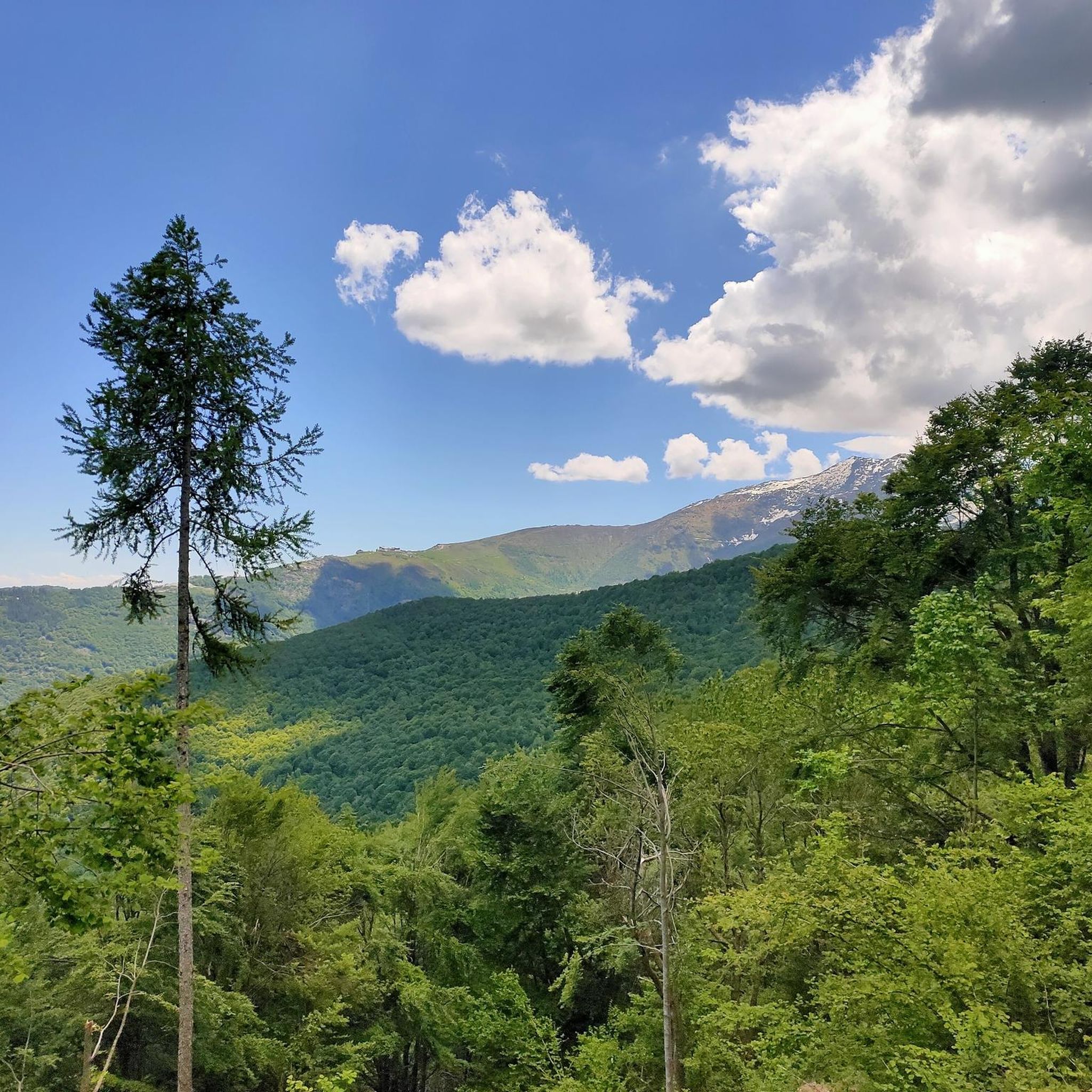
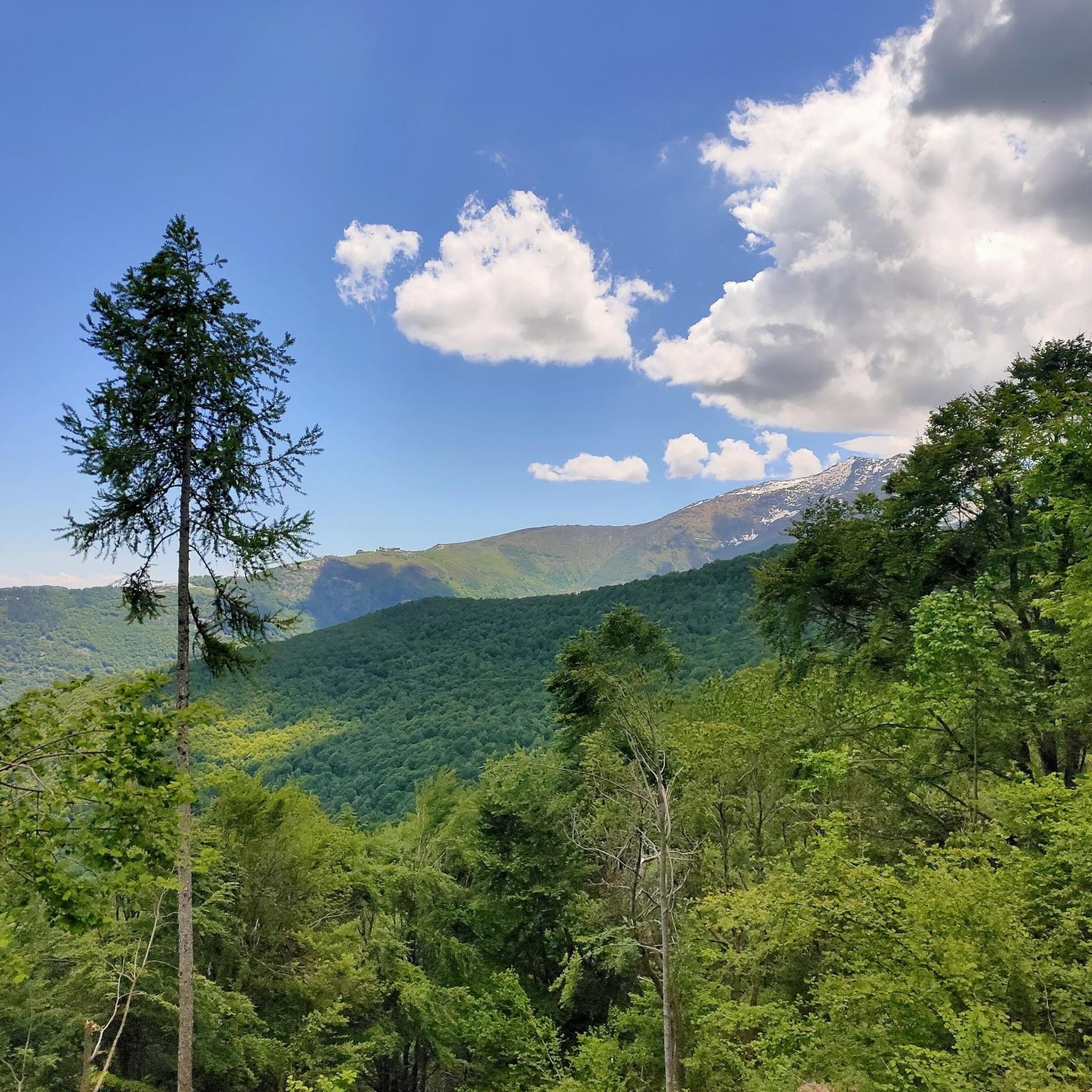
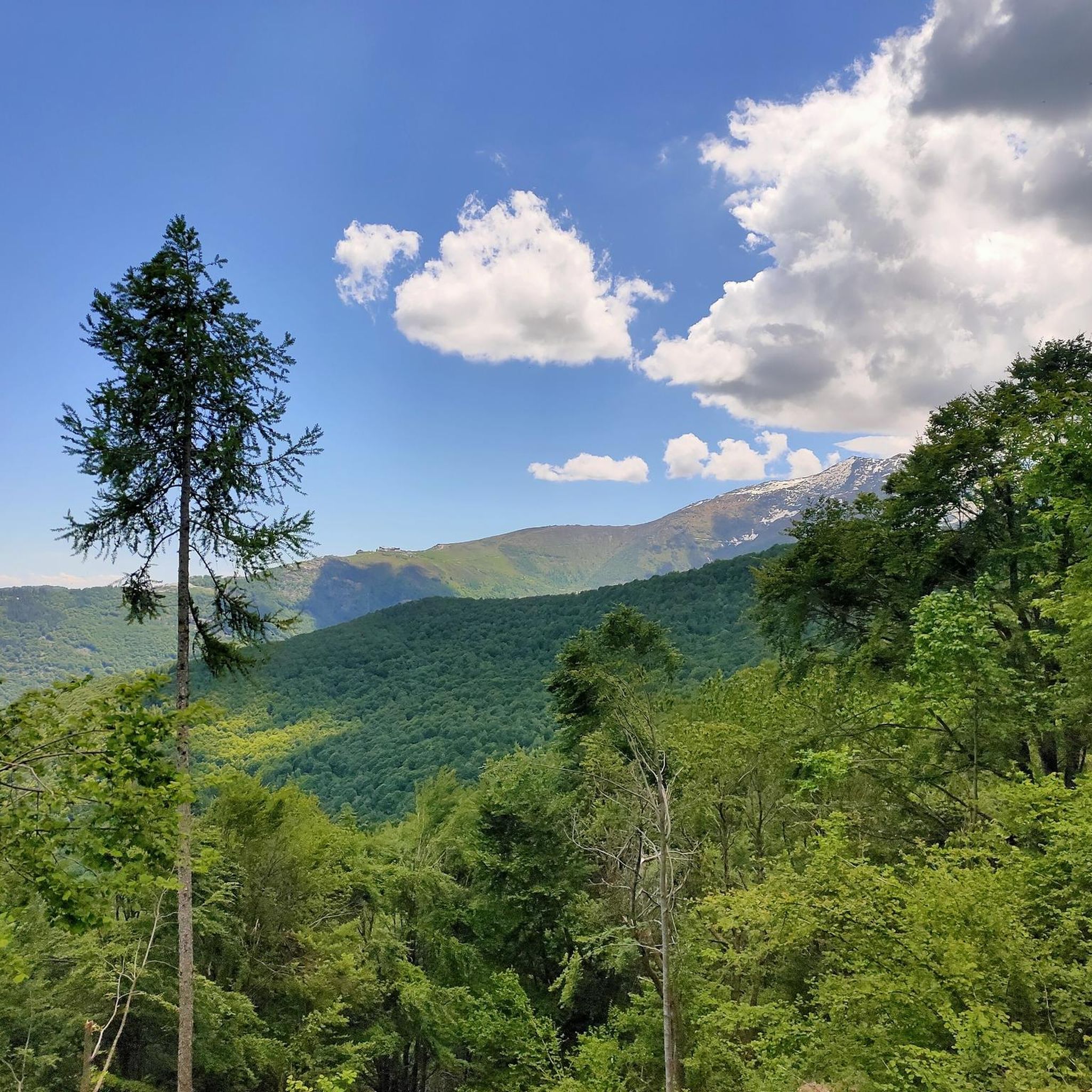
Colle Vaccera
Highlight • Mountain Pass
Translated by Google •
Tip by

Via della Pietra Cycle Path (Bagnolo–Barge)
Highlight • Cycleway
Translated by Google •
Tip by

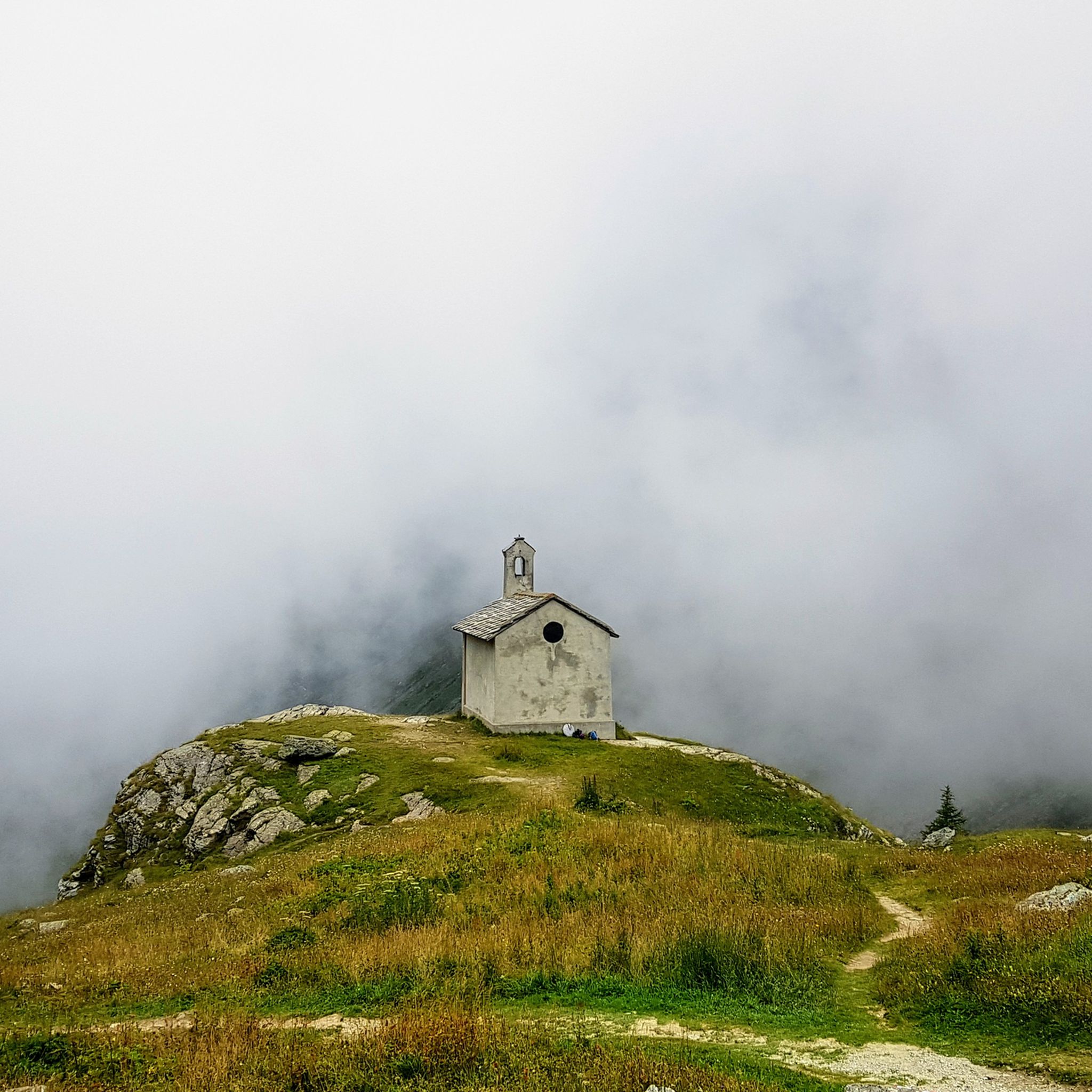
Chapel of Our Lady of the Snows
Highlight • Religious Site
Translated by Google •
Tip by

Sign up for free to discover even more attractions around Rorà.
Sign up for free
Already have an account?
Start today with a free account
Your next adventure awaits.
Login or Signup

Tips from the Community

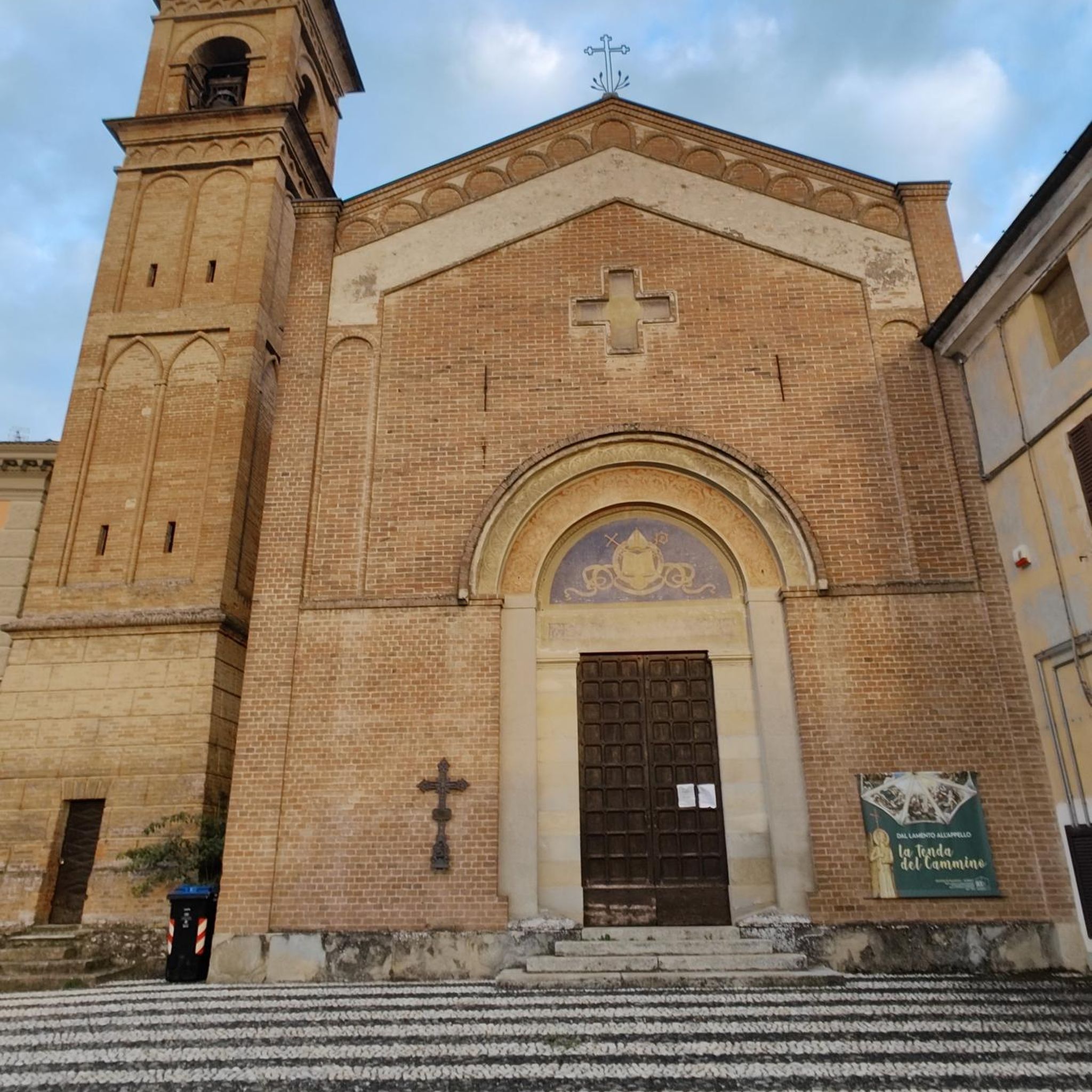
Alpine church, built and inaugurated in 1899, designed by Giuseppe Gastaldi and frescoed by Giuseppe Catei, commissioned by the parish priest of Crissolo, Don Giacomo Lantermino. On July 28, 1892, Lantermino celebrated a mass at the summit of Monviso in the presence of about forty mountaineers. They urged the parish priest to build a votive chapel dedicated to Our Lady of the Snows at this altitude, where a mass could be celebrated every year. The rocky spur at the base of the Pian del Re plateau, clearly visible from the small village of Pian della Regina, was ultimately chosen as the location. Although the initial plan was to build it at the summit of Mount Re di Pietra, it was later abandoned due to the logistical difficulties of building it up there. The church has a characteristic layout that contrasts with those of most other churches: a façade with an entrance to the east and an apse to the west. This choice was undoubtedly made to make it highly visible from the inhabitants of the village of Crissolo below. It has a rectangular body and a bell gable. The church endured a troubled life in the following decades. In fact, only the following year (1900) the chapel's roof collapsed due to heavy snowfall. It was promptly rebuilt; but in the following decades it underwent various renovations and maintenance, until it was no longer used and fell into abandonment and decay in the 1970s, as well as being the target of vandals on several occasions. Between 2005 and 2007, restoration and repair work was carried out, both inside and out, bringing the church back to its current splendor. The façade and interior are decorated in neo-Gothic style and the roof is made of slate.
9
0

Located at Colle della Vaccera, reachable from multiple sides and by any means
1
0

Tough climb alternating stretches in the woods and stretches on asphalt, but the view once you reach the hill is worth the effort.
1
0

route in the middle of the countryside
0
0
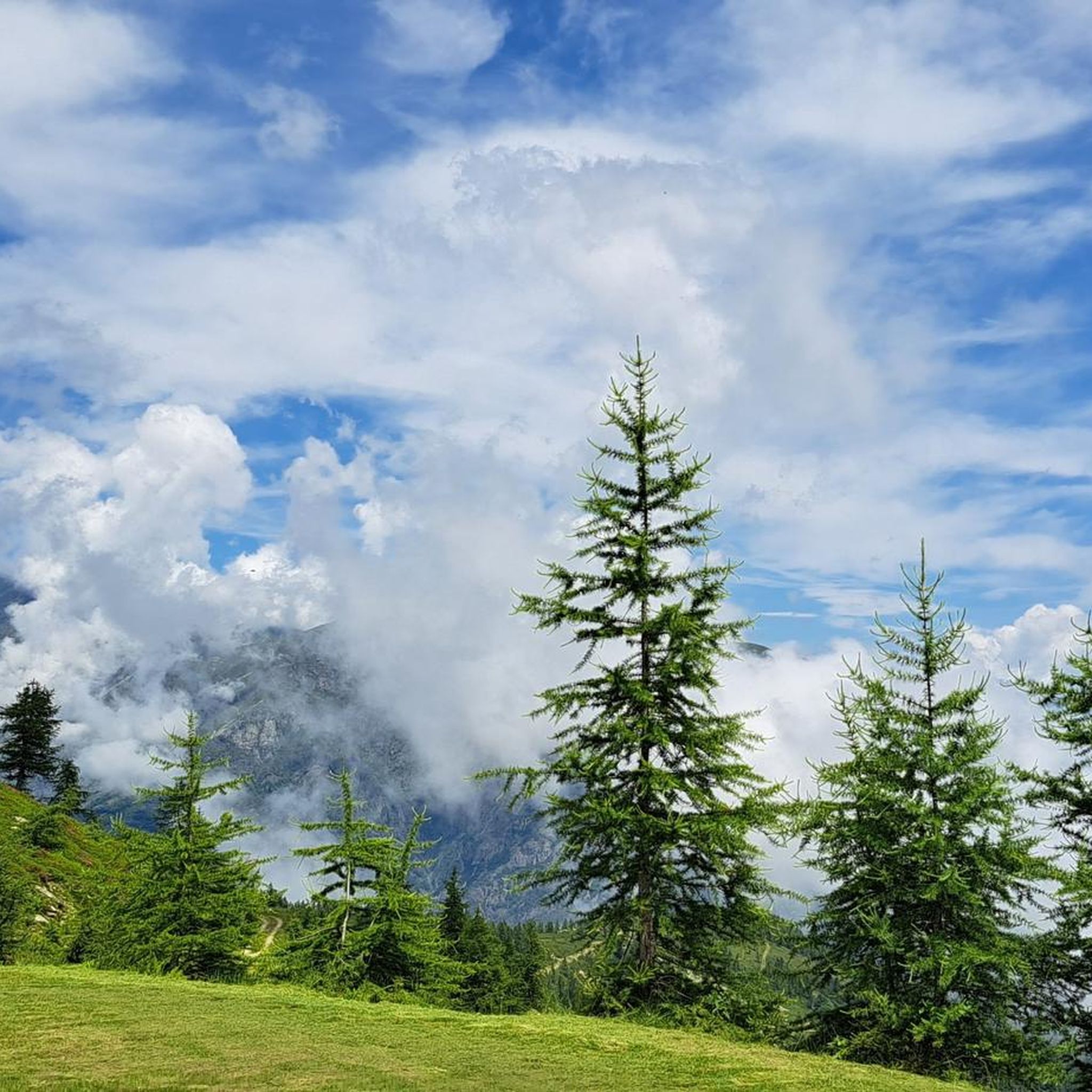
Pass that connects Val Pellice to Val Chisone. Beautiful views
2
0

Iconic point of passage to go up to Pian del Re, ideal for a stop with refreshment in the extraordinary Alpine scenery of Monviso.
0
0

At this point you are almost at the top. Take a picture and then make the last stretch of climb.
13
0

Beautiful walk from Pian della Regina to the sources of the Po. I recommend it to families with children. Once you arrive at the Springs there is the Rifugio del Pian del Re and a large space where you can spend a few hours having a picnic
1
0
Frequently Asked Questions
What natural features can I explore around Rorà?
Rorà is rich in natural beauty. You can explore its valley, which largely retains its natural character, offering numerous walks amidst beech and chestnut woods. The Source of the Po River, Italy's longest river, is a significant natural landmark nearby. The Val Pellice, including Rorà, is also known for its 'tumpi' or natural pools along streams, perfect for a refreshing swim. Don't miss the Montano Park with its interesting woods, and the monumental ash tree, Lou Fraisi of Rouzéi.
Are there any historical or cultural sites to visit in Rorà?
Yes, Rorà has a rich historical and cultural heritage. You can visit the Ecomuseum of Stone "Le Loze di Rorà", which includes a Waldensian museum showcasing the lives of Rorà's inhabitants as peasants and quarrymen, and the historical Tupinet quarry. The village itself has strong ties to Waldensian history. You can also see historical quarries where Luserna stone has been extracted for centuries, and ancient kilns (Fornaci) near Montano Park, which were once used to produce lime.
What kind of outdoor activities can I do near Rorà?
The Rorà area offers a variety of outdoor activities. You can enjoy hiking on trails like the 'Salute e Natura' route, which is an 11 km loop from Montano Park, or explore routes like the Laghetto di Orghen Loop. Mountain biking is also popular, with trails forming part of the Pinerolese cycle-touristic circuit, such as the Montano Park of Rorà – Rorà Waldensian Temple loop. For those seeking more challenging adventures, there are also mountain hikes available.
Are there family-friendly attractions or activities in the area?
Yes, Rorà offers several family-friendly options. The Pian della Regina Plateau is an ideal spot for a short break with unique views, suitable for families. The Via della Pietra Cycle Path (Bagnolo–Barge) is a dedicated, mostly flat cycle path built on an old railway line, perfect for family bike rides. The Montano Park also provides easy walks amidst beautiful woods.
Where can I find scenic views around Rorà?
For expansive scenic views, consider ascents to higher elevations. Rocca Bera, an easy walk bordering Torre Pellice, and Uvert-Valanza, accessible via a wide dirt road, both offer panoramic vistas over the plain. The Colle Vaccera mountain pass is also highly recommended for its excellent views of the surrounding peaks.
What is the Ecomuseum of Stone "Le Loze di Rorà"?
The Ecomuseum of Stone "Le Loze di Rorà" offers a deep dive into the region's historical connection with stone. It features a Waldensian museum in one of the village's oldest buildings, displaying artifacts and tools, and the historical Tupinet quarry, an open-air site preserving 19th-century quarry conditions. It highlights the local craftsmanship of working with lamellar Gneiss stone. You can find more information about it on cultura.gov.it.
Can I see any wildlife in the Rorà area?
The surrounding woods of Rorà offer chances to encounter local wildlife such as deer, foxes, squirrels, and wild boars. The forest of Pian Prà, just beyond Rorà, is known for rare insects, particularly four species of beetles. If you're lucky, you might even spot the Lanzai salamander.
What is the best time of year to visit Rorà for outdoor activities?
The area is particularly beautiful in autumn for foliage, making it an excellent time for walks and hikes. Spring and summer also offer pleasant conditions for exploring the natural features and trails. While specific winter activities are not detailed, the region's natural beauty can be appreciated year-round.
What is the significance of the Waldensian heritage in Rorà?
Rorà has strong historical ties to the Waldensians, a Christian movement. The village was a significant location during campaigns against them, and it's home to a Waldensian museum within the Ecomuseum of Stone. The Waldensians were known for their high level of education, establishing schools that led to some of the highest literacy rates in Europe in their settlements by the late 19th century. Nearby Torre Pellice serves as the center of the Waldensian church.
Where can I learn about the local stone industry in Rorà?
The Ecomuseum of Stone "Le Loze di Rorà" is the primary place to learn about the local stone industry. It showcases the historical Tupinet quarry and the craftsmanship involved in working with lamellar Gneiss stone. Additionally, the territory of Rorà is known for its active quarries that have been extracting the renowned Luserna stone since antiquity, and you can see houses in the village featuring walls made from this distinctive stone.
What do visitors generally enjoy about the attractions around Rorà?
Visitors appreciate the blend of historical significance, cultural insights, and natural beauty. The area's valley landscape, rich Waldensian heritage, and connection to the stone industry are highly valued. Many enjoy the excellent views from spots like Colle Vaccera and the unique experience of visiting the Source of the Po River. The komoot community has shown strong engagement, with attractions receiving over 250 upvotes and more than 110 photos.
Are there any specific places to see the source of a major river nearby?
Yes, you can visit the Source of the Po River. It's located at an altitude of 2,022 meters in Pian del Re, where Italy's longest river begins as a small jet of water flowing directly from the rock. It's a fascinating natural phenomenon to witness how it transforms into a major river.
Most popular routes around Rorà
Most popular attractions around Rorà

Get inspired with the komoot mobile app


Explore more
Still not found the Highlight you’re looking for? See guides of the top attractions in other regions:
