Attractions and Places To See around Costa Vescovato - Top 20
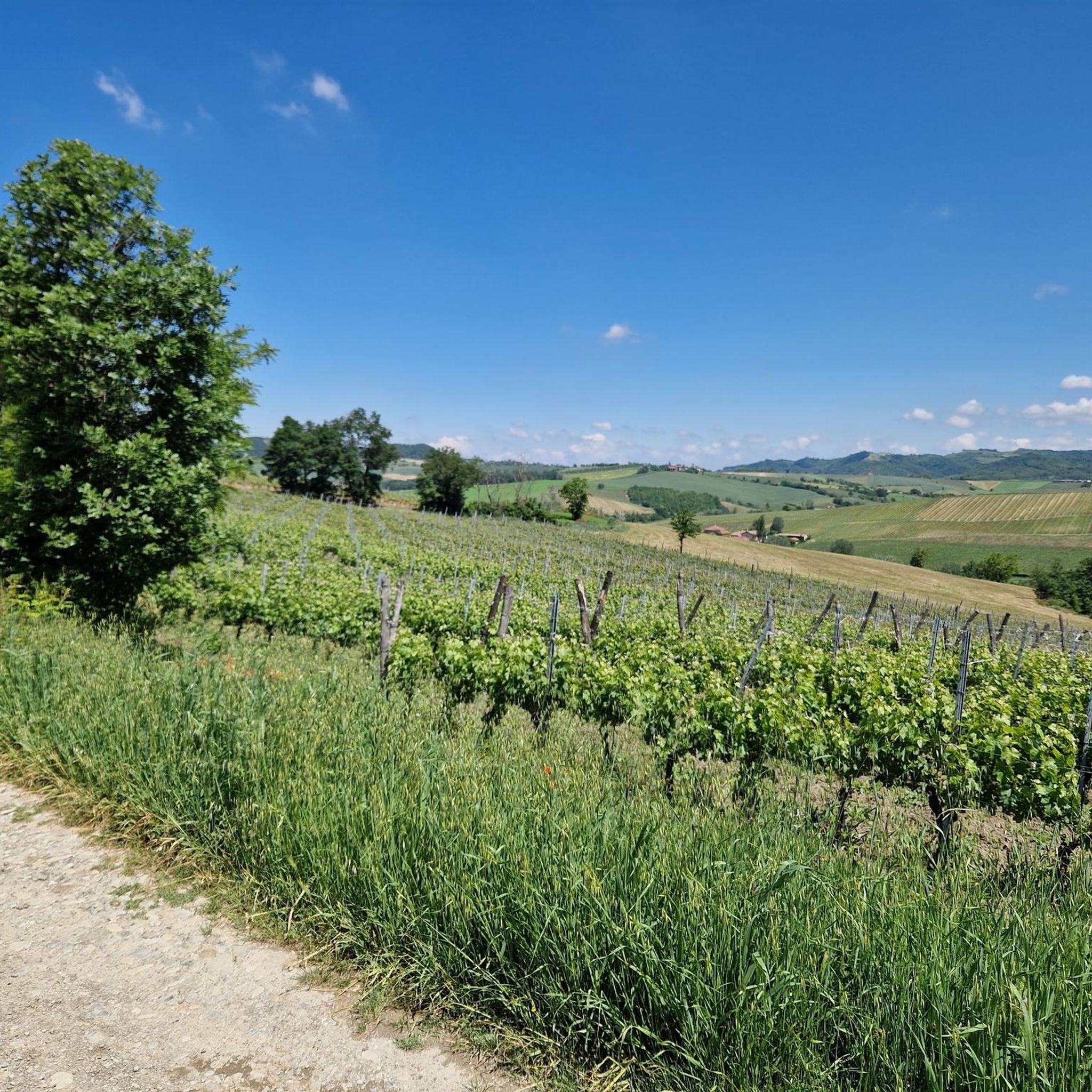
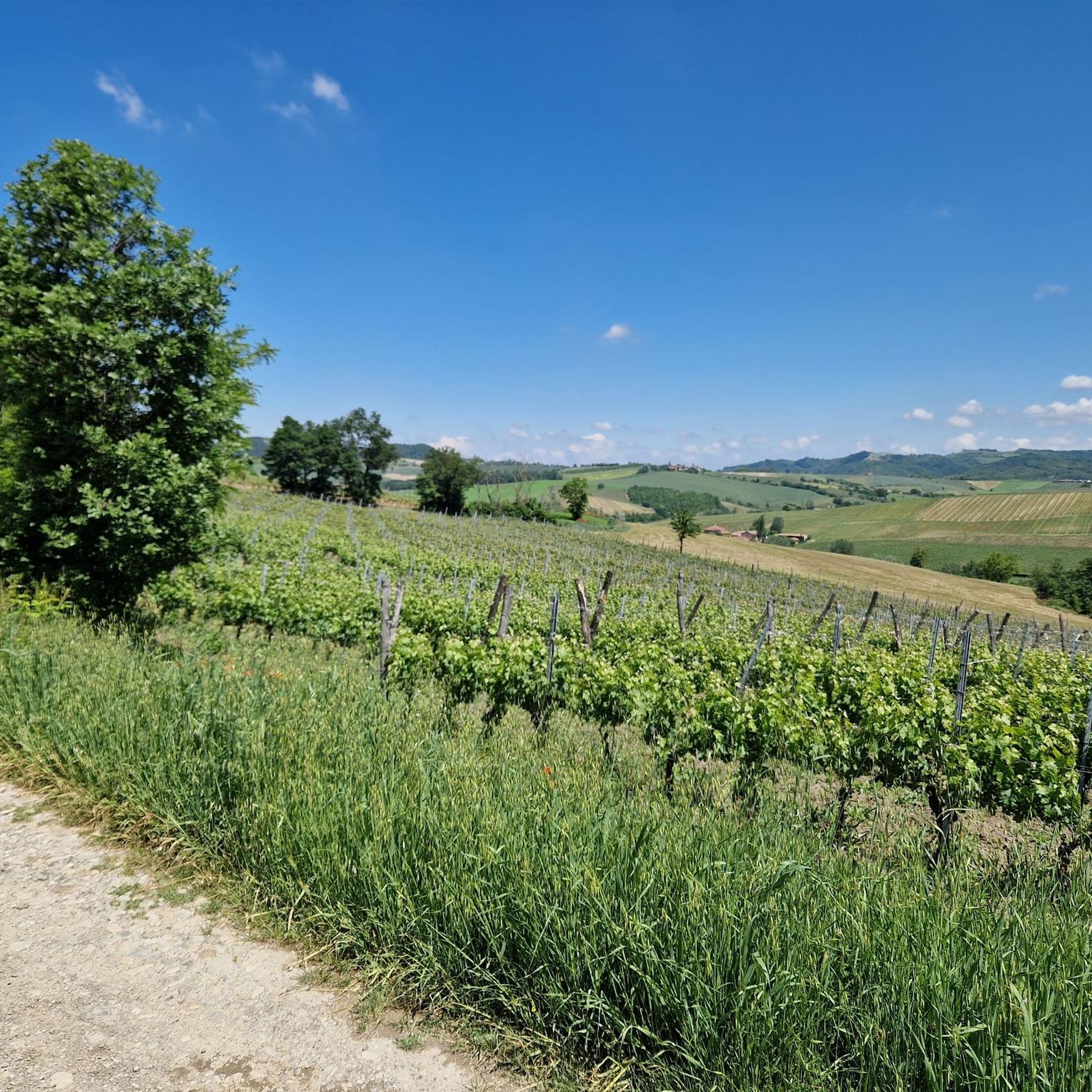
Best attractions and places to see around Costa Vescovato, a municipality in Piedmont, Italy, offers a blend of historical landmarks and natural beauty within the Tortona Hills. Its name reflects historical ties to the Bishops of Tortona. The area features significant cultural sites and prominent natural features, providing diverse exploration opportunities. This region is characterized by its hilly landscape and historical depth.
Best attractions and places to see around Costa Vescovato
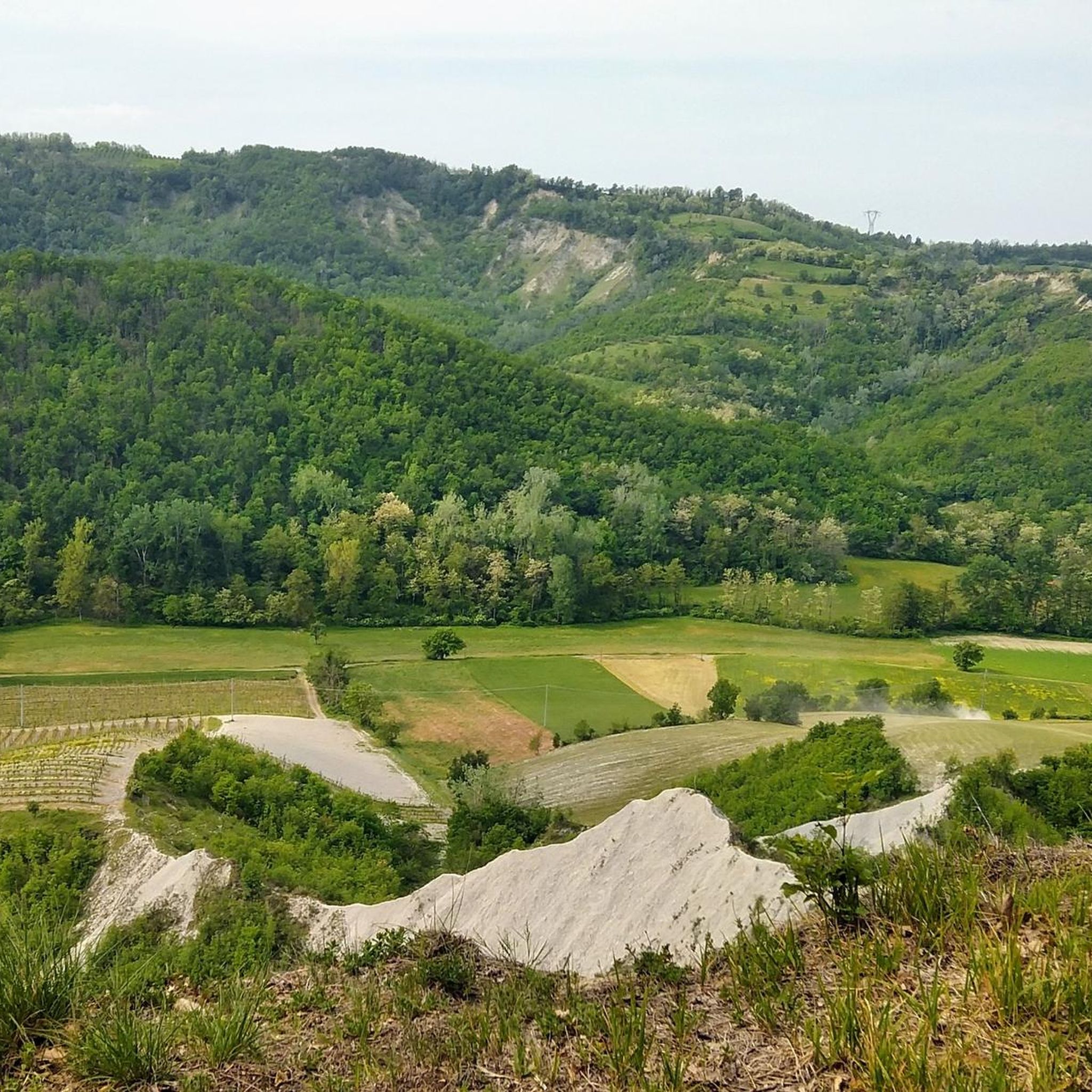
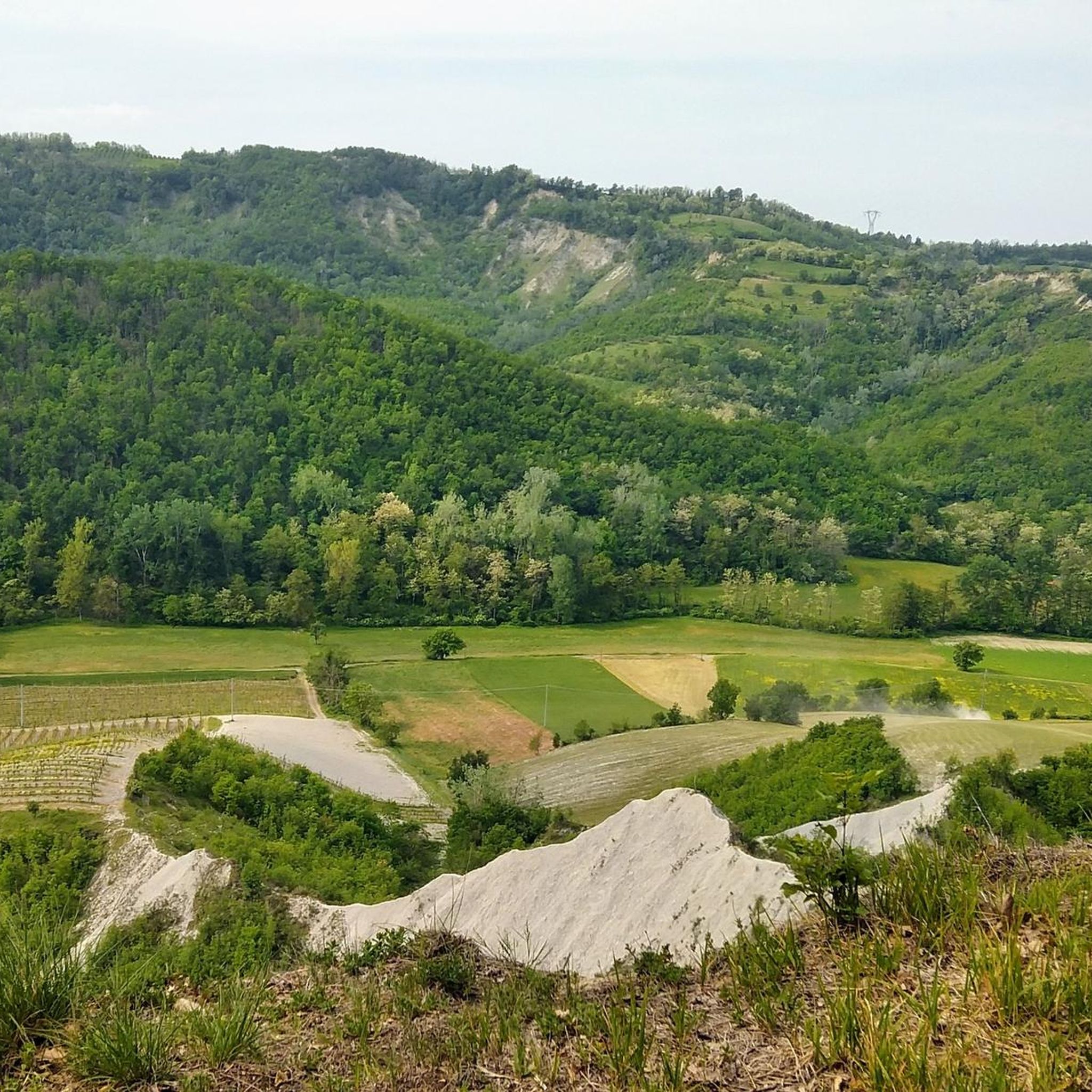
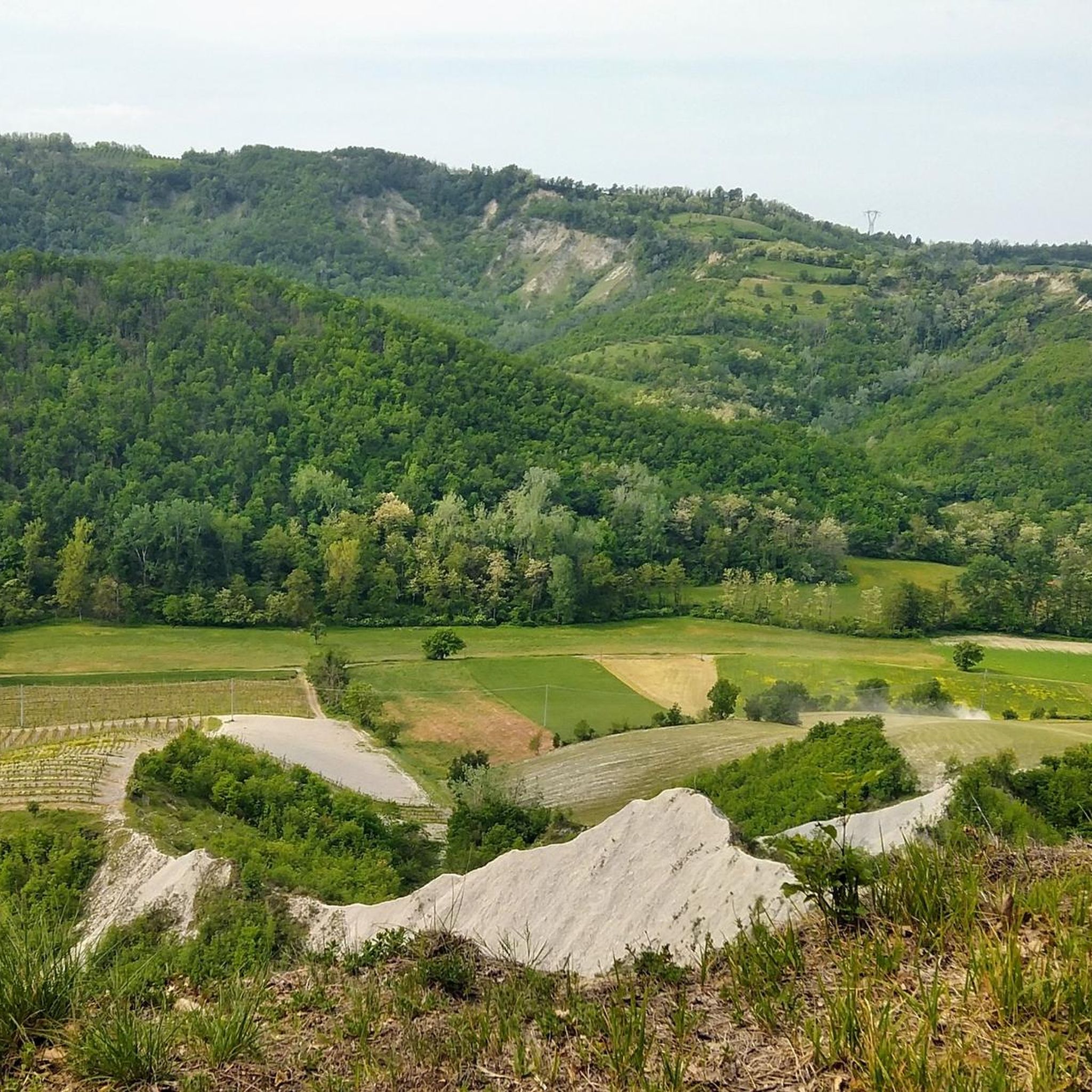
- The most popular attractions is Monte San Vito Summit, a summit that is the highest peak of the Tortona Hills. It offers magnificent views from its rocky crags where an iconic cross stands.
- Another must-see spot is Romanesque Parish Church of Santa Maria Assunta, a religious building and historical site. This 11th-century parish church represents a fine example of Romanesque art, characterized by its simplicity and clean architectural lines.
- Visitors also love Mural of Il Quarto Stato by Giuseppe Pellizza da Volpedo, a man-made monument. This is a full-size copy of the original painting, depicting the advance of workers and symbolizing the workers' question.
- Costa Vescovato is known for its historical sites, natural features, and cultural spots. Visitors can explore a variety of attractions, from ancient towers and churches to panoramic viewpoints and artistic tributes.
- The attractions around Costa Vescovato are appreciated by the komoot community, with more than 40 upvotes and over 20 photos shared by visitors.
Last updated: August 30, 2026
Mural of Il Quarto Stato by Giuseppe Pellizza da Volpedo
Highlight • Monument
Translated by Google •
Tip by

Monte San Vito Summit
Highlight • Summit
What interests bikers is the maze of tracks, some dedicated others shared with walkers, which unravel from Monte San Vito, which descend on the north, west and south sides (village of San Vito), connecting with other paths, continuing between Monte Campogrande and Monte Bruzzo, towards S. Andrea but above all towards Sarizzola. Some of these trails were the scene of the Garbagna enduro MTB race, another access point for Monte San Vito (from Val Grue).
Translated by Google •
Tip by

Sign up now to discover places like this
Get recommendations on the best single tracks, peaks, & plenty of other exciting outdoor places.
Sign up for free
Medieval Towers of Sant'Alosio
Highlight • Historical Site
The towers, with a square plan, were originally more than 20 m high but were (unfortunately) lowered during the restoration work in 1948, for consolidation purposes. They are built in carefully squared local stone and probably date back to the 13th century. From here you can enjoy a 360 ° view of the surrounding valleys and hills.
The latest recent restoration interventions have further consolidated the structure, as well as restoring the access stairway and the surrounding area.
Translated by Google •
Tip by
Romanesque Parish Church of Santa Maria Assunta
Highlight • Religious Site
Translated by Google •
Tip by

Dongione of Carbonara Scrivia
Highlight • Castle
Translated by Google •
Tip by

Sign up for free to discover even more attractions around Costa Vescovato.
Sign up for free
Already have an account?
Start today with a free account
Your next adventure awaits.
Login or Signup

Tips from the Community

"The Fourth Estate" (1901) by Giuseppe Pellizza da Volpedo is a famous oil on canvas depicting a march of laborers, set in Piazza Malaspina in Volpedo (Alessandria). A symbol of workers' struggle, the work combines Pointillist technique and social themes. It is now housed at the Museo del Novecento in Milan.
4
0

Small but evocative, this Romanesque parish church still retains part of its original medieval architectural structure.
0
0

The castle of Carbonara Scrivia dates back to the 14th century or early 15th century, according to some documents found. The typical construction called "dongione" was built by Pierino Cameri on a previous property owned by the Curolo family, lords of Carbonara, who declined starting from 1246.
0
0
Quarto Stato Volpedo Square
2
0

Volpedo has been included in the club of the most beautiful villages in Italy. It is famous for being the birthplace of the painter Giuseppe Pellizza, author of the famous The Fourth Estate, which became a symbol of the workers' question, starting from the 19th century onwards with the second industrial revolution.
3
0
Natural-size reproduction of the famous painting by Giuseppe Pellizza da Volpedo. Built between 1898 and 1901 and became a symbol of the workers' question, starting from the 19th century onwards with the second industrial revolution. Since July 2022 it has been preserved in the Gallery of Modern Art in Milan.
3
0

The 14th century fortress of Carbonara Scrivia boasts the so-called "Dongione", built by Pierino Cameri. In addition to the dungeon, the defensive system of Carbonara Scrivia consisted of a fortified enclosure or castle, a moat and two access gates.
3
0

Volpedo: the town of Pellizza and his house
2
0
Frequently Asked Questions
What are the main natural attractions in the Costa Vescovato area?
The most prominent natural feature is the Monte San Vito Summit, which is the highest peak in the Tortona Hills. It offers magnificent views from its rocky crags and is a popular spot for hiking and mountain biking. The surrounding Tortona Hills themselves provide a beautiful hilly landscape to explore.
What historical and cultural sites can I visit near Costa Vescovato?
The area is rich in history. You can explore the Mural of Il Quarto Stato by Giuseppe Pellizza da Volpedo, a full-size copy of the famous painting, located in Piazzetta Quarto Stato (Volpedo). Another significant site is the Romanesque Parish Church of Santa Maria Assunta, an 11th-century church known for its simple architectural lines. Don't miss the Medieval Towers of Sant'Alosio, which offer panoramic views from their summit location.
Are there family-friendly attractions in Costa Vescovato?
Yes, several attractions are suitable for families. The Mural of Il Quarto Stato by Giuseppe Pellizza da Volpedo and the Piazzetta Quarto Stato (Volpedo) offer an engaging cultural experience. The Romanesque Parish Church of Santa Maria Assunta is also considered family-friendly, providing a glimpse into local history and architecture.
What kind of outdoor activities can I do around Costa Vescovato?
The Tortona Hills offer excellent opportunities for outdoor activities. You can find numerous trails for hiking, mountain biking, and running. For specific routes, explore the Hiking around Costa Vescovato guide, the MTB Trails around Costa Vescovato guide, and the Running Trails around Costa Vescovato guide.
Are there hiking trails suitable for different skill levels?
Yes, the area offers a variety of hiking trails. For example, the 'The Route of the Badlands and Vineyards' is an easy 3.7 km hike, while the 'Piedmont vineyards trail from Costa Vescovato' is a moderate 10.6 km route. You can find more options in the Hiking around Costa Vescovato guide.
What is the best time to visit Costa Vescovato for outdoor activities?
While specific seasonal weather data isn't provided, the Tortona Hills are generally pleasant for outdoor activities during spring and autumn when temperatures are milder. Summer can be warm, and winter might offer different scenic views, though some trails could be more challenging.
What do visitors particularly enjoy about the attractions in Costa Vescovato?
Visitors appreciate the blend of historical depth and natural beauty. The Monte San Vito Summit is loved for its magnificent panoramic views. The Romanesque Parish Church of Santa Maria Assunta is often described as small but evocative, retaining its original medieval structure. The Mural of Il Quarto Stato is considered very suggestive and a powerful symbol.
Can I find mountain biking trails in the Costa Vescovato region?
Absolutely. The Monte San Vito Summit area is a popular hub for mountain biking, with a maze of tracks descending its sides and connecting to other paths. You can explore various routes, including those that were part of the Garbagna enduro MTB race. Check the MTB Trails around Costa Vescovato guide for detailed options.
Are there any specific historical fortifications or towers to see?
Yes, the Medieval Towers of Sant'Alosio are a notable historical site. These two characteristic towers, dating back to the 13th century, stand on the summit esplanade where an ancient manor once stood, offering a 360° view of the surrounding valleys and hills. Additionally, the 14th-century Dongione of Carbonara Scrivia is another historical fortification in the broader area.
What is the significance of Piazzetta Quarto Stato in Volpedo?
Piazzetta Quarto Stato (Volpedo) is historically significant as the location where the painter Giuseppe Pellizza da Volpedo depicted the advance of workers in his famous painting 'The Fourth Estate'. A full-size copy of this iconic artwork, the Mural of Il Quarto Stato, is displayed there, symbolizing the workers' question from the late 19th century.
Are there any churches of architectural interest in the area?
Yes, the Romanesque Parish Church of Santa Maria Assunta is a prime example of 11th-century Romanesque art, characterized by its simplicity and clean architectural lines. Other churches in the region include the Chiesa dei SS. Fabiano e Sebastiano in Frazione Sarizzola, the Chiesa dell'Assunzione di Maria Vergine in Frazione Montale Celli, and the Chiesa di San Martino in Piazza Aldo Moro.
Can I find routes for running near Costa Vescovato?
Yes, there are several running trails available. For instance, you can find routes like the 'Fausto Coppi House Museum – Parish Church of San Biagio loop from Castellania Coppi' which is a moderate 8.7 km run. More options are detailed in the Running Trails around Costa Vescovato guide.
Most popular routes around Costa Vescovato
Most popular attractions around Costa Vescovato

Get inspired with the komoot mobile app


Explore more
Still not found the Highlight you’re looking for? See guides of the top attractions in other regions:
