Attractions and Places To See around Garbagna - Top 20
Attractions and places to see around Garbagna include a range of historical landmarks, cultural sites, and natural features. This medieval village, nestled in the Piedmont region, is recognized for its authentic character. The area offers a blend of historic architecture, a medieval layout, and serene settings amidst cherry orchards and hills. Visitors can explore a variety of sites from mountain peaks to ancient village streets.
Best attractions and places to see around Garbagna
- The most popular attractions is Statue of…
Last updated: July 6, 2026
Statue of Christ the Redeemer on Monte Giarolo
Highlight • Monument
Translated by Google •
Tip by

Mural of Il Quarto Stato by Giuseppe Pellizza da Volpedo
Highlight • Monument
Translated by Google •
Tip by

Sign up now to discover places like this
Get recommendations on the best single tracks, peaks, & plenty of other exciting outdoor places.
Sign up for free
San Ponzo Semola: Village, Church, and Caves (Oltrepò Pavese)
Highlight • Settlement
Translated by Google •
Tip by

Guardamonte Rock Outcrops
Highlight • Natural Monument
Translated by Google •
Tip by

Monte San Vito Summit
Highlight • Summit
Translated by Google •
Tip by
Sign up for free to discover even more attractions around Garbagna.
Sign up for free
Already have an account?
Start today with a free account
Your next adventure awaits.
Login or Signup

Tips from the Community

"The Fourth Estate" (1901) by Giuseppe Pellizza da Volpedo is a famous oil on canvas depicting a march of laborers, set in Piazza Malaspina in Volpedo (Alessandria). A symbol of workers' struggle, the work combines Pointillist technique and social themes. It is now housed at the Museo del Novecento in Milan.
4
0

Up here, on Monte Giarolo, the hiker won't find the classic summit cross that crowns many mountains. Instead, on a pedestal divided into two sections, stands the figure of the Risen Christ, adorned with a cross. Christ raises one arm in greeting—or rather, in blessing—and with the other, he embraces the cross, that gruesome symbol of suffering and death, which, through his resurrection, he transformed into a glorious symbol of victory over death.
0
0

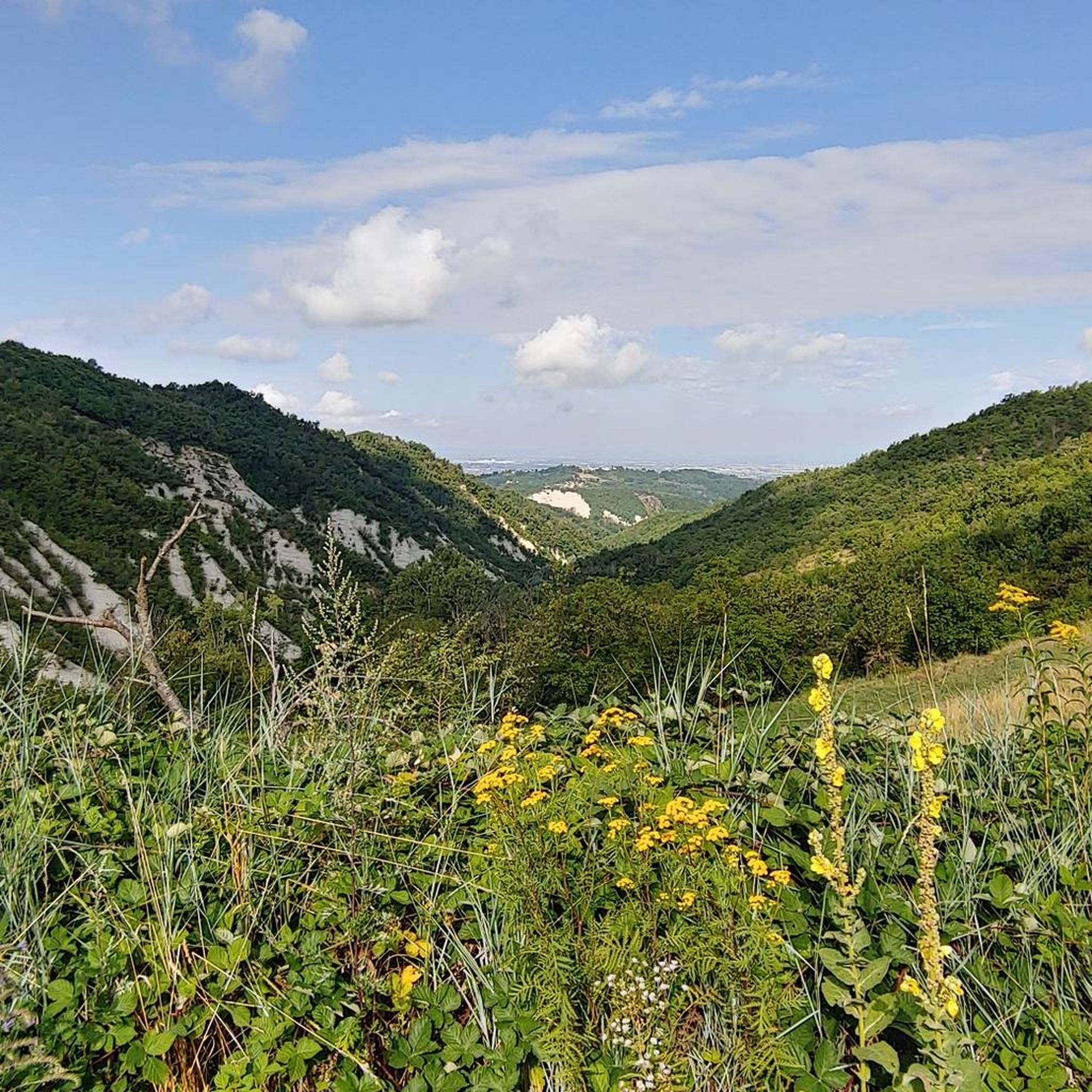
At 1,473 meters above sea level, the peak of Mount Giarolo is on the so-called Ligurian Apennines but in the province of Alessandria, Piedmont. It is the northernmost point of the Antola chain and divides the Borbera and Curone valleys. On the summit there is a statue of Christ the Redeemer.
1
0

The Feast of the Redeemer has been celebrated on Mount Giarolo since the beginning of the last century, when the first statue of the Redeemer was erected on August 11, 1901 (replaced with the new one exactly one hundred years later) in order to celebrate the 19th centenary of the birth of Christ. It was inaugurated by the Bishop of Tortona who, for the occasion, promoted a diocesan pilgrimage in which approximately 12,000 faithful participated. Since then, every year on the first Sunday of August tourists and faithful go to the top of the mountain to renew the tradition.
3
0

San Ponzo Semola (hamlet of Ponte Nizza) is a village in the Oltrepò Pavese located on the left bank of the Staffora stream along the Voghera – Varzi “greenway” cycle/pedestrian path. The medieval portion of the town with its characteristic stone houses is located south of the town center at the foot of the small wooded valley of the Semola stream. San Ponzo was one of the railway stations on the Voghera-Varzi line, active between 1931 and 1966. In this timeless village stands the ancient church of San Ponzo, modified in 1400 without its medieval architectural features having been completely lost. Inside there are traces of frescoes and a stone baptismal font from 1161. Of note, the area of the Caves of San Ponzo and the Giaciglio del Santo can be reached with a short excursion on foot along the path that goes up to Guardamonte. Legend has it that in these caves in the third century AD. lived the holy hermit and martyr. Near the caves, the centuries-old "Grande Vecchio" tree of San Ponzo can be admired, although little reported.
3
0
The top of the mountain can be reached starting from Cantalupo Ligure, Borgo Adorno and Albera Ligure (Val Borbera), from Giarolo (Val Museglia) and from Caldirola (Val Curone). The view from the top extends north and west over the plain up to the Alpine range with the profiles of Monviso, Cervino and Rosa. In the other directions the panorama shows the nearest mountains Boglelio, Penice, Lesima, Ebro, Chiappo, Monte Antola, other peaks of the Ligurian Apennines up to the Ligurian Sea, visible on the clearest days. (source Wikipedia)
0
0

Quarto Stato Volpedo Square
2
0

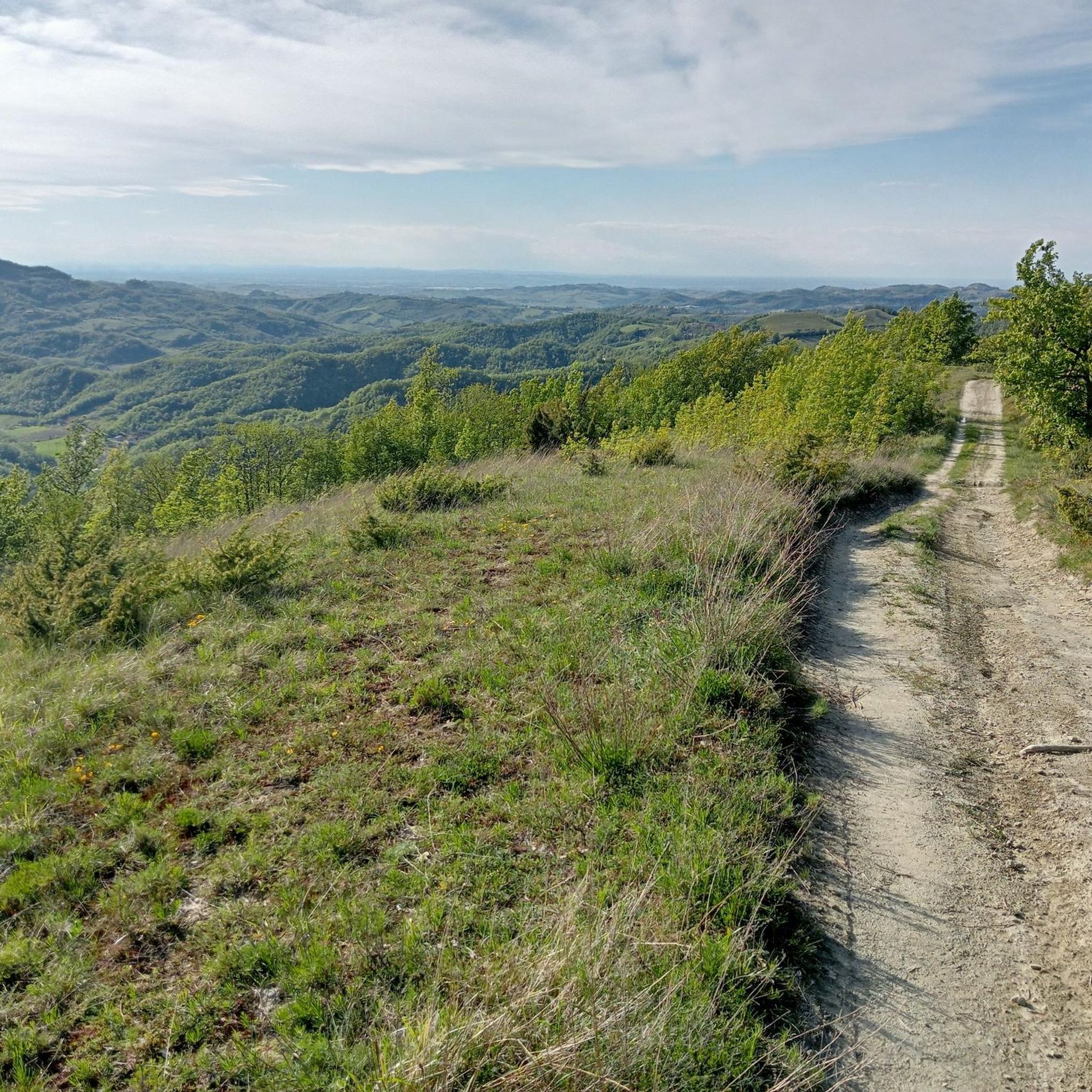
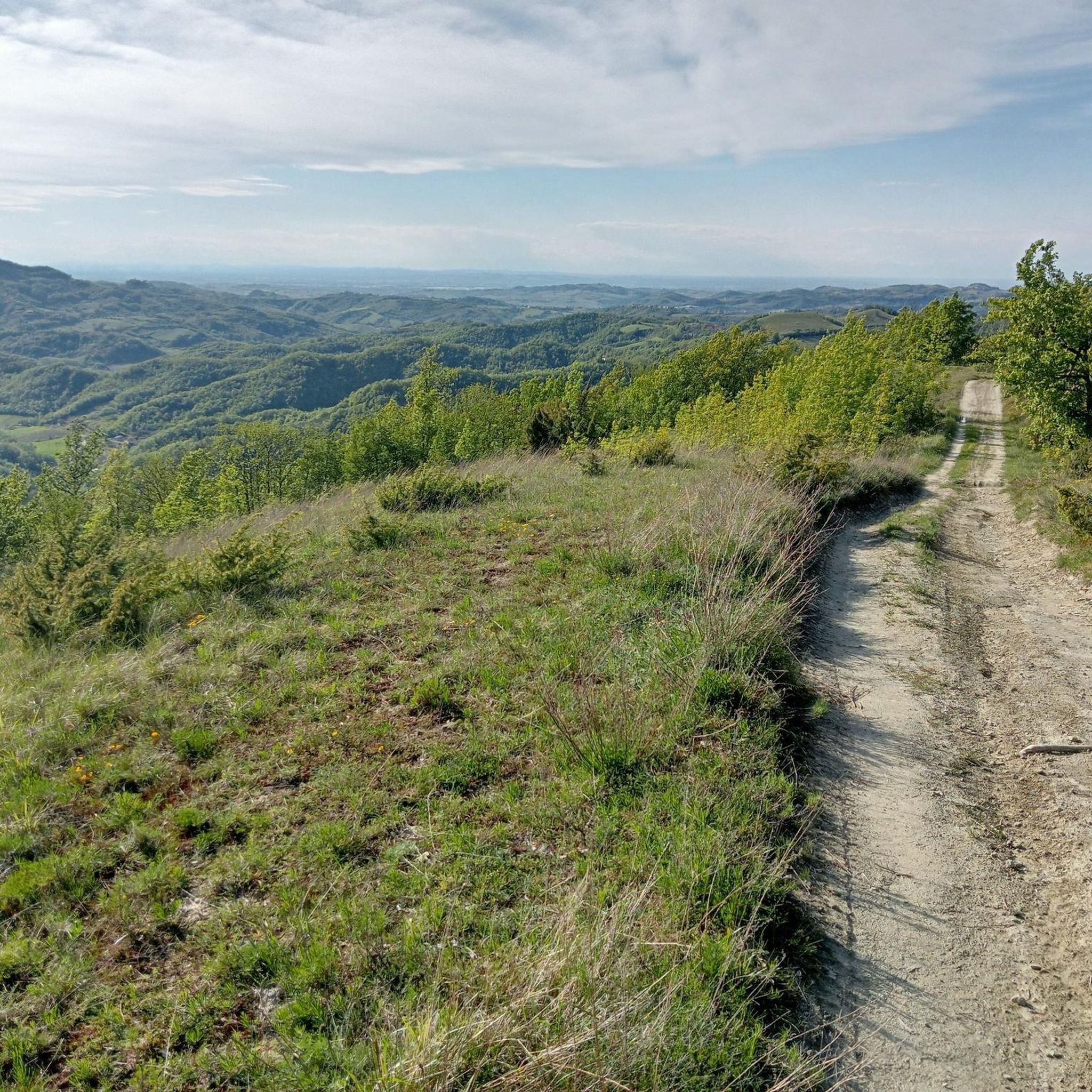
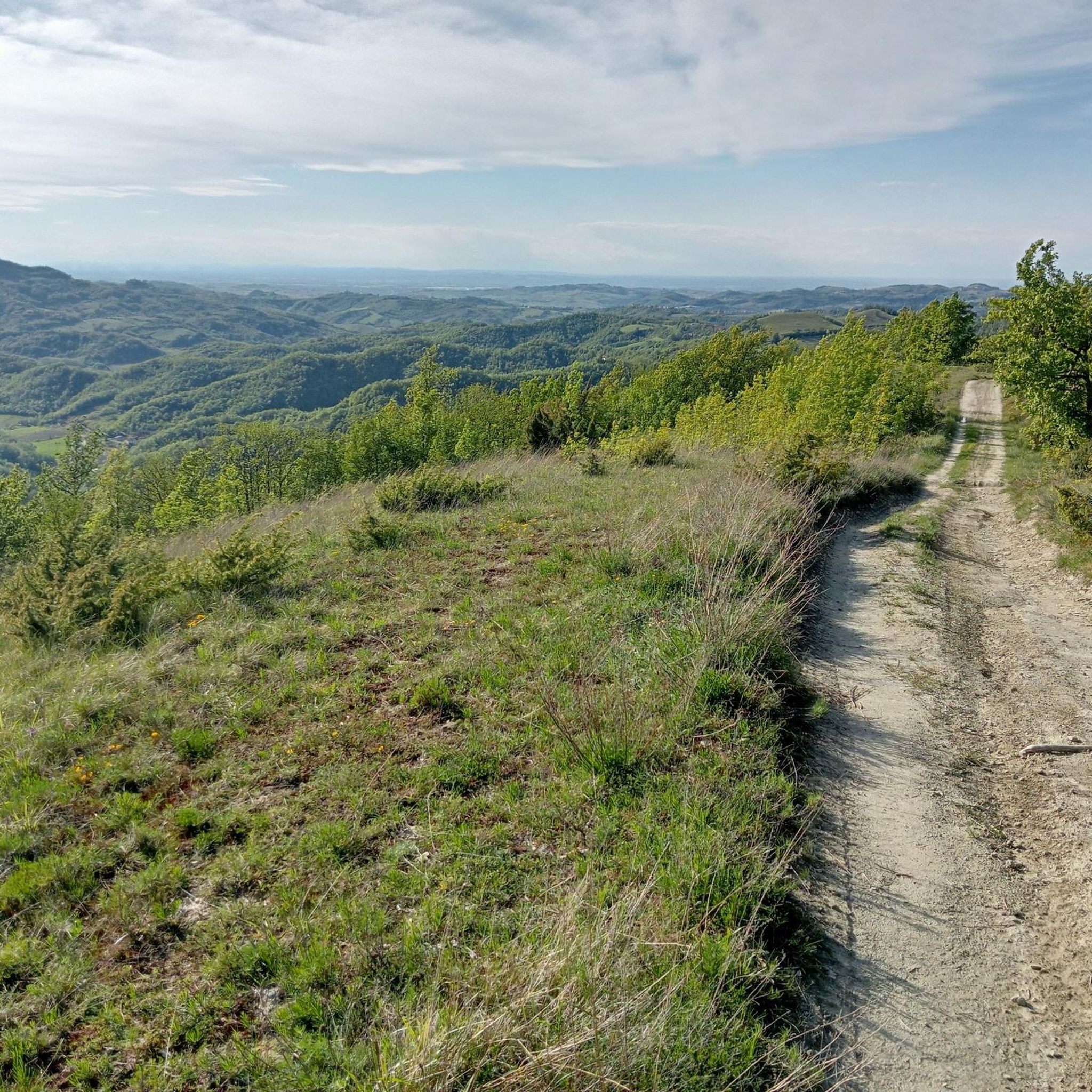
beautiful ride! Be careful only on rockside, you need driving skills and familiarity.
0
0
Frequently Asked Questions
What natural features can I explore around Garbagna?
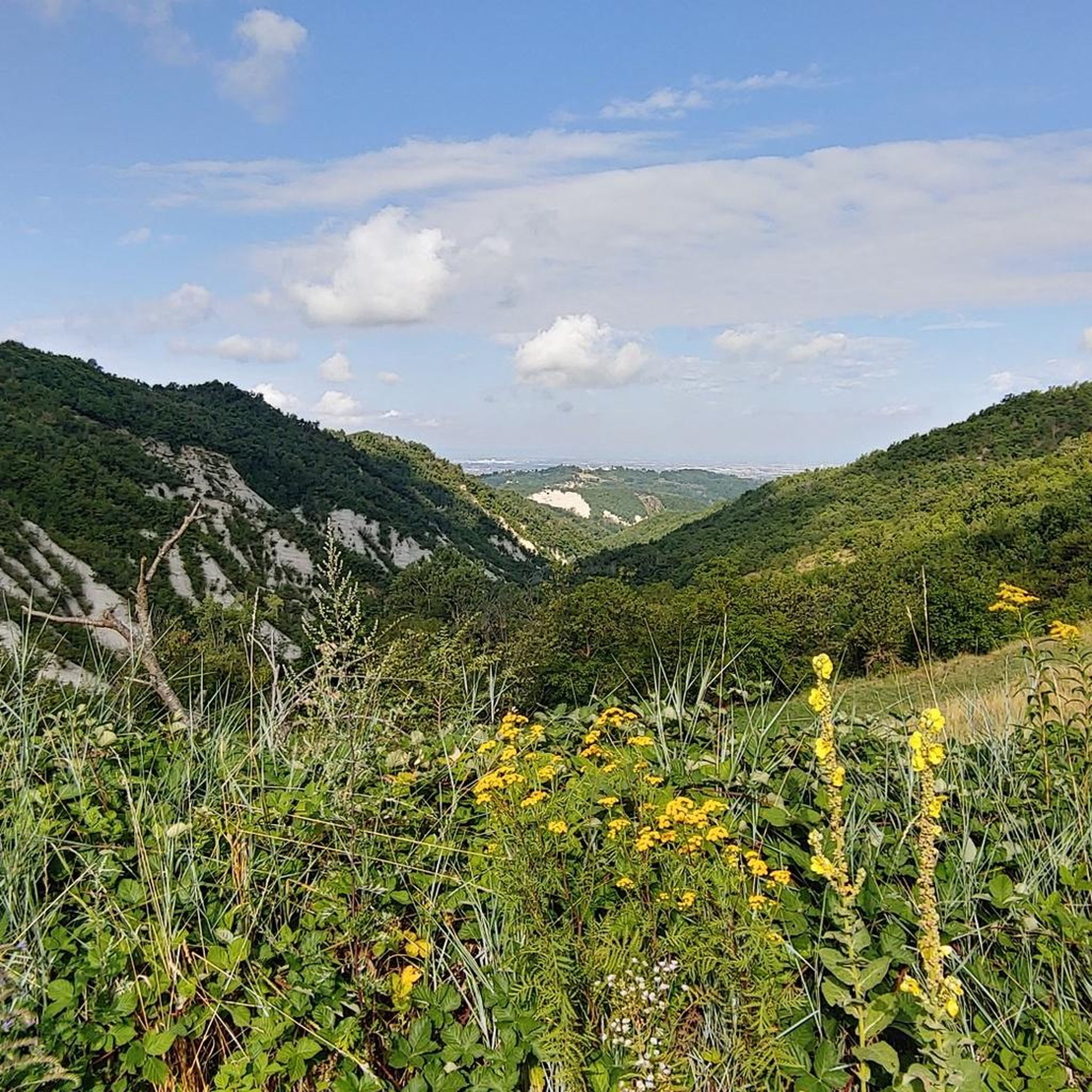
Garbagna is surrounded by natural beauty. You can explore the Guardamonte Rock Outcrops, which offer spectacular views of the Apennines and hold historical interest. The area is also known for its "Bella di Garbagna" cherry orchards, particularly stunning during spring bloom and summer harvest, with walking paths winding through the hills. Additionally, the Monte San Vito Summit provides magnificent views from its rocky crags.
What historical and cultural sites can I visit in Garbagna?
Garbagna, a medieval village, offers several historical and cultural sites. The heart of the village is
Piazza Doria, a Renaissance square overlooked by the Parish Church of San Giovanni Battista. You can also visit the Church of San Giovanni Battista itself, dating back to the 17th century, and the 16th-century Oratory of San Rocco. The remains of the 9th-century Castello dei Fieschi stand above the village, offering panoramic views. For a unique cultural experience, visit the Mural of Il Quarto Stato by Giuseppe Pellizza da Volpedo, a full-size reproduction of the famous painting symbolizing the workers' question.
When is the best time to visit Garbagna?
The best time to visit Garbagna is during late spring and early summer, especially if you wish to experience the cherry harvest and local food festivals. Autumn is also a wonderful time to enjoy the countryside and seasonal produce.
Are there family-friendly attractions in Garbagna?
Yes, Garbagna offers family-friendly options. The Mural of Il Quarto Stato by Giuseppe Pellizza da Volpedo and the Piazzetta Quarto Stato (Volpedo) are accessible and offer an engaging cultural experience. The pleasant 2 km walk through the forest to the Sanctuary of Madonna del Lago can also be a nice family outing. Exploring the historic heart of the village, La Contrada, with its winding streets, is also suitable for families.
What hiking opportunities are available near Garbagna?
The hills around Garbagna offer numerous hiking opportunities. Walking paths wind through the famous cherry orchards and connect to longer countryside routes. You can also find trails leading to viewpoints like the Monte San Vito Summit. For more structured routes, explore the running trails around Garbagna, which include options like the 'Cross on Monte San Vito loop' and 'Monte San Vito Summit – View of Garbagna loop'.
Are there cycling routes around Garbagna?
Yes, Garbagna is a great base for cycling. You can find various routes, including gravel biking and touring bicycle options. Explore the gravel biking routes around Garbagna or the cycling routes around Garbagna. Some popular routes include the 'Oratory of San Rocco – Church of San Martino di Sorli loop from Garbagna' and the 'Piazza dell'Olmo, Garbagna – Monte San Vito Summit loop from Avolasca'.
Where can I find panoramic views of the region?
For breathtaking panoramic views, head to the Statue of Christ the Redeemer on Monte Giarolo, located at 1,473 meters above sea level. The Monte San Vito Summit also offers magnificent vistas from its rocky crags. Additionally, the Guardamonte Rock Outcrops provide spectacular views of the Apennines.
What is the significance of the 'Bella di Garbagna' cherry?
The 'Bella di Garbagna' cherry is a local specialty and a Slow Food Presidium, making it a significant part of the region's agricultural heritage and culinary identity. The surrounding hills are covered with cherry orchards, which are particularly beautiful during their bloom and harvest seasons.
What makes Garbagna one of Italy's 'most beautiful villages'?
Garbagna is recognized as one of Italy's 'most beautiful villages' due to its charming medieval layout, historic architecture, and serene setting amidst cherry-filled hills. Its authentic character, preserved landmarks like Piazza Doria and the Castello dei Fieschi, and cultural sites contribute to its unique appeal, offering a blend of history, culture, and natural beauty.
Can I visit the Fieschi Castle?
Yes, you can visit the remains of the 9th-century Castello dei Fieschi. It stands above the village and offers panoramic views. Visitors can still see the observation tower, the entrance gate, and parts of the defensive walls, providing a glimpse into Garbagna's medieval past.
Are there any religious sites of interest in Garbagna?
Beyond the Parish Church of San Giovanni Battista and the Oratory of San Rocco within the village, you can also visit the Sanctuary of Madonna del Lago. This 14th-century sanctuary is reachable via a pleasant 2 km walk through the forest from Garbagna and is associated with a local legend of a miraculous appearance of the Virgin Mary.
What kind of accommodation is available near Garbagna?
For those looking to taste typical local products and relax, agriturismos like Agriturismo Guardamonte and Agriturismo Cal del Monte are available in the nearby municipalities of Gremiasco and Cecima, respectively. These offer a chance to experience the regional hospitality and cuisine.
Most popular routes around Garbagna
Most popular attractions around Garbagna

Get inspired with the komoot mobile app


Explore more
Still not found the Highlight you’re looking for? See guides of the top attractions in other regions:
