The best cycling routes around Castelletto D'Erro
4.4
(185)
1,729
riders
159
rides
Touring cycling routes around Castelletto D'Erro navigate a landscape characterized by rolling hills and river valleys, offering diverse terrain for cyclists. The region features historical towns and agricultural areas, with routes often connecting cultural landmarks. Elevations vary significantly, providing options from gentle paths to more challenging climbs through the Piedmontese countryside.
Best touring cycling routes around Castelletto D'Erro
- The most popular touring cycling route is Roman Aqueduct of Acqui Terme – Acqui Terme Cycle Path loop from Ponti, a…
Last updated: July 1, 2026
3.5
(2)
27
riders
36.7km
02:19
290m
290m
Moderate bike ride. Good fitness required. Mostly paved surfaces. Suitable for all skill levels.
29
riders
65.9km
04:18
850m
850m
Hard bike ride. Very good fitness required. Mostly paved surfaces. Suitable for all skill levels.

Sign up for free
5.0
(1)
16
riders
Hard bike ride. Very good fitness required. Mostly paved surfaces. Suitable for all skill levels.
16
riders
57.2km
03:29
440m
440m
Moderate bike ride. Good fitness required. Mostly paved surfaces. Suitable for all skill levels.
6
riders
21.9km
01:53
410m
410m
Moderate bike ride. Good fitness required. Mostly paved surfaces. Suitable for all skill levels.
Get access to more routes and recommendations from other explorers.
Sign up for free
Already have an account?
Our route recommendations are based on thousands of hikes, rides, and runs completed by other people on komoot.
Start today with a free account
Your next adventure awaits.
Login or Signup
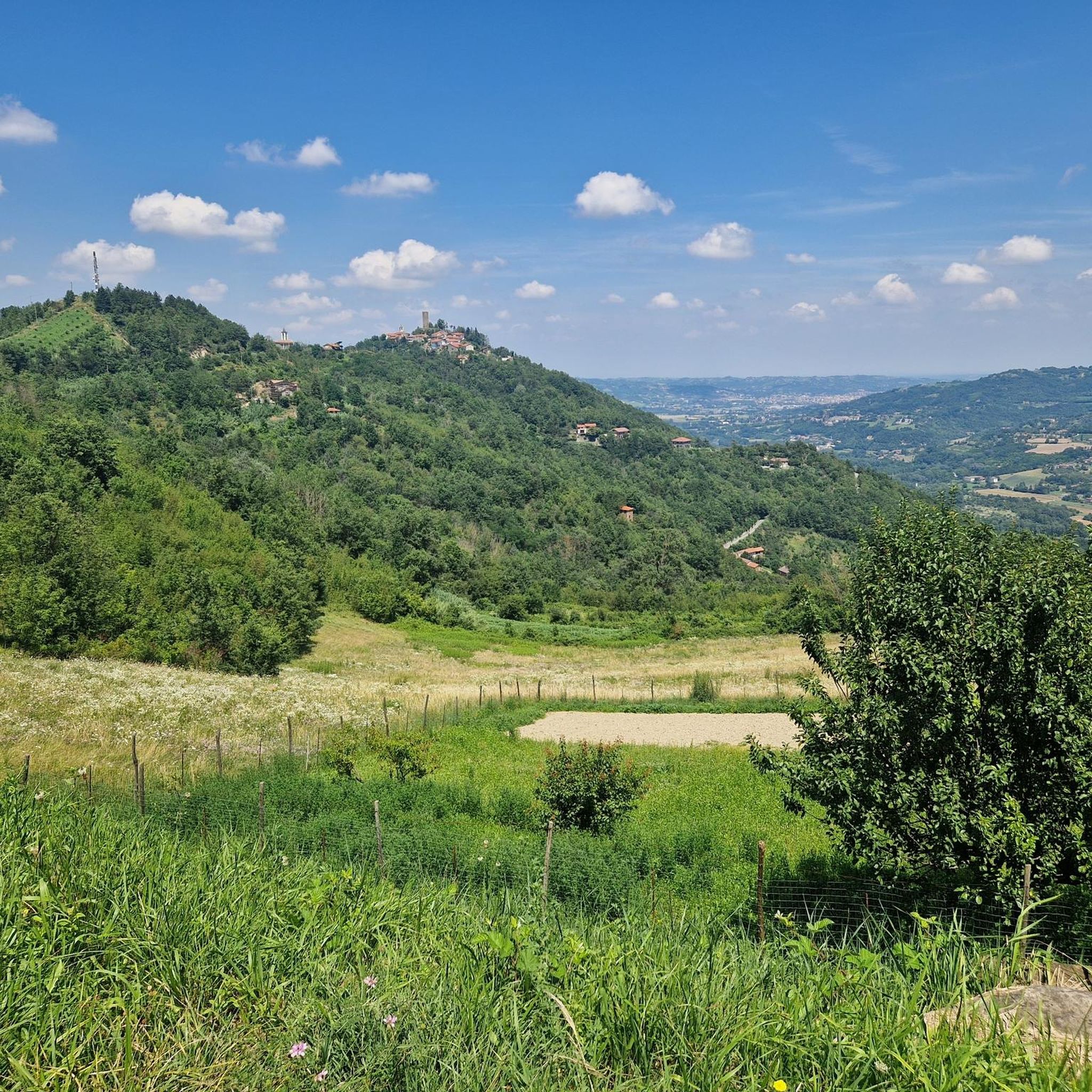
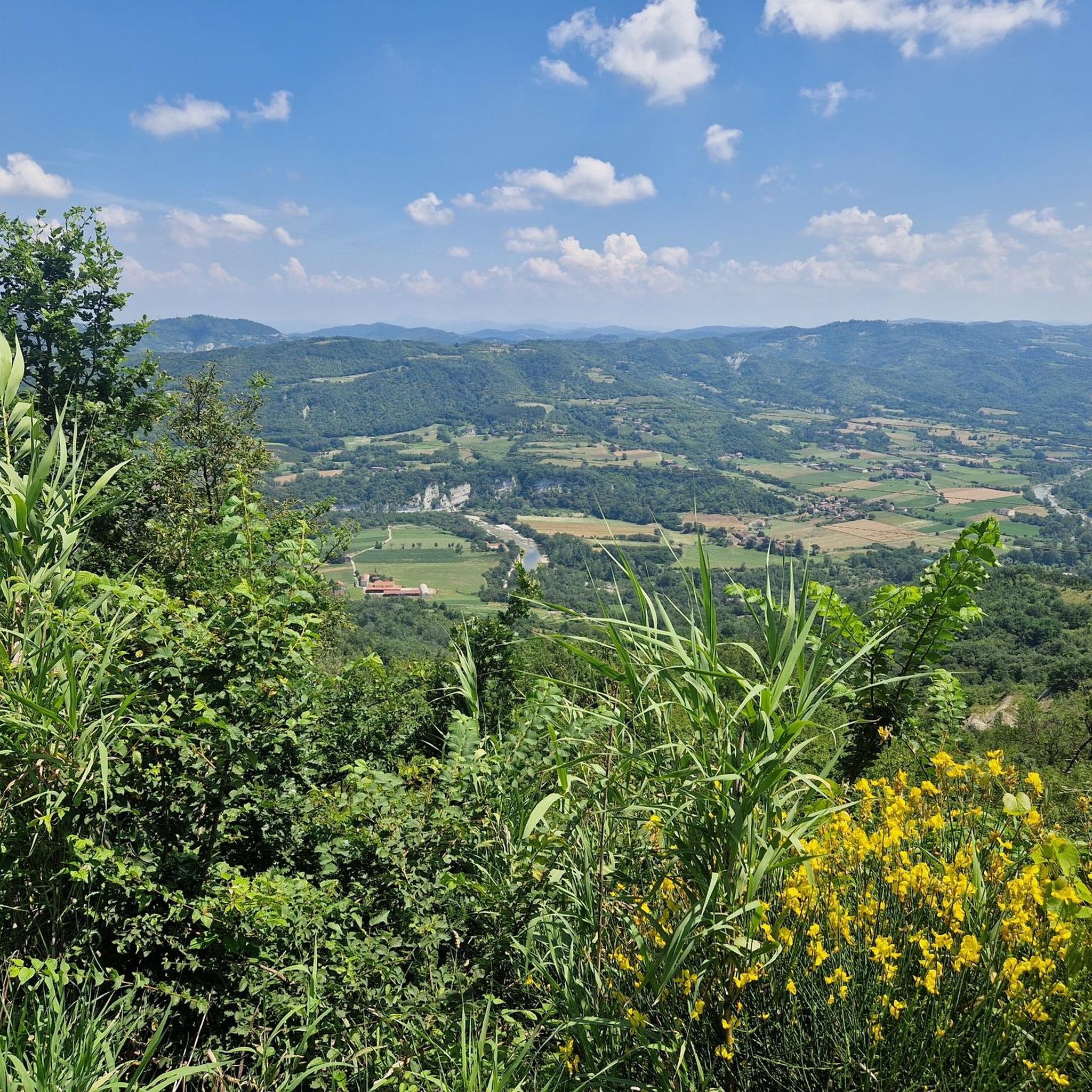
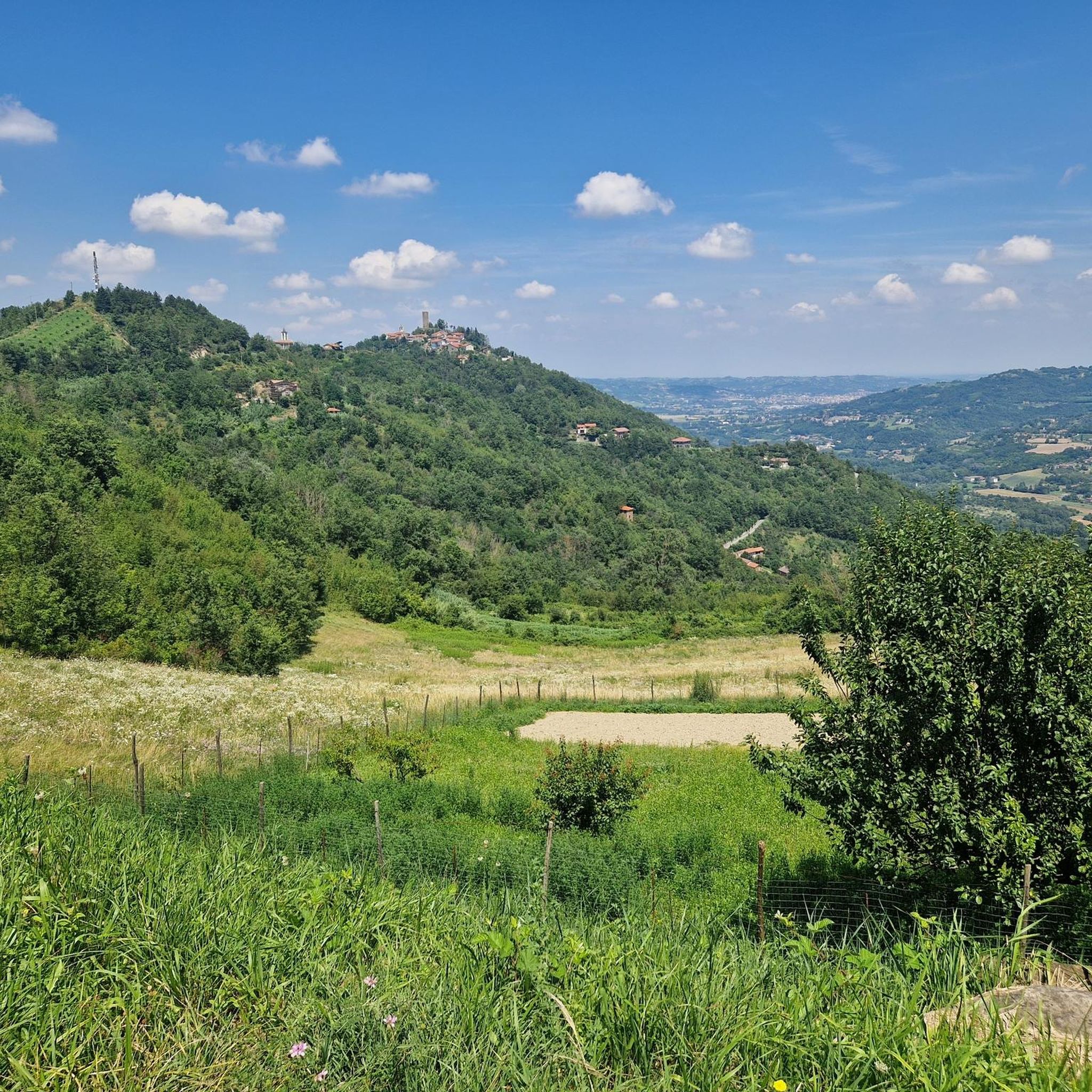
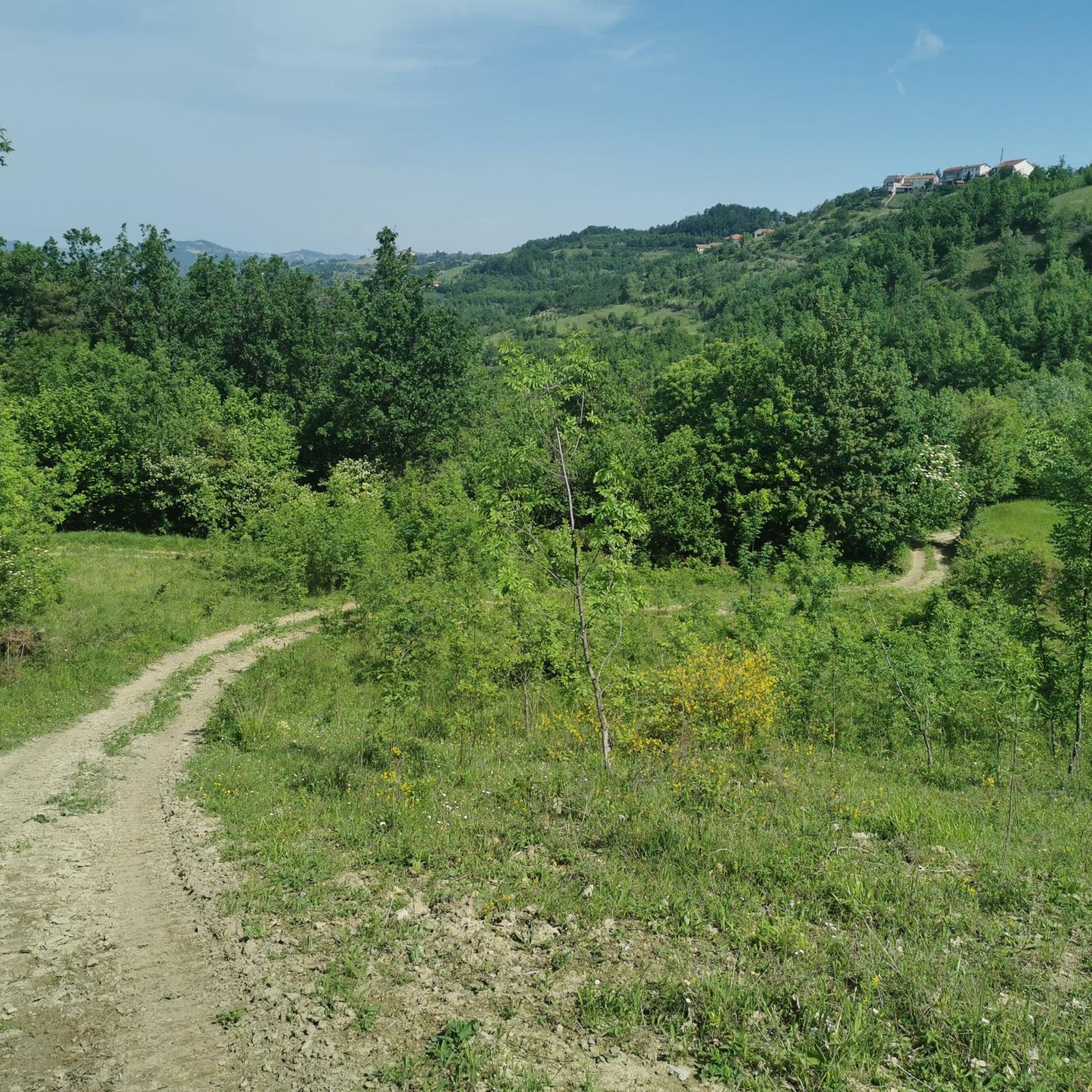

Tips from the Community

Santo Stefano Belbo is an Italian municipality in Piedmont, in the province of Cuneo, located between the Langhe and the Moscato area, in a valley crossed by the Belbo river.
14
0
The Valle Bormida is a valley in northwestern Italy that extends between Piedmont and Liguria, following the course of the Bormida river, a tributary of the Tanaro.
11
0
The Church of San Sebastiano in Montabone is a small, historic religious building located in the center of the village of Montabone, in the hills of Alto Monferrato (province of Asti).
14
0
Little-trafficked road with a beautiful panorama.
14
0
The vineyards between Bubbio (Brachetto area) and Sessame are among the most characteristic of the Alto Monferrato, right in the heart of the production of Brachetto d’Acqui DOCG.
14
0
The vineyards between Bubbio (Brachetto area) and Sessame are among the most characteristic of Alto Monferrato, right in the heart of the production of Brachetto d’Acqui DOCG.
16
0
The main square of the small municipality of Sessame is the heart of the town, although – being a very small village – it does not have a large monumental square like in the cities.
17
0
The phrase “The door of care is of abundance” is not a very common Italian proverb, so it can be interpreted metaphorically or spiritually.
0
0
Frequently Asked Questions
What are the difficulty levels of touring cycling routes around Castelletto D'Erro?
The touring cycling routes around Castelletto D'Erro offer a range of difficulties. There are 5 easy routes, 44 moderate routes, and 98 difficult routes. This variety ensures options for cyclists of all experience levels, from gentle paths through river valleys to more challenging climbs in the Piedmontese countryside.
What is the typical length of touring cycling routes in Castelletto D'Erro?
Route lengths vary significantly. For example, the Roman Aqueduct of Acqui Terme – Acqui Terme Cycle Path loop from Ponti is 23.2 miles (37.3 km), while more challenging routes like the Canelli – Bubbio Historic Town Center loop from Bistagno extend to 40.7 miles (65.6 km).
Are there family-friendly touring cycling routes suitable for all ages in Castelletto D'Erro?
Yes, there are 5 easy touring cycling routes available in the region, which are generally suitable for families. These routes often follow dedicated cycle paths or less demanding terrain, allowing for a pleasant experience for cyclists of varying ages and abilities.
Are there any circular touring cycling routes in Castelletto D'Erro?
Many of the touring cycling routes around Castelletto D'Erro are designed as loops, offering convenient circular journeys. Examples include the Roman Aqueduct of Acqui Terme – Acqui Terme Cycle Path loop from Ponti and the Bubbio Historic Town Center – Tower of Roccaverano loop from Bistagno, which allow you to start and end in the same location.
What kind of scenery can I expect on touring cycling routes in Castelletto D'Erro?
The routes traverse a landscape of rolling hills, river valleys, and vineyard-covered hills. You'll encounter historical towns, agricultural areas, and cultural landmarks. The region's charm lies in its blend of natural beauty and historical architecture.
What historical sites or landmarks can I see along the touring cycling routes?
Many routes pass by significant historical sites. You can explore the Roman Aqueduct of Acqui Terme, visit charming settlements like Monastero Bormida and Roccaverano, or see the Medieval Tower of Castelletto d'Erro. The Bubbio Historic Town Center – Tower of Roccaverano loop from Bistagno specifically leads towards the Tower of Roccaverano.
Are there any notable castles or towers to visit while cycling?
Yes, the region is dotted with historical structures. You can find the Medieval Tower of Castelletto d'Erro and the Vengore Tower. The Chiesetta di San Lorenzo – From Fondoferle to Cimaferle loop from Ponti offers views of the local landscape that once hosted such fortifications.
What do other touring cyclists enjoy most about cycling in Castelletto D'Erro?
The area is highly rated by the komoot community, with an average score of 4.5 stars from over 100 reviews. Reviewers often praise the diverse terrain, the historical towns, and the scenic river valleys. Over 1,500 touring cyclists have used komoot to explore the region's varied routes.
What is the best season for touring cycling in Castelletto D'Erro?
While specific seasonal data isn't provided, the Mediterranean climate of Piedmont generally makes spring and autumn ideal for cycling, offering pleasant temperatures and vibrant landscapes. Summer can be warm, especially in July and August, while winter can be chilly with a chance of rain or snow at higher elevations.
Are there routes that explore multiple historic town centers?
Absolutely. Routes like the Canelli – Bubbio Historic Town Center loop from Bistagno and the Monastero Bormida – Bubbio Historic Town Center loop from Bistagno are designed to take you through several charming historic villages, allowing you to experience the rich cultural heritage of the area.
How many touring cycling routes are available in total around Castelletto D'Erro?
There are over 140 touring cycling routes available around Castelletto D'Erro, providing a wide selection for all preferences and skill levels.
Are there any natural attractions or viewpoints along the routes?
Yes, beyond historical sites, you can find natural attractions such as the La Bollente Hot Spring Fountain. Many routes offer panoramic views of the rolling hills and valleys characteristic of the Piedmontese countryside, especially on routes with significant elevation changes.
Most popular attractions around Castelletto D'Erro

Get inspired with the komoot mobile app


Explore more
Browse the best Cycling routes in other regions.
