Attractions and Places To See around Albera Ligure - Top 20
Best attractions and places to see around Albera Ligure are found within the scenic Val Borbera region of Piedmont, offering a blend of natural beauty and historical charm. The area is characterized by its mountainous landscapes, including the Ligurian Apennines, which provide varied terrain for outdoor activities. Visitors can explore ancient villages, historical buildings, and significant natural features. The region is ideal for those seeking to experience pristine nature and cultural sites.
Best attractions and places to see around Albera…
Last updated: June 24, 2026
Monte Ebro
Highlight • Summit
Translated by Google •
Tip by

Monte Lesima and the ENAV radar
Highlight • Summit
Translated by Google •
Tip by
Sign up now to discover places like this
Get recommendations on the best single tracks, peaks, & plenty of other exciting outdoor places.
Sign up for free
Statue of Christ the Redeemer on Monte Giarolo
Highlight • Monument
Translated by Google •
Tip by

Castello della Pietra
Highlight • Castle
Translated by Google •
Tip by

Monte Chiappo Summit and Rifugio Monte Chiappo
Highlight • Summit
Translated by Google •
Tip by
Sign up for free to discover even more attractions around Albera Ligure.
Sign up for free
Already have an account?
Start today with a free account
Your next adventure awaits.
Login or Signup
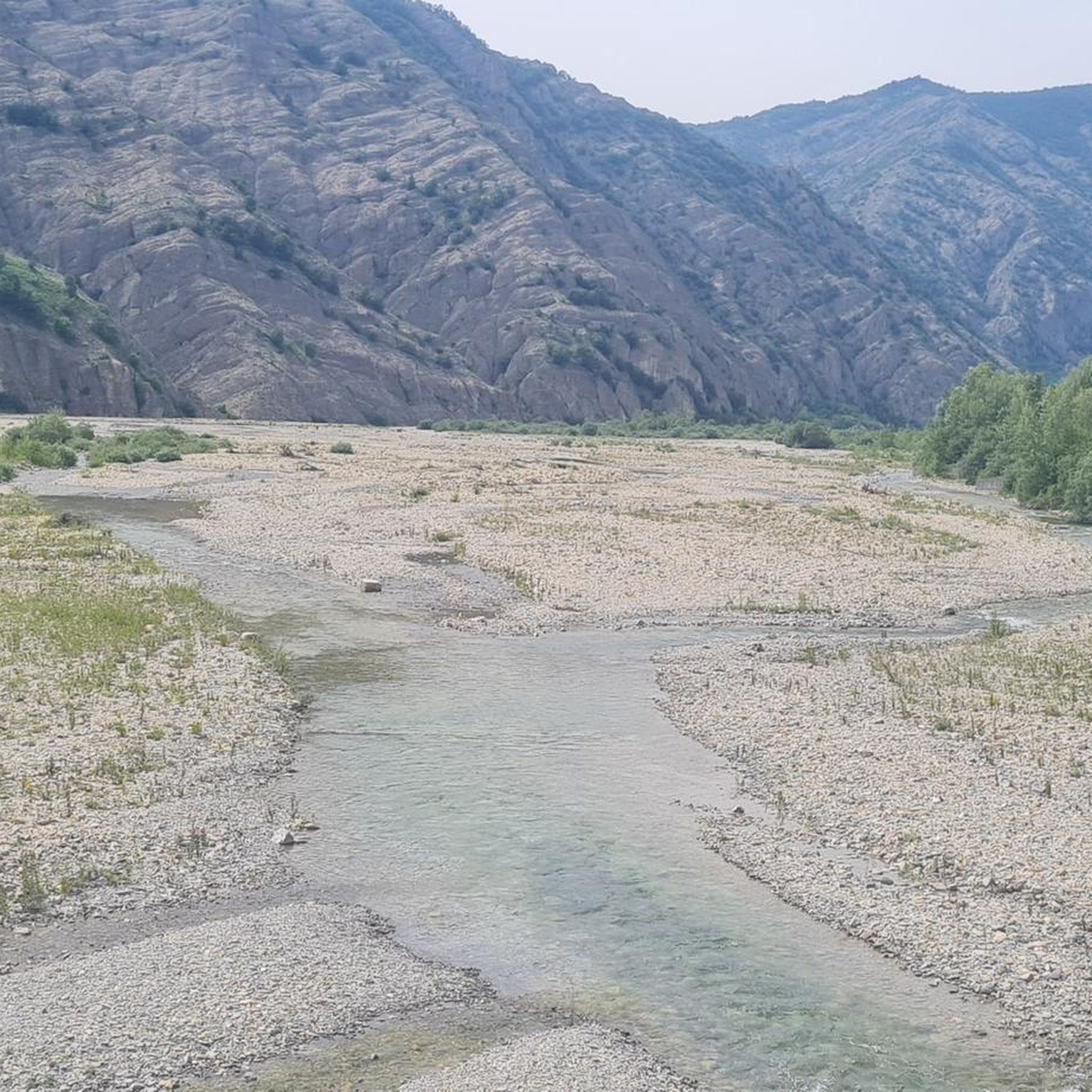
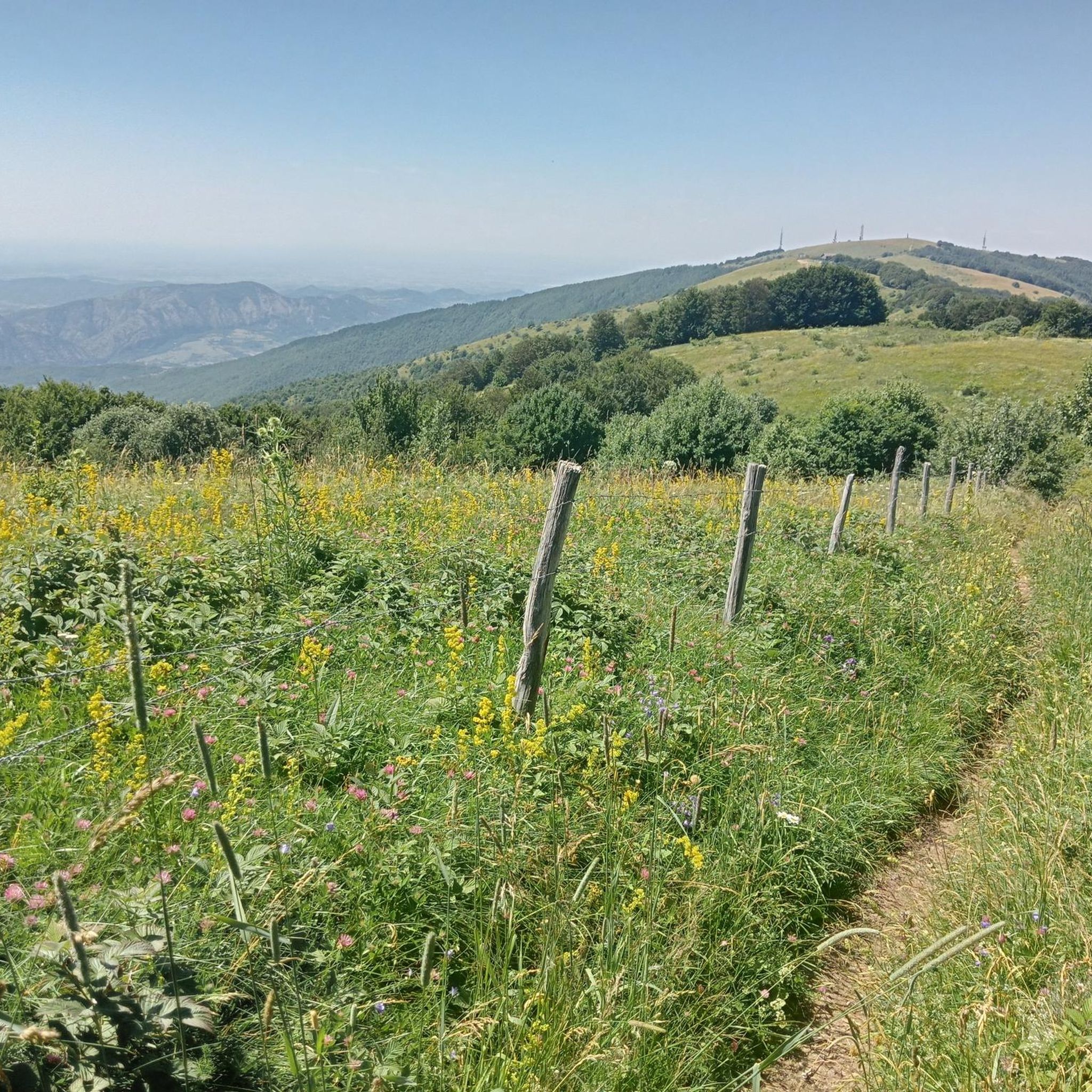
Other adventures around Albera Ligure

Tips from the Community

Each of these crosses, which travelers often encounter in the fields or, as here, on mountain peaks, is a reminder of the crucifixion and resurrection of Jesus Christ. “Here on earth, His memory exists, but in the Kingdom of Heaven is His presence: this presence is the joy of those who have already attained salvation. Remembrance is our comfort, we who are still wanderers, traveling toward our homeland.” (Saint Bernard of Clairvaux, c. 1090–1153)
0
0

Whether you choose to climb from the parking lot below the castle (moderate difficulty, about 40 minutes on a well-marked path, steps, and a walkway) or follow the "Castellani's Path" from Vobbia (about two hours, including stops), the arrival near the castle is breathtaking! Spectacular, simply! This view is worth the effort (by car) to reach the tiny village of Vobbia, which, however, is located in an area rich in natural beauty! For information, visit this wonderful website: https://www.parcoantola.it/pagina.php?id=47
0
0
Up here, on Monte Giarolo, the hiker won't find the classic summit cross that crowns many mountains. Instead, on a pedestal divided into two sections, stands the figure of the Risen Christ, adorned with a cross. Christ raises one arm in greeting—or rather, in blessing—and with the other, he embraces the cross, that gruesome symbol of suffering and death, which, through his resurrection, he transformed into a glorious symbol of victory over death.
0
0

At 1,473 meters above sea level, the peak of Mount Giarolo is on the so-called Ligurian Apennines but in the province of Alessandria, Piedmont. It is the northernmost point of the Antola chain and divides the Borbera and Curone valleys. On the summit there is a statue of Christ the Redeemer.
1
0

Mount Ebro (1700 m above sea level) is the most beautiful and panoramic mountain of the entire Ántola chain, and one of the most beautiful and panoramic of the entire Ligurian Apennines. It is a gigantic pyramid, mostly grassy, that rises on the watershed between Borbera and Curone, a short distance from the important node of Mount Chiappo. The slopes of the mountain are generally wide and slightly sloping, covered by thick woods at lower altitudes, and meadows above 1400-1500 meters. The imposing southern slope is an exception, which towers, very high and steep, over the village of Aie di Cósola.
4
0
Monte Chiappo (1700 m above sea level) is a large grassy mountain, vaguely shaped like a large pyramid, which rises on the main axis of the Ántola Chain. The Stàffora and Curone streams originate on its northern side; for this reason, near the summit the mountain range divides into three buttresses: the easternmost one divides the Stàffora Valley from the Trebbia Valley, rising further into Monte Lésima; the central one heads north, forming the watershed between Stàffora and Curone, while the western one, on which Monte Ebro stands, separates the Borbera Valley from the Curone Valley. The summit of the mountain is the meeting point between the regional borders of Piedmont, Emilia-Romagna and Lombardy.
4
0
The Feast of the Redeemer has been celebrated on Mount Giarolo since the beginning of the last century, when the first statue of the Redeemer was erected on August 11, 1901 (replaced with the new one exactly one hundred years later) in order to celebrate the 19th centenary of the birth of Christ. It was inaugurated by the Bishop of Tortona who, for the occasion, promoted a diocesan pilgrimage in which approximately 12,000 faithful participated. Since then, every year on the first Sunday of August tourists and faithful go to the top of the mountain to renew the tradition.
3
0

Very panoramic view of the Curone valley and the plain. Access is easy even if the last stretch is quite steep
1
0
Frequently Asked Questions
What natural features can I explore around Albera Ligure?
The region is rich in natural beauty, particularly within the Val Borbera. You can explore the majestic Monte Ebro, known for its panoramic views and grassy slopes, or the dramatic Monte Lesima, offering expansive vistas between Oltrepò Pavese and Liguria. The Val Borbera itself features diverse elevations, ancient villages, and thrilling trails, including the striking Strette di Pertuso canyon with its natural pools.
Are there any historical or cultural sites to visit near Albera Ligure?
Yes, the area offers a glimpse into its rich past. The Castello della Pietra, a remarkable example of Ligurian defensive architecture, stands proudly over the Vobbia gorge and has been beautifully restored. Additionally, on Monte Giarolo, you'll find the impressive Statue of Christ the Redeemer, a significant man-made monument and religious site.
What kind of outdoor activities can I do near these attractions?
The mountainous landscapes of the Ligurian Apennines provide excellent opportunities for outdoor enthusiasts. You can enjoy hiking, cycling, and running on various trails. For specific routes, consider exploring the options listed in the Hiking around Albera Ligure, Cycling around Albera Ligure, and Running Trails around Albera Ligure guides.
Where can I find the best panoramic views in the Albera Ligure area?
For breathtaking panoramic views, head to the summits. Monte Ebro is widely considered one of the most beautiful and panoramic mountains in the Ligurian Apennines. Monte Lesima also offers expansive views between the Oltrepò Pavese and Liguria. Additionally, the Monte Chiappo Summit provides a 'super view' and is a watershed point between three regions.
Are there challenging hikes or trails for experienced adventurers?
Yes, the region offers several challenging routes. The ascent to the Statue of Christ the Redeemer on Monte Giarolo is considered challenging. Many of the hiking and cycling routes in the area, such as the 'Caldirola, Monte Giarolo, and Monte Ebro Loop' for hiking, are rated as difficult, providing a good test for experienced adventurers.
What is the best time of year to visit Albera Ligure for outdoor activities?
The mountainous landscapes and natural pools suggest that late spring, summer, and early autumn are ideal. Summer offers opportunities for cooling off in natural pools like those at Strette di Pertuso, while spring and autumn provide pleasant temperatures for hiking and cycling before the winter snows.
Are there any unique natural formations or geological sites?
Absolutely. The Strette di Pertuso is a dramatic canyon carved by the Borbera stream, featuring cliffs up to 100 meters high and popular natural pools. The gigantic, mostly grassy pyramid shape of Monte Ebro and the distinctive geoid-shaped radar on Monte Lesima also stand out as unique features in the landscape.
Can I find any mountain huts or refuges in the area?
Yes, if you're exploring the higher elevations, the Monte Chiappo Summit is home to the Rifugio Monte Chiappo, which also offers restaurant services. This can be a convenient stop for hikers and those exploring the watershed point between Piedmont, Emilia-Romagna, and Lombardy.
What makes the Val Borbera region special?
The Val Borbera, where Albera Ligure is situated, is known for its wild and unspoiled character. It's characterized by diverse elevations, ancient villages, and thrilling trails that weave through forests, past waterfalls, and to panoramic summits. It's an ideal destination for those seeking pristine nature and a blend of outdoor adventure with historical charm.
What are some popular hiking trails in the vicinity?
Popular hiking trails include the 'Caldirola, Monte Giarolo, and Monte Ebro Loop' and the 'Monte Giarolo Summit Trail from Cantalupo Ligure (via Route 210)'. For more options, you can consult the Hiking around Albera Ligure guide, which lists various routes with different difficulty levels.
Are there any attractions that are particularly significant for their historical context?
The Castello della Pietra is deeply rooted in history, having been a property of the della Pietra family and later the Spinola family, playing a role in regional conflicts. Its restoration has brought its rich past to life, making it a significant historical site to visit.
What kind of cycling routes are available around Albera Ligure?
Cyclists can find a range of routes, from moderate to difficult. Examples include the 'Cantalupo wooden bridge – Strette del Borbera loop from Albera Ligure' and the 'Strette del Borbera – Coppi Climb Mural loop from Cantalupo Ligure'. More detailed information and routes can be found in the Cycling around Albera Ligure guide.
Most popular attractions around Albera Ligure

Get inspired with the komoot mobile app


Explore more
Still not found the Highlight you’re looking for? See guides of the top attractions in other regions:
