The best road cycling routes around Cortemilia
4.5
(106)
2,823
riders
24
rides
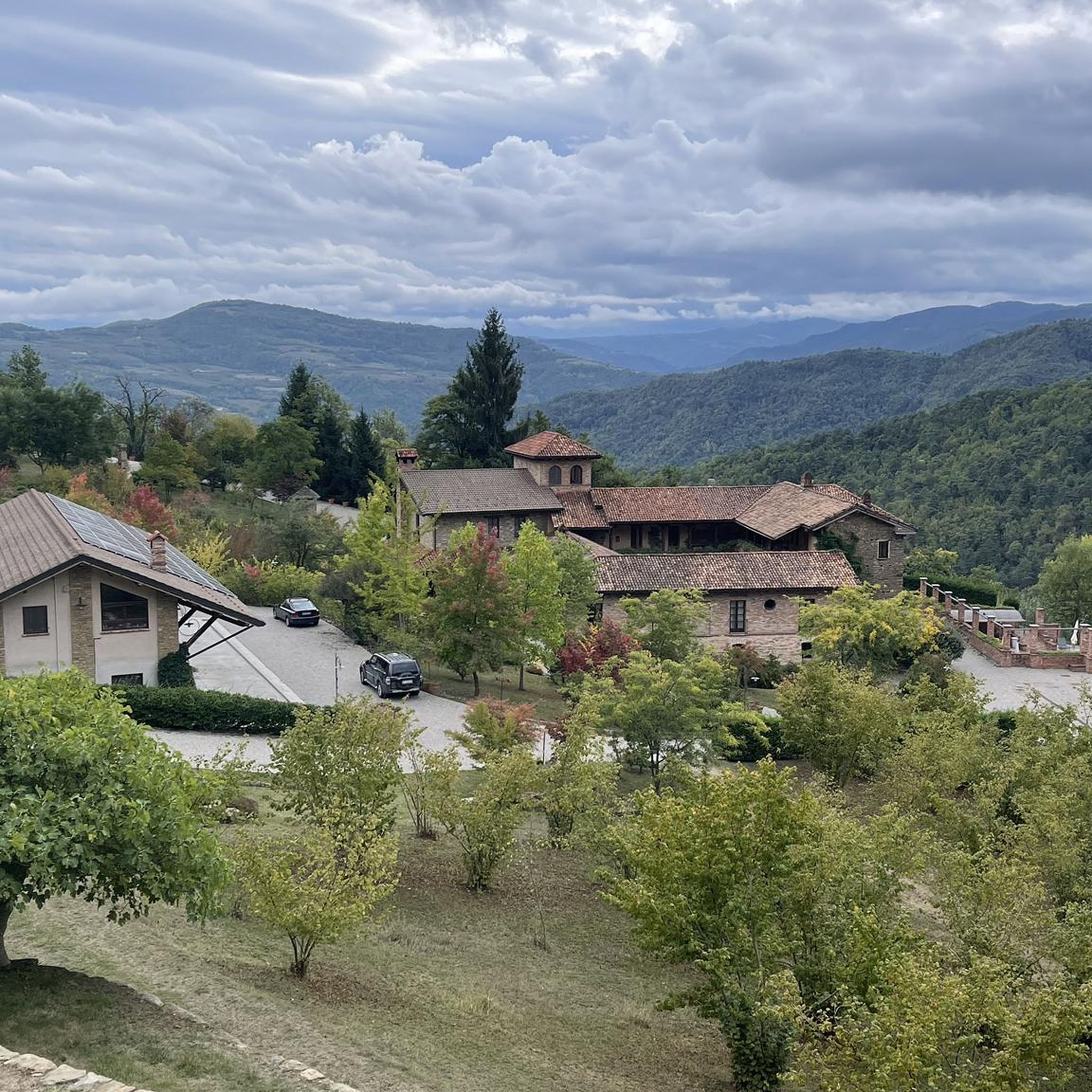
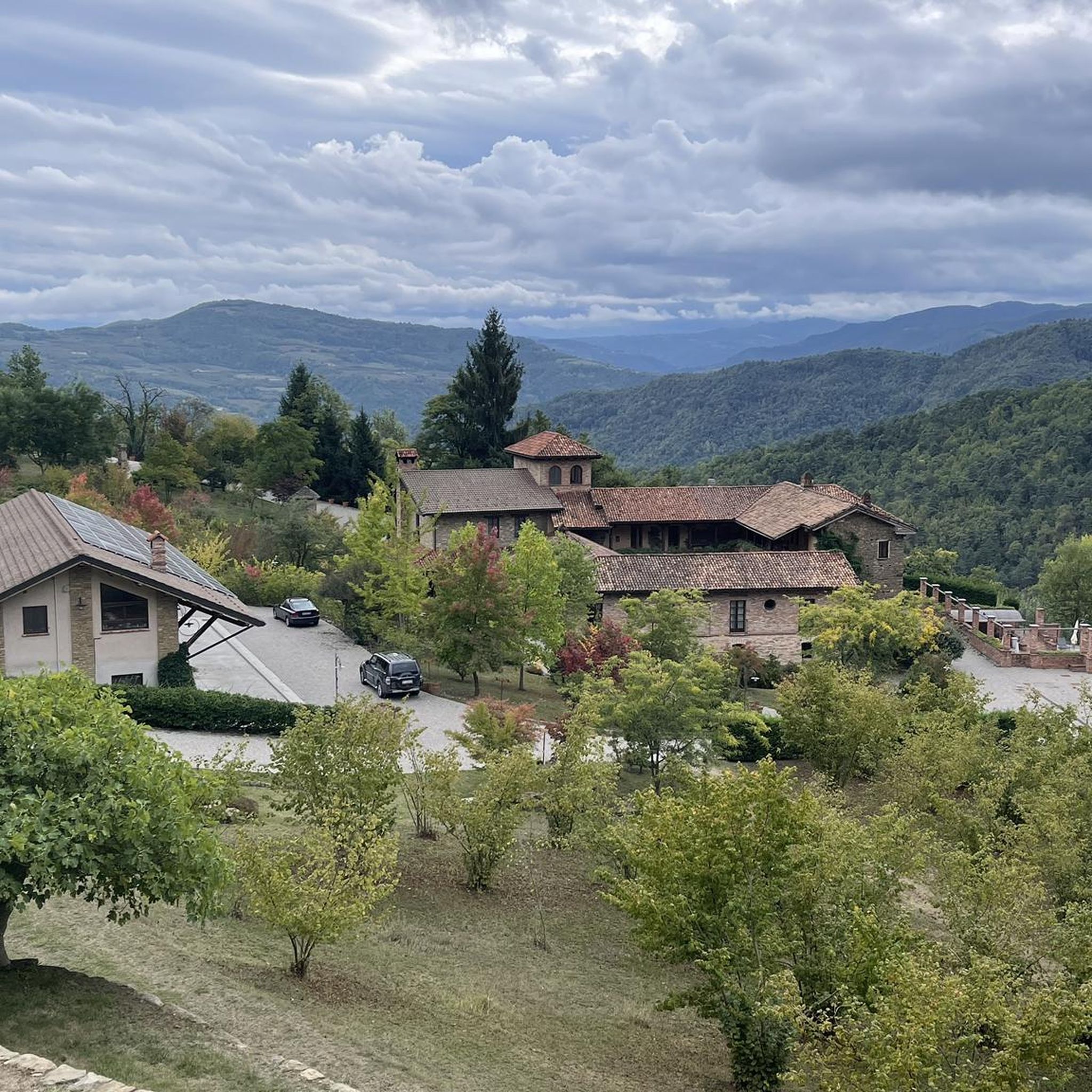
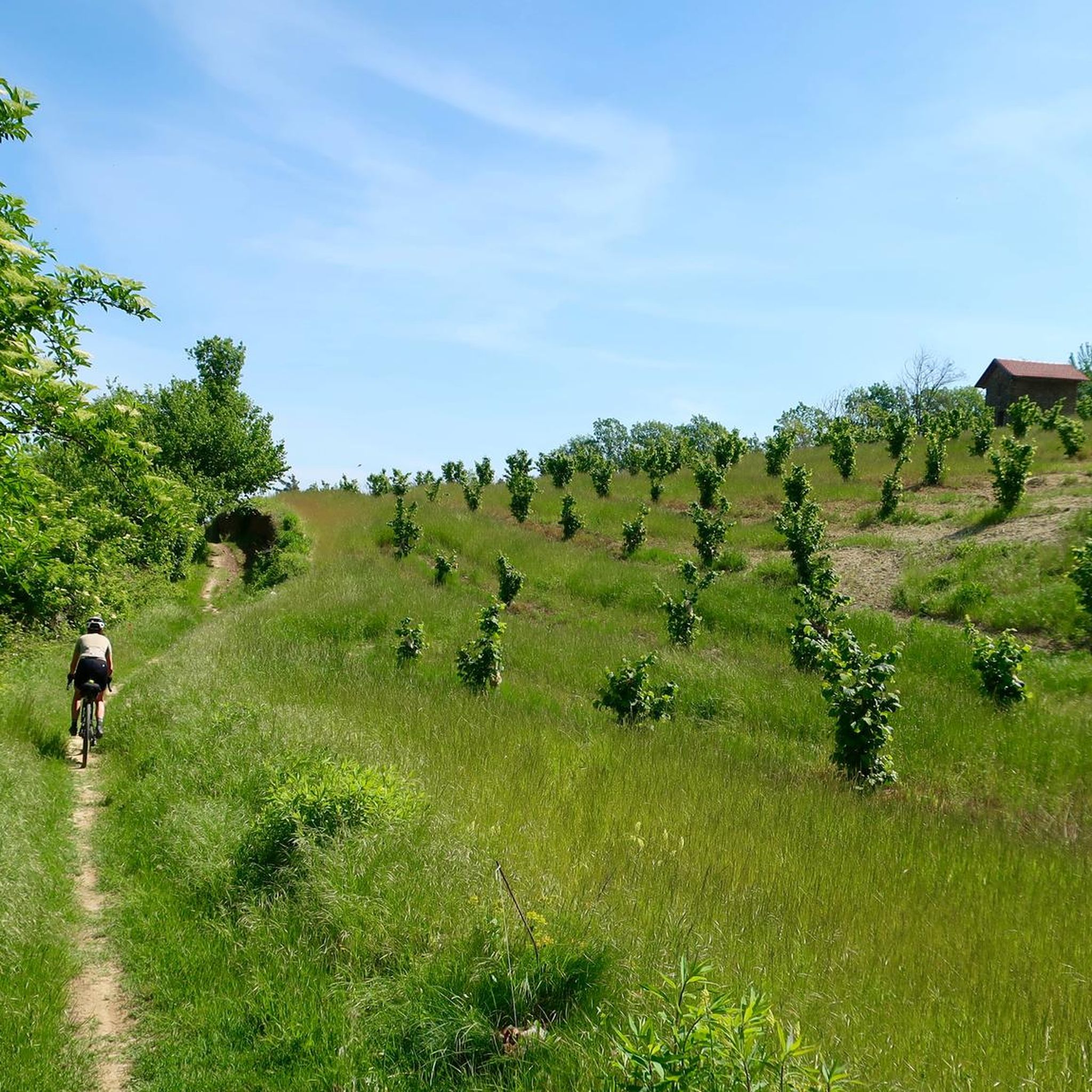
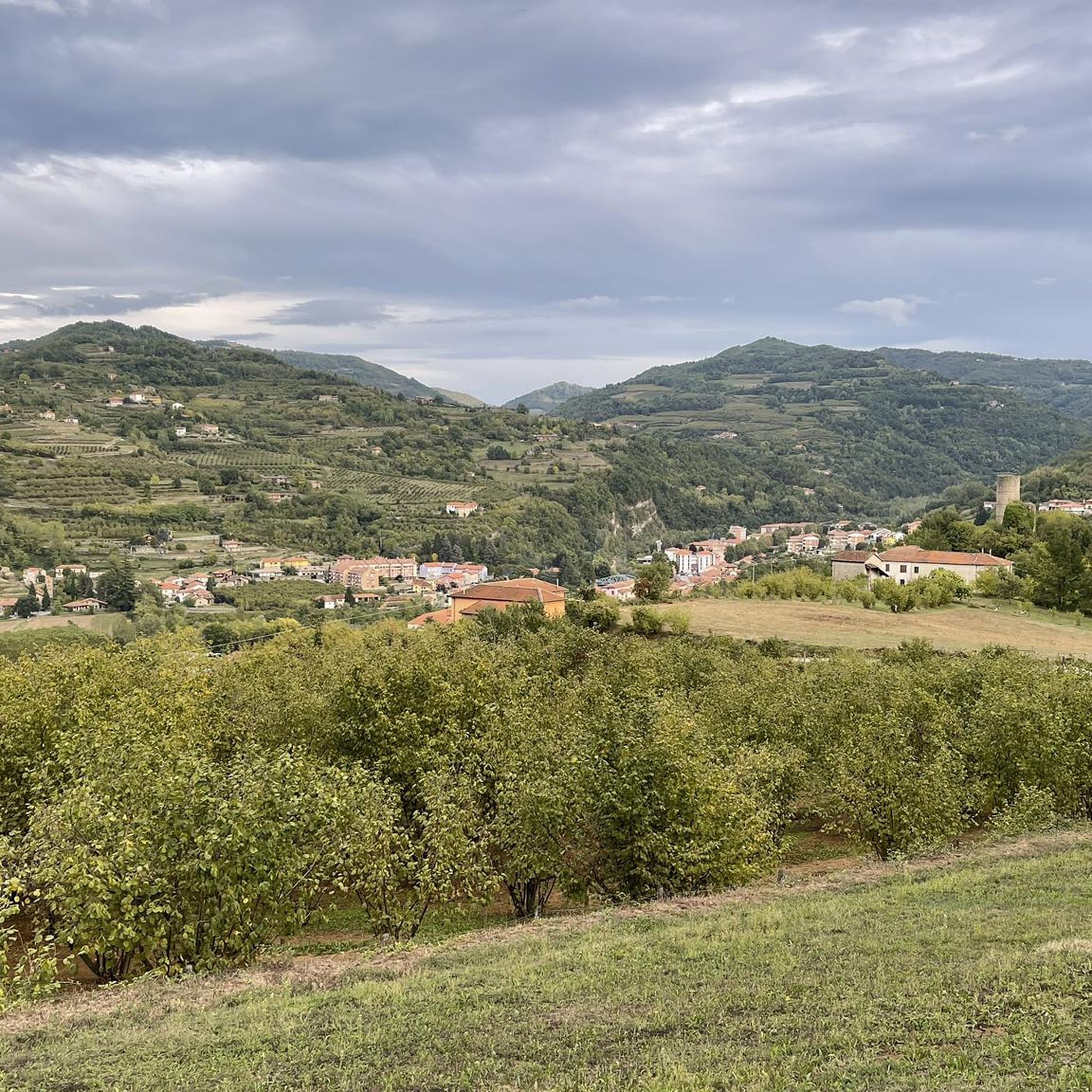
Road cycling routes around Cortemilia traverse the diverse landscapes of Italy's Alta Langa region. The terrain is characterized by rolling hills, expansive hazelnut groves, and vineyards, offering varied cycling experiences. Ancient terraces crafted from Langa stone shape the hillsides, and the area is situated at the confluence of the Uzzone and Bòrmida rivers. Cyclists can expect routes ranging from moderate elevation gains to challenging rides with significant climbs and descents.
Best road cycling routes around Cortemilia
- The most popular road…
Last updated: August 17, 2026
5.0
(2)
17
riders
49.5km
02:59
1,180m
1,180m
Hard road ride. Very good fitness required. Mostly well-paved surfaces and easy to ride.
4.7
(3)
64
riders
Hard road ride. Very good fitness required. Mostly well-paved surfaces and easy to ride.

Sign up for free
5.0
(1)
56
riders
79.4km
03:47
1,050m
1,040m
Hard road ride. Very good fitness required. Mostly well-paved surfaces and easy to ride.
5.0
(3)
37
riders
42.6km
02:10
710m
720m
Moderate road ride. Good fitness required. Mostly well-paved surfaces and easy to ride.
5.0
(1)
22
riders
69.1km
03:26
1,080m
1,080m
Hard road ride. Very good fitness required. Mostly well-paved surfaces and easy to ride.
Get access to more routes and recommendations from other explorers.
Sign up for free
Already have an account?
Our route recommendations are based on thousands of hikes, rides, and runs completed by other people on komoot.
Start today with a free account
Your next adventure awaits.
Login or Signup

Tips from the Community

In a splendid panoramic location, built of Langa stone, it is notable for the Baroque-style decoration of its brick façade. The building's design is attributed to Francesco Gallo, who worked in the Cuneo and Mondovì areas in the first half of the 18th century. The interior retains no decoration. The altar is noteworthy, the last vestige of the pre-existing building. This is evidenced by the fresco depicting the Madonna enthroned breastfeeding the Child, with Saint George, patron saint of Niella Belbo, at her side, dating to the late 15th century. (Quote from the lovelanghe website)
0
0


Roof of the Langhe. From here (it is said) you can see the sea...
0
0

Of all the roads that go up to Prunetto, this is undoubtedly the "gentlest" in terms of slope and graduality, perhaps slightly busier than the others but manageable even for those who are not too trained.
0
0
Cairo Montenotte is located almost at the head of the Bormida Valley, the starting point for reaching Lake Osiglia, the Melogno hill and, continuing towards Savona, the Cadibona hill. It is a beautiful town with a well-preserved historic center, dominated by a castle. By bike, if you continue towards Savona, it is advisable to cross the city center, to avoid getting stuck in the tunnel of the main road.
0
0

In these areas you can find many medieval buildings still kept in good condition.
15
0
Uncontaminated nature welcomes this lovely town.
27
0
Small village immersed in a fantastic landscape.
25
0
Frequently Asked Questions
How many road cycling routes are available around Cortemilia, and what are their difficulty levels?
There are over 25 road cycling routes around Cortemilia. The majority are challenging, with 15 routes rated as difficult and 11 as moderate. There is also one easy route available for those seeking a more relaxed ride.
What kind of terrain can I expect on road cycling routes in Cortemilia?
The terrain around Cortemilia is characterized by rolling hills, expansive hazelnut groves, and vineyards. Cyclists can expect varied experiences, from routes with moderate elevation gains to challenging rides featuring significant climbs and descents. Many paths are paved, making them ideal for road bikes.
Are there any routes suitable for beginners or those looking for an easier ride?
Yes, while many routes are challenging, there is at least one easy road cycling route available around Cortemilia. This allows beginners or those preferring a gentler pace to still enjoy the region's beautiful landscapes.
What are some notable landmarks or attractions I can see while cycling around Cortemilia?
Cortemilia itself offers historical attractions like the ruins of a medieval castle and a 12th-century cylindrical tower. Cyclists can also explore charming small villages and woods, and pass through areas with ancient terraces crafted from Langa stone. Specific highlights include the town of Cortemilia, the Sanctuary of Madonna dei Monti, and the village of Roccaverano.
What is the best time of year for road cycling in Cortemilia?
The most popular months for road cycling in Cortemilia are August and September. During this period, the region's beauty, with its hazelnut groves and vineyards, is particularly vibrant, offering ideal conditions for exploring the routes.
Are there any circular road cycling routes available?
Yes, many routes around Cortemilia are designed as loops. For example, the Alta Langa Loop: Cravanzana and Bergolo offers a challenging circular ride through rolling hills. Another option is the Upper Belbo Valley – Sanctuary of Madonna dei Monti loop from Cortemilia, which features varied terrain.
What do other cyclists say about the road cycling experience in Cortemilia?
The road cycling routes in Cortemilia are highly rated by the komoot community, with an average score of 4.7 stars from over 18 reviews. More than 400 road cyclists have used komoot to explore the varied terrain, often praising the picturesque Alta Langa scenery and the challenging climbs.
Are there any specific routes that showcase the hazelnut groves and vineyards?
Absolutely. The region is famous for its hazelnut groves and vineyards. Routes like the Alta Langa Loop: Cravanzana and Bergolo specifically navigate through these iconic landscapes, offering a quintessential Alta Langa cycling experience.
Can I find routes that connect Cortemilia to other significant towns?
Yes, some cycling routes connect Cortemilia to other towns in the Piedmont region. For instance, the Canelli – Cortemilia loop from Cortemilia offers a moderate ride that includes the town of Canelli.
Are there any historical sites or castles accessible by road bike?
Yes, the region is rich in history. You can cycle past or near several historical sites and castles. The medieval village of Cortemilia itself has ruins of a castle and a 12th-century tower. Other highlights include Cravanzana Village and Castle and the Vengore Tower.
What is the typical duration for a road cycling route around Cortemilia?
The duration varies significantly based on the route's length and difficulty. For example, the challenging Alta Langa Loop: Cravanzana and Bergolo typically takes around 3 hours, while the longer Torre Bormida – Cortemilia loop from Cortemilia can take closer to 4 hours.
Most popular attractions around Cortemilia

Get inspired with the komoot mobile app


Explore more
Browse the best Road cycling routes in other regions.
