Attractions and Places To See around U Pàize/Carloforte - Top 20
Best attractions and places to see around U Pàize/Carloforte, also known as Carloforte, is the sole settlement on San Pietro Island, off the southwestern coast of Sardinia, Italy. This destination is characterized by a blend of Ligurian, Sardinian, and Tunisian cultures, reflected in its architecture and traditions. The island features a rugged coastline with cliffs, sandy beaches, and natural pools, alongside historical sites. It is recognized as one of Italy's most beautiful villages.
Best attractions and places to see around…
Last updated: August 31, 2026
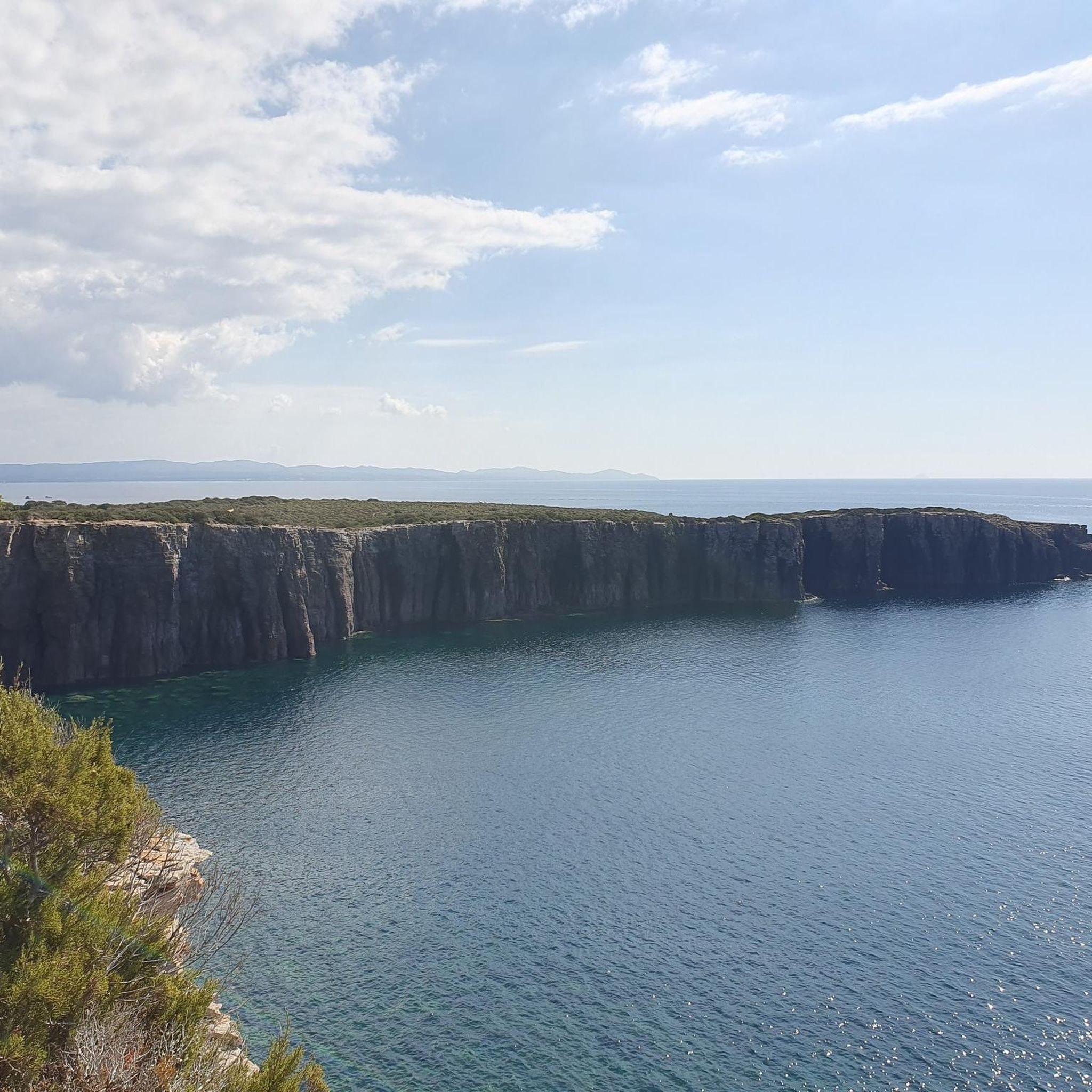
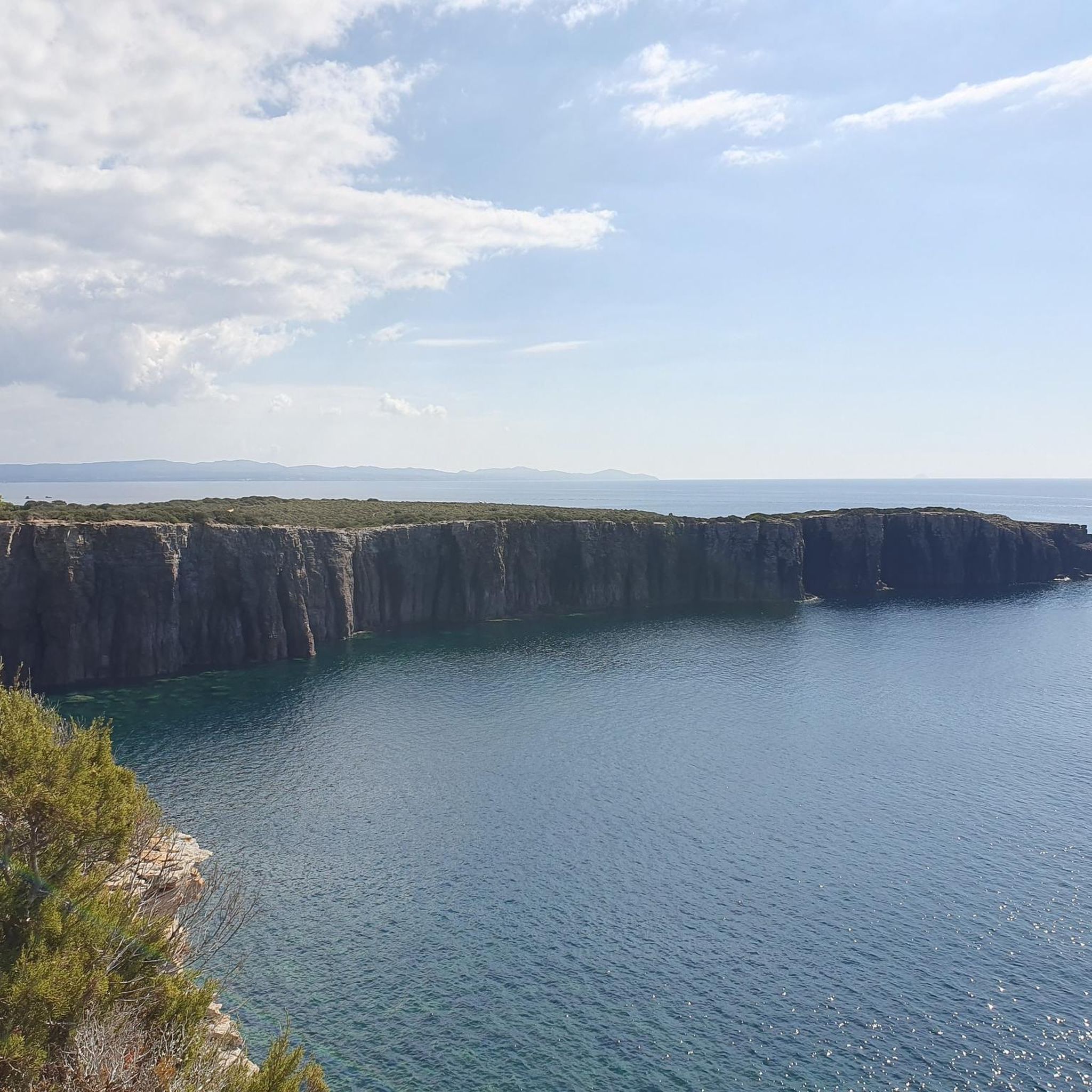
Cliffs of Calasetta
Highlight • Natural
Translated by Google •
Tip by

Calasetta Historic Center
Highlight • Settlement
Translated by Google •
Tip by

Sign up now to discover places like this
Get recommendations on the best single tracks, peaks, & plenty of other exciting outdoor places.
Sign up for free
Carloforte
Highlight • Settlement
Translated by Google •
Tip by
Church of St. Charles Borromeo (Carloforte)
Highlight • Religious Site
Tip by

Monument to Charles Emmanuel III
Highlight • Monument
Tip by
Sign up for free to discover even more attractions around U Pàize/Carloforte.
Sign up for free
Already have an account?
Start today with a free account
Your next adventure awaits.
Login or Signup
Popular around U Pàize/Carloforte

Tips from the Community

Carloforte, still closely linked to Pegli and Genoa, is the island's only center, with 6,000 inhabitants. It enchants with its many narrow streets rising up a gentle slope, its colorful corners and sea views, its small harbor, and its former defenses, of which watchtowers and sections of walls with forts can still be seen, including La Porta del Leone. Among the architectural highlights of this town, which is included in the Club of the Most Beautiful Towns in Italy, are U Palassiu, dating from the early 20th century and now the Giuseppe Cavallera Cinema, and the Church of the Madonna del Naufrago, which houses the wooden statue venerated by the Tabarkin people, a symbol of the faith and solidarity of the community.
5
0
There are many interpretations of the name. Some trace its origin to the Campidanese-Sardinian contraction of Cala de Seda, or Cal'e Seda, or also Cala Seda, or Cal'e Sera, or "silk cove". In fact, in the Campidanese-Sardinian language, seda or sera means "silk", because the sea of the Sulcis archipelago was apparently rich in particular mollusks from which "sea silk" was obtained, that is, a type of "natural sea silk" obtained from the threads secreted by a species of marine bivalve mollusk endemic to the Mediterranean (Pinna nobilis), commonly known as "castanets" or "feather mice" (Pinnae margaritiferae). The threads obtained from their interior were used for weaving byssus.
5
0

In 1542, the inhabitants of Pegli and the neighbouring communities left their home on the Ligurian coast in the wake of the Lomellini, a powerful trading family from Pegli and Genoa, and settled on the island of Tabarca off the coast of Tunisia, where they dived for coral until 1735. When coral mining and thus the tribute to the Lomellini continued to decline and was no longer profitable for all sides, and the conflicts with the Muslims intensified, King Charles Emmanuel III of Savoy, on the initiative of the Piedmontese architect Augusto de la Vallée, made the offer to settle the still uninhabited island of San Pietro. A part of the Tabarchini under the leadership of Agostino Tagliafico accepted the offer and settled on the island off Sardinia in 1738. In honour of the king, they named the new place Carloforte ("Charles the Strong"). Over time, other emigrant families arrived directly from Liguria and helped to strengthen the small, emerging community. In 1798, Carloforte was attacked by pirates and around 900 inhabitants were captured and held as slaves in Tunis; one of them became the mother of Bey Ahmad I al-Husain. After five years, they were finally able to be ransomed. The parts of the old city wall and the fortress that are still preserved today are evidence of this barbarian invasion.
1
0
The language of the Tabarchians essentially corresponds to the Ligurian language of the 15th century. Through personal and trade connections - both from Tunisia and from the island of San Pietro - it has developed just as much as the actual Ligurian and Genoese languages. Due to its geographical location, the port of Carloforte was of considerable importance in shipping and as a transshipment point for medium tonnage until the beginning of the 19th century. Carlofortine Ligurian preserves some nouns and rare grammatical forms that only occur in the outdated Genoese. It does not contain any Gallicisms that Genoese has adopted in recent centuries; for example, the accent (còccina) is typical of Pegli and not of pure Genoese. Only a few nouns from Sardinian, Arabic and Tuscan can be identified as external influences. More than 80 percent of the population still speak this dialect in everyday life today. The architecture, culture, customs and traditions of Carloforte still correspond to those of Liguria. Because of its historical, economic and cultural ties with the Ligurian capital, and in particular with Pegli, Carloforte was recognized as an honorary municipality of the province of Genoa on 10 November 2004. In 2006, the neighboring municipality of Calasetta received the same honor. Carloforte celebrates twin festivities with Pegli every year.
1
0
The population, also known as Tabarchini because of their origins, united the towns of Carloforte on the island of San Pietro and the neighbouring municipality of Calasetta on the nearby island of Sant'Antioco. A small number of the emigrants from Tabarca headed towards the Spanish coast in Alicante and founded the town of Nueva Tabarca. This colony has retained some of the original surnames, but has been absorbed by the Spanish-speaking community in terms of language and customs. The Tabarchini are scattered all over the world, mainly in Genoa, on the Ligurian coast, in Gibraltar, in Boca near Buenos Aires and in other port cities. They are estimated to number 18,000 people in total.
1
0
The church, located in the Kalsa district on Piazza Rivoluzione, is modeled on the San Carlo alle Quattro Fontane in Rome by Francesco Borromini. The three-storey façade is dominated by a concavely curved central projection, which is separated by pairs of columns from the rest of the somewhat simpler two-storey sides with their stone balustrades. Volutes connect the sides to the third storey with a strikingly designed quatrefoil window. At the top, the façade ends with a cornice in the baroque gable.
1
0
The language of the Tabarchians essentially corresponds to the Ligurian language of the 15th century. Through personal and trade connections - both from Tunisia and from the island of San Pietro - it has developed just as much as the actual Ligurian and Genoese languages. Due to its geographical location, the port of Carloforte was of considerable importance in shipping and as a transshipment point for medium tonnage until the beginning of the 19th century. Carlofortine Ligurian preserves some nouns and rare grammatical forms that only occur in the outdated Genoese. It does not contain any Gallicisms that Genoese has adopted in recent centuries; for example, the accent (còccina) is typical of Pegli and not of pure Genoese. Only a few nouns from Sardinian, Arabic and Tuscan can be identified as external influences. More than 80 percent of the population still speak this dialect in everyday life today. The architecture, culture, customs and traditions of Carloforte still correspond to those of Liguria. Due to its historical, economic and cultural ties with the Ligurian capital, especially with Pegli, Carloforte was recognized as an honorary municipality of the province of Genoa on November 10, 2004. In 2006, the neighboring municipality of Calasetta received the same honor. Carloforte celebrates twin festivities with Pegli every year.
2
0
In 1542, the inhabitants of Pegli and the neighbouring communities left their home on the Ligurian coast in the wake of the Lomellini, a powerful trading family from Pegli and Genoa, and settled on the island of Tabarca off the coast of Tunisia, where they dived for coral until 1735. When coral mining and thus the tribute to the Lomellini continued to decline and was no longer profitable for all sides, and the conflicts with the Muslims intensified, King Charles Emmanuel III of Savoy, on the initiative of the Piedmontese architect Augusto de la Vallée, made the offer to settle the still uninhabited island of San Pietro. A part of the Tabarchini under the leadership of Agostino Tagliafico accepted the offer and settled on the island off Sardinia in 1738. In honour of the king, they named the new place Carloforte ("Charles the Strong"). Over time, other emigrant families arrived directly from Liguria and helped to strengthen the small, thriving community. In 1798, Carloforte was attacked by pirates and around 900 inhabitants were captured and held as slaves in Tunis; one of them became the mother of Bey Ahmad I al-Husain. After five years, they were finally ransomed. The parts of the old city walls and the fortress that still remain today are evidence of this barbarian invasion. The population, also known as the Tabarchines because of their origins, united the towns of Carloforte on the island of San Pietro and the neighboring community of Calasetta on the nearby island of Sant'Antioco. A smaller part of the emigrants from Tabarca headed towards the Spanish coast to Alicante and founded the town of Nueva Tabarca there. Although this colony retained some of the original surnames, it was absorbed by the Spanish-speaking community in terms of language and customs. The Tabarchini are scattered all over the world, mainly in Genoa, on the Ligurian coast, in Gibraltar, in Boca near Buenos Aires and in other port cities. They are estimated to number 18,000 people in total.
2
0
Frequently Asked Questions
What historical sites and cultural landmarks can I explore in Carloforte?
Carloforte, also known as U Pàize, is rich in history. You can wander through the Historic Center of Carloforte with its narrow streets and 18th-19th century buildings. Visit the 18th-century Church of St. Charles Borromeo (Carloforte), a significant architectural landmark. Don't miss the Torre di San Vittorio, which houses the Carloforte Multimedia Museum, or the ancient Porta Leone and Mura di Cinta (City Walls) that once protected the town. The Monument to Charles Emmanuel III on the seafront also commemorates the island's settlement.
What natural features and beaches can I explore on San Pietro Island?
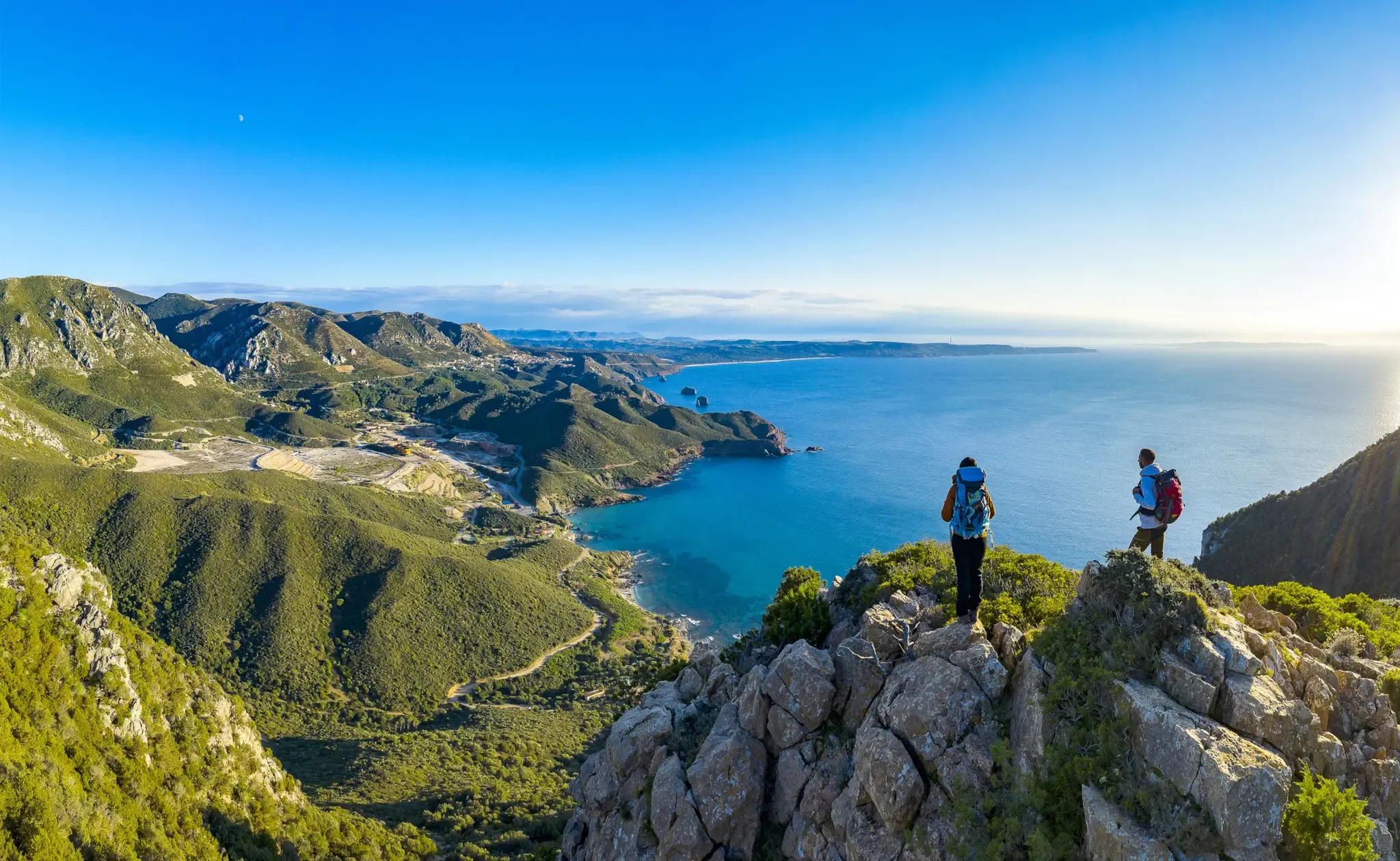
San Pietro Island offers diverse natural beauty. You can visit the Cliffs of Calasetta for stunning coastal views. The island boasts numerous beautiful beaches such as Spiaggia La Caletta, Spiaggia della Punta, Spiaggia di Girin, and Spiaggia La Bobba. For unique rock formations, see Le Colonne di Carloforte, natural sea stacks near La Bobba. The Saline di Carloforte (Salt Pans) are also an important natural site, home to pink flamingos and other bird species.
Are there family-friendly activities or attractions in U Pàize/Carloforte?
Yes, Carloforte offers several family-friendly options. The town itself, Carloforte, with its charming streets and squares, is enjoyable for all ages. Many of the island's beaches, like Spiaggia di Girin, are popular and suitable for families. Historical sites such as the Church of St. Charles Borromeo (Carloforte) and the Calasetta Historic Center are also considered family-friendly.
What outdoor activities are available around U Pàize/Carloforte?
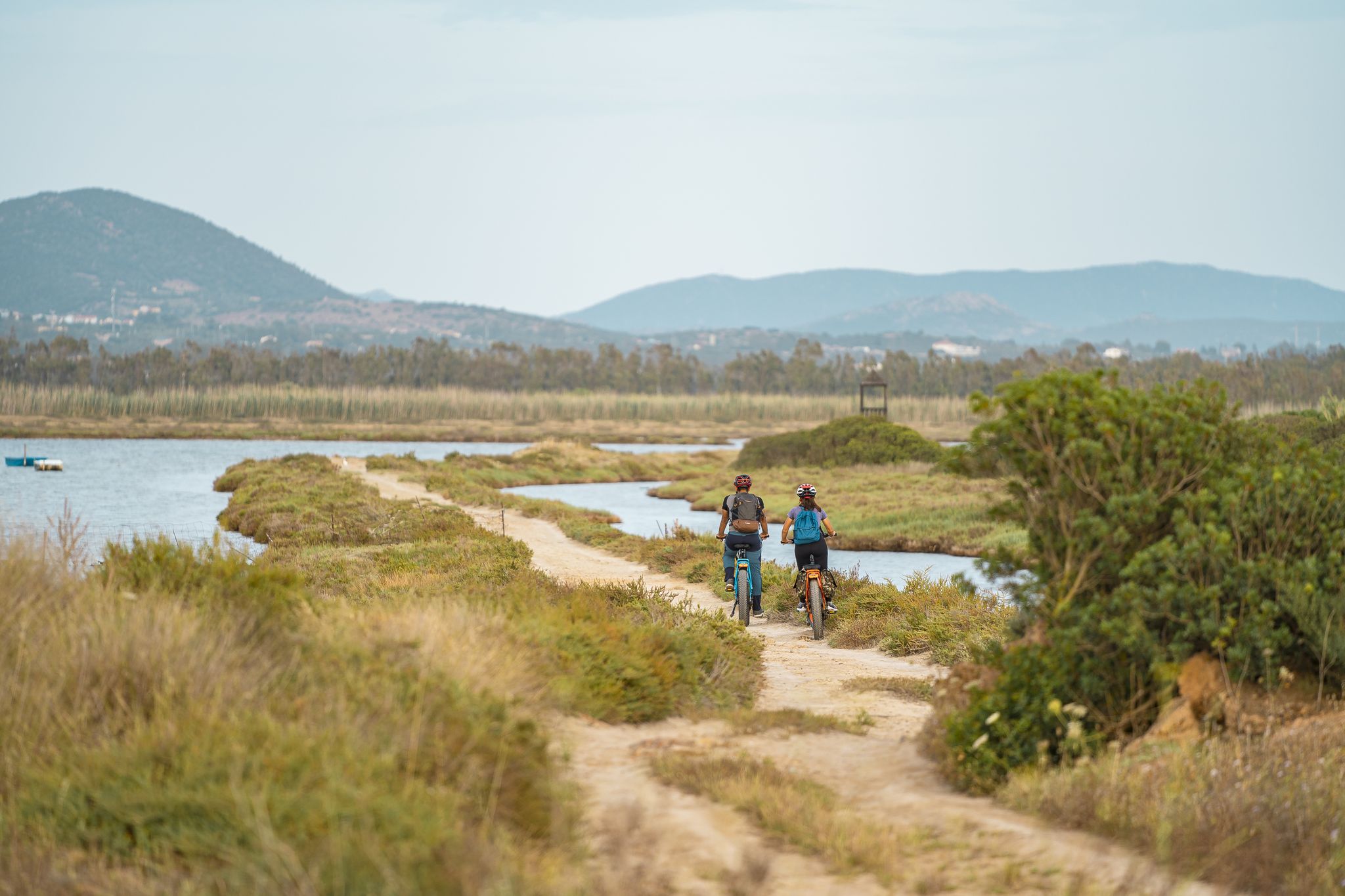
San Pietro Island is ideal for outdoor enthusiasts. You can explore various trails for hiking, cycling, and mountain biking. For example, there are several hiking routes, including easy loops around the Carloforte Salt Pans or more moderate trails like the Spiaggia La Caletta loop. Cyclists can enjoy a tour of San Pietro Island, while mountain bikers have options like the La Bobba Beach – Half-Moon Basin loop.
When is the best time to visit U Pàize/Carloforte for outdoor activities?
The best time to visit U Pàize/Carloforte for outdoor activities is generally during the spring (April-May) and early autumn (September-October). During these months, the weather is pleasant, with comfortable temperatures for hiking, cycling, and exploring the island's natural beauty without the intense heat of summer. The sea is also warm enough for swimming in early autumn.
Are there any protected natural areas or wildlife to observe?
Yes, San Pietro Island is home to important natural habitats. The Saline di Carloforte (Salt Pans) are a significant site for birdwatching, particularly known for hosting pink flamingos. Cala Fico is a protected LIPU OASIS, offering a chance to observe diverse flora and fauna. The rugged coastline, especially around Capo Sandalo Lighthouse, is a nesting ground for various seabirds, including colonies of Eleonora's falcons.
Can I learn about Carloforte's unique history and heritage?
Absolutely. Carloforte's history is deeply rooted in its Ligurian, Sardinian, and Tunisian influences. You can delve into this at the Carloforte Multimedia Museum, located in the Torre di San Vittorio, which uses interactive displays to tell the island's story. The Tabarka Museum also offers insights into the Ligurian fishermen who settled here after their time in Tabarka. The town's unique Tabarchino dialect, a variant of Ligurian, and its distinct cuisine, like Cus Cus Tabarchino, further reflect this rich cultural blend.
Where can I find dramatic coastal views and unique rock formations?
For dramatic coastal views, head to the Cliffs of Calasetta, offering paths along the cliffside with expansive sea vistas. The Capo Sandalo Lighthouse, located at Italy's westernmost point, provides panoramic views of the Mediterranean from its rugged cliffs. You can also find unique rock formations like Le Colonne di Carloforte, striking natural sea stacks near La Bobba beach, and explore marine caves such as Grotte della Mezzaluna and Punta delle Oche by sea.
Are there dog-friendly places or trails in U Pàize/Carloforte?
Yes, Carloforte is generally dog-friendly, allowing you to explore its charming streets with your canine companion. Many of the island's natural trails and coastal paths are suitable for walks with dogs, provided they are kept on a leash and you clean up after them. Always check local regulations for specific beaches or protected areas, as rules may vary.
What local events or unique cultural experiences can I enjoy?
A highlight of Carloforte's cultural calendar is the annual Carloforte Tuna Festival (Giro Tonno), typically held in late May or early June. This international food fair celebrates the island's traditional tuna fishing and features delicious tuna dishes. Beyond events, you can experience the unique Tabarchino dialect, explore the town's distinctive architecture with its colorful houses, and savor the local cuisine, which blends Ligurian, Sardinian, and North African flavors.
Are there any wheelchair-accessible attractions in Carloforte?
While some areas of Carloforte's historic center with narrow, winding streets may present challenges, efforts have been made for accessibility in key locations. The Monument to Charles Emmanuel III on the seafront is noted as wheelchair accessible. Many of the main squares and seafront promenades in Carloforte are generally flat and accessible, offering pleasant experiences.
Where can I find parking in Carloforte town center?
Parking in Carloforte town center can be limited, especially during peak season. There are designated parking areas around the periphery of the historic center. It's often recommended to park slightly outside the most central, pedestrian-heavy zones and explore the town on foot. Look for signs indicating public parking lots upon arrival.
Most popular routes around U Pàize/Carloforte
Most popular attractions around U Pàize/Carloforte

Get inspired with the komoot mobile app


Explore more
Still not found the Highlight you’re looking for? See guides of the top attractions in other regions:
