The best walks and hikes around Schweix
4.5
(5724)
20,724
hikers
13
hikes
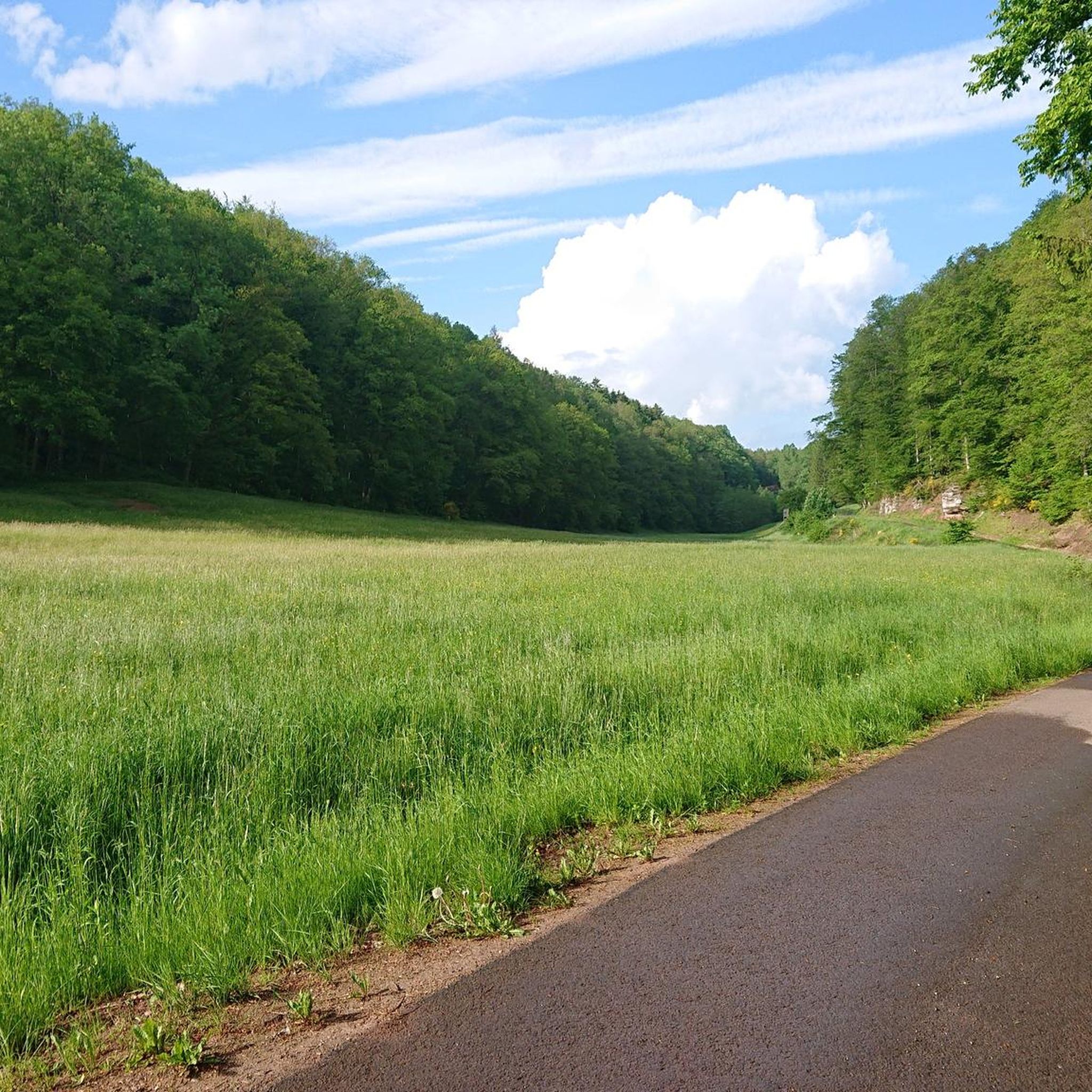
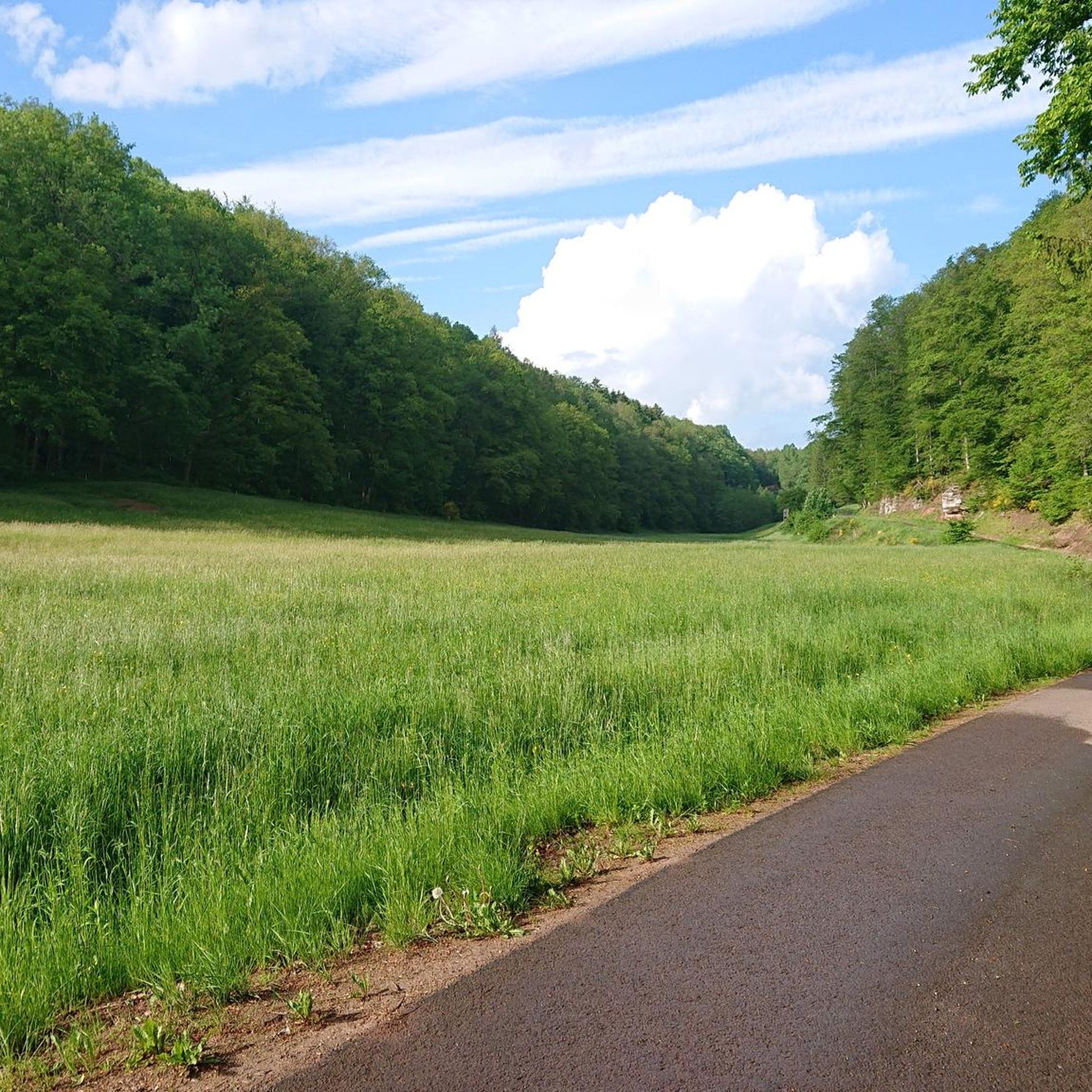
Hiking around Schweix offers access to the diverse landscapes of Germany's southwest Palatinate. The region is characterized by its location at the foot of the Palatinate Forest, featuring dense woodlands, rolling hills, and impressive rock formations. Numerous streams wind through the area, adding to the natural beauty of the trails. This varied terrain provides a range of hiking experiences for different preferences.
Best hiking trails around Schweix
- The most popular hiking route is Little Customs House – Smugglers' Trail loop…
Last updated: August 20, 2026
4.9
(15)
42
hikers
19.6km
05:29
370m
370m
Hard hike. Very good fitness required. Easily-accessible paths. Suitable for all skill levels.
5.0
(14)
20
hikers
9.93km
02:46
190m
190m
Moderate hike. Good fitness required. Easily-accessible paths. Suitable for all skill levels.

Sign up for free
5.0
(2)
6
hikers
10.7km
02:58
190m
190m
Moderate hike. Good fitness required. Easily-accessible paths. Suitable for all skill levels.
4.7
(3)
12
hikers
9.70km
02:39
150m
150m
Moderate hike. Good fitness required. Easily-accessible paths. Suitable for all skill levels.
5.0
(1)
10
hikers
10.8km
03:11
290m
290m
Moderate hike. Good fitness required. Easily-accessible paths. Suitable for all skill levels.
Get access to more routes and recommendations from other explorers.
Sign up for free
Already have an account?
Our route recommendations are based on thousands of hikes, rides, and runs completed by other people on komoot.
Start today with a free account
Your next adventure awaits.
Login or Signup
Tips from the Community

Very clean during our visit, invites you to picnic
1
0

It's curious to see how the Franco-German border blurs at various points along the way.
1
0

Was an interesting experience
0
0


Under a rocky outcrop and with a windbreak on the side you can see a new bench with a table directly on the Sentier des roches.
2
0

The table and benches are made of sandstone, so a warm seat pad is recommended in colder weather.
0
0
Frequently Asked Questions
How many hiking trails are available around Schweix?
There are over 10 hiking trails around Schweix, offering a diverse range of experiences. These include 5 easy routes, 8 moderate paths, and 1 challenging trail, catering to various fitness levels.
What kind of landscapes can I expect to see while hiking in Schweix?
Hiking in Schweix immerses you in the diverse landscapes of the Palatinate Forest. You'll encounter dense woodlands, gentle rolling hills, and impressive rock formations. Many trails also follow small streams, adding to the natural beauty of the region.
Are there any family-friendly hiking options in Schweix?
Yes, Schweix offers several family-friendly hiking options. The region research mentions the Sickingenspurenweg as ideal for families, being an easy-to-walk trail with interesting information boards about medieval life. Additionally, there are 5 easy routes in the area, such as the Calvary from 1859 loop from Liederschiedt, which is 6.0 km long and leads through rolling hills and forest.
What are some notable natural features or landmarks to look out for on the trails?
The Palatinate Forest near Schweix is renowned for its spectacular rock formations. You might encounter features like the Jungfernsprung and the Teufelstisch, especially on more demanding trails like the Dahner Felsenpfad. The region also features a Roman rock relief. For specific highlights, consider visiting the Altschloss Rocks or the Witches' Gorge.
Are there any trails that feature waterfalls or caves?
Yes, the area around Schweix has several interesting natural features including waterfalls and caves. You can explore highlights like the Devil's Rock Waterfall and Cave, the Hühnerfels Rock Shelter and Waterfall, or the Rest Area at the Small Waterfall in Hexenklamm. There are also several caves such as Hollow Rock (Eppenbrunn) and Krappen Cave.
Can I find any circular hiking routes in Schweix?
Yes, many of the hiking routes around Schweix are designed as loops, allowing you to start and end in the same location. Examples include the challenging Little Customs House – Smugglers' Trail loop from Liederschiedt, the moderate Hilster Mill – Birkenhöhle loop from Liederschiedt, and the easy Calvary from 1859 loop from Liederschiedt.
What do other hikers say about the trails in Schweix?
The hiking trails in Schweix are highly regarded by the komoot community, with an average rating of 4.6 stars from over 5,000 reviews. More than 20,000 hikers have explored the varied terrain, often praising the dense woodlands, rolling hills, and impressive rock formations that define the region.
Are there any historical sites or castles accessible via hiking trails?
Absolutely. One of the most beautiful hiking routes from Schweix leads to the nearby Berwartstein Castle. This medieval structure offers breathtaking views and allows hikers to explore well-preserved walls and corridors after traversing dense forests and streams. The region also features a Roman rock relief along some trails.
Are there any cross-border hiking experiences near Schweix?
Yes, Schweix's location near the German-French border provides unique cross-border hiking opportunities. The Schmugglerpfad (Smuggler's Path), for instance, is a notable Franco-German walking experience between Walshbronn and Vinningen, offering a glimpse into the region's history.
What is the difficulty range of hikes in Schweix?
The hiking network in Schweix caters to various ability levels. You'll find a good mix of easy, moderate, and difficult trails. Specifically, there are 5 easy routes, 8 moderate paths, and 1 challenging trail, ensuring options for everyone from casual walkers to experienced hikers.
Is there a particularly challenging hike for experienced trekkers?
For experienced trekkers seeking a challenge, the region offers demanding routes. The Dahner Felsenpfad (Dahn Rock Trail), starting in Schweix, is a premium hiking trail known for showcasing spectacular rock formations like the Jungfernsprung and Teufelstisch. Additionally, the Little Customs House – Smugglers' Trail loop from Liederschiedt is a difficult 19.6 km route that explores the border region through varied forest terrain.
Most popular attractions around Schweix

Get inspired with the komoot mobile app


Explore more
Browse the best Hikes in other regions.
