Attractions and Places To See around Gonnostramatza - Top 20
Best attractions and places to see around Gonnostramatza include a mix of historical sites and natural landscapes. This region in Sardinia features ancient Nuragic monuments and unique geological formations. Visitors can explore significant archaeological remains that offer insight into the area's past. The natural environment provides opportunities to discover ponds and distinctive basaltic plateaus.
Best attractions and places to see around Gonnostramatza
- The most popular attractions is Is Benas Pond, a lake located next to a pine forest. It…
Last updated: June 29, 2026
Tomb of the Giants Sa Domu e S'Orku
Highlight • Historical Site
Translated by Google •
Tip by

Is Benas Pond
Highlight • Lake
Translated by Google •
Tip by

Sign up now to discover places like this
Get recommendations on the best single tracks, peaks, & plenty of other exciting outdoor places.
Sign up for free
Domus de Janas Sa Domu e S'Orku
Highlight • Cave
Translated by Google •
Tip by

Nuraghe San Marco
Highlight • Historical Site
Translated by Google •
Tip by
Giara di Siddi
Highlight (Segment) • Natural Monument
Translated by Google •
Tip by
Sign up for free to discover even more attractions around Gonnostramatza.
Sign up for free
Already have an account?
Start today with a free account
Your next adventure awaits.
Login or Signup


Tips from the Community

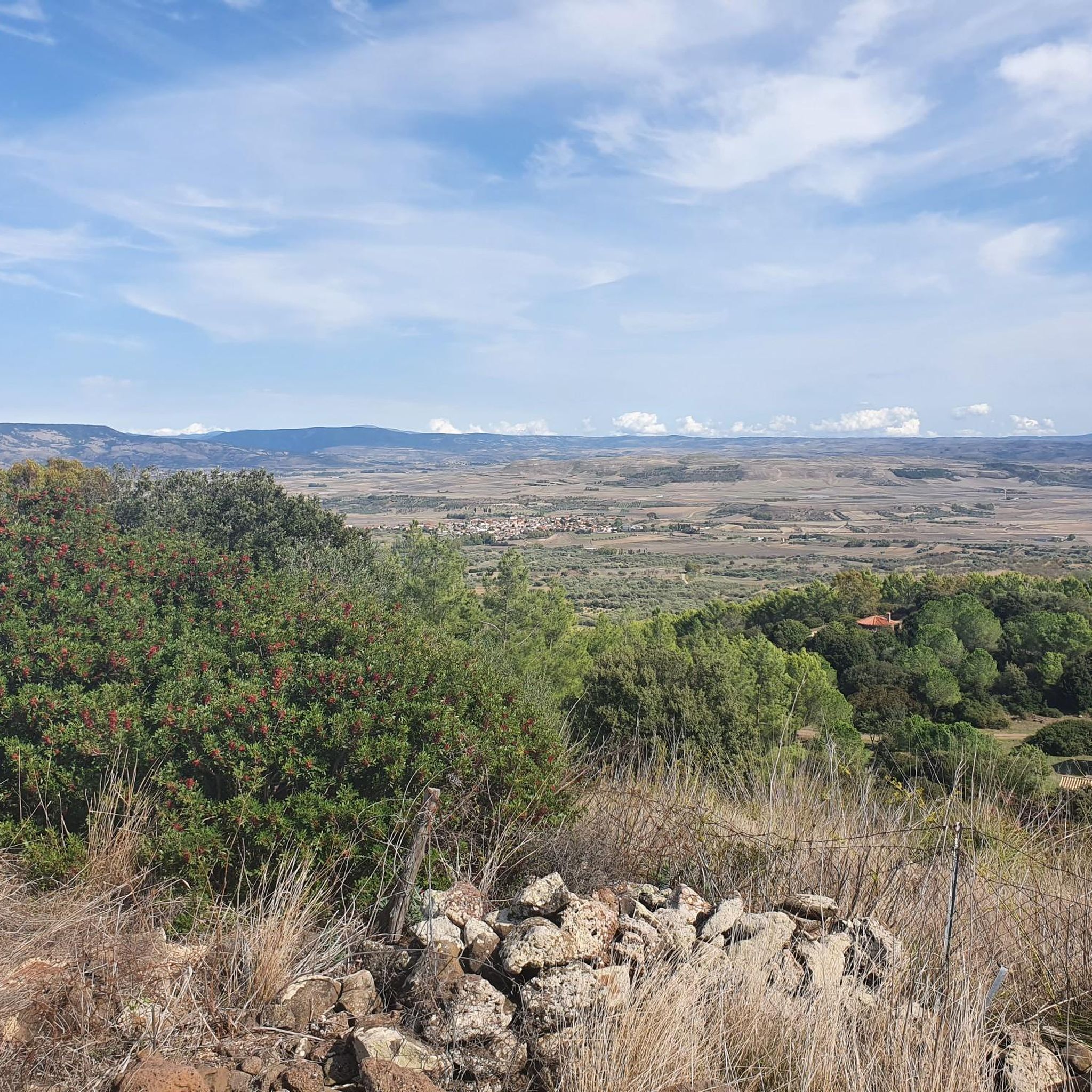
The Nuraghe San Marco stands on the eastern outskirts of Genuri, on the slopes of the southwestern side of the Jara Manna, the largest and most famous Giara. The basalt used to build the monument came from the plateau, which was also a source of food and resources for the peoples who inhabited the Marmilla region, while marl was used for the restoration work that took place in later phases. The building has a complex structure, consisting of a keep and three towers, and it is surrounded by a rampart with five other towers, except for the north side, perhaps because the builders considered the natural protection of the Giara plateau sufficient. Curiously, the southeast tower has a smaller diameter than the other two, while the northeast wall, which follows the profile of the central tower, has sometimes been interpreted as the wall of a fourth corner tower. In the space between the keep and the connecting curtain walls between the towers is a crescent-shaped courtyard, accessed through the entrance to the building on the south side. From the courtyard, which also contains a well, one enters the keep and the corridors leading to the side towers. Inside the keep, the space is cruciform, with two niches at the front and a third opposite the staircase. The northwest tower features six loopholes, two niches, and the absence of an entrance corridor. It opens directly onto the courtyard. Archaeological research has revealed that between the Late Bronze Age and the Late Bronze Age, a destructive event occurred, with relative collapse and subsequent rebuilding: San Marco probably witnessed a – still mysterious – period of crisis and conflict between the Nuragic tribes between the 2nd and 1st millennium BC. The site shows traces of human presence in the Punic period, and there was undoubtedly a settlement there between the late Roman period and the Early Middle Ages. At least eleven "new" rooms were built or added over the nuraghe, some of which probably served as food storage rooms, while the courtyard and towers were used for various purposes, sometimes even for burials. https://www.sardegnaturismo.it/en/explore/nuraghe-san-marco
0
0

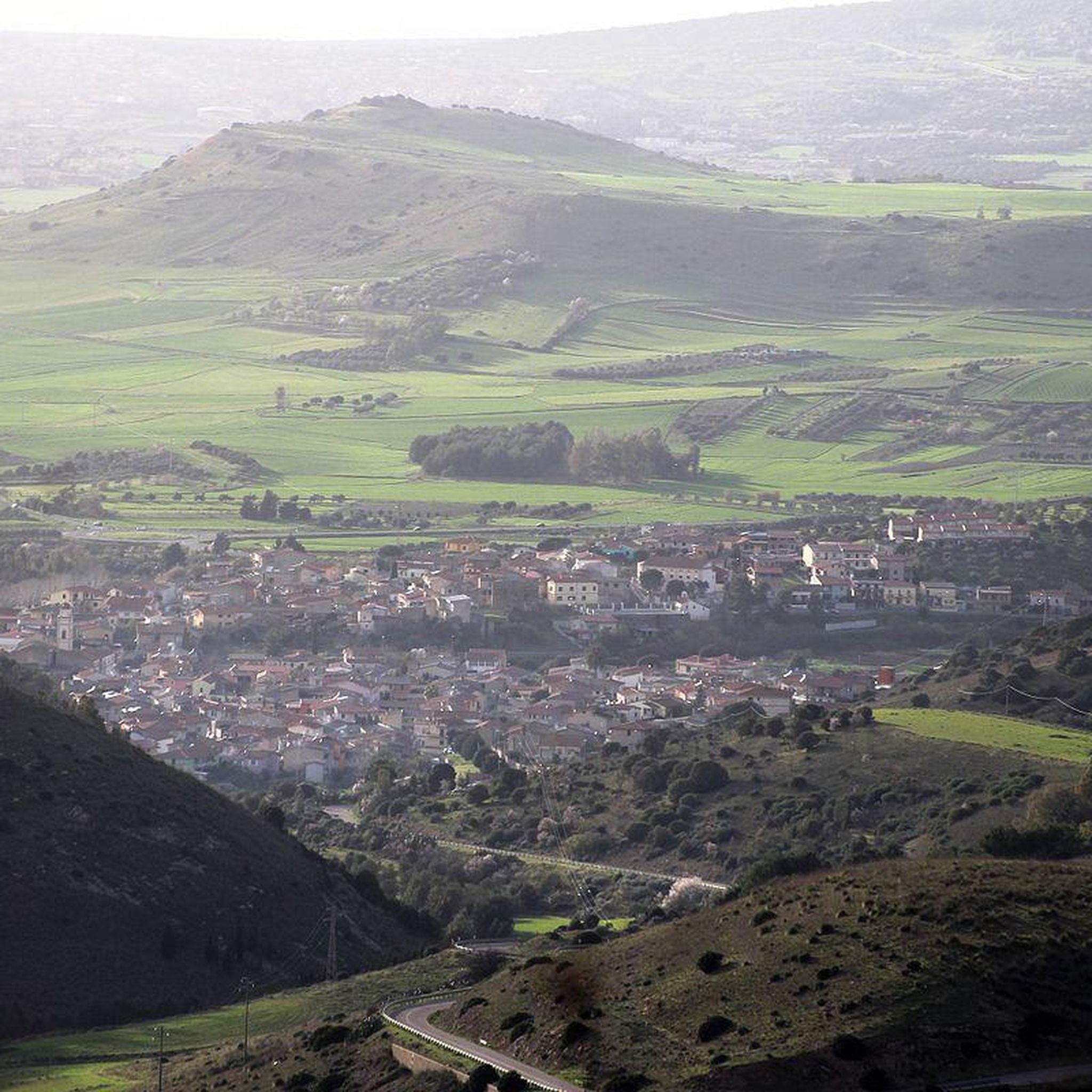
The Is Benas lake is located next to the pine forest of the same name. It is located in an arid area, between granite rocks.
0
0

Sa Dome and s'Orku, one of the best preserved giants' tombs on the island
0
0

Tamba dei Giganti really beautiful and impressive, a pity that part of the arch on the sides of the entrance is missing
0
0
It should be very nice, unfortunately not accessible
0
0
Beautiful still completely intact even if not very well cared for, it can be easily reached from the road
0
0

There are about 800 Giants' Tombs in Sardinia. The one inside the archaeological site of the Giara di Siddi is one of the best preserved Nuragic funerary monuments.
1
0

Easy to reach
0
0
Frequently Asked Questions
What historical sites can I explore around Gonnostramatza?
The region is rich in ancient history. You can visit the well-preserved Tomb of the Giants Sa Domu e S'Orku, a significant Nuragic funerary monument located within the archaeological site of the Giara di Siddi. Another notable historical site is the Domus de Janas Sa Domu e S'Orku, an easily accessible and well-preserved cave at the foot of the Giara di Gesturi. Additionally, the Nuraghe San Marco offers a fine example of a complex Nuragic structure, though it is currently not accessible for entry.
Are there any natural attractions or scenic viewpoints near Gonnostramatza?
Yes, the area features unique natural landscapes. You can visit Is Benas Pond, a tranquil lake nestled next to a pine forest amidst granite rocks. The Giara di Siddi is another natural monument, a basaltic plateau offering historical significance and unique geological features, including reddish spots on its southern side.
What outdoor activities can I do near these attractions?
The region around Gonnostramatza is excellent for outdoor activities. For cycling enthusiasts, there are several routes, including the challenging Giara di Siddi Loop and the Su Nuraxi Archaeological Site – Giara di Gesturi Plateau loop. You can find more details on these and other cycling tours in the Cycling around Gonnostramatza guide. Road cycling options are also available, such as the Santa Giusta Lagoon – Torregrande Beach loop. Explore these routes in the Road Cycling Routes around Gonnostramatza guide.
Are there hiking or running trails available?
Absolutely. For those who enjoy running, trails like the Pitzu Maialis loop and the Nuraghe Domu Beccia loop offer varying distances and difficulties. You can discover more running routes in the Running Trails around Gonnostramatza guide.
Are there any family-friendly attractions in the area?
The Domus de Janas Sa Domu e S'Orku is considered family-friendly due to its easy accessibility and well-preserved nature, offering an engaging historical experience for all ages.
What is the best time to visit Gonnostramatza for sightseeing and outdoor activities?
Spring (April-May) and autumn (September-October) are generally ideal. The weather is pleasant for exploring historical sites and engaging in outdoor activities like cycling and running, avoiding the intense heat of summer.
What kind of wildlife can I expect to see around Gonnostramatza?
The natural areas, particularly the Giare (basaltic plateaus) like Giara di Siddi and Giara di Gesturi, are known for their unique ecosystems. The Giara di Gesturi is famously home to the wild Giara horses. You might also spot various bird species and other small wildlife typical of the Sardinian countryside.
Are there any hidden gems or lesser-known spots worth visiting?
While the Domus de Janas Sa Domu e S'Orku is mentioned, its easy accessibility and well-preserved state make it a delightful discovery for many visitors. The Giara di Siddi, with its unique geological formations and archaeological remnants, also offers a less crowded experience compared to more famous sites.
What do visitors enjoy most about the attractions around Gonnostramatza?
Visitors appreciate the blend of historical significance and natural beauty. The well-preserved Nuragic monuments like the Tomb of the Giants Sa Domu e S'Orku offer a profound glimpse into Sardinia's past, while natural spots like Is Benas Pond provide serene landscapes. The ease of access to sites like the Domus de Janas Sa Domu e S'Orku is also frequently highlighted.
Is parking available near the main attractions?
For sites like the Tomb of the Giants Sa Domu e S'Orku and Domus de Janas Sa Domu e S'Orku, parking is generally available nearby, often within a short walking distance. For natural areas like the Giare, designated parking spots are usually provided at access points.
Are there any attractions that are wheelchair accessible?
While many historical sites in the region involve uneven terrain, the Domus de Janas Sa Domu e S'Orku is noted for being easy to reach, which may suggest better accessibility compared to other ancient sites. However, specific information on wheelchair accessibility for all attractions is limited, so it's advisable to check individual site conditions if this is a primary concern.
Can I visit the Tomb of the Giants Sa Domu e S'Orku independently?
Yes, the Tomb of the Giants Sa Domu e S'Orku can be visited free of charge independently. However, paid guided tours through municipal services may also be available for a more in-depth experience.
Most popular attractions around Gonnostramatza

Get inspired with the komoot mobile app


Explore more
Still not found the Highlight you’re looking for? See guides of the top attractions in other regions:
