Attractions and Places To See around Cavargna - Top 20
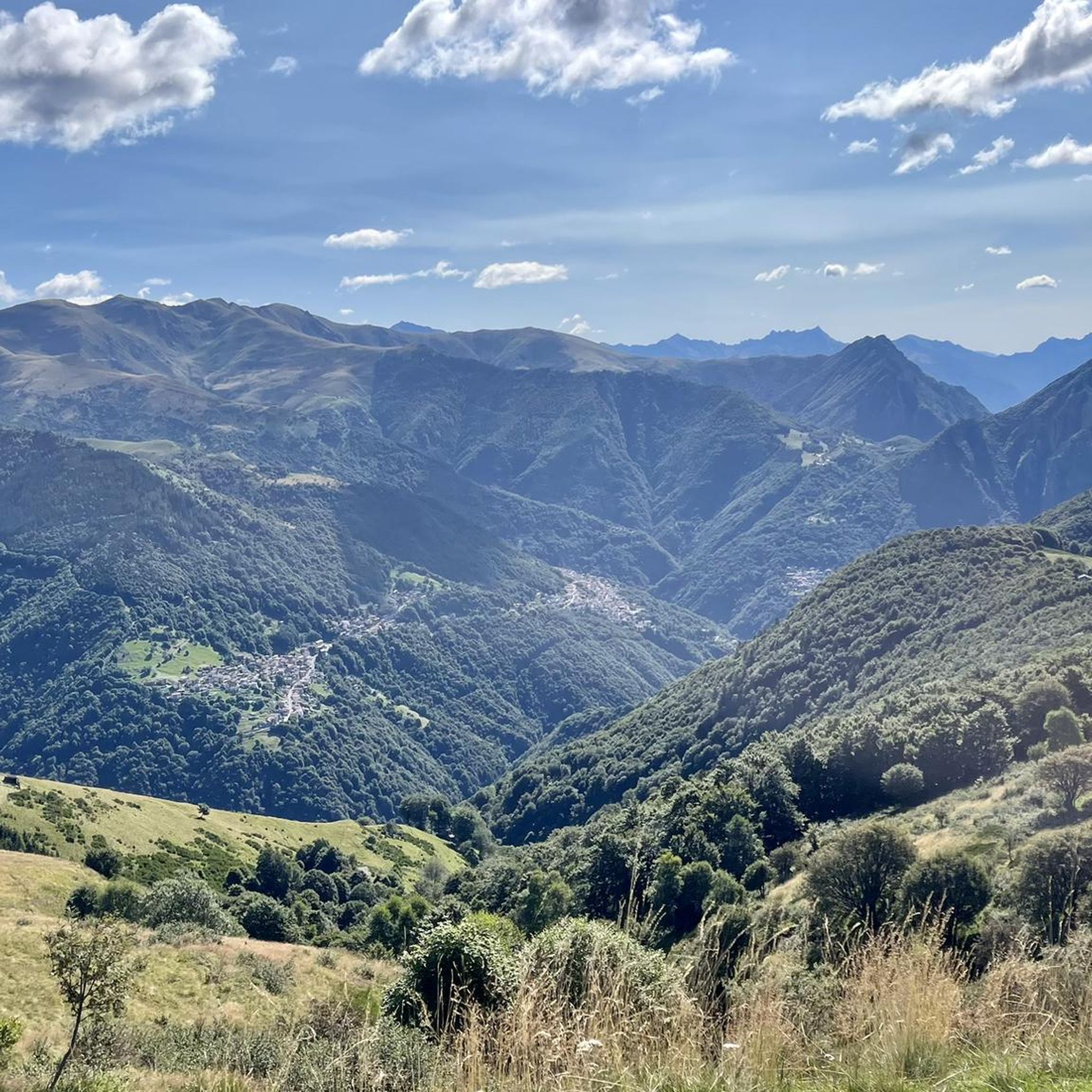
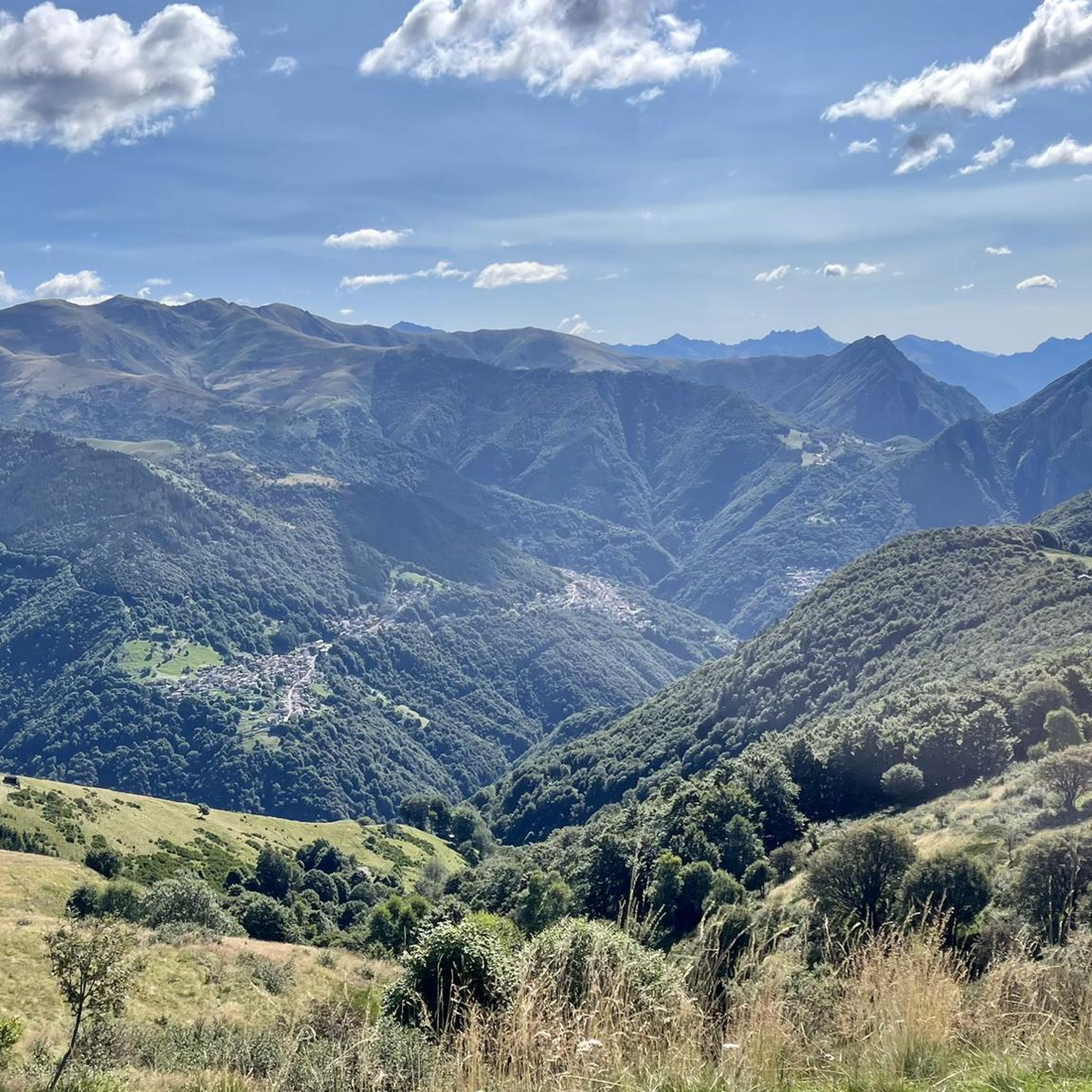
Best attractions and places to see around Cavargna, a region nestled in the Val Cavargna between Lake Como and Lake Lugano within the Lepontine Alps. This area features peaks over 2000 meters high, offering scenic mountain landscapes. Cavargna provides a blend of natural features, historical landmarks, and cultural sites, reflecting its local history and traditions. The valley is characterized by diverse flora, ancient villages, and remnants of past activities like smuggling and mining.
Best attractions and places to see around Cavargna
- The most popular attractions is Menaggio Hut, a hut located at 1383 m. It offers views of Lake Como and serves as a base for climbing Monte Grona.
- Another must-see spot is Tobi Waterfall, a waterfall with a high stone bridge. Visitors can access pools through a tunnel upstream from the old stone bridge.
- Visitors also love Lake Piano, a lake situated in a nature reserve. It is known for its water birds and offers opportunities for relaxation amidst fields, reed thickets, and forests.
- Cavargna is known for its natural features, historical sites, and cultural insights. The area offers a variety of attractions, from mountain peaks and forests to ancient villages and fortifications.
- The attractions around Cavargna are appreciated by the komoot community, with over 500 upvotes and more than 300 photos shared across 12 highlights.
Last updated: June 22, 2026
Menaggio Hut
Highlight • Mountain Hut
Translated by Google •
Tip by

Lake Piano
Highlight • Lake
Translated by Google •
Tip by

Sign up now to discover places like this
Get recommendations on the best single tracks, peaks, & plenty of other exciting outdoor places.
Sign up for free
Tobi Waterfall
Highlight • Waterfall
Translated by Google •
Tip by

Menaggio–Porlezza Cycle Path Tunnel
Highlight • Cycleway
The railway line between Menaggio and Porlezza, inaugurated in 1884, was created with the aim of increasing northern European tourism towards the lake region. Arriving by train in Lugano, the passengers continued by steamer to Porlezza and from there by train to Menaggio. Between the two world wars, until 1939, the railway line was used as a local transport system, for the transport of wood from the forests of Monte Galbiga and the ice of Lake Piano, and then fell into abandonment at the end of the Second World War .
Translated by Google •
Tip by

Bellinzona: Old Town and Castles
Highlight • Historical Site
Once upon a time, there were knights and drawbridges. Where? In Bellinzona, of course! Take a journey back in time and visit the castles, which were declared UNESCO World Heritage Sites in 2000.
Arm yourself with a camera and discover Castel Grande, Montebello, and Sasso Corbaro. Tin-reinforced walls, towers, and enormous gates: you'll be catapulted straight into the Middle Ages! Dream of the knights' heroic deeds and immerse yourself in life back then. The Fortress of Bellinzona offers visitors a hands-on experience of medieval history.
You can purchase the Fortress Pass online, at the InfoPoint in Bellinzona, or at the ticket offices of the three castles. It allows you to visit the fortress and its walls, the Castel Grande Museum, the Archeologia Montebello exhibition trail, and the temporary exhibitions.
Are you primarily interested in visiting the exhibitions? Then buy the new Expo Pass: a combined ticket that grants access to the temporary exhibitions at Castel Grande, Sasso Corbaro, and the Museo Villa dei Cedri!
Text / Source: Bellinzona e Valli Tourism
bellinzonaevalli.ch/de/discover/castles.html
Translated by Google •
Tip by

Sign up for free to discover even more attractions around Cavargna.
Sign up for free
Already have an account?
Start today with a free account
Your next adventure awaits.
Login or Signup

Other adventures around Cavargna

Tips from the Community

In Bellinzona's Old Town From the train station, the bus takes us to the stop at the end of Via Lugano. To the east is the Church of Santa Maria delle Grazie. On the other side of the railway line, we pass the Villa dei Cedri, nestled in a magnificent park and home to the municipal art collection. We head north along Via Pedotti to Piazza San Biagio, where the 13th-century church of the same name can be admired. The church, one of the most interesting in the region, has been restored and stripped of its Baroque additions. The remarkable frescoes date from the late Middle Ages. We return and follow Via Lugano north to Piazza Indipendenza, where we find the Church of San Rocco, a building dating back to 1330 and enlarged in 1478. This is where the actual old town begins. The town hall, with its elegant courtyard, was completely rebuilt in 1924, using materials from the previous 15th-century building. At Piazza Nosetto, with its beautiful porticoes, we turn left onto Via Teatro, passing the restored theater building from the previous century and reaching the government building. The oldest part consists of the former Ursuline convent, dating back to the 13th century and rebuilt in the previous century. Returning to Piazza Nosetto, we approach Piazza Collegiata, passing the Casa Rossa, a brick-clad building inspired by the Lombard style of the 15th century. The massive church of SS. Pietro e Stefano reflects the Renaissance style with Baroque elements. A lively market is held every Saturday in Piazza Collegiata. On Viale Stazione, we find ourselves in the city's commercial district. The post office building is noteworthy, a prime example of contemporary Ticino architecture. Text / Source: Agenzia turistica ticinese SA., Via C. Ghiringhelli 7, Bellinzona https://www.ticino.ch/de/commons/details/In-Bellinzonas-Altstadt/3156.html
14
0
The Fortress of Bellinzona and its Castles Once upon a time, there were knights and drawbridges. Where? In Bellinzona, of course! Take a journey back in time and visit the castles, which were declared UNESCO World Heritage Sites in 2000. Arm yourself with a camera and discover Castel Grande, Montebello, and Sasso Corbaro. Tin-reinforced walls, towers, and enormous gates: you'll be catapulted straight into the Middle Ages! Dream of the knights' heroic deeds and immerse yourself in life back then. The Fortress of Bellinzona offers visitors a hands-on experience of medieval history. You can purchase the Fortress Pass online, at the InfoPoint in Bellinzona, or at the ticket offices of the three castles. It allows you to visit the fortress and its walls, the Castel Grande Museum, the Archeologia Montebello exhibition trail, and the temporary exhibitions. Are you primarily interested in visiting the exhibitions? Then buy the new Expo Pass: a combined ticket that grants access to the temporary exhibitions at Castel Grande, Sasso Corbaro, and the Museo Villa dei Cedri! Text / Source: Bellinzona e Valli Tourism https://www.bellinzonaevalli.ch/de/discover/castles.html
14
0


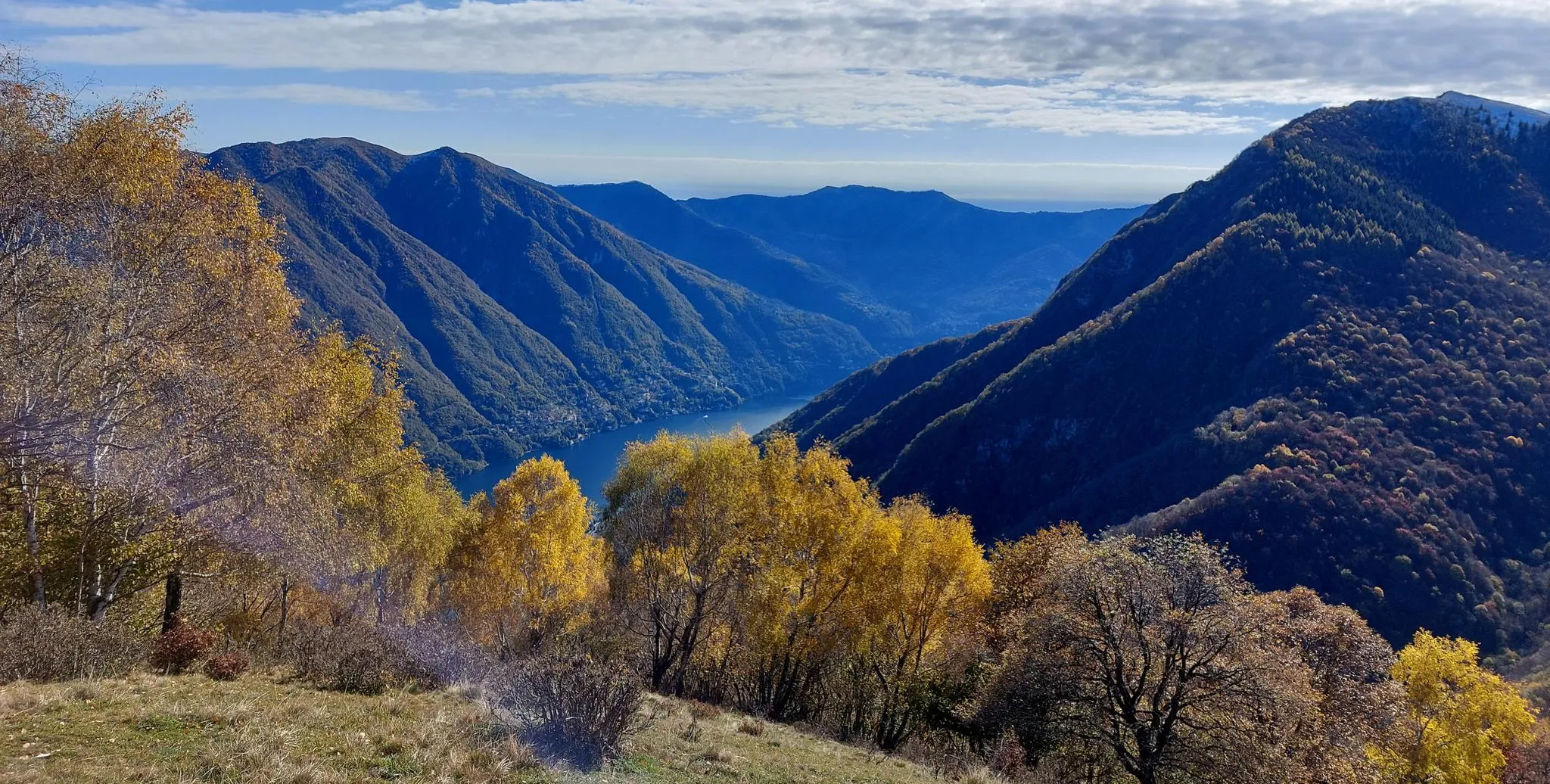
Rifugio Menaggio, located at 1383 m, offers unique views of Lake Como. It is the ideal base for climbing Monte Grona, with via ferratas or challenging trails. It is a panoramic and welcoming point for every hiker, it is managed by the CAI and offers refreshments and overnight stays in the summer season.
3
1

The cityscape of Bellinzona is reminiscent of the 17th century. The castles and city walls are a world heritage site.
0
0

This is the highlight on the cycle path between Lake Como and Lake Lugano. (Between Porlezza and Menaggio) Absolutely great place for a break.
1
0
This is one of the highlights in the area. Past the Lago di Piano... Beautiful. Of course there are also sections that are not so great, especially near Menaggio, where it becomes more of an adventure for cyclists.
1
1

In the suggestive scenery of Val Menaggio, Lake Piano is located in the heart of the regional nature reserve. It is surrounded by fields, reed thickets and a dense green forest that develops on the slopes of Mount Galbiga. It can be a perfect place for a regenerating break while cycling.
3
1
Frequently Asked Questions
What natural attractions can I explore in the Cavargna area?
The region offers diverse natural beauty. You can visit Lake Piano, a nature reserve known for its water birds and tranquil setting. Another highlight is the Tobi Waterfall, featuring a high stone bridge and pools accessible via a tunnel. For stunning panoramic views, consider ascending Pizzo di Gino, the highest peak in Val Cavargna, or exploring the serene Bosco Sacro, a magnificent beech forest.
Are there any historical or cultural sites worth visiting in Val Cavargna?
Yes, Val Cavargna is rich in history and culture. The 15th-century Church San Lucio, located at 1,541 meters on the Swiss-Italian border, is a significant devotional site. You can also delve into local traditions at the Museo della Valle in Cavargna, which covers topics like smuggling and old mining activities. Other notable sites include the ancient Oratory of S. Ambrogio and the Parish Church of S. Giovanni Battista in Cusino, both featuring historical architecture and frescoes. The area also preserves segments of the World War I "Linea Cadorna" fortifications, with trenches and fortified positions to explore.
What kind of hiking opportunities are available around Cavargna?
Cavargna is an excellent base for hiking. You can find various trails, including routes to Menaggio Hut, which offers views of Lake Como and serves as a base for climbing Monte Grona. For more options, explore the Hiking around Cavargna guide, which features routes like the Monte Cucco loop and the challenging Pizzo di Gino loop starting from Cavargna.
Are there family-friendly activities or attractions near Cavargna?
Absolutely. Lake Piano, a nature reserve, is ideal for a relaxing family day out, with opportunities to observe water birds. The Menaggio–Porlezza Cycle Path Tunnel, following an old railway line, offers a pleasant and mostly asphalted route suitable for families. While a bit further, Bellinzona's Old Town and Castles, a UNESCO World Heritage Site, provide an engaging historical experience for all ages.
Where can I find scenic viewpoints in the Cavargna valley?
The Cavargna valley, nestled in the Lepontine Alps, is full of scenic viewpoints. Pizzo di Gino, the highest peak, offers stunning panoramic views of the surrounding mountains. The Menaggio Hut also provides unique vistas of Lake Como. Additionally, the Passo di San Lucio is renowned for its historical, naturalistic, and scenic value, offering magnificent mountain landscapes.
What unique flora can be found in the Val Cavargna?
Val Cavargna boasts a rich and diverse flora. You can discover unique species such as the beautiful Primula di Lombardia on Monte Pidaggia and the Primula orecchie d'orso at Sassi della Porta. Other rare plants like the Campanula dell'Arciduca Raineri and the carnivorous Erba Unta Alpina also thrive here. The valley's forests feature ancient chestnut trees, spruce, and beech, which are home to various types of mushrooms.
Can I go cycling near Cavargna?
Yes, cycling is a popular activity in the area. The Menaggio–Porlezza Cycle Path Tunnel is a notable route that follows an old railway line, suitable for touring, gravel, and MTB bikes. For more cycling routes, refer to the Cycling around Cavargna guide, which includes routes around Lake Piano and along the lakeside roads.
What is the best time to visit Cavargna for outdoor activities?
The best time to visit Cavargna for outdoor activities like hiking and cycling is generally during the spring, summer, and early autumn months. During these seasons, the weather is milder, and the trails are more accessible. Spring brings blooming flora, while autumn offers beautiful colors. Winter can be suitable for specific winter activities, but many trails might be covered in snow.
Are there any ancient villages to explore in the Val Cavargna?
Yes, the Val Cavargna is dotted with charming ancient villages that have preserved their rustic architecture. Carlazzo is an ancient fortified village worth exploring. San Bartolomeo Val Cavargna is also noted for its rich historical and artistic heritage, offering a glimpse into the region's past. These villages provide a unique cultural experience away from the more frequented tourist spots.
What are some lesser-known natural features in the Cavargna area?
Beyond the main attractions, the Val Cavargna holds several unique natural features. The Cuccio Stream flows through the entire valley, dividing into two main branches. The Oasis of Segur, within the Cavargna mountains, is known for its extensive pastures and alpine meadows. These areas offer tranquil spots for nature observation and a deeper connection with the local landscape.
What do visitors enjoy most about the attractions around Cavargna?
Visitors particularly appreciate the stunning natural beauty and the sense of tranquility. The unique views of Lake Como from Menaggio Hut are highly praised, as is the opportunity to observe diverse water birds at Lake Piano. The Tobi Waterfall is noted for its impressive height and unique access to pools. The blend of scenic landscapes, historical sites, and opportunities for outdoor activities makes the area appealing to a wide range of visitors.
Are there opportunities for running trails near Cavargna?
Yes, the area around Cavargna offers several running trails for various fitness levels. You can find routes like the Lake Lugano Trail or more challenging runs such as the Capanna San Lucio, Rigugio Garzirola e Monte Gazzirola race starting from Cavargna. For detailed information and route options, consult the Running Trails around Cavargna guide.
Most popular routes around Cavargna
Most popular attractions around Cavargna

Get inspired with the komoot mobile app


Explore more
Still not found the Highlight you’re looking for? See guides of the top attractions in other regions:
