Attractions and Places To See around Spigno Saturnia - Top 20
Best attractions and places to see around Spigno Saturnia include historical sites and natural landscapes within the Aurunci Mountains. The comune is geographically divided into Spigno Superiore, an older village with medieval ruins, and Spigno Inferiore, which developed in the plain. Visitors can explore ancient structures like the remains of a Roman aqueduct and enjoy the natural beauty of Mount Petrella and the Parco Naturale dei Monti Aurunci. This area offers a blend of historical exploration and outdoor activities.
Best attractions and places to see around Spigno Saturnia
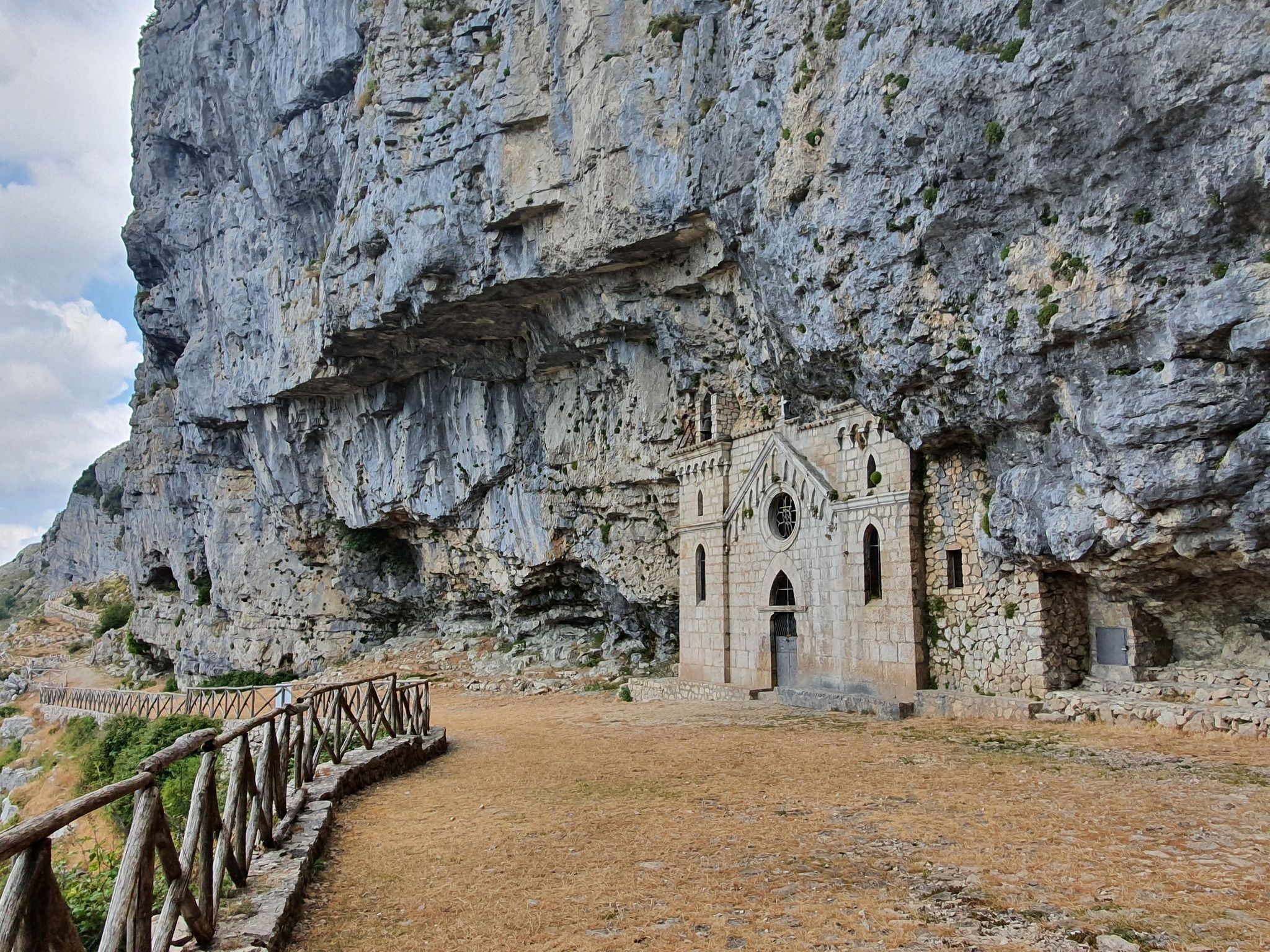
- The most popular attractions is Hermitage of St. Michael the Archangel, a religious building that is a church from 830 A.D. built into the rock. The path to this rock-hewn church was reopened in June 2023.
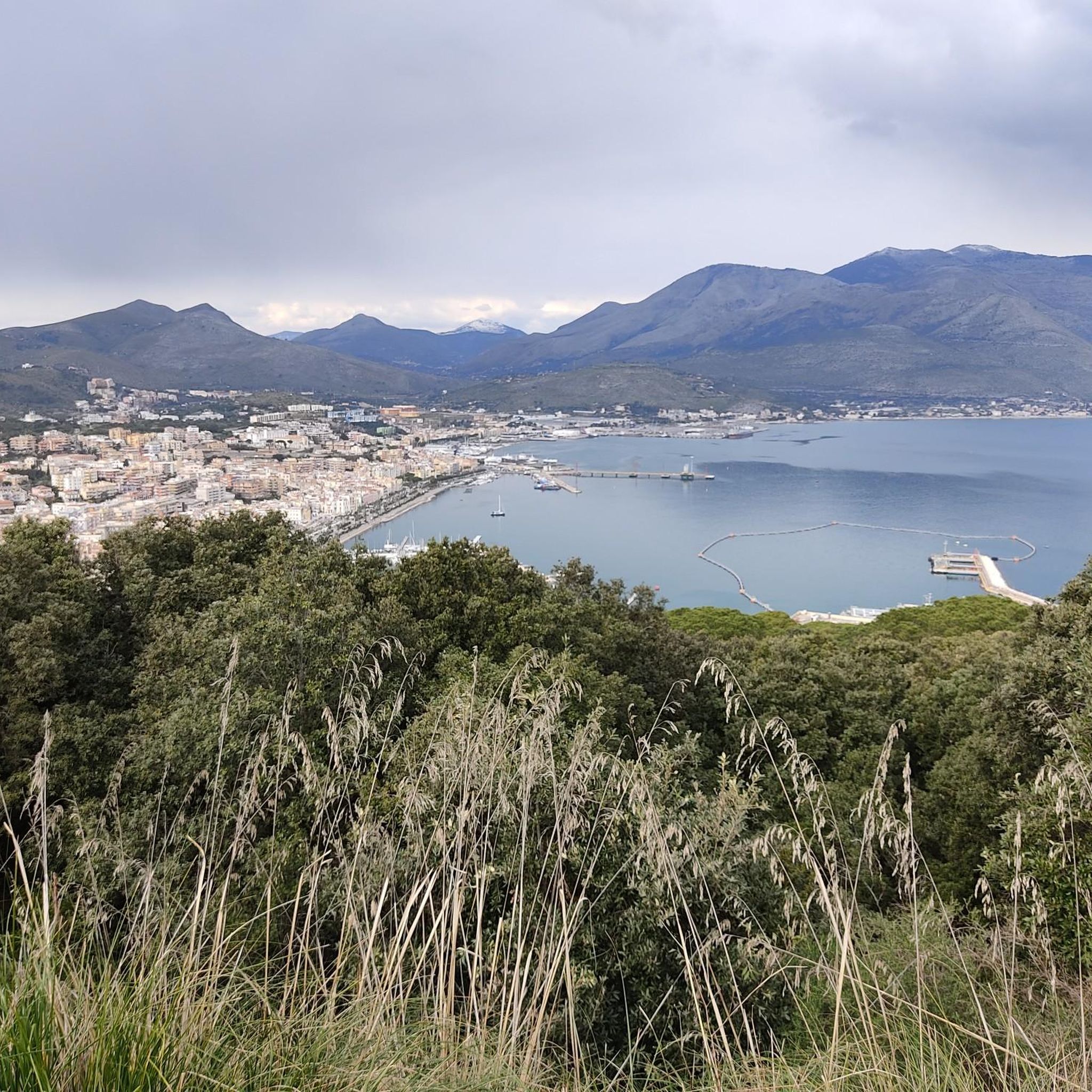
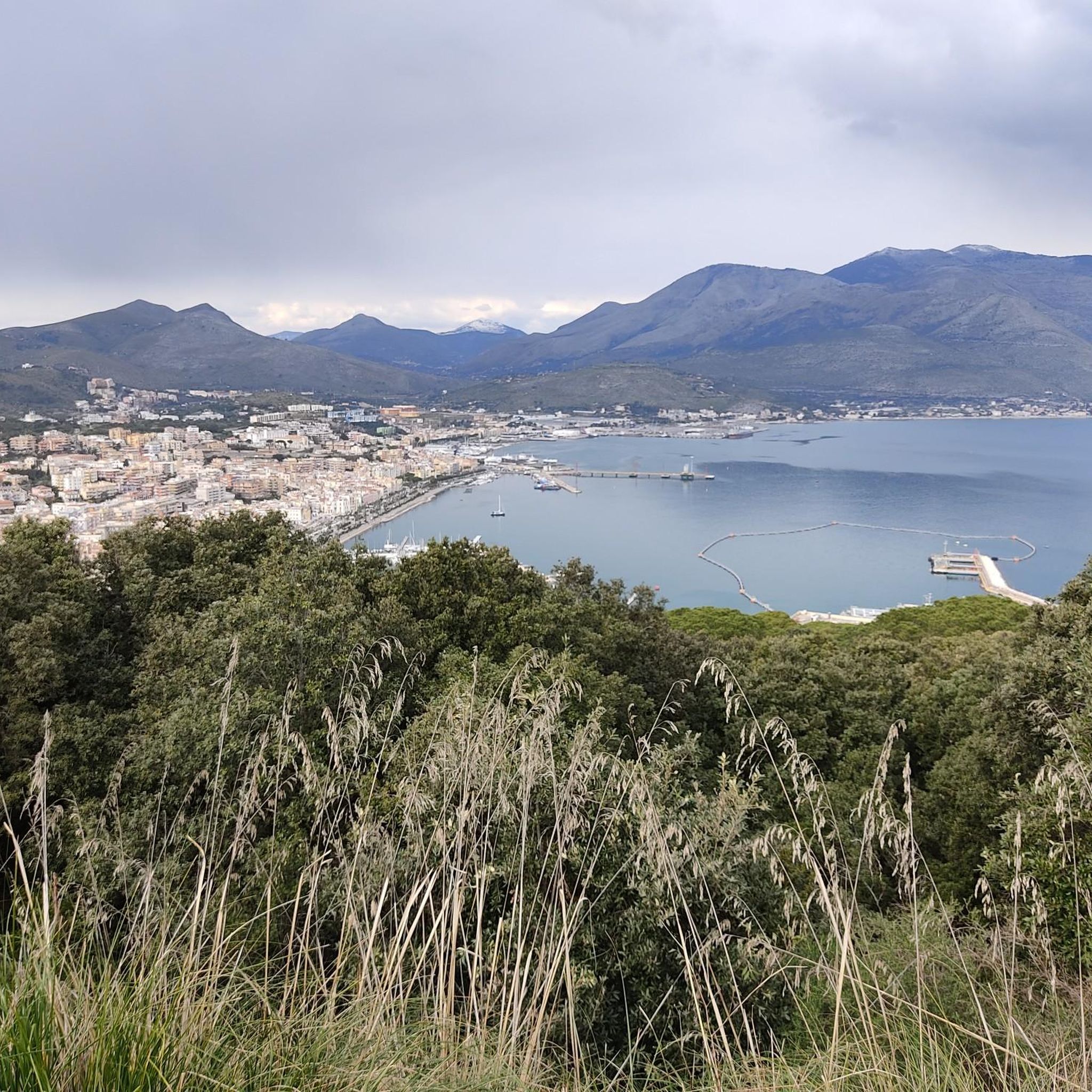
- Another must-see spot is Cima del Redentore (Monte Altino), a summit featuring a large statue of the Redeemer at 1252 meters. This summit offers panoramic views, including the Gulf of Gaeta.
- Visitors also love Tomb of Cicero, a historical site dating back to the Augustan age. This monument, over 24 meters high, features a square base surmounted by a cylindrical tower.
- Spigno Saturnia is known for its historical sites, natural features, and religious buildings. The area offers a variety of attractions to see and explore, from ancient ruins to mountain summits.
- The attractions around Spigno Saturnia are appreciated by the komoot community, with over 110 upvotes and 63 photos shared by visitors.
Last updated: July 2, 2026
Hermitage of St. Michael the Archangel
Highlight • Religious Site
Translated by Google •
Tip by

Cima del Redentore (Monte Altino)
Highlight • Summit
Translated by Google •
Tip by

Sign up now to discover places like this
Get recommendations on the best single tracks, peaks, & plenty of other exciting outdoor places.
Sign up for free
Tomb of Cicero
Highlight • Historical Site
Translated by Google •
Tip by

Rifugio Acquaviva
Highlight • Mountain Hut
Translated by Google •
Tip by

Snow Well of the Aurunci Mountains
Highlight • Historical Site
Snow pits are historic structures used to store snow during the winter for later use during the warmer months of the year. These are underground constructions, made of dry stone, which allowed the snow to be preserved for several weeks or even months. The snow was compressed into the pits by layering it with layers of insulation such as straw, leaves or twigs, thus allowing its preservation until the summer season. This preserved snow was mainly used for cooling purposes or in the ice-making process.
The snow routes of the Aurunci Mountains were ancient routes used to transport snow collected in snow pits towards the coast, in particular to Gaeta, where it was sold mainly to merchant ships for cooling food or drinks during the warmer months.
The history of snow pits and snow routes represents a fascinating aspect of past life and traditions linked to the use of snow as a precious resource. Exploring these structures and historical routes can offer an interesting window into the past and daily life of local communities who lived in mountainous areas such as the Aurunci Mountains.
Translated by Google •
Tip by
Sign up for free to discover even more attractions around Spigno Saturnia.
Sign up for free
Already have an account?
Start today with a free account
Your next adventure awaits.
Login or Signup
Other adventures around Spigno Saturnia

Tips from the Community

Mystical place for contemplation where everything flows slowly amidst the beauty of a church nestled in the rock.
0
0
The climb to the Redentore rewards with a breathtaking panorama of the Gulf of Gaeta
0
0

It's the real reward for all the climbing. The ramps that lead up to the monument are technically challenging. Lower the saddle, put a hard gear and push all the way to the top.
2
0

Very suggestive place, it is absolutely worth taking a short break to stop and admire the hermitage and the view below. A visit is recommended in the afternoon hours when it is illuminated by the sun.
1
0

It can only be visited a couple of Sundays a month.
1
0

Breathtaking view on a beautiful day
0
0

At km 139 of the Appian Way, municipality of Formia, the mausoleum known as "Cicero's Tomb"
0
0
The mausoleum known as "Cicero's Tomb" is located at km 139 of the Appian Way.
0
0
Frequently Asked Questions
What historical sites can I explore in Spigno Saturnia?
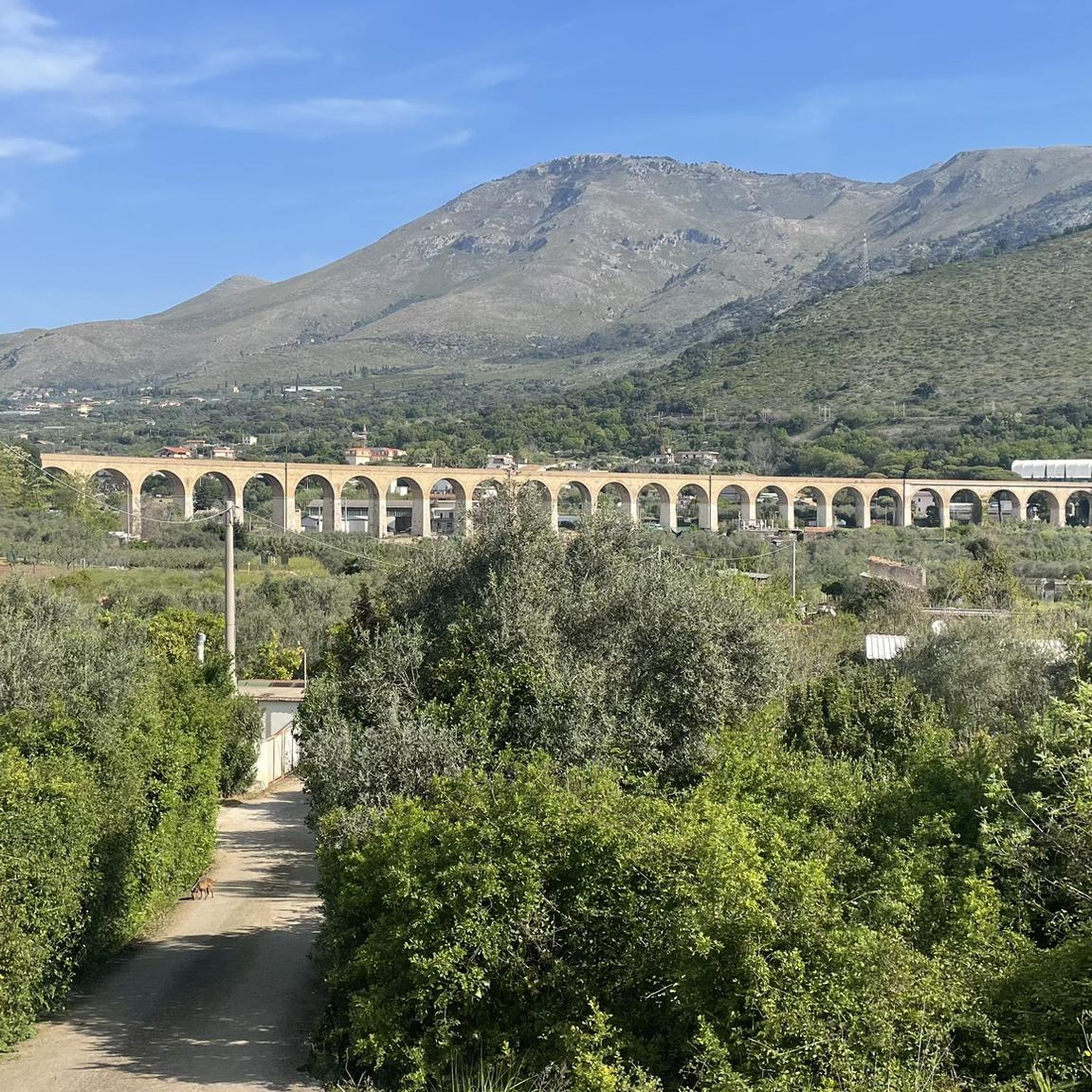
Spigno Saturnia offers a rich history, particularly in Spigno Vecchio (Old Spigno), which preserves the ruins of an ancient castrum and remnants of a medieval stone fortress. You can also find the remains of an ancient aqueduct built by Emperor Vespasian along the Capodacqua River. Nearby, consider visiting the Hermitage of St. Michael the Archangel, an 830 A.D. church built into the rock, or the Tomb of Cicero, a significant monument from the Augustan age.
Are there any natural attractions or viewpoints in the area?
Absolutely. Spigno Saturnia is part of the Parco Naturale dei Monti Aurunci. You can hike up Cima del Redentore (Monte Altino), which offers magnificent 360° views encompassing the Gulf of Gaeta, the Pontine Islands, and the Circeo Promontory. Another notable natural feature is the Fossa delle Streghe (Witches' Pit), a large karst sinkhole at the foot of Mount Petrella.
What hiking opportunities are available around Spigno Saturnia?
The Aurunci Mountains Natural Park, which includes Spigno Saturnia, provides numerous hiking trails. For a challenging but rewarding experience, consider routes leading to Cima del Redentore (Monte Altino). You can find various running trails, including those to Monte Petrella, and more challenging routes like the Monte Sant'Angelo Summit loop. Explore more options on the Running Trails around Spigno Saturnia guide.
Are there family-friendly activities or places to stay near the attractions?
Yes, the Rifugio Acquaviva, located within the Parco dei Monti Aurunci, is a family-friendly hut reachable by car. It offers comfortable facilities for overnight stays or meals, though reservations are recommended. The Natural History Museum in Spigno Saturnia also offers interactive exhibits suitable for families to learn about the local biodiversity.
What is the best time of year to visit Spigno Saturnia for outdoor activities?
Most outdoor excursions, especially to summits like Cima del Redentore, are possible all year round, except during the hottest summer months or periods of heavy snowfall. Spring and autumn generally offer pleasant temperatures for hiking and exploring. The town also hosts a 'Festival of the chestnuts and the zeppole' in mid-October, and 'Il Giro delle Contrade' in May, which can be enjoyable times to visit.
Can I find cycling or mountain biking routes in the area?
Yes, the region around Spigno Saturnia is well-suited for cycling and mountain biking. You can find routes like the Ponte Real Ferdinando – Sun Cycle Path loop for touring bicycles, or more challenging MTB trails such as the Ascent to Monte Redentore. For detailed routes, check the Cycling around Spigno Saturnia and MTB Trails around Spigno Saturnia guides.
What are some unique historical features related to the Aurunci Mountains?
The Aurunci Mountains are home to interesting historical features known as Snow Wells and 'snow routes.' These ancient structures were used to collect and store snow during winter for use in warmer months, often transported to the coast for cooling purposes before modern refrigeration. Exploring these sites offers a glimpse into past local traditions and resourcefulness.
Are there any cultural events or local specialties in Spigno Saturnia?
Spigno Saturnia is known for its local gastronomy and events. The town hosts the 'Festival of the chestnuts and the zeppole' in mid-October. A significant local specialty is the 'Zeppolone De.Co. from Spigno Saturnia,' a unique round, green chicory frittata prepared according to an ancient recipe. The 'International Folklore Festival' is also held in mid-July.
How can I reach the Hermitage of St. Michael the Archangel?
The Hermitage of St. Michael the Archangel is a church built into the rock. The path (n. 960) to the hermitage was reopened at the end of June 2023 after temporary closures. It's advisable to check local conditions or official municipality updates before planning your visit.
What should I know before visiting the Tomb of Cicero?
The Tomb of Cicero is a historical monument located along the Via Appia. It is important to note that it can only be visited a couple of Sundays a month, so plan your visit accordingly. The monument itself is over 24 meters high, featuring a square base surmounted by a cylindrical tower.
Where can I learn more about the biodiversity of the region?
The Natural History Museum in Spigno Saturnia describes the biodiversity of the 'Parco Naturale dei Monti Aurunci' through multimedia and interactive tools. It's an excellent resource for understanding the local flora and fauna.
What is Spigno Vecchio and what can I see there?
Spigno Vecchio, also known as Spigno Superiore, is the older part of the village. Despite significant destruction during 1943-1944, it preserves the ruins of an ancient castrum and remnants of a medieval stone fortress, including a high square tower. You can explore its traditional layout with houses built close together, narrow alleys, and stairways, as well as two medieval churches: the Medieval Church of Santa Croce and the ruined Church of S. Lorenzo al Castello.
Most popular routes around Spigno Saturnia
Most popular attractions around Spigno Saturnia

Get inspired with the komoot mobile app


Explore more
Still not found the Highlight you’re looking for? See guides of the top attractions in other regions:
