The best cycling routes around Spigno Saturnia
4.2
(67)
1,252
riders
116
rides
Touring cycling around Spigno Saturnia offers routes through a landscape characterized by coastal areas and inland terrain. The region features historical sites and access to the Tyrrhenian Sea. Routes often combine scenic coastal paths with journeys through rolling hills, providing varied cycling experiences. Elevation changes range from gentle gradients near the sea to more significant climbs further inland.
Best touring cycling routes around Spigno Saturnia
- The most popular touring cycling route is Ponte Real Ferdinando – Sun Cycle Path loop…
Last updated: July 8, 2026
4.6
(8)
92
riders
42.1km
02:55
530m
530m
Hard bike ride. Very good fitness required. Mostly paved surfaces. Suitable for all skill levels.
4.5
(4)
60
riders
48.1km
02:46
120m
120m
Moderate bike ride. Good fitness required. Mostly paved surfaces. Suitable for all skill levels.

Sign up for free
5.0
(4)
42
riders
49.8km
04:25
1,400m
1,400m
Hard bike ride. Very good fitness required. You may need to push your bike for some segments of this route.
4.2
(5)
28
riders
75.4km
04:36
620m
620m
Hard bike ride. Very good fitness required. Mostly paved surfaces. Suitable for all skill levels.
41
riders
50.4km
03:01
380m
380m
Moderate bike ride. Good fitness required. Mostly paved surfaces. Suitable for all skill levels.
Get access to more routes and recommendations from other explorers.
Sign up for free
Already have an account?
Our route recommendations are based on thousands of hikes, rides, and runs completed by other people on komoot.
Start today with a free account
Your next adventure awaits.
Login or Signup
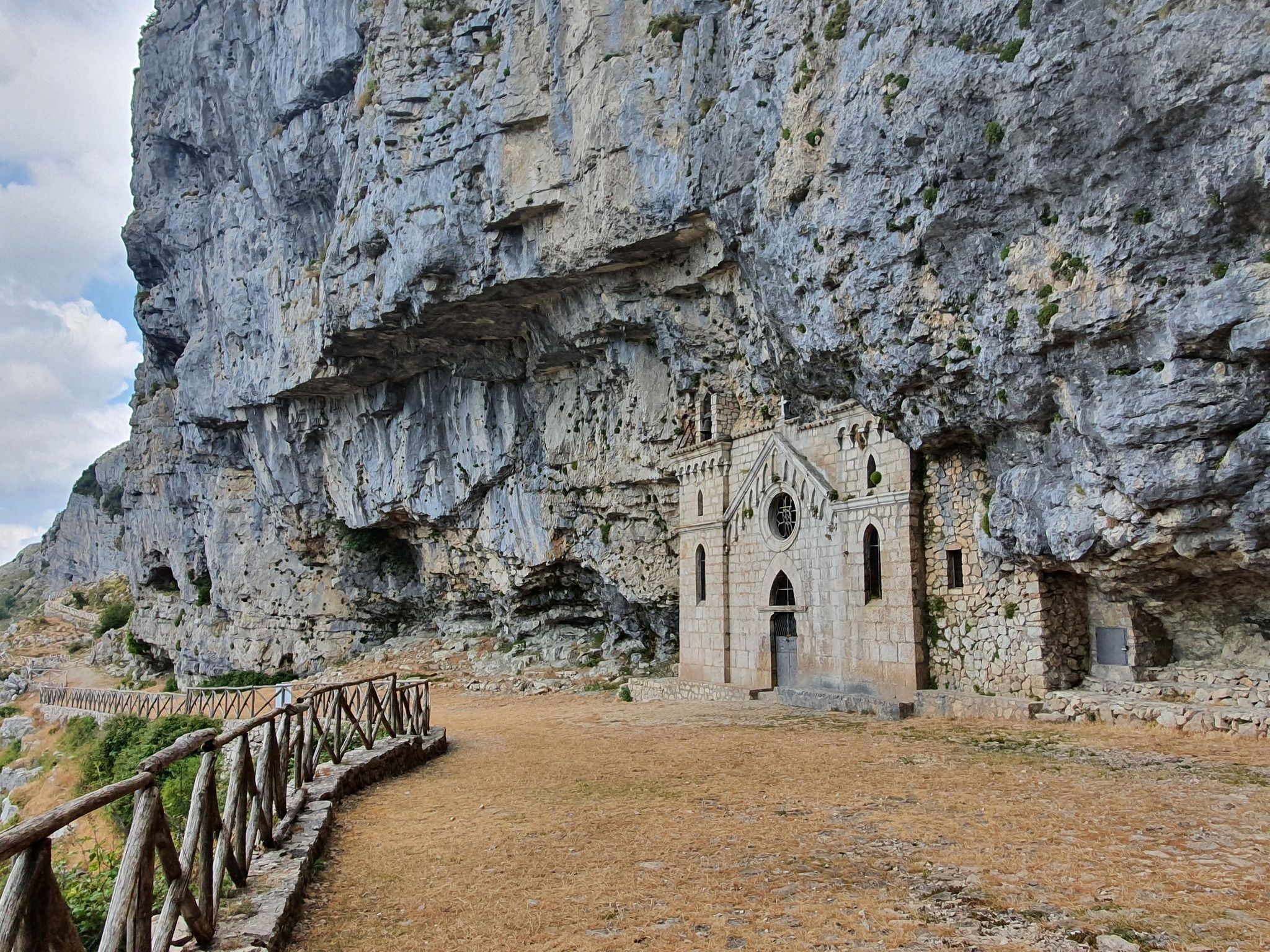
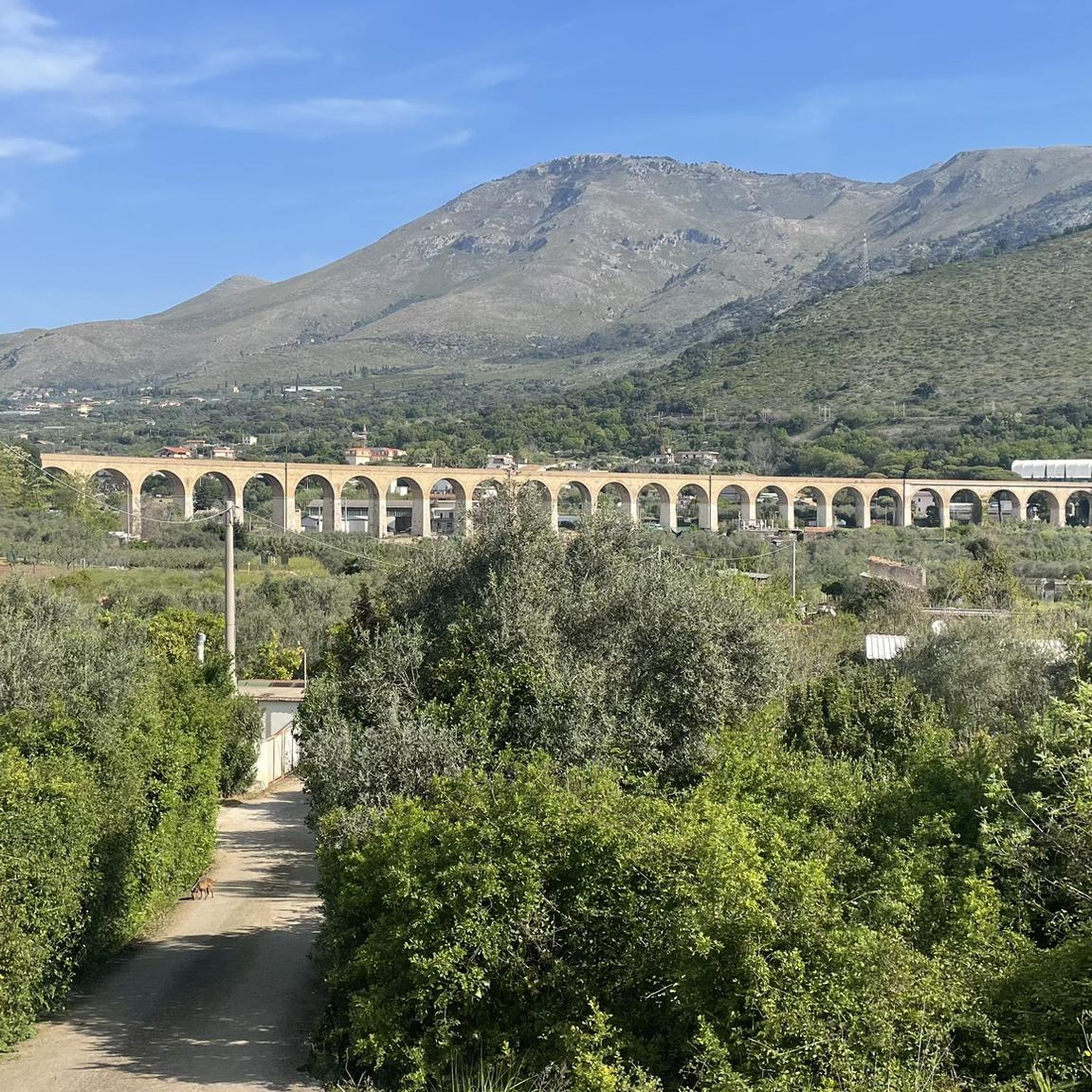
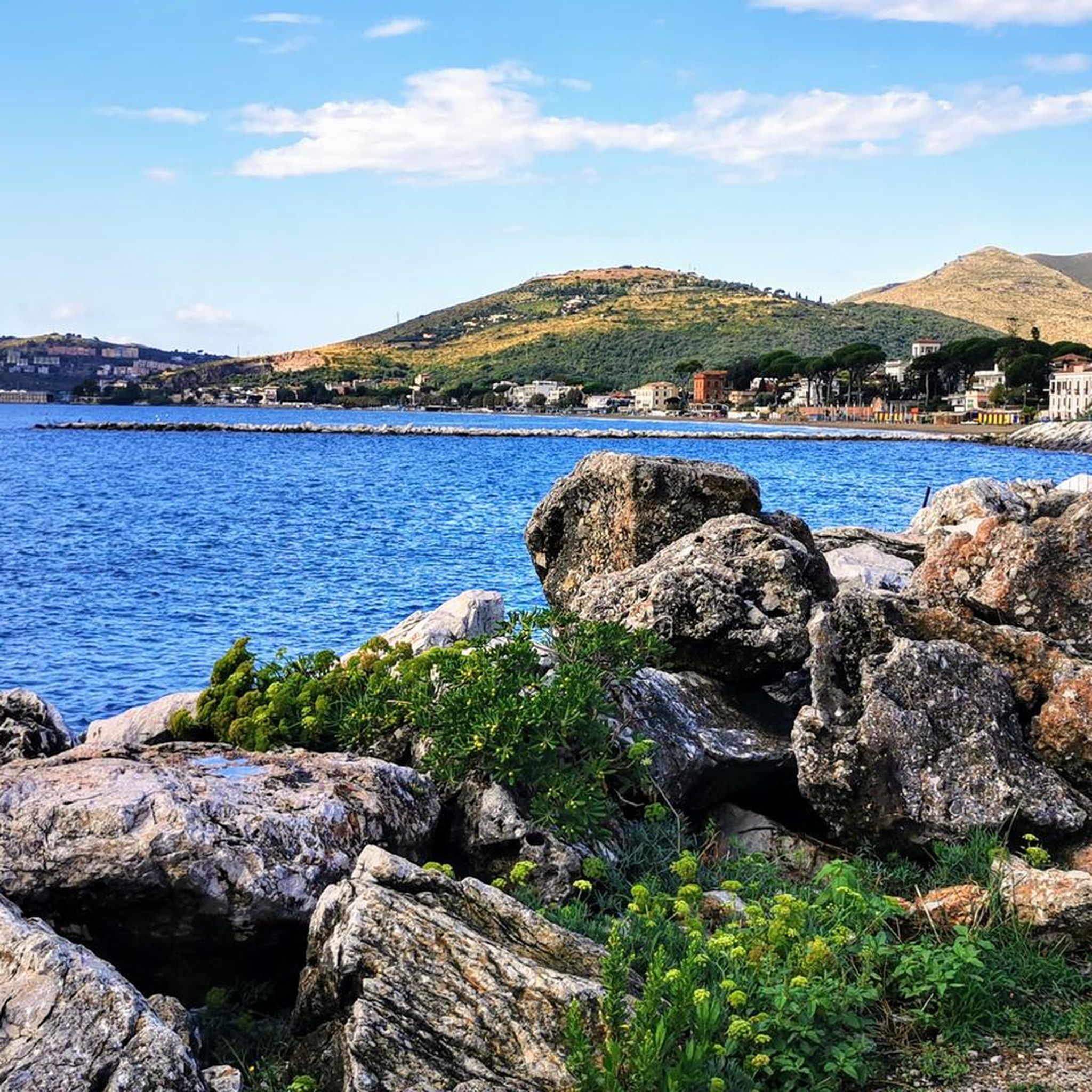
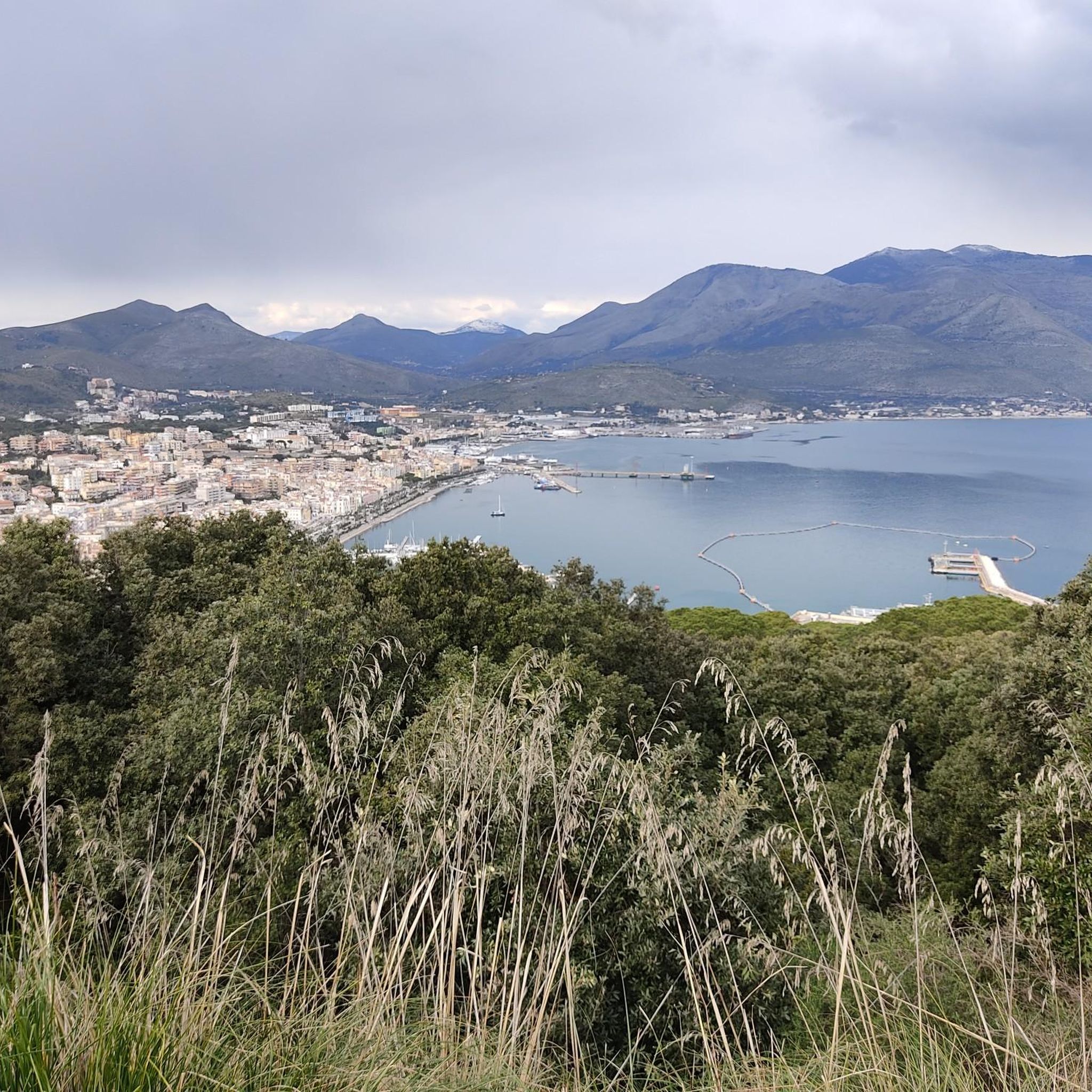
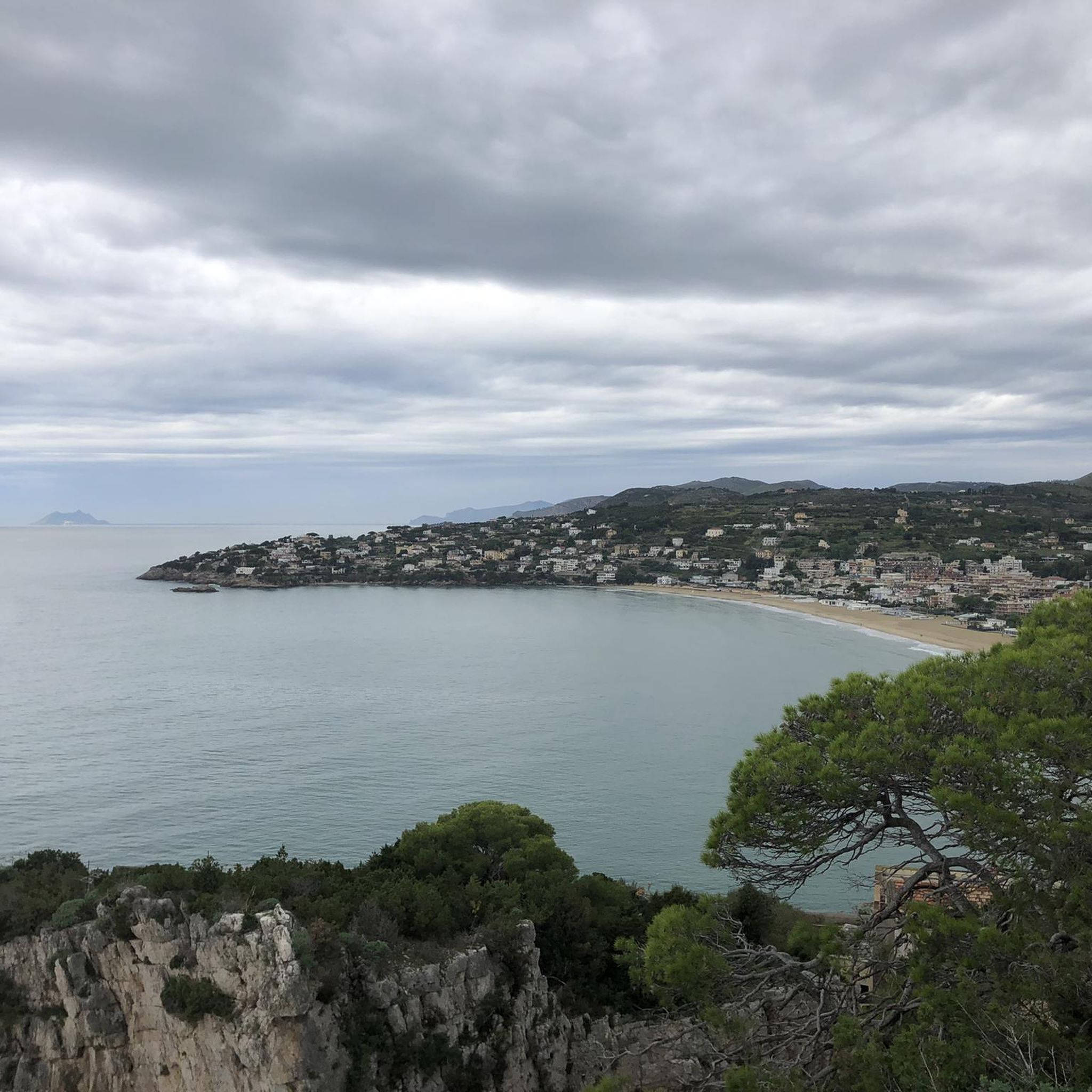
Other adventures around Spigno Saturnia

Tips from the Community


The Castle was built by Frederick II of Swabia between 1223 and 1226. The Castle had an important strategic function: from here one accessed the Kingdom of Sicily by sea. Frederick II's Castle remained standing for a few years because it was demolished during a revolt. In 1266, the new lord of Southern Italy, Charles I of Anjou, occupied Gaeta and rebuilt a fortress on the ruins of Frederick II's Castle facing the sea. A decisive year in the history of the Castle is 1435 because the Spaniard Alfonso V of Aragon established his seat and that of his court here, and from Gaeta began his expansion into the Kingdom of Naples. From the following year, Alfonso began the expansion and fortification works of the building. The French and the Spaniards long contested Gaeta, but the city and its Castle always remained in Spanish hands until the beginning of the eighteenth century. In 1734, the Kingdom of Naples came under the control of Charles III of Bourbon, who immediately began the restoration works of the Castle of Gaeta.
0
0
This famous archaeological site is the tomb of Lucius Munatius Planco, a Roman consul and founder of Lyon and Basel. The mausoleum is located on the summit of Monte Orlando, from where you can also admire the entire Gulf of Gaeta, the Aurunci mountain range, Monte Circeo, the Pontine Islands, and Vesuvius. An admirer and connoisseur of these places, fascinated by their beauty but also enticed by the strategic position and natural fortifications of Gaeta, Lucius Munatius Planco, by choosing Monte Orlando, wanted, once again, to excel and ensure his protection. Unlike the mausoleum, which is in good condition today, so much so that it is considered one of the most important existing Roman funerary art artifacts, his sumptuous villa has almost entirely disappeared. Few remains of it are left in the area of the Sanctuary of the SS. Trinità. The construction dates back to 22 BC and is perfectly circular in shape with a tumulus covering. Inside, this monumental tomb consists of four cells accessible from a circular corridor (ambulatory) and arranged according to the 4 cardinal points. The cells house an antiquarium of artifacts from different historical eras found in the area of Gaeta, and in the main one at the entrance, a copy of the original statue of the consul, currently in Rome, can be admired. The diameter of the structure is 29.54 meters, while the external circumference measures 93.10.
0
0
Beautiful trail, also suitable for cycling, naturally downhill, at times very stony and loose with very large rocks, steps, and rocky parts. The gradients in some sections are double-digit but for short stretches. Excellent riding skills or carrying the bike are required. The panorama repays the difficulties.
0
0

The climb to the Redentore rewards with a breathtaking panorama of the Gulf of Gaeta
0
0

Fascinating place that offers views and sea
0
0

Beautiful cycle path along the seafront, part of the Francigena
0
0

excellent yes it goes well in the Gulf of Gaeta
0
0
Frequently Asked Questions
How many touring cycling routes are available in Spigno Saturnia?
There are over 100 touring cycling routes around Spigno Saturnia, offering a wide variety of experiences. These include 15 easy routes, 38 moderate routes, and 50 challenging options, catering to different skill levels.
Are there easy touring cycling routes suitable for beginners or families?
Yes, Spigno Saturnia offers several easy touring cycling routes. One excellent option is the Sun Cycle Path – Ponte Real Ferdinando loop from Castellonorato, which is 17.9 miles (28.9 km) long with minimal elevation gain, making it ideal for a relaxed ride.
What are the more challenging touring cycling routes in the area?
For experienced touring cyclists seeking a challenge, routes like the Tomb of Cicero – Itri Castle loop from Minturno - Scauri offer significant elevation changes over its 40.2 miles (64.6 km). Another difficult option is the Lungomare di Minturno loop from Minturno-Scauri, which covers 31.3 miles (50.4 km) with substantial climbs.
What kind of scenery can I expect on the touring cycling routes around Spigno Saturnia?
The routes in Spigno Saturnia offer diverse scenery, combining coastal paths along the Tyrrhenian Sea with journeys through rolling inland hills. You'll encounter historical sites, charming towns, and varied landscapes, from gentle gradients near the coast to more significant climbs further inland.
When is the best time of year for touring cycling in Spigno Saturnia?
The Mediterranean climate of Spigno Saturnia makes spring (April-May) and autumn (September-October) ideal for touring cycling. Temperatures are pleasant, and the scenery is vibrant. Summer can be warm, especially inland, but coastal routes offer refreshing sea breezes.
Are there any circular touring cycling routes available?
Yes, many routes in Spigno Saturnia are designed as loops. For example, the popular Ponte Real Ferdinando – Sun Cycle Path loop from Castellonorato is a moderate 29.9 miles (48.1 km) circular route connecting a historic bridge with a dedicated cycle path.
What historical landmarks or attractions can I see along the routes?
The region is rich in history. Along your rides, you might encounter sites like the Hermitage of St. Michael the Archangel or the Roman Port of Gianola. Routes often pass through areas with historical significance, offering glimpses into the past.
What do other touring cyclists say about the routes in Spigno Saturnia?
The touring cycling routes in Spigno Saturnia are highly rated by the komoot community, with an average score of 4.1 stars from over 50 reviews. Cyclists often praise the varied terrain, the combination of coastal and inland scenery, and the historical points of interest along the way.
Are there opportunities to explore natural monuments or scenic viewpoints?
Absolutely. The area features natural beauty, including mountain peaks like Cima del Redentore (Monte Altino) and Monte Petrella, which offer stunning panoramic views. Coastal sections also provide picturesque vistas of the Tyrrhenian Sea.
What is the typical length and duration of touring cycling routes in Spigno Saturnia?
Route lengths vary significantly, from shorter easy rides around 18 miles (29 km) to more challenging tours exceeding 40 miles (64 km). Durations can range from under 3 hours for moderate routes like the Ponte Real Ferdinando – Baia Domizia Beach loop from Minturno to over 4 hours for longer, more difficult paths.
Are there places to stop for refreshments or food along the touring routes?
Many routes pass through or near towns and coastal areas where you can find cafes, restaurants, and shops to refuel. It's always a good idea to check your specific route beforehand to plan your stops, especially on longer or more remote sections.
Most popular attractions around Spigno Saturnia

Get inspired with the komoot mobile app


Explore more
Browse the best Cycling routes in other regions.
