Attractions and Places To See around Forru/Collinas - Top 14
Best attractions and places to see around Forru/Collinas are primarily located in Sardinia, Italy, offering a blend of historical and natural sites. The region is characterized by ancient Nuragic funerary monuments and unique geological formations like the basaltic tables of Marmilla. Visitors can explore small villages surrounded by vineyards, olive groves, and almond orchards. This area provides insights into Sardinia's ancient past and its distinctive natural landscape.
Best attractions and places to see around Forru/Collinas
- The most popular attractions is…
Last updated: July 1, 2026
Tomb of the Giants Sa Domu e S'Orku
Highlight • Historical Site
Translated by Google •
Tip by

Giara di Siddi
Highlight (Segment) • Natural Monument
Translated by Google •
Tip by

Sign up now to discover places like this
Get recommendations on the best single tracks, peaks, & plenty of other exciting outdoor places.
Sign up for free
Historic Center of Baradili
Highlight • Historical Site
Translated by Google •
Tip by

Baressa
Highlight • Settlement
Translated by Google •
Tip by

Giants' Tomb of Su Cuaddu 'e Nixias
Highlight • Historical Site
Translated by Google •
Tip by

Sign up for free to discover even more attractions around Forru/Collinas.
Sign up for free
Already have an account?
Start today with a free account
Your next adventure awaits.
Login or Signup


Tips from the Community


Sa Dome and s'Orku, one of the best preserved giants' tombs on the island
0
0

Even though the town of Baradili is really very small, it is worth taking a short tour through the beautiful, quiet streets. "Famous for being the municipality with the smallest population on the island and one of the least populated in Italy, its traditions and natural and archaeological treasures are still unchanged. Baradili is a small village in the Oristano region with less than a hundred inhabitants ( with a birth rate close to zero). It is located near the Giara in the Marmilla hills and is surrounded by vineyards, olive groves and almond orchards from which excellent wines, oils and cakes are obtained. Its appearance resembles a medieval village with numerous ancient ones Houses "with an inner courtyard" - including the grain bank and the houses Casa Usai and Casa Lavra - and there is a risk that it will become a ghost village in a few decades. In 1927 it was annexed to the neighboring municipality of Baressa, but since 1958 it has been autonomous again. The first written document mentioning Baratuli dates from 1342, but its origin probably dates back to Roman times, traces of which have been found in various areas." Source: https://www.sardegnaturismo.it/en/explore/baradili
0
0

Tamba dei Giganti really beautiful and impressive, a pity that part of the arch on the sides of the entrance is missing
0
0
Not complete, but the main stone is very beautiful
1
0

There are about 800 Giants' Tombs in Sardinia. The one inside the archaeological site of the Giara di Siddi is one of the best preserved Nuragic funerary monuments.
1
0

It represents the oldest tomb of the giants in Sardinia, dating back to the centuries 1700-1600 BC. The hole on the upper part of the stele is particular, according to popular legend it was used to tie up horses.
1
0

It represents the oldest tomb of the giants in Sardinia, dating back to the centuries 1700-1600 BC. The hole on the upper part of the stele is particular, according to popular legend it was used to tie up horses.
1
0
Frequently Asked Questions
What historical sites can I visit around Forru/Collinas?
The region is rich in history, particularly with Nuragic monuments. You can explore the well-preserved Tomb of the Giants Sa Domu e S'Orku on the Giara di Siddi, or the even older Giants' Tomb of Su Cuaddu 'e Nixias, dating back to 1700-1600 BC. Additionally, the Historic Center of Baradili offers a glimpse into a charming medieval village.
Are there any natural attractions or viewpoints in the area?
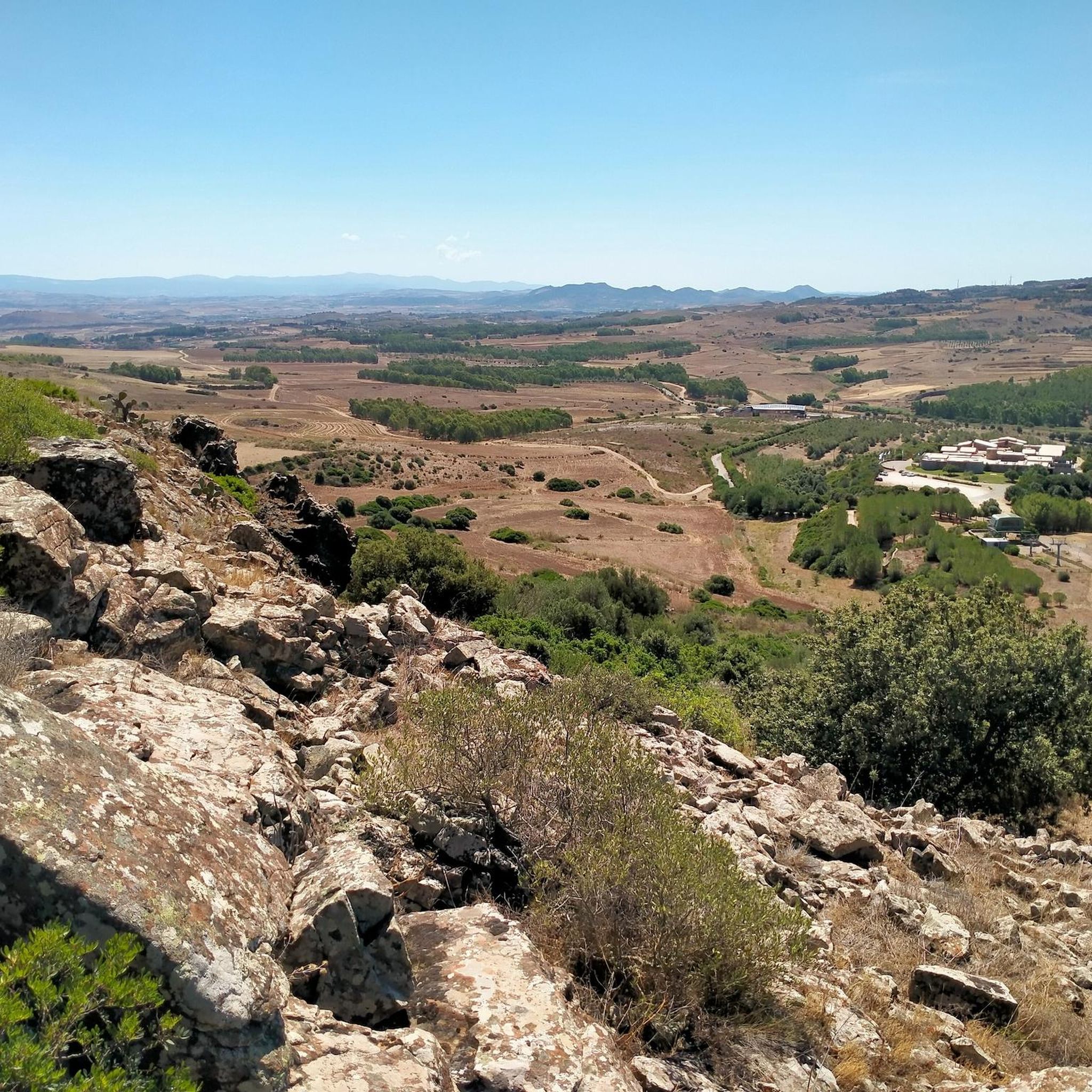
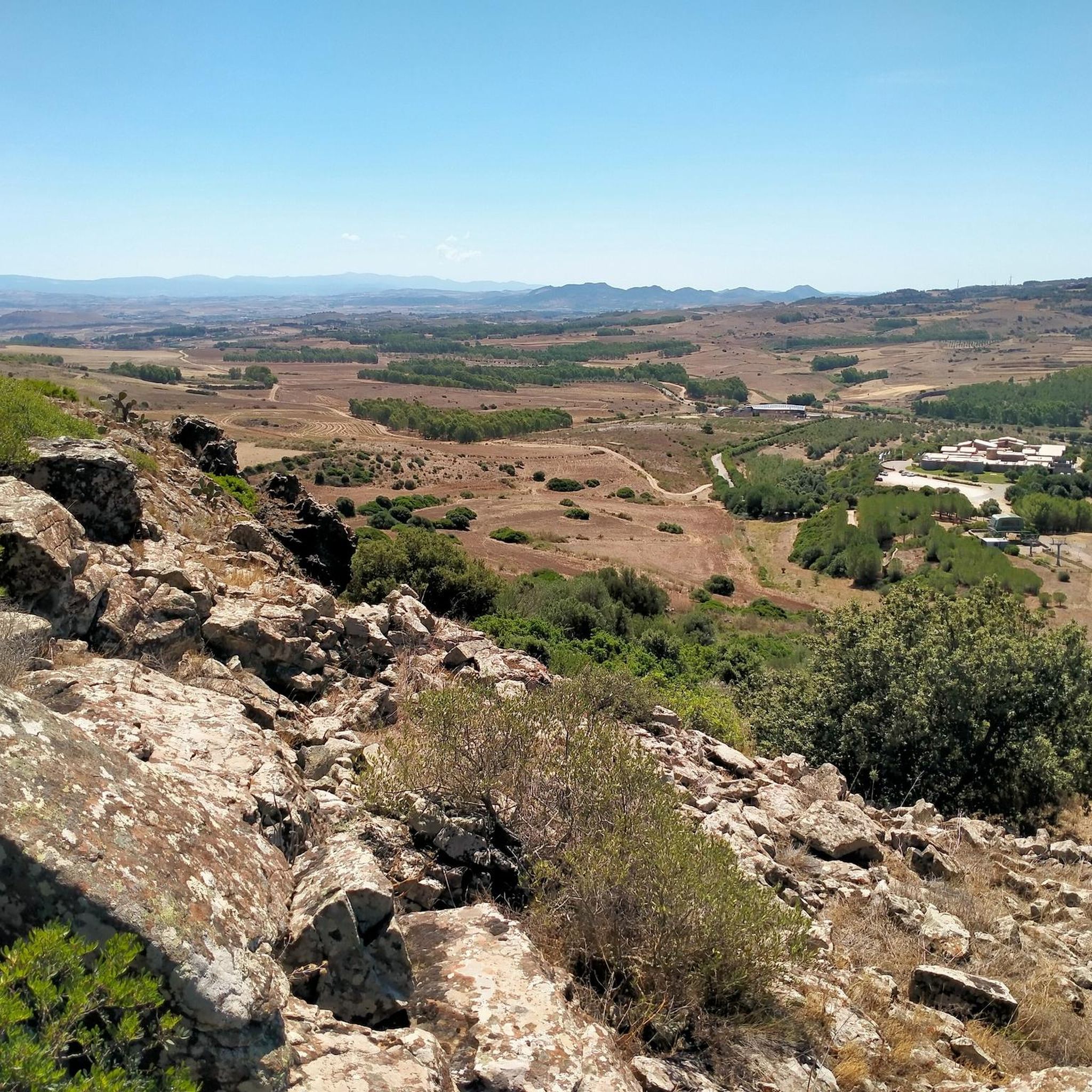
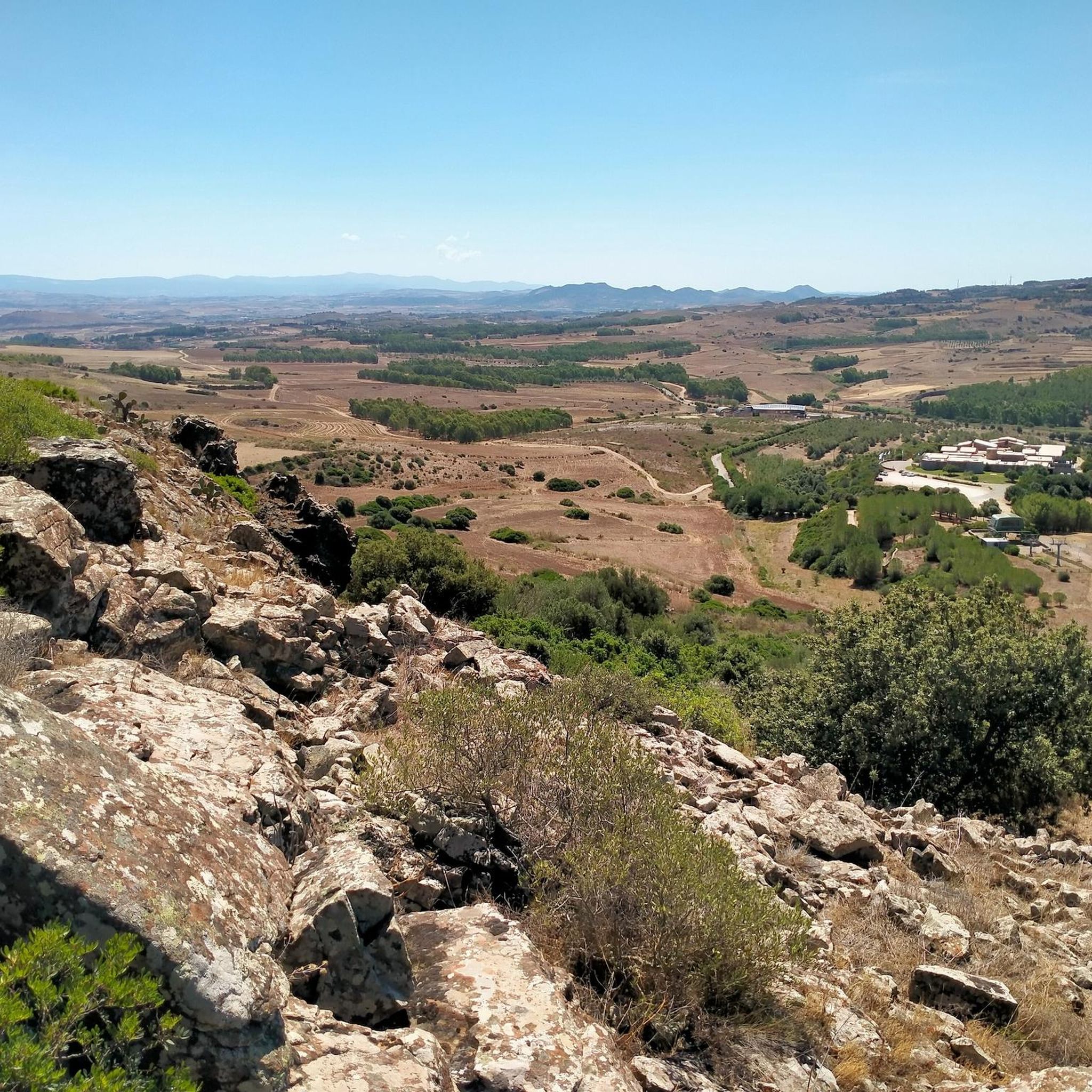
Yes, the Giara di Siddi is a significant natural monument. It's one of the basaltic 'tables' of Marmilla, formed by ancient lava flows, offering unique geological features and panoramic views. It also contains pre-Nuragic and Nuragic legacies.
What religious buildings are worth visiting?
The Church of Santa Margherita in Baradili is a notable religious building. Dating back to the 18th century, it's centrally located and has a unique local legend tied to a ravioli festival.
What outdoor activities can I do near these attractions?
The area around Forru/Collinas is excellent for outdoor enthusiasts. You can find various routes for cycling, road cycling, and hiking. For detailed options, explore the Cycling around Forru/Collinas guide, the Road Cycling Routes around Forru/Collinas guide, or the Hiking around Forru/Collinas guide.
Are there family-friendly attractions in Forru/Collinas?
Absolutely. The Historic Center of Baradili is considered family-friendly, offering a quiet and charming village to explore. The Church of Santa Margherita is also listed as family-friendly. For more active fun, the Parco Acquatico Ilidarab (Water Park) is about 10 km away.
What kind of hiking trails are available?
You'll find a variety of hiking trails, from easy to moderate. For example, there are easy loops like the 'Castello di Sanluri loop from Seddori/Sanluri' (5.7 km) and moderate ones such as the 'View from Castle of Sanluri loop from Santa Maria de is Àcuas' (7.2 km). You can find more options in the Hiking around Forru/Collinas guide.
Can I visit the Tomb of the Giants Sa Domu e S'Orku for free?
Yes, the Tomb of the Giants Sa Domu e S'Orku can be visited free of charge independently. However, paid guided tours may also be available through municipal services if you prefer a more in-depth experience.
What is unique about the Giara di Siddi?
The Giara di Siddi is unique for its curious inverted 'T' shape when seen from above, with high steep walls. It's one of three basaltic 'tables' in Marmilla, preserving ancient pre-Nuragic and Nuragic legacies, including one of the best-preserved Tombs of Giants on the island.
Are there any local crafts or artisan fairs nearby?
Yes, the Fiera dell'Artigianato artistico della Sardegna - Mogoro (Artisan Craft Fair) is located about 7.4 km from Collinas, offering an opportunity to discover local Sardinian artistry.
What is the smallest village in Sardinia?
The Historic Center of Baradili is famous for being the municipality with the smallest population on the island and one of the least populated in Italy. Despite its size, it retains its traditions and natural and archaeological treasures.
Can I find local food and wine experiences?
The area around Baradili is surrounded by vineyards, olive groves, and almond orchards, from which excellent wines, oils, and cakes are obtained. You can also find Cantina Su'entu (Winery) about 7.8 km from Collinas for a local wine experience.
What is the significance of the Giants' Tomb of Su Cuaddu 'e Nixias?
The Giants' Tomb of Su Cuaddu 'e Nixias is significant as it represents the oldest tomb of the giants in Sardinia, dating back to the centuries 1700-1600 BC. It features a particular hole on the upper part of the stele, which local legend says was used to tie up horses.
Most popular attractions around Forru/Collinas

Get inspired with the komoot mobile app


Explore more
Still not found the Highlight you’re looking for? See guides of the top attractions in other regions:
