The best walks and hikes around Forru/Collinas
4.3
(12)
26
hikers
10
hikes
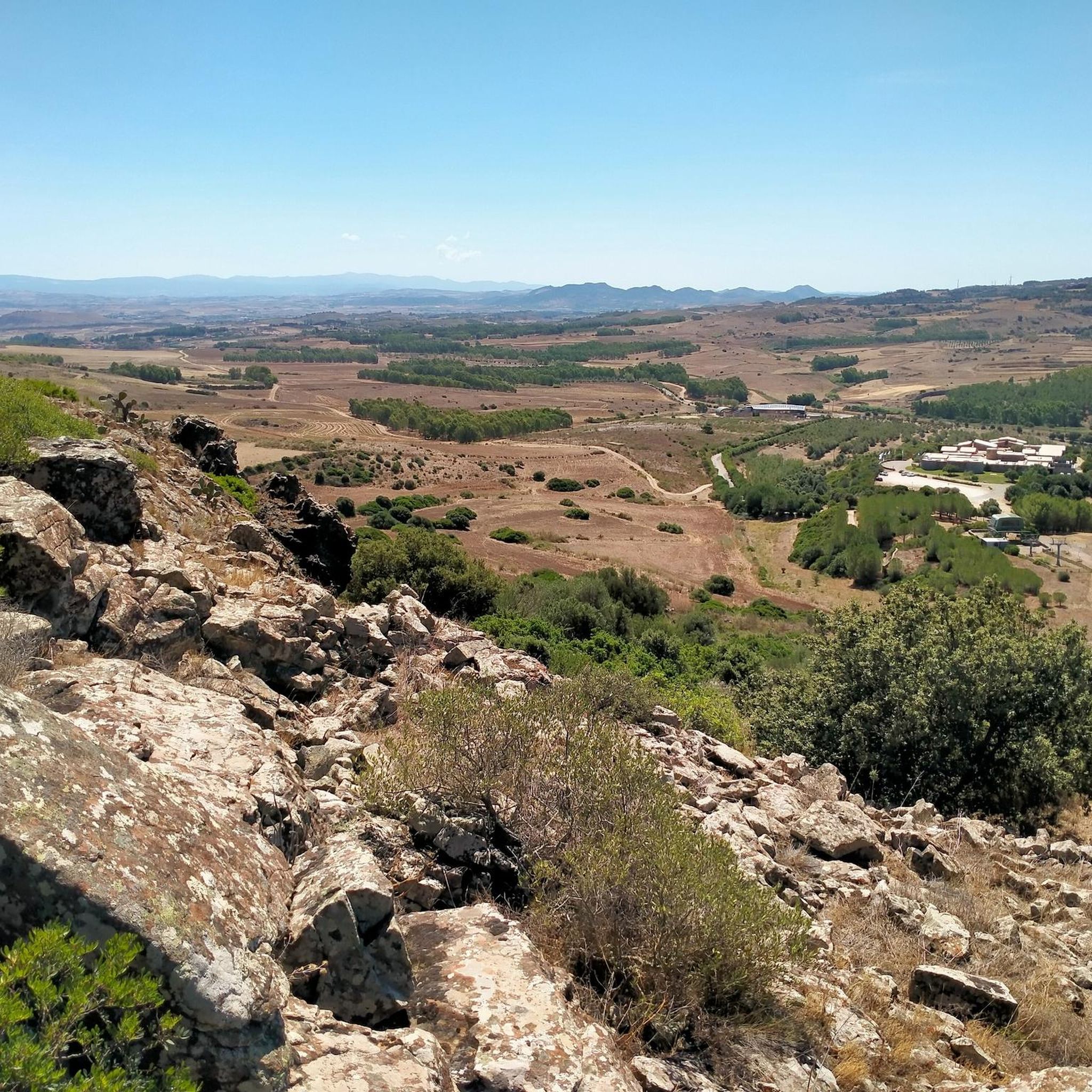
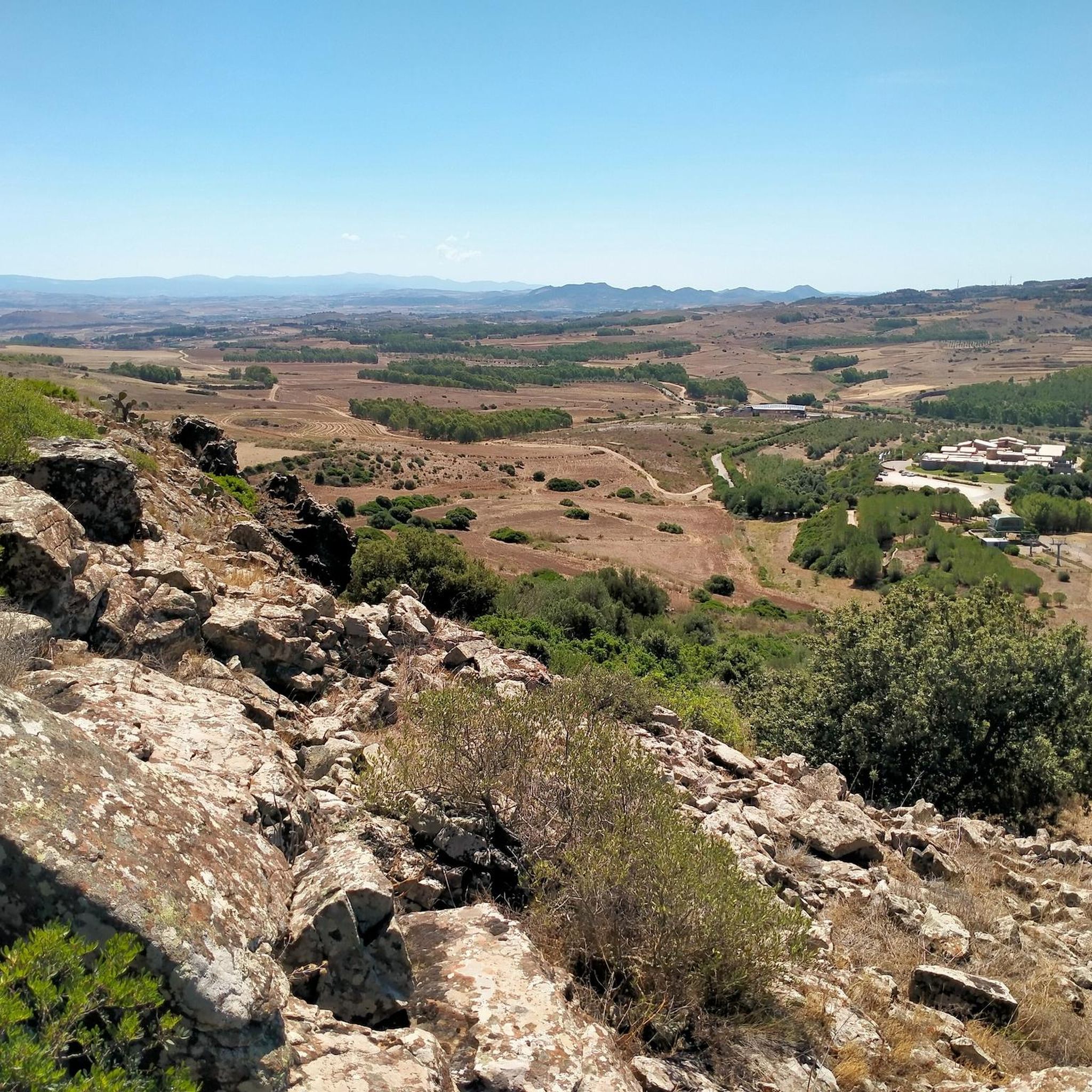
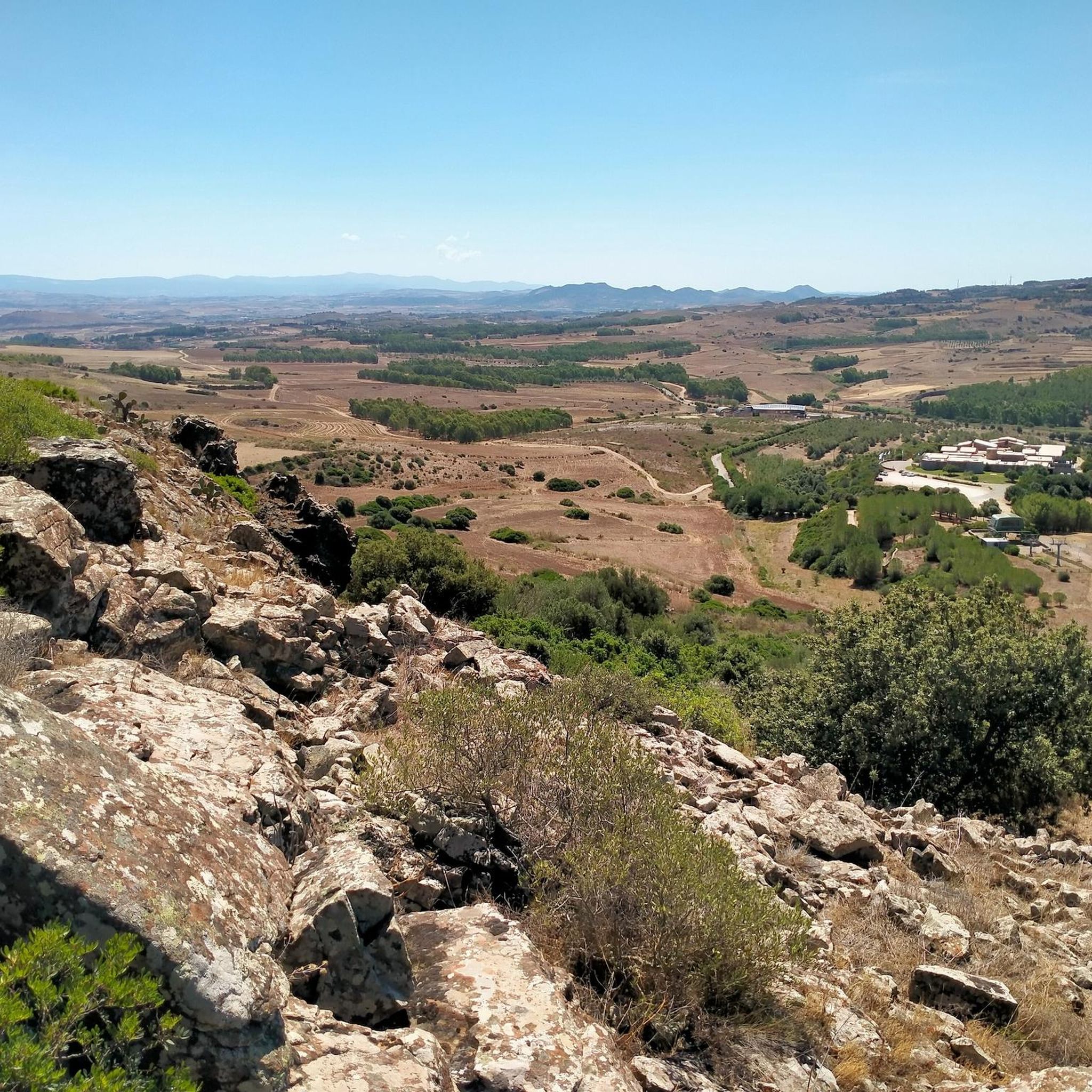
Hiking around Forru/Collinas offers trails through a landscape characterized by gentle, rolling hills and fertile valleys in the Marmilla region of Sardinia. The area features extensive agricultural land, including golden wheat fields, vineyards, and ancient olive groves. Hikers can also explore numerous Nuragic archaeological sites, which are prehistoric stone structures unique to Sardinia, adding a cultural dimension to the routes.
Best hiking trails around Forru/Collinas
- The most popular hiking route is View from Castle of Sanluri loop from Hotel Sardegna…
Last updated: July 1, 2026
5.0
(2)
8
hikers
7.36km
02:05
160m
160m
Moderate hike. Good fitness required. Easily-accessible paths. Suitable for all skill levels.
4.0
(1)
4
hikers
11.6km
03:02
80m
80m
Moderate hike. Good fitness required. Easily-accessible paths. Suitable for all skill levels.

Sign up for free
5
hikers
Easy hike. Great for any fitness level. Easily-accessible paths. Suitable for all skill levels.
3.8
(5)
4
hikers
7.20km
01:54
70m
60m
Easy hike. Great for any fitness level. Easily-accessible paths. Suitable for all skill levels.
4.3
(4)
5
hikers
4.60km
01:22
140m
140m
Easy hike. Great for any fitness level. Easily-accessible paths. Suitable for all skill levels.
Get access to more routes and recommendations from other explorers.
Sign up for free
Already have an account?
Our route recommendations are based on thousands of hikes, rides, and runs completed by other people on komoot.
Start today with a free account
Your next adventure awaits.
Login or Signup

Tips from the Community

Hidden and without signs, but the way to reach it is easily intuitive.
0
0

The titular Saint of the church is, curiously, linked to the ravioli festival (is cruguxionis in the local dialect) that is celebrated in Baradili: according to a legend, some young farmers found a statuette of Saint Margaret in the countryside. They brought it to the parish priest, who was sitting at the table in front of a plate of ravioli. To thank them, he invited them and the entire population to the table. The ravioli seemed to never end. The frugal lunch turned into a banquet. This is where the ravioli festival was born.
1
0

Sa Dome and s'Orku, one of the best preserved giants' tombs on the island
0
0

Very nicely renovated house that can be discovered on a short tour of Baradili.
0
0
There is a pretty old granite building to discover here.
0
0
The pretty Casa Vacanze Montis is located here.
0
0
The church is centrally located in Baradili. Unfortunately it was closed when we visited. "The parish church of Santa Margherita Martire dates back to the 18th century, was completed in 1935 and has undergone numerous renovations. Inside there are precious wooden statues of various saints, including that of Saint Anthony of Padua with the Child Jesus standing. In honor of the saint, protector of the Children, there are two festivals every year: sa festa manna, the main festival at the end of May, and Santa Mragaida agattada (found) or de is cruguxionis (the ravioli) in mid-July, spread over two Sundays. With the celebration is the festival of raviolo (a type of stuffed pasta). It all went back to a legend, according to which a few young farm workers in the countryside found a small statue of Santa Margherita (St. Margaret). They brought it to the parish priest, who was in front of a plate of ravioli pasta sat at the table. To thank him, he invited her and the entire population to the table. The ravioli pasta never seemed to end. The frugal lunch was turned into a banquet. This story led to the creation of the festival in 1995, where all types of ravioli pasta are distributed: ravioli stuffed with ricotta cheese, lemon, spinach and with potatoes." Source: https://www.sardegnaturismo.it/en/explore/baradili
0
0
Even though the town of Baradili is really very small, it is worth taking a short tour through the beautiful, quiet streets. "Famous for being the municipality with the smallest population on the island and one of the least populated in Italy, its traditions and natural and archaeological treasures are still unchanged. Baradili is a small village in the Oristano region with less than a hundred inhabitants ( with a birth rate close to zero). It is located near the Giara in the Marmilla hills and is surrounded by vineyards, olive groves and almond orchards from which excellent wines, oils and cakes are obtained. Its appearance resembles a medieval village with numerous ancient ones Houses "with an inner courtyard" - including the grain bank and the houses Casa Usai and Casa Lavra - and there is a risk that it will become a ghost village in a few decades. In 1927 it was annexed to the neighboring municipality of Baressa, but since 1958 it has been autonomous again. The first written document mentioning Baratuli dates from 1342, but its origin probably dates back to Roman times, traces of which have been found in various areas." Source: https://www.sardegnaturismo.it/en/explore/baradili
0
0
Frequently Asked Questions
What types of hiking trails can I expect in Forru/Collinas?
The hiking trails in Forru/Collinas primarily feature gentle, rolling hills and fertile agricultural landscapes, including golden wheat fields, vineyards, and ancient olive groves. You'll find routes that offer a serene experience of rural Sardinia, often with a cultural dimension due to the presence of ancient Nuragic archaeological sites.
How many hiking routes are there in Forru/Collinas, and what are their difficulty levels?
There are 5 hiking routes available in Forru/Collinas. The trails are suitable for various fitness levels, with 2 easy routes and 3 moderate routes. There are no difficult trails in this immediate area.
Are there any family-friendly hiking options in Forru/Collinas?
Yes, Forru/Collinas offers several easy hiking options that are suitable for families. For instance, the Casa Vacanze Montis – Casa Tita Wine and Territory loop from Bobadri/Baradili is an easy 4.6-mile (7.4 km) path that winds through agricultural territories, providing a pleasant experience for all ages.
Can I find circular hiking routes in the Forru/Collinas area?
Yes, many of the trails in Forru/Collinas are designed as circular routes, allowing you to start and end at the same point. Examples include the View from Castle of Sanluri loop from Hotel Sardegna Termale and the Hiking loop from Sàrdara/Sardara.
What historical or natural landmarks can I see while hiking in Forru/Collinas?
The region is rich in history and natural beauty. You can explore ancient Nuragic archaeological sites like the Concali Nuraghe and Genn'e Maria Nuraghe, or visit megalithic gallery graves such as the Tomb of the Giants of Sedda sa Caudeba. Specific highlights include the Tomb of the Giants Sa Domu e S'Orku and the Giara di Siddi.
What do other hikers enjoy most about the trails in Forru/Collinas?
The trails in Forru/Collinas are highly rated by the komoot community, with an average score of 5.0 stars from over 3 reviews. Hikers often praise the tranquil rural setting, the diverse scenery of agricultural lands, and the historical insights offered by the ancient archaeological sites.
Are the hiking trails in Forru/Collinas dog-friendly?
Generally, hiking trails in rural areas like Forru/Collinas are dog-friendly, provided dogs are kept under control, especially around agricultural land and livestock. It's always advisable to carry water for your pet and clean up after them. Specific regulations may apply in certain protected areas, so check local signage.
When is the best time of year to go hiking in Forru/Collinas?
The best time to hike in Forru/Collinas is typically during the spring (April-June) and autumn (September-October) months. During these periods, the weather is mild and pleasant, making for comfortable hiking conditions. Summers can be very hot, and winters can be cooler and wetter.
Are there opportunities for parking near the trailheads in Forru/Collinas?
While specific parking information for each trailhead isn't always detailed, as a rural area, you can generally find parking in or near the villages of Forru and Collinas, or at designated starting points for popular routes. Look for public parking areas or inquire locally for the most convenient spots.
What kind of scenery can I expect on the trails, beyond just hills?
Beyond the characteristic rolling hills, you'll experience a rich agricultural tapestry. Trails often lead through golden wheat fields, lush vineyards, and ancient olive groves. Many routes also offer views towards historic sites, such as the View from Castle of Sanluri loop from Santa Maria de is Àcuas, adding a cultural layer to the natural beauty.
Are there any longer or shorter hiking options available?
Yes, the routes vary in length. For a longer moderate hike, consider the View from Castle of Sanluri loop from Hotel Sardegna Termale, which is 6.3 miles (10.1 km). If you prefer a shorter, easy option, the Castello di Sanluri loop from Seddori/Sanluri is 3.5 miles (5.7 km).
Can I access the hiking trails in Forru/Collinas using public transport?
Public transport options in rural Sardinia, including Forru/Collinas, can be limited. While some villages may have bus connections, direct access to specific trailheads might require a car. It's recommended to check local bus schedules in advance if you plan to rely on public transport.
Most popular attractions around Forru/Collinas

Get inspired with the komoot mobile app


Explore more
Browse the best Hikes in other regions.
