Attractions and Places To See around Menconico - Top 20
Best attractions and places to see around Menconico, a village in Italy's Oltrepò Pavese region, offer a blend of natural landscapes and historical sites. Situated at the foot of Monte Penice, the area features diverse terrain, from river valleys to mountain peaks. It is recognized for its medieval heritage and natural environments, including the Monte Alpe Nature Reserve. The region provides opportunities for exploring both cultural landmarks and scenic routes.
Best attractions and places to see around Menconico
- The most…
Last updated: September 26, 2026
"Little Stelvio" Pavese
Highlight (Segment) • Cycleway
Translated by Google •
Tip by

Ponte Gobbo (Devil's Bridge) of Bobbio
Highlight • Bridge
Translated by Google •
Tip by

Sign up now to discover places like this
Get recommendations on the best single tracks, peaks, & plenty of other exciting outdoor places.
Hermitage of St. Albert of Butrio
Highlight • Religious Site
Translated by Google •
Tip by
Molato Dam
Highlight • Monument
Translated by Google •
Tip by

Ponte Gobbo
Highlight • Bridge
In the Middle Ages, the construction of a bridge was considered a miraculous feat. For this reason, the construction of such structures gave rise to …
Translated by Google •
Tip by

Sign up for free to discover even more attractions around Menconico.
Already have an account?
Start today with a free account
Your next adventure awaits.

Tips from the Community

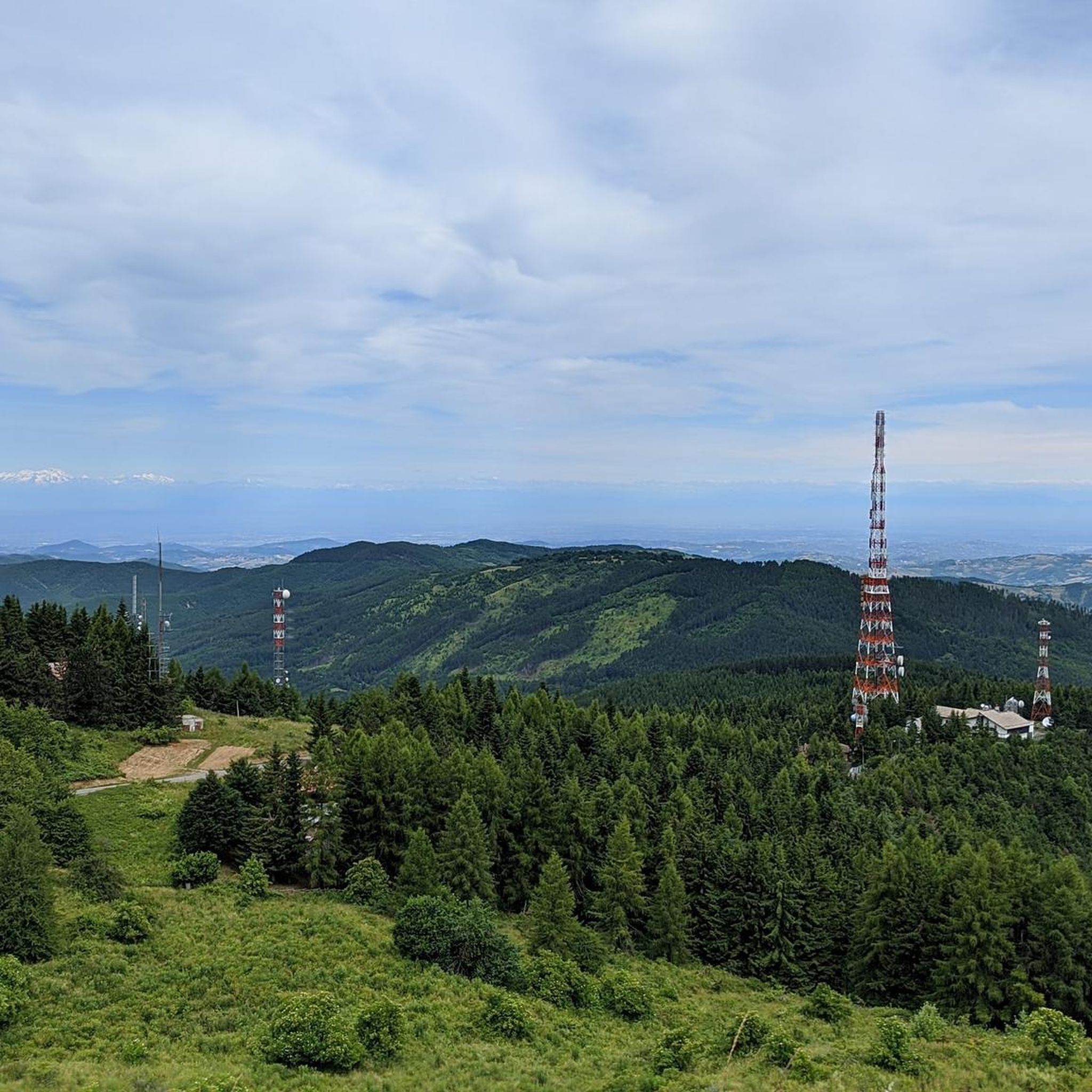
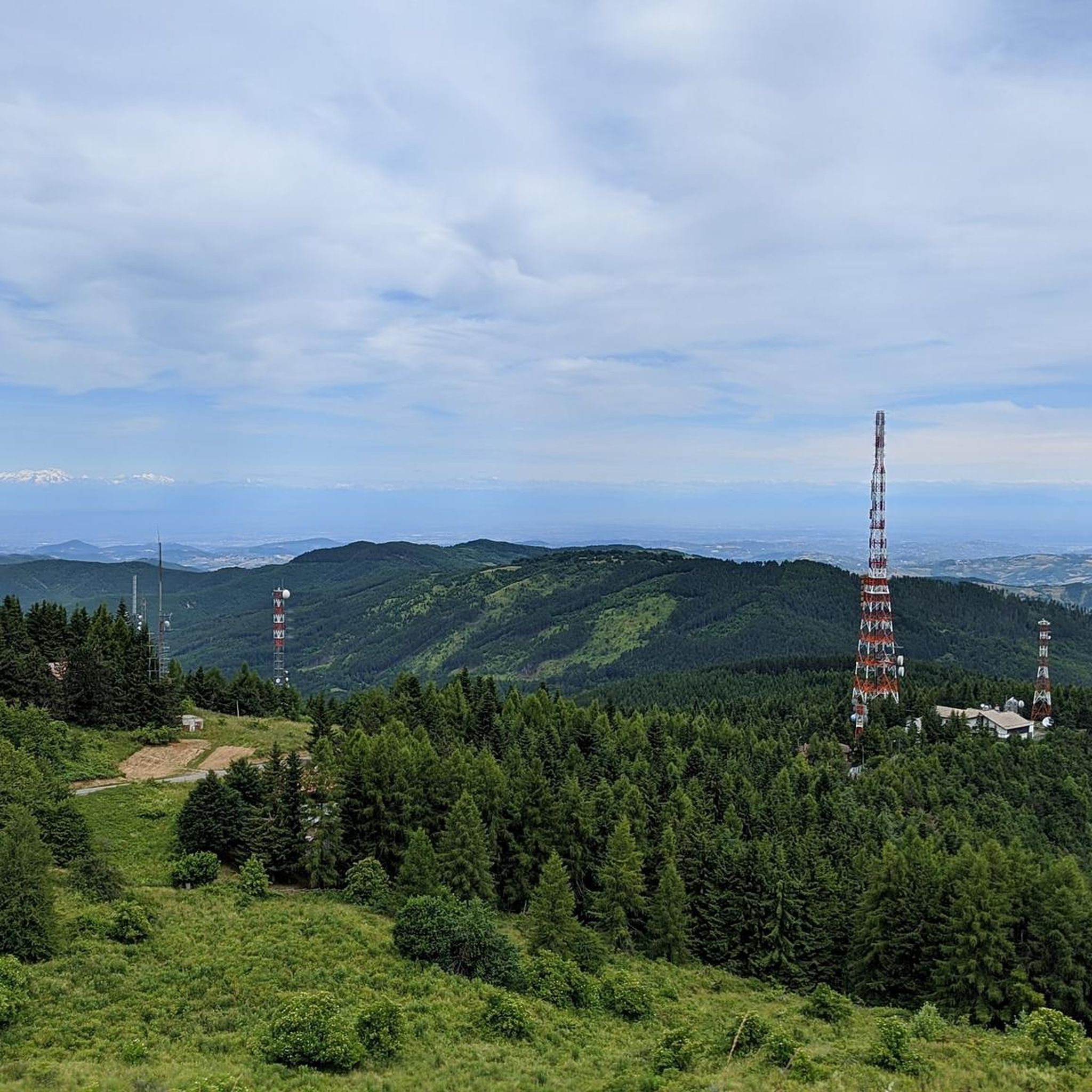
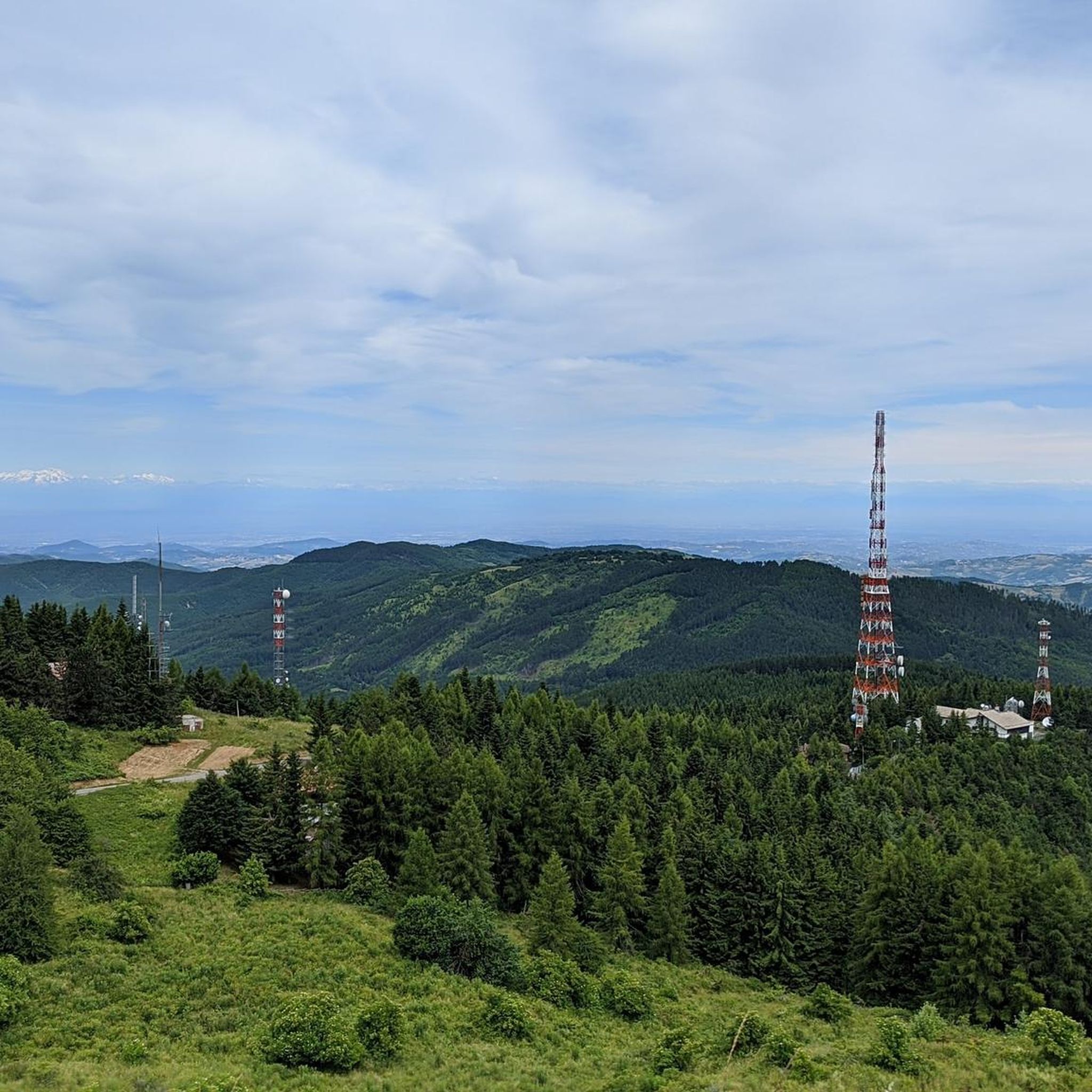
The Piccolo Stelvio of Oltrepò Pavese is a spectacular road full of hairpin bends that climbs from Lake Trebecco to the Pometo ridge. Where it is located: In Oltrepò Pavese, between the Val Tidone and the Nizza stream valley. [ 4 kilometers of ascent with about 20 hairpin bends in rapid succession and a difference in altitude of 250 meters.
1
0

11th-century hermitage in excellent condition with valuable frescoes. Worth a careful visit.
0
0

very scenic and fun road near Lake Trebecco
2
0

Hunchback Bridge or Devil's Bridge In the Middle Ages, the construction of a bridge was considered a miraculous feat. For this reason, the construction of such structures gave rise to many legends, often involving the devil: joining two places that God had wanted separated was seen by many as a "diabolical" work. According to an ancient legend, Saint Columbanus, a 7th-century Irish monk, was eager to bring the word of God to the people living on the other bank of the Trebbia River, near the town of Bobbio. The devil promised to build the bridge in a single night, in exchange for the first mortal soul to cross it. The saint accepted. That night, the devil summoned several little devils who assisted him in the construction work, holding up the bridge's arches. The demons were of different heights, and thus the various arches of the bridge were of varying sizes. In the morning, the devil stationed himself at the end of the bridge to demand his payment. But Saint Columbanus outwitted him by having his poor, suffering and very sick dog (some say it was a bear) cross the bridge instead of a man. The enraged devil returned to hell, but not before kicking his handiwork, which has been crooked ever since. It is said that the footprints of the unfortunate animal that served as a guinea pig still remain in the crypt of the Church of Saint Columbanus. The Hunchback Bridge, also known as the Ponte Vecchio or, more precisely, the Devil's Bridge, is a Roman structure that has undergone numerous renovations over the centuries. The structure above dates back to the 7th century, but traces of an older bridge, dating back to before Columbanus' arrival, have been found underneath. The bridge, characterized by its undulating shape, irregular arches, and relatively narrow carriageway, is 280 meters long and connects the two banks of the river through a complicated succession of 11 irregular spans, varying in span and height, creating an undulating path from one end to the other. The Bobbio Bridge, now used only as a pedestrian crossing, is the very symbol of the city of San Colombano, as well as one of the strangest and most original architectural structures in Italy. Source: Emilia-Romagna Region
2
0

Beautiful paths and view. Bring the map as the hike is not well marked.
0
0

Beautiful ride between the provinces of PV and PC to do not immediately after a day of rain, terrain in parts clay and muddy. At km. 6.40 take the low variant because the one that gives the track is impassable.
0
0

I arrive in Bobbio from a less busy road and with a beautiful view of Ponte
1
0

Dam built on the Tidone river in the 1920s
1
0
Frequently Asked Questions
What kind of outdoor activities can I enjoy around Menconico?
The area around Menconico is ideal for various outdoor activities. You can explore the cycling routes, including the challenging "Little Stelvio" Pavese, a mythical climb that gains over 250 meters in altitude over 4 km. There are also numerous running trails and opportunities for trekking and walks in the woods, especially within the Monte Alpe Nature Reserve.
Are there any significant historical or cultural sites to visit in Menconico?
Yes, Menconico is rich in history. You can visit the Ponte Gobbo (Bobbio), also known as the Devil's Bridge, a Roman structure with an undulating shape and 11 irregular arches. The village itself has medieval origins, and you can explore the 12th-century Church of San Giorgio or the Hermitage of St. Albert of Butrio, nestled among the Ligurian Apennines.
What natural features can I explore near Menconico?
The region offers stunning natural beauty. The Monte Alpe Nature Reserve, a Site of Community Importance, features remarkable botanical variety and diverse wildlife across 328 hectares. You can also visit the Molato Dam, which creates Lake Trebecco and offers splendid panoramic views of the artificial lake. Monte Penice also provides breathtaking panoramic views, extending to the Po Plain and even the Ligurian Sea on clear days.
Are there family-friendly attractions or activities in Menconico?
Yes, several attractions are suitable for families. The Monte Alpe Nature Reserve offers well-signposted trails for family-friendly walks. The Molato Dam and the artificial Lake Trebecco are also family-friendly spots with scenic views. Additionally, the Hermitage of St. Albert of Butrio and the charming village of Brugnello are noted as family-friendly destinations.
When is the best time to visit Menconico to enjoy its attractions?
Menconico offers unique experiences throughout the year. The Monte Alpe Nature Reserve provides new discoveries in every season, from spring flowers to autumn foliage and winter snow. If you're interested in local culture, the annual Truffle Festival, celebrating the summer black truffle, takes place on the first Sunday of September.
Where can I find information about the local rural heritage?
You can visit the Museum of Mountain Rural Civilization (Museo della civiltà contadina di montagna), located beneath the Church of San Giorgio. This museum collects objects and documents from mountain rural life, offering insights into the region's traditional past. Additionally, the restored Mulino ad acqua in Frazione Spalla (Water Mill in Spalla) provides a glimpse into traditional rural life.
What is the "Little Stelvio" Pavese?
The "Little Stelvio" Pavese is a mythical cycle way known for its challenging climb. It's an incredible zigzag road that, in just 4 kilometers and a series of hairpin bends, takes cyclists up 250 meters in altitude, climbing from Lake Trebecco to the Pometo ridge. It's a notable reference point in the cycling panorama of Oltrepò.
Are there any spiritual or religious sites in the area?
Yes, the region has several sites of spiritual significance. The Sanctuary of the Blessed Virgin on Monte Penice, located at 1,460 meters above sea level, is a destination for traditional pilgrimages and holds deep spiritual meaning. The Hermitage of St. Albert of Butrio is another important religious building with historical significance.
Can I spot wildlife in Menconico?
The Monte Alpe Nature Reserve is home to diverse wildlife, including rich birdlife, amphibians, and reptiles. Exploring its well-signposted trails offers opportunities for wildlife spotting within this valuable natural environment.
What is special about the village of Brugnello?
Brugnello is a tiny, restored village perched on a rock spur overlooking the Trebbia river, where it creates a spectacular canyon. Its houses are all made of stone, some built directly on the rock, maintaining its ancient charm. It offers wonderful panoramic views of the gorges and meanders of the Trebbia river.
Are there any events or festivals in Menconico?
Menconico is known for its summer black truffle, and an annual Truffle Festival celebrates this natural treasure. It takes place on the first Sunday of September and features tastings, guided forest tours with expert truffle hunters, and truffle hunting competitions.
What is the significance of Monte Penice?
Monte Penice is a prominent mountain offering breathtaking panoramic views that can extend across the Po Plain to the Alps and even the Ligurian Sea on clear days. It is also home to the Sanctuary of the Blessed Virgin on Monte Penice, a sacred site and destination for pilgrimages, dating back to the Longobard era.
Most popular routes around Menconico
Most popular attractions around Menconico

Get inspired with the komoot mobile app


Explore more
Still not found the Highlight you’re looking for? See guides of the top attractions in other regions:
