The best road cycling routes around San Romano In Garfagnana
4.4
(176)
4,339
riders
11
rides
Road cycling around San Romano In Garfagnana offers diverse terrain, situated between the Apuan Alps and the Tuscan-Emilian Apennines. The region features green valleys carved by the Serchio river, alongside challenging mountain ascents. Numerous lakes, such as Gramolazzo Lake, provide picturesque points of interest, while mountain passes offer significant elevation gains for experienced cyclists. This geological setting provides a variety of paved routes suitable for road bikes.
Best road cycling routes around San Romano In Garfagnana
- The most popular road…
Last updated: October 30, 2026
4.1
(9)
208
riders
109km
05:15
1,440m
1,440m
Hard road ride. Very good fitness required. Mostly well-paved surfaces and easy to ride.
4.0
(13)
145
riders
Moderate road ride. Good fitness required. Mostly well-paved surfaces and easy to ride.

5.0
(1)
57
riders
138km
08:49
3,650m
3,650m
Hard road ride. Very good fitness required. Some segments of this route may be unpaved and difficult to ride.
3.4
(9)
53
riders
68.2km
03:48
1,410m
1,410m
Hard road ride. Very good fitness required. Mostly well-paved surfaces and easy to ride.
4.4
(5)
206
riders
63.7km
03:57
1,760m
1,760m
Hard road ride. Very good fitness required. Mostly well-paved surfaces and easy to ride.
Get access to more routes and recommendations from other explorers.
Already have an account?
Our route recommendations are based on thousands of hikes, rides, and runs completed by other people on komoot.
Start today with a free account
Your next adventure awaits.
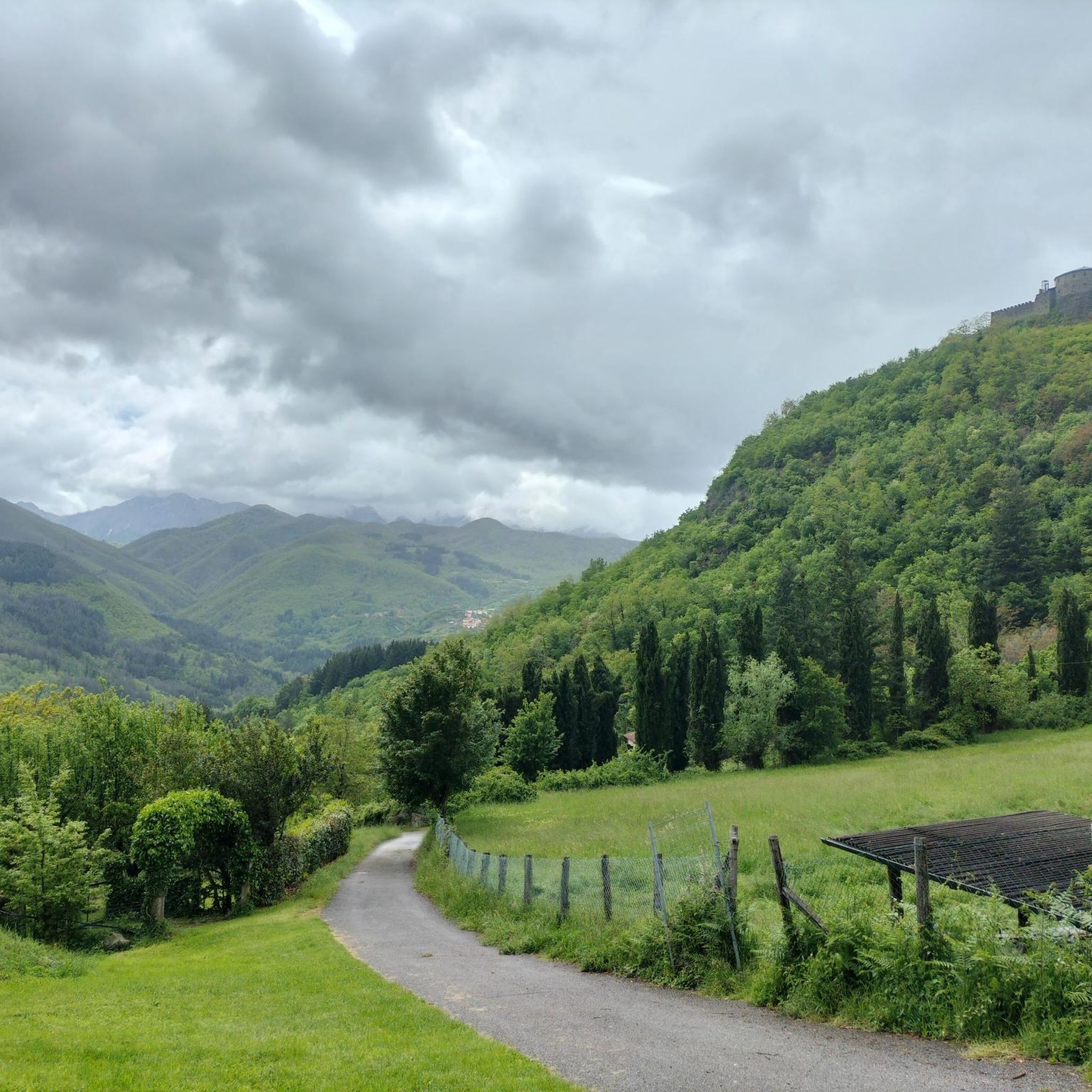
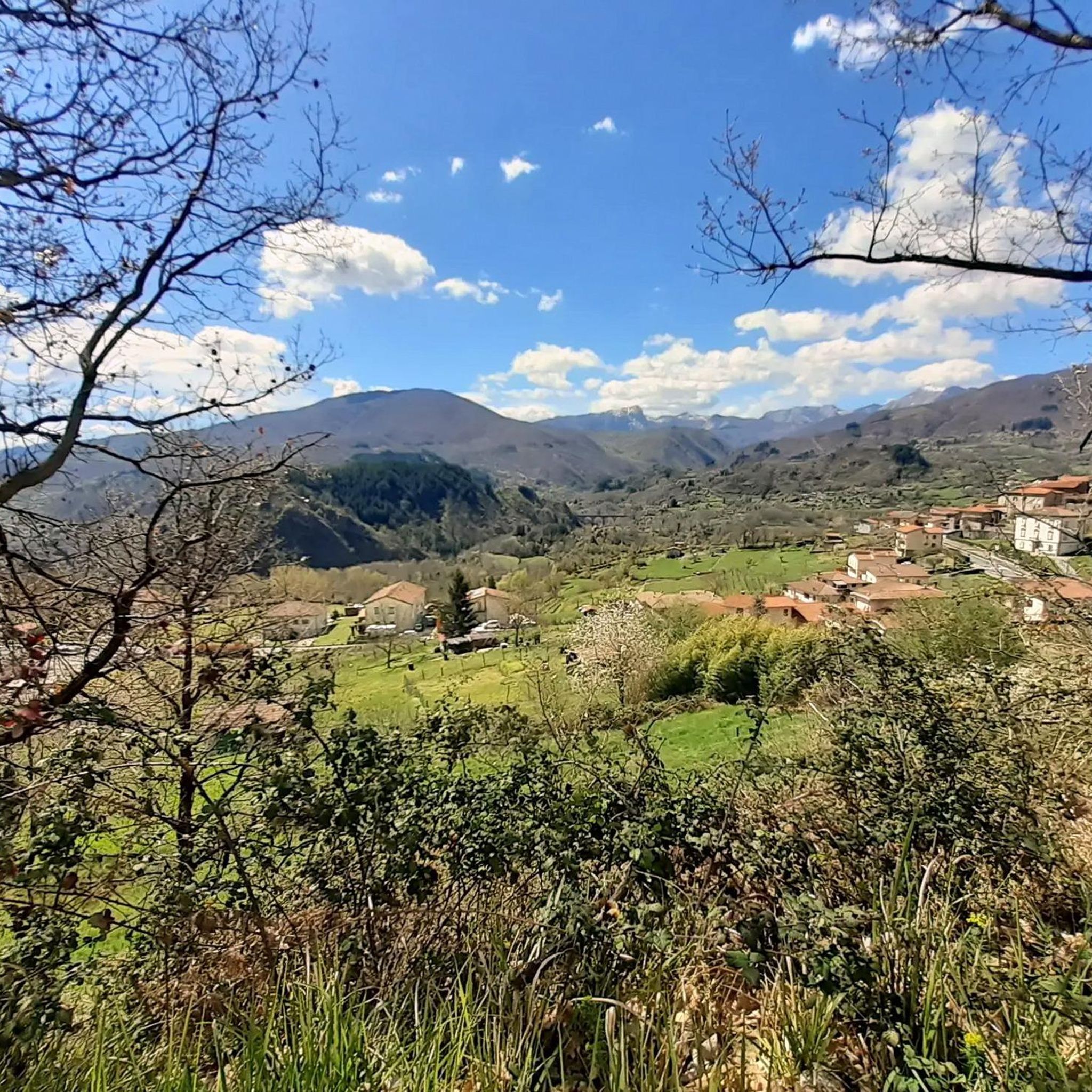
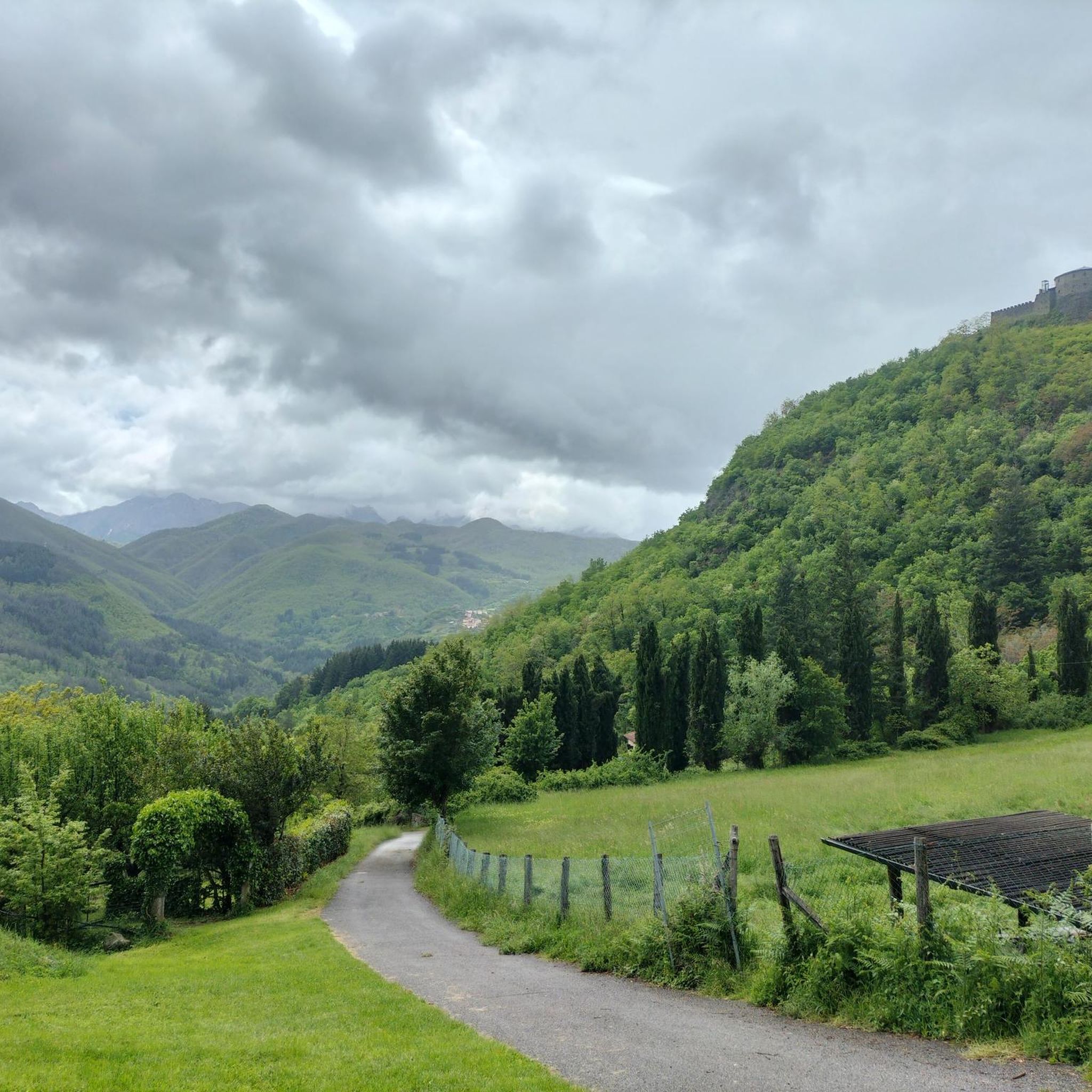

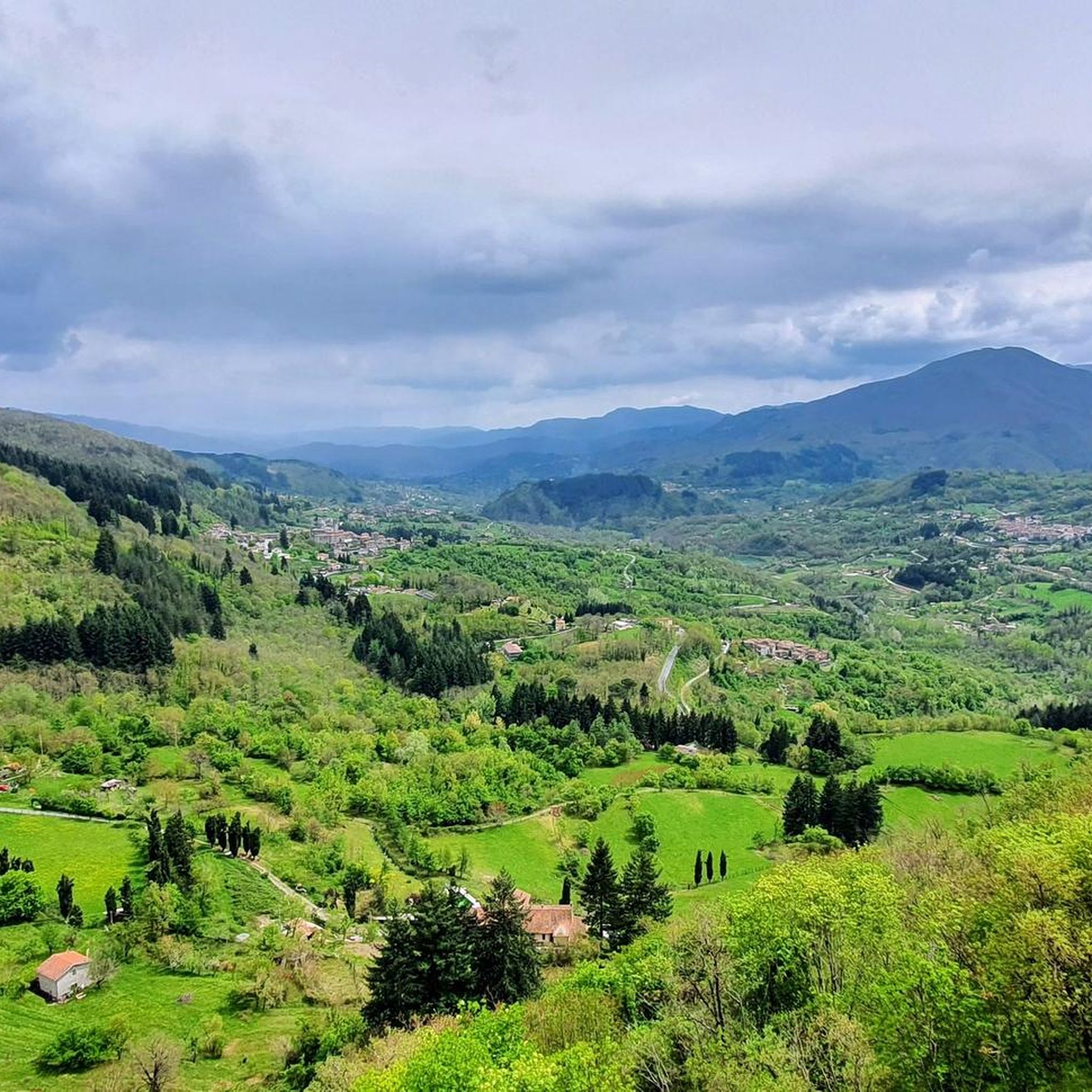

Tips from the Community

The Rocca Ariostesca is a medieval fortified military structure located in Castelnuovo di Garfagnana. The rocca is the symbol of the city and overlooks the central Piazza Umberto I. It owes its name to having been the seat of the Este government and to having hosted, from 1522 to 1525, as governor of the Garfagnana of the Este, the poet Ludovico Ariosto, who was succeeded in the following century by Fulvio Testi. A small outpost already existed on the site in the 10th century, but it can be said that the original structure of the Rocca as we know it today dates back to the 12th century; modified throughout the 13th century, it was significantly enlarged in the early 14th century by Castruccio Castracani, who determined an enlargement of the entire village walls. It was then Paolo Guinigi who ordered the construction of the imposing tower located in the center of the Rocca, adorned with the civic clock, which over time was also used as a prison. The terrace overlooking the square was erected in 1675, coinciding with the opening of the monumental arch of access to the city center. The internal furnishings have been lost, among which the tapestries that adorned the "Sala dei Principi" (Hall of the Princes) are known. The Rocca was damaged during the Second World War and subsequently restored. As a venue for exhibitions and cultural events, it houses the Archaeological Museum in its halls, which preserves numerous artifacts and testimonies from the prehistoric, Ligurian-Apuan, and Etruscan periods in Garfagnana.
0
0

La Pietra di Bismantova is an imposing and characteristic sandstone rock massif located in the Apennines of Reggio Emilia, in the municipality of Castelnovo ne' Monti (province of Reggio Emilia). It reaches an altitude of 1,047 meters above sea level and is famous for its unmistakable hoof or "isolated ship" shape that dominates the surrounding landscape. This majestic calcarenite monolith is protected within the Tuscan-Emilian Apennine National Park and is even mentioned by Dante Alighieri in the IV canto of Purgatory.
0
0

From whichever side, a very beautiful, lonely ascent or descent. However, it is quite neglected due to the abandoned hotel ruin, at least as of May 2026.
1
0

A strategic crossroads of various mountain bike routes
1
0


It can be reached both on asphalt and on a path. Always pleasant.
2
0

Ponte della Maddalena, or Ponte del Diavolo, is one of those places that will leave you speechless. It is located in Borgo a Mozzano and is truly unique with its very high arch and slightly crooked shape that makes it different from any other medieval bridge. It is absolutely worth stopping: the atmosphere is special. Crossing it on foot is an experience, and if you are on a bike, be careful of the stone section that can be slippery. There is also a bar nearby with a beautiful view of the bridge, perfect for a break before getting back on the road.
2
0

% But - according to legend - once the bridge was completed, the man devised a clever trick to deceive the devil: he made a cat cross the bridge in his place. Thus the devil had to go away mocked.
1
0
Frequently Asked Questions
How many road cycling routes are there in San Romano in Garfagnana?
There are over 85 road cycling routes around San Romano in Garfagnana, offering a wide range of options for different skill levels and preferences.
What is the terrain like for road cycling in San Romano in Garfagnana?
The region offers diverse terrain, from green valleys carved by the Serchio river to challenging mountain ascents in the Apuan Alps and Tuscan-Emilian Apennines. You'll find numerous paved routes, some incorporating short stretches of dirt road, connecting historic villages and natural landmarks. The area is known for its narrow, winding, and little-used municipal roads, perfect for scenic rides.
What kind of fitness level is required for road cycling in this region?
Road cycling routes in San Romano in Garfagnana cater to various fitness levels. While some routes are moderate, many require very good fitness due to significant elevation changes and mountainous environments. For example, the difficult route Castelnuovo di Garfagnana – Lake Gramolazzo loop from Poggio-Careggine-Vagli features over 2000 meters of elevation gain.
Are there challenging road cycling routes for experienced riders?
Yes, experienced riders will find plenty of challenging routes. Approximately 48 of the routes are classified as difficult, featuring significant elevation gains and demanding climbs. An example is the Royal Villa of Marlia – Ponte della Maddalena loop from Villetta-San Romano, which covers over 107 km with nearly 1400 meters of ascent.
Are there any circular road cycling routes in the area?
Yes, many road cycling routes in San Romano in Garfagnana are designed as loops, allowing you to start and end in the same location. Examples include the View of the Railway Viaduct – Castelnuovo di Garfagnana loop from Villetta-San Romano and the Passo dei Carpinelli – Lake Gramolazzo loop from Poggio-Careggine-Vagli.
What natural features can I see along the road cycling routes?
The routes often traverse stunning natural landscapes. You can cycle past picturesque lakes such as Lake Bargetana and Lake Gramolazzo, and experience the dramatic scenery of the Apuan Alps and Tuscan-Emilian Apennines. Mountain passes like Radici Pass offer breathtaking views.
Are there historical landmarks or villages to explore by road bike?
Absolutely. The region is rich in history and culture. Many routes pass through charming medieval villages and near historical sites. You can cycle past the imposing Verrucole Fortress, the Ariostesca Fortress, or visit Castelnuovo di Garfagnana, a significant town in the area.
What do other road cyclists enjoy the most about road cycling in San Romano in Garfagnana?
The area is highly rated by the komoot community, with an average score of 4.2 stars from over 100 reviews. Cyclists often praise the diverse terrain, from challenging mountain climbs to scenic valley rides, and the opportunity to explore charming medieval villages and natural landmarks like Lake Gramolazzo.
Where can I park my car when road cycling in San Romano in Garfagnana?
San Romano in Garfagnana and surrounding towns offer various parking options. Look for designated parking areas in the villages or near popular trailheads. Specific parking information can often be found in the route descriptions on komoot or by checking local municipality websites.
Is public transport available to access cycling routes?
Public transport options, such as local buses and regional trains, connect some of the towns and villages in the Garfagnana region. While direct access to all route starting points might vary, these services can be useful for reaching central locations like Castelnuovo di Garfagnana, from where many cycling routes begin. It's advisable to check local timetables and bike transport policies in advance.
Are there places to eat or drink along the routes?
Yes, the Garfagnana region is dotted with small villages and towns where you can find cafes, pubs, and restaurants. Many routes pass through or near these settlements, offering opportunities to refuel and experience local cuisine. Planning your route with komoot allows you to identify such points of interest along the way.
What is the best time of year for road cycling in San Romano in Garfagnana?
The best time for road cycling in San Romano in Garfagnana is generally from spring to autumn. During these seasons, the weather is most favorable, with pleasant temperatures and less rainfall, making for ideal cycling conditions. Summer can be warm, especially in the valleys, while spring and autumn offer cooler temperatures and vibrant landscapes.
Most popular routes around San Romano In Garfagnana
Most popular attractions around San Romano In Garfagnana

Get inspired with the komoot mobile app


Explore more
Browse the best Road cycling routes in other regions.
