The best road cycling routes around Basiano
4.3
(640)
12,166
riders
199
rides
Road cycling routes around Basiano offer access to the flat, scenic terrain of Lombardy, Italy. The region is characterized by its network of historic canals, such as the Naviglio Martesana, and the Adda river, providing mostly gentle gradients ideal for road cyclists. These waterways are often accompanied by well-maintained cycle paths, making for accessible and enjoyable rides. The landscape features open countryside interspersed with charming towns and historical landmarks.
Best road cycling routes around Basiano
- The most popular road cycling…
Last updated: May 22, 2026
4.5
(8)
163
riders
47.5km
01:50
110m
110m
Easy road ride. Great for any fitness level. Mostly well-paved surfaces and easy to ride.
5.0
(3)
90
riders
52.3km
02:24
420m
420m
Moderate road ride. Good fitness required. Some segments of this route may be unpaved and difficult to ride.

Sign up for free
4.0
(2)
54
riders
Moderate road ride. Good fitness required. Mostly well-paved surfaces and easy to ride.
3.0
(1)
18
riders
Moderate road ride. Good fitness required. Mostly well-paved surfaces and easy to ride.
5.0
(1)
12
riders
Easy road ride. Great for any fitness level. Mostly well-paved surfaces and easy to ride.
Get access to more routes and recommendations from other explorers.
Sign up for free
Already have an account?
Our route recommendations are based on thousands of hikes, rides, and runs completed by other people on komoot.
Start today with a free account
Your next adventure awaits.
Login or Signup

Tips from the Community

The Muzza Canal is the oldest in Europe and this year, its 800th anniversary was celebrated by the Municipality of Paullo in collaboration with the Pro Loco and other Municipalities. Its origin dates back to the year 1220, when Frederick II of Swabia, crowned emperor of the Holy Roman Empire, issued an imperial edict that granted the people of Lodi the right to use the waters flowing through their territory. The current route, about 60 km long, receives the waters of the Adda at Cassano d’Adda, at an altitude of 120 m above sea level, crosses the Lodi territory for about 40 km up to near Castiglione d’Adda, at an altitude of 45 m above sea level, and here it releases them back into the Adda. It has a regulated water regime, with a flow rate, depending on the seasons, of about 200,000 liters of water per second; an initial width of 50 meters which reduces to a few meters at the end of its course and an average depth of 2 meters.
0
0
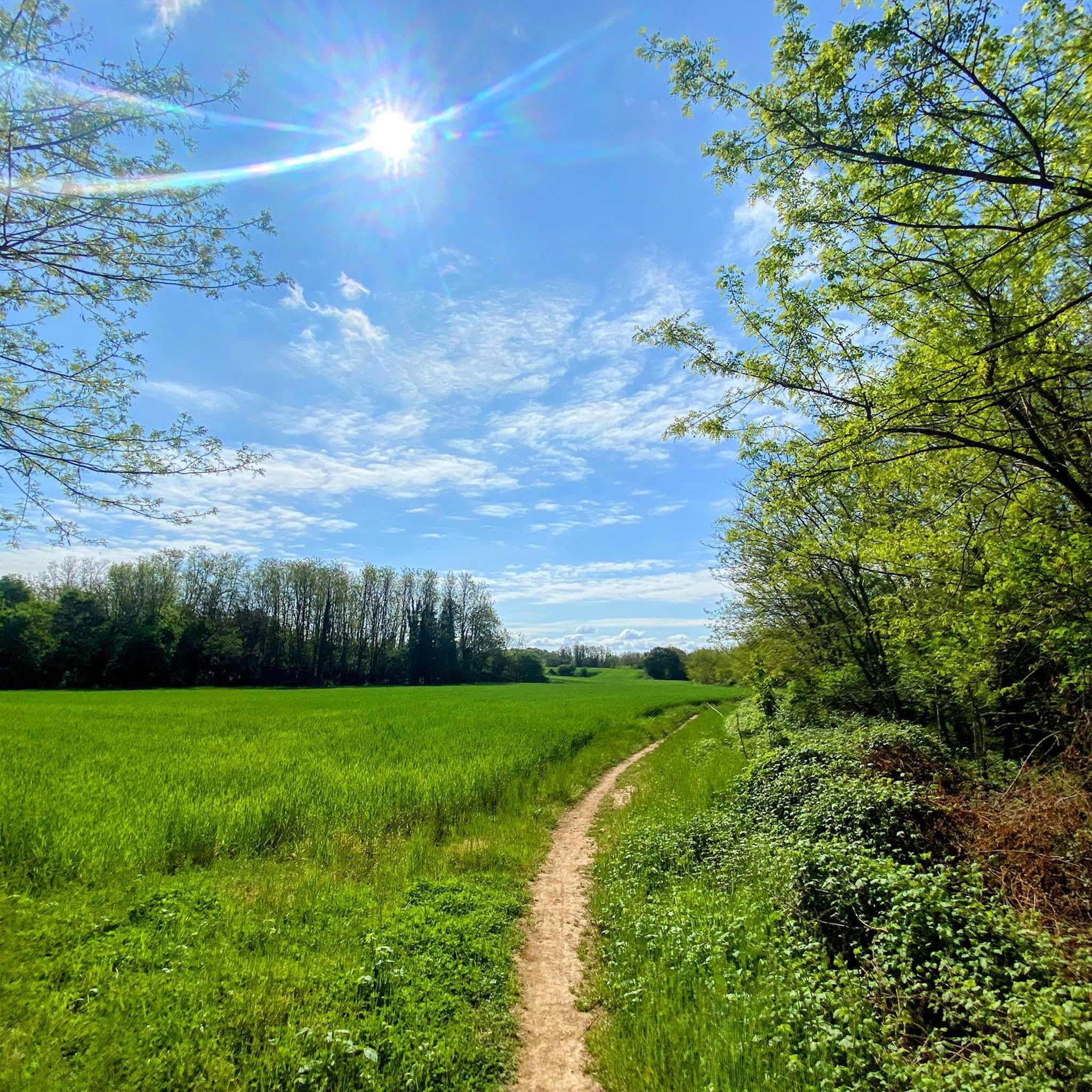
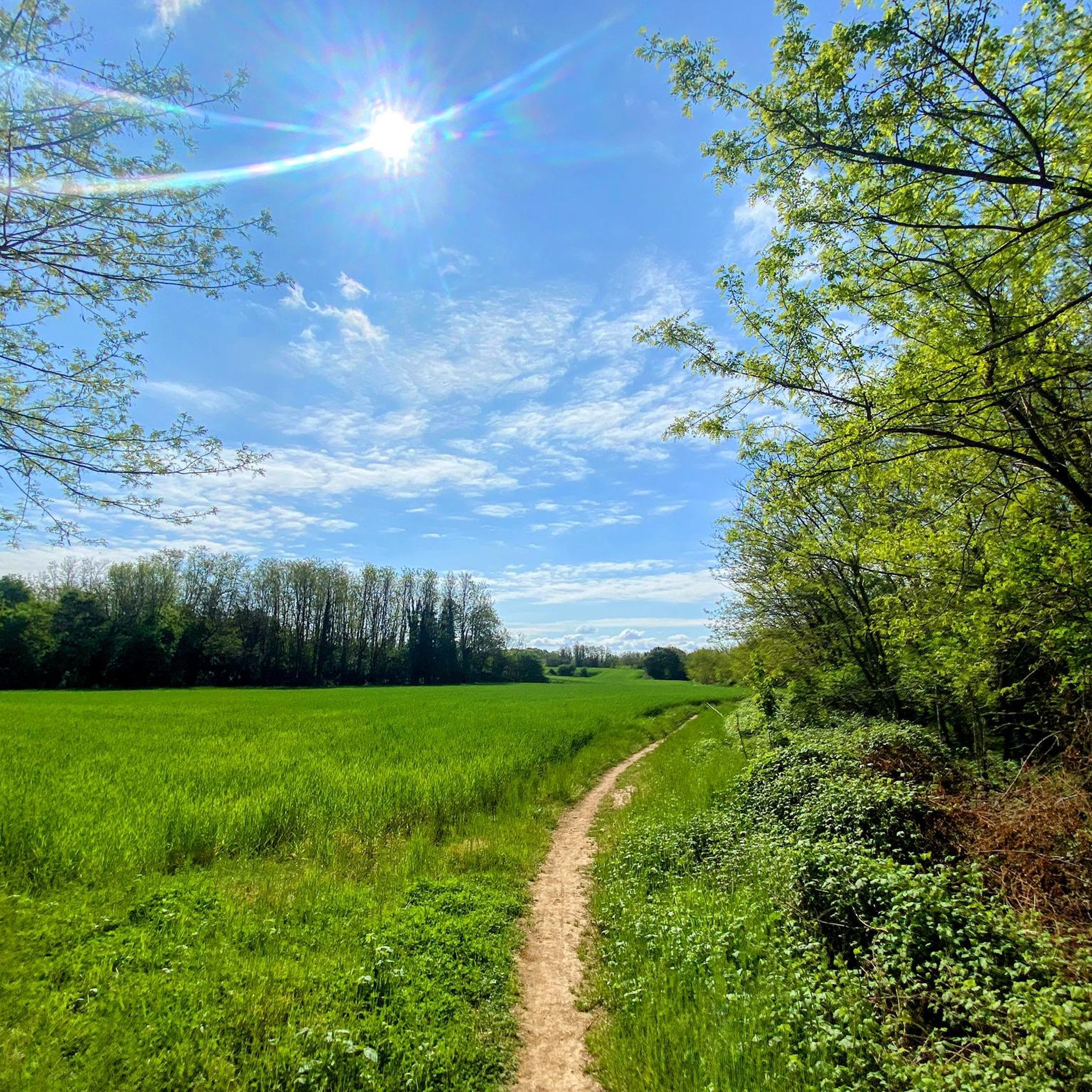
The Muzza canal (61 km long in total) is a branch of the Adda River and has recently celebrated its 800th anniversary, making it one of the oldest in Europe. Its name, with slight variations over the centuries, still recalls the Roman family Mutia who moved here in 90 BC, starting the first land reclamation works. Smaller watercourses branch off from the wide canal, winding through the countryside for a total length of about 1000 kilometers, mainly intended for agricultural irrigation. The surrounding landscape of countryside and farmhouses is evocative, with a succession of tree-lined rows and open fields. It is also very interesting from a naturalistic point of view as it attracts many aquatic birds that can be observed along the route.
1
0
Naviglio della Martesana is perhaps the least known of the ancient artificial canals connecting Milan to the great Lombard rivers. It originates from the Adda in Concesa, a hamlet of Trezzo d’Adda, crosses the Martesana sub-region, northeast of the provincial capital, and once in the city, it plunges underground beneath Via Melchiorre Gioia, at the height of Cassina de’ Pomm. It measures approximately 38 km in length, with a width varying from 9 to 18 meters. However, once upon a time, the Naviglio della Martesana continued in the open air all the way to the center, where a lock system centered on the Conca dell’Incoronata connected it to the short Naviglio di S. Marco and the urban network of the Navigli. The lock was inaugurated in 1496, utilizing lock gates designed by Leonardo da Vinci. The canal had been opened in 1471, under Francesco Sforza. By connecting it to the other Navigli, Leonardo laid the foundations for realizing a dream of the Sforzas: to travel by water from the Ticino, and therefore from Lake Maggiore, all the way to the Adda.
1
0
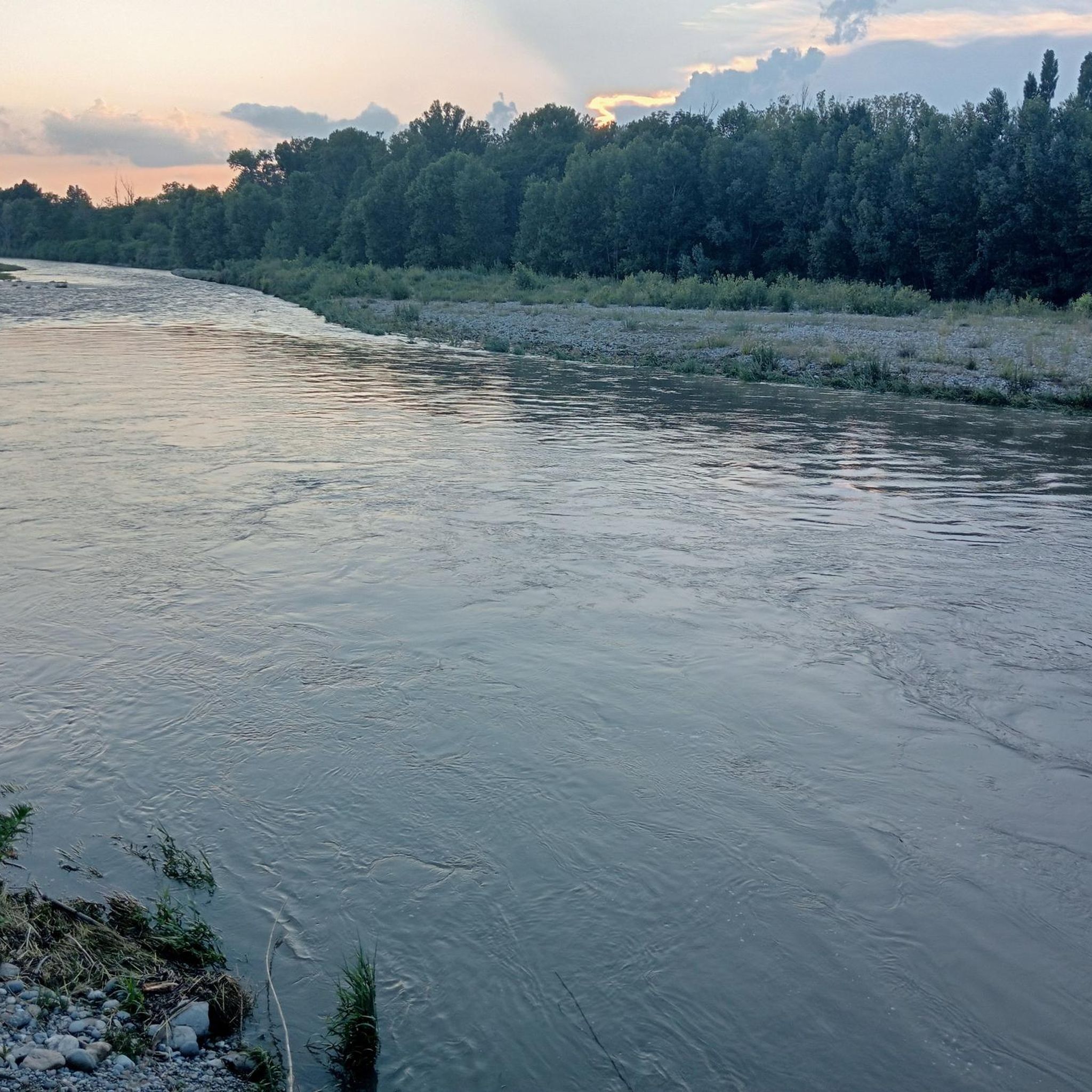
The Naviglio della Martesana, initially known as Naviglio Piccolo, is one of the Milanese canals that connects Milan with the course of the Adda river through the municipalities of Martesana. Commissioned in the 15th century by Francesco Sforza, it was used for irrigating the countryside but also represented the ambitious project of connecting Milan with Lake Como and thus with the Alps and Ticino. The Naviglio della Martesana is a place rich in history and beauty, a heritage for everyone that, however, today is still little known and protected. Along the Naviglio runs a rather busy cycle path, which allows you to admire the landscape and cultural beauties, such as the rich flora, fauna, or the numerous historic villas, including the Renaissance Villa Melzi d’Eril in Vaprio d’Adda.
1
0
Il Canale della Muzza is an important hydraulic work from the 12th-13th century that branches off from the Adda river in Cassano d'Adda and extends for about 39 km to Castiglione d'Adda. It is one of the oldest and largest irrigation canals in Europe, fundamental for the agriculture of the Lodi region, now also flanked by cycle paths.
0
0

A valuable 17th-century monument of Lombard Baroque, but also a bulwark that rises in a panoramic position overlooking the Adda Valley in Imbersago, in the province of Lecco. A perfect blend of religious devotion, commemoration of a mystical past, and immersion in lush nature, a symbol of vitality and timeless beauty. The history of the Sanctuary of Imbersago is rooted in a past of apparitions and miraculous events. It all began on May 9, 1617, when three shepherds who were grazing their flock in the woods saw a celestial figure among dazzling lights and harmonious melodies on the three large chestnut trees that stood around the Sorgente del Lupo (so named for the animals that roamed there). At that point, Pietro, one of the children, with great wonder, spotted and picked up a ripe hedgehog, an unlikely event in the middle of spring. And for all the people, this represented the prodigious sign that the Blessed Virgin wished to be honored in that very place. From here, from this miraculous vision, began the devotion to the Madonna del Bosco, also known as Madonna del Riccio, referring precisely to the miracle just narrated, or Madonna dei Miracoli di Imbersago.
1
0
The imposing water wheel (about eleven meters in diameter) was built in the early 17th century by Cardinal Federico Borromeo to lift water from the canal and convey it to the nearby Archbishop's Palace. A washhouse can be seen near the wheel.
1
0

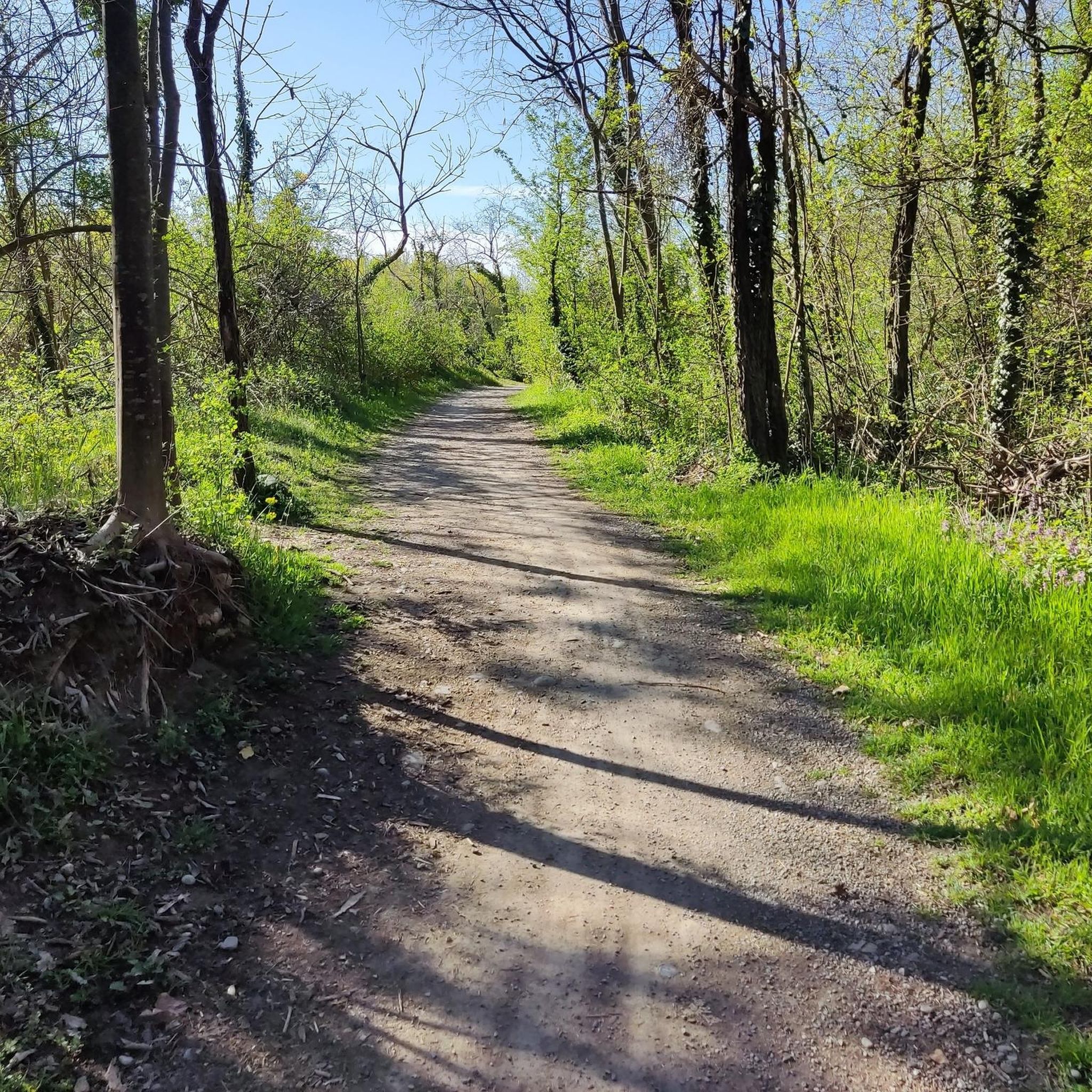
Be careful on the steps when the ground is wet! This passage allows you to cross the right bank of the Muzza.
2
0
Frequently Asked Questions
What kind of terrain can I expect on road cycling routes around Basiano?
The Basiano area, situated in Lombardy, Italy, offers predominantly flat and scenic terrain. Routes often follow historic canals like the Naviglio Martesana and the Adda river, providing gentle gradients ideal for road cyclists. You'll find well-maintained cycle paths through open countryside, interspersed with charming towns.
How many road cycling routes are available in the Basiano region?
There are over 190 road cycling routes around Basiano documented on komoot, catering to various skill levels. This includes 87 easy routes, 103 moderate routes, and a few more challenging options.
Are there any easy or beginner-friendly road cycling routes near Basiano?
Yes, Basiano is excellent for beginners and those seeking easy rides. Many routes follow the flat canal paths. An example is the Park Fountain – Bellinzago Lombardo Locks loop from Trezzano Rosa, an easy 29.2 km path with minimal elevation gain.
What are some scenic highlights or landmarks I can see while cycling around Basiano?
The region is rich in historical and natural beauty. You can cycle alongside the historic Naviglio Martesana canal or the Adda River. Notable landmarks include the Pignone Park and Waterfall on the Adda River, the Le Foppe Oasis of Cavenago Brianza, and the Salto del Gatto Pond with Swans. Further afield, the Taccani Hydroelectric Power Plant and Trezzo Castle Tower in Trezzo sull'Adda offer impressive views.
Are there any circular road cycling routes around Basiano?
Many routes in the Basiano area are designed as loops, allowing you to start and finish in the same location. For instance, the Canale Muzza – Bridge over the Muzza loop from Trezzano Rosa is a popular 47.5 km circular route.
What is the best time of year to go road cycling in Basiano?
While not explicitly stated, the flat terrain and picturesque surroundings suggest that spring and autumn would be ideal for road cycling in Basiano, offering pleasant temperatures and beautiful scenery. Summer can also be enjoyable, especially along the shaded canal paths.
Are there any routes that offer a bit more of a challenge or elevation gain?
Yes, while many routes are flat, there are moderate options with some elevation. The Brivio Bridge – Imbersago and the Adda River loop from Roncello is a moderate 47.6 km trail with over 340 meters of elevation gain. For a longer challenge, consider the View of the Grigna Mountains – Final Climb to Colle Brianza loop from Ornago, which is 73.1 km with over 700 meters of ascent.
What do other road cyclists say about the routes in Basiano?
The road cycling routes around Basiano are highly rated by the komoot community, with an average score of 4.4 stars from over 700 reviews. More than 11,000 road cyclists have used komoot to explore the varied terrain, often praising the scenic canal-side paths and the region's accessibility.
Are there any family-friendly road cycling paths in Basiano?
The numerous flat and well-maintained cycle paths along the canals, such as the Naviglio Martesana, are very suitable for families. These routes often have minimal traffic and offer a safe and enjoyable experience for all ages.
Can I find places to stop for refreshments or amenities along the cycling routes?
Basiano is a charming Italian town, and the surrounding areas feature other small towns and villages. Routes like the Bellinzago Lombardo Locks – Colombo Bakery loop from Trezzano Rosa suggest that local amenities, including bakeries and cafes, are accessible along some paths, perfect for a refreshment stop.
What are some natural attractions near Basiano that I can visit?
Beyond the canals, you can explore natural areas like the Bosco del Castagno or the Madonna Spring. The region also features several oases and ponds, such as Oasi Olimpia and Le Foppe Oasis of Cavenago Brianza, offering peaceful natural escapes.
Most popular attractions around Basiano

Get inspired with the komoot mobile app


Explore more
Browse the best Road cycling routes in other regions.
