Attractions and Places To See around Cavenago Di Brianza - Top 20
Attractions and places to see around Cavenago Di Brianza offer a blend of historical landmarks, cultural sites, and natural features within the province of Monza and Brianza, Italy. This municipality provides opportunities to explore its rich heritage and scenic landscapes. Visitors can discover ancient churches, historic villas, and tranquil natural areas. The region is also known for its extensive network of cycle paths along historic canals.
Best attractions and places to see around Cavenago Di Brianza
- The most popular attractions…
Last updated: July 2, 2026
Martesana Canal Cycle Path
Highlight (Segment) • Cycleway
Translated by Google •
Tip by

Martesana Canal
Highlight • Cycleway
Translated by Google •
Tip by

Sign up now to discover places like this
Get recommendations on the best single tracks, peaks, & plenty of other exciting outdoor places.
Sign up for free
Martesana Canal Cycle Path
Highlight • Cycleway
Translated by Google •
Tip by

Naviglio Martesana Cycle Path Between Bellinzago Lombardo and Inzago
Highlight (Segment) • Cycleway
Translated by Google •
Tip by

The Rudun Water Wheel, Groppello d'Adda
Highlight • Monument
Translated by Google •
Tip by

Sign up for free to discover even more attractions around Cavenago Di Brianza.
Sign up for free
Already have an account?
Start today with a free account
Your next adventure awaits.
Login or Signup

Tips from the Community

Easy cycle path suitable for everyone!
3
0

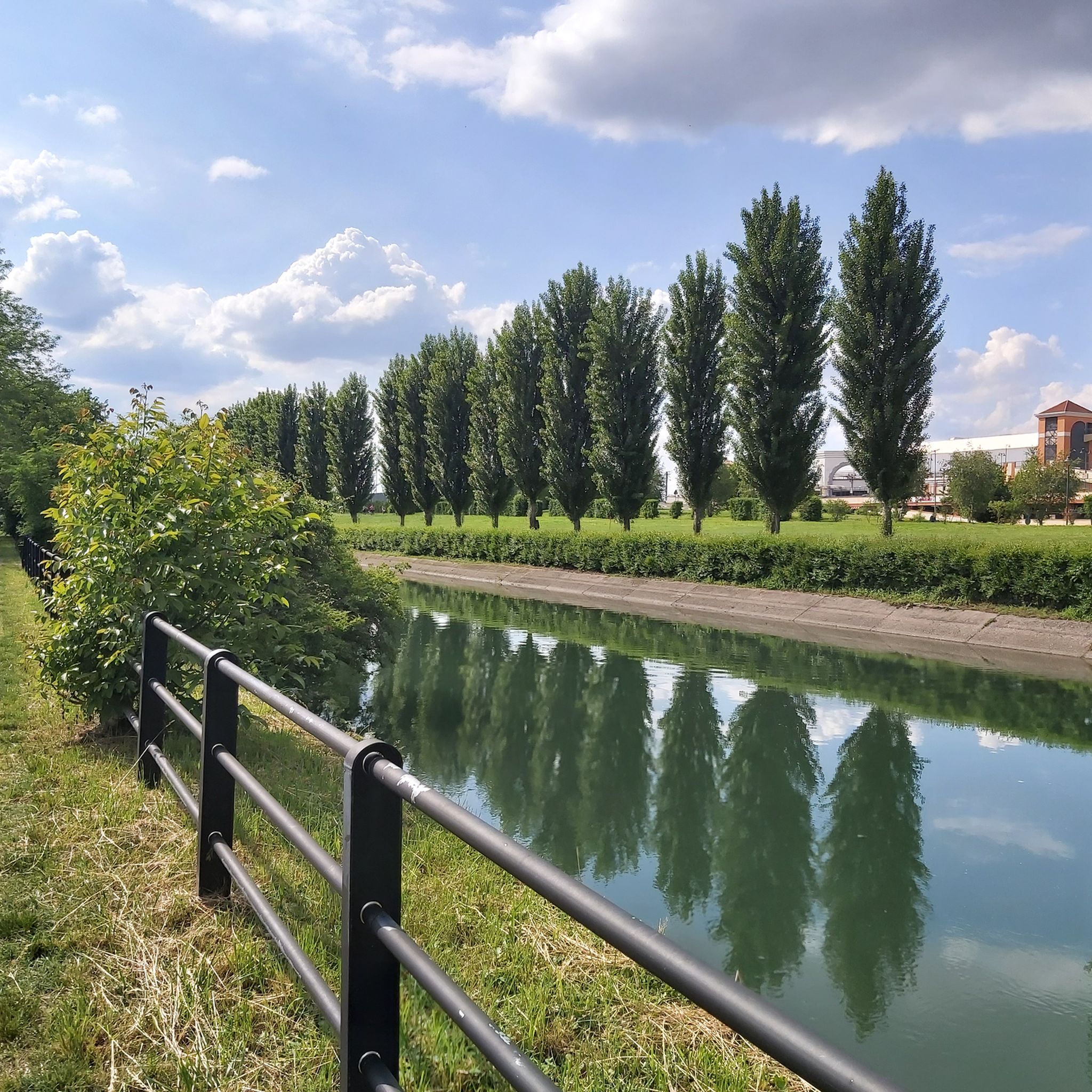
The Naviglio della Martesana, definitively completed in 1496 under the leadership of Ludovico il Moro, flows from Trezzo sull’Adda to Milan for a total length of 38 km. The route runs alongside the ancient Roman road (the current SS 11 padana superiore) which crossed the Adda with two branches: at Vaprio and Cassano. The irrigation of the lands located above the spring belt was for a long time the predominant use of the canal, so much so that initially navigation was limited to two days a week; concurrently with the improvement of the agricultural structure thanks to irrigation, a notable flourishing of stately homes occurred in the Baroque era, aimed at enjoying the convenience of travel on water and controlling the owned lands.
0
0
The Naviglio della Martesana, initially known as Naviglio Piccolo, is one of the Milanese canals that connects Milan with the course of the Adda river through the municipalities of Martesana. Commissioned in the 15th century by Francesco Sforza, it was used for irrigating the countryside but also represented the ambitious project of connecting Milan with Lake Como and thus with the Alps and Ticino. The Naviglio della Martesana is a place rich in history and beauty, a heritage for everyone that, however, today is still little known and protected. Along the Naviglio runs a rather busy cycle path, which allows you to admire the landscape and cultural beauties, such as the rich flora, fauna, or the numerous historic villas, including the Renaissance Villa Melzi d’Eril in Vaprio d’Adda.
1
0

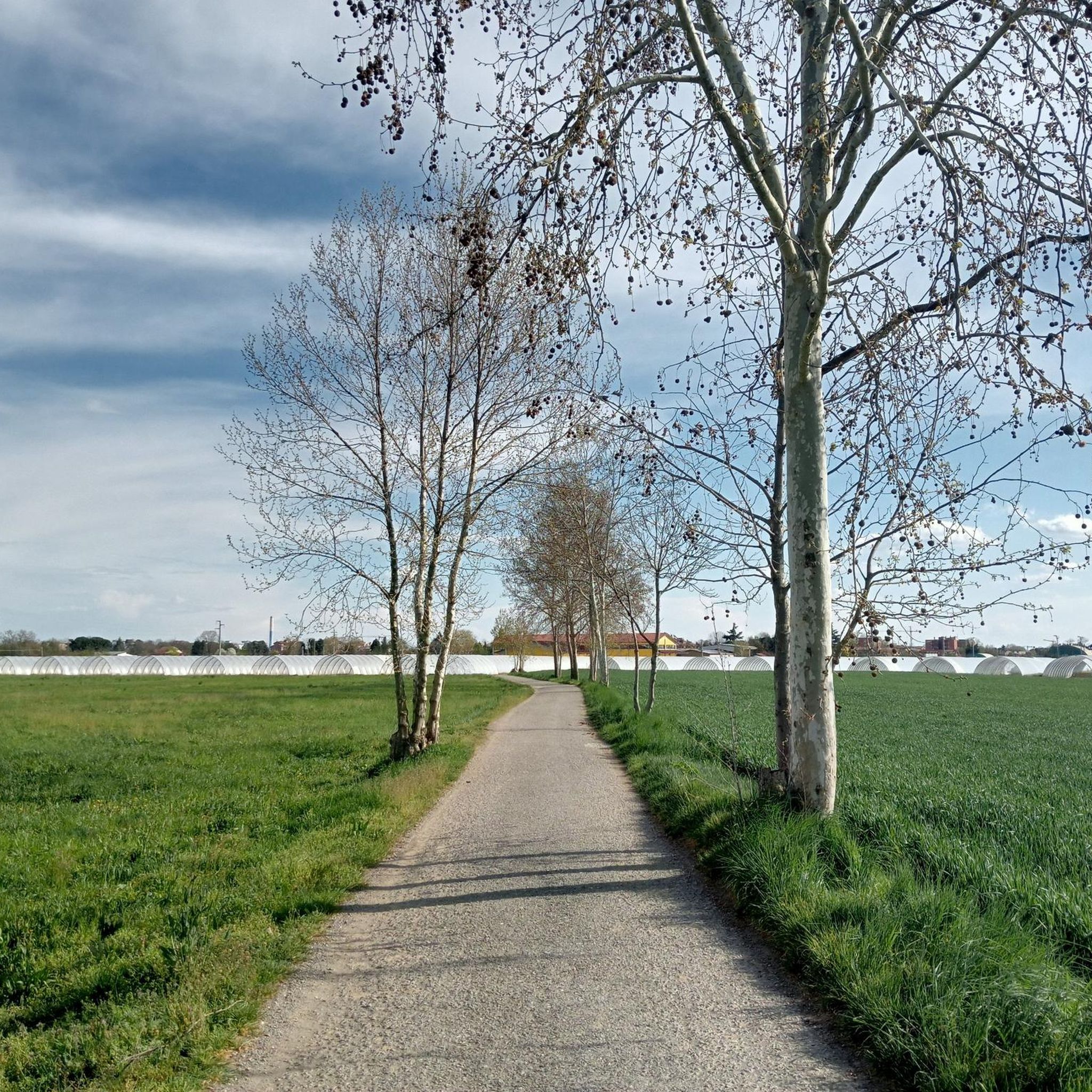
The Naviglio Martesana cycle path is a 30-35 km cycle and pedestrian route that connects Milan (Cassina de' Pomm/via Melchiorre Gioia area) to Trezzo sull'Adda, running alongside the homonymous canal. It is a predominantly asphalted, flat, easy route suitable for everyone, passing through parks, rural areas, and historic noble villas from the 17th-18th centuries.
0
0
The Naviglio Martesana cycle path is a cycle-pedestrian route of about 30-35 km that connects Milan (Cassina de' Pomm/via Melchiorre Gioia area) to Trezzo sull'Adda, running alongside the canal of the same name. It is a predominantly asphalted, flat, easy route suitable for everyone, which crosses parks, rural areas, and historic noble villas from the 17th-18th centuries.
2
0

Nice gravel ride, from Gessate to Cremona. 95% on paved cycle paths and dirt road in the woods along the Adda. The first stretch from Cassano to Lodi is very nice, all in the woods, several single tracks with tall grass or "cycle path" but with a dirt surface. The river is almost always nearby. From Lodi to Cremona all on paved cycle path, elevated on cultivated fields and more exposed to the wind. Stops in Lodi, Pizzighettone and Cremona for visits. Return by train.
2
0

Naturalistic and historical, it is worth visiting
1
0
This place is a quiet place surrounded by greenery
3
0
Frequently Asked Questions
What historical and cultural sites can I explore in Cavenago di Brianza?
Cavenago di Brianza offers several historical and cultural sites. You can visit the ancient Chiesa di Santa Maria in Campo, a Romanesque-style church with origins in the 12th century. Another significant landmark is Palazzo Rasini, a 17th-century villa that now serves as the town hall and houses the Museo della vita contadina (Museum of Rural Life). Don't miss the 18th-century Baroque Chiesa di San Giulio in Piazza Libertà.
Are there any museums in Cavenago di Brianza?
Yes, Cavenago di Brianza is home to the Museo della vita contadina (Museum of Rural Life), located on the ground floor of Palazzo Rasini. This museum showcases objects and tools typical of peasant life, including a 1:10 scale reconstruction of a traditional Brianza farmhouse, offering a glimpse into ancient crafts and farming implements.
Where can I find natural areas or green spaces in Cavenago di Brianza?
For those seeking contact with nature, Cavenago di Brianza offers tranquil spots like La Collinetta and Le Foppe. Le Foppe is particularly noted for its small, peaceful lake surrounded by natural beauty, perfect for a relaxing stroll.
What cycling opportunities are available around Cavenago di Brianza?
The region is renowned for its excellent cycling paths. A popular choice is the Martesana Canal Cycle Path, a historic waterway built in 1460. A particularly beautiful section is the Naviglio Martesana Cycle Path Between Bellinzago Lombardo and Inzago, which is approximately 30 kilometers long and considered one of Italy's most scenic cycling routes. You can find more cycling routes in the area by visiting the Cycling around Cavenago Di Brianza guide.
Are there hiking trails near Cavenago di Brianza?
Yes, there are several hiking opportunities around Cavenago di Brianza. An easy option is the "Parco Le Foppe di Cavenago – loop tour," which is about 5.7 km. For moderate hikes, consider "The Oak Grove (Boscone) – Robinietum loop from Cambiago" (approx. 10.2 km) or "Trail in the Woods – Robinietum loop from Cambiago" (approx. 13.3 km). Discover more trails in the Hiking around Cavenago Di Brianza guide.
What are some family-friendly attractions in the Cavenago di Brianza area?
Many attractions in the area are suitable for families. The Martesana Canal Cycle Path is a great option for a leisurely ride or walk. Another fascinating spot is The Rudun Water Wheel, Groppello d'Adda, a historic water wheel believed to have been designed by Leonardo da Vinci, which is both educational and visually interesting for all ages. The Museo della vita contadina also offers an engaging look into local history.
What is The Rudun Water Wheel and where is it located?
The Rudun Water Wheel, affectionately called 'el rudun' by locals, is a famous water wheel in Groppello d'Adda, built around 1600. It's believed to have been designed by Leonardo da Vinci. Its original function was not to grind cereals, but to raise water from the canal for an irrigation system. You can find more details about this unique monument on its highlight page: The Rudun Water Wheel, Groppello d'Adda.
Can I find running trails around Cavenago di Brianza?
Absolutely! The area offers various running trails. You can find moderate routes like the "Foppe di Cavenago loop from Cambiago" (approx. 8.7 km) or more challenging options such as the "Bosco del Rio Vallone loop from Cambiago" (approx. 16.6 km). For a comprehensive list of routes, check out the Running Trails around Cavenago Di Brianza guide.
What is the Royal Villa of Monza and how far is it from Cavenago di Brianza?
The Royal Villa of Monza is a magnificent neoclassical palace with extensive gardens, located in Monza, which is a short distance from Cavenago di Brianza. It was once a private residence for the Habsburgs and later the Savoys, and today hosts exhibitions. Its park is notably large, offering ample space for exploration.
What do visitors enjoy most about the attractions around Cavenago di Brianza?
Visitors particularly appreciate the blend of historical richness and natural beauty. The cycle paths along the Martesana Canal are highly rated for their scenic routes and historical significance. The area's ancient structures and tranquil natural spots, like Le Foppe, also receive positive feedback for offering a peaceful escape. The community has shared over 88 photos and given more than 1000 upvotes to the various attractions.
Are there any notable villas or palaces in Cavenago di Brianza?
Yes, Cavenago di Brianza features a few notable villas. Palazzo Rasini, a 17th-century villa with two towers and Tiepolo-style frescoes, is a prominent architectural landmark. Another is Villa Erminia (also known as Villa Clotilde) on Via Piave, which is surrounded by a beautiful garden with Lebanese cedars and other large trees.
Most popular routes around Cavenago Di Brianza
Most popular attractions around Cavenago Di Brianza

Get inspired with the komoot mobile app


Explore more
Still not found the Highlight you’re looking for? See guides of the top attractions in other regions:
