The best road cycling routes around Grotte Di Castro
4.6
(165)
2,690
riders
24
rides
Road cycling routes around Grotte Di Castro traverse a landscape characterized by the volcanic origins of Lake Bolsena and its surrounding rolling hills. The region features a mix of well-paved roads connecting medieval villages, agricultural expanses of olive groves, and vineyards. The topography offers varied gradients, from moderate climbs to more challenging sections with significant elevation gains.
Best road cycling routes around Grotte Di Castro
- The most popular road cycling route is Montefiascone – San Lorenzo Nuovo loop from Grotte…
Last updated: May 27, 2026
4.6
(8)
135
riders
56.5km
02:41
660m
660m
Moderate road ride. Good fitness required. Some segments of this route may be unpaved and difficult to ride.
4.3
(3)
54
riders
110km
04:51
1,020m
1,020m
Hard road ride. Very good fitness required. Mostly well-paved surfaces and easy to ride.

Sign up for free
4.0
(6)
40
riders
Moderate road ride. Good fitness required. Mostly well-paved surfaces and easy to ride.
5.0
(1)
33
riders
68.7km
03:30
1,140m
1,140m
Hard road ride. Very good fitness required. Mostly well-paved surfaces and easy to ride.
5.0
(1)
27
riders
47.5km
02:07
460m
460m
Moderate road ride. Good fitness required. Mostly well-paved surfaces and easy to ride.
Get access to more routes and recommendations from other explorers.
Sign up for free
Already have an account?
Our route recommendations are based on thousands of hikes, rides, and runs completed by other people on komoot.
Start today with a free account
Your next adventure awaits.
Login or Signup

Tips from the Community

Lake Bolsena, located between Lazio, Umbria, and Tuscany, is the largest volcanic lake in Europe. A true natural wonder, thanks to its breathtaking landscapes, clear waters, quiet beaches, and villages rich in history and culture, this lake is an ideal destination for those who love tranquility, culture, and nature.
0
0

The Cathedral of the Holy Sepulchre is a 10th-century Romanesque basilica. Inside, a blood-stained stone believed to come from the Holy Sepulchre in Jerusalem is preserved. Beyond the façade, inside lies a beautiful crypt.
2
0

If you come to Umbria, you can't miss this beautiful city. Among the main attractions, I recommend: the Duomo, St. Patrick's Well, Orvieto Underground, the Pozzo della Cava, and finally the Etruscan Museum. The "e" in Orvieto is pronounced open like "ferro" (iron), not closed.
1
0

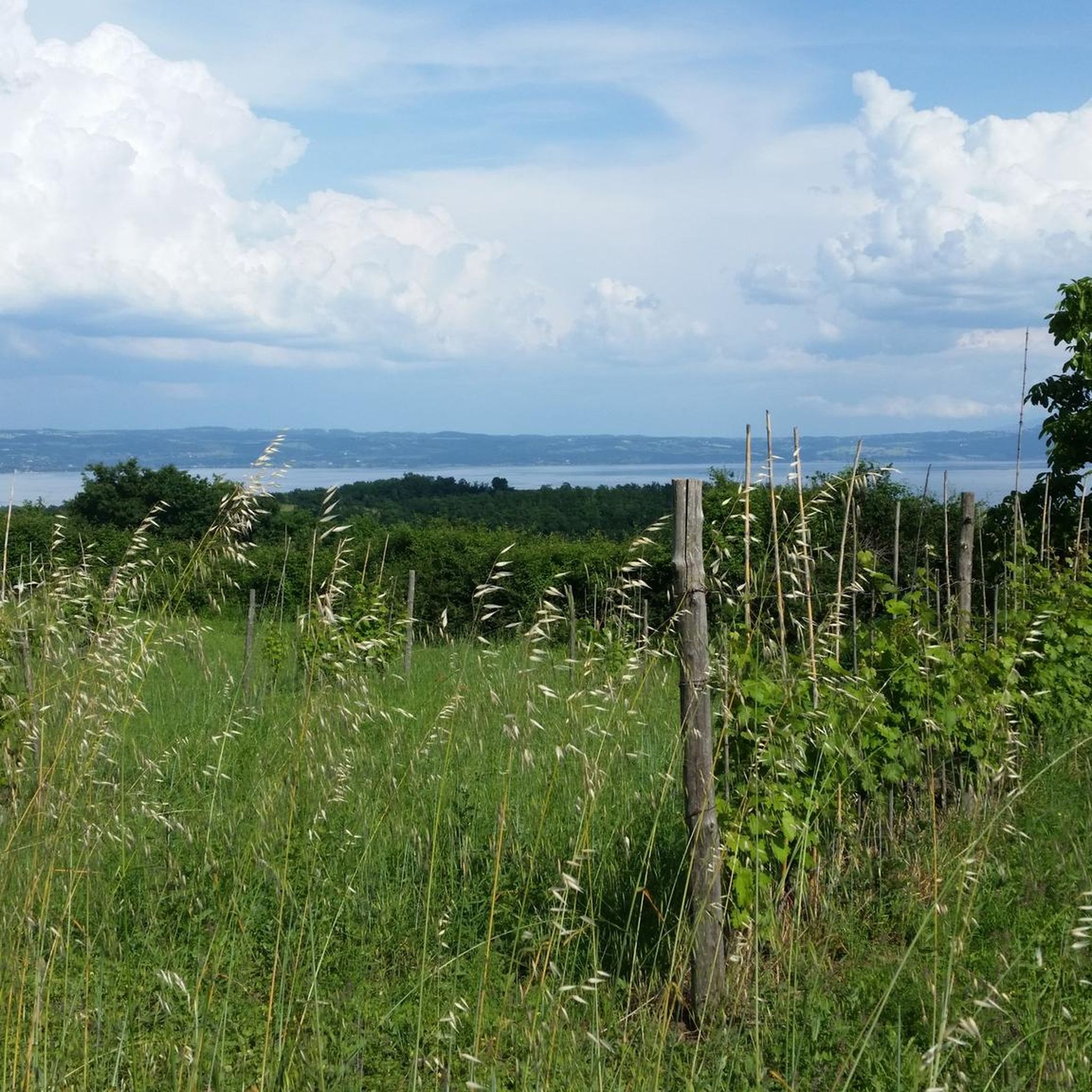
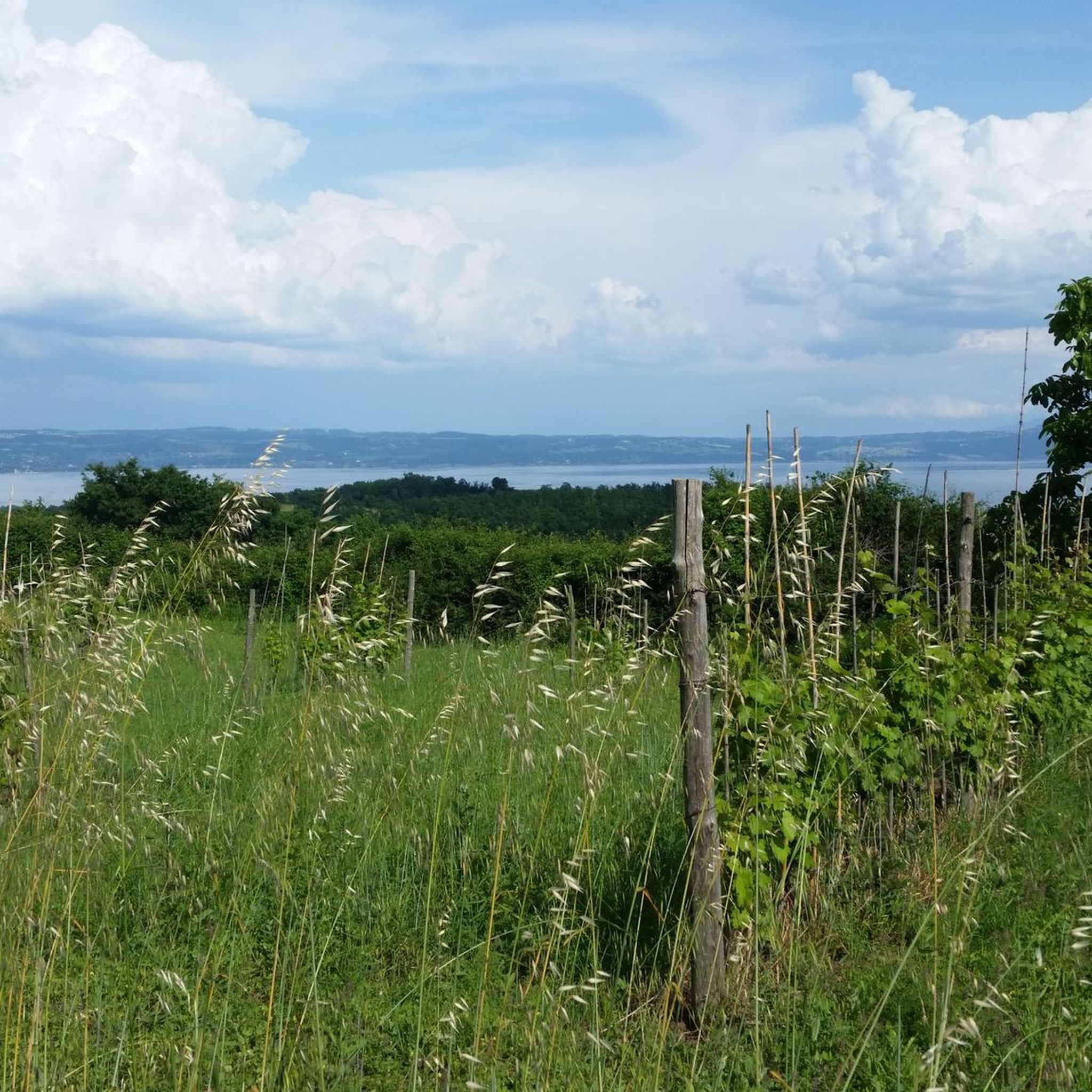
From up here you have a fantastic view of the entire Lake Bolsena.
1
0

A small paradise in the Tuscan hills, in the heart of the Val d'Orcia, just a few minutes from Pienza....
0
0

incredibly beautiful, we liked it very much
3
0

Beautiful town on the lake of the same name and along the Via Francigena
1
0
Frequently Asked Questions
How many road cycling routes are available around Grotte Di Castro?
There are over 25 road cycling routes around Grotte Di Castro, offering a diverse range of experiences from moderate loops to more challenging climbs. The komoot community has explored these routes over 2300 times, providing an average rating of 4.8 stars.
What kind of terrain can I expect when road cycling in Grotte Di Castro?
The region around Grotte Di Castro offers a varied topography, ideal for road cycling. You'll find well-paved roads connecting medieval villages, alongside rolling hills with moderate gradients. There are also more challenging sections with significant elevation gains, particularly as you explore the volcanic landscape surrounding Lake Bolsena.
Are there road cycling routes suitable for beginners or those looking for an easier ride?
Yes, Grotte Di Castro offers routes suitable for various fitness levels. While many routes feature rolling hills, there are options with less elevation. For example, the Lake Bolsena – Marta loop from Grotte di Castro is a moderate 27.7-mile (44.6 km) trail that provides a scenic ride through the Lake Bolsena area with manageable gradients.
What are some challenging road cycling routes in the Grotte Di Castro area?
For experienced cyclists seeking a challenge, routes with significant elevation gains are available. The Capodimonte Harbour View – Montefiascone loop from Grotte di Castro is a difficult 56.2-mile (90.5 km) path featuring over 1000 meters of elevation gain and expansive views over Lake Bolsena. Another demanding option is the View of Grotte di Castro – Basilica di Acquapendente loop from Grotte di Castro, which covers 68.7 miles (110.5 km) with over 1100 meters of climbing.
What can I see along the road cycling routes around Grotte Di Castro?
Road cycling routes in this region offer a blend of natural beauty and historical sites. You'll frequently encounter views of Lake Bolsena, Europe's largest volcanic lake, and pass through charming medieval villages. The countryside is characterized by olive groves and vineyards. Some routes may also lead you near ancient Etruscan sites or unique geological formations like the Via Cava di San Rocco.
Are there any circular road cycling routes available?
Yes, many of the road cycling routes around Grotte Di Castro are designed as loops, allowing you to start and end in the same location. Popular circular routes include the Montefiascone – San Lorenzo Nuovo loop from Grotte di Castro and the Lake Bolsena – Marta loop from Grotte di Castro, both offering scenic rides around the lake area.
What is the best time of year for road cycling in Grotte Di Castro?
The spring and autumn months generally offer the most pleasant conditions for road cycling in Grotte Di Castro. During these seasons, temperatures are mild, and the landscapes are particularly vibrant with blooming flowers or rich autumn colors. Summer can be warm, especially in July and August, so early morning rides are recommended if cycling during these months.
Is Grotte Di Castro suitable for family-friendly road cycling?
While many road cycling routes in Grotte Di Castro involve rolling hills and shared roads, some sections or shorter loops around Lake Bolsena might be suitable for families with older, experienced children. It's advisable to check the specific route profiles for elevation and traffic levels to ensure they align with your family's cycling abilities and comfort.
Where can I find parking for road cycling routes in Grotte Di Castro?
Grotte Di Castro, as a base for exploring the region, typically offers public parking options within the town center or near key attractions. When planning your ride, it's recommended to check local maps or use navigation apps to identify suitable parking areas close to your chosen route's starting point. Parking availability can vary, especially during peak tourist seasons.
What amenities are available for cyclists in Grotte Di Castro?
Grotte Di Castro and the surrounding towns offer various amenities for cyclists. You'll find cafes and restaurants in the historic centers, perfect for a break. Accommodation options range from B&Bs to agriturismos. While dedicated bike shops might be limited, basic supplies can often be found. For more detailed local information, you might consult resources like visitgrottedicastro.it.
Can I combine road cycling with exploring historical sites in the area?
Absolutely. The Tuscia region, where Grotte Di Castro is located, is rich in history. You can cycle through medieval villages, explore ancient Etruscan necropolises, and visit sites like the Civita Archaeological Museum in Grotte di Castro. Sections of the Via Francigena, an ancient pilgrimage route, are also suitable for cycling, offering a unique blend of physical activity and historical immersion.
What do other road cyclists enjoy most about road cycling in Grotte Di Castro?
The area is highly rated by the komoot community, with an average score of 4.8 stars from over 190 reviews. Reviewers often praise the stunning views of Lake Bolsena, the charming medieval towns connected by well-paved roads, and the diverse terrain that caters to different skill levels. The blend of natural beauty and historical richness is frequently highlighted as a major draw.
Most popular routes around Grotte Di Castro
Most popular attractions around Grotte Di Castro

Get inspired with the komoot mobile app


Explore more
Browse the best Road cycling routes in other regions.
