The best cycling routes around San Floriano Del Collio / Števerjan
4.4
(1702)
13,314
riders
458
rides
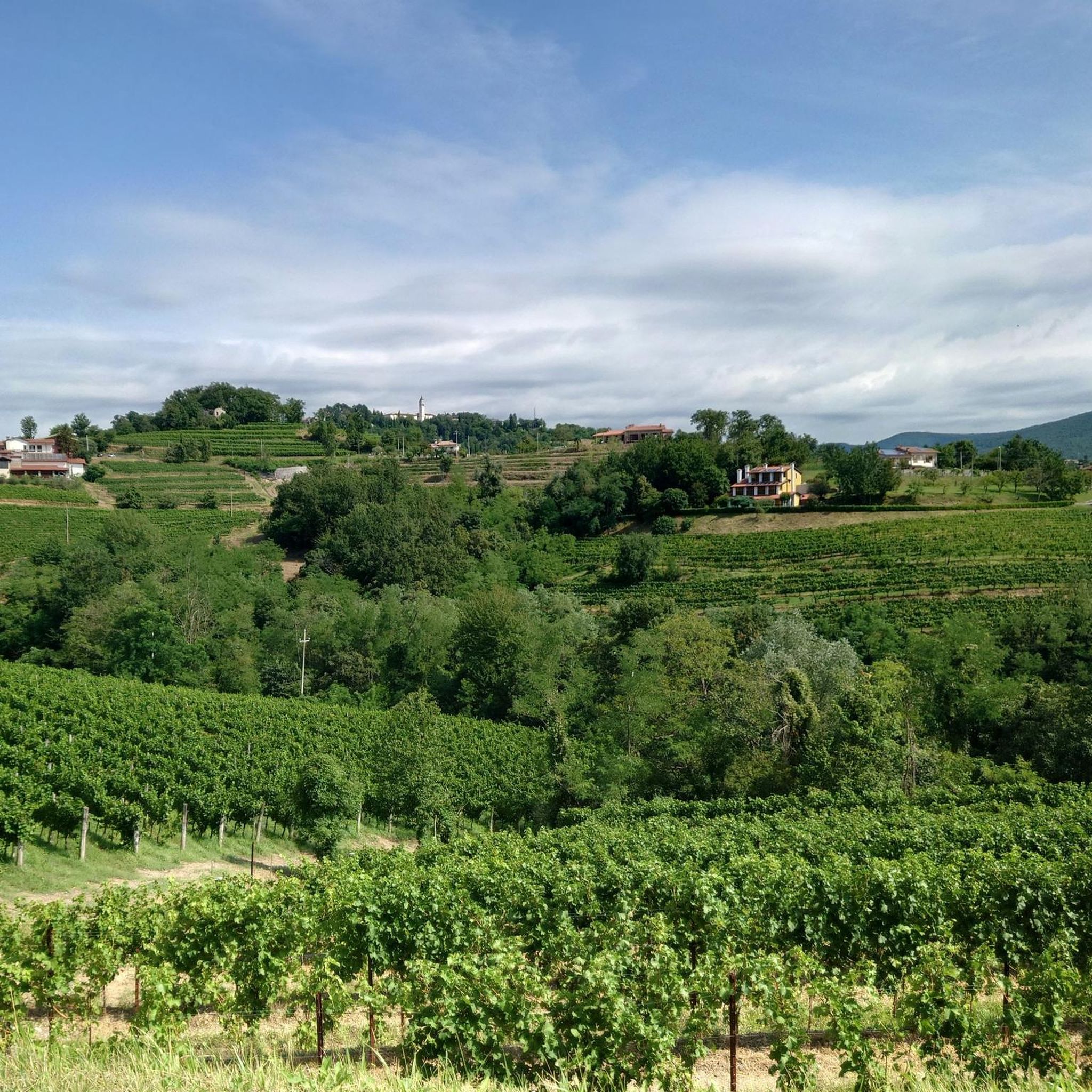
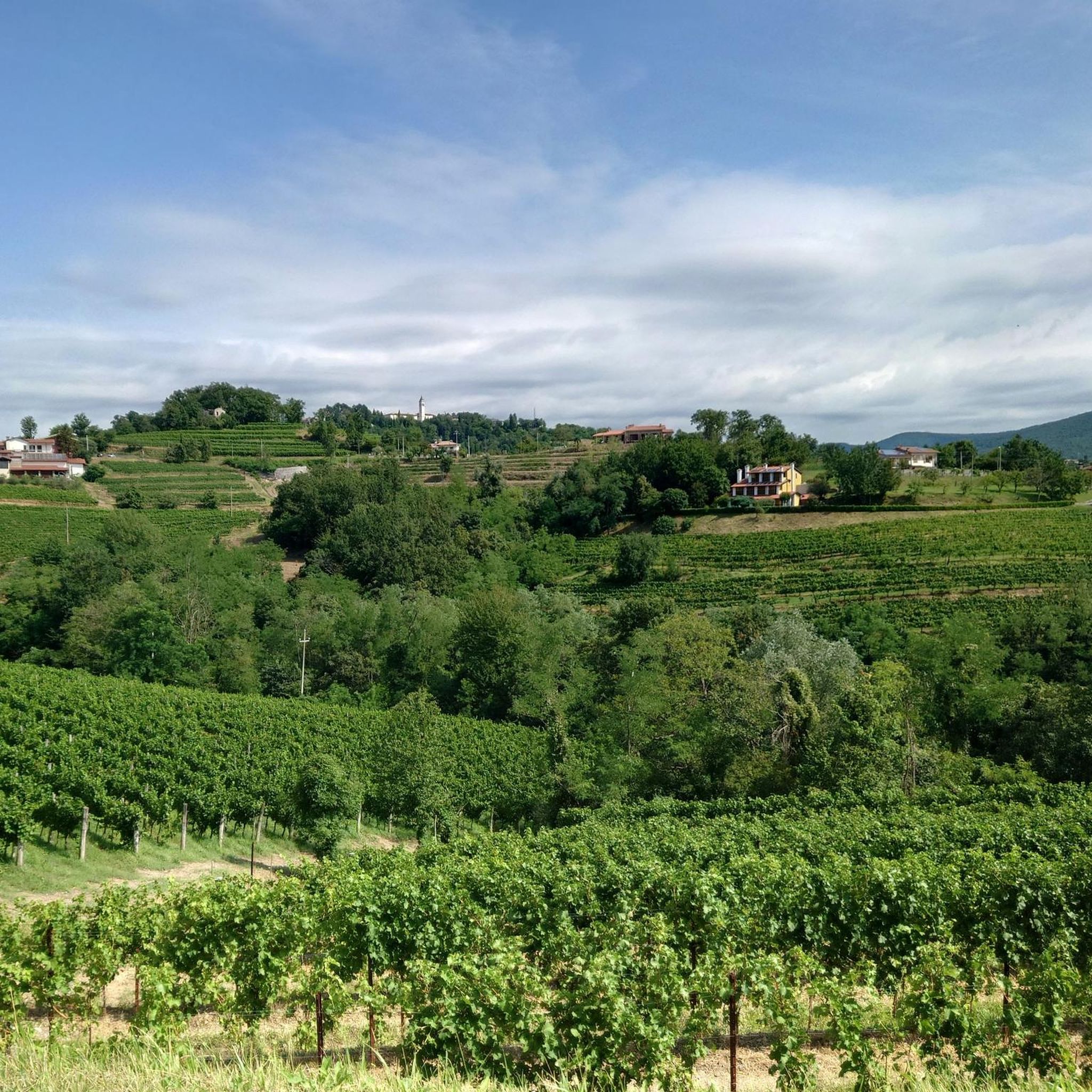
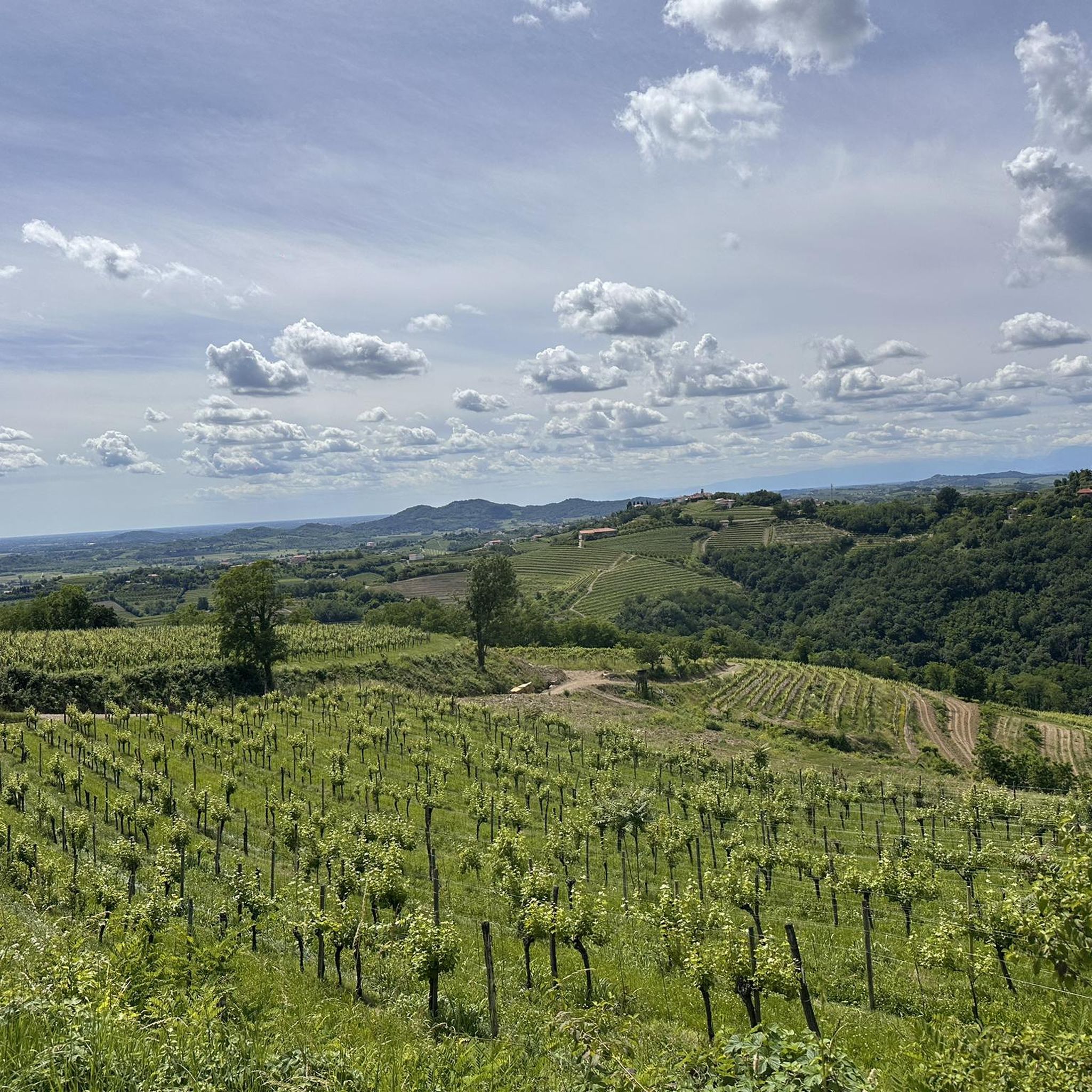
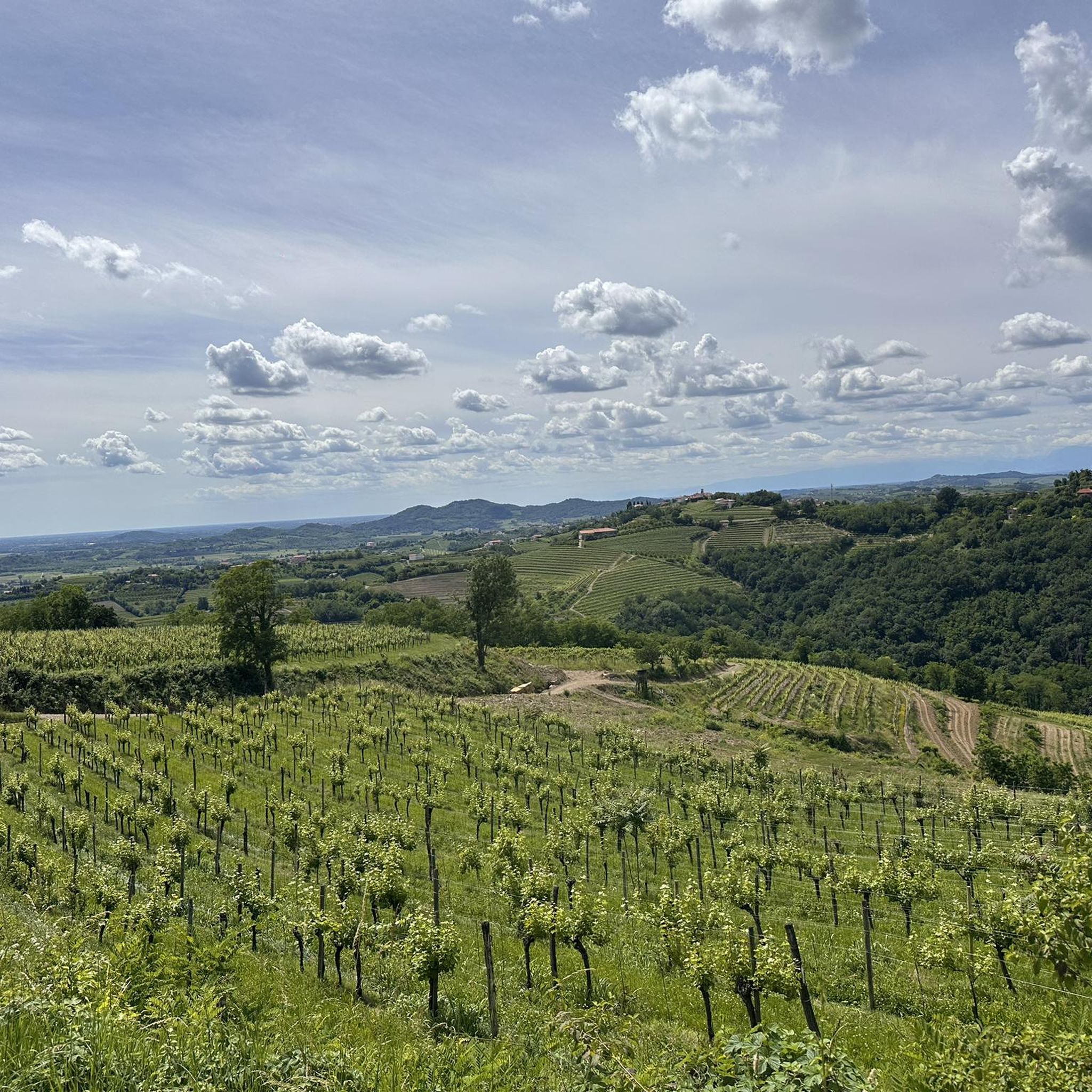
Touring cycling routes around San Floriano Del Collio / Števerjan traverse a distinctive landscape of rolling hills, extensive vineyards, and orchards. The region, situated on the Italian-Slovenian border, offers a network of both paved and gravel roads suitable for various fitness levels. Cyclists can experience quiet secondary roads and cross-border routes, connecting different cultural landscapes. The terrain features gentle ascents and descents, with viewpoints offering vistas across the Julian Alps and the Isonzo River plain.
Best touring cycling routes around…
Last updated: October 1, 2026
4.9
(8)
97
riders
Hard bike ride. Very good fitness required. Mostly paved surfaces. Suitable for all skill levels.
4.0
(1)
30
riders
Moderate bike ride. Good fitness required. Mostly paved surfaces. Suitable for all skill levels.

29
riders
34.3km
02:41
360m
360m
Moderate bike ride. Good fitness required. Mostly paved surfaces. Suitable for all skill levels.
5.0
(2)
14
riders
21.9km
01:26
290m
290m
Moderate bike ride. Good fitness required. Mostly paved surfaces. Suitable for all skill levels.
4.5
(2)
15
riders
Hard bike ride. Very good fitness required. Mostly paved surfaces. Suitable for all skill levels.
Get access to more routes and recommendations from other explorers.
Already have an account?
Our route recommendations are based on thousands of hikes, rides, and runs completed by other people on komoot.
Start today with a free account
Your next adventure awaits.
Popular around San Floriano Del Collio / Števerjan

Tips from the Community

Interesting tour with beautiful views.
0
0

Rode here for the second time couple of days ago. First time was when turning onto FVG3 from Alpe-Adria (start from Kranjska Gora). Great cycleway.
0
0

A bridge that allows you to admire the peaceful Isonzo River with its incredible colors.
0
0

The first construction of the castle dates back to the 13th century.
0
0

A castle has stood in Dobrovo since the 13th century, but it slowly fell into disrepair over the centuries. A new Renaissance building was built on this site at the beginning of the 17th century, which has remained relatively unchanged to this day and is considered one of the most beautiful castles in the Goriška region. Dobrovo Castle will enchant visitors at first glance with its imposing and distinctive appearance. Its ground plan is almost square, with symmetrically placed towers at the corners. The outer wall was likely built during the Second Venetian War (1615–1617) and converted into a portico after its end. One of the towers was converted into a chapel dedicated to St. Anthony of Padua. The chapel walls are decorated with hung originals and copies of Gothic frescoes from the northern Primorska region. The first owners are said to have been the Counts Colloredo, for a shorter period the Marquise Montecuccoli, and from the end of the 18th century the Catterini-Erzberg family from Gorizia. In 1872, ownership passed into the hands of the Baguer family following a wedding. On the first floor of the castle is the Knights' Hall, featuring the coats of arms of several noble families who owned the castle in the past. This hall contains a preserved mural depicting the naval attack on the city. Today, the Knights' Hall hosts numerous musical performances and other events. Also of interest is the Hunting Room, where the treasures of Count Baguer, painted on the walls by Clemente Del Neri in 1894, are displayed. His works of art can also be viewed in the stairwell.
5
0
The medieval village of Šmartno is one of the most beautiful villages in the central Brda region. Built on Roman foundations, it is now considered an architectural gem and cultural monument. Behind its walls, it leads back to the rich and picturesque stories of the past and reveals the charm of Brda hospitality. The village of Šmartno is located in the geographical center of Brda, with views stretching from Nanos in the east to the Carnic Alps in the northwest, and from the vast Friuli region to the Adriatic Sea. The village, surrounded by walls and fortified with defensive towers, was first mentioned in 1317. In the first half of the 16th century, a medieval fortress was built on the remains of a Roman outpost around the church. The village served as a border fortress until the mid-18th century, when the Venetian threat was over. The houses in the center are grouped around the Church of St. Martin, the largest parish church in Brda, after which the village was named. The church's bell tower was originally a fortress tower. The bell, featuring the motif of the Three Kings, dates from 1857. The Baroque church features three marble altars, one of which is particularly rich. The presbytery and the Stations of the Cross were painted by Tone Kralj.
6
0
On the 321-meter-high Mejnik, a hill above the village of Gonjače, stands a memorial dedicated to the victims of World War II and a lookout tower, offering the opportunity to take one of the most beautiful photos of Goriška Brda. The memorial in Gonjače is dedicated to the 315 victims of World War II, located on the right bank of the Soča River. Next to the memorial is a 23-meter-high lookout tower with 144 steps, built in 1961. In good weather, the tower offers panoramic views of various parts of the region: Brda, the Julian and Carnic Alps, the Dolomites, Friuli-Venezia Giulia, the Gulf of Trieste, the Karst, the Vipava Valley, and the Trnovski gozd. The architect Marko Šlajmer designed the tower.
6
0

The square, with its wide-ranging symbolism and numerous memorabilia from the Iron Curtain era, has become a small landmark for both Gorizia and Nova Gorica. A certain sense of reverence is palpable even upon entering the square.
1
0
Frequently Asked Questions
How many touring cycling routes are available in San Floriano Del Collio / Števerjan?
There are over 450 touring cycling routes in the San Floriano Del Collio / Števerjan region. These routes cater to various skill levels, with approximately 112 easy, 179 moderate, and 166 difficult options available.
What kind of terrain can I expect on touring cycling routes in San Floriano Del Collio / Števerjan?
The region is characterized by gentle, rolling hills, extensive vineyards, orchards, and olive groves. You'll find a mix of both paved and gravel roads, with many routes utilizing quiet secondary roads, making for a peaceful cycling experience. The terrain includes gentle ascents and descents, often rewarding cyclists with panoramic views.
Are there any family-friendly touring cycling routes in the area?
Yes, with over 110 easy routes, there are plenty of options suitable for families. These routes typically feature less elevation gain and are designed to be enjoyed at a more leisurely pace through the picturesque vineyards and villages. While specific family-friendly routes aren't highlighted by name, the abundance of easy trails ensures suitable choices.
What are some notable landmarks or attractions I can see while cycling?
The region is rich in historical and natural sights. You can cycle past charming medieval villages like Šmartno, and discover Renaissance castles such as Dobrovo Castle and Villa Vipolže. Other significant historical structures include the Formentini and Coronini-Tacco castles. For panoramic views, consider routes that pass by the panoramic tower in Gonjače or offer vistas towards the Julian Alps, Isonzo River, and even the Adriatic Sea. You can also explore highlights like Rocca Bernarda or Castello di Spessa.
Are there any circular touring cycling routes available?
Yes, many routes in the region are designed as loops, allowing you to start and end in the same location. Examples include the challenging Šmartno – Brda Vineyards loop from San Floriano del Collio / Števerjan, the moderate Brda Vineyards – Isonzo River loop from San Floriano del Collio / Števerjan, and the difficult Brda Vineyards – Šmartno Village loop from San Floriano del Collio / Števerjan.
What is the best time of year for touring cycling in San Floriano Del Collio / Števerjan?
The region is beautiful for cycling throughout much of the year. Spring and autumn offer pleasant temperatures and vibrant scenery, with cherry orchards blooming in spring and vineyards showcasing rich colors in autumn. Summer can be warm, but the rolling hills often provide refreshing breezes. Always check local weather forecasts before heading out.
Can I cross the border into Slovenia on a touring cycling route?
Absolutely. The unique location of San Floriano Del Collio / Števerjan on the Italian-Slovenian border means many routes offer a seamless cross-border experience. This allows cyclists to enjoy a blend of Italian and Slovenian cultures, cuisines, and landscapes. The "Slow Collio" project, for instance, promotes sustainable mobility with trails that connect both sides of the border.
What do other touring cyclists say about the routes in San Floriano Del Collio / Števerjan?
The touring cycling routes in San Floriano Del Collio / Števerjan are highly rated by the komoot community, with an average score of 4.5 stars from over 1,200 reviews. Over 11,000 touring cyclists have used komoot to explore the varied terrain, often praising the picturesque vineyard landscapes, quiet roads, and the unique cross-border experience.
Are there options for less strenuous rides, perhaps with e-bikes?
Yes, for those seeking less strenuous rides or wanting to conquer the gentle ascents with ease, electric bikes are readily available for rent in the region. This makes the beautiful rolling hills and vineyard routes accessible to a wider range of fitness levels.
Where can I find parking for bike trails near San Floriano Del Collio / Števerjan?
While specific parking locations for each trail are not detailed here, the region is generally well-equipped for visitors. Many villages and towns, including San Floriano Del Collio itself, offer public parking facilities. It's advisable to check local information for parking availability near your chosen starting point.
Are there any routes that offer views of the Isonzo River?
Yes, some routes incorporate sections along the Isonzo River (also known as Soča in Slovenia). For example, the moderate Brda Vineyards – Isonzo River loop from San Floriano del Collio / Števerjan combines vineyard landscapes with views of the river, known for its emerald waters.
What is the difficulty level of touring cycling in this region?
The region offers a diverse range of difficulty levels. You can find over 110 easy routes for leisurely rides, nearly 180 moderate routes for those looking for a bit more challenge, and over 160 difficult routes with significant elevation changes for experienced cyclists. The rolling hills mean most routes will involve some climbing.
Most popular routes around San Floriano Del Collio / Števerjan
Most popular attractions around San Floriano Del Collio / Števerjan

Get inspired with the komoot mobile app


Explore more
Browse the best Cycling routes in other regions.
