The best MTB trails around San Floriano Del Collio / Števerjan
4.5
(766)
6,221
riders
373
rides
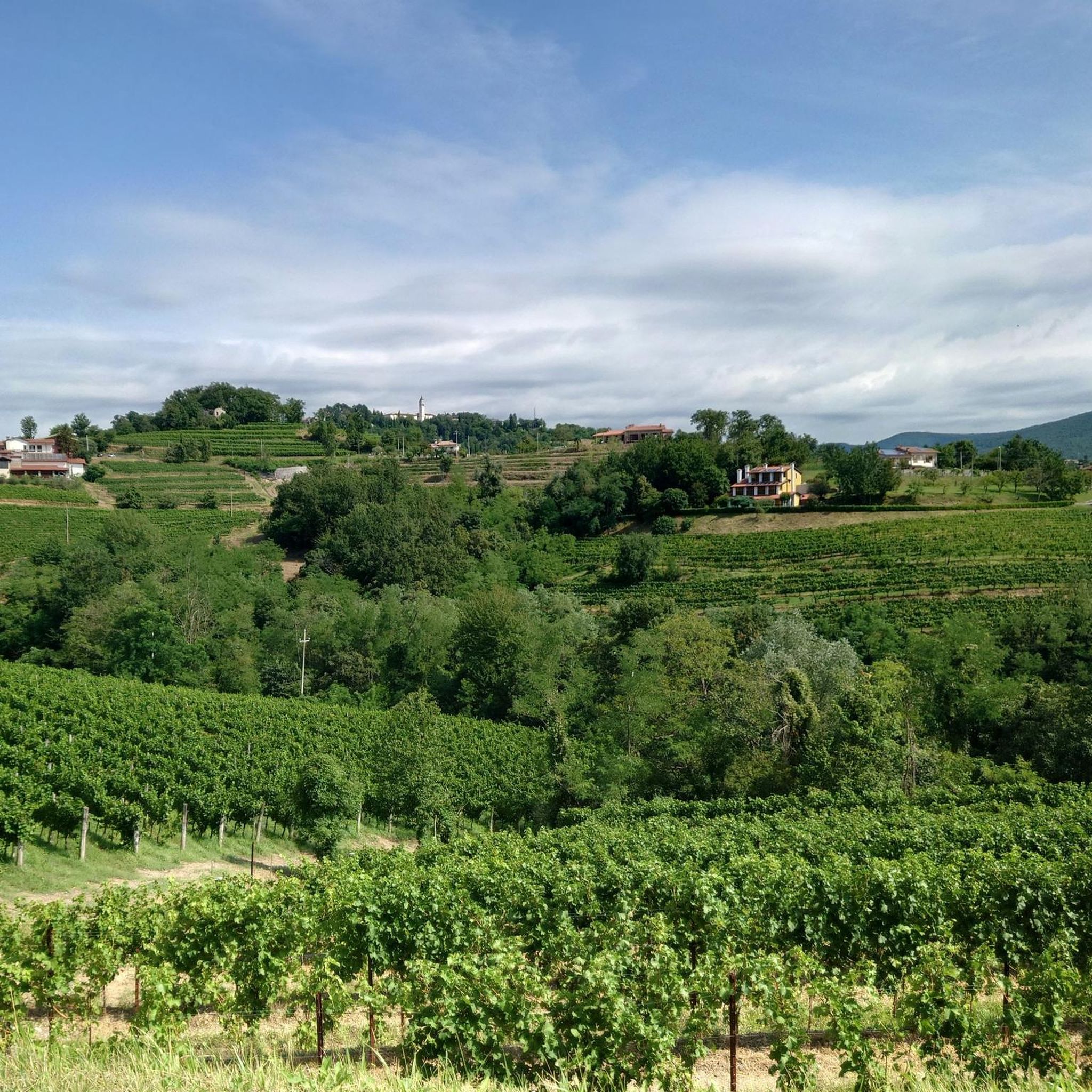
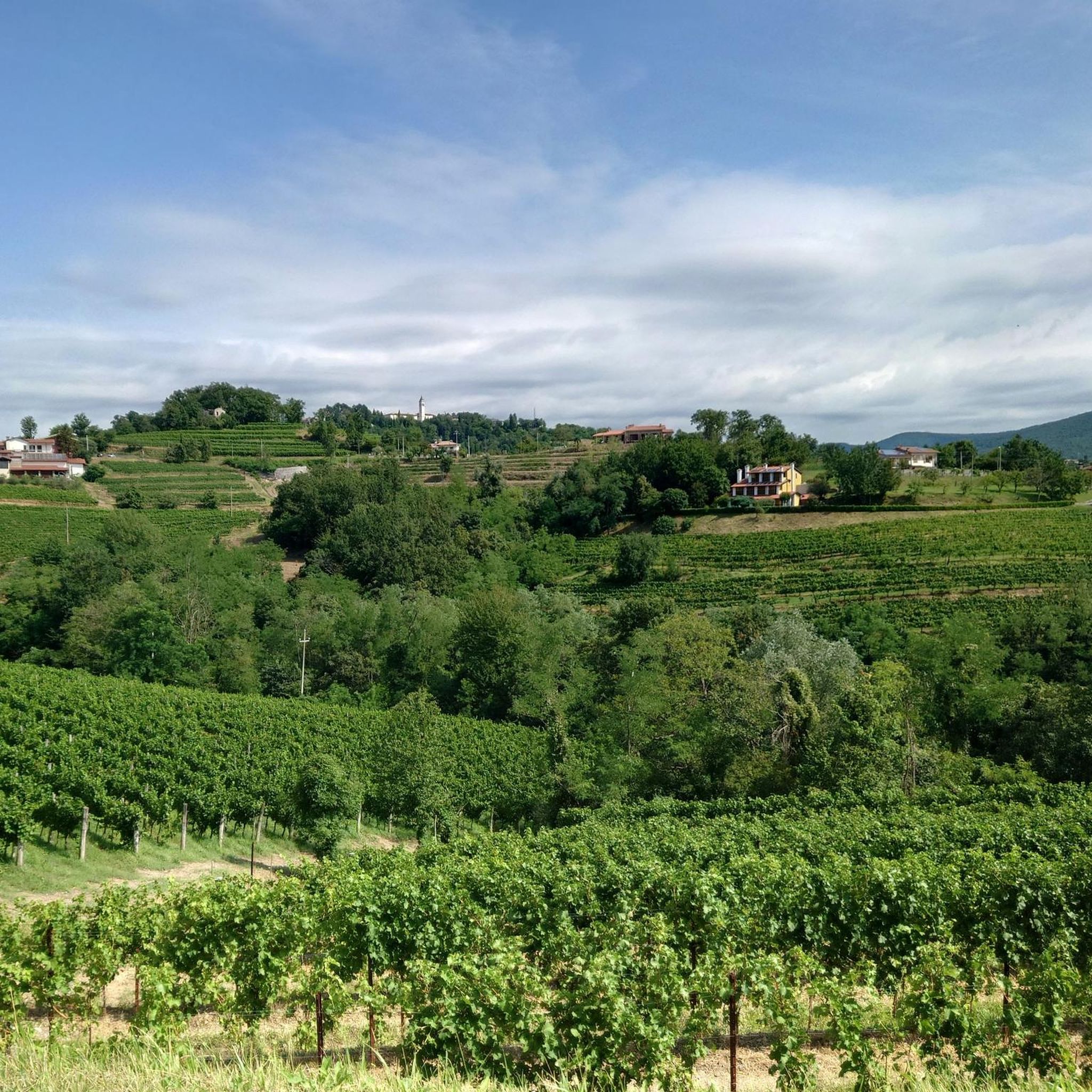
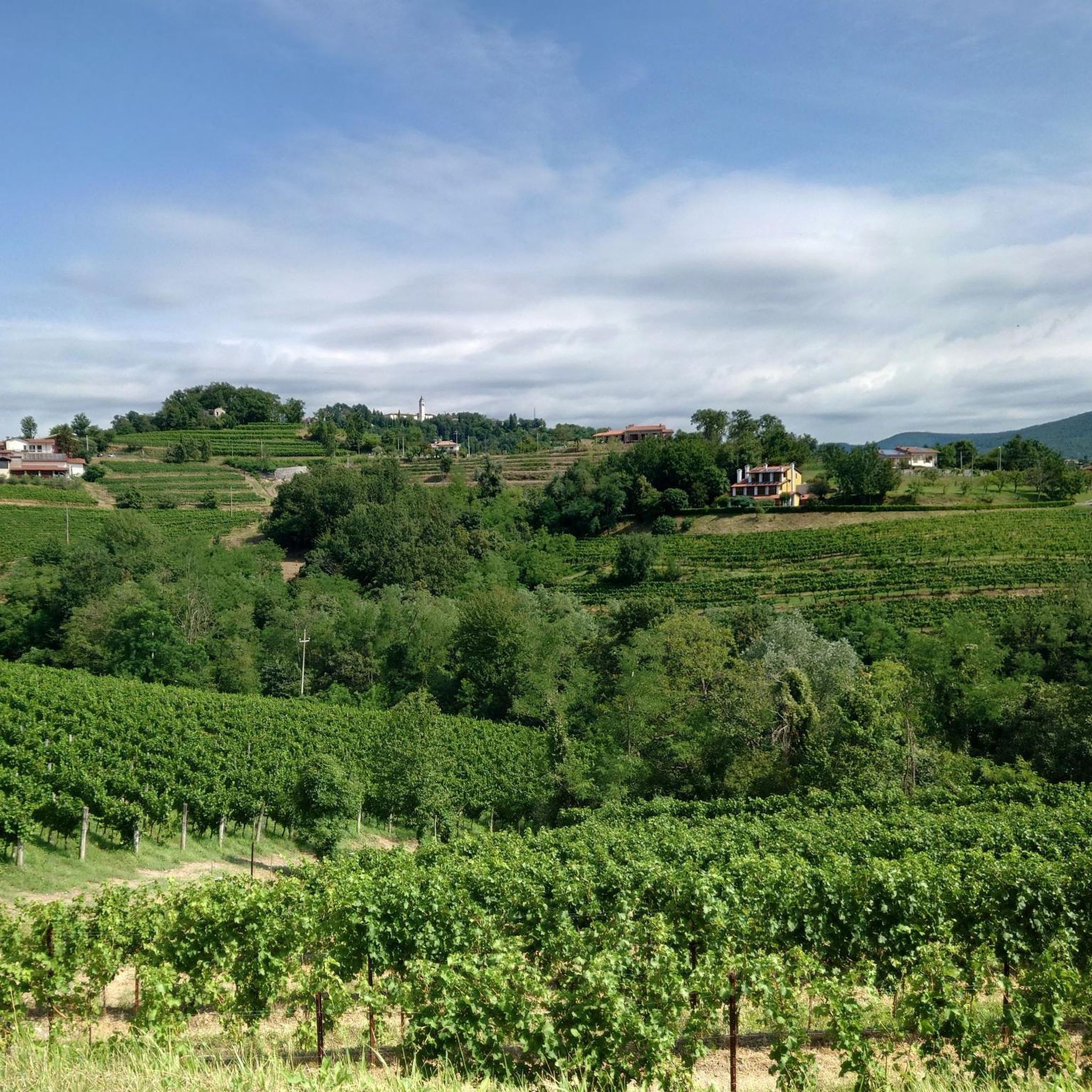
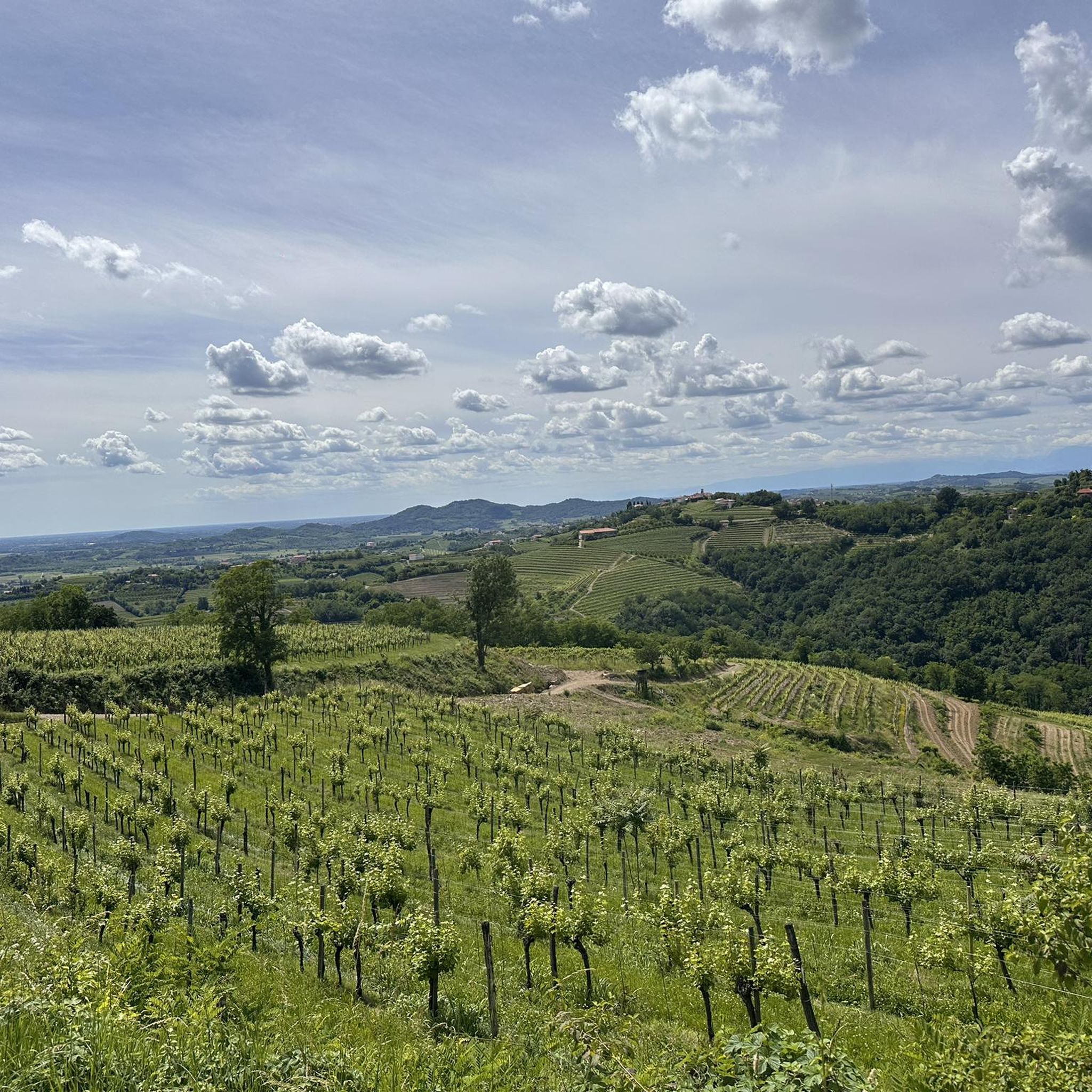
Mountain bike trails around San Floriano Del Collio / Števerjan traverse a distinctive hilly terrain, characterized by rolling hills covered with vineyards and natural woodlands. The region's unique Eocene soil composition, known as "Ponca," contributes to its varied landscape. Bordered by the Isonzo River and Judrio creek, the area offers a diverse environment for cycling. Nearby Mount Korada and Monte Sabotino provide additional elevation and expansive views.
Best mountain bike trails around San Floriano Del Collio / Števerjan
- The most…
Last updated: June 27, 2026
4.7
(3)
30
riders
17.2km
01:23
220m
220m
Easy mountain bike ride. Great for any fitness level. Suitable for all skill levels.
4.8
(4)
28
riders
45.5km
03:36
920m
920m
Hard mountain bike ride. Very good fitness required. Advanced riding skills necessary. Some portions of the route may require you to push your bike.

Sign up for free
5.0
(4)
20
riders
50.1km
03:23
470m
470m
Moderate mountain bike ride. Good fitness required. Suitable for all skill levels.
9
riders
21.5km
01:45
530m
530m
Moderate mountain bike ride. Good fitness required. Advanced riding skills necessary.
4.0
(2)
9
riders
20.1km
01:34
470m
470m
Moderate mountain bike ride. Good fitness required. Suitable for all skill levels.
Get access to more routes and recommendations from other explorers.
Sign up for free
Already have an account?
Our route recommendations are based on thousands of hikes, rides, and runs completed by other people on komoot.
Start today with a free account
Your next adventure awaits.
Login or Signup
Popular around San Floriano Del Collio / Števerjan

Tips from the Community

Part of the historic estate of Villa Russiz, the mausoleum was commissioned in 1894 by Countess Elvine Ritter de Zahony upon the death of her husband Theodor Karl Leopold Anton de la Tour Voivrènel in 1894. Completed in 1897, atop the hill overlooking the property, the small temple has a square plan with a polygonal apse on which an octagonal drum develops, surmounted by a hemispherical dome, clearly inspired by Italian architecture. Here the count's remains rested until the end of the First World War, before being transferred, next to Countess Elvine, to the park of Villa Patrizia in Treffen, Carinthia. The mausoleum is also remembered as the Chapel of Saint Joseph because, until 1927, a valuable marble statue depicting Saint Joseph by Bertel Thorvaldsen, a pupil of Canova, could be admired there.
1
0

Places of incredible beauty, among vineyards and hills
0
0

The first construction of the castle dates back to the 13th century.
0
0

From the Korada summit there is almost a 360-degree panoramic view.
0
0

A castle has stood in Dobrovo since the 13th century, but it slowly fell into disrepair over the centuries. A new Renaissance building was built on this site at the beginning of the 17th century, which has remained relatively unchanged to this day and is considered one of the most beautiful castles in the Goriška region. Dobrovo Castle will enchant visitors at first glance with its imposing and distinctive appearance. Its ground plan is almost square, with symmetrically placed towers at the corners. The outer wall was likely built during the Second Venetian War (1615–1617) and converted into a portico after its end. One of the towers was converted into a chapel dedicated to St. Anthony of Padua. The chapel walls are decorated with hung originals and copies of Gothic frescoes from the northern Primorska region. The first owners are said to have been the Counts Colloredo, for a shorter period the Marquise Montecuccoli, and from the end of the 18th century the Catterini-Erzberg family from Gorizia. In 1872, ownership passed into the hands of the Baguer family following a wedding. On the first floor of the castle is the Knights' Hall, featuring the coats of arms of several noble families who owned the castle in the past. This hall contains a preserved mural depicting the naval attack on the city. Today, the Knights' Hall hosts numerous musical performances and other events. Also of interest is the Hunting Room, where the treasures of Count Baguer, painted on the walls by Clemente Del Neri in 1894, are displayed. His works of art can also be viewed in the stairwell.
5
0
The medieval village of Šmartno is one of the most beautiful villages in the central Brda region. Built on Roman foundations, it is now considered an architectural gem and cultural monument. Behind its walls, it leads back to the rich and picturesque stories of the past and reveals the charm of Brda hospitality. The village of Šmartno is located in the geographical center of Brda, with views stretching from Nanos in the east to the Carnic Alps in the northwest, and from the vast Friuli region to the Adriatic Sea. The village, surrounded by walls and fortified with defensive towers, was first mentioned in 1317. In the first half of the 16th century, a medieval fortress was built on the remains of a Roman outpost around the church. The village served as a border fortress until the mid-18th century, when the Venetian threat was over. The houses in the center are grouped around the Church of St. Martin, the largest parish church in Brda, after which the village was named. The church's bell tower was originally a fortress tower. The bell, featuring the motif of the Three Kings, dates from 1857. The Baroque church features three marble altars, one of which is particularly rich. The presbytery and the Stations of the Cross were painted by Tone Kralj.
4
0
The medieval village of Šmartno is one of the most beautiful villages in the central Brda region. Built on Roman foundations, it is now considered an architectural gem and cultural monument. Behind its walls, it leads back to the rich and picturesque stories of the past and reveals the charm of Brda hospitality. The village of Šmartno is located in the geographical center of Brda, with views stretching from Nanos in the east to the Carnic Alps in the northwest, and from the vast Friuli region to the Adriatic Sea. The village, surrounded by walls and fortified with defensive towers, was first mentioned in 1317. In the first half of the 16th century, a medieval fortress was built on the remains of a Roman outpost around the church. The village served as a border fortress until the mid-18th century, when the Venetian threat was over. The houses in the center are grouped around the Church of St. Martin, the largest parish church in Brda, after which the village was named. The church's bell tower was originally a fortress tower. The bell, featuring the motif of the Three Kings, dates from 1857. The Baroque church features three marble altars, one of which is particularly rich. The presbytery and the Stations of the Cross were painted by Tone Kralj.
5
0
On the 321-meter-high Mejnik, a hill above the village of Gonjače, stands a memorial dedicated to the victims of World War II and a lookout tower, offering the opportunity to take one of the most beautiful photos of Goriška Brda. The memorial in Gonjače is dedicated to the 315 victims of World War II, located on the right bank of the Soča River. Next to the memorial is a 23-meter-high lookout tower with 144 steps, built in 1961. In good weather, the tower offers panoramic views of various parts of the region: Brda, the Julian and Carnic Alps, the Dolomites, Friuli-Venezia Giulia, the Gulf of Trieste, the Karst, the Vipava Valley, and the Trnovski gozd. The architect Marko Šlajmer designed the tower.
5
0
Frequently Asked Questions
How many mountain bike trails are available in San Floriano Del Collio / Števerjan?
The San Floriano Del Collio / Števerjan region offers a wide variety of mountain bike trails, with over 360 routes recorded on komoot. These trails cater to all skill levels, including approximately 70 easy routes, over 180 moderate routes, and more than 100 difficult options.
What is the best time of year for mountain biking in San Floriano Del Collio / Števerjan?
The region's unique microclimate, influenced by the Isonzo River and Judrio creek, generally makes it pleasant for mountain biking for much of the year. Spring and autumn are particularly ideal, offering comfortable temperatures and vibrant landscapes as the vineyards change color. Summer can be warm, but early morning rides are often enjoyable. Winter riding is possible, though some trails might be affected by weather conditions.
Are there any family-friendly mountain bike trails in the area?
Yes, San Floriano Del Collio / Števerjan has numerous easy routes suitable for families. These often traverse the gentler sections of the 'rolling hills' and 'endless rows of vines'. An example is the Vigne Alte Trail – Mausoleum of Villa Russiz loop from Capriva del Friuli, an easy 17.2 km path offering scenic views without significant climbs.
Can I bring my dog on the mountain bike trails?
Many trails in San Floriano Del Collio / Števerjan are suitable for dogs, especially those that pass through natural woodlands and vineyards. It's always recommended to keep your dog on a leash, especially near vineyards or livestock, and to carry enough water for both of you. Always check local signage for any specific restrictions.
What kind of terrain can I expect on the mountain bike trails?
The terrain in San Floriano Del Collio / Števerjan is characterized by 'distinctive hilly terrain' with 'rolling hills' covered in vineyards and natural woodlands. You'll encounter a mix of paved and unpaved (dirt) roads, often on the unique 'Ponca' soil. Routes can range from gentle vineyard paths to more challenging climbs and descents, especially around nearby Mount Korada and Monte Sabotino.
Are there any circular mountain bike routes?
Yes, many of the mountain bike routes in the region are designed as loops, allowing you to start and finish at the same point. Examples include the moderate Narrow Ravine Path loop from Gorizia and the more challenging Šmartno Village – Šmartno loop from Mossa / Mosse, which takes you through the Collio's hilly landscape.
What are some scenic points or viewpoints along the mountain bike trails?
The region is rich in scenic beauty. Many trails offer expansive views over the 'endless rows of vines' and 'rolling hills'. You can also find specific viewpoints such as the Sveta Gora Basilica and Panoramic View, or the Summit 3 of Monte San Michele, which provide stunning panoramas of the surrounding landscape and even the Julian Alps in the distance.
Where can I find parking for mountain biking in San Floriano Del Collio / Števerjan?
Parking is generally available in the villages and towns throughout the Collio region. Many routes, being loops, often start from accessible points where parking can be found. For example, routes originating from Gorizia or Mossa / Mosse typically have parking options nearby. Always check local regulations and signage.
What do other mountain bikers enjoy most about the trails here?
The mountain bike trails around San Floriano Del Collio / Števerjan are highly rated by the komoot community, with an average score of 4.5 stars from over 800 reviews. Mountain bikers frequently praise the diverse terrain, the stunning vineyard landscapes, and the opportunity to combine cycling with cultural and gastronomic experiences, such as visiting local wineries.
Are there any bike parks or technical trails for advanced riders?
Yes, for riders seeking more technical challenges, there are dedicated bike park areas nearby. You can explore options like the Škabrijel Mountain Bike Trail, the Technical MTB Trail in the Forest, or the Technical Descent Trail. These offer more demanding singletrack and downhill experiences.
Can I access the trails using public transport?
While San Floriano Del Collio / Števerjan is best explored by car or bike, some larger towns like Gorizia, which serve as starting points for routes such as the Ponte del Torrione – Monte Sabotino Summit loop from Gorizia, are accessible by public transport. From these points, you can cycle to the trailheads. It's advisable to check local bus or train schedules for specific connections.
Are there any historical sites or cultural attractions accessible by bike?
Absolutely. The region's rich history and culture are intertwined with its cycling routes. You can cycle to historic sites like the Sabotin Peace Park Bunkers and Caves, or pass by the Monument to Filippo Corridoni. Many routes also lead past local wineries and castles, offering opportunities to experience Friulian cuisine and the famous Collio wines.
Most popular routes around San Floriano Del Collio / Števerjan
Most popular attractions around San Floriano Del Collio / Števerjan

Get inspired with the komoot mobile app


Explore more
Browse the best MTB trails in other regions.
