The 20 Most Amazing Peaks around Roverè Veronese
Best mountain peaks around Roverè Veronese are situated on the Lessinia plateau, an area characterized by karst topography, expansive meadows, and forests. The region offers diverse landscapes and features, including several mountain peaks and hiking areas. These locations provide natural beauty, historical significance, and panoramic views across the surrounding area. The trails cater to various ability levels, allowing for exploration of the diverse landscapes and cultural heritage.
Best mountain peaks around Roverè Veronese
- The most popular mountain peaks is Cima…
Last updated: September 26, 2026
Cima Carega Summit Cross
Highlight • Summit
Translated by Google •
Tip by

Corno d'Aquilio
Highlight • Summit
Translated by Google •
Tip by

Sign up now to discover places like this
Get recommendations on the best single tracks, peaks, & plenty of other exciting outdoor places.
Castelberto Hut
Highlight • Mountain Hut
Translated by Google •
Tip by
Mount Gramolon
Highlight • Summit
Translated by Google •
Tip by

Mount Zevola
Highlight • Summit
More information: piccoledolomitisport.com/salita-al-monte-zevola
Translated by Google •
Tip by
Sign up for free to discover even more peaks around Roverè Veronese.
Already have an account?
Start today with a free account
Your next adventure awaits.
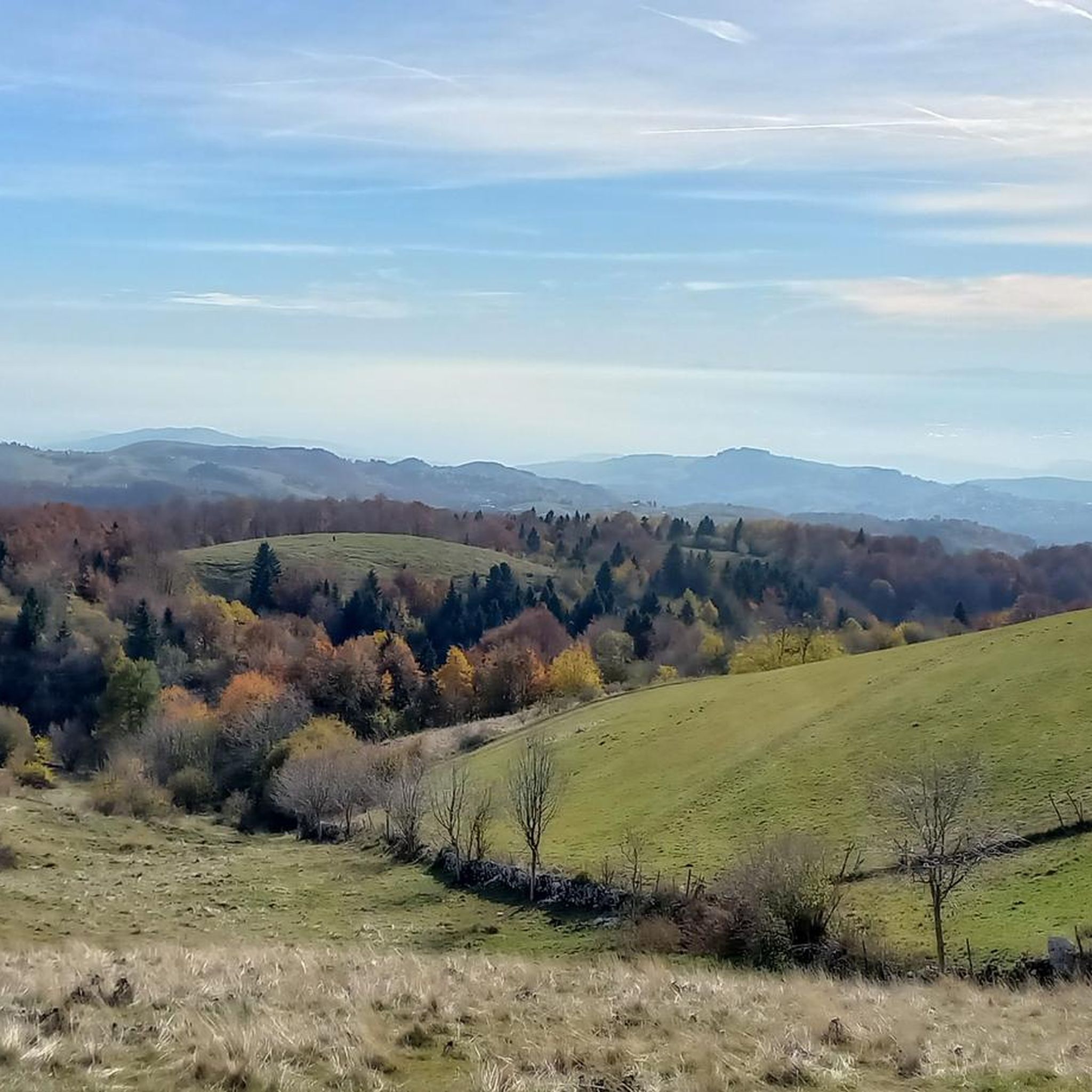

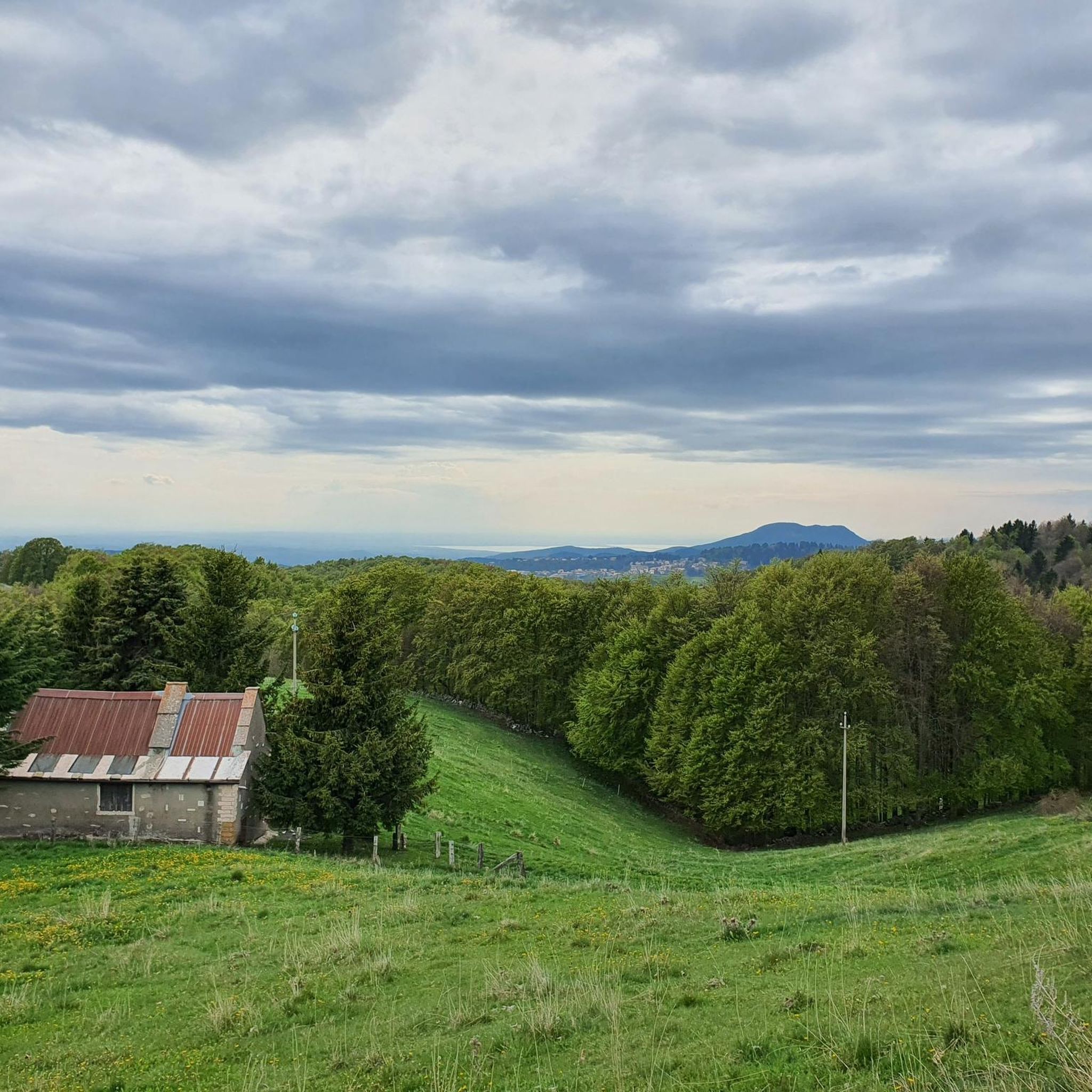
Tips from the Community

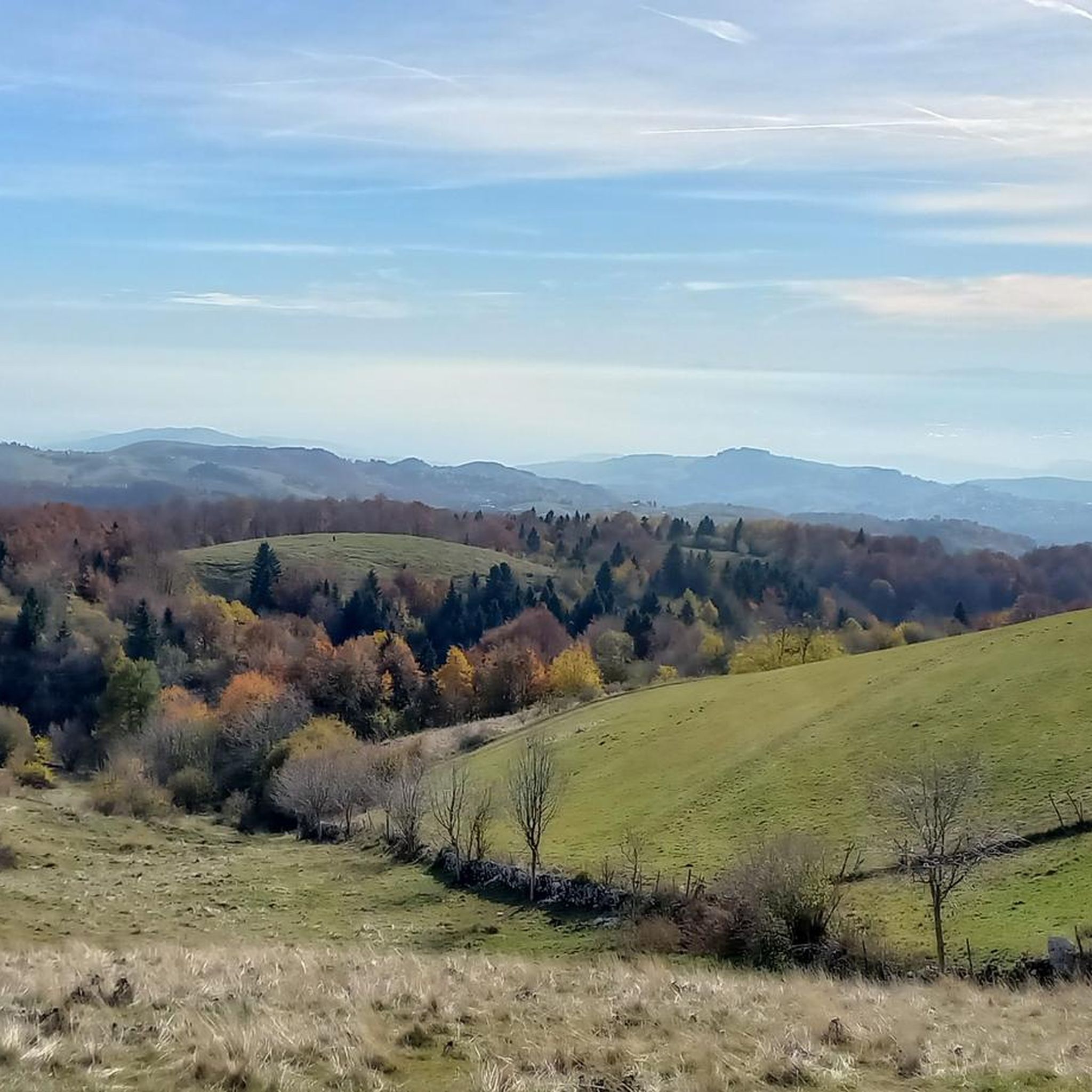
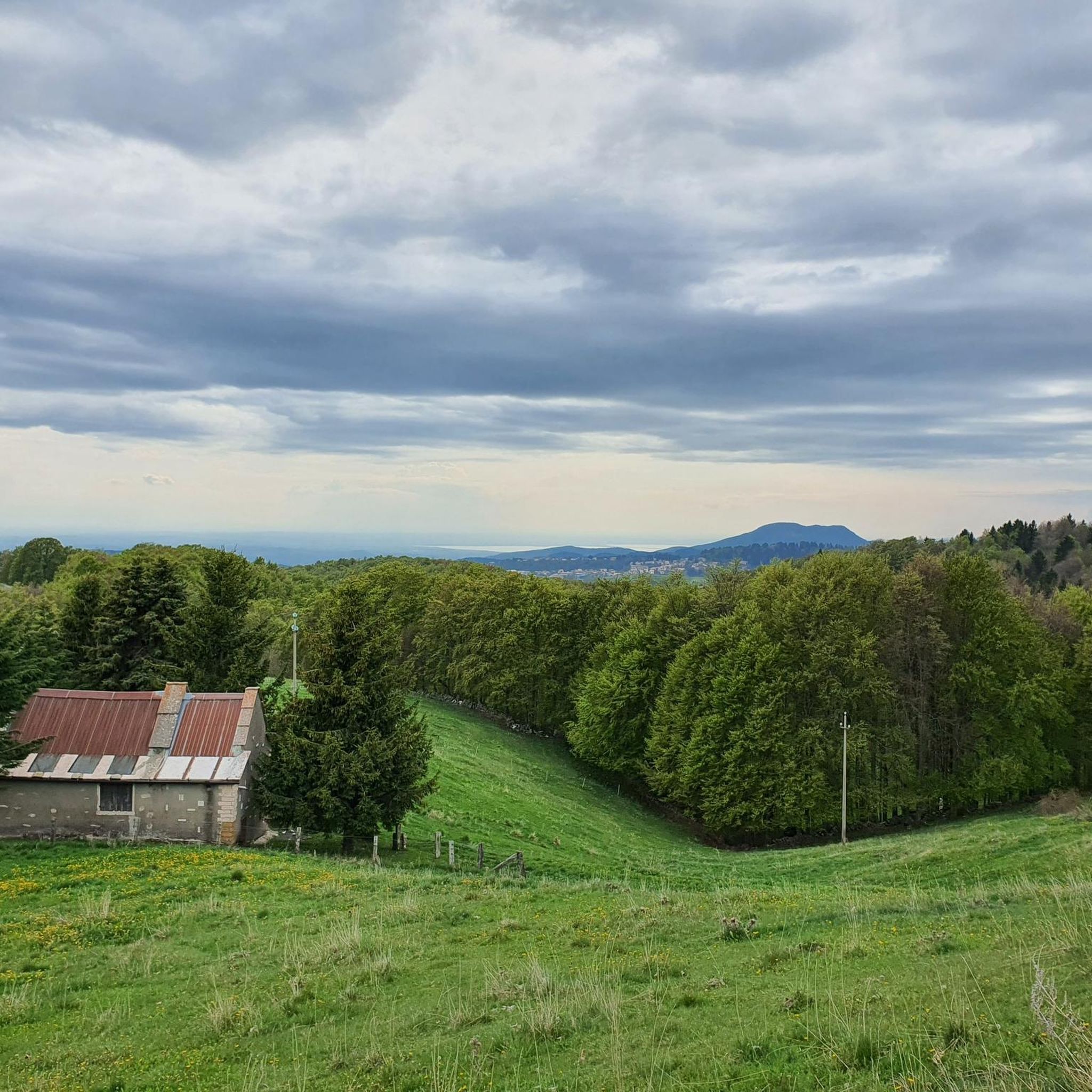
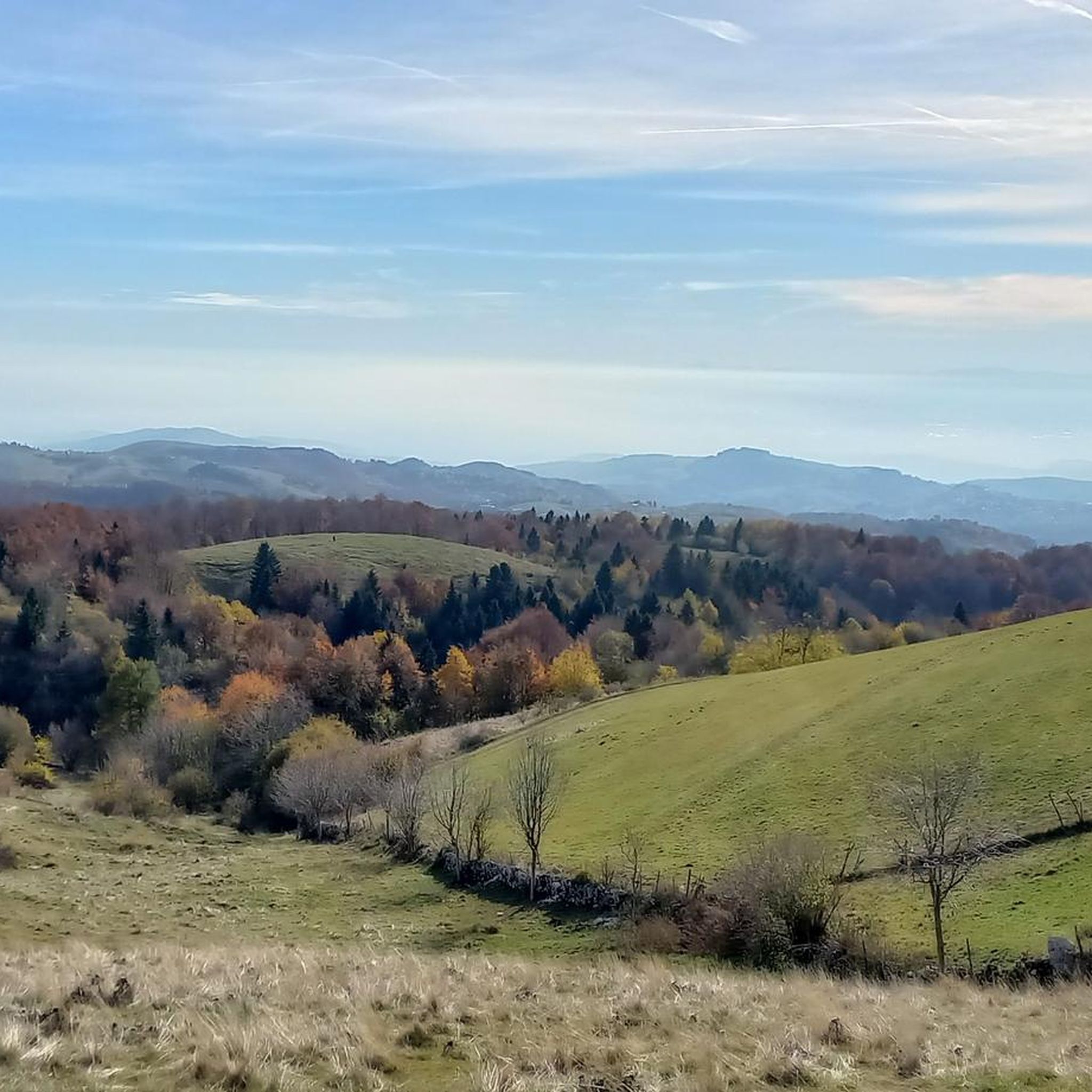
It is the northernmost refuge in the Veronese Lessinia, at 1,750 meters above sea level. It is also the highest, on par with the Primaneve refuge on Mount Tomba. Its open position offers sweeping views in all directions. It has been beautifully renovated, both inside and out. 300 meters to the north, the observatory is definitely worth seeing, with its indication of the visible mountains and trenches from the First World War.
0
0

Mount Zèvola (1,976 m) is the highest peak in the Tre Cime mountain chain, one of the mountain groups of the Little Dolomites (the Tre Croci chain, the Carega Group, the Sengio Alto chain, and the Pasubio Massif). The summit is actually divided in two by the deep Vajo dell'Acqua: Zevola Alta (1,976 m) and Zevola Bassa or Antecima (1,961 m), with the cross. From up here, you can enjoy a stunning 360° panorama: on one side, there's an excellent view of Carega and Pasubio, and on the other, the entire Lessinia plateau. The climb from Passo Zevola is short but steep.
0
0
From Monte Gramolòn (1,814 m), you have a breathtaking 360° view of the Piccole Dolomiti, the Sentiero dei Grandi Alberi trail below, and, on the opposite side, the Lessinia mountains! The climb from Passo Ristele (to the north) is short but steep, and breathtaking! From Passo della Scagina (to the south), it's even steeper and more technical, EE, with frequent switchbacks that ascend a deep gully: very evocative. On this side, there are also the Angelo Viali and Ferrari via ferratas. The summit, with its cross, touches a spectacular but exposed ridgeline over the precipice, so be careful and avoid leaning out. The toponym derives from the dialect verb 'sgramolare', meaning to break into lumps: therefore, 'Gramolon' means the mountain that crumbles, due to subsidence and scree!
0
0

Rifugio Castelberto, with good food and tasty sandwiches
0
0


beautiful view from the Castelberto refuge
0
0


Beautiful place, you eat like a god 👍👍👍
0
0
Frequently Asked Questions
Which mountain peaks offer the best panoramic views around Roverè Veronese?
Several peaks in the region provide exceptional vistas. Corno d'Aquilio offers unmatched views over the Adige Valley, extending to the peaks of Trentino-Alto Adige. From Castelberto Hut on Monte Castelberto, you can see across the Val d'Adige, Val dei Ronchi, Monte Baldo, and even the Brenta Dolomites. Cima Carega Summit Cross provides extensive views of the Lessinia regional park and the eastern ridge of Monte Baldo.
Are there any historically significant mountain peaks in the Roverè Veronese area?
Yes, Monte Castelberto is historically important from World War I. The Castelberto Hut on its summit is a faithful reconstruction of a former military barracks, and remains of ancient trenches can still be found around it. Additionally, Sisilla Crag was transformed into a fortified Italian stronghold during WWI, with visible trenches and emplacements.
What unique natural features can I explore on the peaks near Roverè Veronese?
The region is known for its karst topography. On the northeastern slope of Corno d'Aquilio lies the Spluga della Preta, one of the world's deepest karst abysses, a significant site for speleologists. The nearby Valley of the Sphinxes (Vajo del Brutto) also features distinctive monolithic rock formations resembling Egyptian sphinxes.
What hiking trails are available near the mountain peaks of Roverè Veronese?
The area offers a variety of hiking trails. For example, the 'San Francesco Trail Loop' is a popular moderate route that leads through historic Cimbrian hamlets and forest paths. You can find more options, including the 'Vajo Squaranto Loop Trail' and the 'Valley of the Sphinxes – Rifugio Lausen loop', on the Hiking around Roverè Veronese guide page.
Are there options for cycling near the mountain peaks?
Absolutely. The region is popular for both road cycling and gravel biking. You can explore routes like the 'Bar Passo Fittanze – Passo Fittanze della Sega loop' for road cycling or the 'Velo Veronese – Malga Lessinia loop' for gravel biking. Detailed routes are available in the Road Cycling Routes around Roverè Veronese and Gravel biking around Roverè Veronese guides.
Are there any easy or family-friendly mountain walks in the Roverè Veronese region?
Yes, the trails around Roverè Veronese cater to various ability levels. The area around Monte Tomba offers an easy circular hiking route with scenic views, and the Valley of the Sphinxes provides an easy loop trip through evocative rock formations. Many trails traverse traditional Cimbrian hamlets, offering tranquil walks suitable for families.
What are the more challenging mountain peaks for experienced hikers?
For experienced hikers, Cima Carega Summit Cross is a challenging climb, especially in winter when crampons are needed. Mount Zevola, the highest peak of the Little Dolomites in its group, also offers a demanding tour with a considerable height difference. The summit of Sisilla Crag is reached via a challenging trail with a final via ferrata section, recommended only for experienced hikers.
Can I find any refuges or huts on the mountain peaks around Roverè Veronese?
Yes, the Castelberto Hut is located on Monte Castelberto, offering hospitality and panoramic views. The area around Rifugio Monte Tomba also provides a pleasant stop during a hike. These huts often serve as excellent resting points with food and drink.
When is the best time to hike the mountain peaks around Roverè Veronese?
The region is enjoyable across seasons, but spring and autumn (mid-season) are ideal for tranquil walks, with pleasant temperatures and vibrant landscapes. While winter offers breathtaking snow-covered panoramas, some routes, like Cima Carega, require expert hiking skills and specific equipment like crampons.
What is the highest point of the Lessinian plateau?
Cima Trappola is known as the highest point of the Lessinian plateau, offering extensive vistas across the region. Within the broader area, Cima Carega Summit Cross is the highest peak of the Carega group in the Piccole Dolomiti, and Mount Zevola is the highest peak of the Little Dolomites in the Zevola-Tre Croci group.
What do visitors enjoy most about the mountain peaks around Roverè Veronese?
Visitors highly appreciate the diverse landscapes, from karst topography to expansive meadows and forests. The extensive panoramic views from peaks like Corno d'Aquilio and Monte Castelberto are frequently praised. The blend of natural beauty with historical sites, such as the WWI trenches near Castelberto Hut, also adds to the unique appeal.
Most popular routes around Roverè Veronese
Most popular attractions around Roverè Veronese

Get inspired with the komoot mobile app


Explore more
See even more amazing summits around Roverè Veronese with these guides:
