Attractions and Places To See around Farini - Top 20
Best attractions and places to see around Farini, a municipality in the Province of Piacenza, Italy, are primarily located within its mountainous surroundings. The area is characterized by its natural beauty, including the River Nure, its tributaries, and mountains covered with woods and pine forests. Farini also offers a rich medieval heritage, with numerous villages, churches, castles, and towers scattered across the landscape. This blend of natural features and historical sites provides diverse exploration opportunities.
Best attractions and places to see around Farini
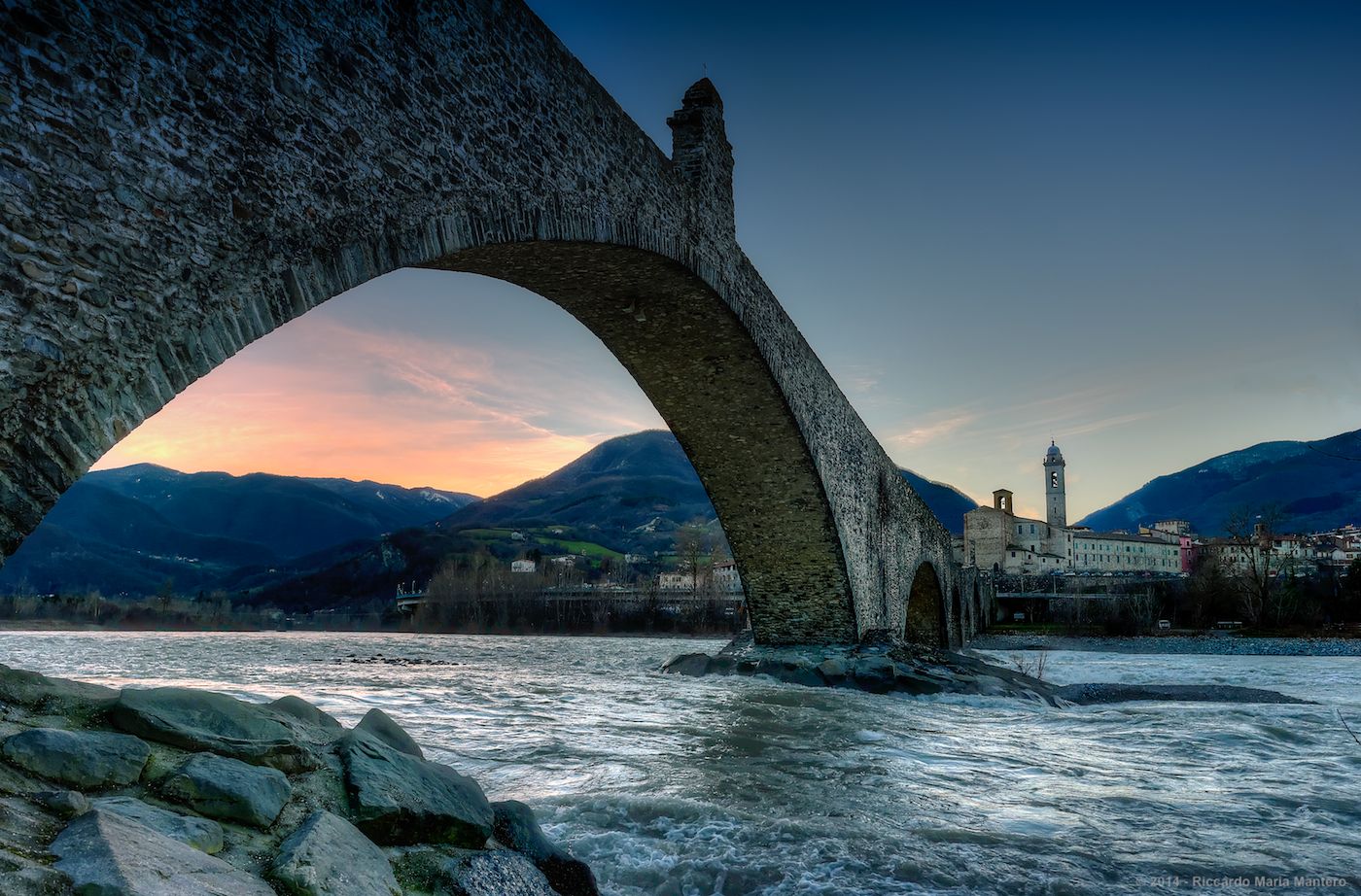
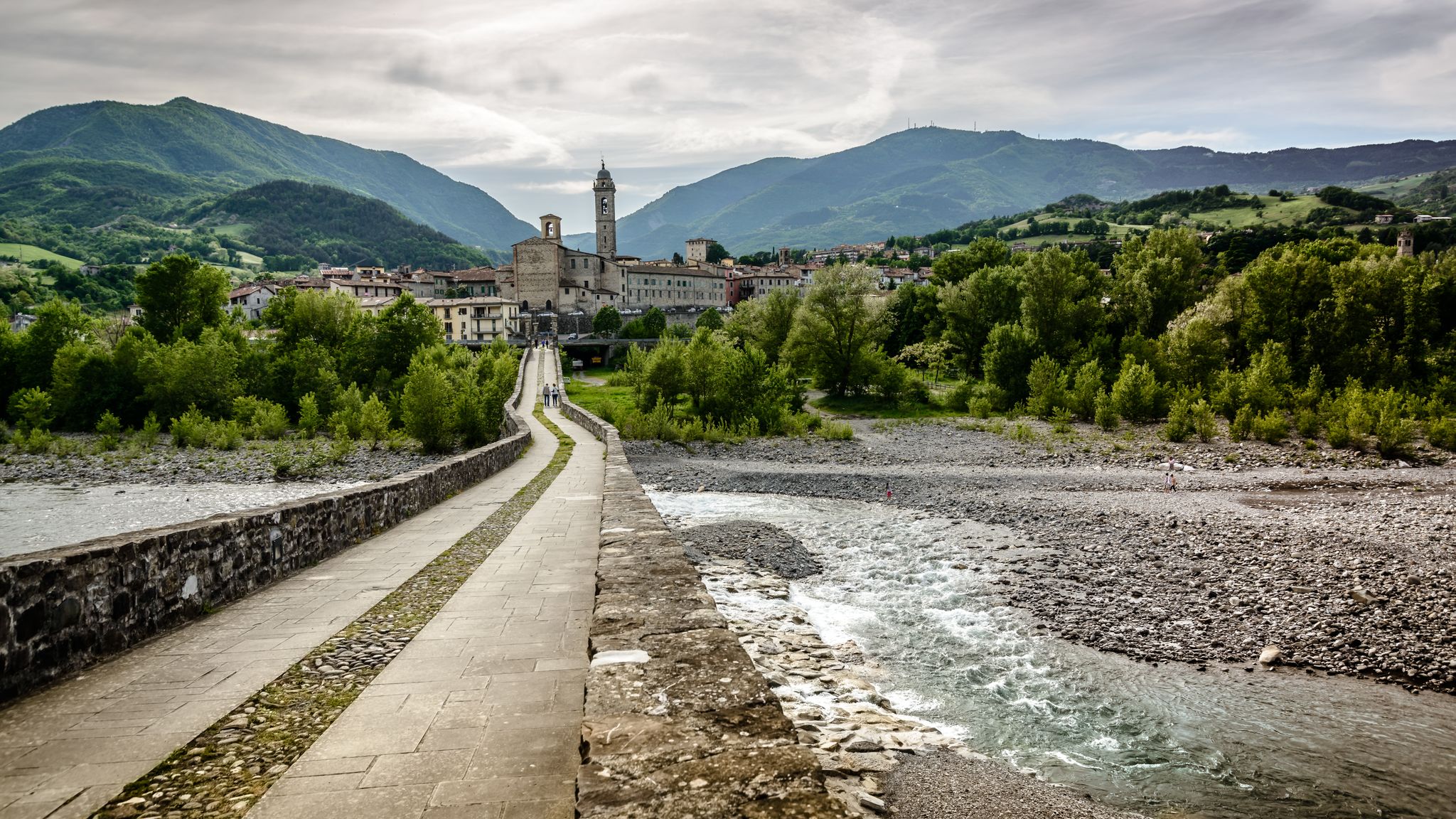
- The most popular attractions is Ponte Gobbo (Bobbio), a bridge that is a Roman structure having undergone numerous renovations over the centuries. It is characterized by its undulating shape, irregular arches, and relatively narrow carriageway, connecting the two banks of the river through a complicated succession of 11 irregular spans.
- Another must-see spot is Summit Cross of Monte Carevolo, a summit offering views and featuring a distinctive cross. Mount Carevolo is 1,552 m high and can be reached from Passo del Mercatello or Passo Crociglia.
- Visitors also love Bardi Castle, an imposing fort on the Ceno Valley. This medieval castle, situated on a natural hill of red jasper, offers an excellent view of the surrounding valley.
- Farini is known for its medieval heritage, natural features, and historical sites. Visitors can explore numerous villages, churches, castles, towers, and scenic river areas.
- The attractions around Farini are appreciated by the komoot community. The area features 20 hidden gems, with 34 upvotes and 27 photos contributed by users.
Last updated: May 9, 2026
Ponte Gobbo (Devil's Bridge) of Bobbio
Highlight • Bridge
An ancient legend is linked to the construction of the bridge: it is said that the devil contacted San Colombano, offering to build the bridge in a single night, in exchange for the first mortal soul to cross it. The saint accepted the offer. During the night, the devil called some little devils who helped him build the bridge, supporting the vaults with their own strength. These demons varied in height, which led to the creation of differently sized arches in the bridge. At dawn, the devil showed up at the end of the bridge to collect his "reward". Saint Columbanus sent a little dog to the devil as payment. Deceived, the devil returned to hell, but not before kicking his creation, causing the tilt that gives the bridge its characteristic "hunchback" appearance.
Translated by Google •
Tip by

Summit Cross of Monte Carevolo
Highlight • Summit
Translated by Google •
Tip by

Sign up now to discover places like this
Get recommendations on the best single tracks, peaks, & plenty of other exciting outdoor places.
Sign up for free
Bardi Castle
Highlight • Castle
Translated by Google •
Tip by

Ponte Gobbo
Highlight • Bridge
In the Middle Ages, the construction of a bridge was considered a miraculous feat. For this reason, the construction of such structures gave rise to many legends, often involving the devil: joining two places that God had wanted separated was seen by many as a "diabolical" work.
According to an ancient legend, Saint Columbanus, a 7th-century Irish monk, was eager to bring the word of God to the people living on the other bank of the Trebbia River, near the town of Bobbio. The devil promised to build the bridge in a single night, in exchange for the first mortal soul to cross it. The saint accepted. That night, the devil summoned several little devils who assisted him in the construction work, holding up the bridge's arches. The demons were of different heights, and thus the various arches of the bridge were of varying sizes.
In the morning, the devil stationed himself at the end of the bridge to demand his payment. But Saint Columbanus outwitted him by having his poor, suffering and very sick dog (some say it was a bear) cross the bridge instead of a man. The enraged devil returned to hell, but not before kicking his handiwork, which has been crooked ever since. It is said that the footprints of the unfortunate animal that served as a guinea pig still remain in the crypt of the Church of Saint Columbanus.
The Hunchback Bridge, also known as the Ponte Vecchio or, more precisely, the Devil's Bridge, is a Roman structure that has undergone numerous renovations over the centuries. The structure above dates back to the 7th century, but traces of an older bridge, dating back to before Columbanus' arrival, have been found underneath. The bridge, characterized by its undulating shape, irregular arches, and relatively narrow carriageway, is 280 meters long and connects the two banks of the river through a complicated succession of 11 irregular spans, varying in span and height, creating an undulating path from one end to the other. The Bobbio Bridge, now used only as a pedestrian crossing, is the very symbol of the city of San Colombano, as well as one of the strangest and most original architectural structures in Italy.
Source: Emilia-Romagna Region
Translated by Google •
Tip by

Mulino di Riè
Highlight • Historical Site
The Riè mill along the Perino stream is made up of two distinct blocks. The upstream part was the old mill, dating back to before the 19th century. The downstream structure dates back to the 19th century. The rooms of the plant differed based on their position and use: in the lower part there were the machinery for grinding the grain, while the upper part was used as accommodation for the miller.
Today only the machinery of the most recent mill remains of the grinding system. The two stone grinders, the pin, the external wheel and the water drainage channel have been preserved. Furthermore, the pin of the oldest wheel and the seat of the wheel's water tank are visible.
The historical, architectural and productive relevance of the plant has recently been recognized. In 2009 the Riè Mill was the subject of a conservative restoration intervention, which affected the stone slab roof covering and the external wheel.
Translated by Google •
Tip by

Sign up for free to discover even more attractions around Farini.
Sign up for free
Already have an account?
Start today with a free account
Your next adventure awaits.
Login or Signup
Popular around Farini
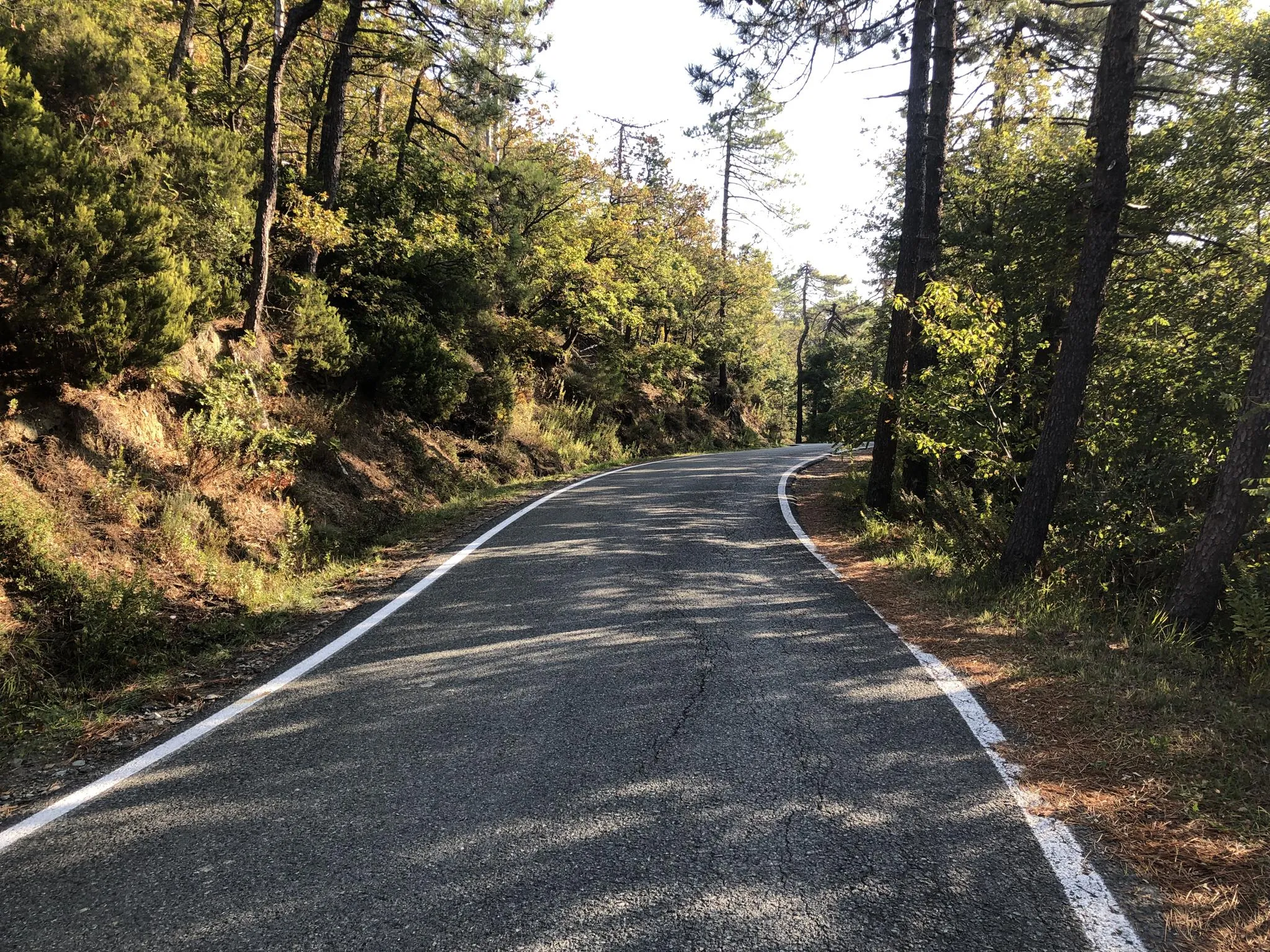
Apennine Cycle Route (Part 1) - From Liguria to Umbria
Hike from Milan to the sea – Path of the Celts and Ligurians
A historic hike from Pavia to Pontremoli – Via degli Abati
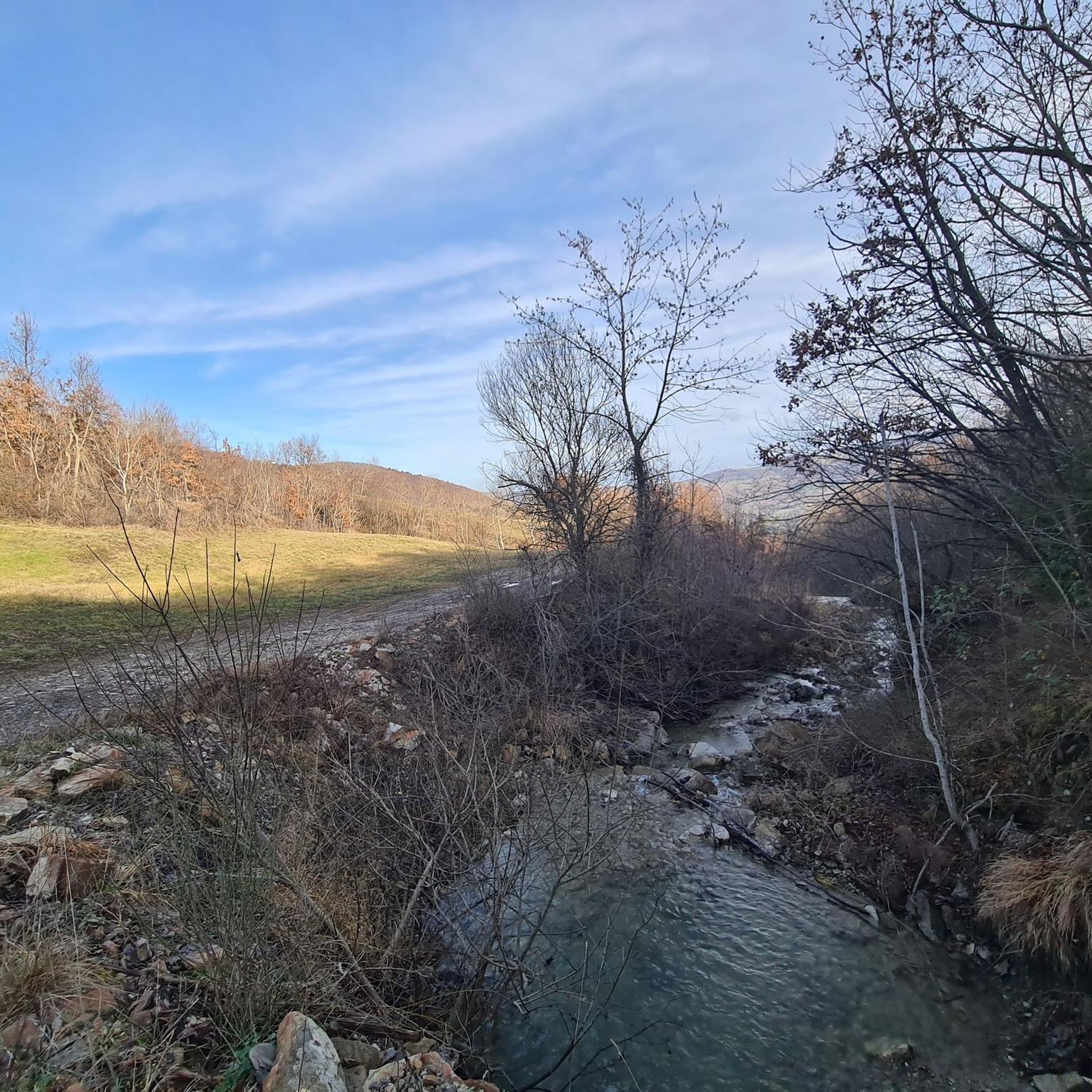
Hiking around Farini
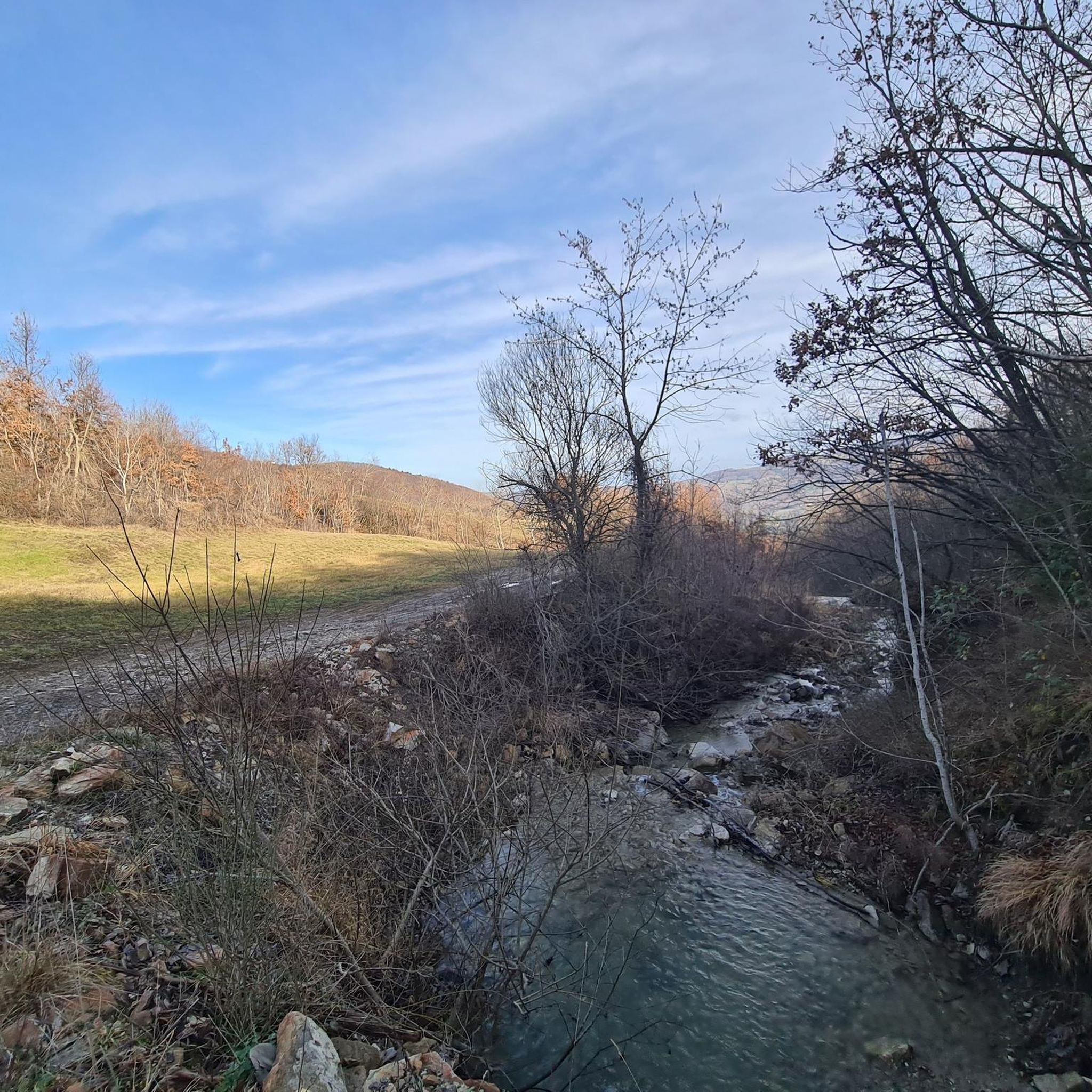
Road Cycling Routes around Farini
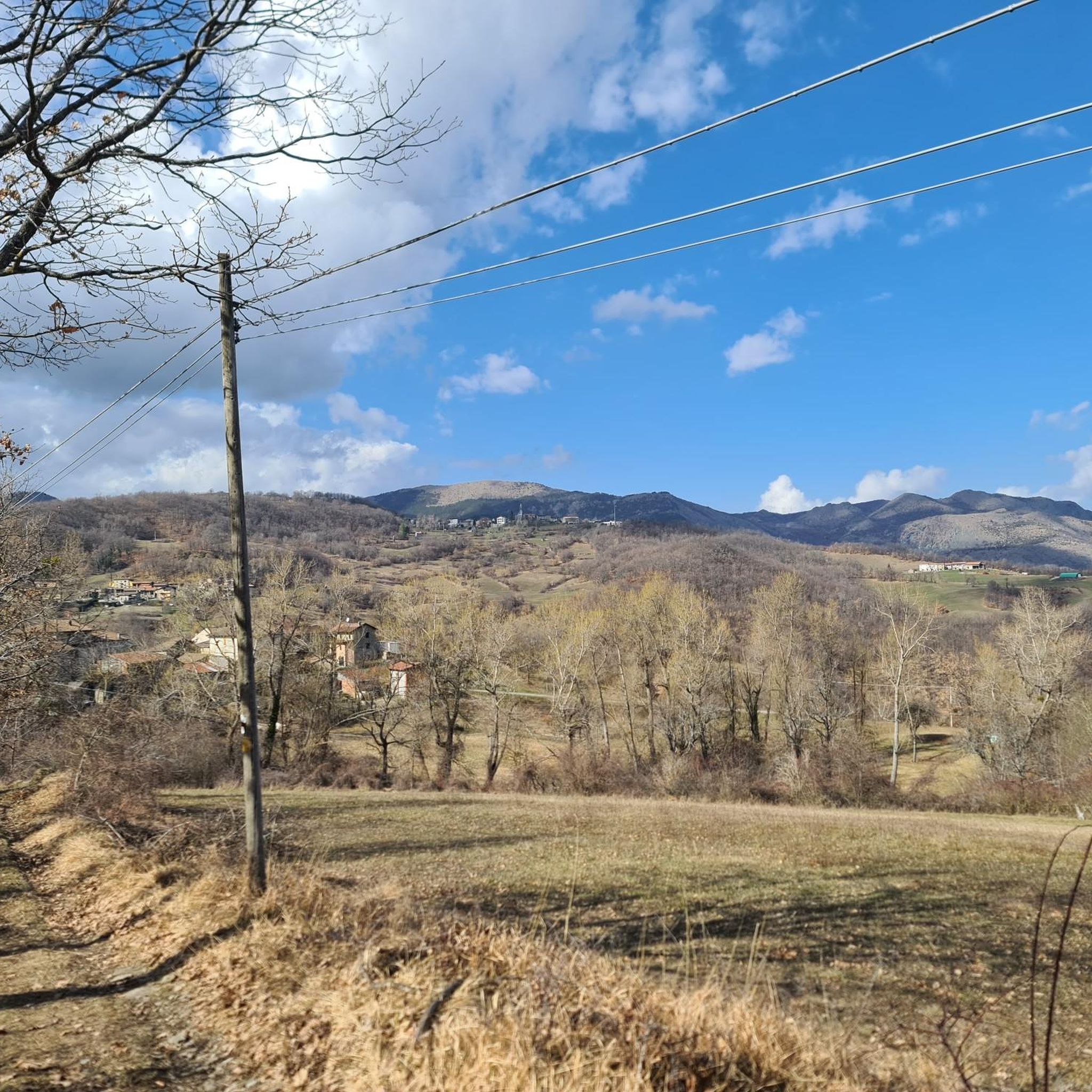
Cycling around Farini
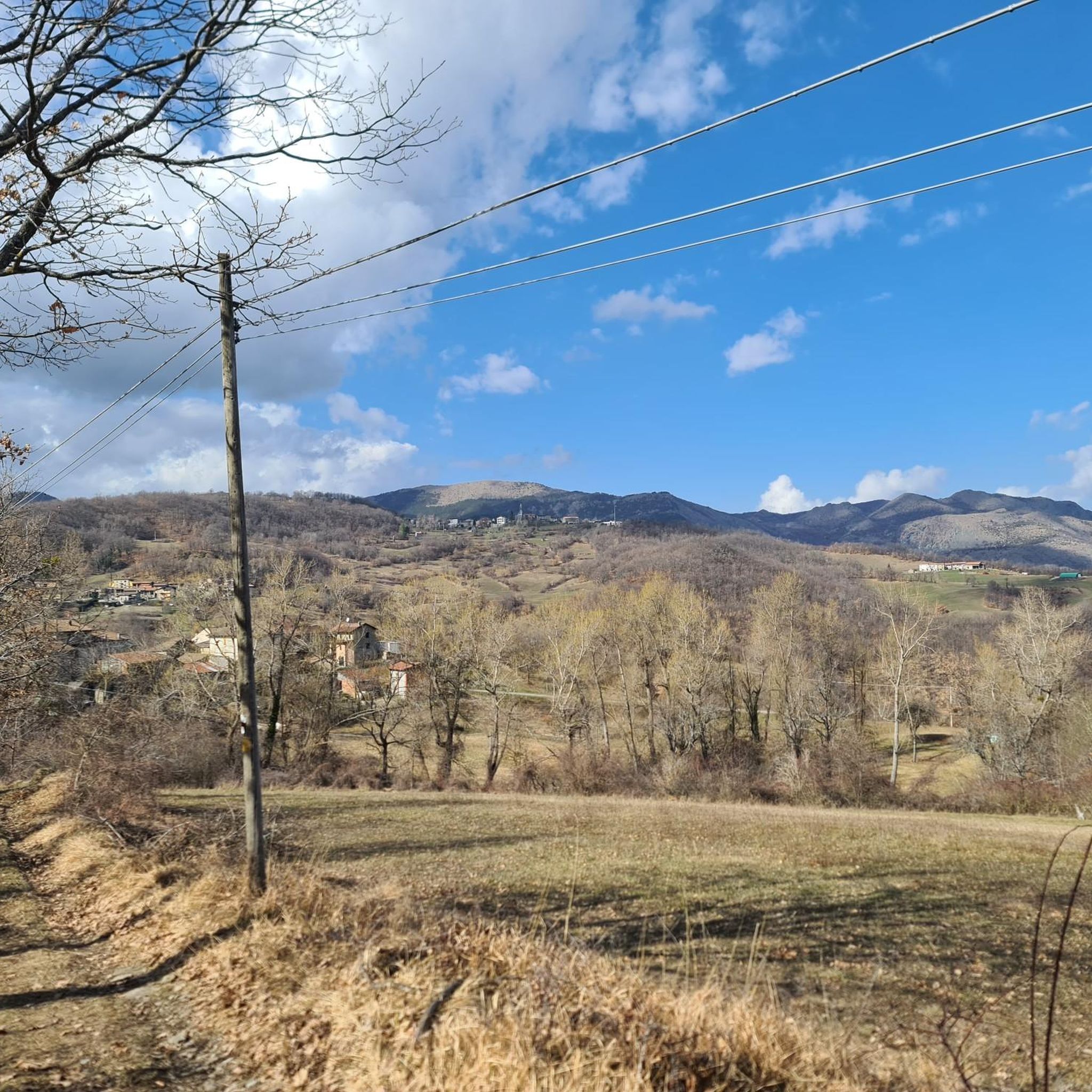
Running Trails around Farini
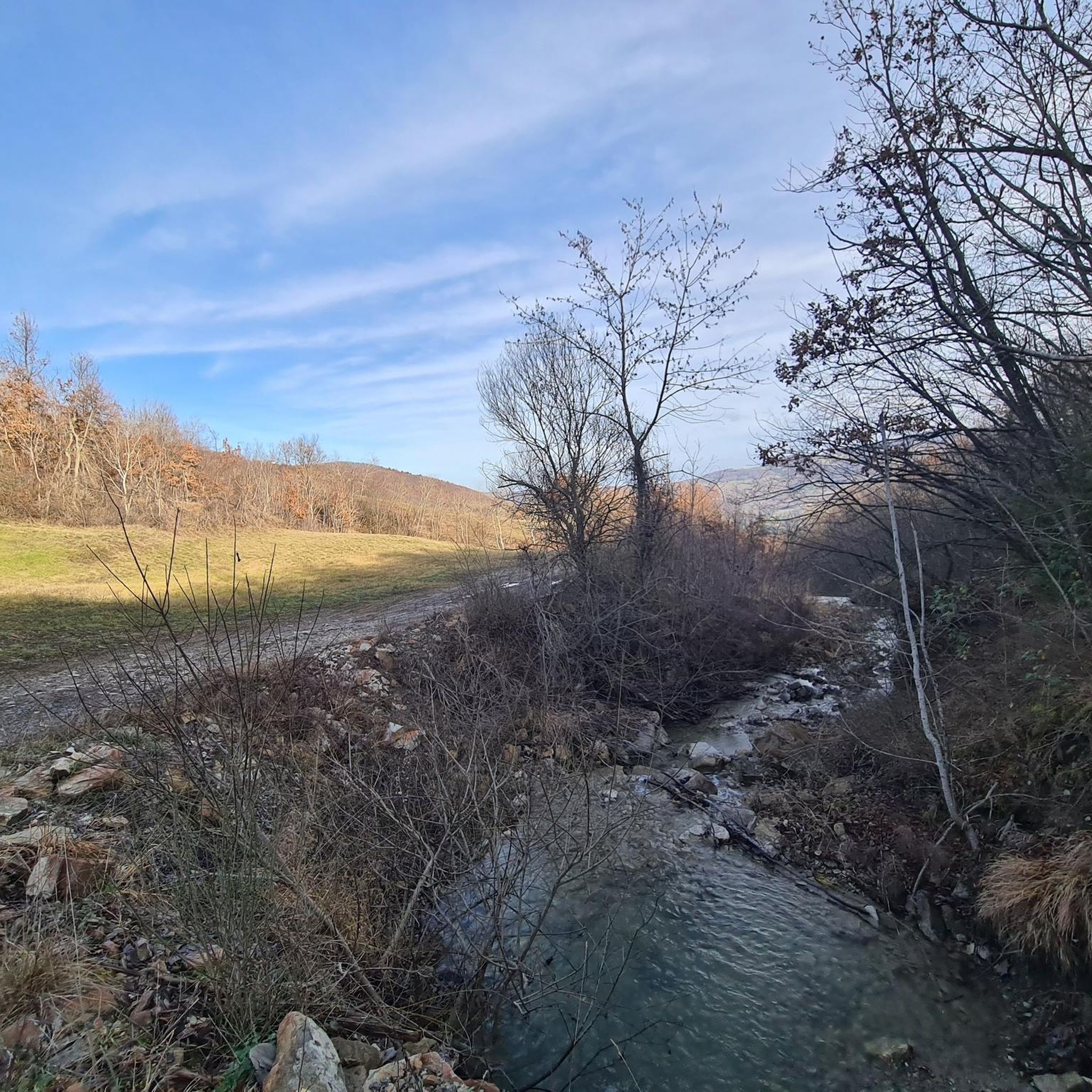
MTB Trails around Farini

Gravel biking around Farini
Other adventures around Farini


Tips from the Community

Hunchback Bridge or Devil's Bridge In the Middle Ages, the construction of a bridge was considered a miraculous feat. For this reason, the construction of such structures gave rise to many legends, often involving the devil: joining two places that God had wanted separated was seen by many as a "diabolical" work. According to an ancient legend, Saint Columbanus, a 7th-century Irish monk, was eager to bring the word of God to the people living on the other bank of the Trebbia River, near the town of Bobbio. The devil promised to build the bridge in a single night, in exchange for the first mortal soul to cross it. The saint accepted. That night, the devil summoned several little devils who assisted him in the construction work, holding up the bridge's arches. The demons were of different heights, and thus the various arches of the bridge were of varying sizes. In the morning, the devil stationed himself at the end of the bridge to demand his payment. But Saint Columbanus outwitted him by having his poor, suffering and very sick dog (some say it was a bear) cross the bridge instead of a man. The enraged devil returned to hell, but not before kicking his handiwork, which has been crooked ever since. It is said that the footprints of the unfortunate animal that served as a guinea pig still remain in the crypt of the Church of Saint Columbanus. The Hunchback Bridge, also known as the Ponte Vecchio or, more precisely, the Devil's Bridge, is a Roman structure that has undergone numerous renovations over the centuries. The structure above dates back to the 7th century, but traces of an older bridge, dating back to before Columbanus' arrival, have been found underneath. The bridge, characterized by its undulating shape, irregular arches, and relatively narrow carriageway, is 280 meters long and connects the two banks of the river through a complicated succession of 11 irregular spans, varying in span and height, creating an undulating path from one end to the other. The Bobbio Bridge, now used only as a pedestrian crossing, is the very symbol of the city of San Colombano, as well as one of the strangest and most original architectural structures in Italy. Source: Emilia-Romagna Region
1
0

The singular basaltic monolith beneath the Bardi castle is located at the beginning of the Bardi - Borgo Val di Taro stage of the Via degli Abati
0
0

Excellent view of the Piacenza valleys
0
0

A pretty little village with its characteristic castle, a convenient stopover for those taking the Appennino Bike Tour.
0
0

Great view between upper Nure valley and middle D'aveto valley
0
0

I arrive in Bobbio from a less busy road and with a beautiful view of Ponte
0
0

Frequently Asked Questions
What historical and cultural sites can I explore in and around Farini?
Farini is rich in medieval heritage. You can explore the ancient Ponte Gobbo (Bobbio), also known as the Devil's Bridge, which is a Roman structure with a unique undulating shape. Another significant site is the imposing Bardi Castle, situated on a natural hill of red jasper. Don't miss the historic Mulino di Riè, a characteristic rural mill along the Perino stream. The area also features the modern Parish Church of San Giuseppe in Farini town and the historic Church of Saint Lawrence the Martyr.
Are there any natural attractions or scenic viewpoints near Farini?
Yes, Farini is surrounded by natural beauty. The area spans both banks of the River Nure, offering scenic views. You can visit Sassi Neri, an attractive spot along the River Nure with a pool of water dominated by three black rocks, ideal for swimming in summer. The region also boasts beautiful side valleys formed by tributaries like Lobbia, Lavaiana, and Perino, and mountains covered with woods and pine forests. For panoramic views, head to the Summit Cross of Monte Carevolo, which offers extensive vistas.
What kind of outdoor activities can I do around Farini?
The mountainous surroundings of Farini are perfect for various outdoor activities. You can find numerous routes for mountain biking, cycling, and running. For example, there are challenging MTB trails like the "Passo di S. Barbara loop" and "Passo di Monte Menegosa – Rocky Area loop." Cyclists can enjoy routes such as the "Bardi Castle loop" or the extensive "Ponte Gobbo (Bobbio) – Bardi Castle loop." Running enthusiasts have options like the "Croce dei Segni loop" or the "Monte Osero loop." You can find more details on these activities in the dedicated guides for MTB Trails around Farini, Cycling around Farini, and Running Trails around Farini.
Are there family-friendly attractions or activities in the Farini area?
While specific family-friendly activities are not extensively detailed, the Bardi Castle is noted as family-friendly and includes a lush "Fairy Tale Park" below it, which could be enjoyable for children. The natural areas, such as Sassi Neri along the River Nure, offer opportunities for swimming and outdoor fun during the warmer months. Exploring the medieval villages and gentle walks in the side valleys can also be suitable for families.
What is the 'Via degli abati' and does it pass through Farini?
The 'Via degli abati,' also known as the 'Via Francigena of the Mountains,' is an ancient pilgrimage route established by Benedictine monks from San Colombano in Bobbio in the early Middle Ages. This historic path to Rome indeed passes through the Farini area, offering a unique opportunity to experience a significant piece of regional history and undertake a long-distance walk.
What are some less crowded natural spots to visit near Farini?
For those seeking tranquility, explore the numerous side valleys formed by tributaries of the River Nure, such as Lobbia, Lavaiana, and Perino. These areas, with their woods and pine forests, offer a charming mountain landscape away from more frequented spots. The Cascate del Perino (Perino Waterfalls) are also listed as an attraction and might offer a peaceful natural escape.
What do visitors enjoy most about the attractions around Farini?
Visitors appreciate the blend of natural beauty and rich medieval heritage. The Ponte Gobbo (Bobbio) is often highlighted for its evocative atmosphere, especially at sunrise or sunset. The Summit Cross of Monte Carevolo is valued for its challenging climb and rewarding views. The imposing presence and excellent views from Bardi Castle are also frequently praised by the komoot community.
Are there any notable churches or religious buildings in the Farini area?
Yes, the region has several significant religious buildings. In Farini town, you can find the Parish Church of San Giuseppe, a modern church featuring paintings by Luciano Richetti. The Church of Saint Lawrence the Martyr is another historical site with Baroque chapels and significant artworks. Additionally, the Church of Santa Maria Assunta in Groppallo, situated at an altitude of 1000 meters, is mentioned as a noteworthy site in a nearby village.
Can I find any unique architectural structures or towers in the vicinity of Farini?
Beyond the castles, the area is dotted with unique architectural structures. The Mulino di Riè is a characteristic example of rural architecture, showcasing ancient local economic activity. The Tower of Sant'Antonino in Cogno S. Savino is a recently restored historical point of interest. You can also find the Castello di Montechiaro, notable for its unique structure and isolated location with a tall central tower, and the Torre di Bobbiano, a medieval tower built on a small hill.
What is the best season for visiting Farini attractions?
While specific seasonal recommendations are not provided, the natural attractions like Sassi Neri are ideal for swimming in the summer. The mountainous landscape with woods and pine forests suggests that spring and autumn would offer pleasant temperatures for hiking and exploring the historical sites, with vibrant foliage in autumn. Winter might offer opportunities for different outdoor activities, though some paths could be less accessible.
Are there any long-distance walking or pilgrimage routes near Farini?
Yes, the historic "Via degli abati" (Abbot's Way), also known as the "Via Francigena of the Mountains," passes through the Farini area. This ancient pilgrimage route, established by Benedictine monks in the early Middle Ages, offers a significant long-distance walking experience connecting to Rome.
Most popular attractions around Farini

Get inspired with the komoot mobile app


Explore more
Still not found the Highlight you’re looking for? See guides of the top attractions in other regions:
