The best cycling routes around Farini
4.4
(127)
2,661
riders
21
rides
Touring cycling routes around Farini traverse a mountainous landscape within Italy's Emilia-Romagna region. The area is characterized by dense woods, pine forests, and river valleys carved by tributaries of the River Nure, such as the Lobbia, Lavaiana, and Perino. Historic pathways, including sections of the "Via degli Abati," connect medieval villages and offer varied terrain for cyclists. This region provides a mix of challenging climbs and scenic routes through its natural and historical features.
Best touring cycling routes around Farini
- The most popular touring cycling route is Bardi Castle – Bardi Castle loop from Farini, a 42.6 miles (68.5 km) trail that takes 4 hours 44 minutes to complete. This route features significant elevation gain through mountainous terrain.
- Another top favourite among local touring cyclists is Sella dei Generali – Chiesa di Pradovera loop from Farini, a difficult 27.6 miles (44.4 km) path. This route offers views across the region's varied landscape, including mountain passes.
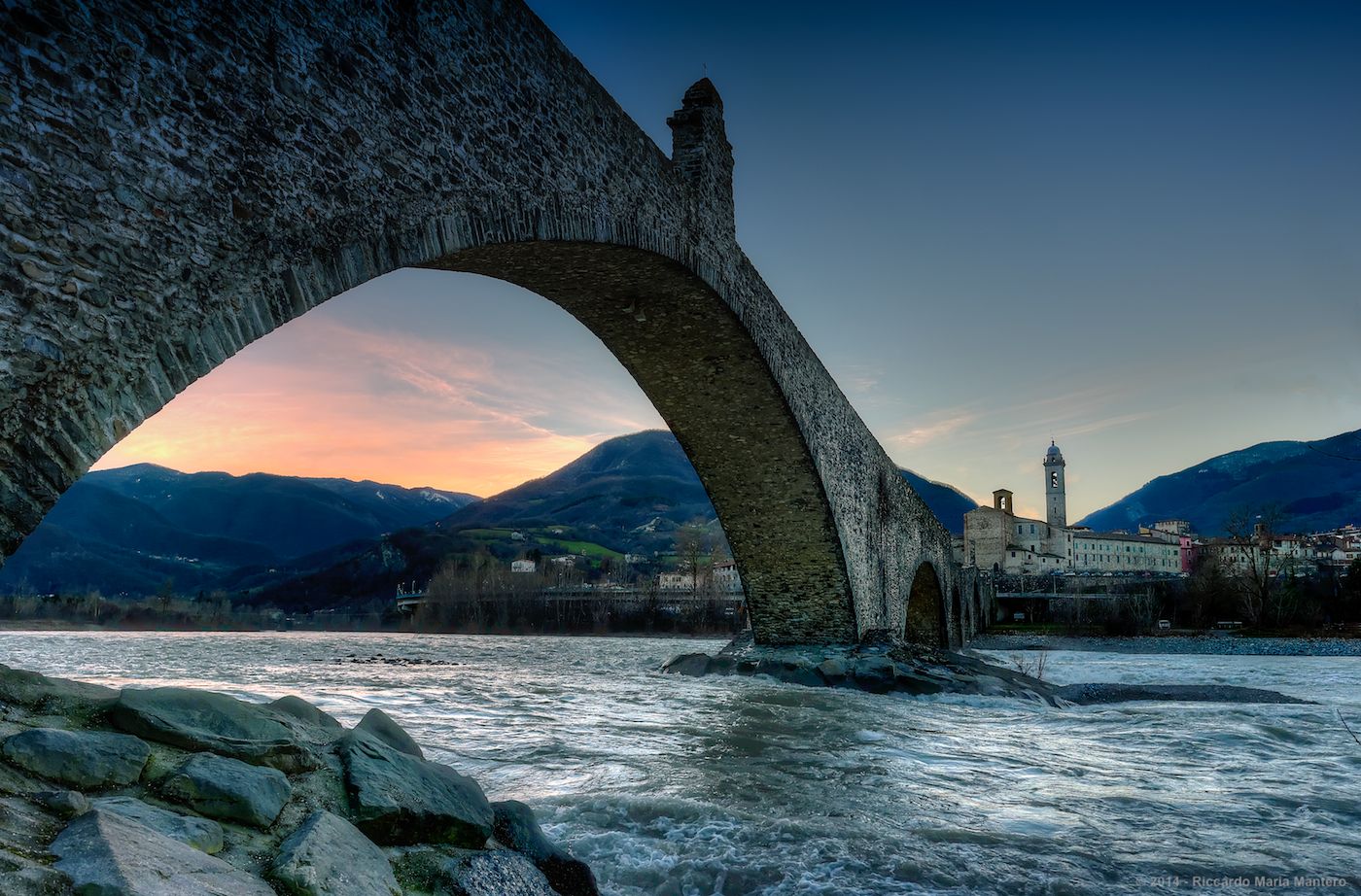
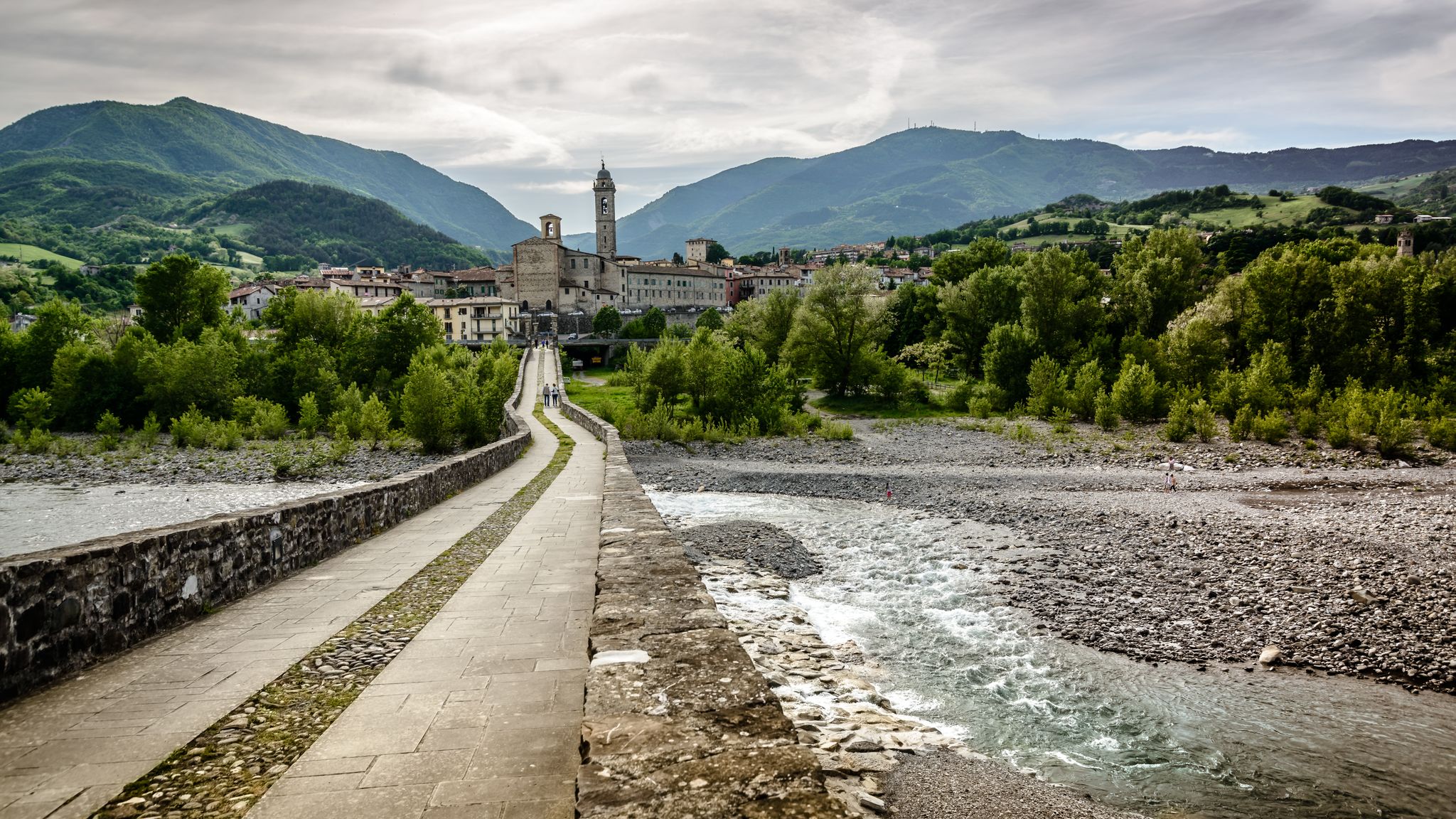
- Local touring cyclists also love the Ponte Gobbo – View of the Trebbia Valley loop from Farini, a 51.1 miles (82.3 km) trail leading through the Trebbia Valley, often completed in about 6 hours 20 minutes.
- Touring cycling around Farini is defined by mountainous terrain, river valleys, and historic pathways connecting medieval villages. The network offers options for moderate to difficult ability levels, with 3 moderate and 16 difficult routes available.
- The routes in Farini are highly rated by the komoot community with an average score of 4.4 stars from over 20 reviews. More than 700 touring cyclists have used komoot to explore Farini's varied terrain.
Last updated: August 25, 2026
5.0
(3)
33
riders
68.8km
04:43
1,250m
1,250m
Hard bike ride. Very good fitness required. Mostly paved surfaces. Suitable for all skill levels.
30
riders
50.2km
04:12
1,190m
1,190m
Hard bike ride. Very good fitness required. You may need to push your bike for some segments of this route.

Sign up for free
5.0
(1)
24
riders
44.4km
03:24
1,170m
1,170m
Hard bike ride. Very good fitness required. Mostly paved surfaces. Suitable for all skill levels.
20
riders
86.9km
06:44
2,170m
2,170m
Hard bike ride. Very good fitness required. Mostly paved surfaces. Suitable for all skill levels.
3.0
(1)
17
riders
48.8km
03:28
1,010m
1,010m
Hard bike ride. Very good fitness required. Mostly paved surfaces. Suitable for all skill levels.
Get access to more routes and recommendations from other explorers.
Sign up for free
Already have an account?
Our route recommendations are based on thousands of hikes, rides, and runs completed by other people on komoot.
Start today with a free account
Your next adventure awaits.
Login or Signup
Popular around Farini
Apennine Cycle Route (Part 1) - From Liguria to Umbria
Hike from Milan to the sea – Path of the Celts and Ligurians
A historic hike from Pavia to Pontremoli – Via degli Abati
Hiking around Farini
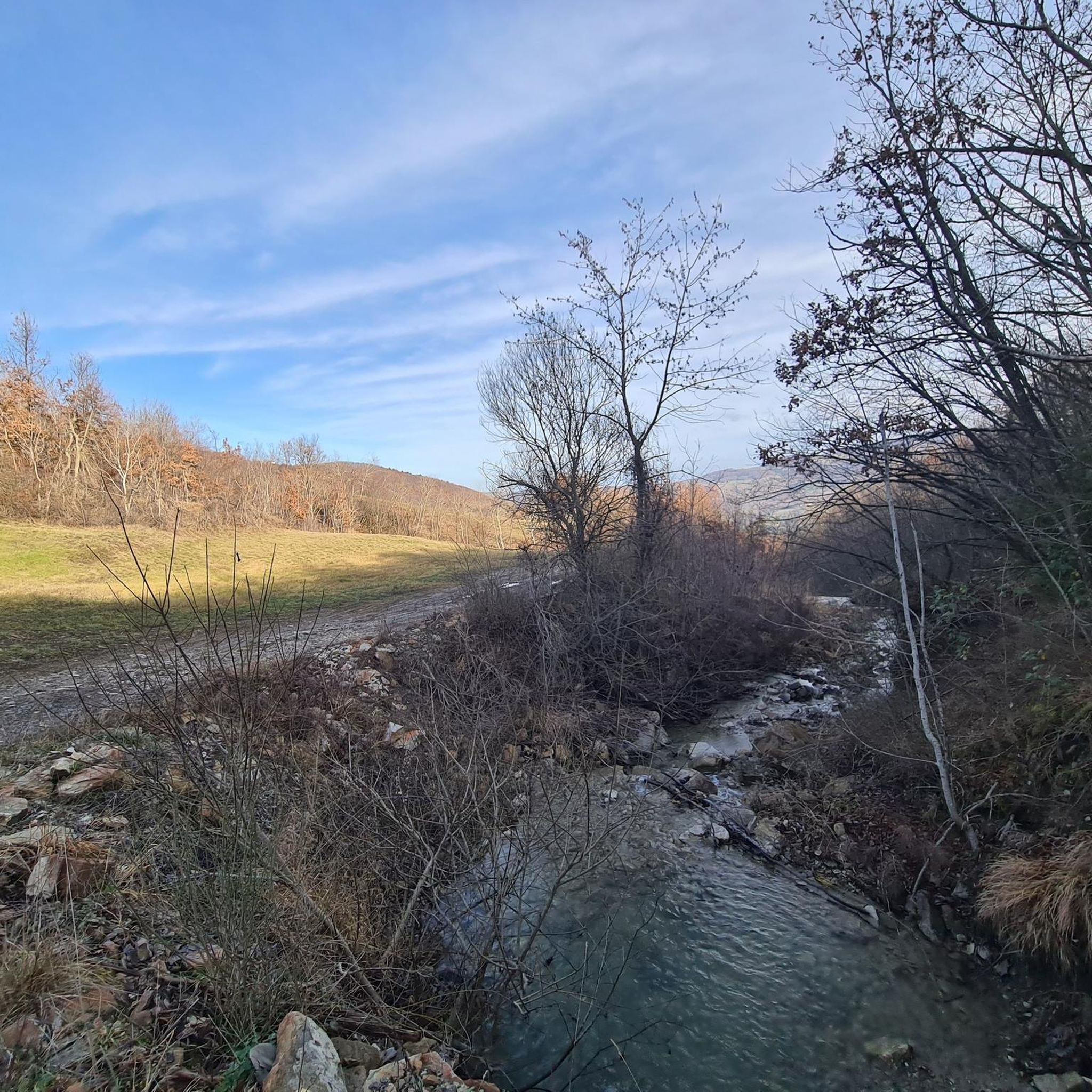
Road Cycling Routes around Farini
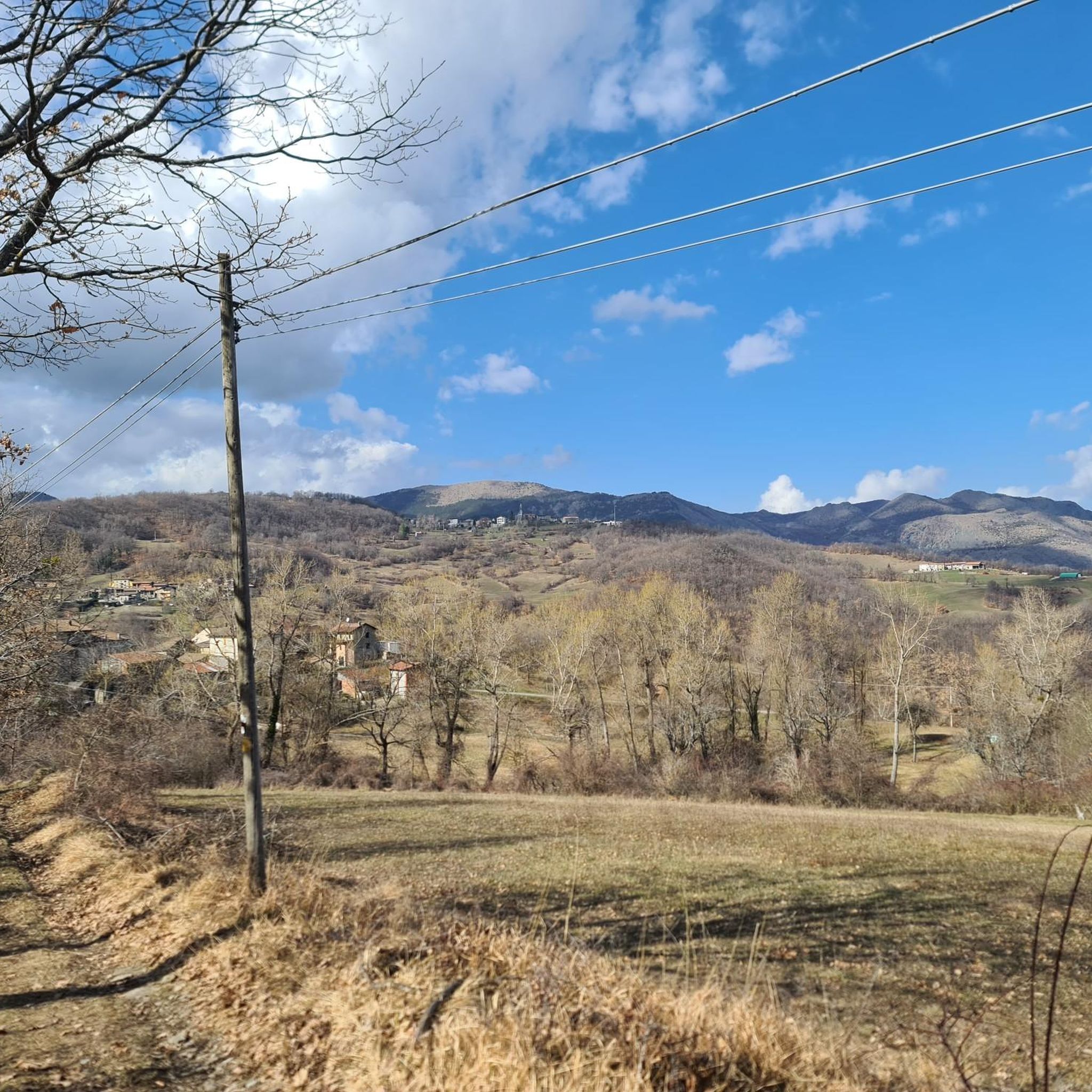
Running Trails around Farini
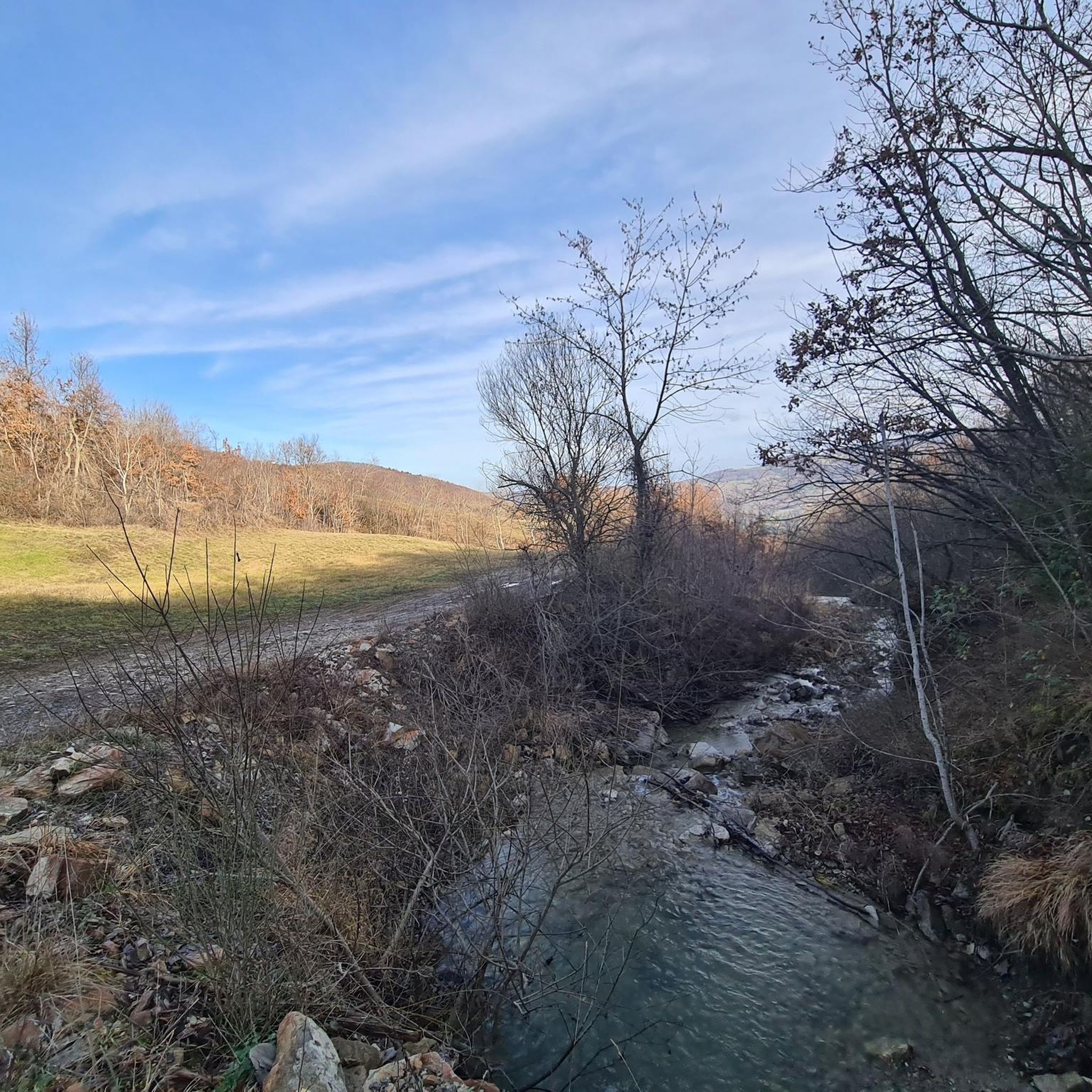
MTB Trails around Farini
Gravel biking around Farini
Other adventures around Farini


Tips from the Community

Even before the castle was built, the monks of the Abbey of Bobbio passed through Bardi on their Way to the Sea.
0
0

If you are on an MTB and heading to Lago Moo, it's time to stop playing and start the gravel climb… 😉
0
0
Beautiful place. Worth a stop.
0
0
Pleasant hut immersed in nature. We had a coffee, decent although it was inside a thermos, and a slice of potato cake. Good, but the portions are "for tasting"… For €3, a potato cake cannot be a tiny slice with just two bites… Portions aside, the place is worth a stop.
0
0

One of the most scenic spots in Val Trebbia.
14
0
The banks of the Trebbia river are among the most beautiful elements of the Trebbia Valley, especially in the stretch between Piacenza and the Ligurian-Emilian Apennines, where the river alternates gravel beaches, rocky walls, and very wild green areas.
13
0
The San Salvatore area, between Marsaglia and Bobbio, offers one of the most spectacular panoramas in the Trebbia Valley.
11
0

A charming little village nestled in a peaceful Apennine valley. It has everything you need: restaurants, a supermarket, fountains, and a lovely campsite.
0
0
Frequently Asked Questions
What kind of terrain can I expect on touring cycling routes around Farini?
Touring cycling routes around Farini primarily traverse a mountainous landscape, characterized by dense woods, pine forests, and river valleys carved by tributaries of the River Nure. You'll encounter varied terrain, from challenging climbs to scenic descents, often passing through historic pathways and medieval villages.
How many touring cycling routes are available in Farini?
There are 19 touring cycling routes available around Farini. The majority, 16 routes, are classified as difficult, while 3 are considered moderate, offering options for experienced cyclists looking for a challenge.
Are there any circular touring cycling routes in Farini?
Yes, many routes in Farini are designed as loops. For example, you can explore the Bardi Castle – Bardi Castle loop from Farini, which covers 68.5 km, or the Passo del Mercatello – Mercatello Pass loop from Farini, a 47.4 km ride with significant elevation.
What historical landmarks or natural attractions can I see along the touring cycling routes?
The region is rich in history and natural beauty. You can encounter medieval villages, churches, and castles, remnants of the Nicelli family's heritage. Natural attractions include the Sassi Neri, a unique swimming spot along the Nure river. Routes also pass by significant natural monuments like the Perino Waterfalls and the Carlone Waterfall, as well as various mountain passes such as Sella dei Generali.
What is the best time of year for touring cycling in Farini?
Farini's climate is temperate and cool, influenced by the Ligurian Sea, making spring and autumn ideal for touring cycling. The mountainous terrain means temperatures are generally milder than the plains, but it's always advisable to check local weather conditions, especially for higher passes.
Are there any routes that offer views of the Trebbia Valley?
Yes, the Ponte Gobbo – View of the Trebbia Valley loop from Farini is a notable route that takes you through the scenic Trebbia Valley, offering expansive views. This challenging 82.3 km route involves significant elevation gain.
What is the general difficulty level of touring cycling routes in Farini?
The touring cycling routes in Farini are predominantly challenging. Out of 19 available routes, 16 are rated as difficult, and 3 are moderate. Cyclists should be prepared for significant elevation gains and mountainous terrain.
What do other touring cyclists say about the routes in Farini?
The touring cycling routes in Farini are highly regarded by the komoot community, with an average rating of 4.4 stars from over 20 reviews. Cyclists often praise the varied terrain, the scenic beauty of the river valleys, and the historical charm of the medieval villages encountered along the way.
Can I find routes that connect Farini to other towns or regions?
Yes, Farini is strategically located with roads connecting to other areas. For instance, the SP 654 road links Farini to the plains and extends towards Ferriere and Liguria. Other roads lead towards Bedonia in the province of Parma or the Trebbia valley, offering opportunities for longer tours like the Ponte Gobbo (Bobbio) – Bardi Castle loop from Farini.
Are there specific mountain passes I can cycle over in the Farini area?
Absolutely. The region features several notable mountain passes that are popular with touring cyclists. These include Sella dei Generali, Pianazze Pass, and Passo di S. Barbara. Cycling over these passes offers both a physical challenge and rewarding panoramic views.
What is the longest touring cycling route available from Farini?
The longest touring cycling route listed from Farini is the Ponte Gobbo (Bobbio) – Bardi Castle loop from Farini. This challenging route spans approximately 132 km and involves over 3,400 meters of elevation gain, typically taking a full day to complete.
Most popular attractions around Farini

Get inspired with the komoot mobile app


Explore more
Browse the best Cycling routes in other regions.
