The best road cycling routes around Borghetto Di Vara
4.6
(390)
6,177
riders
87
rides
Road cycling around Borghetto Di Vara offers routes through the varied terrain of the Ligurian Apennines, characterized by rolling hills, mountain passes, and coastal views. The region features significant elevation changes, with routes often climbing to panoramic viewpoints over the valleys and the Ligurian Sea. Road cyclists can expect a mix of challenging ascents and winding descents on paved roads.
Best road cycling routes around Borghetto Di Vara
- The most popular road cycling route is View of La Spezia –…
Last updated: July 1, 2026
4.5
(6)
83
riders
65.5km
03:21
890m
890m
Moderate road ride. Good fitness required. Some segments of this route may be unpaved and difficult to ride.
5.0
(1)
50
riders
45.1km
02:22
730m
730m
Moderate road ride. Good fitness required. Mostly well-paved surfaces and easy to ride.

Sign up for free
4.0
(1)
24
riders
39.2km
01:49
410m
410m
Moderate road ride. Good fitness required. Mostly well-paved surfaces and easy to ride.
4.0
(1)
28
riders
60.2km
03:07
1,050m
1,050m
Hard road ride. Very good fitness required. Mostly well-paved surfaces and easy to ride.
9
riders
138km
07:39
2,750m
2,750m
Hard road ride. Very good fitness required. Some segments of this route may be unpaved and difficult to ride.
Get access to more routes and recommendations from other explorers.
Sign up for free
Already have an account?
Our route recommendations are based on thousands of hikes, rides, and runs completed by other people on komoot.
Start today with a free account
Your next adventure awaits.
Login or Signup

Tips from the Community

The Oratory of San Giacomo was built at the end of the 16th century, next to the Church of Madonna della Costa. More information: https://it.wikipedia.org/wiki/Oratorio_di_San_Giacomo_(Levanto)
0
0

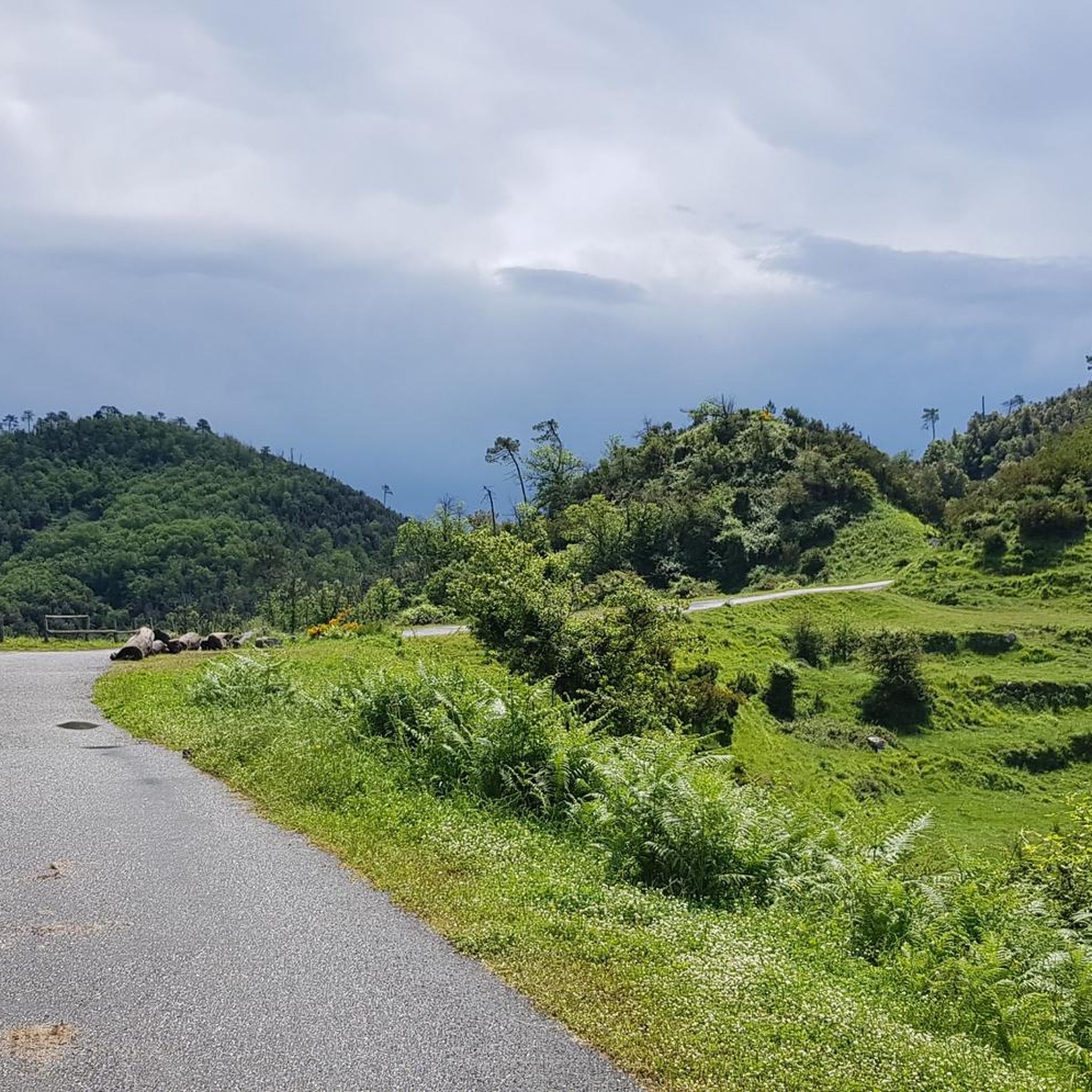
beautiful, quiet pass with picnic area
0
0

Update September 2025: Fieschi Castle is temporarily closed for renovations
0
0
A small, quiet town in the Vara Valley. A good starting point for a circular tour of Lunigiana (Rastrello Pass or Calzavitello Pass).
0
0

Situated at 956 meters between the Vara and Aveto Valleys, the Bocco Pass is one of the historic passes of the Ligurian Apennines, used since ancient times as a connection between the Tyrrhenian coast and the Po Valley hinterland. Already in Roman times, it was part of a secondary transit network, but it was especially in the Middle Ages and modern times that the pass assumed a central role in local traffic: a route for merchants, shepherds, and pilgrims, it connected Chiavari and the Riviera with Varese Ligure and the Emilian plains. Traces of the ancient paving are still visible today in the surrounding woods. During the Second World War, the area served as a refuge for partisan groups, thanks to its secluded location and dense forest cover. Today, the pass is a destination for cyclists and hikers, immersed in an unspoiled mountain landscape of beech and fir forests and highland meadows, at the gateway to the Aveto Regional Natural Park.
0
0
The name Calice al Cornoviglio combines two distinctive elements of the village: "Calice," of uncertain origin but perhaps derived from the Latin calix (cup), referring to the site's concave shape, and "Cornoviglio," the mountain (561 m) that overlooks the village and lends its name to the entire ridge. This toponym appears in medieval documents and recalls the village's ancient connection with the surrounding Apennine territory. Calice was long ruled by the Malaspina dello Spino Secco family, who built a strategic castle there, documented since the 11th century and modified several times over the centuries. Today, the fortress houses the Diocesan Museum of Sacred Art and the Chestnut Documentation Center, two testimonies to the profound intertwining of history, spirituality, and the territory's resources. A short distance away is the parish church of Santa Maria Lauretana, an elegant 18th-century Baroque building with exquisite decorations and a polychrome marble high altar. The village comes alive throughout the year with traditional events such as the Feast of Our Lady of Loreto (September), the Chestnut Festival (October) and various summer festivals, which highlight the historical and cultural roots of the place.
0
0
The church is the seat of the ancient brotherhood, founded in the second half of the 13th century. The Brotherhood of San Giacomo until the end of the 16th century (1585/1600) had its own Oratory on the Costa hill, on the right side of the Church dedicated to the Virgin of the same name. In the last three decades of the sixteenth century, the brothers of San Giacomo began and completed the new headquarters, given the fact that the Church of Nostra Signora della Costa would have to be expanded. The construction of the Oratory, on land belonging to the da Passano, engaged the brotherhood for fifteen years, it was supported by the income of a "capital census" paid by the Community of the Borgo, with collections among the faithful, in addition to the fact that the brothers lent their work to carpenters, blacksmiths, ironworkers, bricklayers and carpenters. On 23 June 1600 the Diocesan Bishop of Luni-Sarzana Giovanni Battista Salvago consecrated the new Oratory, also granting the association the privilege of burying its deceased brothers there.
0
0

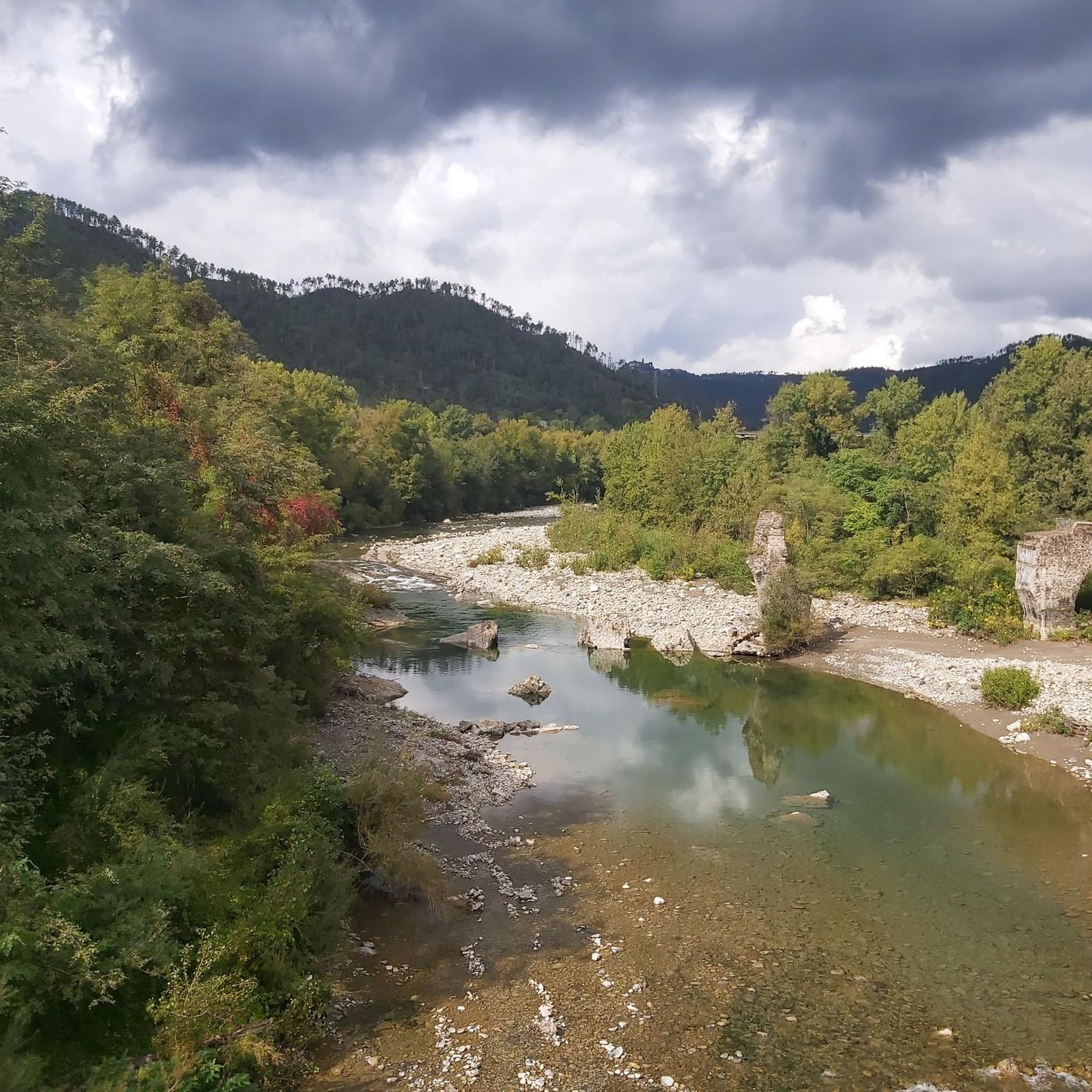
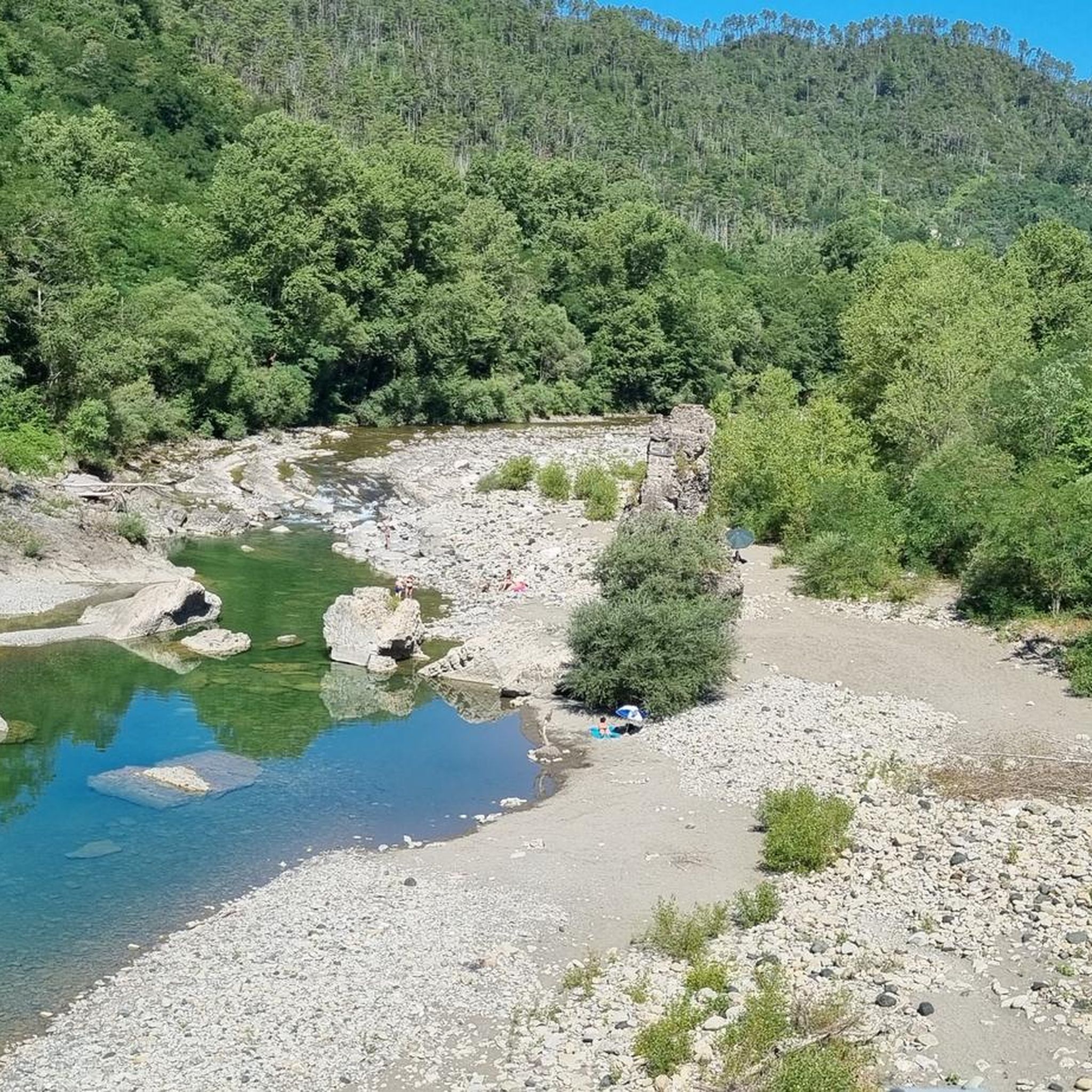
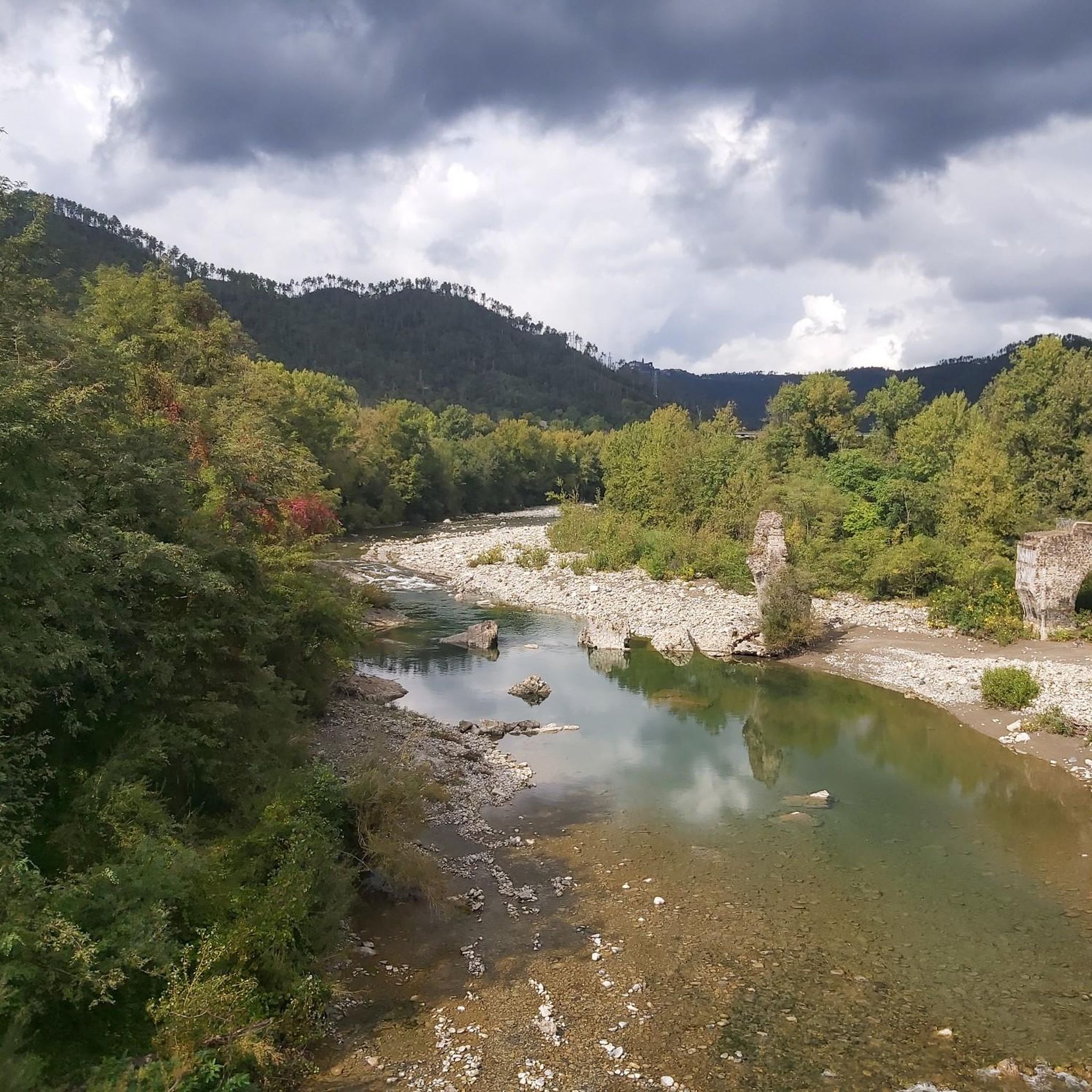
Quiet road through the beautiful valley. A bit uneven in places, but easily manageable with a racing bike.
0
0
Frequently Asked Questions
How many road cycling routes are available around Borghetto Di Vara?
There are over 80 road cycling routes around Borghetto Di Vara, offering a wide range of options from moderate rides to difficult climbs through the Ligurian Apennines.
What is the best time of year for road cycling in Borghetto Di Vara?
The spring and autumn months generally offer the most pleasant conditions for road cycling in Borghetto Di Vara, with milder temperatures and less tourist traffic. Summer can be hot, especially on climbs, while winter might present challenges with cooler temperatures and potential for rain in the higher elevations.
Are there easy road cycling routes for beginners in Borghetto Di Vara?
While many routes feature significant elevation changes, there are 6 routes classified as easy. For a moderate option that navigates through river valleys and small villages, consider the Varese Ligure - start – Piazza Marconi, Sesta Godano loop from Carrodano, which is 40.8 miles (65.7 km) long.
Where can I find challenging road bike climbs around Borghetto Di Vara?
Borghetto Di Vara is known for its challenging mountain passes and significant elevation gains. Many of the 45 difficult routes feature extensive climbs. A notable option is the Mola Pass (650 m) – Passo di Cento Croci (1,055 m) loop from Area di Sosta Castagnolasca ovest, which includes ascents to high passes.
Are there circular road cycling routes in Borghetto Di Vara?
Yes, many of the road cycling routes around Borghetto Di Vara are designed as loops. For example, the popular View of La Spezia – Panoramic view of Monterosso loop from Carrodano offers extensive climbs and coastal vistas in a circular format.
Can I find scenic road cycling routes with viewpoints?
Absolutely. The region is rich in panoramic views, especially over the valleys and the Ligurian Sea. The Mola Pass (650 m) – Panorama on Levanto loop from Brugnato is a great choice, leading through mountain passes and offering stunning coastal panoramas.
What natural sights can I see along road cycling routes near Borghetto Di Vara?
Many routes offer views of the stunning Ligurian coastline and the Apennine landscape. You might encounter highlights such as the Coastal Trail Between Levanto and Monterosso or various viewpoints like the View of Monterosso and the Cinque Terre Coast, offering breathtaking vistas of the famous Cinque Terre region.
Are there any other attractions or points of interest near the road cycling routes?
Beyond natural beauty, the area is close to the Cinque Terre National Park, offering numerous trails. While primarily a road cycling guide, you might also find mountain biking highlights nearby, such as the Freeride Trail 28-19, if you're looking to explore other cycling disciplines.
Where can I park my car when road cycling in Borghetto Di Vara?
Parking is generally available in the villages and towns that serve as starting points for routes, such as Carrodano or Brugnato. Look for designated parking areas or public spaces within these localities. Always check local signage for any restrictions.
Are there road bike friendly cafes along the routes?
Given the region's strong cycling culture, many villages and towns along the routes will have local cafes and trattorias where cyclists can stop for refreshments. These often provide a welcoming atmosphere for those on two wheels, offering coffee, pastries, and light meals.
What do other road cyclists enjoy the most about road cycling in Borghetto Di Vara?
The komoot community highly rates road cycling in Borghetto Di Vara, with an average score of 4.6 stars from over 300 reviews. Cyclists often praise the challenging ascents, the rewarding panoramic views of the coast and valleys, and the well-paved, winding roads that make for an engaging ride.
Are there any shorter road cycling routes suitable for a quicker ride?
Yes, for a shorter ride, you can explore routes like the Ponte Vecchio di Pignone loop from Brugnato. This moderate route covers 31.3 miles (50.4 km) and can typically be completed in under two hours, offering a pleasant experience without extensive duration.
Most popular routes around Borghetto Di Vara
Most popular attractions around Borghetto Di Vara

Get inspired with the komoot mobile app


Explore more
Browse the best Road cycling routes in other regions.
