Attractions and Places To See around Podenzana - Top 20
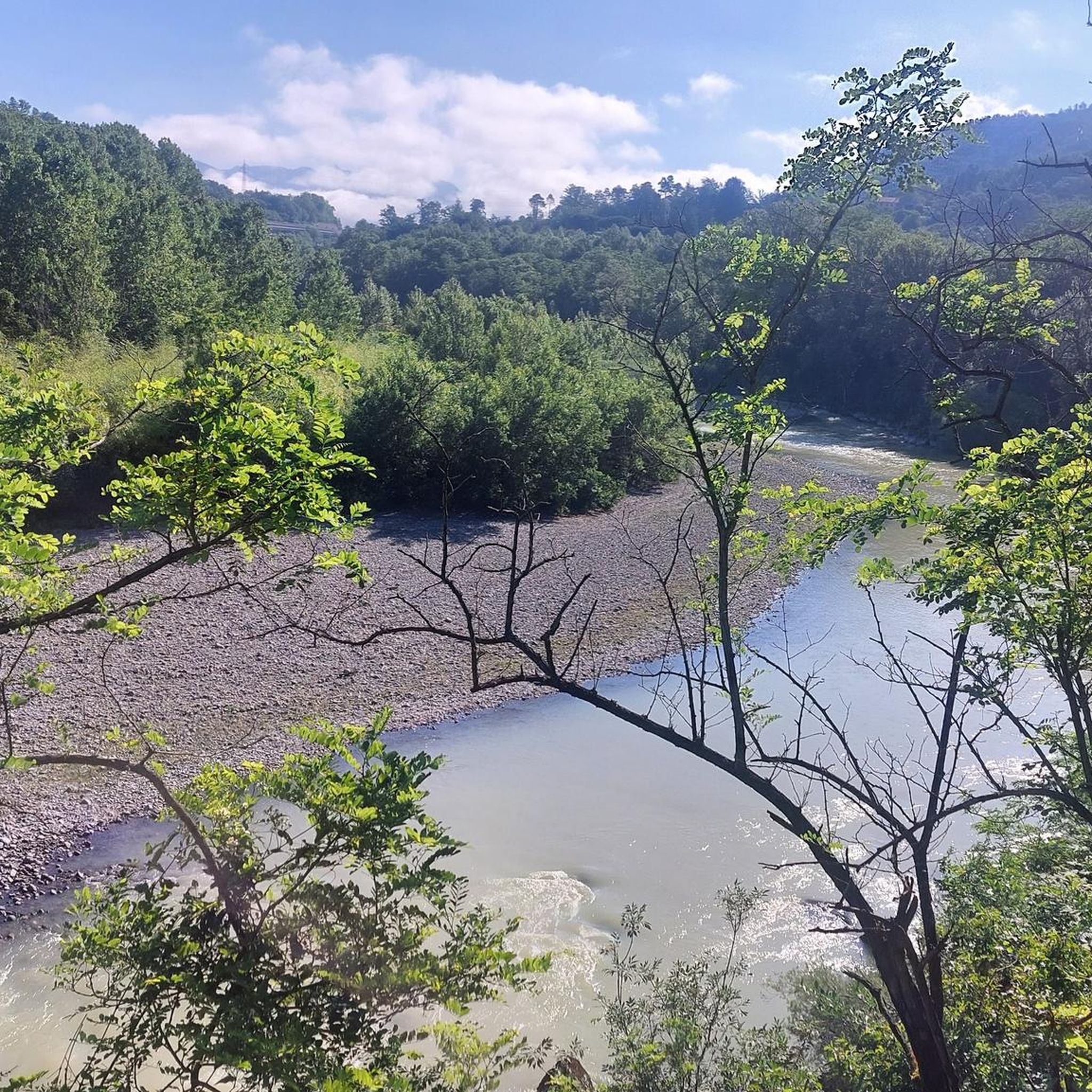
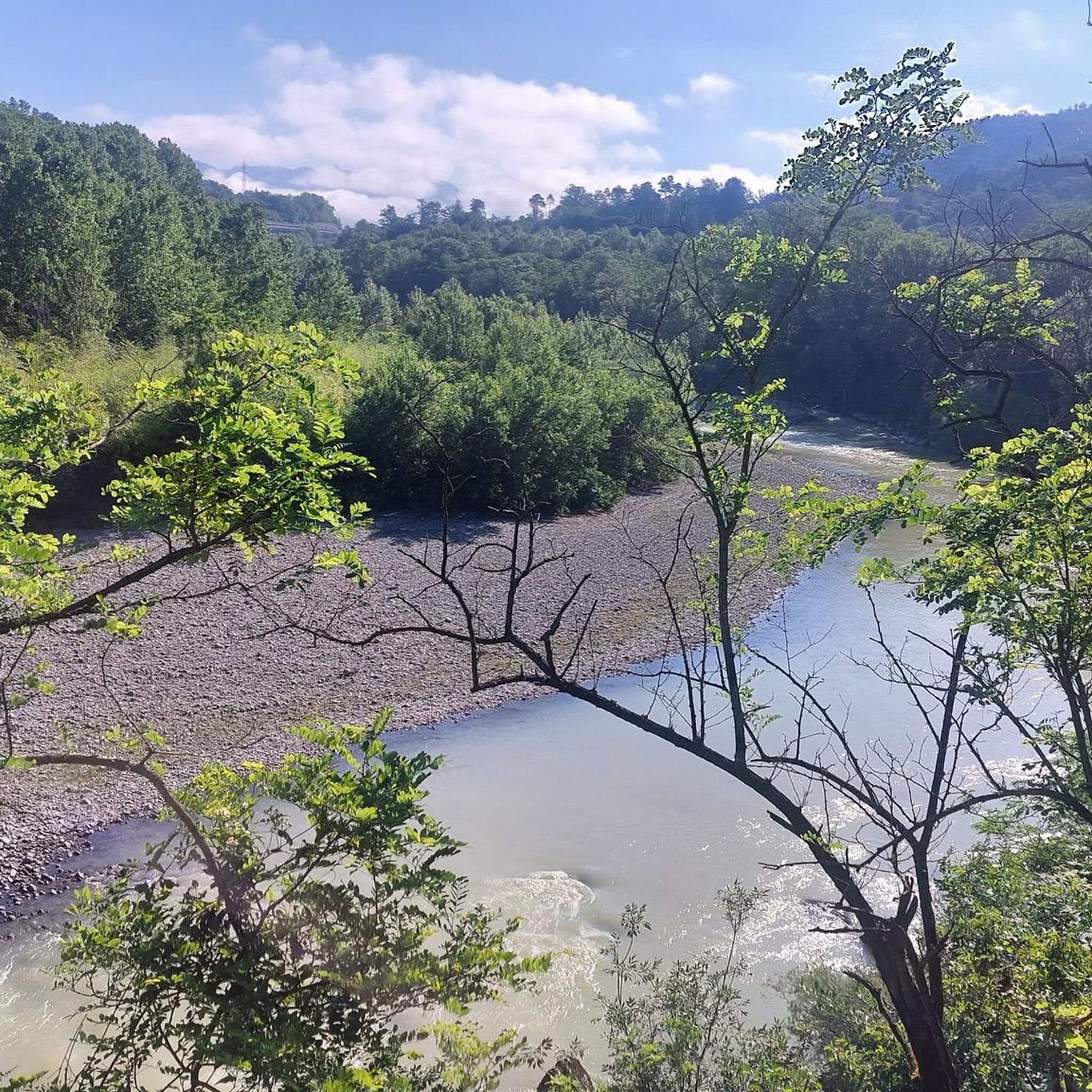
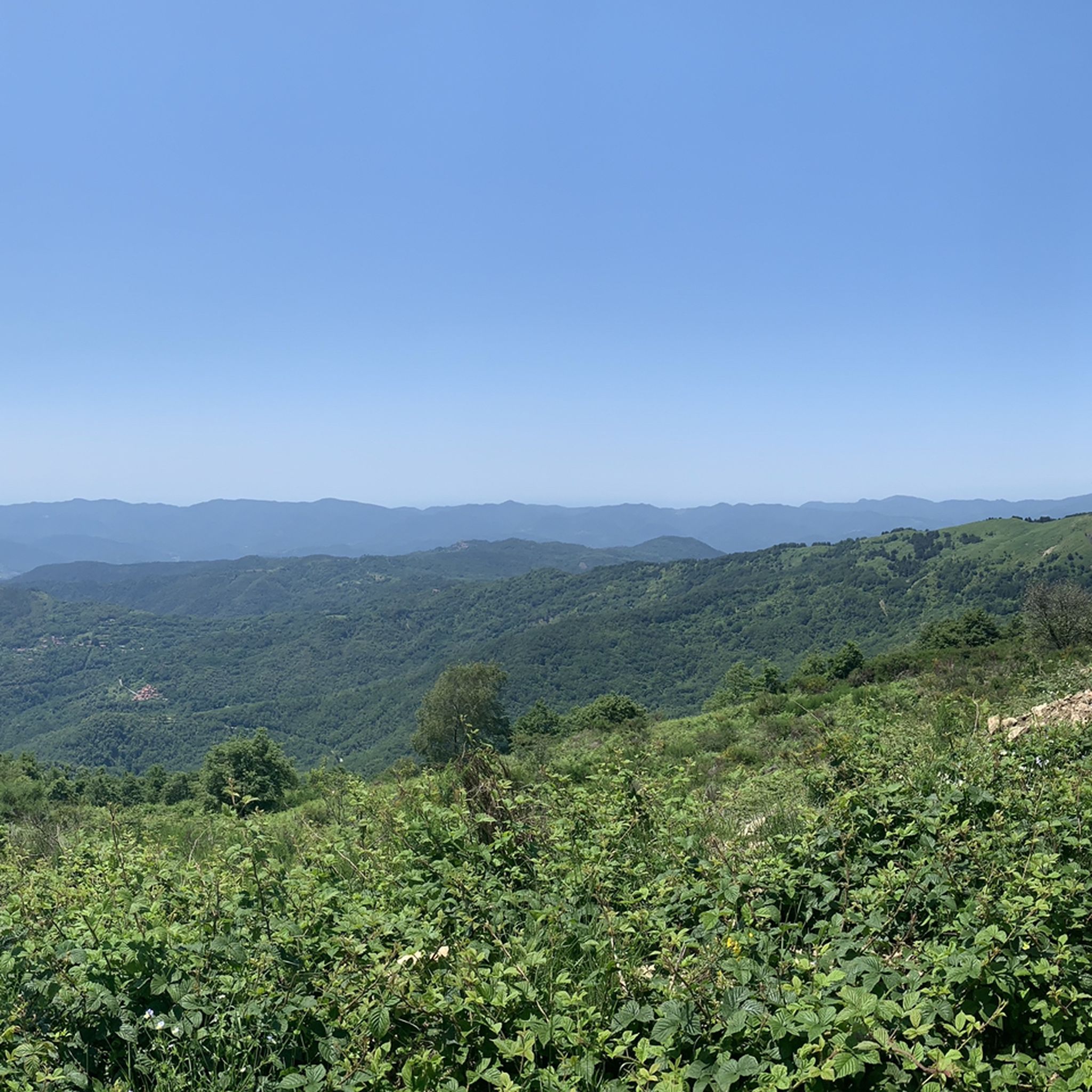
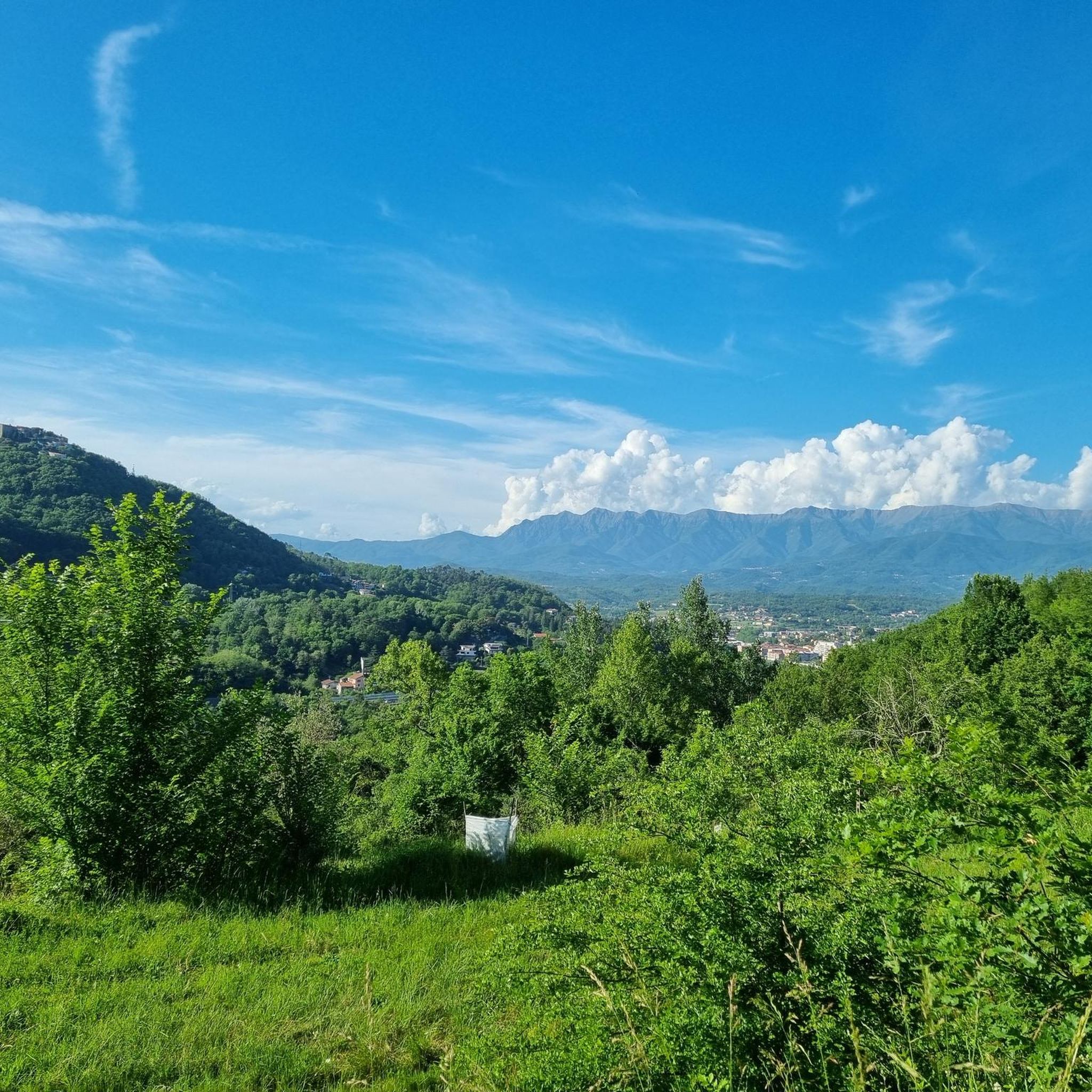
Best attractions and places to see around Podenzana include historical landmarks, cultural sites, and natural features nestled in the green hills of Lunigiana. This region, founded around the year 1000, offers a blend of history and diverse landscapes, encompassing parts of both the Magra River valley and the Vara Valley. Visitors can explore ancient chestnut groves and enjoy the scenic backdrop of the Apuan Alps. The area provides opportunities for outdoor enthusiasts to discover its natural beauty.
Best attractions and…
Last updated: July 7, 2026
La Spezia Seafront
Highlight • Viewpoint
Translated by Google •
Tip by

Richard Wagner Statue
Highlight • Monument
Translated by Google •
Tip by

Sign up now to discover places like this
Get recommendations on the best single tracks, peaks, & plenty of other exciting outdoor places.
Sign up for free
Firmafede Fortress
Highlight • Castle
Translated by Google •
Tip by

Cathedral of Santa Maria Assunta
Highlight • Religious Site
Translated by Google •
Tip by

Lusuolo Castle and Medieval Village
Highlight • Castle
Translated by Google •
Tip by
Sign up for free to discover even more attractions around Podenzana.
Sign up for free
Already have an account?
Start today with a free account
Your next adventure awaits.
Login or Signup
Tips from the Community

The Citadel, also known as the Sarzana Fortress or Firmafede Fortress, was the first fortification in Sarzana, built in the 13th century. It was owned by the lord Castruccio Castracani, who made numerous significant modifications to its defenses. After its destruction by Florence in 1487, it was rebuilt on the orders of Lorenzo de' Medici. In 1494, the Republic of Genoa, having regained possession of Sarzana, completed work on the Citadel. The fortress is used as a venue for cultural events and exhibitions and also houses the Fortress Museum, an interactive exhibit that traces the history of Sarzana and the Lunigiana region.
0
0
It was built on the area where the parish church of San Basilio once stood, starting in 1204. Construction work ended in 1474 with the completion of the upper part of the façade by Leonardo Riccomanni. Following the completion of the work, in 1735 the statues of Saint Eutychiano in the centre, of Sergius IV on the left and of Nicholas V on the right were placed on the façade. The building, which represents the sum of all the historical-artistic production of Sarzana and the Magra Valley, has been elevated to a minor basilica. It preserves, among other works, the crucifix by Mastro Gugliermo (1138), the first dated example of a painted cross in the history of art.
0
0

The building of the Cathedral of St. Mary of the Assumption, erected on the area occupied by the previous parish church of San Basilio, is consequent to the transfer of the bishop's seat from Luni to Sarzana in 1204. È assai probabile che i lavori siano effettivamente iniziati solo alla fine del secolo XIII. In 1355, the lower part of the façade was completed (as recalled by the inscription engraved on the marble architrave of the portal), while in 1474 Lorenzo Riccomanni da Pietrasanta created the rose window that adorns the upper part. The construction of the bell tower also dates back to the 15th century, while between the end of the 17th century and the beginning of the 18th century, the two side bodies flanking the marble façade were built to open the six internal chapels. Also dating back to the 18th century are the statues placed at the crowning of the building depicting three important exponents of the Lunigiana church: Pope Sergius IV, St. Eutichiano and Nicholas V. The interior with three wide naves divided by octagonal pillars and covered by a valuable wooden coffered ceiling, created in 1670 by Pietro Giambelli from Pisa, preserves important testimonies of art and faith: among them, the Reliquary of the Precious Blood of Christ and the painted Cross by Mastro Guglielmo, a cornerstone of Italian Romanesque painting, signed and dated 1138. (c) https://visitsarzana.it/cathedral-santa-maria-assunta/
0
0

It stretches for several kilometers and offers a lovely stroll along the sea, with views of the harbor, yachts, and the surrounding hills. It is lined with palm trees and numerous benches on both sides. The highlight of the promenade is the pedestrian bridge, which opened in 2013. The beautiful city park is located right next to the promenade.
0
0
To mark the 20th anniversary of the town twinning between Bayreuth and La Spezia, a bronze sculpture by Richard Wagner now adorns La Spezia Square.
2
0
Beautiful promenade, with palm trees on both sides. There's also a very nice fish restaurant there.
2
0

Is a pleasant relaxing walk by the sea and under palm trees
0
0
Very interesting history and beautiful statue
0
0
Frequently Asked Questions
What historical sites can I explore around Podenzana?
Podenzana and its surroundings offer a rich history. You can visit the impressive Firmafede Fortress, a 13th-century castle rebuilt by Lorenzo de' Medici, which now hosts cultural events and a Museum of the Fortresses. Another significant site is the Lusuolo Castle and Medieval Village, an excellent example of medieval architecture that now houses the Museum of Emigration. Don't miss the Cathedral of Santa Maria Assunta (Carrara), an ancient Tuscan Gothic church known for its historical significance. Additionally, the 17th-century Sanctuary of the Madonna della Neve on Mount Gaggio and the Romanesque Pieve di Sant'Andrea in Montedivalli are notable cultural sites.
Are there any natural features or viewpoints to enjoy near Podenzana?
Yes, Podenzana is nestled in the green hills of Lunigiana, offering diverse landscapes. You can experience the vast and evocative scenery with the Apuan Alps as a backdrop, particularly from the strategic location of Podenzana Castle (though private). The region encompasses parts of both the Magra River valley and the Vara Valley, providing varied natural beauty. For a pleasant walk along the water, visit the La Spezia Seafront, a clean promenade lined with palm trees.
What outdoor activities can I do near Podenzana?
Podenzana is ideal for nature lovers, with numerous opportunities for outdoor enthusiasts. You can immerse yourself in ancient chestnut groves along trails suitable for trekking and cycling. For specific routes, consider exploring the nearby hiking trails like the 'Historic Churches Trail from Panigara to Monte Termi Dritti' or 'From Ceparana to Bolano'. If you prefer running, the 'Magra River Greenway' offers a scenic path. Mountain biking enthusiasts can tackle challenging routes such as 'Pontebosio Castle – Borgo di Apella loop from Aulla Lunigiana'. You can find more details on these activities in the hiking guide, running guide, and MTB guide for the area.
Are there family-friendly attractions in the Podenzana area?
Many attractions around Podenzana are suitable for families. The Firmafede Fortress and Cathedral of Santa Maria Assunta (Carrara) are historical sites that can engage older children. The La Spezia Seafront offers a pleasant walk for all ages, with ice cream and coffee available. Additionally, the region's numerous hiking and cycling trails through chestnut groves provide opportunities for active family outings.
What cultural events or local traditions are unique to Podenzana?
Podenzana is known for its vibrant local traditions. A significant event is the festival celebrating the Madonna della Neve, held every August at the Sanctuary of the Madonna della Neve on Mount Gaggio. For food lovers, the Sagra del Panigaccio, also held every August, is a must-visit. This festival celebrates the 'panigaccio,' an iconic local unleavened bread baked in earthenware dishes.
Can I learn about the local culture and history of the Lunigiana region?
Yes, beyond the specific landmarks, you can delve deeper into the region's heritage. The Firmafede Fortress houses the Museum of the Fortresses, offering an interactive route through the history of Sarzana and Lunigiana. The Lusuolo Castle and Medieval Village hosts the Museum of the Emigration of the People of Tuscany. While not directly in Podenzana, the nearby Museo Civico Etnografico Giovanni Podenzana in La Spezia provides insight into the customs and lifestyles of rural communities in Lunigiana from the 18th to early 20th century.
What is the significance of the Richard Wagner Statue near Podenzana?
The Richard Wagner Statue commemorates the town twinning between Bayreuth and La Spezia. It marks the location where Richard Wagner was inspired to create the prelude to Rheingold on September 4, 1853. This bronze sculpture highlights a unique cultural connection between the two cities.
Are there any religious sites of interest in the area?
Absolutely. The Cathedral of Santa Maria Assunta (Carrara) is a prominent religious building, dating back to the 12th century, known for its Tuscan Gothic style and housing a blood relic of Jesus Christ. Additionally, the 17th-century Sanctuary of the Madonna della Neve (or del Gaggio) on Mount Gaggio is a significant cultural and religious site, where tradition holds the Madonna appeared to a woodcutter.
What do visitors enjoy most about the attractions around Podenzana?
Visitors frequently appreciate the blend of historical depth and natural beauty. The historical sites like Firmafede Fortress and Lusuolo Castle offer a glimpse into the region's past. Many enjoy the scenic walks along the La Spezia Seafront, noting its cleanliness and pleasant atmosphere. The overall charm of the Lunigiana hills and the opportunities for outdoor activities are also highly valued by the komoot community.
Are there opportunities for hiking or walking with varying difficulty levels?
Yes, the area around Podenzana offers a range of hiking and walking routes. You can find moderate trails like the 'Historic Churches Trail from Panigara to Monte Termi Dritti' (9 km) or 'From Ceparana to Bolano' (6.7 km). These trails allow you to explore the ancient chestnut groves and diverse landscapes. More options, including routes with different distances and difficulty grades, are available in the hiking guide for Podenzana.
What is the best time of year to visit Podenzana for attractions and outdoor activities?
The region's mild climate generally makes it pleasant to visit for much of the year. For outdoor activities like hiking and cycling through the chestnut groves, spring and autumn offer comfortable temperatures and beautiful scenery. Summer is ideal for enjoying local festivals like the Sagra del Panigaccio and the Madonna della Neve festival in August, though it can be warmer for strenuous outdoor activities. The historical sites are generally accessible year-round.
Most popular routes around Podenzana
Most popular attractions around Podenzana

Get inspired with the komoot mobile app


Explore more
Still not found the Highlight you’re looking for? See guides of the top attractions in other regions:
