Attractions and Places To See around Montenero Sabino - Top 20
Best attractions and places to see around Montenero Sabino include a blend of historical landmarks, natural beauty, and cultural sites. This medieval village, situated on a spur amidst green forests in Italy's Sabina region, offers a tranquil setting. Its unique urban structure features houses lining Via Roma, connecting the Church of San Cataldo Vescovo to the Castello Orsini. The surrounding Sabine mountain range provides a backdrop for exploring natural features and panoramic views.
Best attractions and places to see around…
Last updated: August 31, 2026
Ponte Vecchio of Posticciola
Highlight • Bridge
Translated by Google •
Tip by

San Michele Cave
Highlight • Cave
Translated by Google •
Tip by

Sign up now to discover places like this
Get recommendations on the best single tracks, peaks, & plenty of other exciting outdoor places.
Sign up for free
Amphitheater of Trebula Mutuesca
Highlight • Historical Site
Translated by Google •
Tip by

Rocca Sinibalda Castle
Highlight • Castle
Translated by Google •
Tip by
Tancia Inn
Highlight • Restaurant
Translated by Google •
Tip by
Sign up for free to discover even more attractions around Montenero Sabino.
Sign up for free
Already have an account?
Start today with a free account
Your next adventure awaits.
Login or Signup
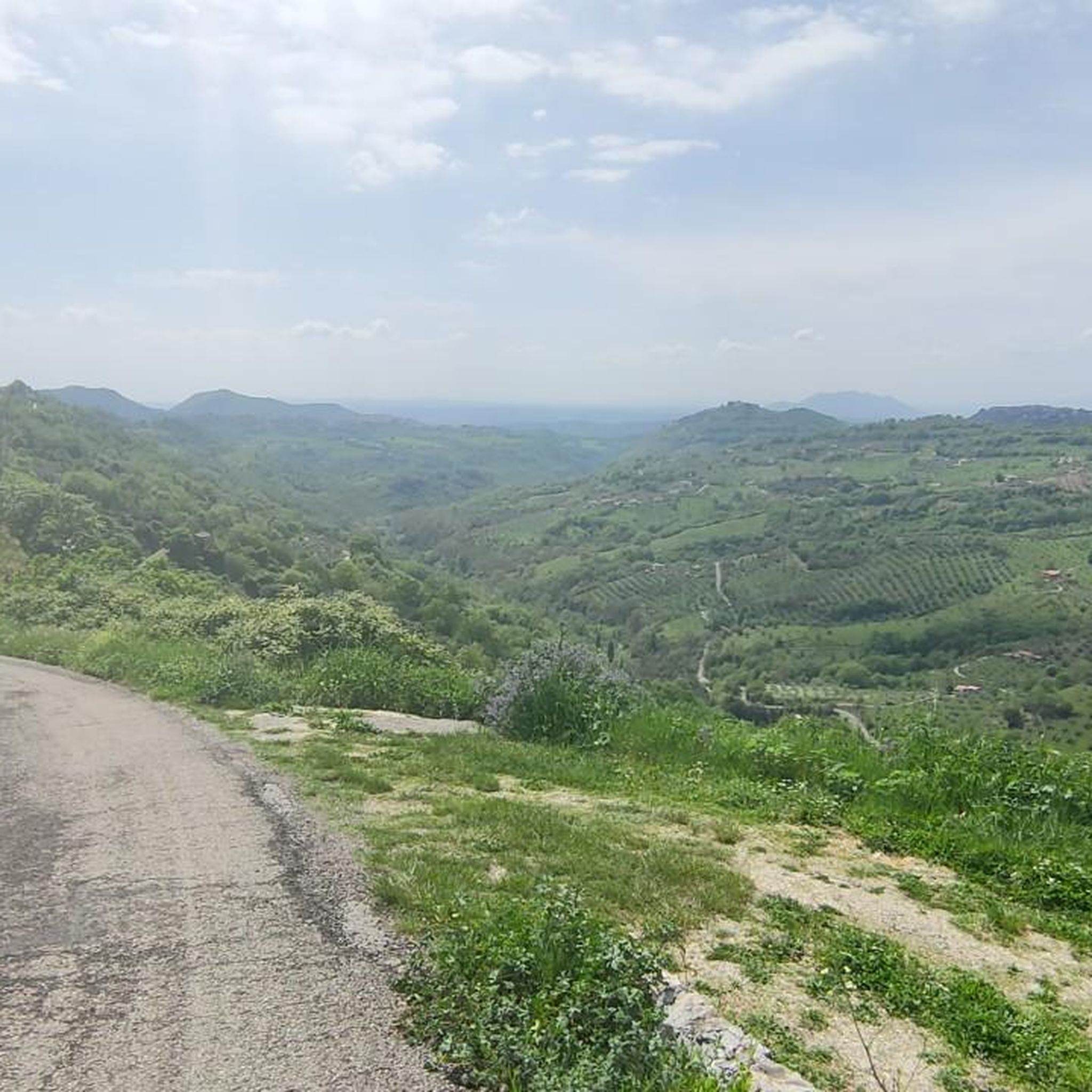
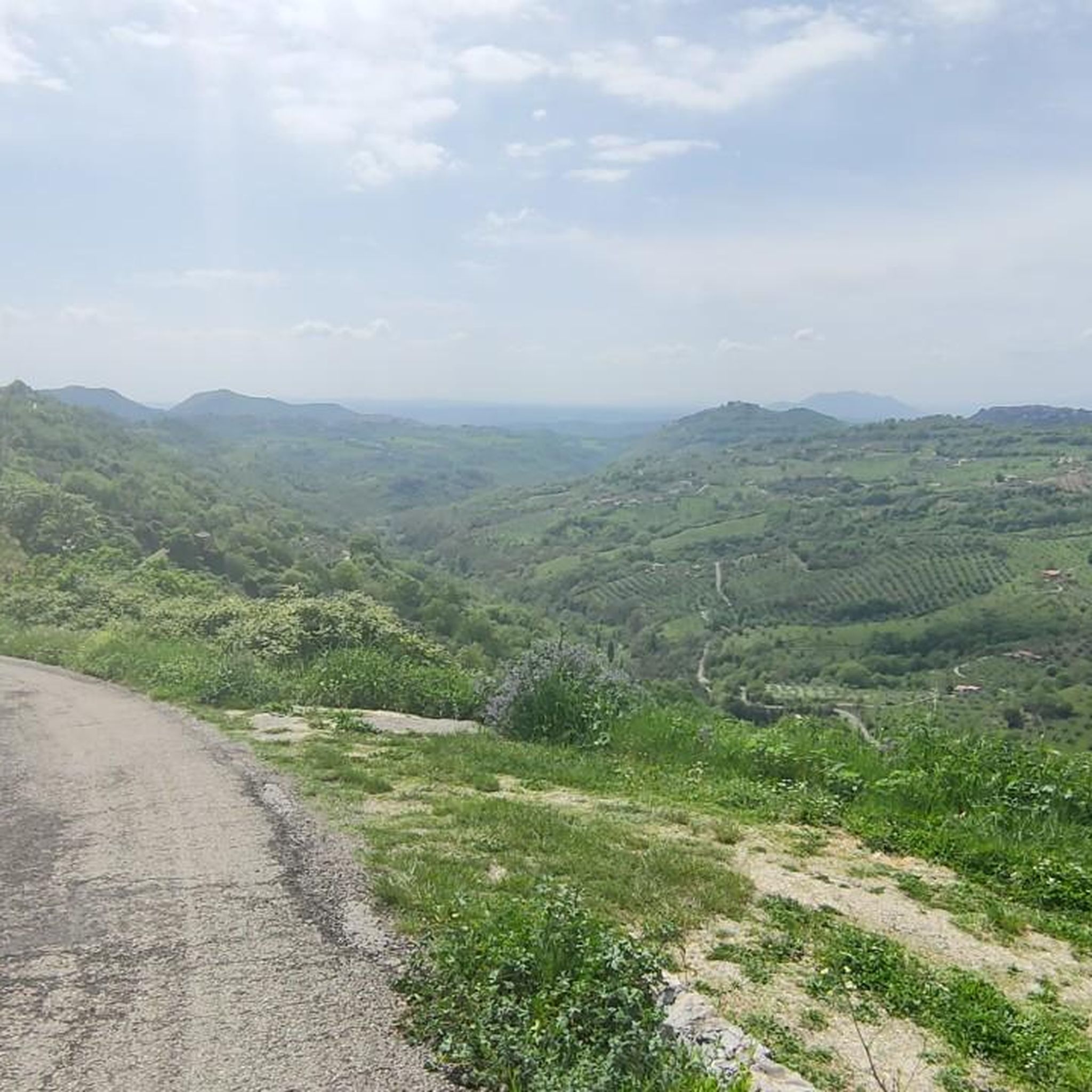
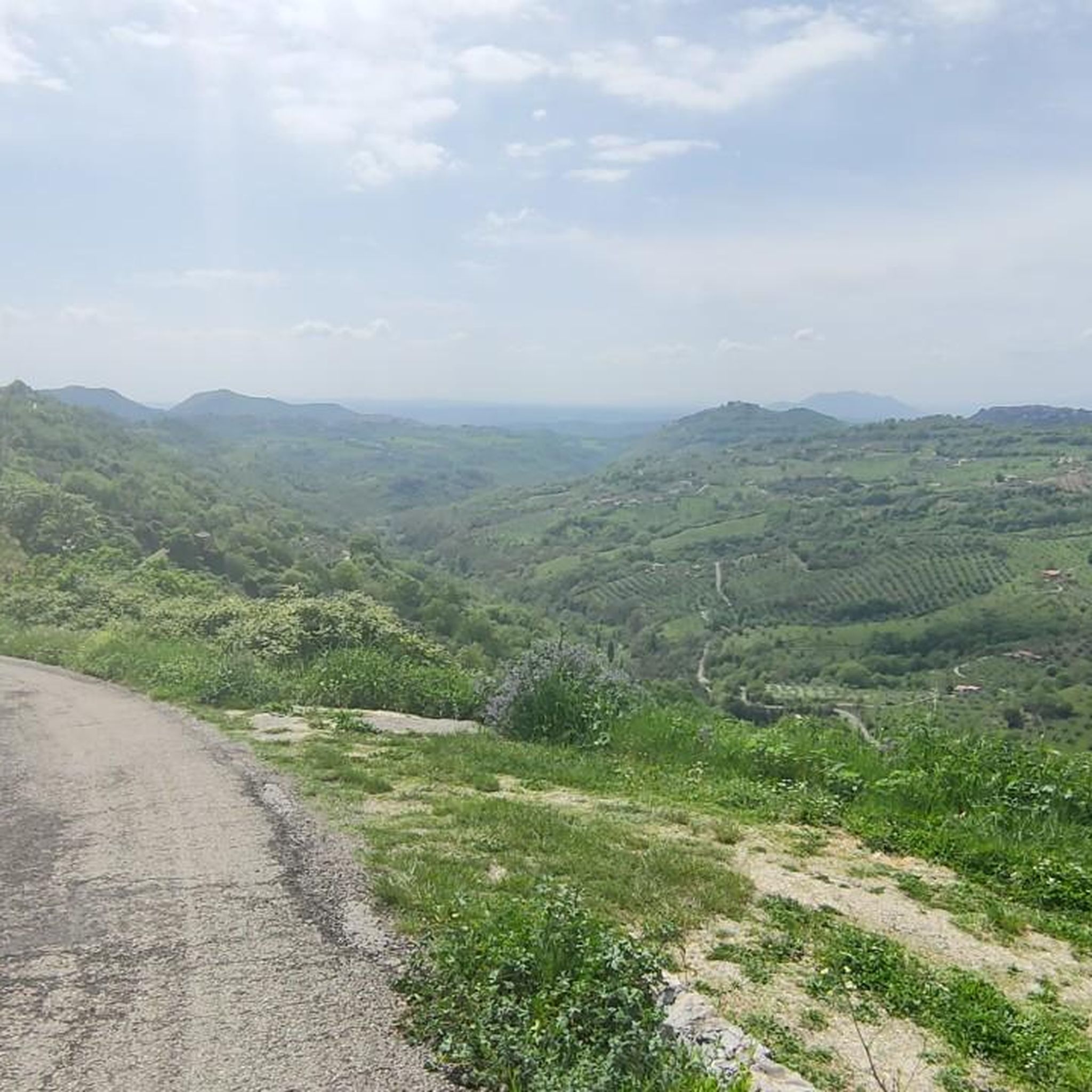
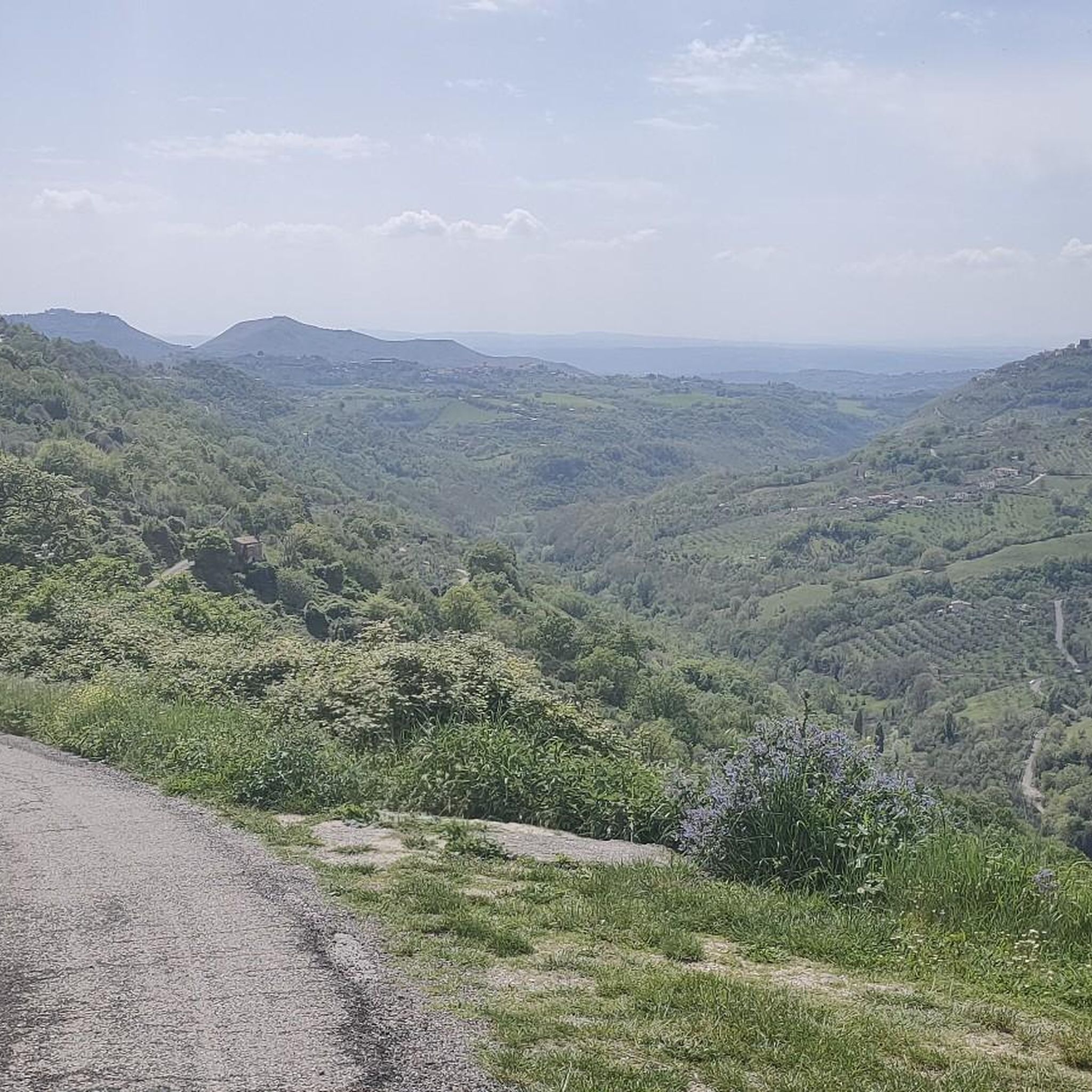
Tips from the Community

Guided Tours - info www.castelloroccasinibalda.it
0
0

The Osteria del Tancia was built towards the end of the Middle Ages, around the 15th century. It arose in a strategic position, on the pass of Mount Tancia, the highest peak of the Sabine Mountains, at about 800 meters above sea level. For centuries, the Osteria del Tancia represented the most important stop along the Via del Tancia, which was the main connection between the Rieti basin and the Sabina Tiberina. This road was frequently traveled by merchants, shepherds who practiced transhumance, pilgrims and bandits.
0
0

Rocca Sinibalda dominates the lush Turano Valley from above, the second most important river in Sabina after the Velino. The village is dominated by a castle founded around 1060. It was rebuilt as a fortress and noble residence in the 1630s by Cardinal Alessandro Cesarini who hired the famous Sienese architect Baldassarre Peruzzi for the occasion. It can only be visited on certain days. It is therefore advisable to inform yourself before departure.
0
0

crossroads for the hermitage of San Michele
0
0
this is the hermitage of san leonardo
0
0

This grotto was dedicated to "San Michele Arcangelo". His portrait can be found as a fresco on the rock wall. The name of the archangel Michael (coming from the Hebrew language) means “Who is like God?” He is often depicted - in paintings or as a statue - with a flaming sword, and occasionally a lance. Michael is - together with Raphael and Gabriel, occasionally Uriel is also included - one of the three or four archangels who (according to human understanding) occupy the highest rank in the heavenly hierarchy of angelic beings. Their common feast day in the saints' calendar is September 29th.
0
0
The Romanesque bridge dates back to the 11th century, but was probably built on a pre-existing building of an unspecified period, of rare beauty, still usable but which requires urgent and significant restoration. In the two pillars it is possible to notice the three "holes" used to insert wooden poles horizontally, capable of supporting the "centre" for closing the stone arch. As you pass the bridge on the left, going up towards Posticciola, there is still a clear trace of "Garitta Muraria" where the border point with the Papal State and Kingdom of the Two Sicilies was made, and with the "horizontal transhumance" the duty for the ride. Transhumance has an ancient history which most likely coincides with the history of breeding itself and was regulated and disciplined since Roman times by a set of laws of taxes to be paid in the various customs. Transhumance derives from the Latin "trans" (beyond) and "humus" (earth) = pastoralism transmigrating with the seasons, along the sheep tracks (from the Latin "tractoria" = the shepherds' roads). In southern Italy transhumance was divided into "vertical" and "horizontal". The first concerned the Kingdom of the Two Sicilies, with several sheep tracks that connected from Abruzzo to Puglia (the most important was the famous "Tratturo Magno"). Horizontal transhumance, however, also of ancient origins, descended into the Roman countryside and increased considerably in 1477, when Pope Sixtus IV forced all the shepherds of the "Kingdom of the Church" to take their animals to winter in the Agro Romano. Transhumance in Lazio reached its peak starting from 1800, when the "vertical" one entered into crisis. This was usually in provincial sections from Umbria towards Civitavecchia, from the Marche towards Polo and Maccarese, from Abruzzo towards the Roman countryside, from Ciociaria towards Anzio and Terracina. http://www.magiadelturano.it/index.php/posticciola/ponte-romanico
0
0
Frequently Asked Questions
What historical landmarks can I explore in and around Montenero Sabino?
Montenero Sabino is rich in history. You can visit the impressive Castello Orsini, a medieval fortress transformed into a stately residence, offering wonderful panoramic views from the highest point of the village. The Church of San Cataldo Vescovo, renovated in 1735 with Baroque stuccoes and frescoes, is another significant cultural site. Nearby, don't miss the Rocca Sinibalda Castle, a 10th-century fortress dominating the Turano Valley, or the Ponte Vecchio of Posticciola, a Romanesque bridge with historical ties to transhumance.
Are there any natural features or viewpoints to enjoy near Montenero Sabino?
Absolutely. Montenero Sabino is spectacularly situated amidst green forests, offering numerous naturalistic beauties. For breathtaking panoramic views, head to the Monte Pizzuto Summit, one of the highest peaks in the Sabine mountains, where you can see the Tiber Valley, Mount Soratte, and the Central Apennines. The village itself provides stunning vistas of surrounding hills, olive groves, and vineyards, especially beautiful at sunset.
What kind of outdoor activities can I do around Montenero Sabino?
The pristine wild nature of the Sabine mountain range surrounding Montenero Sabino is ideal for outdoor activities. You can explore numerous naturalistic beauties through pleasant walks. For more structured adventures, there are various routes available. For example, you can find challenging mountain biking trails like the 'Osteria Faducchi – Roman Bridge loop from Salisano' or 'Lago del Turano viewpoint – Pratarelle Spring loop'. For running, consider the 'Trail Run from Fara in Sabina to the Abbey of Farfa and Monte Acuziano - Loop Tour'. You can find more details on these and other routes in the MTB Trails, Running Trails, and Gravel Biking guides for the area.
What cultural events or festivals take place in Montenero Sabino?
Montenero Sabino hosts several vibrant cultural events. On Corpus Christi Day, the village celebrates the Infiorata Festival, where local artists create intricate flower mosaics along Via Roma and in Piazza del Municipio. In July, you can experience the Festival of the Maccheroni a Fezze, a food festival dedicated to handmade pasta. The Feast of San Cataldo Vescovo, honoring the patron saint, is held in August.
Are there any unique architectural features in Montenero Sabino?
Yes, the entire village of Montenero Sabino is a cultural site with charming medieval architecture and cobblestone streets. Its urban structure is particularly notable, characterized by a double row of houses lining the approximately 300-meter-long Via Roma, which connects the lower Church of San Cataldo Vescovo to the imposing Castello Orsini at its upper end.
Where can I find a quiet spot for reflection or a break in nature?
For a serene experience, consider visiting the San Michele Cave. Arriving at this cave in the woods after climbing a stone staircase evokes a deep emotion. It's a place steeped in local legend and offers a tranquil escape. Additionally, the Tancia Inn, located on the pass of Mount Tancia, serves as an excellent refreshment point with a water source and tables, perfect for a break while admiring the panorama of the Apennines.
What is the best time of year to visit Montenero Sabino for outdoor activities and events?
Montenero Sabino's green forests can be explored in every season. However, for pleasant walks and to experience the local festivals, the warmer months are ideal. The Festival of the Maccheroni a Fezze takes place in July, and the Feast of San Cataldo Vescovo is in August. The Infiorata Festival is held on Corpus Christi Day, which typically falls in late May or June. These periods offer a vibrant cultural experience alongside favorable weather for exploring the natural surroundings.
Can I find local cuisine or dining options in Montenero Sabino?
Montenero Sabino's economy is primarily linked to agriculture and livestock, suggesting rich local culinary traditions. The Festival of the Maccheroni a Fezze in July highlights a specific local dish, handmade pasta seasoned with pesto or meat sauce. For a unique dining experience, the Tancia Inn, a historic osteria on Mount Tancia, offers excellent food and sandwiches for a packed lunch, though it's best to contact them in advance as they are typically open on weekends.
What is the significance of the Castello Orsini in Montenero Sabino?
The Castello Orsini is a central historical landmark in Montenero Sabino. Known since 1085, it came under Orsini ownership in 1240 and remained with the family for centuries. Originally a military fortress, it was transformed into a stately residence. Located at the highest point of the village, it features elegant crenellations, a monumental double staircase, and two circular towers, offering commanding views of the village and surrounding countryside.
Are there any places to relax and read or access information in the village?
Yes, the Palazzo Bonacasata, a prestigious and historic palace in Montenero Sabino, houses the modern Municipal Library. This facility offers a video library, internet point, and comfortable reading spaces, serving as a quiet place for residents and visitors alike to relax and access information.
What makes the Ponte Vecchio of Posticciola a significant historical site?
The Ponte Vecchio of Posticciola is a remarkable example of Romanesque architecture, dating back to the 11th century. It holds historical significance as a former post station and a crucial transit point for transhumance, the seasonal movement of livestock. The bridge's design, with its three 'holes' for wooden poles, reflects ancient construction techniques, and the nearby 'Garitta Muraria' marks a historical border point with the Papal State and Kingdom of the Two Sicilies.
Most popular routes around Montenero Sabino
Most popular attractions around Montenero Sabino

Get inspired with the komoot mobile app


Explore more
Still not found the Highlight you’re looking for? See guides of the top attractions in other regions:
