Top 6 Huts and Cabins around Palombaro
Best huts around Palombaro serve as gateways to the Majella National Park, an area known for its diverse outdoor opportunities. The region features mountain refuges, also known as "rifugi," which provide amenities for hikers and mountaineers. Historical dry stone huts, reflecting the pastoral heritage of the Majella mountains, are also present. This area offers a range of shelters for those exploring its natural landscape.
Best huts around Palombaro
- The most popular huts is Carlo Fusco Shelter, a hut that…
Last updated: July 1, 2026
Bruno Pomilio Mountain Hut
Highlight • Mountain Hut
Translated by Google •
Tip by

Bivacco Pelino
Highlight • Mountain Hut
Translated by Google •
Tip by

Sign up now to discover places like this
Get recommendations on the best single tracks, peaks, & plenty of other exciting outdoor places.
Sign up for free
Rifugio Di Marco
Highlight • Mountain Hut
Translated by Google •
Tip by

Cima Mammarosa
Highlight • Summit
Translated by Google •
Tip by

Carlo Fusco Shelter
Highlight • Mountain Hut
Translated by Google •
Tip by
Sign up for free to discover even more huts and cabins around Palombaro.
Sign up for free
Already have an account?
Start today with a free account
Your next adventure awaits.
Login or Signup
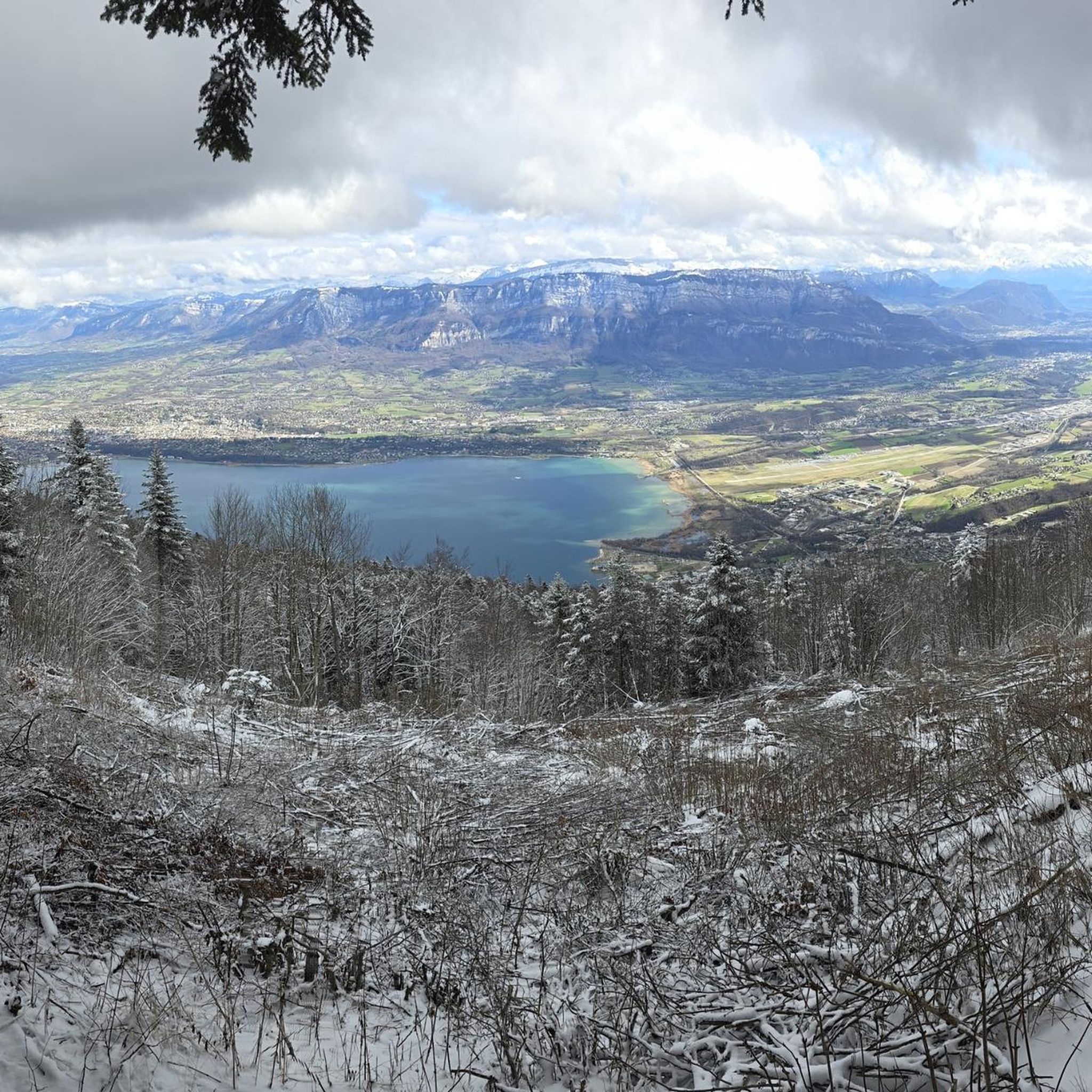
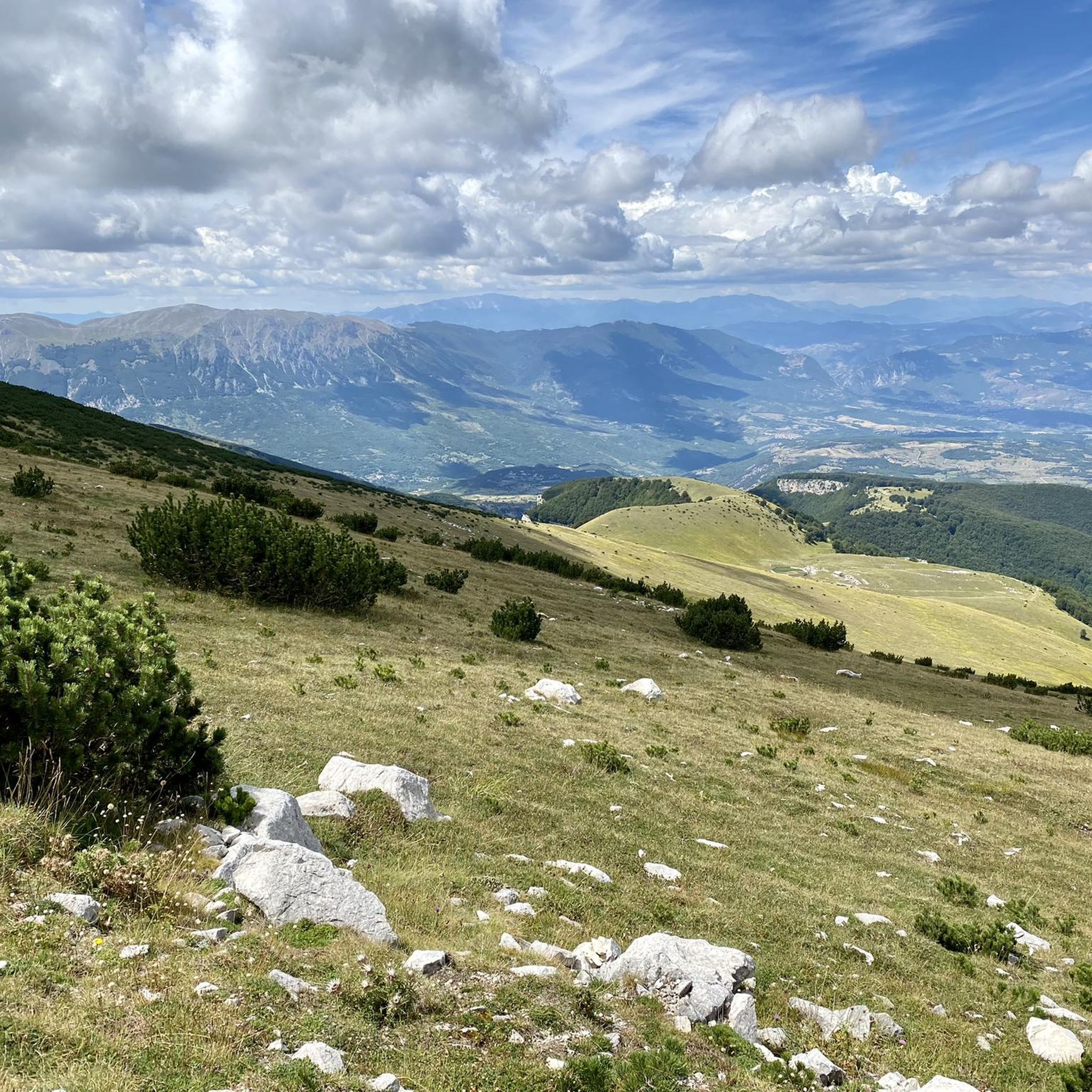
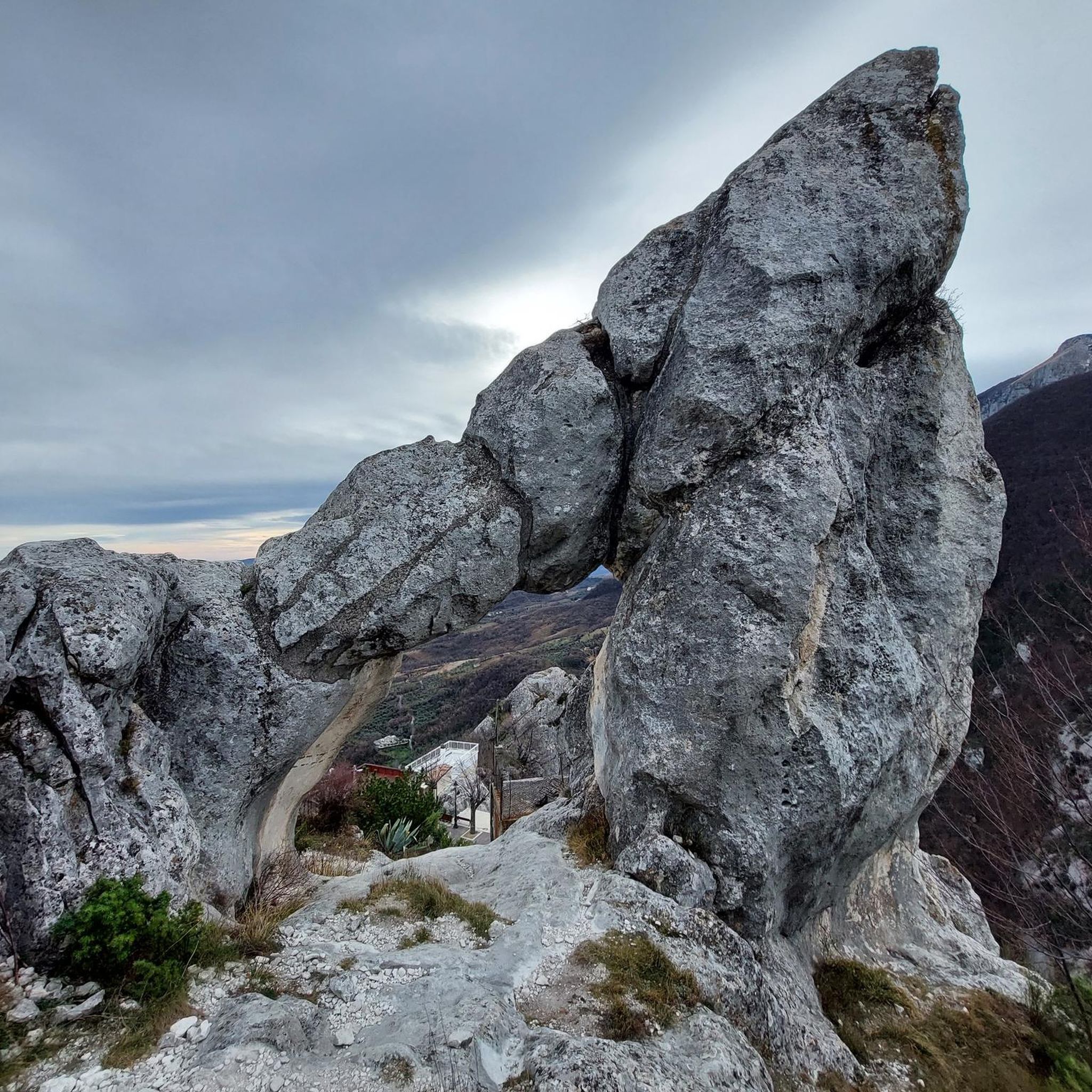
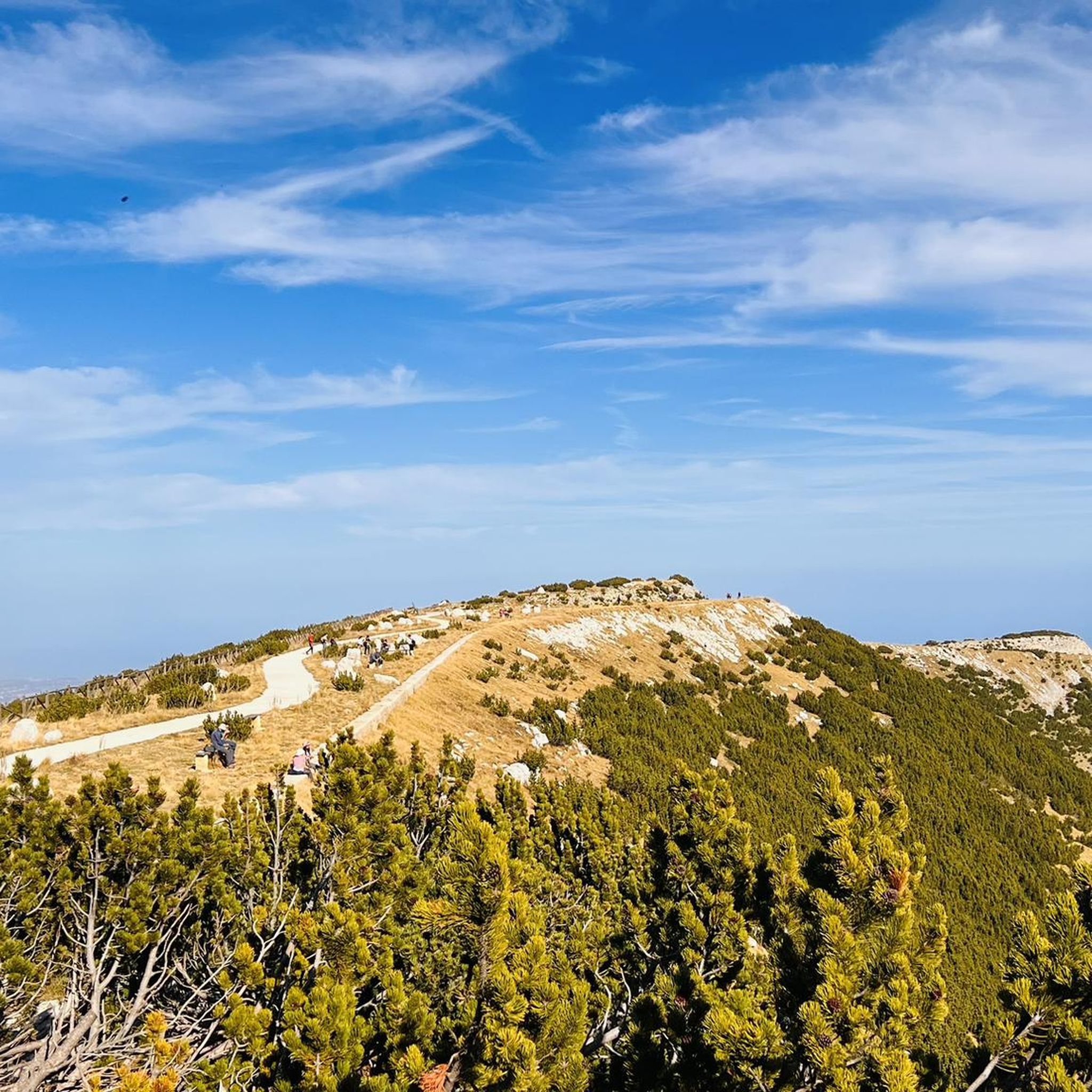
Tips from the Community

the refuge is always open to users and a room is available, behind it you can enjoy a magnificent panorama.
0
0


former Pelino bivouac, work on the new refuge
0
0


the Pomilio refuge, in addition to being a good restaurant, is also the start of the blockhaus and the path to reach the top of Mount Amaro
0
0

The Bruno Pomilio Refuge, located at 1980 m in the Maiella National Park, is a tourist hub from which various paths start. It offers views and refreshment near "la madonnina".
0
0

The Pelino bivouac is one of the most famous bivouacs, if not the bivouac, in the Apennines. It is spartan and essential: eight wooden planks on which to place the mattress and spend an unforgettable night at an altitude of 2,700 metres. There are few places from which you can see the sun rise over the Adriatic and set over the Tyrrhenian Sea. A unique place that is worth all the effort to reach it.
3
1

panoramic place, providential refreshment. You can reach "la madonnina"
0
0
Frequently Asked Questions
What types of huts can I find around Palombaro and Majella National Park?
Around Palombaro and within the Majella National Park, you'll find a variety of shelters. These include 'rifugi' (mountain refuges) that offer amenities for hikers and mountaineers, such as Bruno Pomilio Mountain Hut and Rifugio Di Marco. The region also features historical dry stone huts, known as 'tholos', which reflect the pastoral heritage of the Majella mountains.
Are there huts suitable for overnight stays in the Majella National Park?
Yes, several refuges in the Majella National Park are suitable for overnight stays. For instance, Carlo Fusco Shelter, inaugurated in 2019, is located at 2455 meters and can serve as an intermediate point for reaching various peaks. Rifugio Fonte Tarì, accessible after a 2 to 2.5-hour walk from Lama dei Peligni, offers 17 beds in simple wooden dormitories and a fully equipped kitchen. The Bivacco Pelino is another option, providing a spartan but unforgettable night at 2,700 meters.
Which huts offer the best panoramic views?
Many huts in the region boast incredible views. Rifugio Di Marco, at 1747 meters on Prato della Maielletta, offers a beautiful panoramic viewpoint of the Maiella National Park. Rifugio Monte d'Ugni (also known as Rifugio Ugni or CFS Ugni I), at 1863 meters, provides breathtaking panoramic views that can extend to the Adriatic Sea, the Lakes Sant'Angelo di Casoli and Bomba, and even the Tremiti Islands on clear days. From there, Rifugio Martellese (at 2035 meters) offers stunning vistas of the imposing Murelle and Monte Acquaviva peaks.
Are there any easy-to-reach huts or beginner-friendly hikes near Palombaro?
For an easier experience, you can explore the historical dry stone huts. The Dry Stone Hut Path CP4, also known as 'Anello di Valle Giumentina' near Decontra, is an example of an easy trail where you can encounter these ancient structures. While many mountain refuges require a moderate to challenging hike, some, like Bruno Pomilio Mountain Hut, are more accessible and serve as a tourist hub from which various trails depart.
When is the best time to visit the huts around Palombaro?
The best time to visit depends on your activity. Many mountain refuges, like Bruno Pomilio Mountain Hut, are specifically noted as being open only in the summer, which is ideal for hiking and enjoying the serene mountain setting. For higher altitude huts and bivouacs, summer and early autumn offer the most favorable weather conditions. Always check specific hut opening times before planning your trip.
Can I visit huts around Palombaro during winter?
Winter visits to huts in the Majella National Park are possible but often require specific equipment and experience, as conditions can be challenging. Some refuges, like Bruno Pomilio Mountain Hut, are hubs for ski mountaineering trails. Always check the weather forecast, snow conditions, and the specific opening status of any hut you plan to visit during winter, as many may be unstaffed or closed.
What kind of natural features and wildlife can I expect to see near the huts?
The huts are situated within the breathtaking Majella National Park, an area rich in natural beauty. You can expect to see diverse landscapes, from dense beech forests to high alpine meadows and rocky peaks. The park is home to various wildlife, including chamois, wolves, and golden eagles, offering opportunities for wildlife spotting, especially in quieter areas and during dawn or dusk.
Are there historical huts or cultural sites to explore?
Yes, the region is rich in historical structures. The ancient dry stone 'tholos' huts are an integral part of the Maiella's cultural landscape. These structures, painstakingly built by farmers and shepherds over centuries, served as seasonal shelters for animals and storage for tools. You can explore them along paths like the Dry Stone Hut Path CP4, also known as 'Anello di Valle Giumentina,' near Decontra, which offers a glimpse into the traditional agricultural and pastoral life of the area.
What outdoor activities can I do near the huts around Palombaro?
The area around Palombaro and its huts is a hub for outdoor activities. You can find numerous trails for mountain biking, such as the 'Monte d'Ugni Ring Trail' or 'Grotta dei Pulcini – Bocca di Valle Memorial loop'. There are also running trails like the 'Path of Peace - Stage 11 Mountain Variant' and road cycling routes, including the 'Trabocco Punta Torre – Mouth of the Sangro River loop'. For more details on these activities, check out the MTB Trails around Palombaro, Running Trails around Palombaro, and Road Cycling Routes around Palombaro guides.
Are there specific hiking trails that connect multiple huts?
Yes, there are picturesque hiking loops that connect multiple refuges. A notable example is a loop that starts from Palombaro, ascending through the beech forests to Rifugio Monte d'Ugni, and then continuing to Rifugio Martellese. This full loop is a 15 km journey with a significant elevation gain of 1300 meters, requiring good fitness, but it rewards hikers with stunning views and the experience of visiting multiple mountain shelters.
Do I need to make reservations for overnight stays at the refuges?
It is highly recommended to make reservations, especially for popular refuges like Rifugio Fonte Tarì, particularly during peak seasons. While some bivouacs like Bivacco Pelino operate on a first-come, first-served basis, confirming availability and booking in advance for staffed refuges will ensure you have a place to stay and can help with meal planning if offered.
Is parking available for hut trails near Palombaro?
Generally, parking is available at the trailheads leading to the huts. For example, to reach Rifugio Fonte Tarì, you would typically park near Lama dei Peligni. For the loop involving Rifugio Monte d'Ugni and Rifugio Martellese, parking would be available in Palombaro. Specific parking information can often be found on local trail maps or by checking with local tourist information centers before your trip.
Are permits required to visit the huts or hike in Majella National Park?
Generally, permits are not required for day hikes or to visit the unstaffed huts within the Majella National Park. However, for specific activities, guided tours, or if you plan to stay in staffed refuges, it's always best to check with the Majella National Park authority or the specific refuge for any current regulations or reservation requirements. Some areas might have seasonal restrictions or require permits for certain activities like camping.
Most popular attractions around Palombaro

Get inspired with the komoot mobile app


Explore more
Find more beautiful huts and cabins around Palombaro by checking out the top ones in these nearby places:
