Attractions and Places To See around Trivento - Top 18
Attractions and places to see around Trivento, Italy, are centered in a picturesque village in Molise, known for its hilltop location offering expansive views. This region blends natural beauty with a rich history, featuring ancient churches and unique cultural elements. The village's historic center is characterized by narrow, winding streets, and it is globally recognized for its vibrant crocheted street art. Trivento provides a variety of historical sites, natural features, and cultural points of interest for visitors.
Best attractions and…
Last updated: July 2, 2026
Bagnoli del Trigno
Highlight • Settlement
Translated by Google •
Tip by

San Nicola Staircase and Trivento Cathedral
Highlight • Historical Site
Tip by

Sign up now to discover places like this
Get recommendations on the best single tracks, peaks, & plenty of other exciting outdoor places.
Sign up for free
Sant'Angelo Limosano Historic Village
Highlight • Settlement
Translated by Google •
Tip by

Torre della Fara
Highlight • Historical Site
Translated by Google •
Tip by

Roccavivara Town Center
Highlight • Settlement
Translated by Google •
Tip by
Sign up for free to discover even more attractions around Trivento.
Sign up for free
Already have an account?
Start today with a free account
Your next adventure awaits.
Login or Signup
Tips from the Community

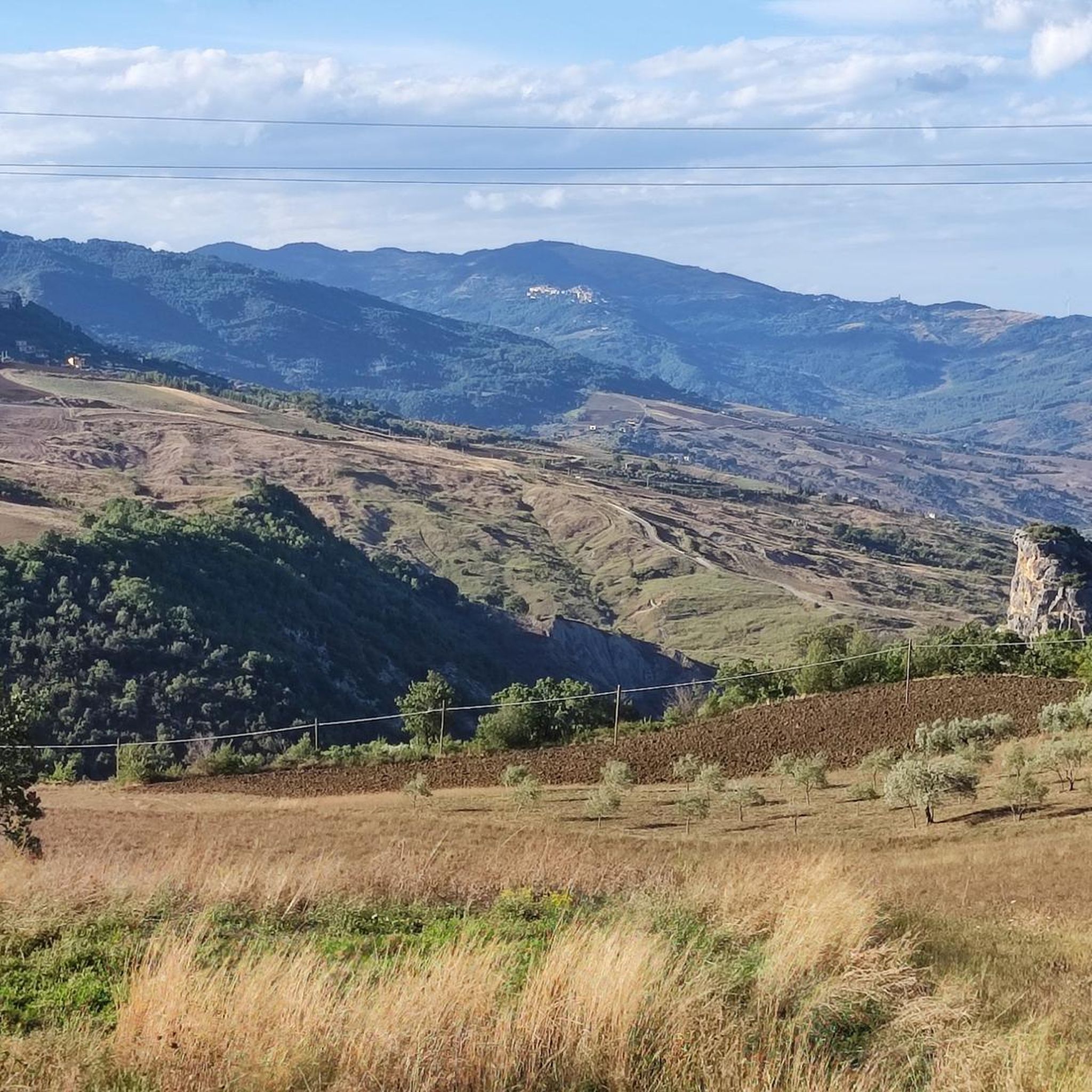
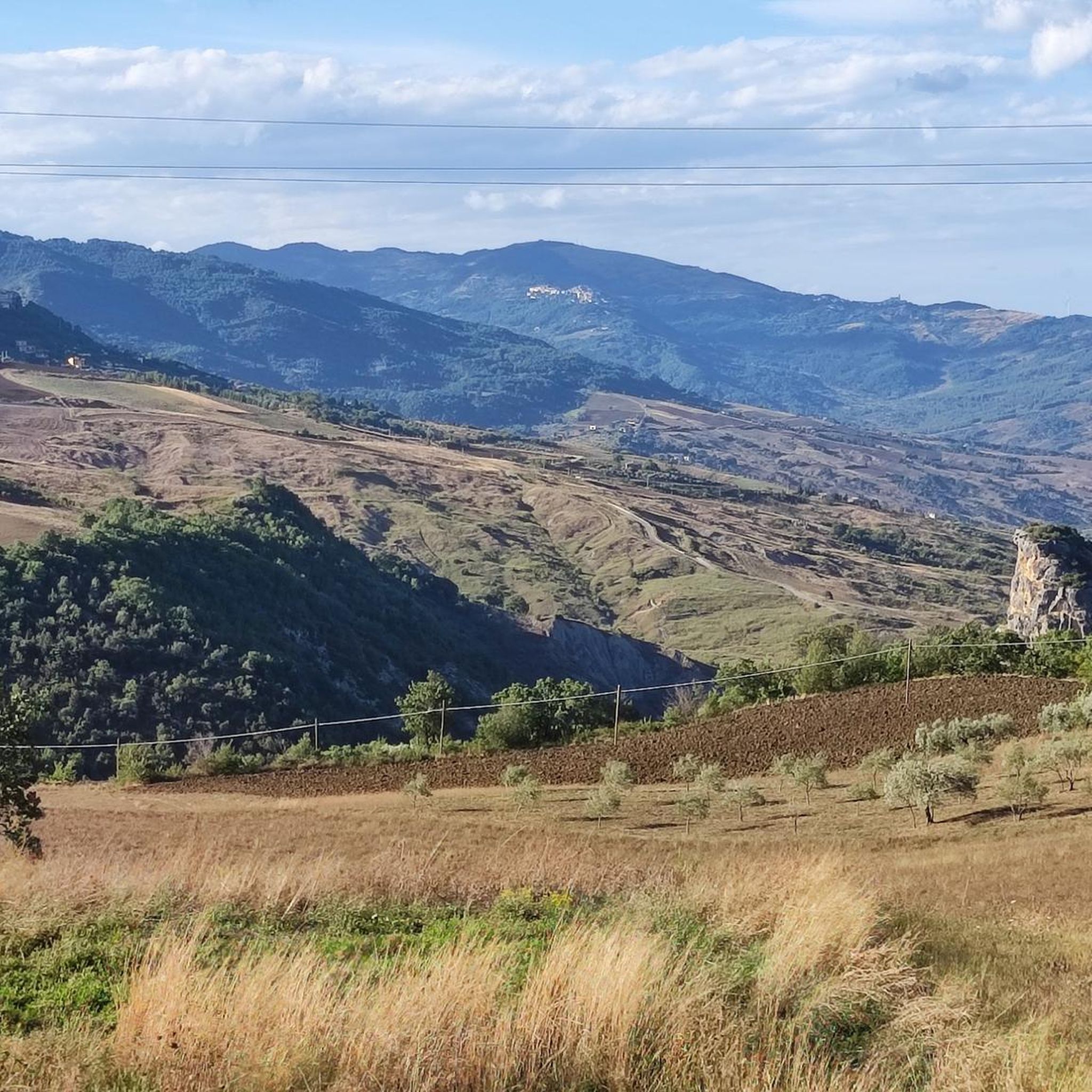
The Torre della Fara is located in Torre della Fara in the municipality of Celenza sul Trigno in the province of Chieti. The tower is located near the Trigno river and the Ateleta-Biferno sheep track and was in visual connection with neighboring towns and with the monastery of Santa Maria del Canneto of Roccavivara (Molise). (Source Wikipedia.)
1
0

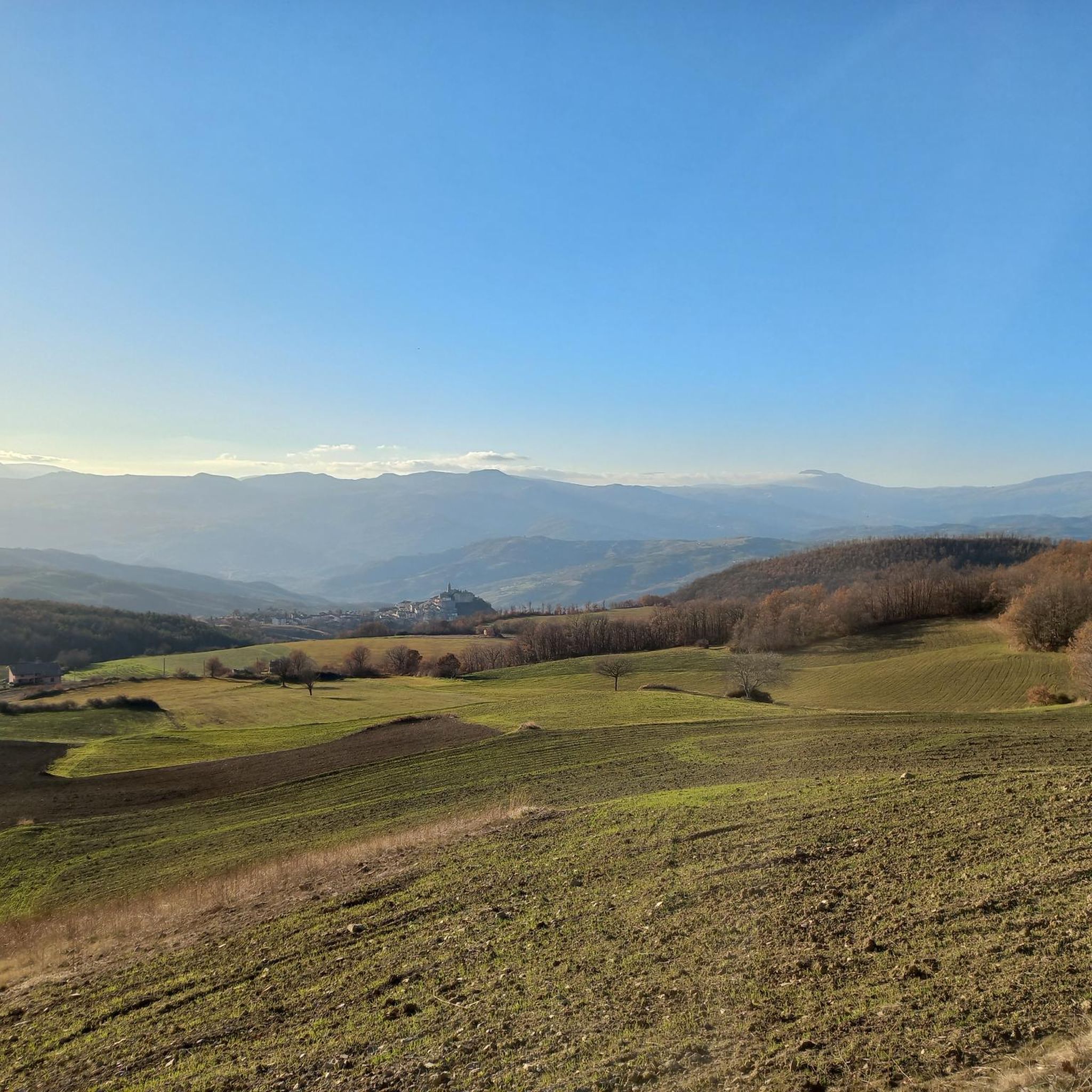
Country located on a hill and built on different heights. The city is in fact divided into an "Above" and a "Below".
1
0

The Torre della Fara is located in Torre della Fara in the municipality of Celenza sul Trigno in the province of Chieti. The tower is located near the Trigno river and the Ateleta-Biferno tratturo and was in visual connection with neighboring towns and with the monastery of Santa Maria del Canneto in Roccavivara (Molise). The tower dates back to the 12th century.[1] Even if the toponym recalls the Longobard fara, it is, however, difficult to identify the period of construction of the site.[ The tower has a cylindrical structure and is made of stone[1], but stone fragments are also used to frame the openings and loopholes[2]. The tower is 15 meters high and 6 meters in diameter. The tower has no scarp walls and, at a third of the height there is an opening which, probably, is a raised entrance. Furthermore, inside there are the holes where the beams used to support the various levels. The roof inside is vaulted with a lowered cap. The use of mortar in the Torre della Fara decreases with height[1] just as the thickness of the walls decreases with increasing height
0
0

Small village in the province of Campobasso, it boasts medieval ramparts and a medieval church (XIII) with a chapel dedicated to Pietro da Morrone (later Pope Celestino V)
1
0

There are two hypotheses on the origins of its name, the first has it that it derives from Rocca Bonnarii, referring to its founder, a certain Bonnario; the second that it comes from Rocca di Vivara, referring to the district of Vivara still existing and bordering the municipality of Roccavivara. The lower part of the Roccavivara countryside offers ample evidence of the presence of inhabited centers at the time of republican and imperial Rome. Historical information tells us that in 1268 Gualtiero di Vollers was feudal lord of Roccavivara; he was followed by Bertrando Cantelmo, whose descendants held the dominion until 1442. Subsequently the power passed to the Sangro, the Carafa and the Coppola until the abolition of feudalism. A very interesting site was found in San Fabiano: a Roman villa certainly built on a ground floor supported by a megalithic construction.
0
0
The town is located at 900 m a.s.l. and, from some points of the place, you can see the Tremiti islands and the tops of the Maiella. On the hill there is a castle, albeit in advanced ruins. There is no certain information about the birth of Sant’Angelo Limosano for sure, however, it is known that in the past it was the fortress of the nearby town of Limosano. The last feudal lords were the de Attellis who ruled the territory from 1650 until the abolition of feudalism. The conditions of the town improved when, in the seventeenth century, the baron moved from the top of the castle to the inhabited center and when Cardinal Vincenzo Maria Orsini took important initiatives during his numerous pastoral visits. Sant’Angelo Limosano claims the Sant Angiolese citizenship of Pope San Pier Celestino (Celestino V), who has not yet been recognized as the dispute with Isernia is still underway. It is also the birthplace of the self-taught inventor Alessio Marone to whom the Corso that winds under the great Vittorio Emanuele III ramp, the main access road to the town, is named. Il Marone is remembered for the invention of the electromagnetic-chemical telegraph and the Maltese cross tubular bridges. The parish church of Santa Maria Assunta in Cielo, restored over the past centuries, is a harmonious building to visit. Another place to admire is the ancient church of San Pier Celestino which in 1695 was transformed by Cardinal Orsini into a granary because it had not been restored according to his orders. Going along via del Municipio, you arrive at Rua and Contrada di San Pietro. Places linked to the name of Pope Angelico are the "hill" and the "Fonte di San Pietro" from which water begins to flow after the winter, a few days before the feast of the Saint, on 19 May. Worth visiting is the sanctuary of the Madonna delle Stelle, built two kilometers from the town, to the west, following the discovery of a statue of the Madonna on January 3, 1926.
0
0
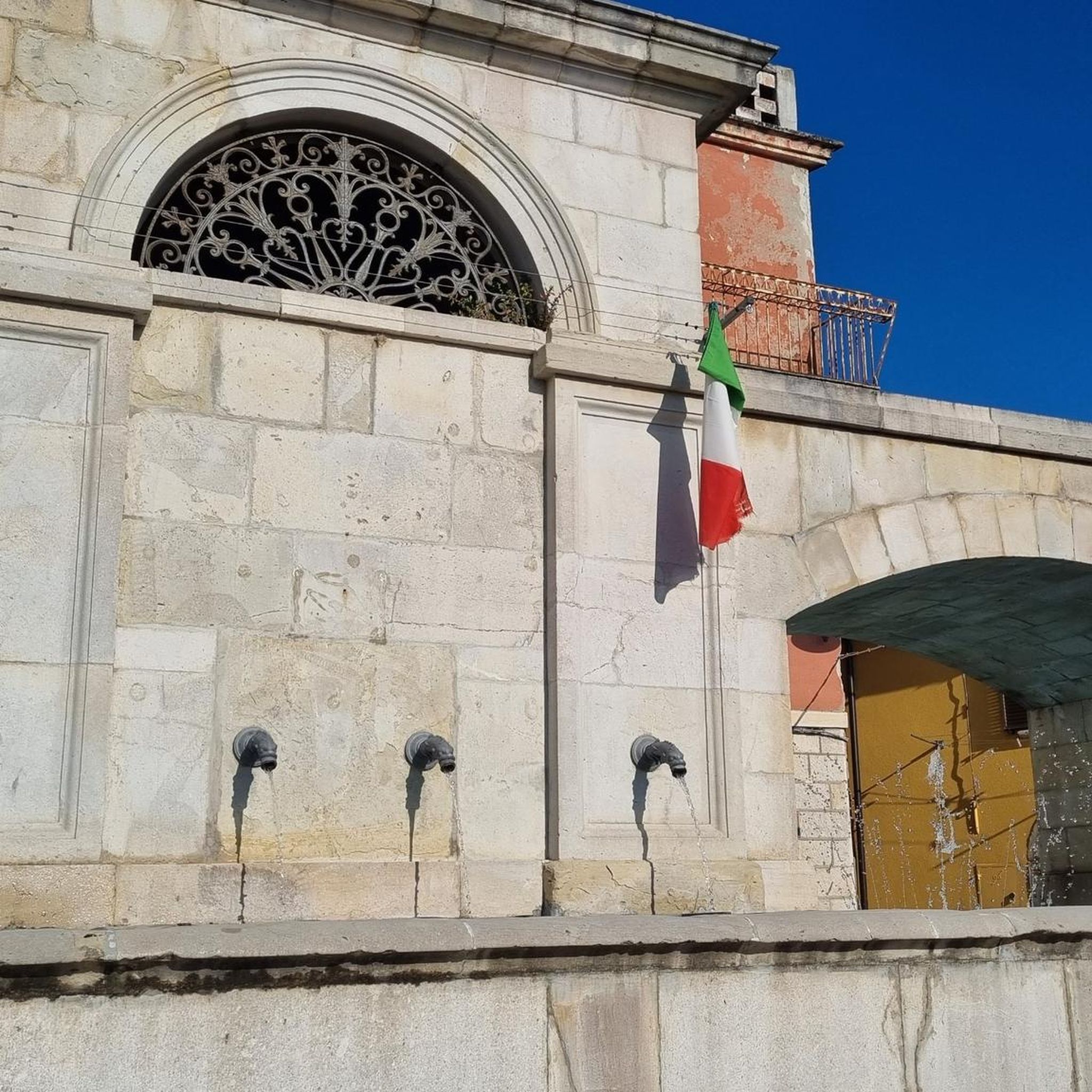
Arte e storia del territorio molisano caratterizzano anche il paese di Trivento, in provincia di Campobasso, cosi chiamato perché ancora oggi è esposto ai venti dell’est, del sud e del nord. Vi si accede tramite una salita che porta in cima al colle e proietta il visitatore in un’altra dimensione, dove a trionfare è la pietra. Ovunque tutto intorno è fatto di pietra, ad incominciare dalla fontana monumentale fino alla magnifica scalinata a tre corsie, formata da quella centrale molto ampia e da due laterali più piccole. E’ la scalinata di San Nicola, dove sfilano uno dopo l’altro ben 365 gradini, che si dice siano uno per ogni giorno dell’anno. Conduce alla parte alta del borgo collegando la piazza al centro storico: ai suoi lati si ergono gli edifici più importanti del paese e da sempre è il simbolo di accoglienza di Trivento, rappresentando una delle più belle gradinate di tutto il Molise. Scalino dopo scalino si arriva davanti alla Chiesa di San Nicola, davanti alla quale si può ammirare una bella statua marmorea del Cuore Immacolato di Maria. A quota 150 scalini ci si può fermare su Largo di Porta Maggiore dove la visuale spazia sulla Trivento moderna e si perde sulla montagna circostante. A quota 175 una poderosa costruzione la costringe a diramarsi e dare luogo a Via Roma, una strada fatta di scale. Al 234esimo scalino si apre invece la grande piazza che ospita la Cattedrale, il Campanile, la chiesa della SS Trinità e la Curia. La Cattedrale è l’altro simbolo cittadino, eretta su una preesistente basilica dedicata a San Casto. Ha subito nei secoli vari restauri ma custodisce tutt’ora preziosi tesori artistici tra cui la Cripta, situata a qualche metro di profondità sotto il transetto e il presbiterio, che segna il passaggio dal Tempio pagano, dedicato a Diana, al primo Cristianesimo. Della sua fase più antica la Cattedrale conserva oltre ad un' iscrizione del 1076 con la dedica ai Santi Nazario e Casto, una serie di archetti pensili che a tratti la coronano esternamente. Sull'altare c'è una lunetta in pietra, risalente al XIII secolo, con bassorilievo raffigurante la Trinità fiancheggiata da due angeli e due delfini. Tra le tre sculture lignee spicca una Madonna in trono del Duecento. A sinistra della Cattedrale un portale con arco a ogiva introduce nel Giardino dell’Episcopio da cui si può osservare la fiancata romanica della chiesa e, nelle aiuole, frammenti di cippi funerari romane. Quando poi si arriva in cima la vista ripaga della salita, con la panoramica a 360° che spazia dai profili frastagliati dei monti ai paesini dirimpettai come Schiavi d’Abruzzo, Vastogirardi e Pietrabbondante.
0
0
Il paese si trova nel cuore del Molise, in provincia di Isernia, ed è stato costruito su un rilievo collinare a ridosso di un massiccio roccioso che divide il fiume Trigno dal torrente Vella. L’incredibile posizione in cui sorge ha reso Bagnoli del Trigno un’attrazione turistica senza precedenti. In effetti, è come osservare un giocattolino intagliato dalla roccia dalle mani di un gigante, e la linearità delle costruzioni è elemento caratteristico del paesino. Essendo situato a due differenti altezze, a partire da 660 metri di altitudine sino ad arrivare ai 783 metri del punto più alto, il borgo è socialmente e culturalmente scisso in due zone, rispettivamente chiamate Terra di sotto e Terra di sopra. Passeggiare lungo le vie che, dal centro storico, si diramano per l’intero paese è come fare un vero e proprio viaggio nel tempo. Sulle origini di questo ameno borgo non si sa molto. Le leggende sulla nascita di Bagnoli del Trigno sono le più varie: chi fa cenno a una sorgente termale che diede vita al primo nucleo urbano, chi invece ritiene che tutto abbia avuto inizio per mano di una tribù in fuga dalle invasioni barbariche. Ciò che è certo è che le prime notizie ufficiali risalgono al medioevo, quando il centro abitato era un feudo appartenente al Contado del Molise. Le sue alterne vicende lo videro passare di mano in mano tra varie famiglie importanti, sia italiane che straniere. Nei secoli successivi, Bagnoli del Trigno divenne parte del Regno di Napoli e, in seguito, del Regno d’Italia. È proprio in questo periodo che visse il suo massimo splendore, prima di subire un fenomeno di emigrazione che lo portò quasi allo spopolamento. Moltissimi abitanti oggi risiedono a Roma, tanto che la capitale vanta un numero di bagnolesi più elevato rispetto a quello di coloro che si trovano ancora nella loro terra natia. Ma il piccolo borgo risplende ancora, grazie alle attività di artigianato e al turismo. Scopriamo alcune delle sue meraviglie. (fonte: https://siviaggia.it/varie/bagnoli-del-trigno-borgo-molise/251009/)
0
0
Frequently Asked Questions
What historical landmarks can I explore in Trivento?
Trivento is rich in history. You can visit the iconic San Nicola Staircase and Trivento Cathedral, which features 365 steps leading to the 11th-century Cathedral with its Romanesque crypt built upon an ancient altar dedicated to Diana. Other notable sites include the 16th-century Church of St. Nicholas, the Bishop's Palace, and the ruins of the 11th-century Castello d'Evoli Diroccato.
Are there any unique cultural attractions in Trivento?
Yes, Trivento is globally recognized for its vibrant crocheted street art. During the annual Yarn Bombing Festival, textile artworks adorn trees, benches, and building facades throughout the village. Don't miss the Balcony at Largo Porta Maggiore, which often features a towering crocheted Christmas tree.
What natural viewpoints and scenic areas are there around Trivento?
Trivento, perched on a hill, offers breathtaking views of the Trigno Valley and the surrounding mountains. From Sant'Angelo Limosano Historic Village, situated at 900 meters above sea level, you can enjoy expansive vistas that can extend to the Tremiti islands and the Maiella peaks. The village is also part of the Park of the Cenozoic Morge of Molise, promoting the region's natural heritage.
What are some family-friendly activities in the Trivento area?
Families can enjoy exploring the charming historic centers of villages like Roccavivara Town Center, which offers a glimpse into local history. The unique crocheted street art in Trivento provides a colorful and engaging experience for all ages. Gentle walks through the historic village streets are also suitable for families.
Can I find hiking trails near Trivento?
Absolutely! The region around Trivento offers various hiking opportunities. You can find trails ranging from easy to difficult, such as the 'Colle San Vito loop from Castelguidone' (easy) or the 'Civitacampomarano and Monte Andrea Loop' (difficult). For more detailed information and routes, check out the Hiking around Trivento guide.
Are there cycling routes available in the Trivento area?
Yes, cycling enthusiasts will find several routes around Trivento. Options include the 'Morgia di Pietravalle loop from Trivento' or the 'Bagnoli del Trigno Town Center – Bagnoli del Trigno loop'. For a comprehensive list of routes and their difficulties, refer to the Cycling around Trivento guide.
What is <a href="https://www.komoot.com/highlight/2020674" target="_blank" rel="noopener">Bagnoli del Trigno</a> and why should I visit?
Bagnoli del Trigno is a unique settlement in the heart of Molise, built on a hill at different heights, effectively divided into 'Terra di sotto' and 'Terra di sopra'. Its incredible position next to a rocky massif makes it a visually striking attraction, often described as looking like a toy carved from rock.
What is the Diocesan Museum of Sacred Art?
The Diocesan Museum of Sacred Art is housed in the former 16th-century Church of the Holy Trinity in Trivento. It displays a collection of liturgical vestments and sacred furnishings dating from the 16th to 19th centuries, including a notable 17th-century reliquary, offering insight into the region's religious heritage.
Is there a specific time of year that is best to visit Trivento?
While Trivento is charming year-round, the Yarn Bombing Festival, when the village is adorned with crocheted street art, offers a particularly vibrant cultural experience. For outdoor activities like hiking, spring and autumn generally provide pleasant weather conditions.
What is the significance of the <a href="https://www.komoot.com/highlight/4010426" target="_blank" rel="noopener">Torre della Fara</a>?
The Torre della Fara is a 12th-century cylindrical stone tower located near the Trigno river. It was strategically positioned to be in visual connection with neighboring towns and the Santuario della Madonna di Canneto, serving as an important historical landmark in the region.
Are there any ancient ruins or castles to see?
Yes, you can explore the ruins of the 11th-century Castello d'Evoli Diroccato, which was modified by the Normans and is associated with many local legends. Additionally, Roccavivara Town Center has evidence of a Roman villa, and Sant'Angelo Limosano Historic Village boasts medieval ramparts.

Get inspired with the komoot mobile app


Explore more
Still not found the Highlight you’re looking for? See guides of the top attractions in other regions:
