The best MTB trails around Trivento
5.0
(1)
16
riders
17
rides
Mountain biking around Trivento offers a diverse landscape characterized by rolling hills, dense woodlands, and scenic lake areas, providing varied terrain for riders. The region features numerous trails that wind through rural settings and offer views of the surrounding countryside. Many routes incorporate natural features such as forests and open fields, making for engaging rides. Loop mountain bike trails near Trivento are common, allowing for circular journeys through different environments.
Best mountain bike trails around Trivento
- The most popular mountain…
Last updated: July 5, 2026
5
riders
25.1km
02:41
950m
950m
Embark on the challenging "Montefalcone nel Sannio, Lago Grande e Monte Mauro – giro ad anello" mountain biking loop, a difficult ride through Molise's hilly landscapes. You will cover 15.6…
22.6km
02:00
580m
580m
Embark on the Morgia di Pietravalle Loop for a moderate mountain biking adventure through varied Italian terrain. This route spans 14.1 miles (22.6 km) and features a significant elevation gain…

Sign up for free
25.0km
02:14
750m
750m
Embark on a moderate mountain biking adventure with the Sant'Angelo Limosano and Bosco di Trivento Loop. This route covers 15.5 miles (25.0 km) and involves a significant climb of 2470…
22.3km
02:28
860m
860m
Embark on the Civitacampomarano and Bosco di Trivento mountain biking route, a moderate 13.9-mile (22.3 km) loop that takes you through Molise, one of Europe's most untouched landscapes. You will…
3
riders
44.8km
03:14
930m
930m
Hard mountain bike ride. Very good fitness required. Suitable for all skill levels.
Get access to more routes and recommendations from other explorers.
Sign up for free
Already have an account?
Our route recommendations are based on thousands of hikes, rides, and runs completed by other people on komoot.
Start today with a free account
Your next adventure awaits.
Login or Signup
Popular around Trivento
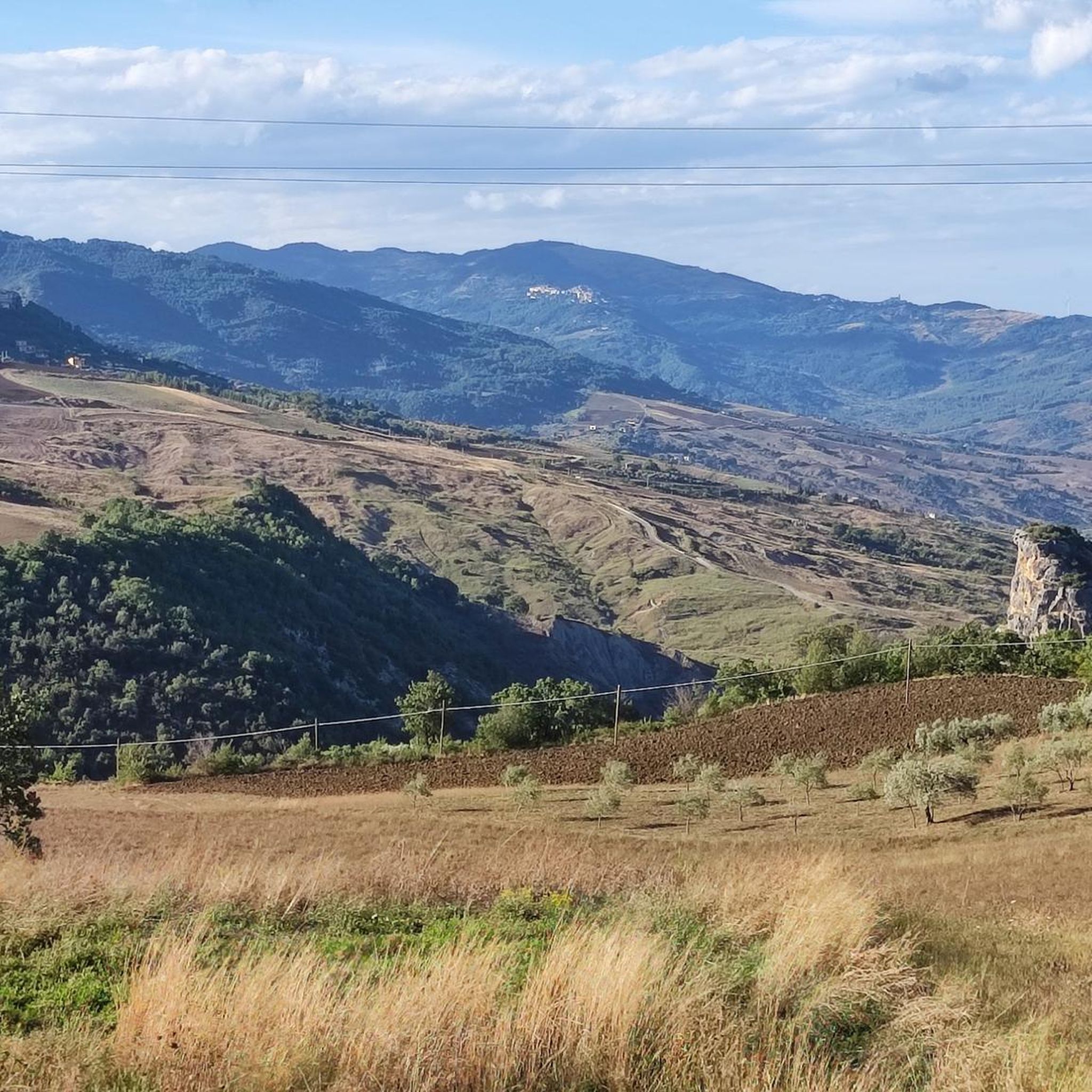
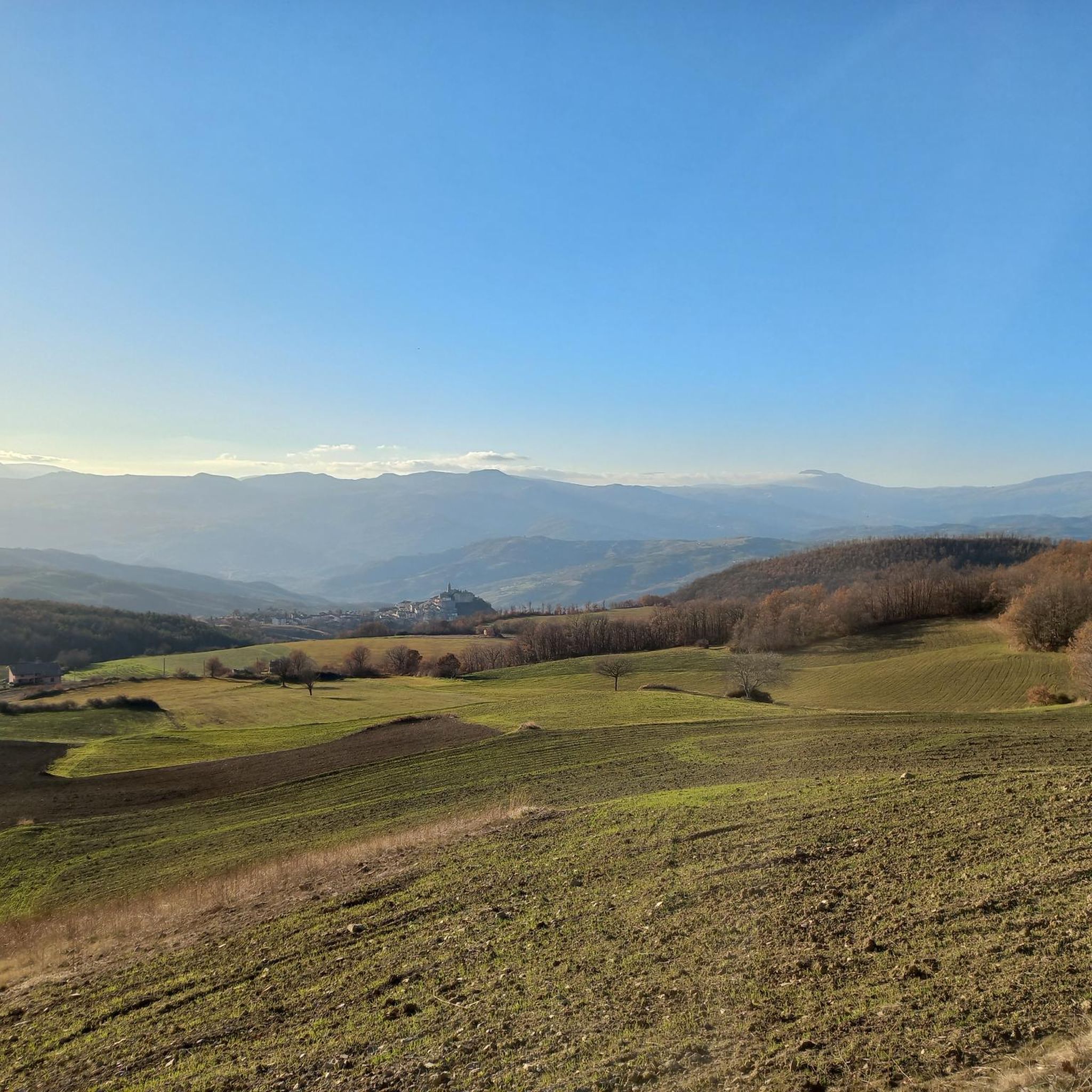
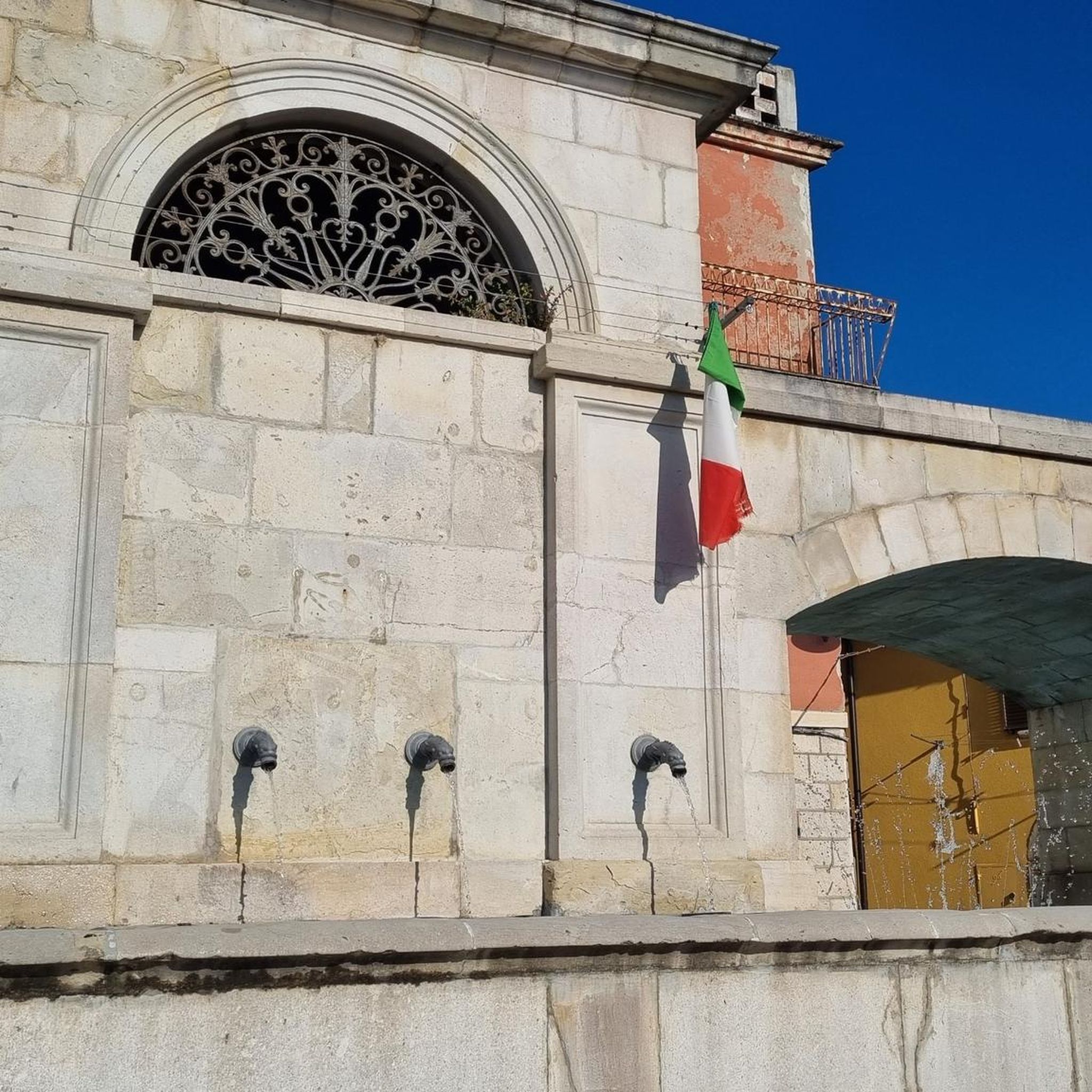
Tips from the Community

The village of Duronia is located on the ancient Lucera-Castel di Sangro sheep track. The village has undergone great depopulation and currently there are around 400 inhabitants. In the historic center you can spot the ruins of the medieval castle.
2
0
Civitanova del Sannio is located in the heart of Molise. The town is nestled in the mountains, surrounded by beech forests and with the Trigno river nearby. In August, sausage and cavatelli festivals are held, a typical pasta of this area.
2
1

The history of the de Iumento Albo can be reconstructed thanks to the parchment foundation that concerns it; preserved at the Abbey of Montecassino, the contents were published at the beginning of the 20th century. From the documents we learn that in 1002 the comes Berardo and his wife decided to donate a church dedicated to San Benedetto to Abbot Pietro «sita intra fines Banioli (Bagnoli del Trigno) in loco qui vocatur Molendini Vetulus». The church was therefore already existing in that year and the novelty was that the two aristocrats, involving Abbot Pietro, had decided to annex a monastery, a frequent custom among the Italian aristocracies of the time. In 1020 Abbot Pietro, together with another character named Paolo, decided to cede the monastery to Abbot Atenulf of Montecassino. The donation is part of the alliance between the Borrellis and the Lazio monastery which, in that territorial area, already held other monasteries, such as that of S. Colomba in Frosolone and the more distant ones of S. Pietro del Tasso in Carovilli and of S. Eustasio in Pietabbondante. The monastery was still under the control of Montecassino in 1057; it is also mentioned in the panels of the Cassino bronze doors installed with various interventions between the end of the 11th century and the beginning of the 12th and reappears in 1137 in a diploma, also confirming the assets of the Lazio abbey, issued by the Emperor Lothair III. https://www.turismoinmolise.com/de-iumento-albo/
1
0
Frosolone (Frescëlonë in Molise, Frusëlónë in Frosolonese dialect) is an Italian municipality of 2,797 inhabitants in the province of Isernia in Molise. The hypotheses which derive the name Frosolone from the Frosone, which some identify as the bird present in the municipal banner, must be considered Paretymologies, as well as that which associates it with an unidentified Samnite settlement cited by Livy, Fresilia and that according to which Frosolone it would have been founded by Benedictine monks coming from Frosinone, who would therefore have called the new settlement with the name of their place of origin. Before the Roman age the area was inhabited by Samnite populations, as evidenced by the presence of polygonal megalithic wall enclosures, visible on the mountain above the town, in the Civitelle area. These remains belong to what is defined as a high-altitude settlement: a fortified settlement of not very large dimensions, probably intended to be inhabited only in certain periods of the year, with generically defensive functions. As with many other centers in Molise, the medieval phase of the town ended drastically with the earthquake of 1456: according to what Antonino Pierozzi reports in his Chronicon, Frosolone was totally razed to the ground and there were 317 victims[16]; this information was then taken up by various authors, including Giovanni Antonio Summonte, who recalls how the town "largely fell, with the death of 318 people". There are regular testimonies of Frosolone starting from the Spanish period; in this era it went through an intense phase of development: together with Agnone and Trivento it hosted one of the three bishop's residences of the diocese. There is also a war fortification, which concerns very few centers in Molise, with the construction of an armed ravel in the area where today stands the so-called loggia dei pezzenti, the space known as Largo XX Settembre. In the early years of the 19th century, Frosolone was one of the most populous inhabited centers in the Molise countryside: in the same period in which it was close to 4,000 inhabitants, Agnone had around 7,500, Boiano around 3,500, Campobasso around 5,500, Isernia around 6,900. The 1805 earthquake imposed a major setback in the country's development; this second catastrophe seems to have had an equally disastrous outcome as that of 1456: sources of the time define it as "almost entirely adequate for the ground", and report a figure (how reliable it is not known) of a thousand deaths and 46 injuries out of a population of 4,000 souls. Source: Wikipedia
0
0

The Great Lake of Monfalcone in the Sannio is surrounded by unspoiled nature. it is also known as "lake of lovers"
0
0
The Giovanni Boccardi Astronomical Observatory is located in the municipality of Monfalcone, in Italy. Named after Giovanni Boccardi, a famous Italian astronomer, the observatory is dedicated to the study and observation of celestial objects and phenomena. It plays a vital role in advancing astronomical research and education in the region. https://www.castelmauro.org/informazioni-generali.html
0
0
Monfalcone nel Sannio is a comune located in the Molise region of Italy. This picturesque town is located in the province of Campobasso and offers a breathtaking setting with hilly landscapes and panoramic views. Its historical and cultural heritage includes ancient Roman remains and a well-preserved castle. https://www.comune.montefalconenelsannio.cb.it/hh/index.php
0
0
The Bosco di Trivento is a splendid nature reserve located in Molise, characterized by large wooded extensions. Ideal for hiking and mountain biking. In this area you can also find the park's wind turbines.
0
0
Frequently Asked Questions
How many mountain bike trails are available around Trivento?
There are over 15 mountain bike trails around Trivento, offering a variety of experiences for riders. These routes primarily range from moderate to difficult in terms of challenge.
Are there any easy mountain bike trails in Trivento suitable for beginners?
Currently, the mountain bike trails listed around Trivento are categorized as moderate to difficult. There are no easy trails specifically identified for beginners at this time. Riders should be prepared for varied terrain and elevation changes.
What are some of the more challenging mountain bike trails near Trivento?
For experienced riders seeking a challenge, the Montefalcone nel Sannio, Lago Grande e Monte Mauro – giro ad anello is a difficult 15.6-mile (25.1 km) route with significant elevation gain. Another demanding option is the Bagnoli del Trigno – Civitanova del Sannio loop from Bagnoli del Trigno, which spans 47.1 km.
Are there any circular mountain bike routes in the Trivento area?
Yes, many routes around Trivento are designed as loops, allowing for circular journeys. Examples include the Morgia di Pietravalle Loop and the Sant'Angelo Limosano and Bosco di Trivento Loop, both offering varied terrain and scenic views.
What kind of landscapes can I expect while mountain biking around Trivento?
Mountain biking around Trivento offers a diverse landscape characterized by rolling hills, dense woodlands, and scenic lake areas. You'll find trails winding through rural settings, forests, and open fields, often providing views of the surrounding countryside.
What are some interesting places to see or landmarks near the mountain bike trails?
While exploring the trails, you can find several points of interest. Consider visiting the historic village of Bagnoli del Trigno or the Sant'Angelo Limosano Historic Village. The San Nicola Staircase and Trivento Cathedral are also notable landmarks in the region.
When is the best time of year to go mountain biking in Trivento?
The best time for mountain biking in Trivento is typically during the spring and autumn months when the weather is milder and the natural scenery is at its most vibrant. Summer can also be suitable, but riders should be prepared for warmer temperatures, especially during midday.
What do other mountain bikers enjoy most about the trails in Trivento?
The mountain bike trails in Trivento are highly rated by the komoot community, with an average score of 5.0 stars. Riders often praise the diverse landscapes, including woodlands and open countryside, and the engaging nature of the routes.
Are there any trails that pass through significant woodlands or forests?
Yes, several trails incorporate dense woodlands. The Civitacampomarano and Bosco di Trivento route, for example, leads directly through forest areas, offering a shaded and immersive riding experience.
Can I find trails that offer views of lakes or other water features?
Yes, some routes feature scenic lake areas. The Montefalcone nel Sannio, Lago Grande e Monte Mauro – giro ad anello trail includes views of Lago Grande, providing a refreshing change of scenery during your ride.
Are there any less crowded mountain bike trails in Trivento?
While specific crowd levels can vary, exploring routes slightly off the main popular paths or riding during off-peak hours (weekdays, early mornings) can often lead to a more secluded experience. The region generally offers a good balance of popular and quieter routes through its diverse terrain.
Most popular attractions around Trivento

Get inspired with the komoot mobile app


Explore more
Browse the best MTB trails in other regions.
