The best cycling routes around San Ferdinando Di Puglia
4.3
(85)
128
riders
32
rides
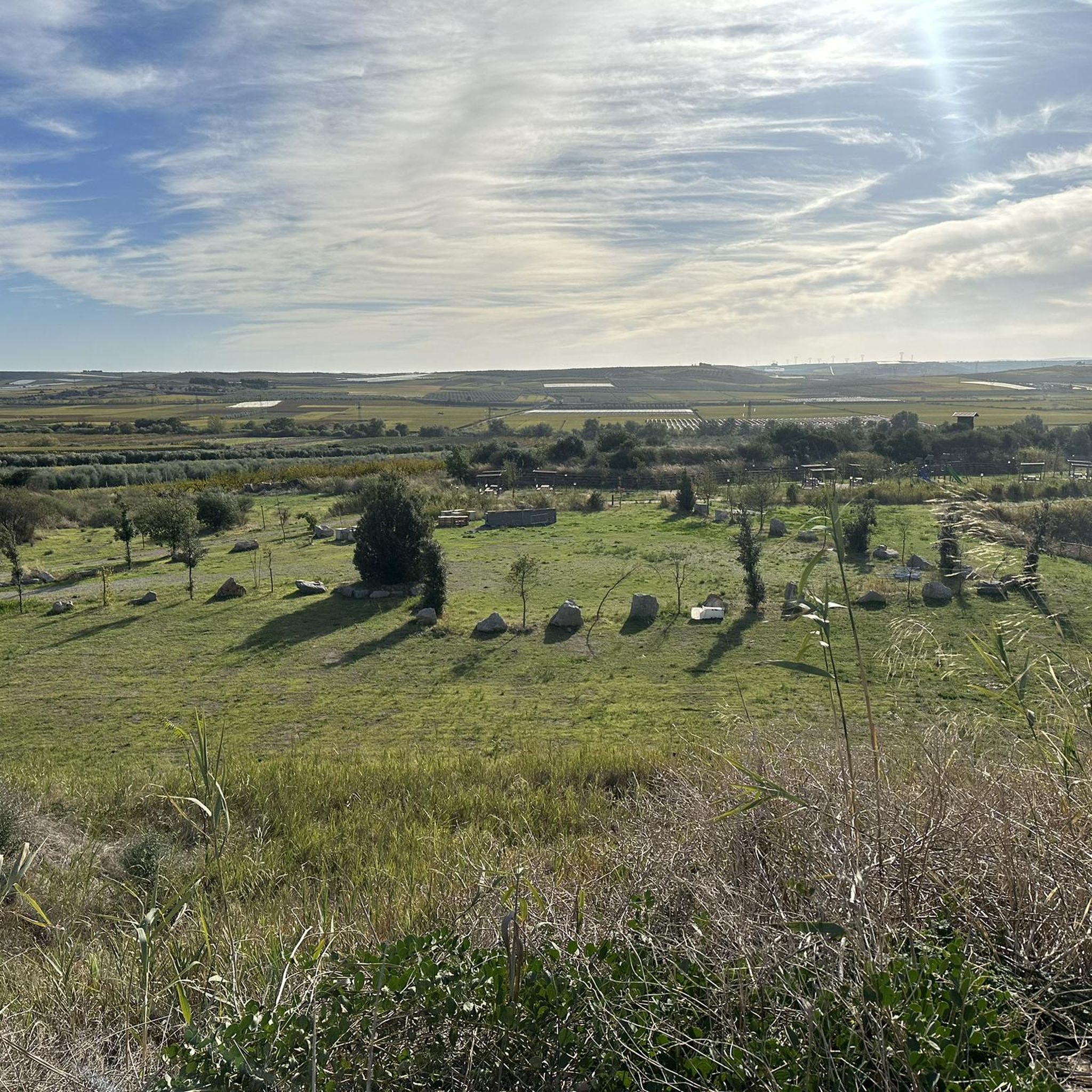
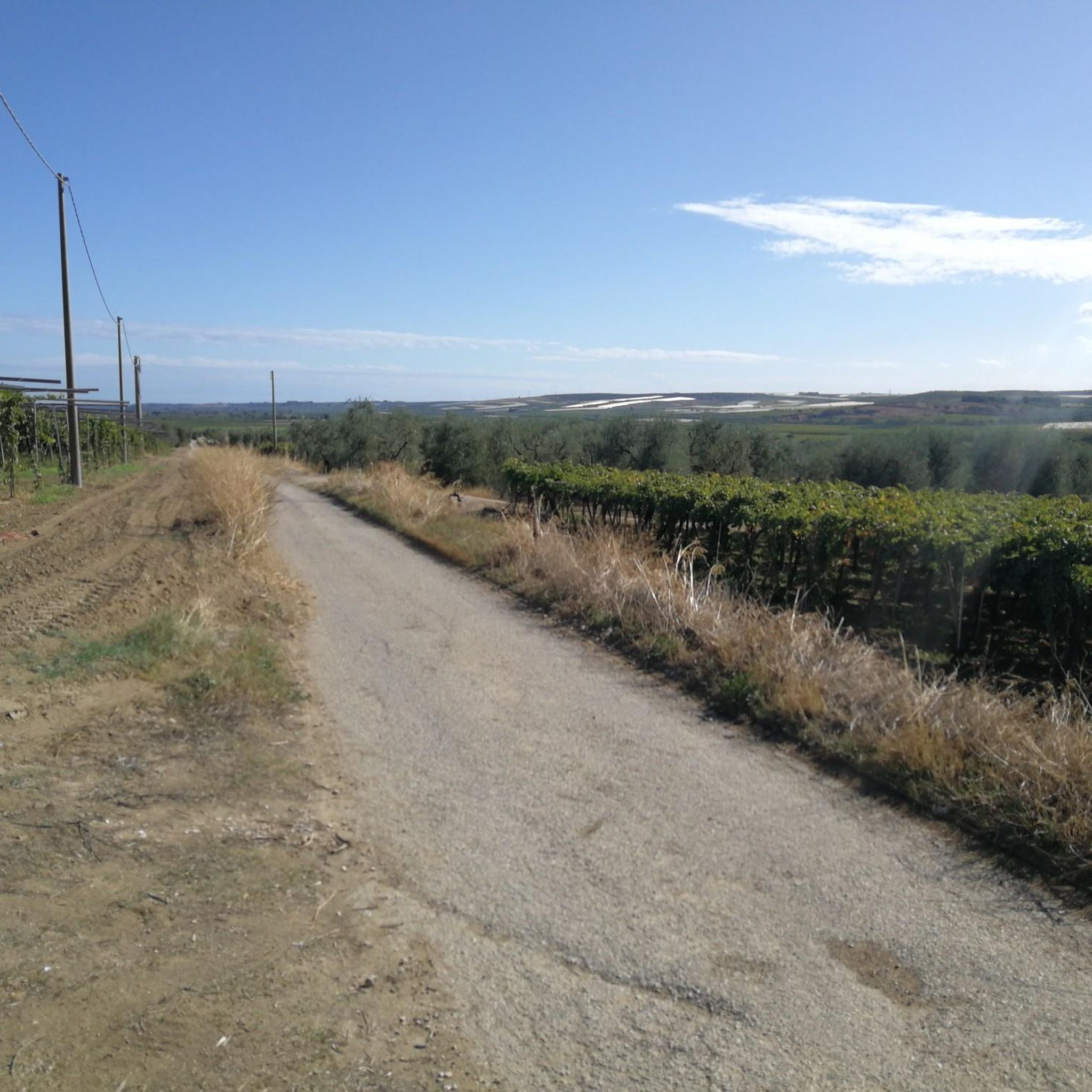
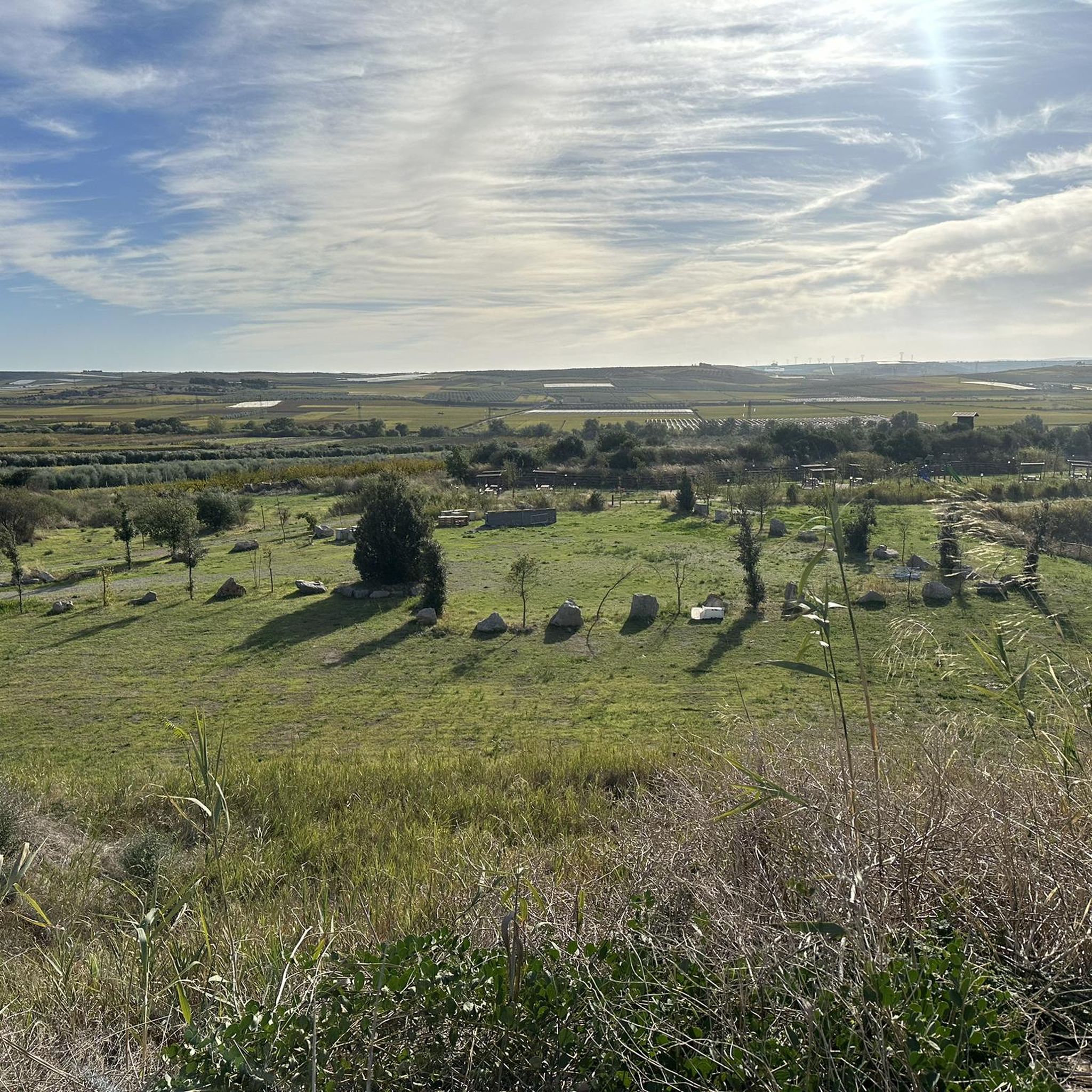
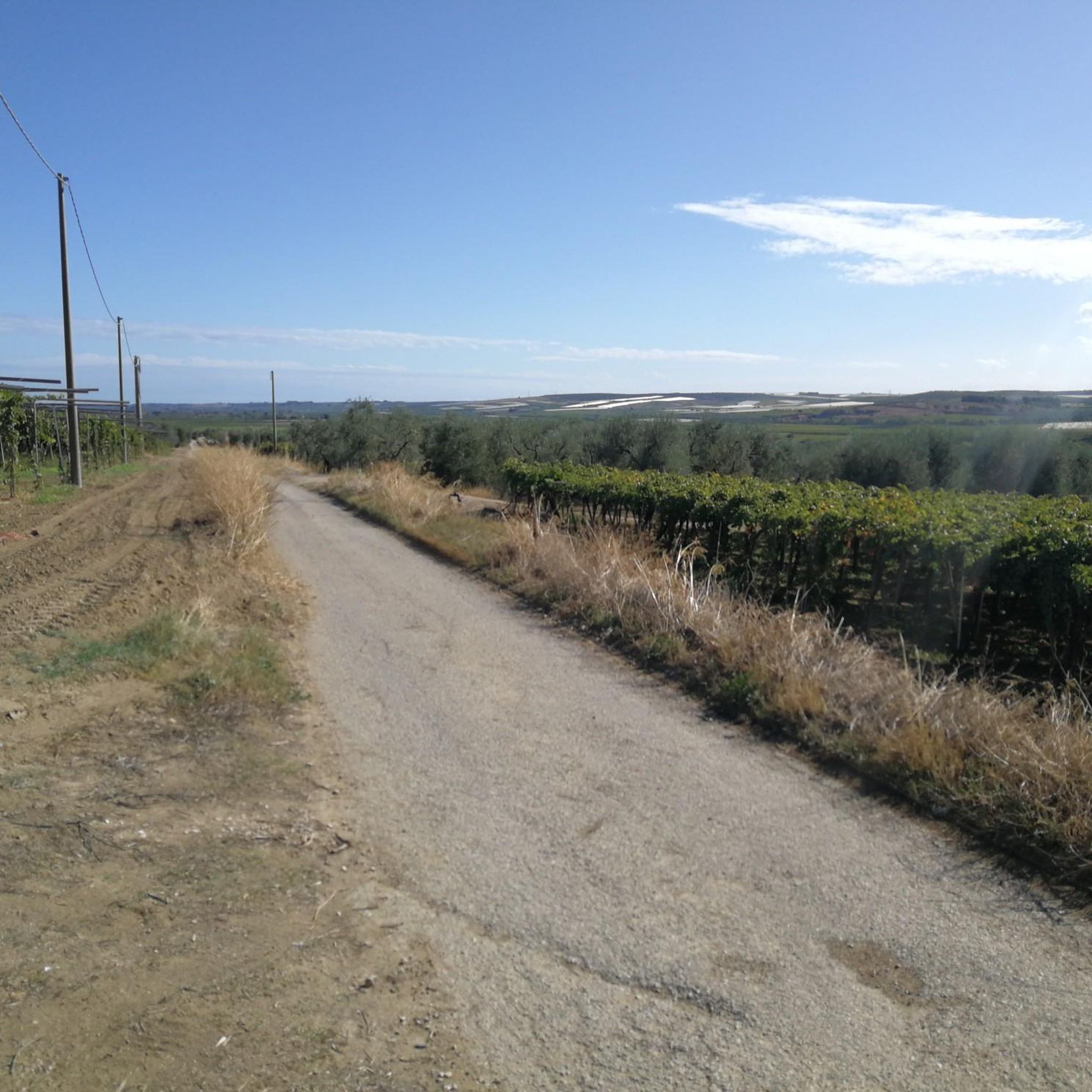
Touring cycling routes around San Ferdinando Di Puglia traverse a landscape characterized by flat to gently rolling terrain, making it accessible for various cycling abilities. The region is situated near the Ofanto River, offering routes through the Ofanto Regional Natural Park, and is in proximity to the Saline di Margherita di Savoia, Europe's largest salt flats. Cyclists can expect to encounter extensive olive groves, Mediterranean scrubland, and historical sites, providing a blend of natural beauty and cultural immersion.
Best touring…
Last updated: July 4, 2026
4.5
(2)
4
riders
63.3km
03:49
330m
330m
Moderate bike ride. Good fitness required. Mostly paved surfaces. Suitable for all skill levels.
5.0
(1)
2
riders
48.5km
03:22
240m
240m
Moderate bike ride. Good fitness required. Some segments of this route may be unpaved and difficult to ride.

Sign up for free
3.0
(1)
1
riders
29.7km
02:01
180m
180m
Moderate bike ride. Good fitness required. Mostly paved surfaces. Suitable for all skill levels.
87.9km
06:07
920m
920m
Hard bike ride. Very good fitness required. Mostly paved surfaces. Suitable for all skill levels.
27.3km
01:55
310m
310m
Moderate bike ride. Good fitness required. Some segments of this route may be unpaved and difficult to ride.
Get access to more routes and recommendations from other explorers.
Sign up for free
Already have an account?
Our route recommendations are based on thousands of hikes, rides, and runs completed by other people on komoot.
Start today with a free account
Your next adventure awaits.
Login or Signup
Tips from the Community

The old Roman bridge was probably built in the 1st or 2nd century and was an important section of the Via Traiana over the Ofanto river. After renovations, particularly after an earthquake in the 18th century, not much of the original structure can be seen anymore. Today, 5 arches span the river and secure the path for pilgrims on the Via Francigena nel Sud.
1
0

the panorama is suggestive, worth a stop
0
0

Beautiful mural with the protagonists of the fight against the mafia
0
0

The bridge crosses the Ofanto river near the city of Canosa di Puglia
1
0
What strength these Romans are!
0
0
The Saline of the same name is important, a natural reserve that extends along the Apulian coast for about twenty kilometers in the Province of Barletta-Andria-Trani.
0
0
The so-called 'Roman bridge' certainly follows the position of the bridge built on the Via Traiana at the beginning of the 2nd century, but very little remains of that structure. Over the centuries it has undergone various changes, some during the Aragonese period, but above all during the reign of Charles III of Bourbon, when in the mid-18th century, after yet another flood, almost the entire central part collapsed, supported by a single large arch, in place of the current two central ones. The bridge visible today is nothing more than a reconstruction carried out by Neapolitan naval engineers, coordinated by the architect Vanvitelli. Observing the construction typology, the attentive eye will certainly notice substantial differences both with similar bridges from the Roman era and with the remains of Roman buildings in nearby Canosa. The information regarding the eighteenth-century reconstruction is transcribed in the documents preserved in the 'Regia Dogana delle Pecore' section of the State Archives of Foggia. In fact, the bridge was located on the path of a Royal sheep track coming from Foggia, where two of the five royal sheep tracks of the Kingdom of Naples converged.
1
0
Frequently Asked Questions
What kind of terrain can I expect when touring cycling around San Ferdinando Di Puglia?
The region primarily features flat to gently rolling terrain, making it accessible for various cycling abilities. You'll cycle through extensive olive groves, Mediterranean scrubland, and along riverine paths, particularly near the Ofanto River and the unique salt flats.
Are there touring cycling routes suitable for beginners in San Ferdinando Di Puglia?
Yes, the area offers several easy to moderate routes. For a pleasant experience, consider the Around the Ofanto – loop from Canosa di Puglia, which is 18.4 miles (29.7 km) and typically takes about 2 hours.
Are there challenging touring cycling routes for experienced riders?
Absolutely. For a more demanding ride, the A lunar adventure — Puglia by bike route spans 69.0 miles (111.0 km) and offers a challenging exploration of Puglia's diverse landscapes. Another difficult option is The most remote Alta Murgia from Canosa di Puglia – loop tour.
How long do touring cycling routes typically take in this region?
Route durations vary significantly based on distance and difficulty. For example, the moderate Ofanto River Cycleway: Canosa di Puglia Loop is 39.3 miles (63.3 km) and takes approximately 3 hours 48 minutes, while shorter loops can be completed in around 2 hours.
What natural attractions can I discover along the touring cycling routes?
You can explore the scenic Ofanto Regional Natural Park, which the Ofanto River flows through. A short distance away are the Saline di Margherita di Savoia, Europe's largest salt flats, offering unique landscapes and birdwatching opportunities. You'll also cycle through vast olive groves characteristic of Puglia.
Are there historical landmarks to see while cycling in the area?
Yes, the region is rich in history. You can encounter sites like the Archaeological Park of Canne della Battaglia and the ancient Roman Bridge over the Ofanto River, which are often integrated into cycling paths.
What is the best time of year for touring cycling in San Ferdinando Di Puglia?
The Mediterranean climate, with its mild, wet winters and hot, dry summers, makes much of the year suitable for cycling. Spring and autumn generally offer the most comfortable temperatures for touring, avoiding the peak summer heat.
Are there any circular touring cycling routes available?
Yes, several routes are designed as loops. A popular option is the Ofanto River Cycleway: Canosa di Puglia Loop, which allows you to start and finish in the same location.
What do other touring cyclists enjoy the most about touring cycling in San Ferdinando Di Puglia?
The area is highly rated by the komoot community, with an average score of 4.5 stars from over 60 reviews. Cyclists often praise the blend of serene agricultural landscapes, unique natural features like the salt flats, and accessible historical sites, creating a varied and engaging experience.
Is public transport available for cyclists in San Ferdinando Di Puglia?
While specific public transport options for bikes within San Ferdinando Di Puglia itself may be limited, the broader Puglia region is increasingly cyclist-friendly. It's advisable to check local train or bus services for their bike carriage policies if you plan to use public transport to access routes.
Are there options for parking near the touring cycling routes?
Given the region's focus on outdoor activities, you can generally find parking in or near the starting points of many routes, especially in towns like Canosa di Puglia which serve as common access points for the Ofanto River trails. Look for designated parking areas in these towns.
Can I find cafes or restaurants along the touring cycling routes?
Cycling through the agricultural heartlands and near towns means you'll often find opportunities to stop at local cafes and restaurants. These provide a chance to experience authentic Southern Italian cuisine and refresh during your ride.
Most popular attractions around San Ferdinando Di Puglia

Get inspired with the komoot mobile app


Explore more
Browse the best Cycling routes in other regions.
