The best walks and hikes around San Ferdinando Di Puglia
4.0
(21)
100
hikers
9
hikes
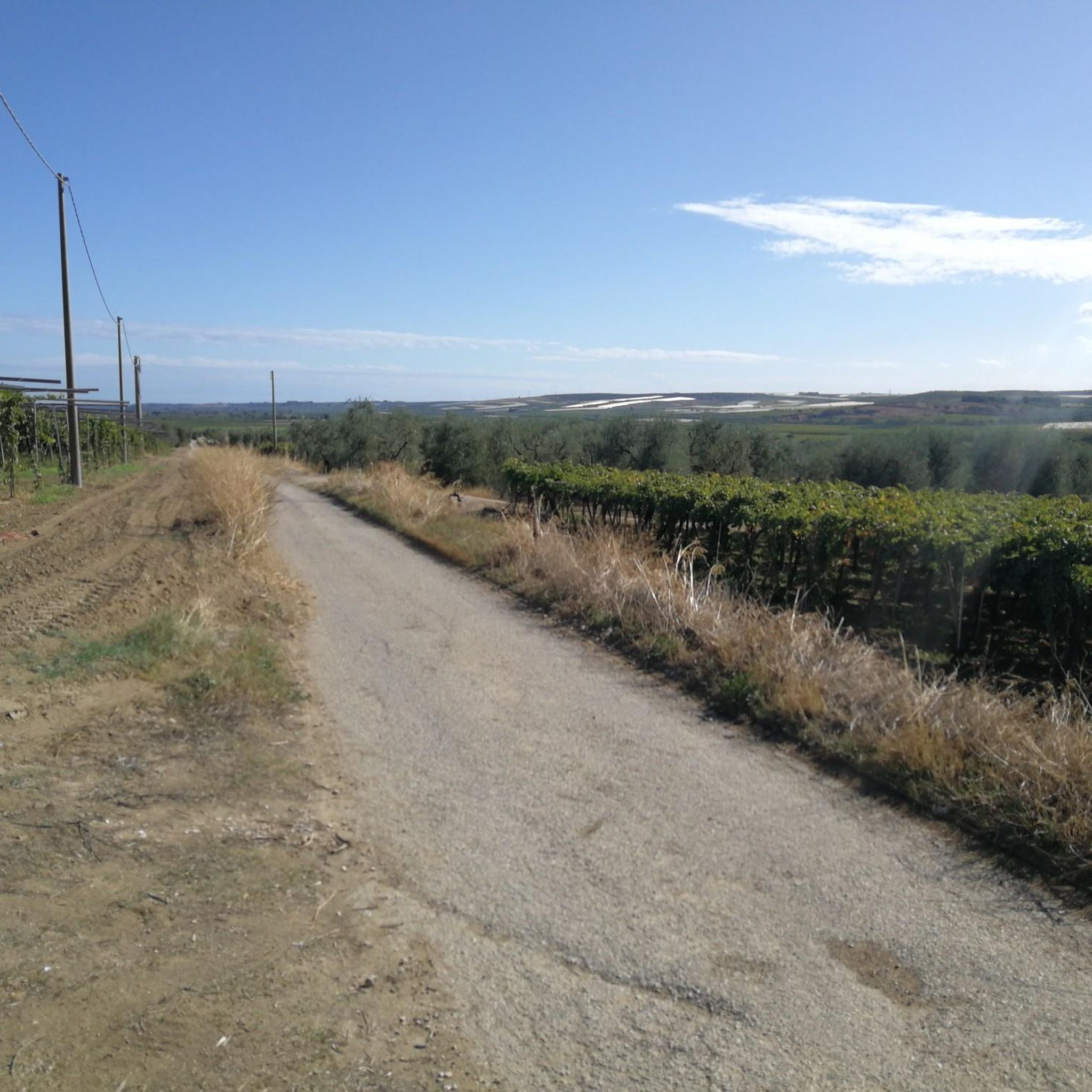
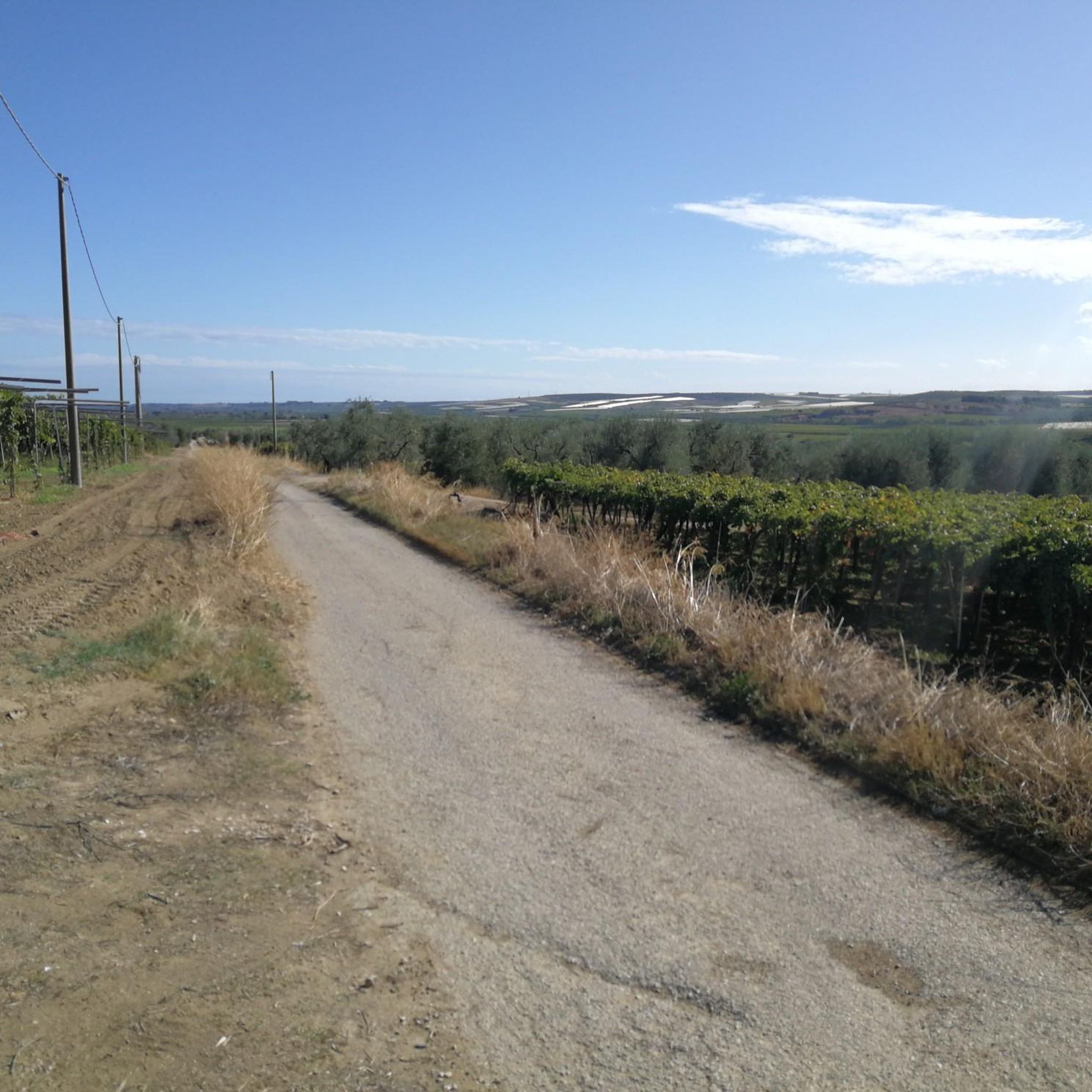
Hiking around San Ferdinando Di Puglia offers access to diverse natural landscapes within the Apulia region. The area is characterized by the Ofanto River, which forms part of the Ofanto Regional Natural Park, and its proximity to the vast Margherita di Savoia Salt Flats. Hikers can explore rolling hills, former limestone quarries, and areas with historical and archaeological significance. The terrain provides a mix of flat riverine paths and gentle ascents through agricultural lands.
Best hiking trails around San Ferdinando…
Last updated: August 22, 2026
3.5
(6)
26
hikers
24.1km
06:27
300m
250m
Hard hike. Very good fitness required. Easily-accessible paths. Suitable for all skill levels.
1
hikers
20.2km
05:05
20m
20m
Hard hike. Very good fitness required. Mostly accessible paths. Sure-footedness required.

Sign up for free
5.0
(1)
11
hikers
7.16km
01:48
0m
0m
Easy hike. Great for any fitness level. Easily-accessible paths. Suitable for all skill levels.
4.0
(1)
9
hikers
Moderate hike. Good fitness required. Easily-accessible paths. Suitable for all skill levels.
4.7
(3)
7
hikers
Moderate hike. Good fitness required. Easily-accessible paths. Suitable for all skill levels.
Get access to more routes and recommendations from other explorers.
Sign up for free
Already have an account?
Our route recommendations are based on thousands of hikes, rides, and runs completed by other people on komoot.
Start today with a free account
Your next adventure awaits.
Login or Signup
Tips from the Community

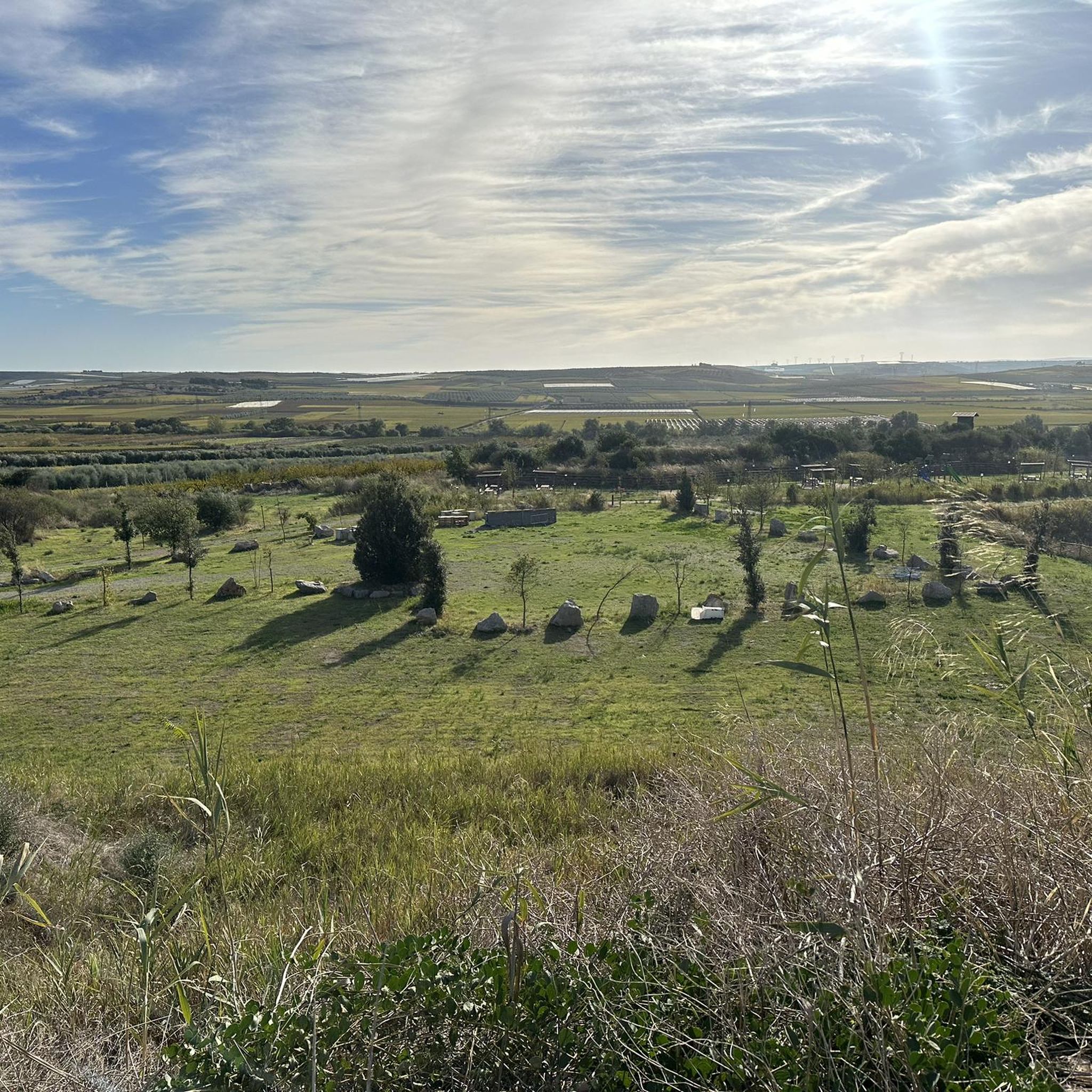
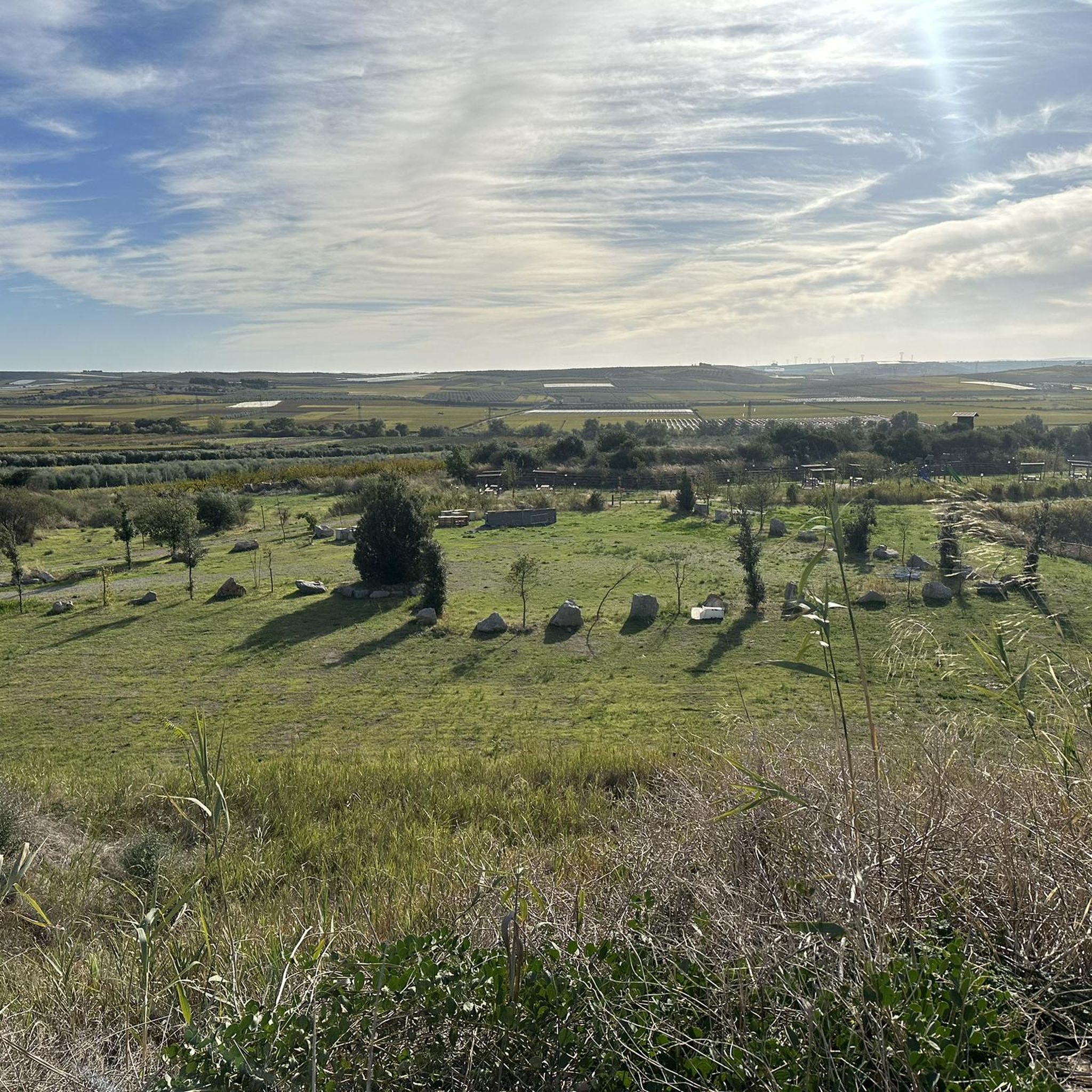
The site of Canne della Battaglia is mainly remembered for the decisive battle of 216 BC, fought between the Romans and Carthaginians during the Second Punic War. The hilly reliefs overlooking the Ofanto valley have been inhabited since the Neolithic period and continuously until the 3rd century BC, most likely in conjunction with the epic clash that disrupted the settlement patterns of the entire area. In Roman times, it is recalled in the sources as the emporium of Canusium, in whose shadow it lived until the latter's abandonment in the second half of the 9th century. From this moment, Canne began its most important historical phase, linked to the stabilization of Byzantine power in Puglia. Thanks to its strategic position, the Cannese village, likely built on a pre-existing Roman structure and known today as the 'Cittadella', was re-occupied from the late antique period and consolidated in the following centuries, around two main centers, the basilicas and the castle, also thanks to the establishment of a diocese, led, in the early 12th century, by Ruggero, the current patron saint of Barletta. The antiquarium annexed to the archaeological park was created in the late 1950s for the valorization and conservation of artifacts from excavations conducted in the area, starting from the Ventennio, a period of frenetic exaltation of Roman grandeur. Today's exhibition favors the narration of events related to the Second Punic War and the great battle that represented a trauma for the surrounding territory and for the indomitable Roman army. However, according to the current state of research, no archaeological documentation referring to the clash of 216 BC has yet been found, nor can the reconstruction of the landscape on these hills, as described by historical sources, particularly Livy and Polybius, be considered plausible. Rather, the site of Canne, in addition to being located in an area of great landscape and natural value, constitutes, to this day, one of the most interesting examples of abandoned medieval settlements in Italy.
0
0
An ancient watering hole with a large stone basin, located in a 17th-century building in a small valley of remarkable landscape value. It's a shame that the monument remains in a depressing state of neglect.
1
0

216 BC. Museum, ruins of the old city built on the site of the Carthaginian camp. Entrance to the museum is 6 euros. You can lock your bike nearby.
0
0
Beautiful mural with the protagonists of the fight against the mafia
0
0

Impressive archaeological site, great history. Unfortunately I didn't read it carefully, unfortunately closed today.
3
0

The Antiquarium, located at the foot of the fortified citadel and the Archaeological Park, with the remains of the ancient Daunian settlement and the structures from the Roman, early Christian and medieval eras, today offer visitors a complex and fascinating itinerary.
1
0
We are located between the cities of Canosa and Barletta, the site is located on a hill overlooking the right bank of the Ofanto river.
1
0
The museum and the archaeological park are located in an area of great landscape and naturalistic value and are included in the Ofanto Regional Natural Park.
0
0
Frequently Asked Questions
What kind of hiking terrain can I expect around San Ferdinando di Puglia?
The hiking terrain around San Ferdinando di Puglia is quite varied, offering a mix of landscapes. You'll find riverine paths along the Ofanto River within the Ofanto Regional Natural Park, expansive flat areas near the Margherita di Savoia Salt Flats, and gentle ascents through rolling hills and agricultural lands, including olive groves. Some routes may also follow ancient mule tracks or Roman roads, providing a blend of natural beauty and historical context.
Are there hiking options for different skill levels in the area?
Yes, the area offers routes suitable for various abilities. While there are no easy routes listed directly from San Ferdinando di Puglia, you can find 2 moderate trails and 1 difficult trail. For example, the San Ruggiero Fountain – Archaeological Site of Cannae loop is a moderate option, while the Margherita di Savoia Salt Pans Loop presents a more challenging, difficult hike.
What natural features or landmarks can I see while hiking near San Ferdinando di Puglia?
Hikers can explore several significant natural features and landmarks. The Saline di Margherita di Savoia (Salt Flats) are a prominent feature, being Europe's largest. You can also discover the Ofanto River, which is part of a regional natural park. Historical sites like the Archaeological Site of Cannae and the Roman Bridge over the Ofanto River offer cultural points of interest amidst the natural scenery.
Are there any family-friendly hiking trails around San Ferdinando di Puglia?
While specific 'easy' family-friendly routes are not detailed in the immediate vicinity, moderate trails like the Ofanto River Ford loop from Laghetto artificiale San Mercurio, which is about 6.6 miles (10.7 km) long, could be suitable for families with older children or those accustomed to walking. These routes offer a chance to explore the natural beauty of the Ofanto Regional Natural Park.
What is the best time of year to go hiking in San Ferdinando di Puglia?
The Apulia region, including San Ferdinando di Puglia, generally offers pleasant hiking conditions in spring (April-May) and autumn (September-October). During these seasons, temperatures are milder, and the landscapes are vibrant. Summer can be very hot, especially in July and August, making early morning or late afternoon hikes more advisable if visiting then. Winters are generally mild but can be damp.
Are there any circular hiking routes available?
Yes, several routes in the area are designed as loops, allowing you to start and end at the same point. Examples include the challenging Margherita di Savoia Salt Pans Loop, the moderate San Ruggiero Fountain – Archaeological Site of Cannae loop, and the Ofanto River Ford loop.
What do other hikers enjoy most about hiking in San Ferdinando di Puglia?
The area is highly rated by the komoot community, with an average score of 3.8 stars from over 4 reviews. Hikers often praise the unique landscapes, particularly the expansive views of the Margherita di Savoia Salt Flats and the historical exploration opportunities around sites like the Archaeological Site of Cannae. The diverse terrain, from riverine paths to gentle hills, also contributes to a varied and engaging experience.
Is public transport available to reach hiking trails near San Ferdinando di Puglia?
While San Ferdinando di Puglia is a well-connected town, direct public transport links specifically to trailheads might be limited. It's advisable to check local bus schedules or consider using a car for greater flexibility to access the starting points of trails, especially those within the Ofanto Regional Natural Park or further afield towards the salt flats.
Are there any national parks accessible from San Ferdinando di Puglia for more extensive hiking?
Yes, San Ferdinando di Puglia serves as a good base for exploring larger national parks in the Apulia region. To the north, you can reach the Gargano National Park, known for its ancient forests, limestone cliffs, and rugged coastlines. To the west, the Alta Murgia National Park offers dramatic karst landscapes, rolling hills, and archaeological ruins. Both provide extensive hiking opportunities for various skill levels.
Are there any specific permits required for hiking in the natural parks or protected areas?
Generally, permits are not required for day hiking on established trails within the Ofanto Regional Natural Park or other regional natural areas around San Ferdinando di Puglia. However, if you plan to visit specific protected reserves or engage in activities beyond standard hiking, it's always best to check with the local park authorities for any specific regulations or permit requirements.
What amenities like cafes or accommodation are available near the hiking trails?
San Ferdinando di Puglia itself offers various amenities, including cafes, restaurants, and accommodation options. While specific cafes directly on remote trailheads are uncommon, you'll find facilities in the town and nearby settlements like Margherita di Savoia, especially after completing a hike. It's recommended to carry sufficient water and snacks, as services might be sparse along the trails themselves.
Can I bring my dog on the hiking trails around San Ferdinando di Puglia?
Many natural areas and trails in Italy, including those around San Ferdinando di Puglia, are generally dog-friendly, especially if your dog is well-behaved and kept on a leash. However, specific rules can vary within protected areas like the Ofanto Regional Natural Park or the Margherita di Savoia Salt Flats, particularly concerning wildlife protection. Always check for local signage and ensure you clean up after your pet.
Most popular attractions around San Ferdinando Di Puglia

Get inspired with the komoot mobile app


Explore more
Browse the best Hikes in other regions.
