Attractions and Places To See around San Giorgio Lucano - Top 15
Best attractions and places to see around San Giorgio Lucano include historical sites, natural landscapes, and cultural traditions. This village is situated on a hilltop overlooking the Sarmento valley and serves as a gateway to the Pollino National Park. The area offers a blend of historical buildings, such as noble palaces and ancient churches, alongside natural features like caves and panoramic viewpoints. Visitors can explore a variety of settings, from historic centers to natural park areas.
Best attractions and places…
Last updated: July 6, 2026
Access to the Birdwatching Observatory
Highlight • Trail
Translated by Google •
Tip by

Belvedere di Colobraro
Highlight • Viewpoint
Translated by Google •
Tip by
Sign up now to discover places like this
Get recommendations on the best single tracks, peaks, & plenty of other exciting outdoor places.
Sign up for free
View of Monte Cotugno Dam
Highlight • Viewpoint
Translated by Google •
Tip by
Nocara Historic Village
Highlight • Settlement
Translated by Google •
Tip by

San Costantino Albanese
Highlight • Settlement
Translated by Google •
Tip by

Sign up for free to discover even more attractions around San Giorgio Lucano.
Sign up for free
Already have an account?
Start today with a free account
Your next adventure awaits.
Login or Signup
Popular around San Giorgio Lucano
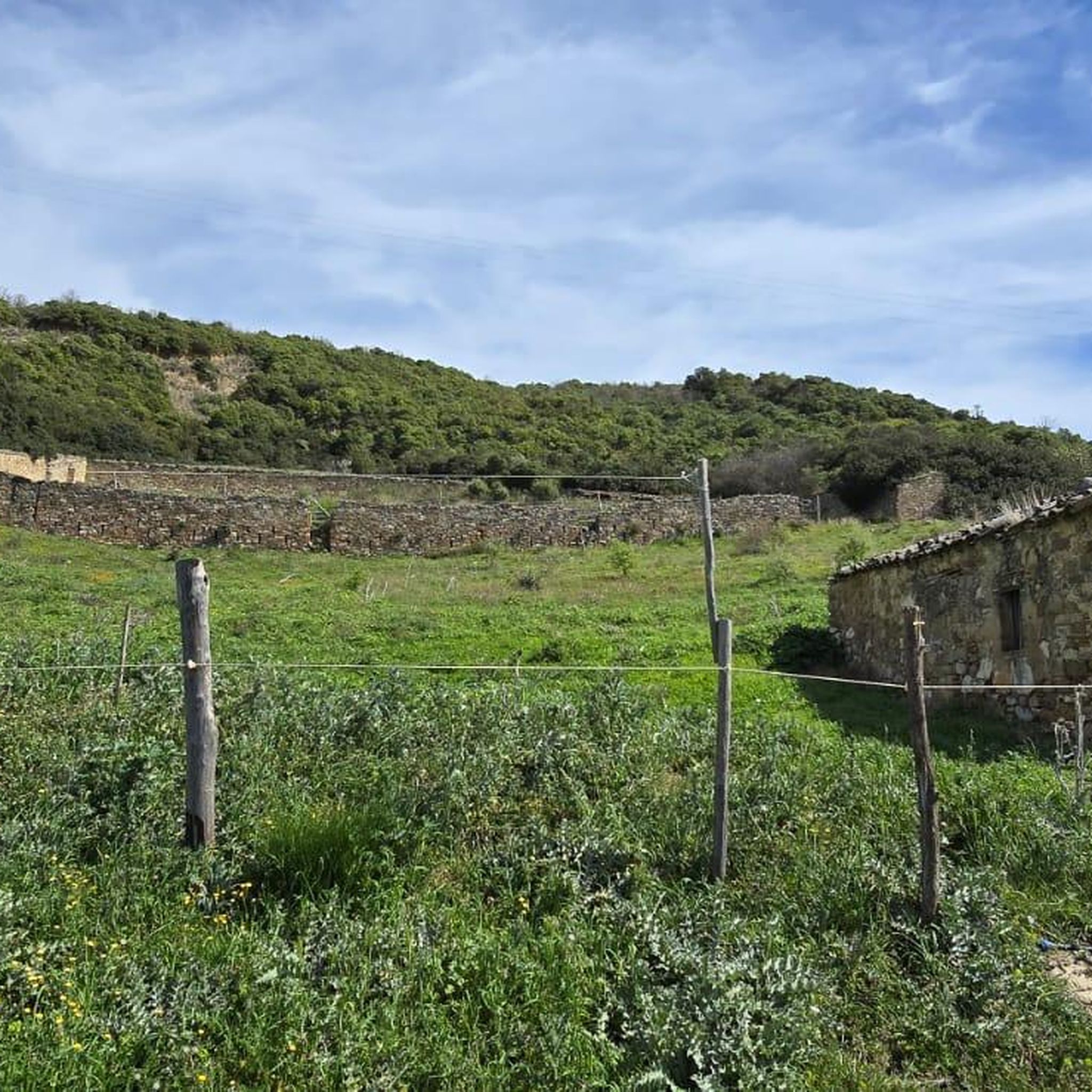

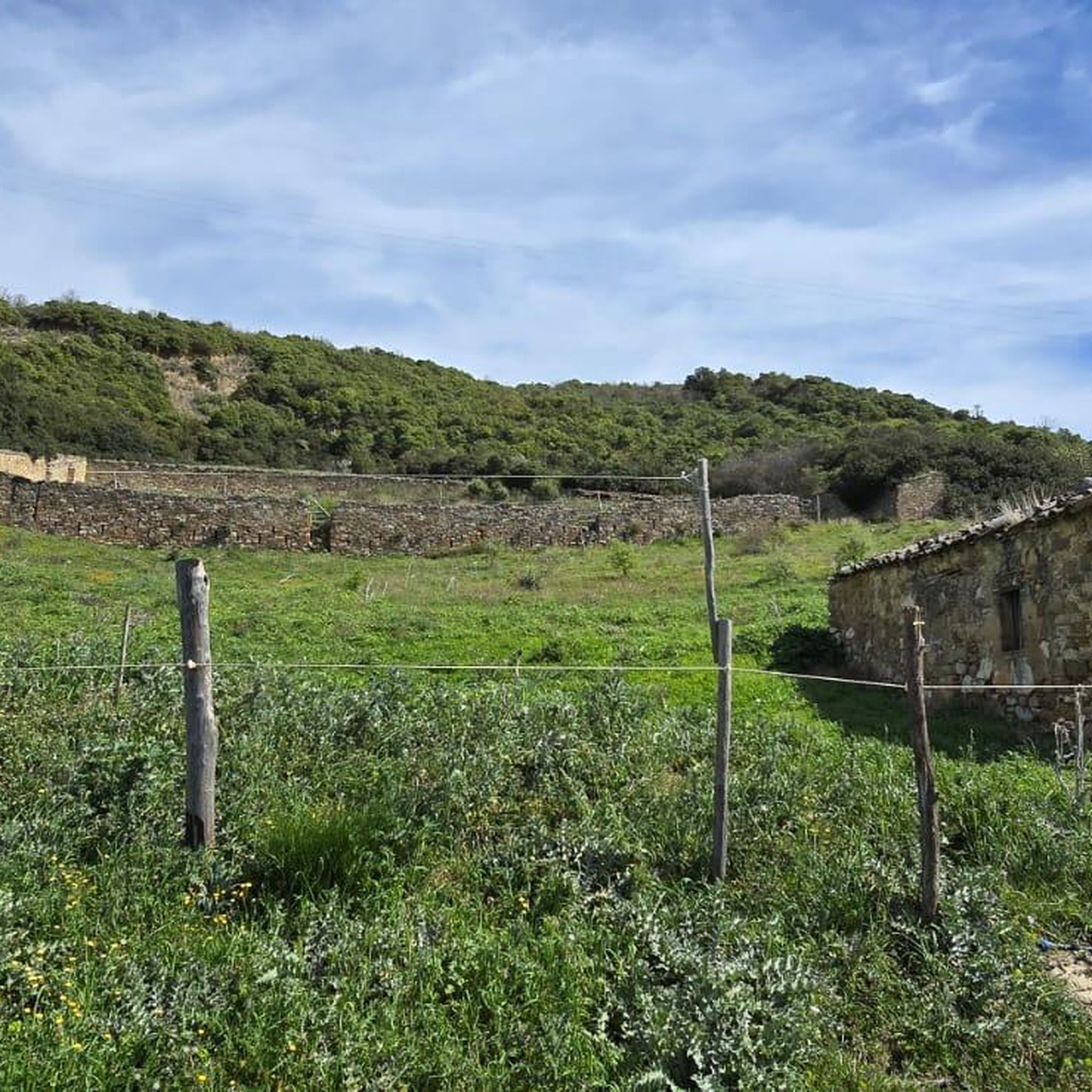
Tips from the Community

All you need is a bike, the desire to pedal and time to contemplate
0
0

Small town perched at 859 meters above sea level It will give you excellent views of the valley below.
1
0

A small village in the Arbëreshë lands of Lucania. An Albanian enclave following emigration from Epirus in the 16th century, along with San Paolo Albanese and other areas of Puglia and Calabria, it is a land of Albanian customs, traditions, and language. The religion follows the Byzantine Orthodox rite.
0
0

Panoramic point that allows you to enjoy a wide view of the neighboring hilly countries as well as the Mediterranean coast
0
0
Very characteristic panorama with adjoining pine forest for a short stop
0
0
the photo was taken at the entrance of the path that leads to the avifaunal observatory which alas seems abandoned. this is also an excellent point for a summer break, with sufficient shade guaranteed by the pines
1
0
It is an obligatory crossing point on a road that is deserted from cars for about ten kilometers. In summer it can also be considered as a stopping point for a nap given the shade guaranteed by the trees of a small pine forest.
3
0
Frequently Asked Questions
What natural attractions can I explore near San Giorgio Lucano?
San Giorgio Lucano serves as a gateway to Pollino National Park, offering extensive opportunities for excursions, trekking, and nature trails. The village itself provides breathtaking views of the Sarmento Valley. You can also discover approximately 1,200 surveyed caves in areas like Timpa and Crocicella, which are significant for their landscape and historical value. For a specific viewpoint, visit View of Monte Cotugno Dam, which offers a characteristic panorama and a shaded pine forest for a break.
Are there historical sites to visit within San Giorgio Lucano?
Yes, the historic center of San Giorgio Lucano is rich with history. You can explore several noble palaces, such as Palazzo Zito (17th century), Palazzo Ripa (18th century), and the oldest, Palazzo Lauria (1600). The Mulino del Sole, a mill built before the 18th century, and the 17th-century Fontana "Vecchia" are also notable historical points.
Where can I find panoramic views around San Giorgio Lucano?
For stunning panoramic views, consider visiting View of Monte Cotugno Dam, which offers a characteristic vista. Another excellent spot is Belvedere di Colobraro, a panoramic point that provides a wide view of neighboring hilly countries and the Mediterranean coast. Additionally, the Nocara Historic Village, perched at 859 meters above sea level, offers excellent views of the valley below.
What kind of outdoor activities, like cycling or mountain biking, can I do near these attractions?
The area around San Giorgio Lucano offers various cycling opportunities. You can find numerous routes for mountain biking, road cycling, and touring bicycles. For detailed routes and guides, explore the MTB Trails around San Giorgio Lucano, Road Cycling Routes around San Giorgio Lucano, and Cycling around San Giorgio Lucano guides.
Are there any family-friendly attractions in the San Giorgio Lucano area?
Yes, several attractions are suitable for families. The View of Monte Cotugno Dam offers a pleasant stopping point with shade from a small pine forest. Belvedere di Colobraro provides expansive views that can be enjoyed by all ages. Additionally, the Access to the Birdwatching Observatory, though the observatory itself may be abandoned, offers a good spot for a summer break with sufficient shade.
What is the best time of year to visit San Giorgio Lucano for outdoor activities?
The region experiences typical Mediterranean weather. For outdoor activities like hiking and cycling, spring (April to June) and autumn (September to October) generally offer pleasant temperatures and less intense heat than summer. Summer (July and August) can be warm, but the shade provided by pine forests at spots like the View of Monte Cotugno Dam can offer respite.
Can I explore ancient ruins or archaeological areas near San Giorgio Lucano?
Yes, the territory around San Giorgio Lucano has archaeological significance. In areas such as Sodano, Pallio, San Brancato, and Campo le Rose, necropolises and tools dating back to the ancient Greek era have been discovered, offering insights into the region's long history.
What is the significance of the caves in the region?
The territory around San Giorgio Lucano is home to approximately 1,200 surveyed caves, particularly in areas like Timpa, Crocicella, Casino, and Fontana Vecchia. These caves are significant for their landscape and historical value, bearing witness to a disappearing peasant culture. Some, especially in Timpa and Crocicella, are quite imposing and feature valuable wooden entrances and wrought-iron ornaments.
Are there any unique villages or settlements to visit nearby?
Absolutely. The Nocara Historic Village is a must-see, perched at 859 meters above sea level and offering excellent views. Another unique settlement is San Costantino Albanese, a small village in the Arbëreshë lands of Lucania. It's an Albanian enclave with distinct customs, traditions, and language, following the Byzantine Orthodox rite.
What cultural traditions are unique to San Giorgio Lucano?
San Giorgio Lucano is known for its traditional peasant folklore event, the "Ballo del falcetto" (Sickle Dance). This dance, originally performed in wheat fields at the end of the harvest, symbolizes the farmer's struggle and is held on August 16th during the feast of Saint Roch.
What religious sites can I visit in San Giorgio Lucano?
The main religious building in the village is the Mother Church of San Francesco d'Assisi, dating back to the second half of the 17th century and notable for its octagonal floor plan and valuable frescoes. You can also visit the Sanctuary of the Madonna del Pantano (or degli Angeli), built around 1650, and the Chapel of the Madonna delle Grazie, constructed in 1770, which houses a wooden statue of San Giorgio.
Are there any hidden gems or lesser-known spots to discover?
Beyond the main attractions, exploring the suggestive alleyways of the historic center can reveal charming noble palaces and glimpses of local life. The numerous caves in the territory, particularly those with preserved wooden entrances and wrought-iron ornaments, offer a unique insight into the region's past and are less frequented than other sites. Additionally, the area known as "La Catusa" within the Pollino National Park provides beautiful natural surroundings ideal for quiet outdoor activities.

Get inspired with the komoot mobile app


Explore more
Still not found the Highlight you’re looking for? See guides of the top attractions in other regions:
