Attractions and Places To See around Girifalco - Top 20
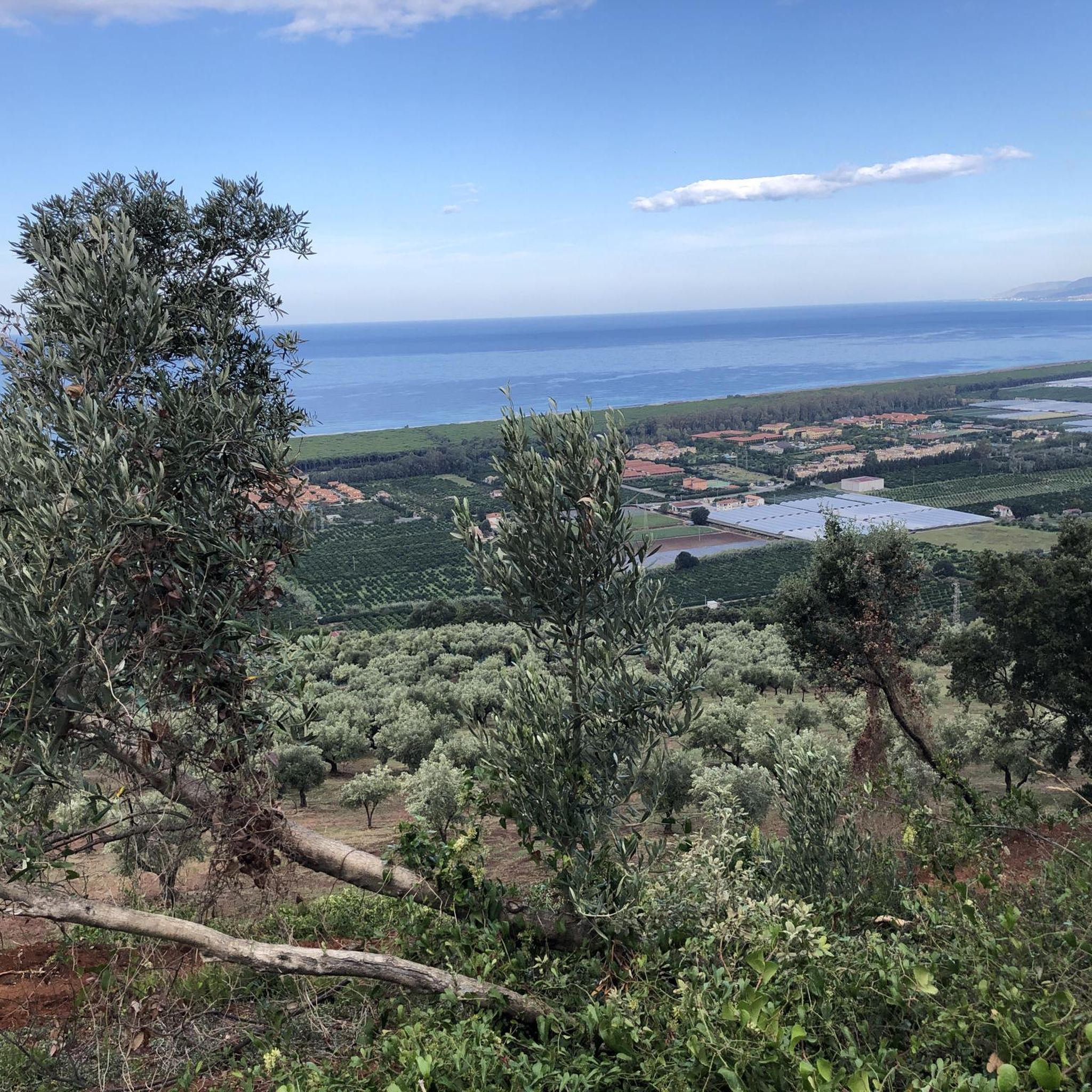
Best attractions and places to see around Girifalco offer a mix of historical landmarks and natural features. Situated on the slopes of Monte Covello, the town provides access to both mountain environments and cultural sites. The region is characterized by its Baroque architecture, historic centers, and mineral water springs. Its location in the narrowest part of Italy allows for diverse exploration opportunities.
Best attractions and places to see around Girifalco
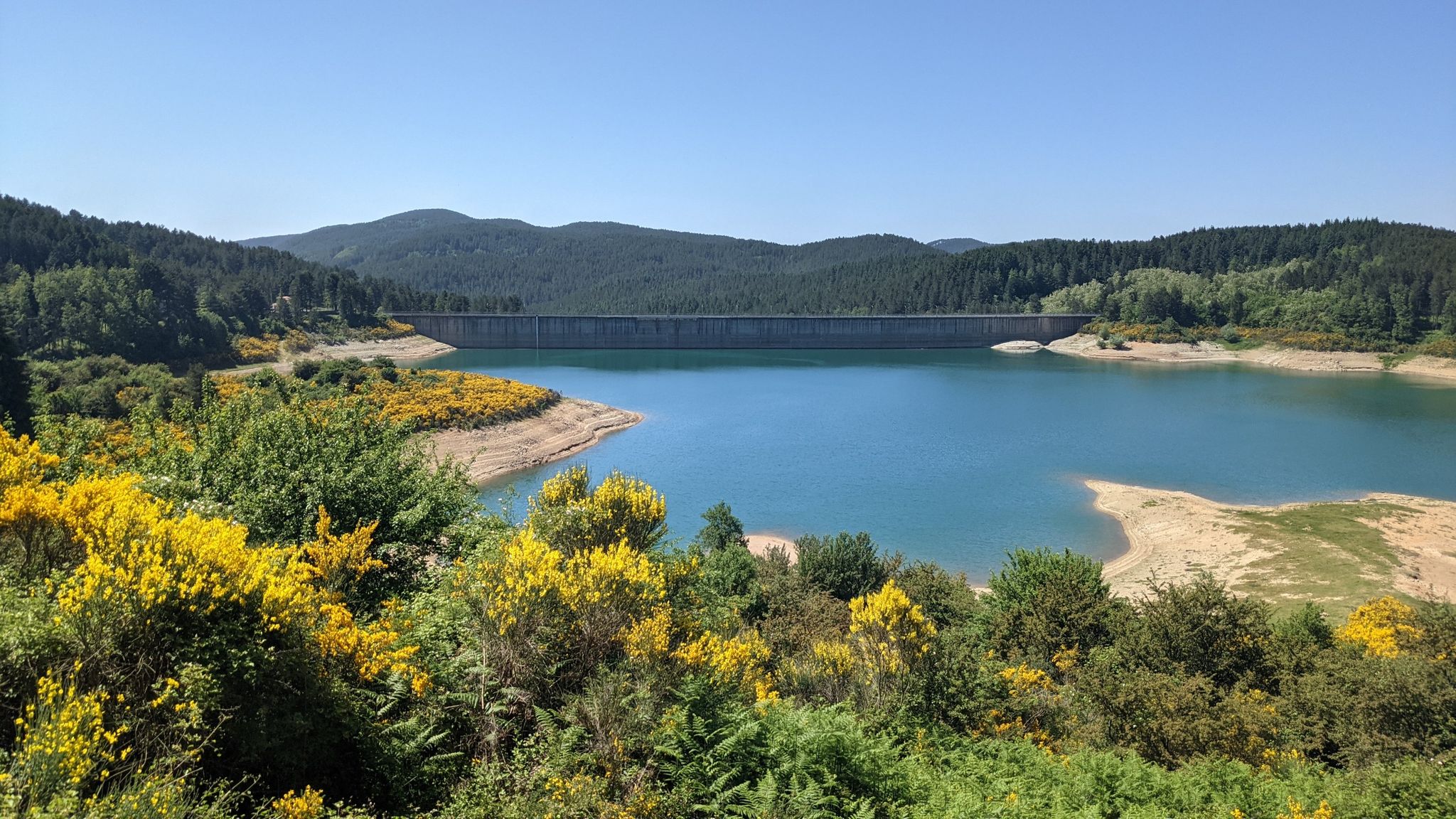
- The most popular attractions is Monte Covello, a summit that is crossed by many local cyclists and features lush greenery. The summit, at 848 meters, is forested and includes a statue of the Madonna.
- Another must-see spot is Norman Castle of Squillace, a castle that dominates the panorama from the highest point of the medieval village. Built by the Normans in the 11th century, it offers views of the town and the gulf.
- Visitors also love Girifalco, a settlement located at the foot of Monte Covello. This village is known for its historic center, including the 17th-century "Devil's Fountain" and various churches.
- Girifalco is known for its historical sites, religious buildings, and natural viewpoints. The area provides a variety of attractions to see and explore, from ancient architecture to mountain trails.
- The attractions around Girifalco are appreciated by the komoot community, with 14 highlights, 11 photos, and 28 upvotes.
Last updated: July 2, 2026
Monte Covello
Highlight • Summit
Translated by Google •
Tip by

Girifalco
Highlight • Settlement
Translated by Google •
Tip by

Sign up now to discover places like this
Get recommendations on the best single tracks, peaks, & plenty of other exciting outdoor places.
Sign up for free
Norman Castle of Squillace
Highlight • Castle
The Norman castle
Squillace Castle dominates the panorama from the highest point of the medieval village and watches over the settlement and its surroundings.
It was built by the Normans in the second half of the 11th century, at the end of the successful campaign of conquest in Calabria against the Byzantines, who had occupied southern Italy for over 5 centuries. The Norman era is certainly the most important for Squillace, which is experiencing a moment of great political-administrative, economic and religious fervor.
The walls shape the outline of the town, which is clearly recognizable from the serpentines that lead from the beach to the upper part. From inside you have a spectacular view of the town and the entire gulf.
Despite the earthquake that struck Calabria and Squillace in 1783, the structure of the castle, the stone masonry and the embossed portal with the coat of arms of the Borgia are still clearly visible.
The rooms of the small castle museum are very interesting: In the so-called “Warrior's Hall”, along with various other historical finds, are the skeletons of two fighters from the 13th / 14th centuries. Century, which were found during an excavation campaign by the Ecole francaise.
Text / source: turiscalabria.it
turiscalabria.it/website/?lang=de&categoria=/wo/kusten/grune-flagge/&view_type=s&id=189&title=squillace.html
Translated by Google •
Tip by

Church of Santa Maria della Pietà, Squillace
Highlight • Religious Site
Church of Santa Maria della Pieta. comunale, XIII - XIV. Roberto Mastro (attribute) from Squillace
The church probably owes a famous master builder, Roberto da Squillace, who worked after 1296 in Calabria, a jewel of thirteenth-century Gothic architecture. It is an example of the local artistic flowering of the Swabian period; Interesting for the art which reveals the elaboration and dignity of the local workers. The church is of Franciscan construction, which recalls the characteristics of convent churches. It is probably just an isolated fragment related to the original monastic context, a convent hall born locally with influences of Cistercian examples.
Text / Source: INSTITUTE ABOUT US LIBRARY SERVICES AND FORMS
catalogo.beniculturali.it/detail/ArchitecturalOrLandscapeHeritage/1800027735
Translated by Google •
Tip by
Co-Cathedral of Saint Mary of the Assumption, Squillace
Highlight • Religious Site
The cathedral was built in the eleventh century at the behest of Count Roger I to eradicate Greek-Byzantine Christianity and to reaffirm the Catholic rite in the region. In 1643 the bell tower was damaged by an earthquake and later the church was destroyed by other events. It was rebuilt in 1737 by Bishop Michele Abbati and destroyed again by the 1783 earthquake. It was rebuilt by Bishop Nicola Notaris, who consecrated it on May 6, 1798.
Text / Source: Wikipedia
it.wikipedia.org/wiki/Concattedrale_di_Santa_Maria_Assunta_(Squillace)
Translated by Google •
Tip by
Sign up for free to discover even more attractions around Girifalco.
Sign up for free
Already have an account?
Start today with a free account
Your next adventure awaits.
Login or Signup
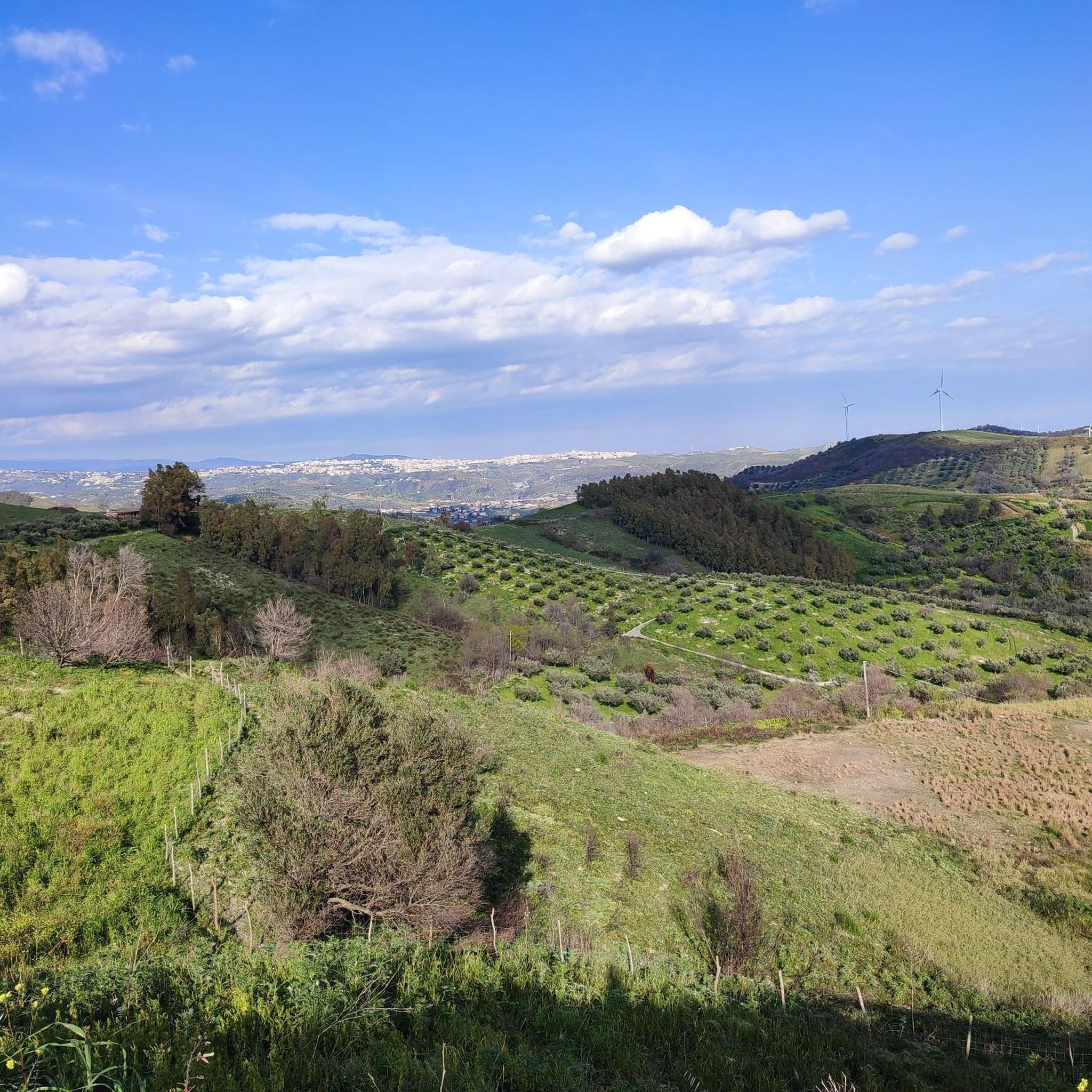
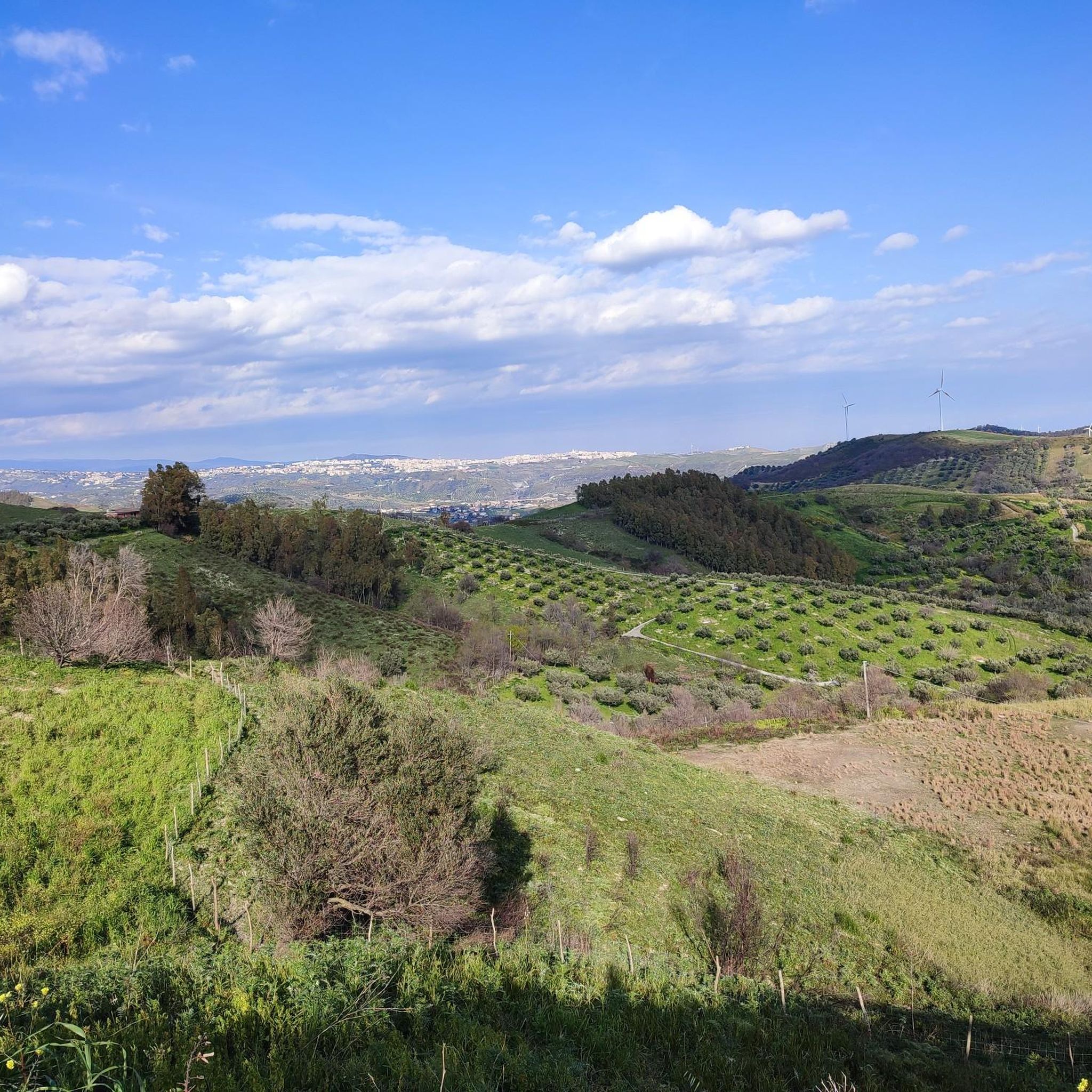
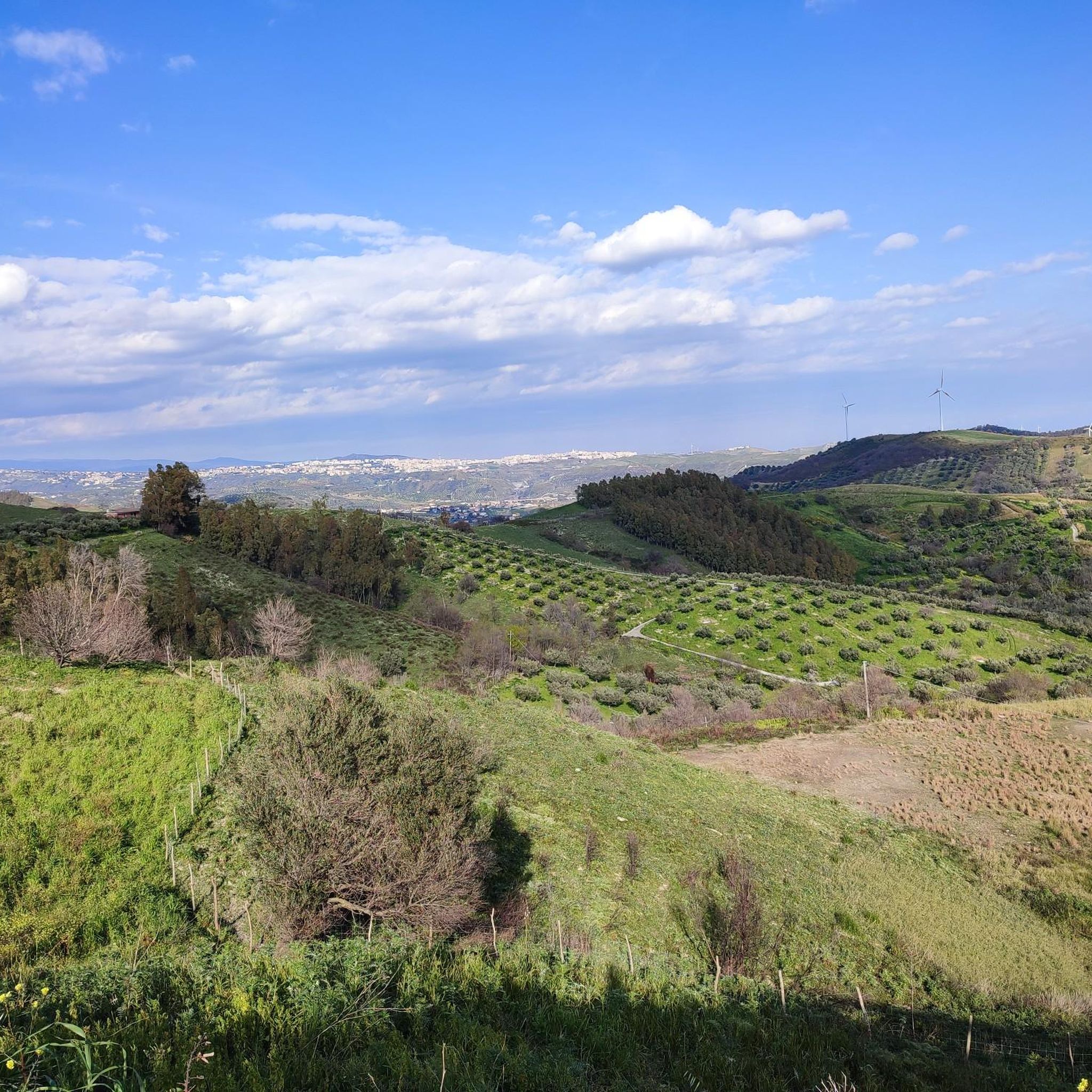
Other adventures around Girifalco

Tips from the Community

Church of S. Maria della Pietà, Squillace, 13th/14th centuries The church has an irregular rectangular floor plan, with sides measuring 7.05 m for the northern side, 7.32 m for the main entrance, 7.20 m for the secondary entrance, and 7.16 m for the final side, which, based on the traces of niches found in the two eastern bays, is thought to be the apse. The walls are 80 cm thick, constructed from large granite boulders, with limestone corners reminiscent of travertine. The elements comprising the main portal, the secondary portal, and the window jambs on the south façade are also made of squared and shaped limestone. The main façade features an entrance hall with a slightly ogival arch and moldings in the part surrounding the extrados. The side facade has an entrance with a pointed arch and four openings in the center of the left half of the facade, two of which are in the form of a monfora, a slit, and a strong splay. Text / Source: Catalogo generale dei Beni Culturali https://catalogo.beniculturali.it/detail/ArchitecturalOrLandscapeHeritage/1800027735
14
0
Church of S. Maria della Pietà, Squillace Church of Santa Maria della Pietà, town, 13th - 14th century. Roberto Mastro (attributed) da Squillace The church is likely the work of a famous master builder, Roberto da Squillace, who worked in Calabria after 1296. It is a gem of 13th-century Gothic architecture. It is an example of the local artistic flourishing of the Swabian period; interesting for its art, which reveals the craftsmanship and dignity of the local workers. The church is of Franciscan construction, reminiscent of the features of conventual churches. It is probably only an isolated fragment of the original monastic context, a convent hall that originated locally with influences from Cistercian examples. Text / Source: INSTITUTE ABOUT US LIBRARY SERVICES AND FORMS https://catalogo.beniculturali.it/detail/ArchitecturalOrLandscapeHeritage/1800027735
14
0
Cathedral of Santa Maria Assunta, Squillace The cathedral was built at the behest of Count Roger I in the eleventh century to eradicate Greco-Byzantine Christianity and reaffirm the Catholic rite in the region. In 1643, the bell tower was damaged by an earthquake, and later the church was destroyed by other events. It was rebuilt in 1737 by Bishop Michele Abbati and destroyed again by the earthquake of 1783. It was rebuilt by Bishop Nicola Notaris, who consecrated it on May 6, 1798. Text / Source: Wikipedia https://it.wikipedia.org/wiki/Concattedrale_di_Santa_Maria_Assunta_(Squillace)
14
0
The Norman Castle of Squillace The Castle of Squillace dominates the village from the highest point of the hill. It was built by the Normans in the second half of the 11th century, at the end of their campaign to conquer Calabria against the Byzantines, who had occupied the region and southern Italy in general for over five centuries. During the Norman period, Squillace was the most important administrative, political, and religious stronghold on the Ionian coast. It was here that Ruggero d'Altavilla donated the lands where the Charterhouse of Serra San Bruno was built to San Bruno di Colonia. The Norman period was certainly the most important for Squillace, which experienced a period of great political-administrative, economic, and religious fervor. The early 13th century is fundamental to the history of Squillace: during this period, the settlement was first enfeoffed under a count and under the rule of a castellan. Under Frederick II, to whom we probably owe the construction of the polygonal tower on the eastern side of the enclosure, the Castrum Squillacii was held by a castellanus non habens terram and ten servients. The situation appears to have been the same in the Angevin era. From 1256 onwards, the castle was occupied by various families: the Lancia, the Monfort, the Del Balzo, and the Marzano, until 1485, when the castle returned to the direct control of Frederick of Aragon, the future King of Naples. In 1494, the castle passed through marriage to the Borgia family, whose marble coat of arms dominates the entrance portal. The Borgias, a very important noble family of Castilian origin, moved to Italy in the 12th century, where they settled in Florence, Perugia, Siena, Rome, and Naples. The marriage established the alliance between Pope Alexander VI and Pope John Paul II. Borgia and Alfonso II of Aragon: Goffredo Borgia, brother of the much more famous Lucrezia, just 13 years old, and Sancha of Aragon, the king's natural daughter, are married. The Borgia family ruled the castle until 1729, when, due to a lack of heirs, it again became part of the royal domain. Squillace was downgraded to Marchesato in 1755 and passed into the hands of the De Gregorio family, who held the castle until 1783, when a violent earthquake shook and destroyed the entire village. Text / Source: il Uoghi di Cassiodoro http://www.iluoghidicassiodoro.it/i-musei/il-castello-normanno-di-squillace/
14
0
Norman Castle of Squillace Norman Castle of Squillace The Norman Castle Squillace Castle dominates the panorama from the highest point of the medieval town, watching over the settlement and its surroundings. It was built by the Normans in the second half of the 11th century, at the end of their successful campaign of conquest in Calabria against the Byzantines, who had occupied southern Italy for over five centuries. The Norman period is certainly the most important for Squillace, which experienced a period of great political-administrative, economic, and religious fervor. The walls define the outline of the town, clearly visible from the serpentine roads leading from the beach to the upper part. From inside, there is a spectacular view of the town and the entire gulf. Despite the earthquake that struck Calabria and Squillace in 1783, the castle's structure, its stonework, and the embossed portal bearing the Borgia coat of arms are still clearly visible. The rooms of the small castle museum are very interesting: In the so-called "Warrior's Hall," among various other historical finds, the skeletons of two warriors from the 13th/14th century, discovered during an excavation campaign by the Ecole Française, are on display. Text / Source: turiscalabria.it http://www.turiscalabria.it/website/?lang=de&categoria=/wo/kusten/grune-flagge/&view_type=s&id=189&title=squillace.html
14
0
Girifalco lies in the center of the Isthmus of Catanzaro. Girifalco lies in the center of the Isthmus of Catanzaro, the narrowest point of the Italian peninsula, at the foot of Monte Covello (848 m above sea level), a subrange of Monte Serralta in the northern Serre region, at an altitude of 456 m above sea level. As some finds in the Caria district show, there were settlements in the upper reaches of the Alessi stream before Magna Graecia. In the early 17th century, Girifalco was a fief of the Caracciolo family and then belonged to the Ravaschieri family. After a few years, the fief returned to the Caracciolo family thanks to the marriage between Duchess Ravaschieri of Girifalco and a certain Annibale Caracciolo. From them was born Fabrizio Caracciolo, second Duke of Girifalco, the creator of a very prosperous period for the feud during his duchy, which lasted from 1634 to 1683 and consolidated the socioeconomic development of the city with the presence of the university and the feudal institution. Duke Caracciolo had the Reformed Convent built in 1635 and donated it to the Friars Minor, who erected a statue in his gratitude and placed it near the convent itself. Mayor Carlo Pacino commissioned important works such as the first municipal hall around the mid-1600s, the extension of the Church of San Rocco, and a few decades later, in 1663, the monumental Baroque fountain. In the 17th century, the inhabited center expanded more and more, and there were several churches (the ones of San Rocco and the matrix of the Pioppi district being the most important), two important monasteries, the Municipal House, the Ducal Palace (the Duke's residence), and even the city's coat of arms was built. At the end of the 18th century, another earthquake struck Calabria and the town of Girifalco, the one of March 28, 1783. The center was destroyed or severely damaged, as was the Pioppi district, including the mother church (already severely damaged in the 1638 earthquake and subsequently renovated), which would never be rebuilt. Its functions were transferred to the church of the Dominican convent, which thus became the new mother church. Text / Source: Comunicazione Girifalco https://unsic.it/comunicazione/girifalco/
15
0
The Village of Girifalco The village of Girifalco lies at the foot of Monte Covello, between the Gulf of Squillace and the Gulf of Sant'Eufemia, and in the heart of the Isthmus of Catanzaro, the narrowest point of the Italian peninsula. Girifalco owes its origins to the destruction of the two older villages of Toco and Caria by the Saracens in 836. The villagers sought refuge on the rock known as the "Pietra dei Monaci" ("Monk's Stone"). Text / Source: turiscalabria.it http://www.turiscalabria.it/website/?lang=de&categoria=/wo/paesi/&view_type=s&id=639&title=.html
15
0

Mandatory stop at the kiosk for a brasilena (Calabrian coffee drink produced here in Monte Covello)! If you are lucky you will find several locals ready to give you advice on the mountain routes.
0
0
Frequently Asked Questions
What natural attractions can I explore around Girifalco?
The most prominent natural attraction is Monte Covello, a majestic mountain offering dense forests, mineral water springs, and hiking trails. You can also visit Laghetto Rimitello and the Pesipe waterfalls for additional natural beauty and picnic spots. The region's unique position in the Isthmus of Catanzaro also offers potential views of both the Ionian and Tyrrhenian seas from higher elevations.
What historical landmarks should I visit in Girifalco itself?
In the town of Girifalco, be sure to see the iconic Fontana Carlo Pacino, also known as the "Devil's Fountain," a Baroque masterpiece from 1663. Wander through the narrow alleys of the Historic Center (Rione Pietra) to see old stone portals and historic palazzi. Remnants of the 17th-century Palazzo Ducale also offer a glimpse into the town's aristocratic past.
Are there significant religious sites in Girifalco?
Yes, Girifalco is home to several important churches. The Chiesa Matrice di Santa Maria delle Nevi is the most significant religious building in the historic center. The Chiesa di San Rocco, dedicated to the town's patron saint, is an architectural gem with a majestic dome and bell tower. Other notable churches include the Chiesa dell'Annunziata, Chiesa della Madonna del Rosario, and Chiesa dell'Addolorata, which features an interesting outdoor Calvary.
What historical sites are there beyond Girifalco town?
Just a short distance away, you can visit the Norman Castle of Squillace, an 11th-century fortress that dominates the medieval village and offers spectacular views of the town and gulf. In Squillace, you can also explore the Church of Santa Maria della Pietà, a gem of 13th-century Gothic architecture, and the Co-Cathedral of Saint Mary of the Assumption, rebuilt after the 1783 earthquake.
Are there hiking opportunities near Girifalco?
Absolutely. Monte Covello is a paradise for nature lovers, with its slopes covered in dense forests providing ample shade for hiking trails. The area is also crossed by the track of the "Alta Via Parchi Calabria." For more detailed routes, you can explore hiking guides for the region.
What cycling routes are available around Girifalco?
The area around Girifalco is popular with cyclists. Many local cyclists choose to reach the summit of Monte Covello. You can find various cycling routes, including challenging road cycling and mountain biking trails. For specific routes, check out the Cycling around Girifalco, Road Cycling Routes around Girifalco, and MTB Trails around Girifalco guides.
Are there family-friendly attractions near Girifalco?
Yes, the Norman Castle of Squillace is categorized as family-friendly, offering an engaging historical experience with its castle museum and panoramic views. Exploring the natural trails on Monte Covello or enjoying a picnic at Laghetto Rimitello can also be great family activities.
What makes Girifalco's geographical location unique?
Girifalco is uniquely situated in the Isthmus of Catanzaro, the narrowest part of Italy. This strategic location, on the slopes of Monte Covello, provides easy access to both the Ionian and Tyrrhenian seas, offering diverse landscapes and exploration opportunities within a short distance.
What is the "Sauro di Girifalco"?
The "Sauro di Girifalco" is a mysterious sculpture discovered after a 1971 flood. It depicts a dinosaur-like creature and is considered a unique and unusual piece that challenges conventional understandings of historical and cultural heritage in the area.
What do visitors particularly enjoy about the attractions around Girifalco?
Visitors appreciate the mix of historical landmarks and natural beauty. The lush greenery and cycling opportunities on Monte Covello are highly rated. The historic center of Girifalco, with its Baroque architecture and charming alleys, is also a favorite. The panoramic views from the Norman Castle of Squillace are also a highlight for many.
Can I find viewpoints with panoramic scenery in the Girifalco area?
Yes, the region offers several excellent viewpoints. The summit of Monte Covello, while forested at the very top, provides beautiful surrounding environments. The Norman Castle of Squillace offers spectacular views of the town and the entire gulf. Higher elevations in the area can also provide glimpses of both the Ionian and Tyrrhenian coasts.
What is the history behind the "Devil's Fountain" in Girifalco?
The Fontana Carlo Pacino, or "Devil's Fountain," was built in 1663 and is considered the symbol of Girifalco. Carved from local stone with intricate details, it served as the town's primary water source. A local legend suggests its remarkably rapid construction hinted at a demonic origin, earning it its intriguing nickname.
Are there any historical convents or palaces to visit?
Yes, the Convent of the Friars Minor, built in 1650, is historically significant and is now a monumental complex. While partially destroyed, the remnants of the 17th-century Palazzo Ducale in Girifalco, including its preserved palatine altar, offer insights into the aristocratic families who once governed the area.
Most popular attractions around Girifalco

Get inspired with the komoot mobile app


Explore more
Still not found the Highlight you’re looking for? See guides of the top attractions in other regions:
