Top 3 Castles in Armorique
Castles in Armorique, a historical region largely corresponding to modern-day Brittany and parts of Loire-Atlantique, offer a glimpse into centuries of history. This area is characterized by its rugged coastline, ancient forests, and strategic defensive positions. The region's rich heritage is reflected in its diverse fortifications, ranging from formidable medieval strongholds to elegant Renaissance residences. Exploring these sites provides insight into the architectural evolution and historical significance of the area.
Best castles in Armorique
- The most popular castles is Fort…
Last updated: October 4, 2026
Fort des Capucins
Highlight • Historical Site
Translated by Google •
Tip by

Fort at Pointe des Espagnols
Highlight • Monument
Showing Translation
Tip by

Sign up now to discover places like this
Get recommendations on the best single tracks, peaks, & plenty of other exciting outdoor places.
Fort de l'Aber
Highlight • Historical Site
Translated by Google •
Tip by

Fort Robert
Highlight • Castle
Translated by Google •
Tip by

Calgrac'h Fort (Kernic)
Highlight • Castle
Translated by Google •
Tip by
Start today with a free account
Your next adventure awaits.
Popular around Armorique
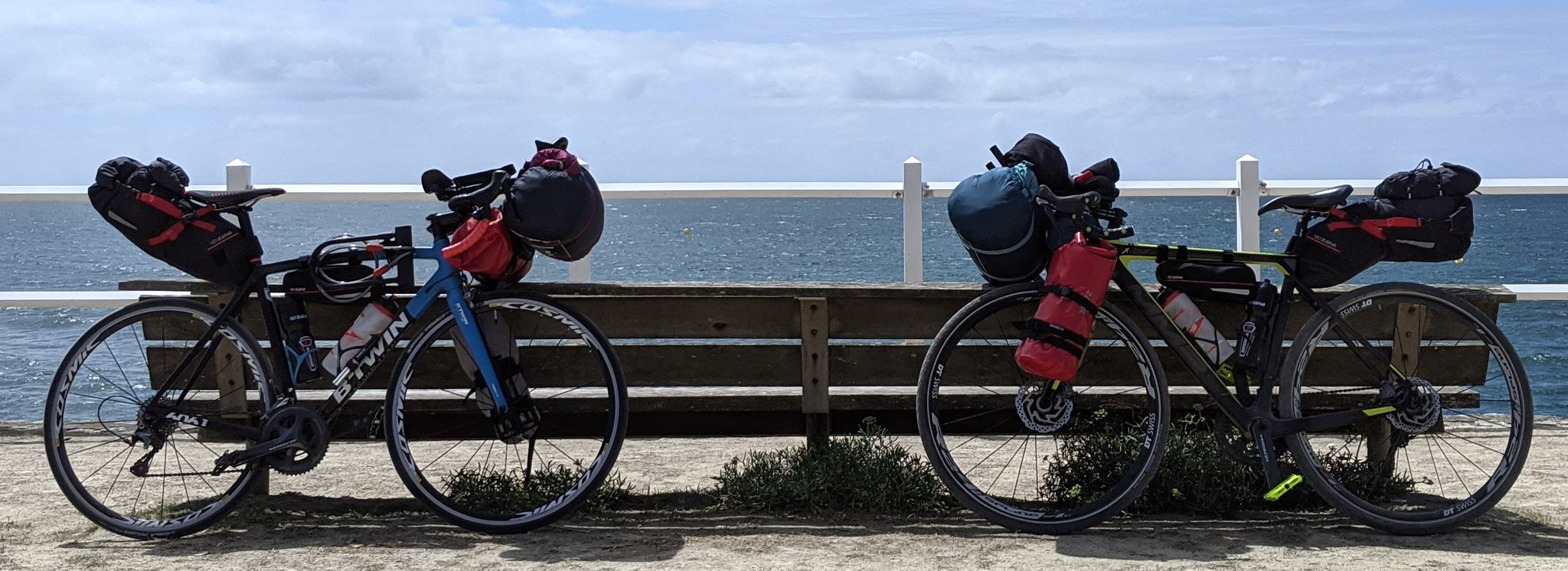
La Vélodyssée — From north to south via the ocean
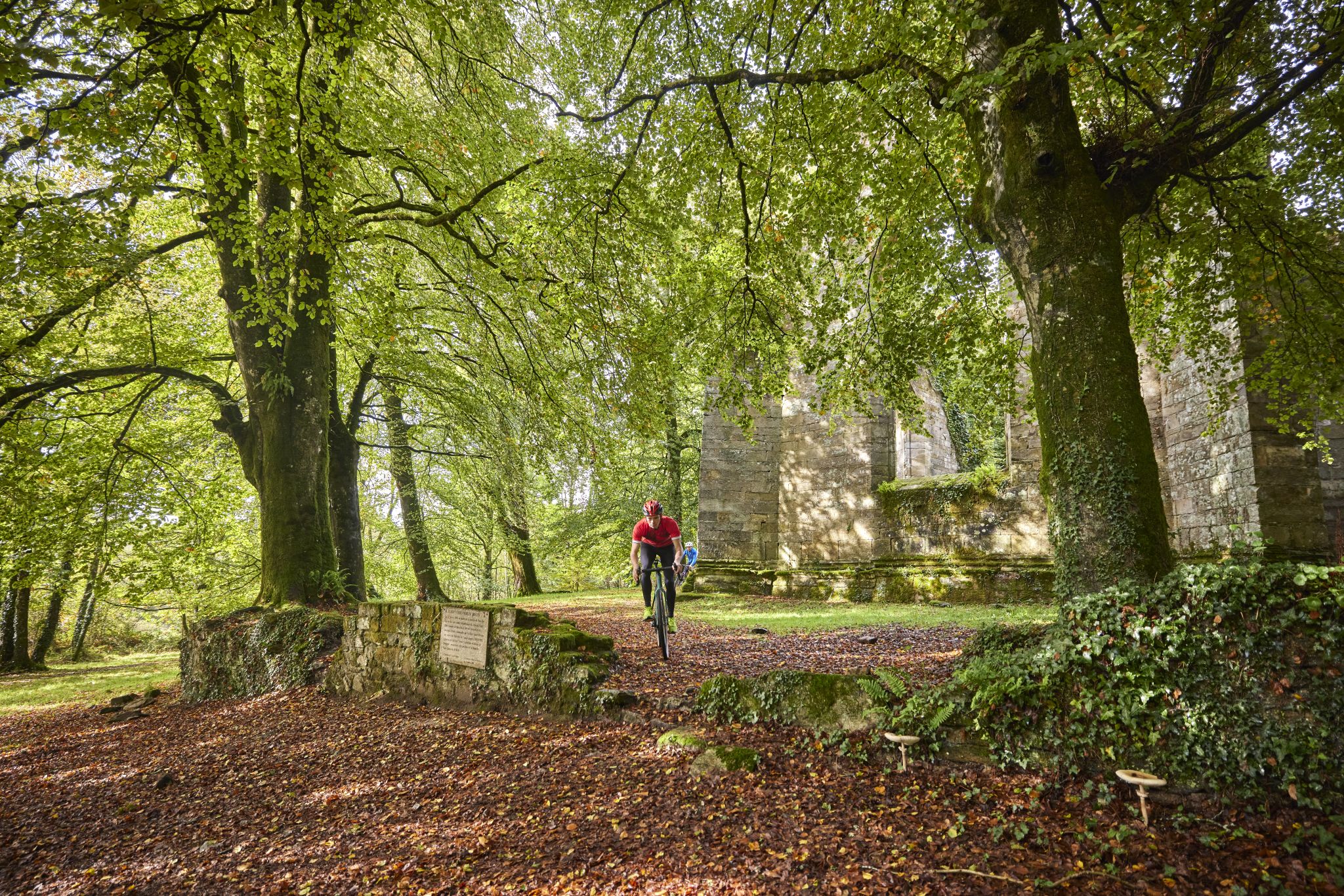
7 gravel routes to discover in Brittany
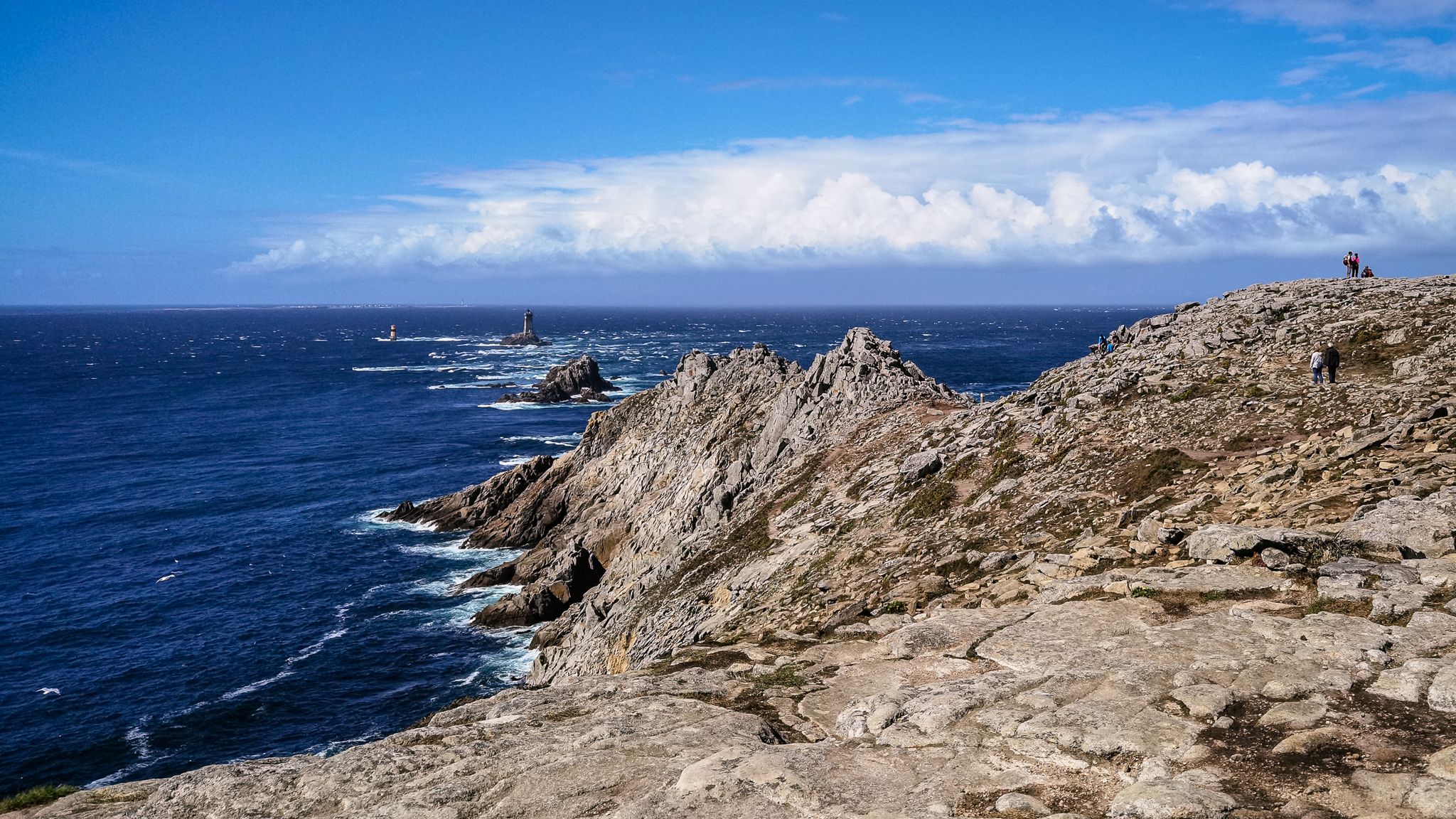
The Customs Officers’ path – GR 34 in Brittany between Pointe du Raz and Le Fret
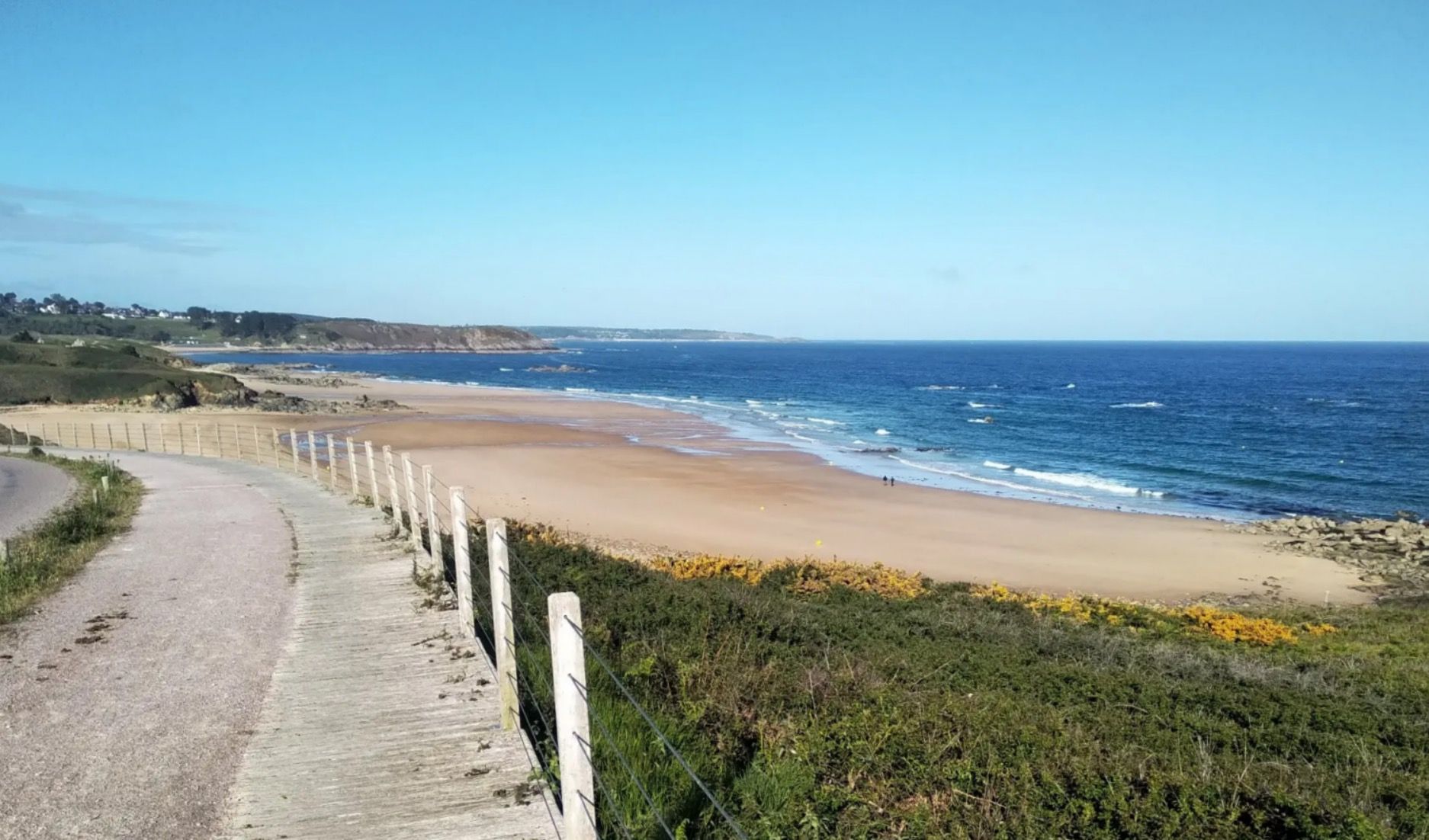
Sun cream and waterproof coats – 11 days in Brittany
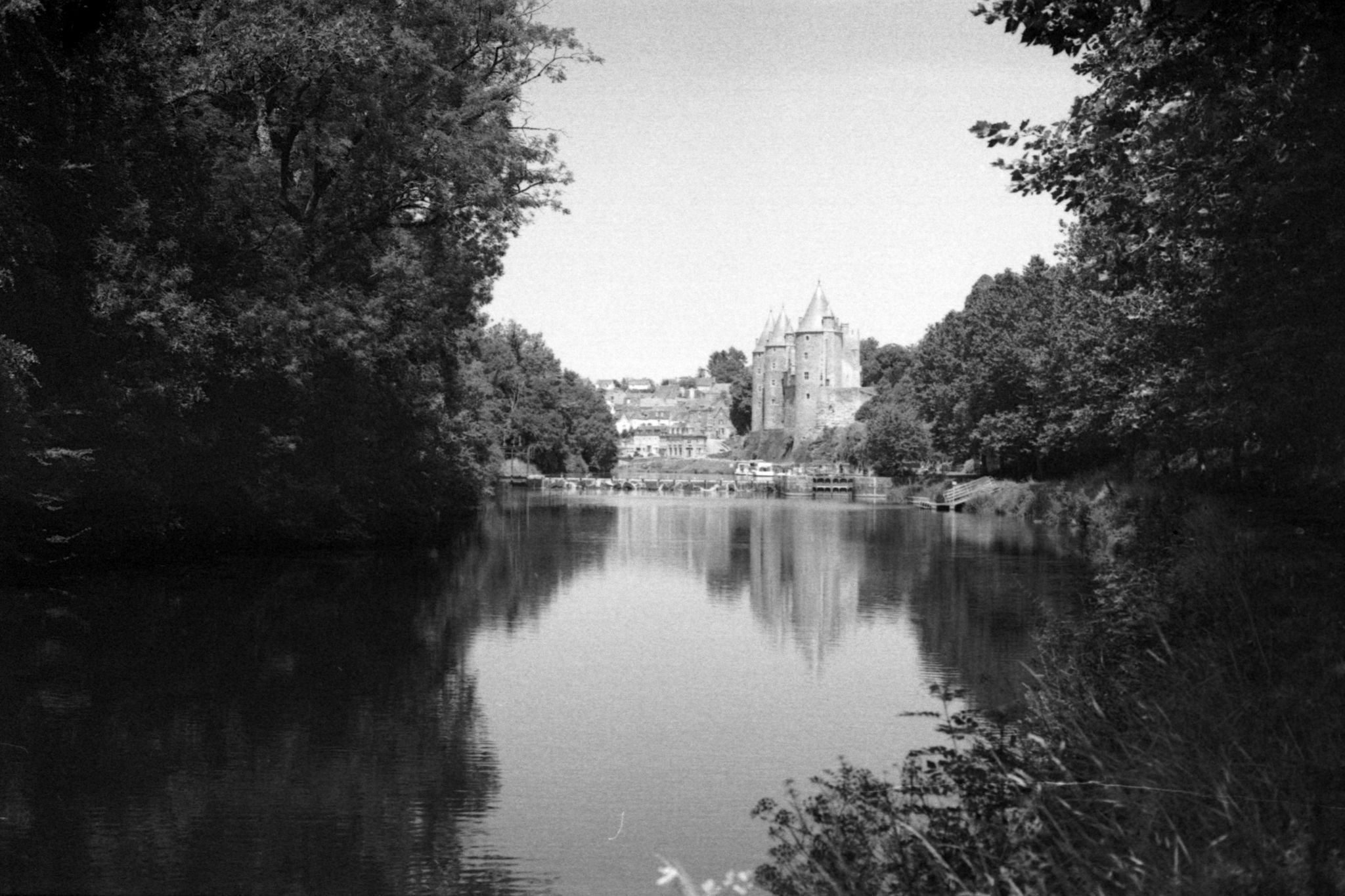
Cycling to the end of Brittany – Nantes to Brest canal
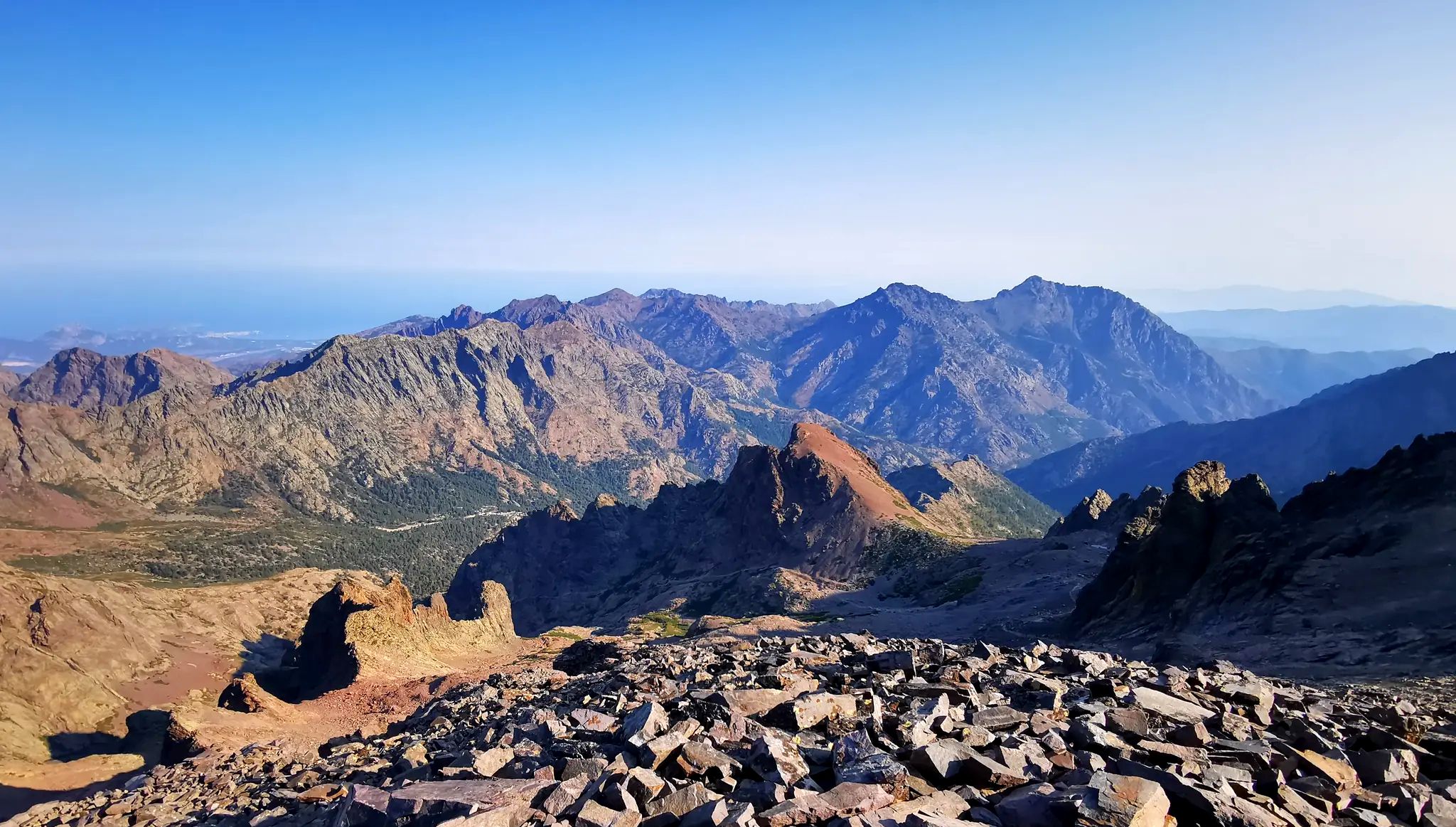
Hiking to the summits – France's highest points
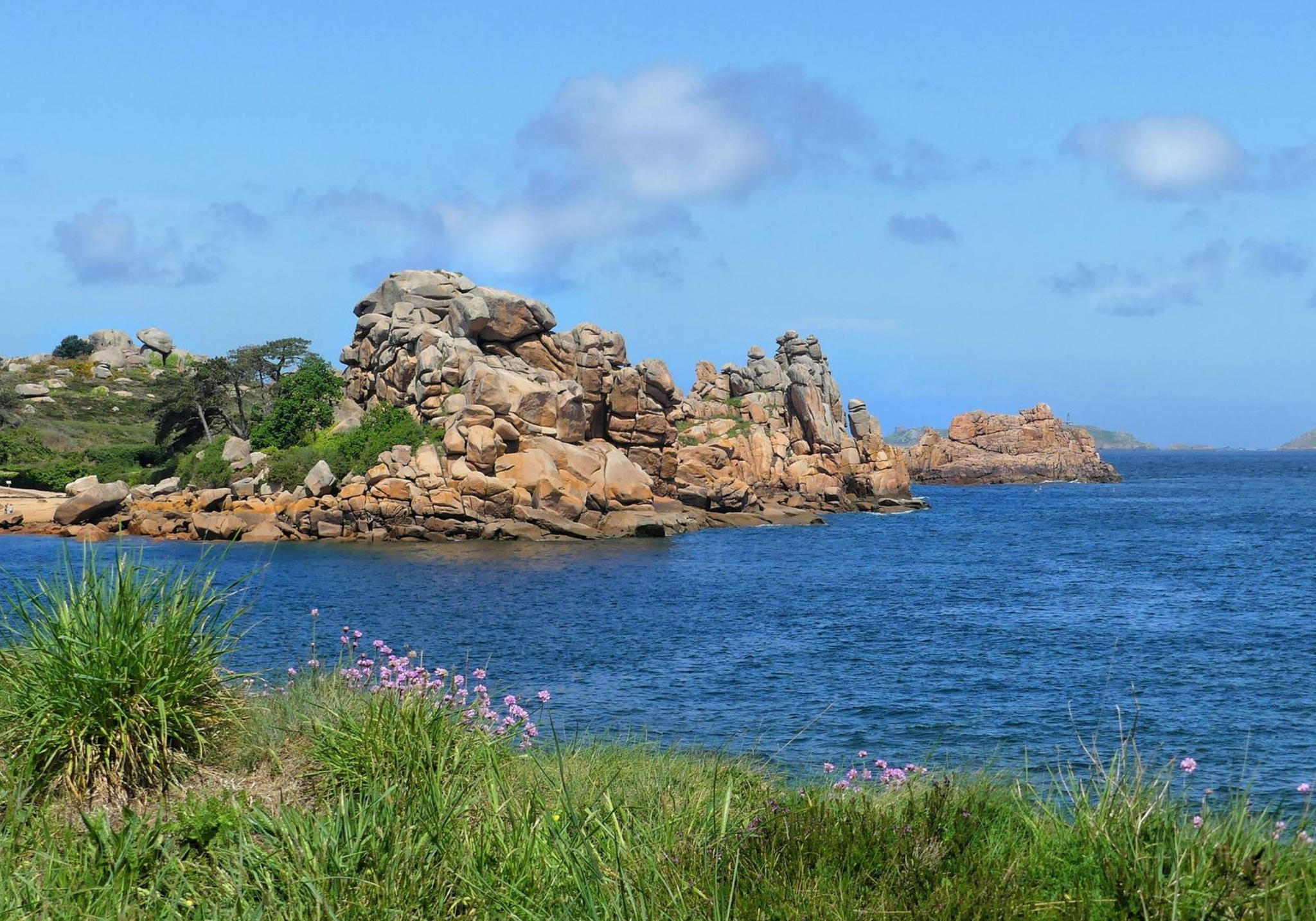
A hiking break in Brittany
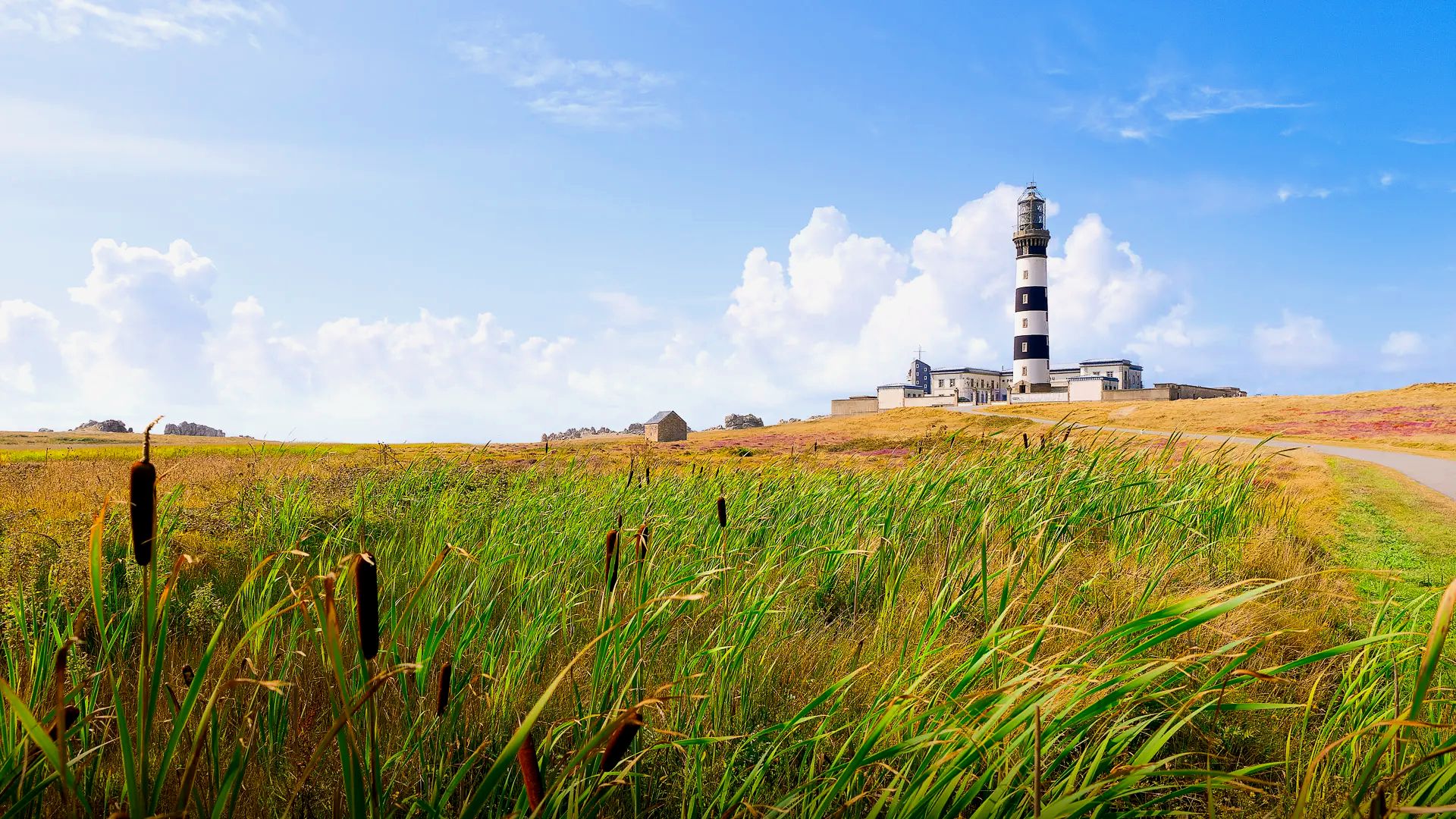
The far-west of France – walks on the island of Ouessant
Tour des Monts d'Arrée in France — the GR 380
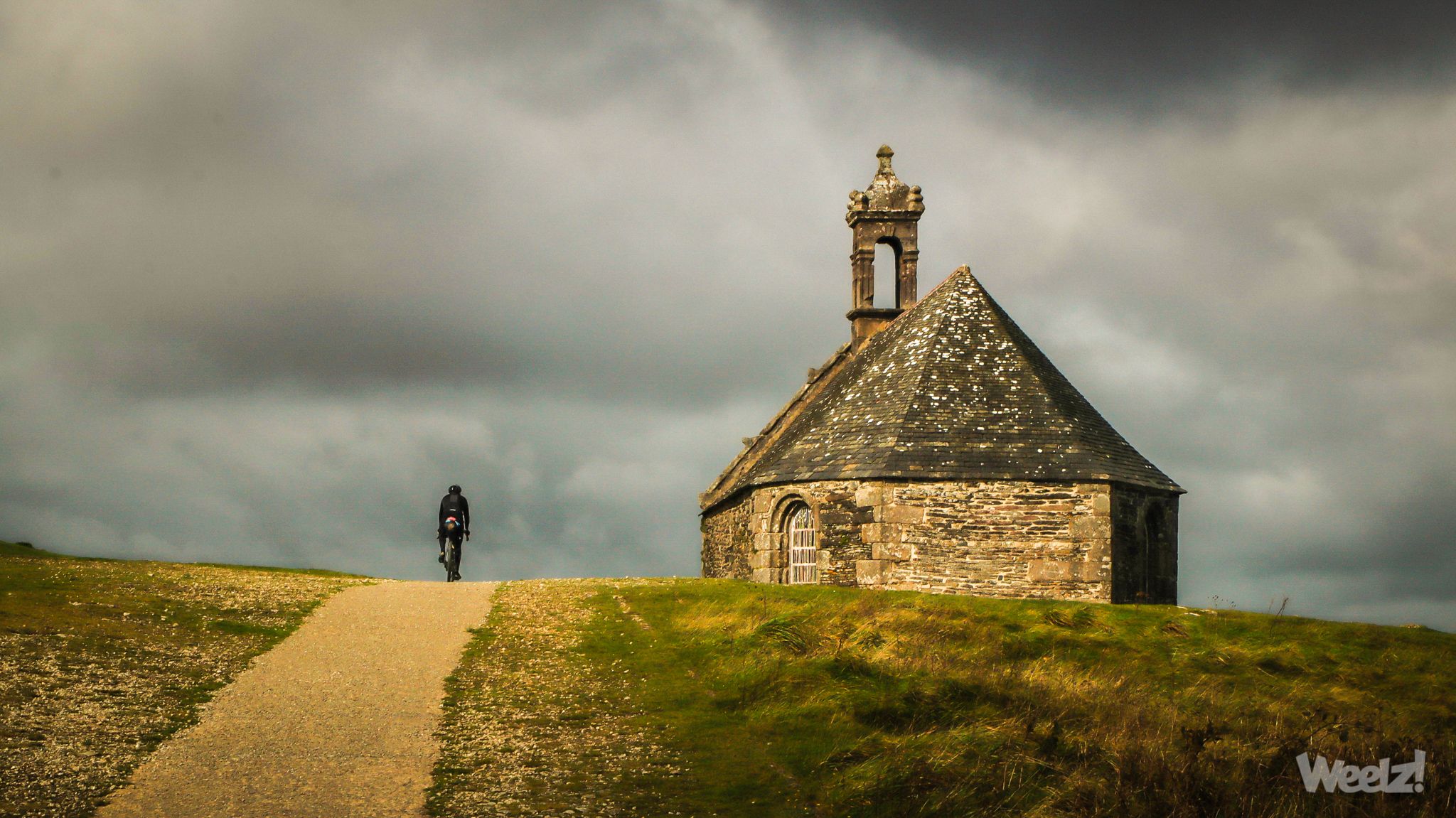
The Seven Saints Pilgrimage — France’s Tro Breizh revisited
Other adventures in Armorique


Tips from the Community

Certainly a historically interesting fortification.
0
0
The fort dates back to the 19th century and takes its name from a rock that is said to look like a praying monk - an impressive backdrop in any case.
1
0


The short detour is worth it: the ocean view is magnificent. There's a bit of a lack of information on site, but it's definitely worth a look.
0
0

When Napoleon I noted the problems with the defense of the French coasts, he decided to implement a vast fortification program. About a hundred standardized structures, known as "model towers and redoubts of 1811", were to be built. One of them was erected in 1812 at Pointe des Espagnols. The point evolved with the performance of artillery, and the fortifications were improved until the end of the 19th century. The model tower remained unchanged until the German occupation. The Germans deployed numerous bunkers in the perimeter and razed the fort's firing platform, depriving it of its parapets and bretaches. https://www.cestenfrance.fr/fort-de-la-pointe-des-espagnols-1812/
0
1


Today, only ruins remain. Fortified by Vauban at the twilight of the 17th century, Fort de l'Aber was nevertheless a key element of defense against the English. Under the dense vegetation, other ruins remain, this time dating from the Second World War.
0
0
The fort of Calgrac'h (Kernic in French), is the remnant of a construction of 1862 dedicated to defending France from threats from across the Channel. Now in ruins, it is possible to enter. For the pleasure of the eyes, dozens of graffiti cover the interior walls.
0
0
Frequently Asked Questions
What types of castles can I explore in Armorique?
Armorique offers a diverse range of castles, from formidable medieval strongholds like the Fort des Capucins, built into the rock, to elegant Renaissance residences. You'll find coastal fortifications, ducal palaces, and structures that evolved from defensive military sites to more comfortable homes over centuries.
Which castles in Armorique are particularly notable for their historical significance or unique architecture?
The region boasts several historically significant castles. The Château de Fougères is one of Europe's largest medieval fortresses, showcasing 13 towers and advanced defensive architecture. The Château de Dinan features a massive 34-meter-high keep built by the Dukes of Brittany. Château de Josselin presents a striking contrast with its medieval military facade on one side and a flamboyant Gothic and Renaissance design on the other. The Château de Châteaubriant uniquely blends medieval defensive structures with Renaissance elegance, while the Château de Combourg is known for its 'pepperpot' towers and connection to author Chateaubriand.
Are there any castles in Armorique that are particularly family-friendly?
Yes, the Fort at Pointe des Espagnols is categorized as family-friendly. Many castles also offer grounds to explore and exhibits that can engage children, such as the Doll and Toy Museum at Château de Josselin.
What natural features can I expect to see around the castles in Armorique?
Many castles in Armorique are set amidst stunning natural landscapes. For instance, the Fort de l'Aber offers views of an island that is inaccessible at high tide. Château de Combourg overlooks Lac Tranquille, and Château de Suscinio is located by the Atlantic Ocean, amidst former marshlands and woodlands, providing a scenic backdrop.
What outdoor activities can I do near the castles in Armorique?
The Armorique region offers numerous outdoor activities. You can find cycling routes like 'From Crozon to Pointe de Pen Hir' or 'The V6 along the Canal de Nantes à Brest'. For running, consider 'La pointe des Espagnols' loop near the Fort at Pointe des Espagnols. There are also easy hikes such as the 'Île Vierge Sound Walk'. You can explore more options in the Cycling in Armorique, Running Trails in Armorique, and Easy hikes in Armorique guides.
What do visitors enjoy most about the castles in Armorique?
Visitors frequently appreciate the picturesque settings and historical depth of Armorique's castles. The Fort des Capucins is noted for its impressive backdrop and being 'really picturesque built rock'. The Fort at Pointe des Espagnols is considered a 'historically interesting fortification'. The sheer scale, well-preserved state, and panoramic views from battlements are often highlighted.
Can I visit castles in Armorique during the winter months?
While many castles are open year-round, some may have reduced hours or close certain sections during the off-season. It's always best to check the specific castle's official website for current opening times before planning a winter visit. The region's coastal castles, like Château de Suscinio, can offer a dramatic experience in cooler weather.
Are there any castles in Armorique known for legends or ghost stories?
Yes, the Château de Châteaubriant is considered one of France's most haunted sites, adding an intriguing layer to its rich history and architectural evolution.
How long should I plan for a visit to a castle like Château de Josselin?
The duration of a visit can vary based on your interest. For Château de Josselin, which includes exploring the castle's contrasting architecture, richly decorated rooms, extensive gardens, and the Doll and Toy Museum, you should plan for at least 2-3 hours to fully appreciate its offerings.
What is the best way to get to castles like Château de Fougères or Château de Dinan using public transport?
Public transport options vary by castle. Larger towns like Fougères and Dinan are generally accessible by regional bus services or trains from major cities in Brittany. However, direct public transport to the castle gates might be limited, and some walking from the nearest stop may be required. It's advisable to check local transport schedules for the specific castle you plan to visit.
Are there any castles in Armorique that were ducal residences?
Yes, the Château de Suscinio was a significant residence of the Dukes of Brittany, built by the ocean in the late Middle Ages. The Château de Dinan was also built by the Dukes of Brittany to assert their power.
What kind of defensive features can be seen in Armorique's castles?
Armorique's castles display a wide array of defensive features. Château de Fougères, for example, evolved over 400 years with 13 towers, deep moats, and spiral staircases designed to disadvantage right-handed invaders. Château de Dinan features a massive keep, defensive moat, and drawbridges, while Château de Suscinio includes elements like a casemate for artillery defense. Many castles, like the Fort Robert, were also adapted for modern warfare, with some even taken over by the German army during WWII.
Most popular routes in Armorique
Most popular attractions in Armorique

Get inspired with the komoot mobile app


Explore more
Looking for the best castles somewhere else? Discover other guides in Armorique:
