Attractions and Places To See in Périgord-Limousin - Top 20
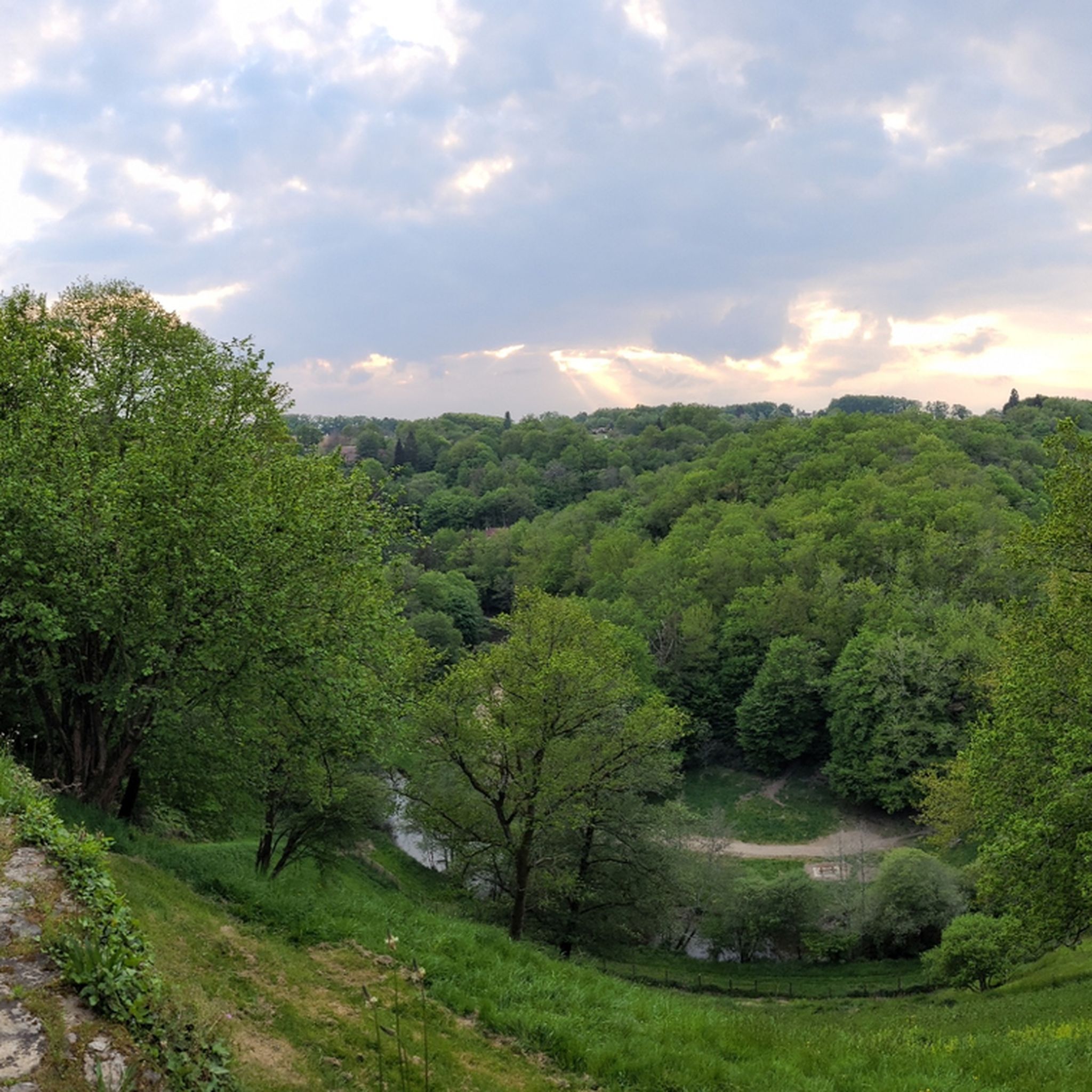
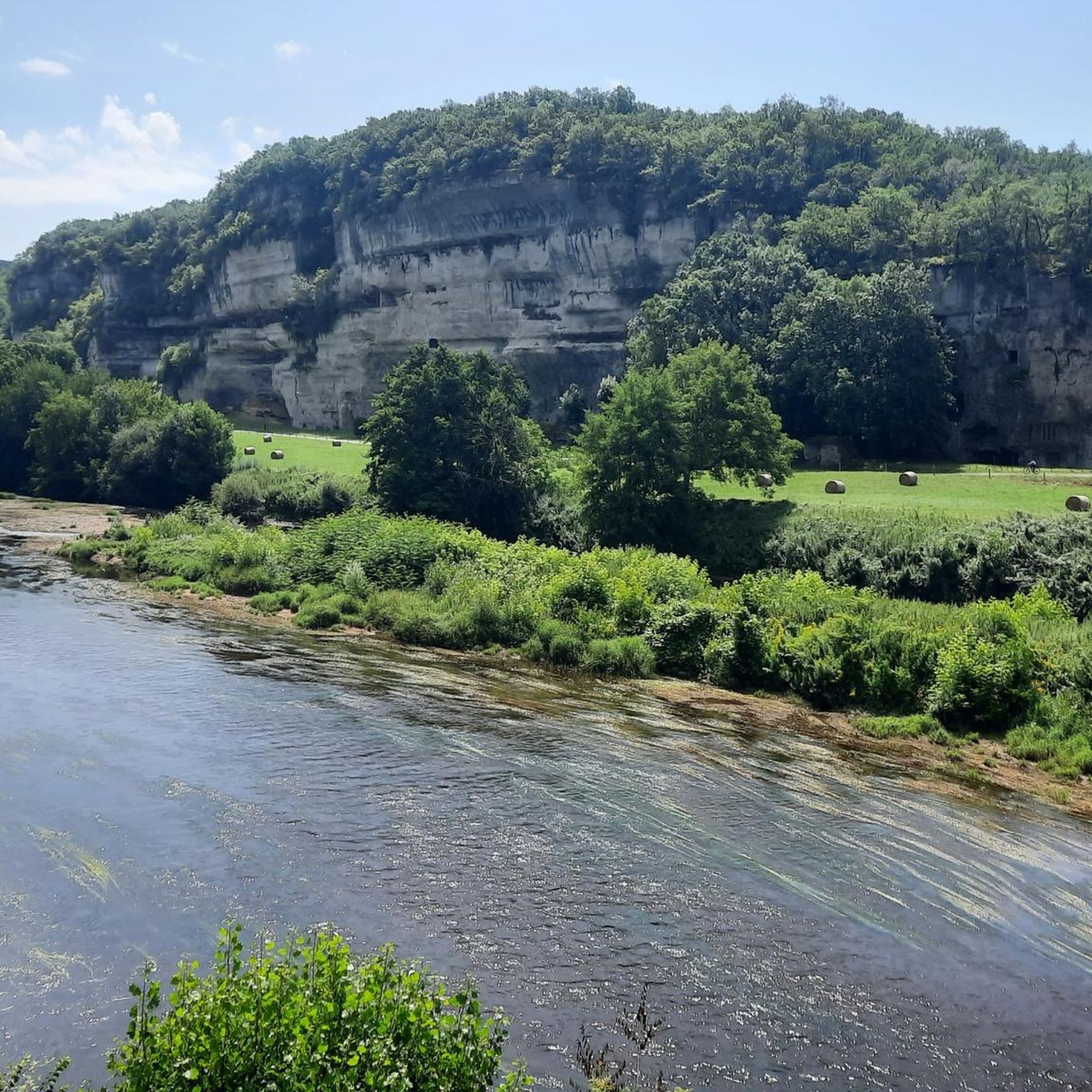
Best attractions and places to see in Périgord-Limousin are found within a region defined by the Périgord-Limousin Regional Natural Park, spanning the Haute-Vienne and Dordogne departments. This area features diverse natural landscapes, including extensive forests, wetlands, rivers, and lakes. It also offers a rich historical and cultural heritage, with numerous medieval castles, abbeys, and traditional villages.
Best attractions and places to see in Périgord-Limousin
- The most popular attractions is Saint-Estèphe Pond Beach, a beach that serves as a local…
Last updated: August 16, 2026
Le Moulin Martin
Highlight • Monument
Translated by Google •
Tip by

Javerlhac Castle
Highlight • Castle
Translated by Google •
Tip by

Sign up now to discover places like this
Get recommendations on the best single tracks, peaks, & plenty of other exciting outdoor places.
Sign up for free
Saint-Estèphe Pond Beach
Highlight • Beach
Tip by

Rochechouart Castle
Highlight • Castle
Translated by Google •
Tip by

Jumilhac Castle
Highlight • Castle
Translated by Google •
Tip by

Sign up for free to discover even more attractions in Périgord-Limousin.
Sign up for free
Already have an account?
Start today with a free account
Your next adventure awaits.
Login or Signup

Other adventures in Périgord-Limousin

Tips from the Community

Now home to the Haute-Vienne Museum of Contemporary Art, it was once the dynastic residence of the Viscounts of Rochechouart. The keep, built in the 11th century, is surrounded by the remains of a 15th-century building.
0
0

Javerlhac Castle was rebuilt around 1498 by Dauphin Pastoureau, a master blacksmith in Nontron. It is typical of Périgord manor houses, with a rectangular dwelling, a large round tower with machicolations decorated with trefoils, and a polygonal tower housing a spiral staircase. The castle retains defensive features such as gun ports, despite modernization in the early 19th century. It burned down in 1369 during the Hundred Years' War and has undergone several reconstructions. Privately owned, its facades and roofs have been listed as historic monuments since 1974.
2
0

Beautiful walk around the lake
0
0

Very pretty village with its castle highlighted opposite the town hall.
0
0

Very beautiful castle. Unfortunately you can only visit it from the outside
1
0
Very beautiful mill from the 18th century. Beautifully embedded in the landscape.
2
0
Beautiful swimming lake. Highly recommended
2
0

Using the power of moving water to drive a mill wheel is an ancient invention that dates back to pre-Christian times. Thanks to such a construction, human or animal muscle power could be easily replaced by a watercourse - natural or artificial - in order to grind grain into corn or press oil from fruit, for example. There are essentially two different ways of driving watermills: either the water simply hits the blades of the water wheel from below to set it in motion; or the water is guided above the wheel and falls onto the blades; this type of construction is more efficient due to natural gravity.
5
0
Frequently Asked Questions
What natural water features can I explore in Périgord-Limousin?
The region is rich in water features. You can visit the scenic Saint-Estèphe Pond Beach, a popular swimming lake with a sandy beach. Other notable natural highlights include the beautiful Saut du Chalard waterfall at Champs-Romain and the unique Chapelet du Diable, a 'river of boulders' at Saint-Estèphe. The Gorges of Auvézère also offer a preserved natural environment with waterfalls and a soothing river.
Which historical castles are a must-see in the Périgord-Limousin region?
Périgord-Limousin boasts several impressive castles. Don't miss Jumilhac Castle, known as 'the Black Pearl of Haut Périgord,' with its unique roofs and renovated gardens. Rochechouart Castle, featuring an 11th-century keep, now houses a contemporary art museum. Other significant castles include Château de Bourdeilles, with its feudal fortress and Renaissance dwelling, and the impressive Javerlhac Castle, a typical Périgord manor house.
Are there family-friendly attractions in Périgord-Limousin?
Yes, there are several family-friendly options. The Saint-Estèphe Pond Beach is ideal for families, offering a sandy beach and facilities. You can also visit Le Moulin Martin, an 18th-century working water mill for walnut oil, which offers an interesting historical insight. The region also provides opportunities for rail biking on disused railway lines, which can be a fun activity for all ages.
What outdoor activities can I do near these attractions?
The Périgord-Limousin Regional Natural Park is perfect for outdoor enthusiasts. You can enjoy extensive networks of marked hiking and cycling trails. For specific routes, consider exploring options for hiking, cycling, or gravel biking in the region. The Grande Boucle (Great Loop) offers a multi-day adventure for both hikers and cyclists.
Are there any unique historical or cultural sites beyond castles?
Absolutely. You can visit Le Moulin Martin, an 18th-century working water mill. Brantôme Abbey, founded by Charlemagne, features the oldest bell tower in France and offers exploration of its church and convent buildings. The region also has charming villages like Brantôme, often called the 'Venice of Périgord Vert,' and Saint Jean de Côle, recognized as one of France's most beautiful villages.
What is the best time to visit Périgord-Limousin for outdoor activities?
The region is beautiful throughout the year, but for outdoor activities like hiking and cycling, spring and autumn offer pleasant temperatures and vibrant landscapes. Winter can be a good time to experience local truffle markets and enjoy stargazing, as the region is dedicated to reducing light pollution.
Are there any accessible attractions for visitors with mobility needs?
Yes, Saint-Estèphe Pond Beach is noted for its accessibility. The entire beach and walkways around the small lake are wheelchair accessible, and special beach wheelchairs are available, including one that can be ridden into the water via a special causeway.
What kind of local crafts and products can I find in Périgord-Limousin?
The region is known for its local craftsmanship and gourmet delights. You can discover traditional Nontron knives, a local specialty. During winter markets, you'll find exquisite local products such as foie gras and truffles. Various museums and interpretation centers, like the Aupeix Tile Factory, also showcase local know-how.
Where can I find picturesque villages in the area?
Périgord-Limousin is home to several picturesque villages. Brantôme, often referred to as the 'Venice of Périgord Vert,' is a must-visit. Saint Jean de Côle is officially recognized as one of France's most beautiful villages. Nontron is a charming market town, and Rochechouart offers a medieval atmosphere with its castle and meteorite impact site.
What makes the Périgord-Limousin Regional Natural Park special?
The park is a 'land of trees and water,' covering nearly 1,900 square kilometers. It's special for its diverse landscapes, including oak and chestnut forests, extensive wetlands, and numerous rivers and lakes. It's also home to unique geological formations and a rich biodiversity, making it an ideal destination for nature lovers and those seeking tranquility.
Are there any specific hiking trails recommended for exploring the region's nature?
Yes, the park offers extensive hiking opportunities. The 200 km Grande Boucle (Great Loop) is a significant trail that can be completed in 7 to 10 days on foot. Shorter options include the 'Hiking along the Dronne' or the 'Hike of the Château de Jumilhac.' You can find more detailed routes for hiking in Périgord-Limousin.
What are some unique geological features in Périgord-Limousin?
The region has interesting geological formations, including serpentinite, quartz, and kaolin. A particularly unique feature is the meteorite crater in the Rochechouart area, which impacted the earth over 200 million years ago. You can learn more about this at the Meteorite area-reserve house in Rochechouart.
Most popular routes in Périgord-Limousin
Most popular attractions in Périgord-Limousin

Get inspired with the komoot mobile app


