The best cycling routes in Périgord-Limousin
4.4
(531)
2,430
riders
416
rides
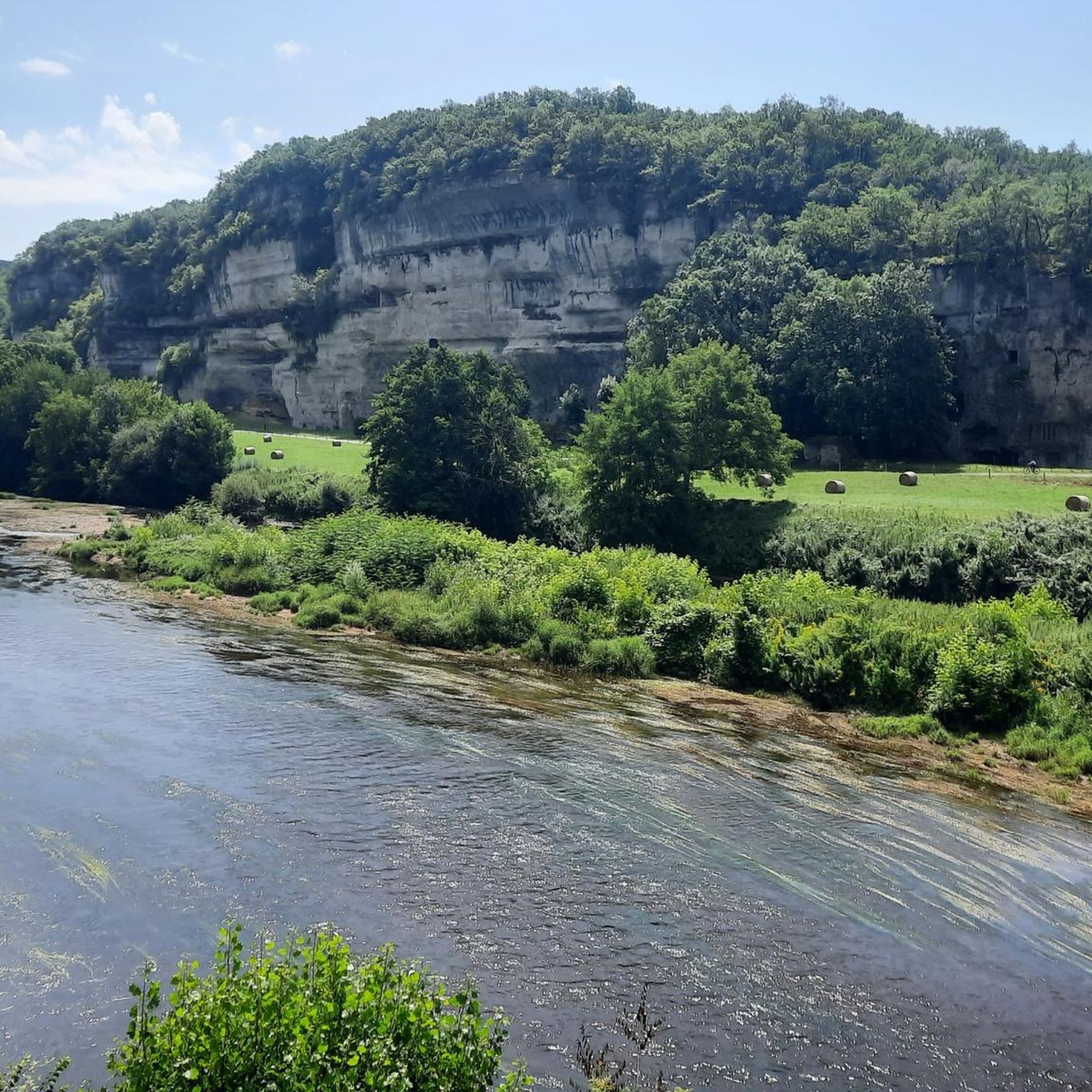
Touring cycling in Périgord-Limousin offers diverse landscapes characterized by rolling hills, extensive oak and chestnut forests, and numerous waterways. The region features elevations ranging from 85 meters to 556 meters, providing varied terrain for cyclists. This natural park encompasses a mosaic of habitats, including wetlands, moors, and limestone meadows, shaped by its geological base and agricultural history.
Best touring cycling routes in Périgord-Limousin
- The most popular touring cycling route is Châlus Castle Loop, a 16.0 miles (25.7 km) trail that takes 1 hour 39 minutes to complete, passing by the historic Châlus Castle.
- Another top favourite among local touring cyclists is Around Nontron, a moderate 20.1 miles (32.4 km) path. This route explores the area surrounding Nontron, featuring rolling terrain and wooded sections.
- Local touring cyclists also love the Le Grand Puyconnieux et la forêt de Boubon - loop in the land of the feuillardiers, a 21.5 miles (34.6 km) trail leading through forests and rural landscapes, often completed in about 2 hours 13 minutes.
- Touring cycling in Périgord-Limousin is defined by rolling hills, dense forests, and numerous rivers, with routes offering options for various ability levels.
- The routes in Périgord-Limousin are highly rated by the komoot community with an average score of 4.4 stars from more than 400 reviews. More than 2,200 touring cyclists have used komoot to explore Périgord-Limousin's varied terrain.
Last updated: August 30, 2026
5.0
(3)
12
riders
25.7km
01:39
350m
350m
Moderate bike ride. Good fitness required. Mostly paved surfaces. Suitable for all skill levels.
2
riders
32.4km
02:07
450m
450m
Moderate bike ride. Good fitness required. Mostly paved surfaces. Suitable for all skill levels.

Sign up for free
5.0
(1)
4
riders
Moderate bike ride. Good fitness required. Mostly paved surfaces. Suitable for all skill levels.
4.8
(52)
185
riders
53.3km
03:27
490m
490m
Hard bike ride. Very good fitness required. Mostly paved surfaces. Suitable for all skill levels.
4.8
(35)
160
riders
51.0km
03:18
500m
500m
Hard bike ride. Very good fitness required. Mostly paved surfaces. Suitable for all skill levels.
Get access to more routes and recommendations from other explorers.
Sign up for free
Already have an account?
Our route recommendations are based on thousands of hikes, rides, and runs completed by other people on komoot.
Start today with a free account
Your next adventure awaits.
Login or Signup

Other adventures in Périgord-Limousin

Tips from the Community

Nontron is a town with a rich history dating back around 3,000 years, with traces of prehistoric and Gallo-Roman habitation. It is known for its traditional crafts, particularly cutlery, with the famous Nontron knife, one of the oldest folding knives in France. The town stretches over a strategic rocky promontory, once home to fortifications and a historic castle, the latter dating back to the 8th century and rebuilt in the 19th century.
1
0
Javerlhac Castle was rebuilt around 1498 by Dauphin Pastoureau, a master blacksmith in Nontron. It is typical of Périgord manor houses, with a rectangular dwelling, a large round tower with machicolations decorated with trefoils, and a polygonal tower housing a spiral staircase. The castle retains defensive features such as gun ports, despite modernization in the early 19th century. It burned down in 1369 during the Hundred Years' War and has undergone several reconstructions. Privately owned, its facades and roofs have been listed as historic monuments since 1974.
2
0

The natural setting: Bordered by the Côle: Saint-Jean-de-Côle is surrounded by nature, with the small Côle river running through the village, offering bucolic and green landscapes. Hiking and walks: The surroundings of the village are full of trails for hiking enthusiasts. These paths allow you to explore the countryside of the Périgord Vert, its forests, and its meadows, while enjoying the calm and beauty of nature. Events and Crafts: Medieval festivals: The village regularly organizes events such as medieval festivals that recreate the atmosphere of the Middle Ages with costumes, shows and craft markets. Local crafts: Saint-Jean-de-Côle is also home to several local artisans and artists who offer their works and creations, whether pottery, textiles or gastronomic products. Why Visit Saint-Jean-de-Côle? For its medieval charm: Ranked among the most beautiful villages in France, Saint-Jean-de-Côle offers a unique setting with its historic buildings, cobbled streets and authentic atmosphere. For history: The Romanesque church, the Château de la Marthonie, and the bridge bear witness to several centuries of history, transporting visitors to another era. For the surrounding nature: In addition to its heritage, the village is an ideal starting point for exploring the countryside of the Périgord Vert, between walks and discoveries of the local fauna and flora. Saint-Jean-de-Côle is therefore an essential destination for those who wish to combine historical and natural heritage, while enjoying the calm and beauty of a Périgord village.
1
0
Saint-Jean-de-Côle, located in the Dordogne, is one of the most beautiful villages in France. Nestled in the heart of the Périgord Vert, this small medieval village seduces with its picturesque architecture and peaceful atmosphere. It is a true jewel of the Périgord heritage, offering visitors an enchanting setting to walk and discover local history. Points of Interest in Saint-Jean-de-Côle: Saint-Jean-Baptiste Church: Romanesque Church: The Saint-Jean-Baptiste Church, built between the 11th and 12th centuries, is a magnificent example of Périgord Romanesque architecture. It is distinguished by its dome-shaped bell tower and its imposing porch. Interior decoration: The interior is sober but impressive with its restored frescoes and its dome, offering an atmosphere imbued with spirituality and history. The Château de la Marthonie: Renaissance Castle: This castle stands proudly on the main square of the village. Built from the 12th century and remodeled during the Renaissance, it once served as a residence for the lords of the region. With its towers and elegant facades, it dominates the village and reinforces its medieval charm. Defensive architecture: The castle retains elements of fortification, recalling the time when it served as a defense against invasions. The Roman Bridge: A little historical gem: This stone bridge, which crosses the Côle River, is a vestige of the village's medieval past. It is lined with small picturesque houses that give the impression that time has stood still. Place for a walk: The bridge and its surroundings are perfect for a leisurely stroll, offering magnificent views of the village and the surrounding countryside. Half-timbered houses: Traditional architecture: Strolling through the cobbled streets, visitors discover charming half-timbered houses with tiled roofs, typical of the rural architecture of the Périgord. These well-preserved houses bear witness to the centuries-old history of the village. Timeless atmosphere: Every street corner invites discovery, with flower-filled houses and small shaded squares.
1
0

Don't miss this village, the most beautiful village in France At the foot of the drip wall of the choir of the church of Saint-Jean-de-Côle lie four respite graves. These are anthropomorphic sarcophagi the size of a newborn. In the Middle Ages, when infant mortality was high, stillborn or young children were often unable to be baptized. They could therefore not be buried in the cemetery, consecrated ground. Installed in respite boxes, they received directly from the roof of the church the dripping rainwater considered blessed. Baptism became effective after a few months and the children could finally be buried in the cemetery.
0
0

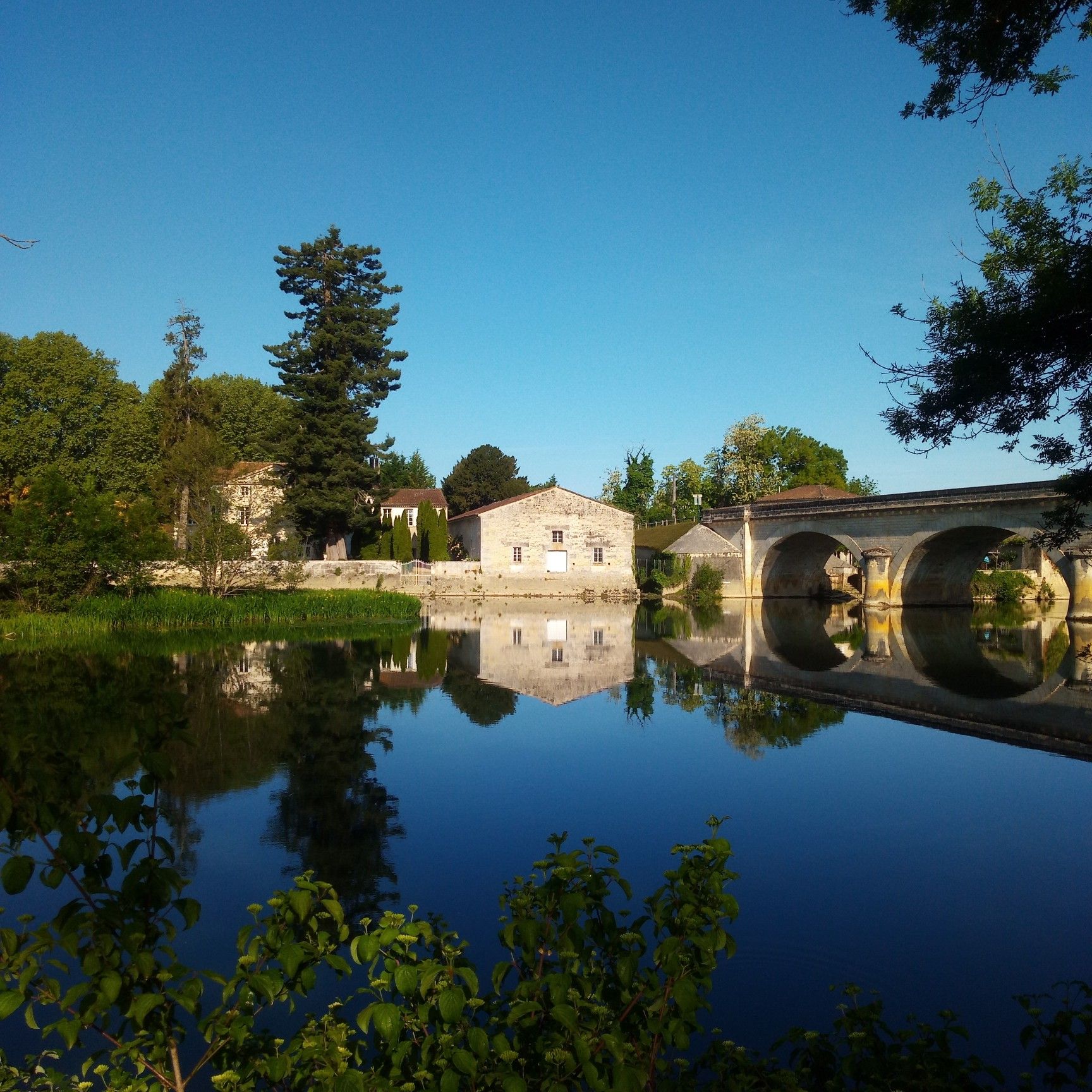
There are several bridges on the cycle path that you pass through. Some of them are very impressive.
1
0
Very beautiful castle. Unfortunately you can only visit it from the outside
1
0
Frequently Asked Questions
How many touring cycling routes are available in Périgord-Limousin?
There are over 370 touring cycling routes available in Périgord-Limousin, catering to a wide range of abilities and preferences. These routes explore the region's diverse landscapes, from rolling hills to dense forests and tranquil waterways.
What is the typical terrain and elevation like for touring cycling in Périgord-Limousin?
Périgord-Limousin is characterized by gently rolling hills, extensive oak and chestnut forests, and numerous rivers. Elevations generally range from 85 meters to 556 meters, meaning you can expect varied terrain with moderate climbs and descents, offering picturesque panoramas.
Are there any family-friendly touring cycling routes in the region?
Yes, the region is well-suited for family cycling. The Périgord-Limousin Regional Natural Park features a 17km traffic-free greenway between Thiviers and Saint-Pardoux-la-Rivière, which is ideal for relaxed cycling with children. Additionally, there is a 103 km cycle route loop specifically designed and approved for families. You can also find 27 easy routes listed on komoot, such as the Châlus Castle Loop, which is a moderate 25.7 km ride.
What kind of natural features can I expect to see along the cycling routes?
The routes in Périgord-Limousin will take you through a mosaic of natural habitats. You'll encounter vast oak and chestnut forests, numerous rivers, ponds, and lakes, and extensive wetlands. The region also features limestone meadows with exceptional flora, including over thirty varieties of orchids, and diverse wildlife like European otters and short-toed eagles. The geological heritage includes a meteorite crater, quartz, and kaolin deposits.
What historical landmarks and attractions can I visit while cycling?
Périgord-Limousin is rich in cultural and historical sites. Along your rides, you can discover numerous castles, churches, and medieval villages. Notable attractions include Jumilhac Castle with its remarkable roofs, Rochechouart Castle which houses a contemporary art museum, and working water mills like Le Moulin Martin. Charming villages such as Saint-Jean-de-Côle are also worth exploring.
Are there any circular touring cycling routes available?
Yes, many touring cycling routes in Périgord-Limousin are designed as loops, allowing you to start and finish in the same location. Examples include the Around Nontron route, a 32.4 km loop exploring the area, and the Le Grand Puyconnieux et la forêt de Boubon loop, a 34.6 km trail through forests and rural landscapes. The region also offers a 103 km cycle route loop specifically for families.
What is the best time of year for touring cycling in Périgord-Limousin?
The region offers unique and colorful panoramas that change with the seasons. Spring and autumn generally provide pleasant temperatures and beautiful scenery, with lush greenery in spring and vibrant foliage in autumn. Summer is also popular, though it can be warmer, making routes near waterways or through forests particularly appealing.
What do other touring cyclists say about the routes in Périgord-Limousin?
The touring cycling routes in Périgord-Limousin are highly rated by the komoot community, with an average score of 4.4 stars from over 430 reviews. Cyclists often praise the quiet, scenic roads, the diverse landscapes, and the opportunity to combine physical activity with cultural discovery.
Are there options for longer-distance touring cycling in the area?
Absolutely. Beyond individual day loops, Périgord-Limousin is part of larger cycling networks. The Flow Vélo cycle route, connecting Sarlat to Île d'Aix, passes through the south of the park near Thiviers. There's also the "Boucle des Enfants du Pays," a 100km itinerary designed to be explored over 3 to 6 days, and the 152km "Richard Lionheart West bike loop" which takes in castles and villages over four stages. The V56 national cycle route also stretches 72.5km through the region.
Are there any lakes or swimming spots accessible from the cycling routes?
Yes, water is an omnipresent feature in Périgord-Limousin. You can find numerous ponds and lakes throughout the region. Notable spots include Saint-Estèphe Pond Beach, Cognac-le-Forêt Lake, and Lac de Saint-Mathieu, which offer opportunities for swimming and relaxation after your ride.
What is the difficulty level of touring cycling routes in Périgord-Limousin?
The routes in Périgord-Limousin cater to various fitness levels. Out of nearly 380 routes, 27 are classified as easy, 198 as moderate, and 153 as difficult. This means you can find everything from gentle rides through valleys to more challenging ascents over the rolling hills, ensuring there's a suitable option for every touring cyclist.
Most popular routes in Périgord-Limousin
Most popular attractions in Périgord-Limousin

Get inspired with the komoot mobile app


