The best cycling routes around Schnaittach
4.7
(258)
1,188
riders
109
rides
Touring cycling routes around Schnaittach are set within the diverse landscape at the foot of the Franconian Switzerland-Veldenstein Forest Nature Park. The region features rolling hills, dense forests, and river valleys, particularly along the Pegnitz River. Its geological makeup includes limestone and dolomite formations, characteristic of the Hersbrucker Alb, contributing to varied terrain for cyclists. This area offers a network of trails suitable for exploring its natural beauty and historical sites.
Best touring cycling routes around Schnaittach
- The most popular…
Last updated: June 28, 2026
3.9
(16)
133
riders
18.0km
01:11
110m
110m
Easy bike ride. Great for any fitness level. Mostly paved surfaces. Suitable for all skill levels.
4.3
(11)
75
riders
29.3km
01:47
110m
110m
Easy bike ride. Great for any fitness level. Mostly paved surfaces. Suitable for all skill levels.

Sign up for free
4.4
(14)
70
riders
21.0km
01:34
150m
150m
Moderate bike ride. Good fitness required. Mostly paved surfaces. Suitable for all skill levels.
4.7
(14)
50
riders
17.6km
01:07
180m
180m
Moderate bike ride. Good fitness required. Mostly paved surfaces. Suitable for all skill levels.
4.8
(41)
45
riders
Easy bike ride. Great for any fitness level. Mostly paved surfaces. Suitable for all skill levels.
Get access to more routes and recommendations from other explorers.
Sign up for free
Already have an account?
Our route recommendations are based on thousands of hikes, rides, and runs completed by other people on komoot.
Start today with a free account
Your next adventure awaits.
Login or Signup
Popular around Schnaittach
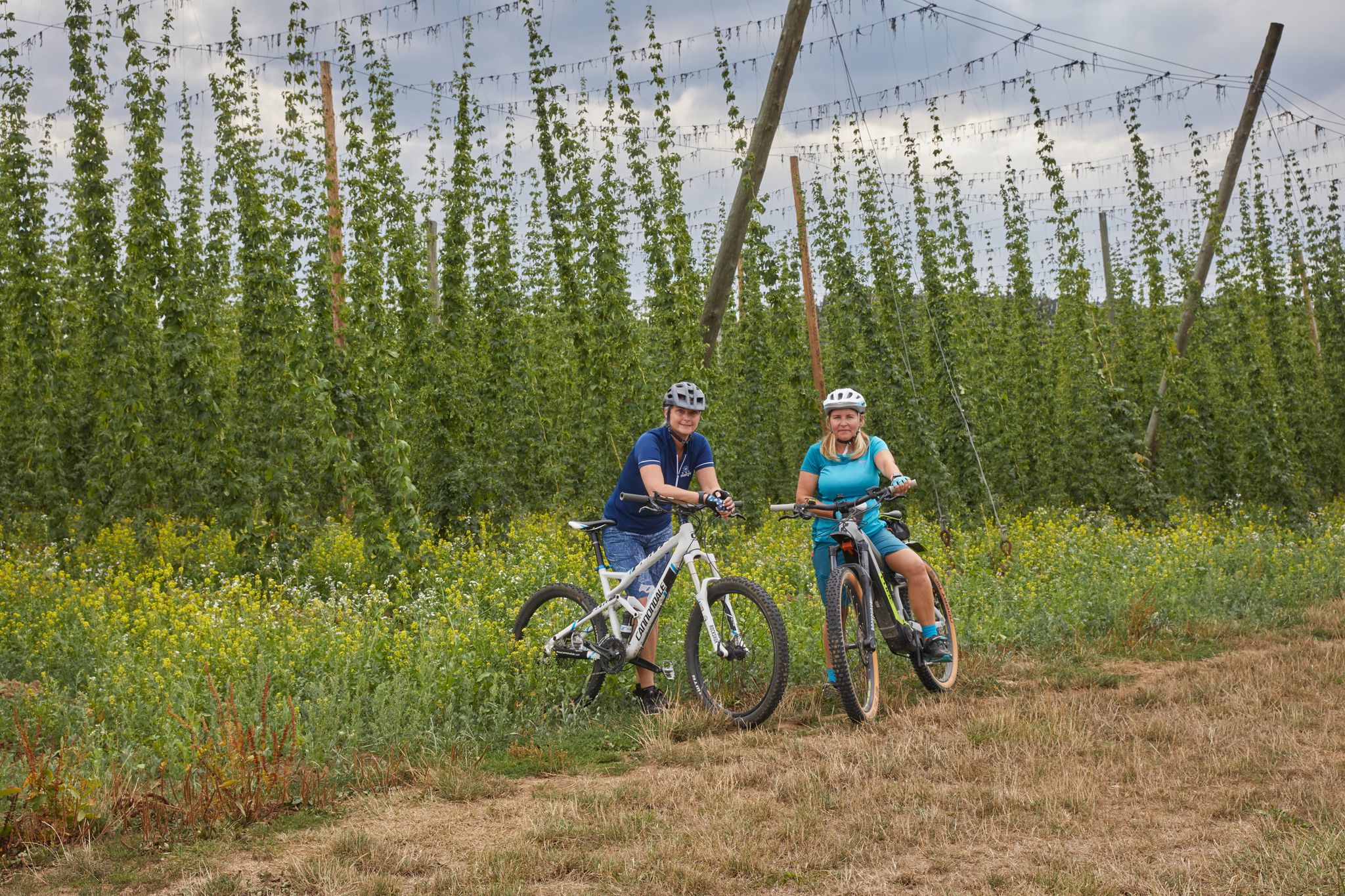
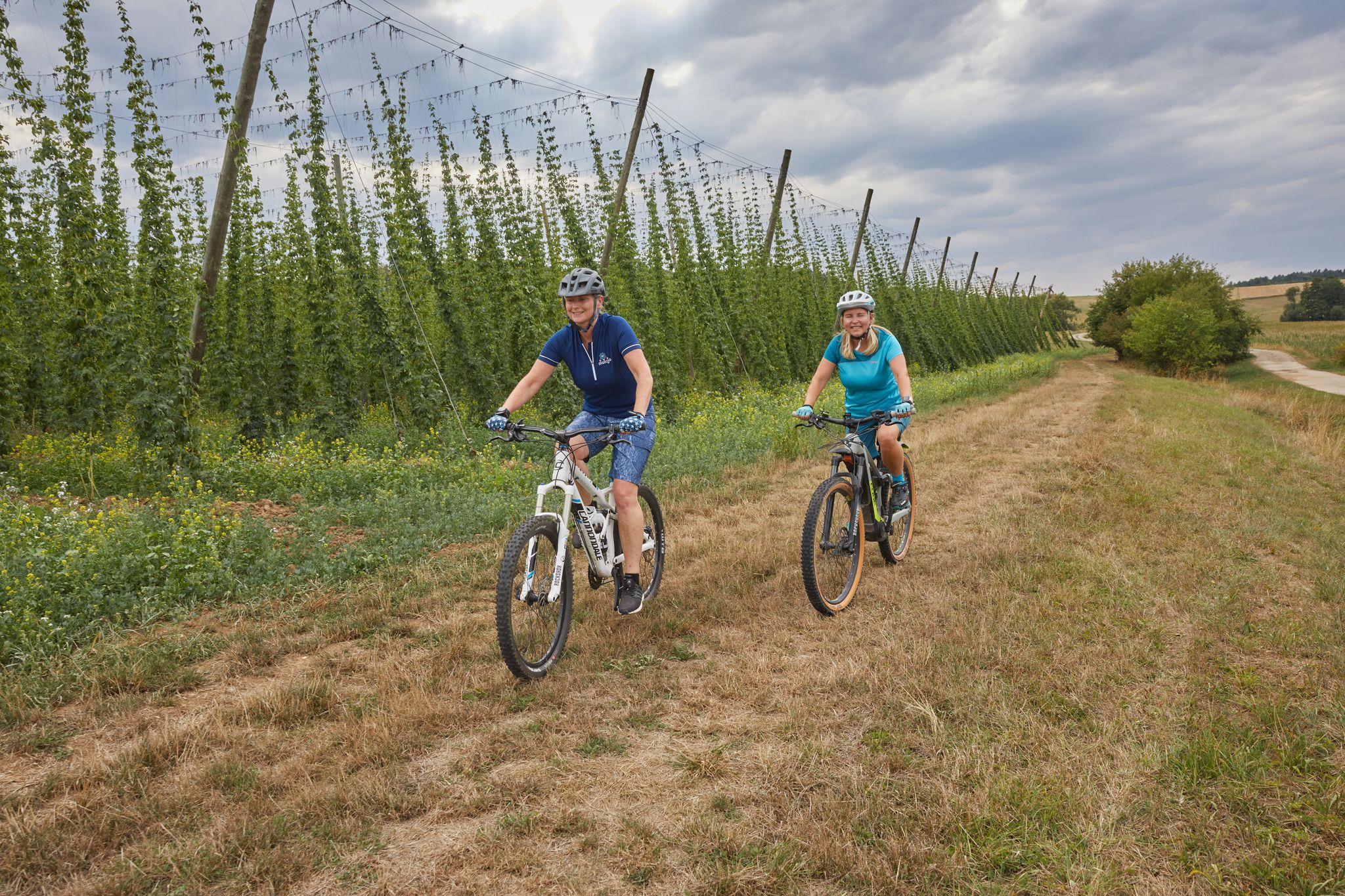
Cycling to the Hop Weeks in the Nuremberg Region
Explore the Nuremberg Land with all your senses – Sensory Cycle Path
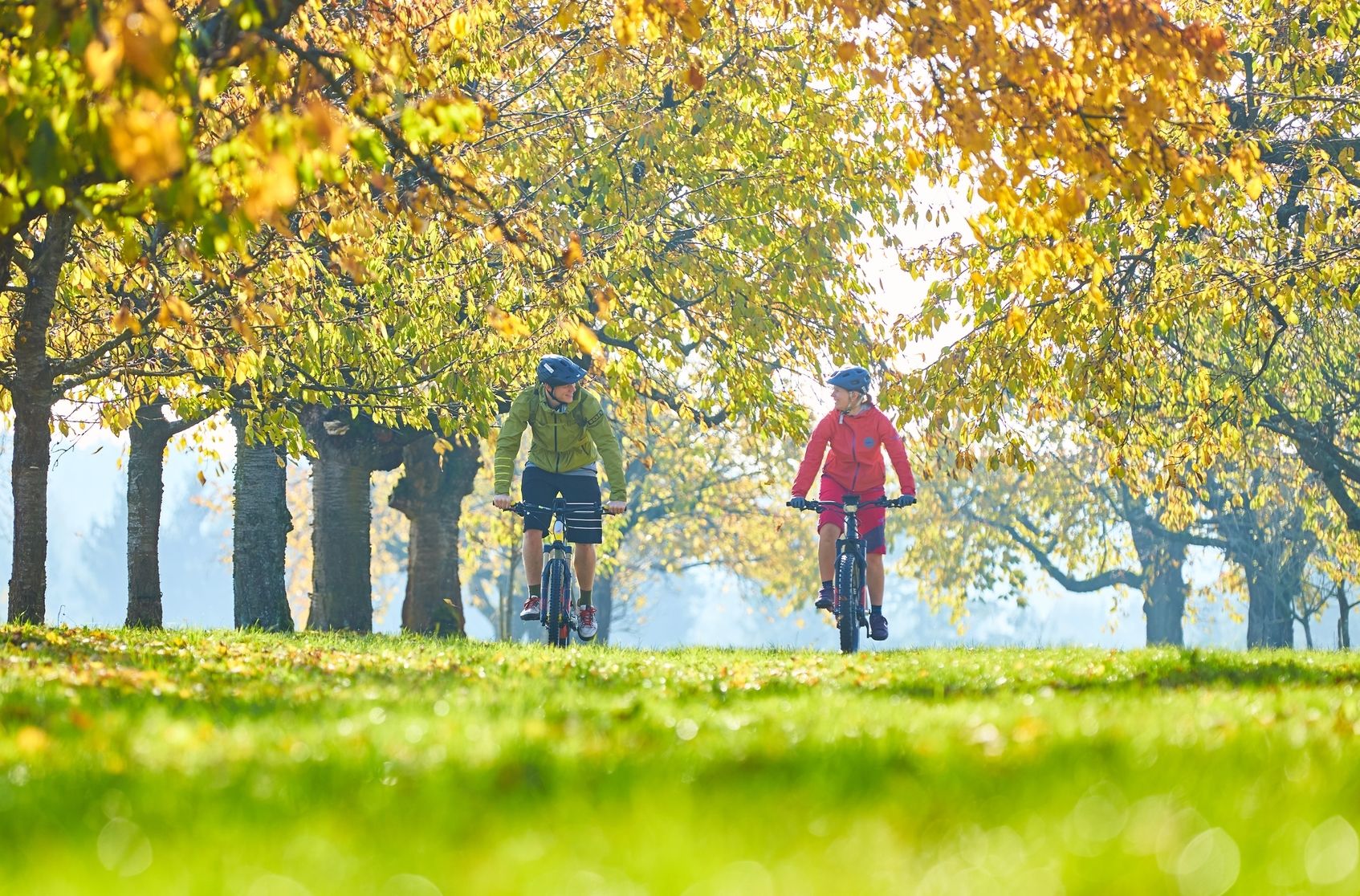
Get ready to explore — e-biking in Germany’s Nuremberg Region
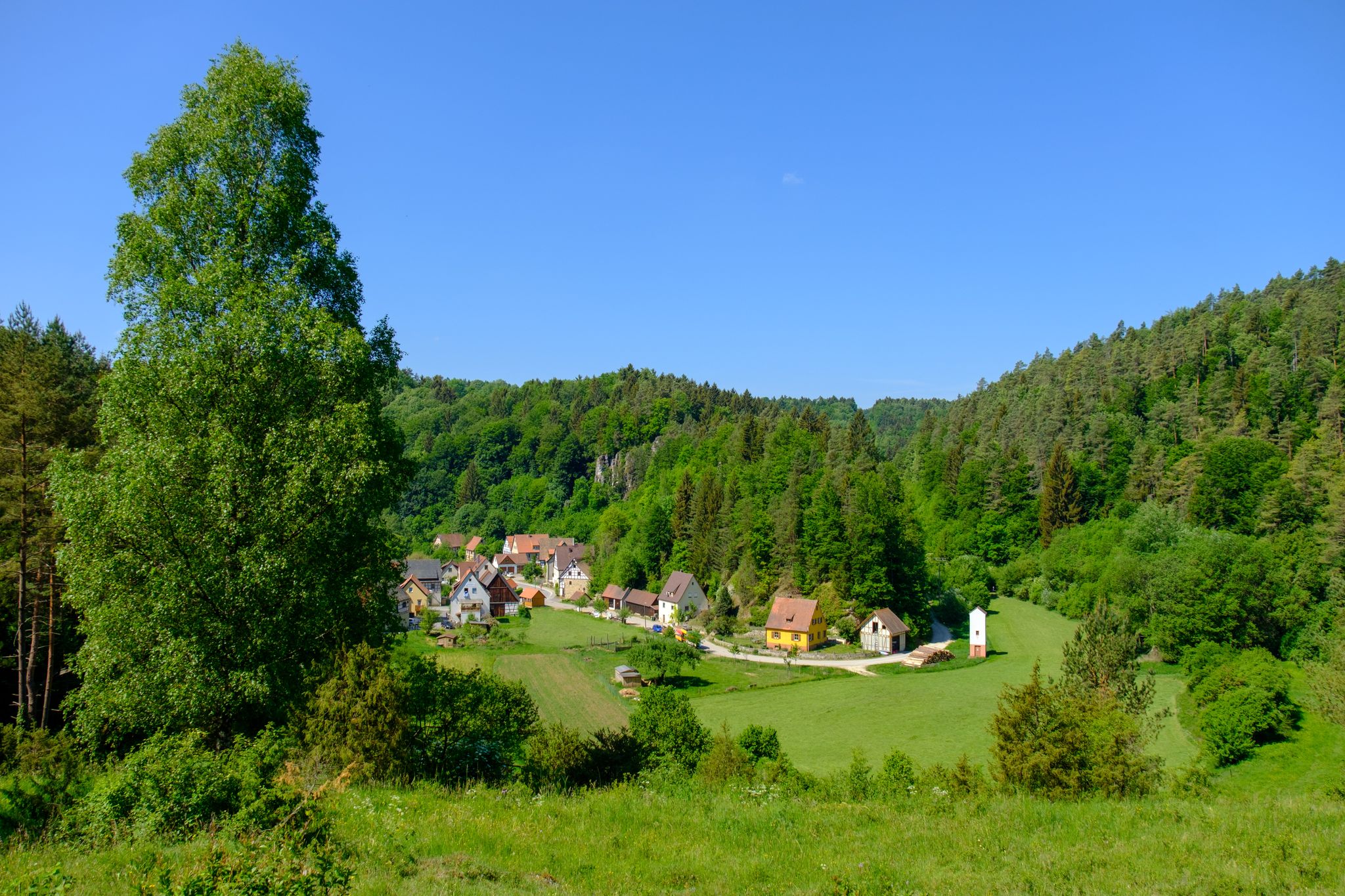
The most beautiful cycle paths through the Nuremberg Land
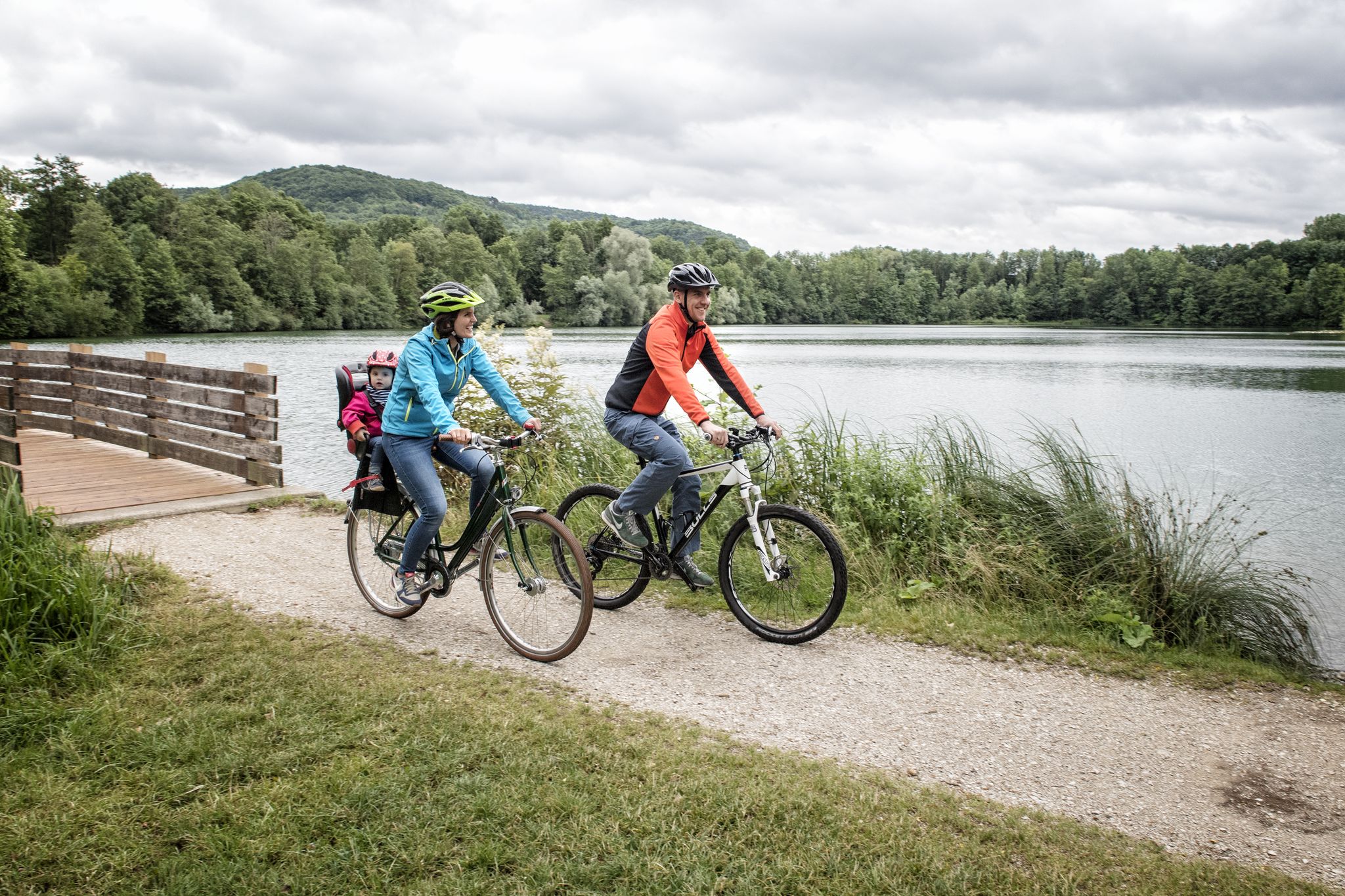
Incredible cycling in the Nuremberg region
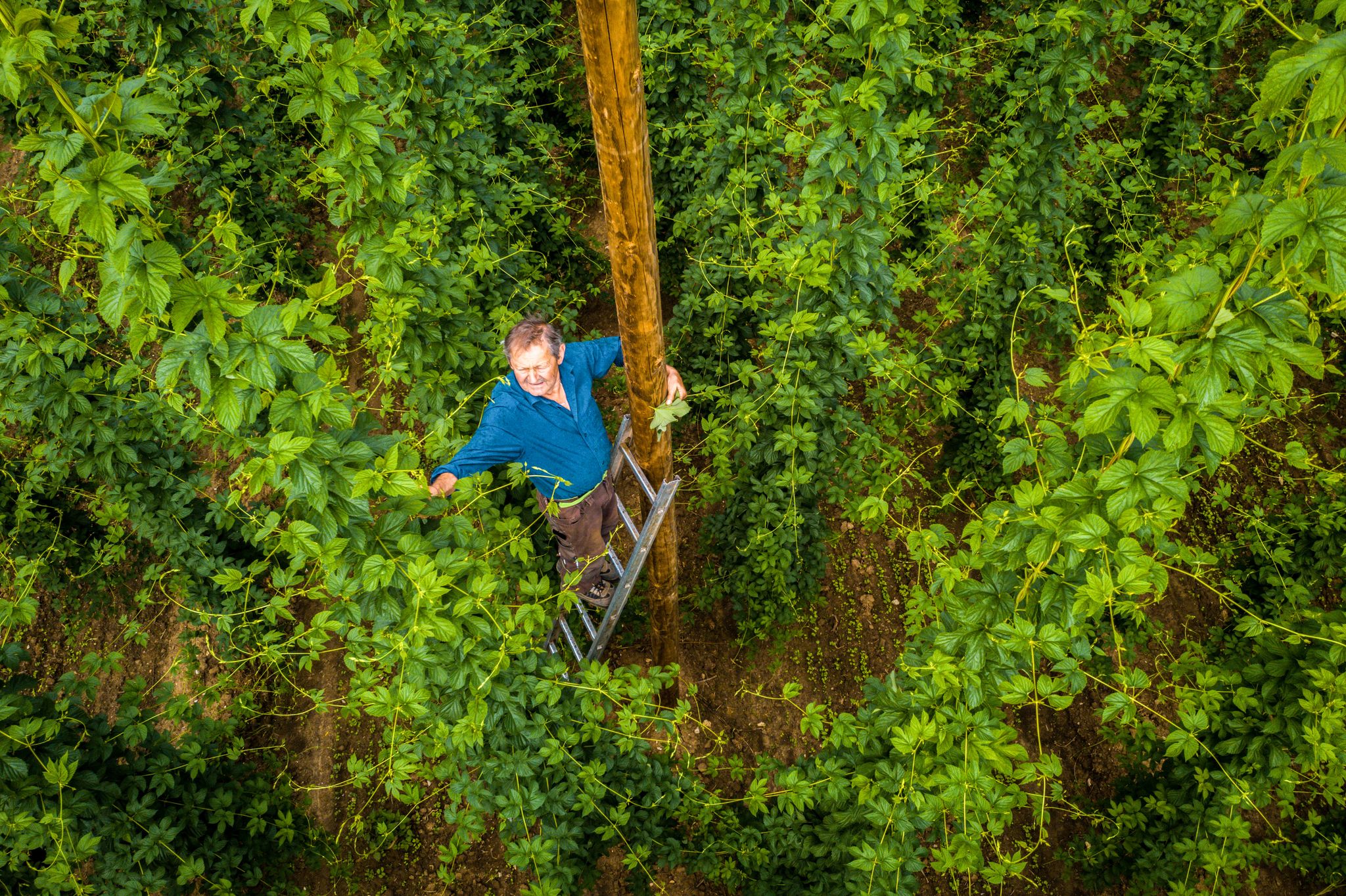
Hop Weeks in the Nürnberger Land – Hiking Trails Full of Delight
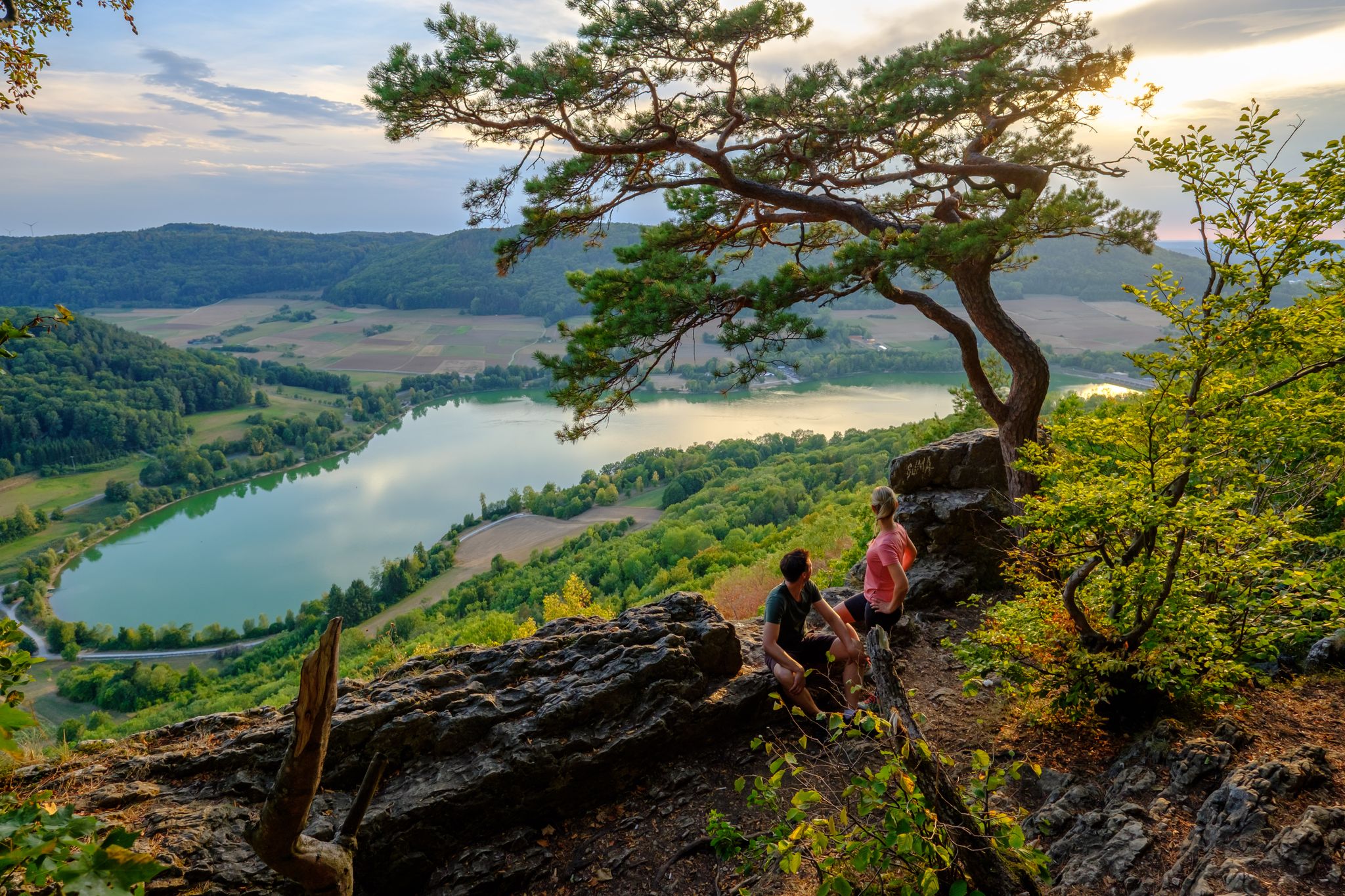
High up on the SevenSummits in the Nuremberg region
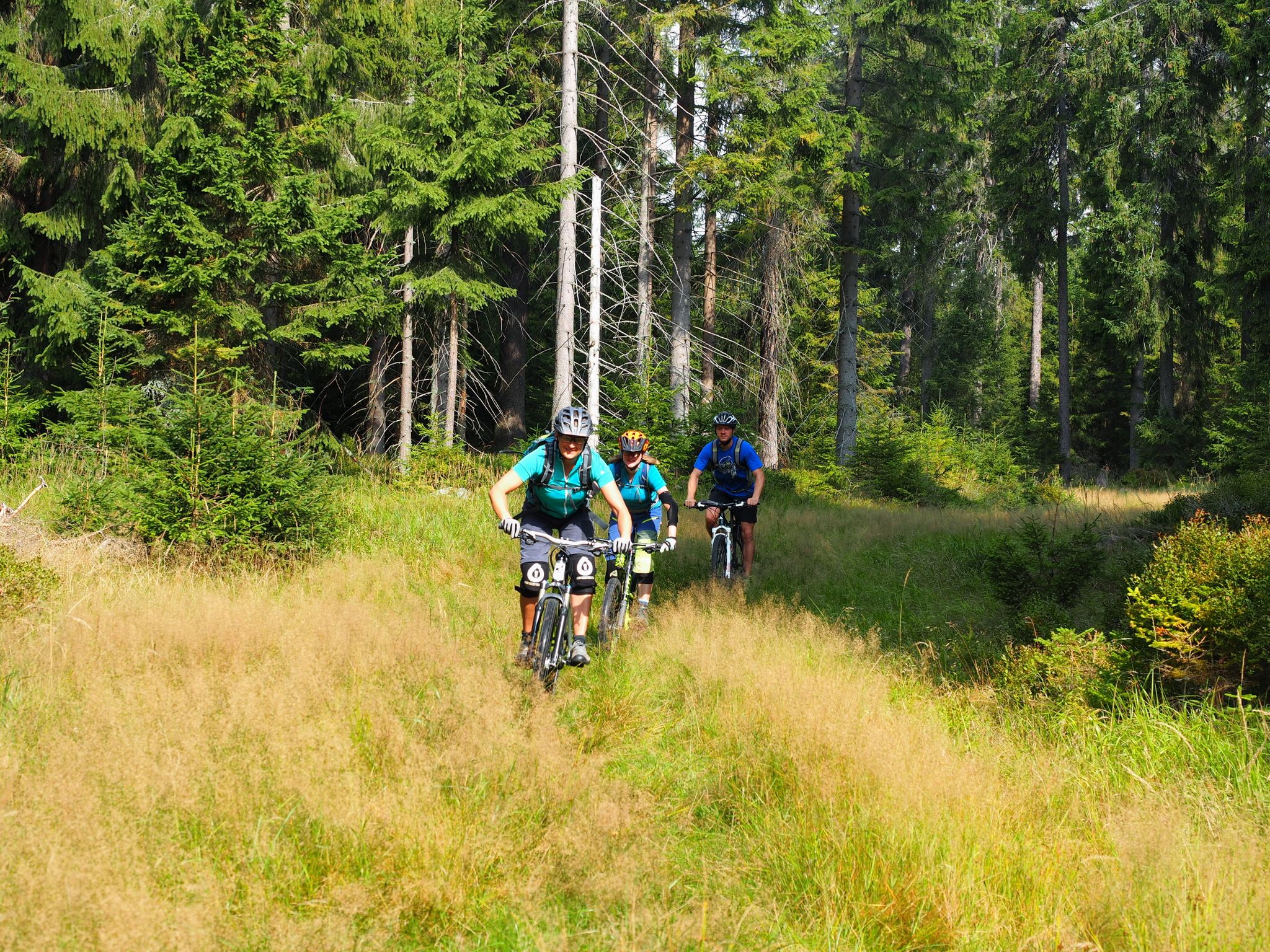
The best bike Tours around Nuremberg – MTB microadventures with the VGN
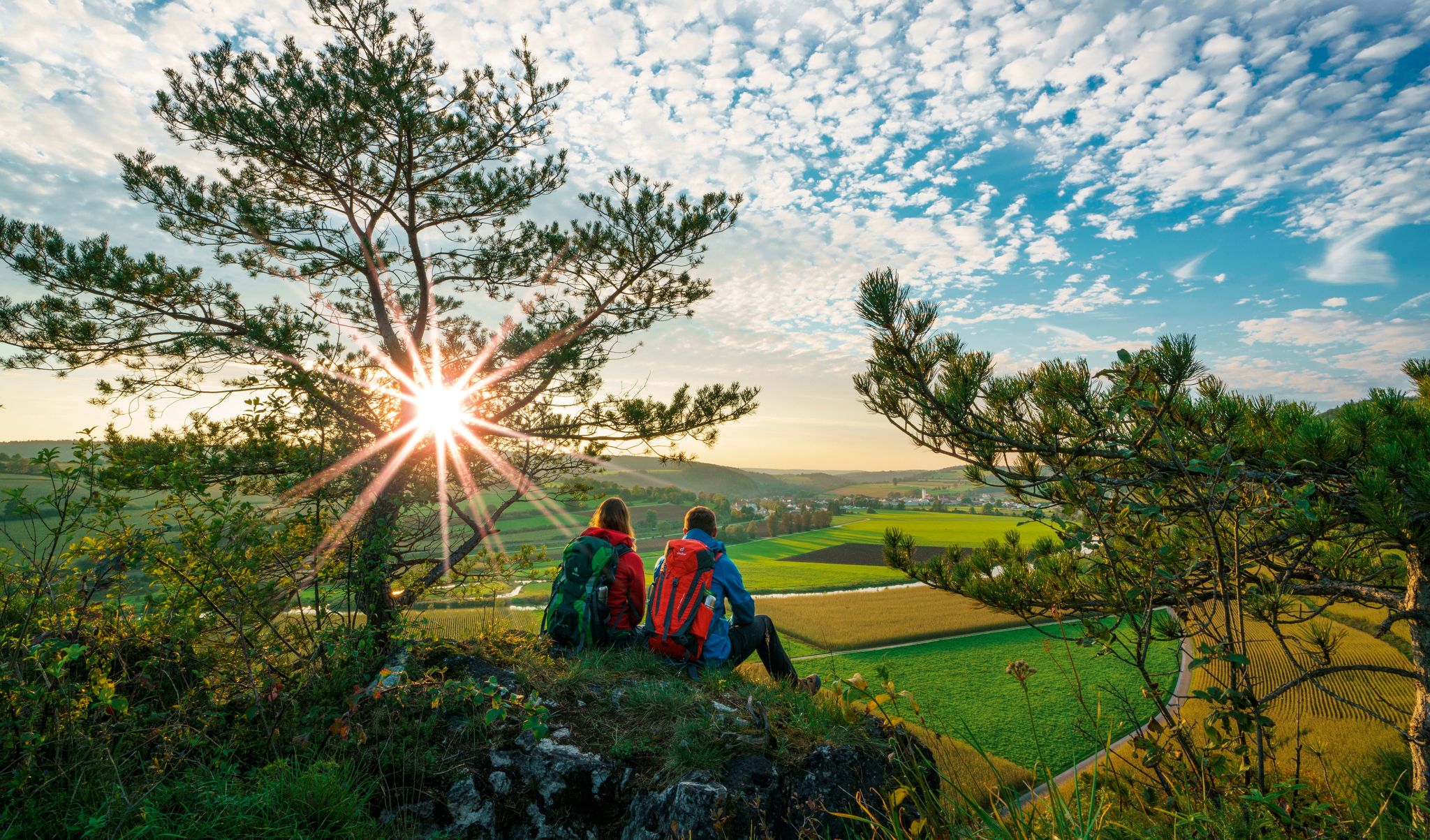
The Franconian Trail – A Diverse Hiking Dream Across 24 Stages
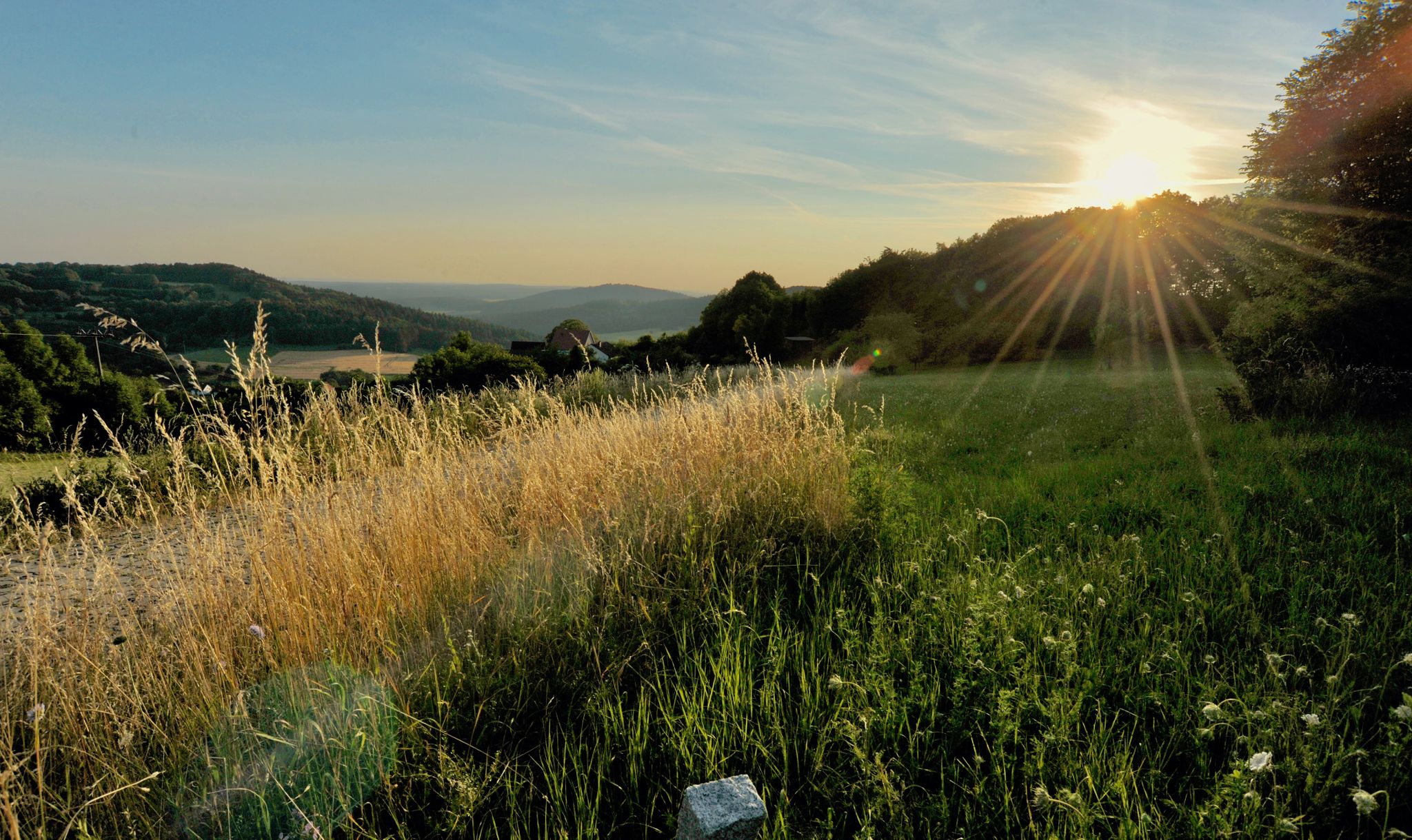
Hiking quiet paths through the Nürnberger Land in Bavaria
Other adventures around Schnaittach


Tips from the Community

A nice little spot to devour your snack or food bought in the old town 😁
0
0

A beautifully preserved gate.
2
0

The hospital foundation dates back to 1374 and was established by the esteemed Nuremberg patrician family Glockengießer. It served as a social institution for the care of the sick, the elderly, and pilgrims. An integral part of the complex was the Chapel of St. Leonhard, whose remains are visible today as a ruin.
5
0
The building you see today was built immediately after its destruction in the 2nd Margraves' War. The citizens rebuilt it in record time: Material. Massive sandstone was used, giving the building its characteristic, sturdy appearance to this day. A late Gothic structure with Renaissance influences was created. Particularly striking is the steep timber-framed gable, which was later plastered over. The town hall was much more than just an office for the mayor back then. The open ground floor (the so-called arcades) used to house the bread and meat benches. Bakers and butchers sold their goods here under the protection of the city council. The city council met on the first floor, and justice was administered. The council bell in the turret announced important verdicts or warned of fire. From early on, there was a "council room" in the town hall where the council members were entertained.
7
0
The Nuremberg Gate is the western city gate of Lauf and was part of the medieval city fortifications. It marked the beginning (or end) of the stage on the famous Golden Road in the direction of Nuremberg. The core of the gate dates from the 14th century (approx. 1350), from the time when Emperor Charles IV was also active in Lauf. It is a classic gate tower with a pointed arch passage. The striking half-timbered upper floor and the steep hipped roof give it its typical Franconian appearance.
7
0
The castle was built between 1356 and 1360 by Emperor Charles IV. It was strategically located on the "Golden Road", the important trade route between Nuremberg and Prague. Charles IV used it as a stopover castle and residence to consolidate his claims to power in the region. Today, it houses an external campus of the Nuremberg Academy of Fine Arts.
9
0
The Hersbrucker Tor is one of the two remaining city gates of Lauf an der Pegnitz and marks the eastern end of the historic market square. The gate was originally built in the 15th century as part of the town fortifications, shortly after Lauf was elevated to a city in 1355 by Emperor Charles IV. In its current form, the structure essentially dates from 1476, as inscriptions also indicate.
8
0
The Obere Markt (Upper Market) was established under Emperor Charles IV when the important trade connection between Nuremberg and Prague (the "Golden Road") gained importance. Hersbruck was a central station on this route.
6
0
Frequently Asked Questions
How many touring cycling routes are available around Schnaittach?
There are over 100 touring cycling routes around Schnaittach, offering a wide variety of options for different skill levels. You'll find everything from easy, leisurely rides to more challenging excursions through the diverse landscape.
What kind of terrain can I expect on touring cycling routes in Schnaittach?
The terrain around Schnaittach is characterized by rolling hills, dense forests, and scenic river valleys, particularly along the Pegnitz River. The region is part of the Franconian Switzerland-Veldenstein Forest Nature Park and the Hersbrucker Alb, featuring limestone and dolomite formations that contribute to varied and interesting landscapes for cyclists.
Are there easy touring cycling routes suitable for beginners or families in Schnaittach?
Yes, Schnaittach offers a good selection of easy touring cycling routes. For example, the Stadtkirche Hersbruck – Campo Eis Café loop from Schnaittach Markt is an easy 18.0 km trail, perfect for a pleasant ride through the local area. Another easy option is the Upper Market, Hersbruck – Hersbruck Old Town loop from Hedersdorf, which is 29.3 km and provides views of Hersbruck's historic old town.
What are some notable natural features or landmarks I can see while cycling around Schnaittach?
The region boasts several natural and historical highlights. You can explore the unique geological formations of the Lillach Valley, including the Lillach Tufa Terraces and Lillach Spring. The Hersbrucker Alb offers striking rock landscapes and caves. For historical sites, consider visiting the Rothenberg Fortress, which provides grand views of the Franconian Alb, or the View of Wenzel Castle (Lauf Castle).
Are there any circular touring cycling routes in the Schnaittach area?
Many of the touring cycling routes around Schnaittach are designed as loops, allowing you to start and end in the same location. An example is the Hersbrucker Gate – Old Town of Lauf an der Pegnitz loop from Schnaittach Markt, a 20.7 km trail that follows the Pegnitz river valley.
What do other touring cyclists say about the routes in Schnaittach?
The touring cycling routes in Schnaittach are highly rated by the komoot community, with an average score of 4.7 stars from over 250 reviews. Cyclists often praise the well-maintained trails, the scenic beauty of the Franconian Switzerland-Veldenstein Forest Nature Park, and the variety of routes available for all skill levels.
What is the best time of year for touring cycling in Schnaittach?
The best seasons for outdoor activities, including touring cycling, in Schnaittach are spring and summer. During these months, the Franconian countryside is at its most inviting, with pleasant weather and lush landscapes perfect for exploring on two wheels.
Are there any moderate difficulty touring cycling routes for those seeking a bit more challenge?
Yes, Schnaittach offers several moderate routes. The St. Martin Chapel – Tucher Castle Simmelsdorf loop from Schnaittach Markt is a moderate 17.6 km route. Another option is the Gänsbrunnen Pond – View of the Baggersee loop from Schnaittach Markt, a 24.3 km moderate trail.
Can I find historical sites or castles along the touring cycling routes?
Absolutely. The region around Schnaittach is rich in history. You can find several castles and ruins, such as the Leienfels Castle Ruins, Hohenstein Castle, and the Ruins of Thuisbrunn Castle. These can be integrated into your cycling tours for a cultural experience.
Are there any specific geological features or caves to explore near Schnaittach?
Yes, the Hersbrucker Alb, which Schnaittach borders, is known for its karstified limestone and dolomite, leading to striking rock formations and caves. Highlights include the Klauskirche Cave, Peter's Cave, and natural monuments like the Wasserstein Gate and Hexentor Rock Arch.
Is the area around Schnaittach suitable for experienced road cyclists looking for challenging gradients?
While many routes are easy to moderate, the region does offer more challenging sections. Some routes, particularly those extending into the Hersbrucker Alb, can feature gradients of up to 22%, suitable for experienced road cyclists seeking a more demanding ride.
Most popular routes around Schnaittach
Most popular attractions around Schnaittach

Get inspired with the komoot mobile app


Explore more
Browse the best Cycling routes in other regions.
