The best cycling routes around Río Guadalmansa
4.2
(228)
3,064
riders
54
rides
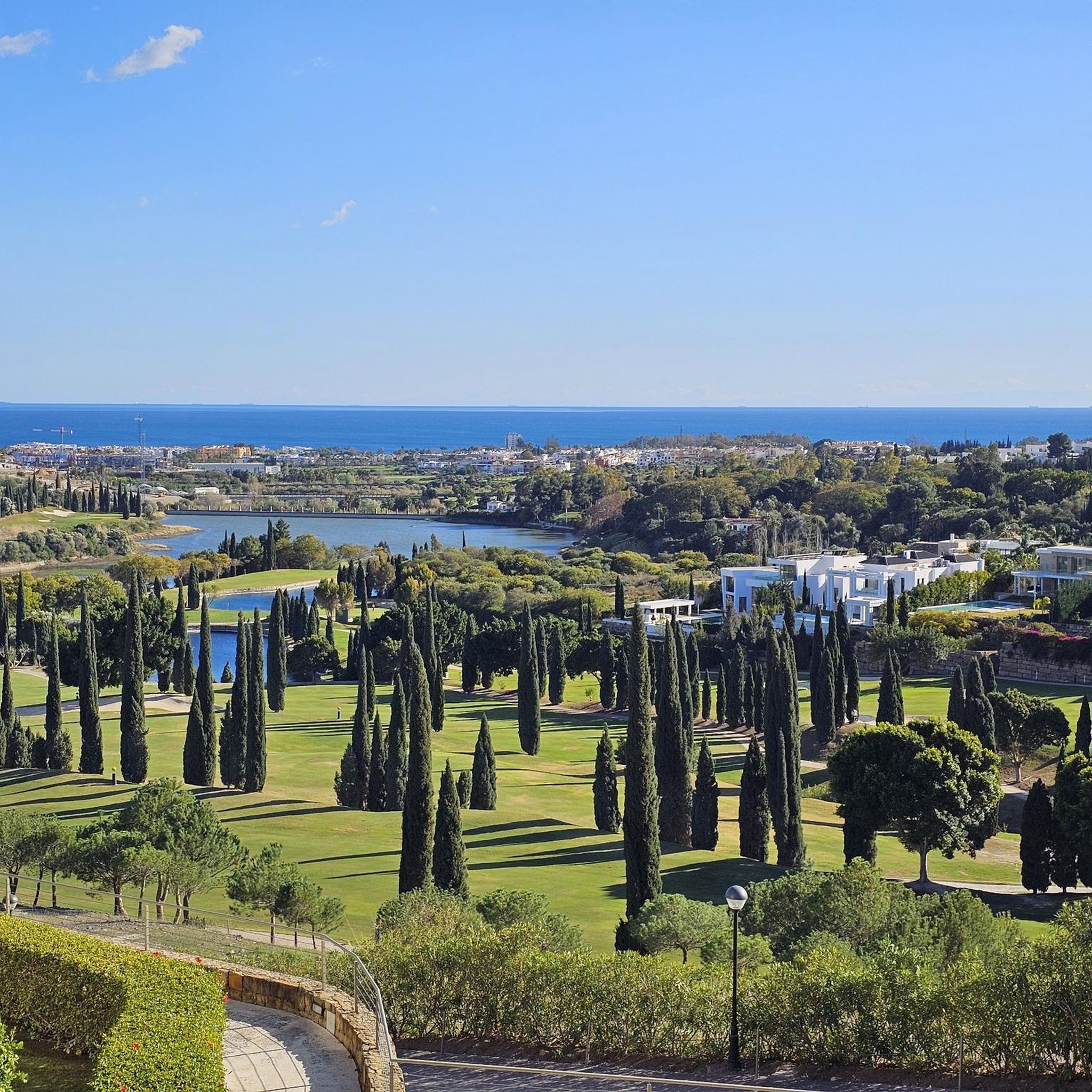
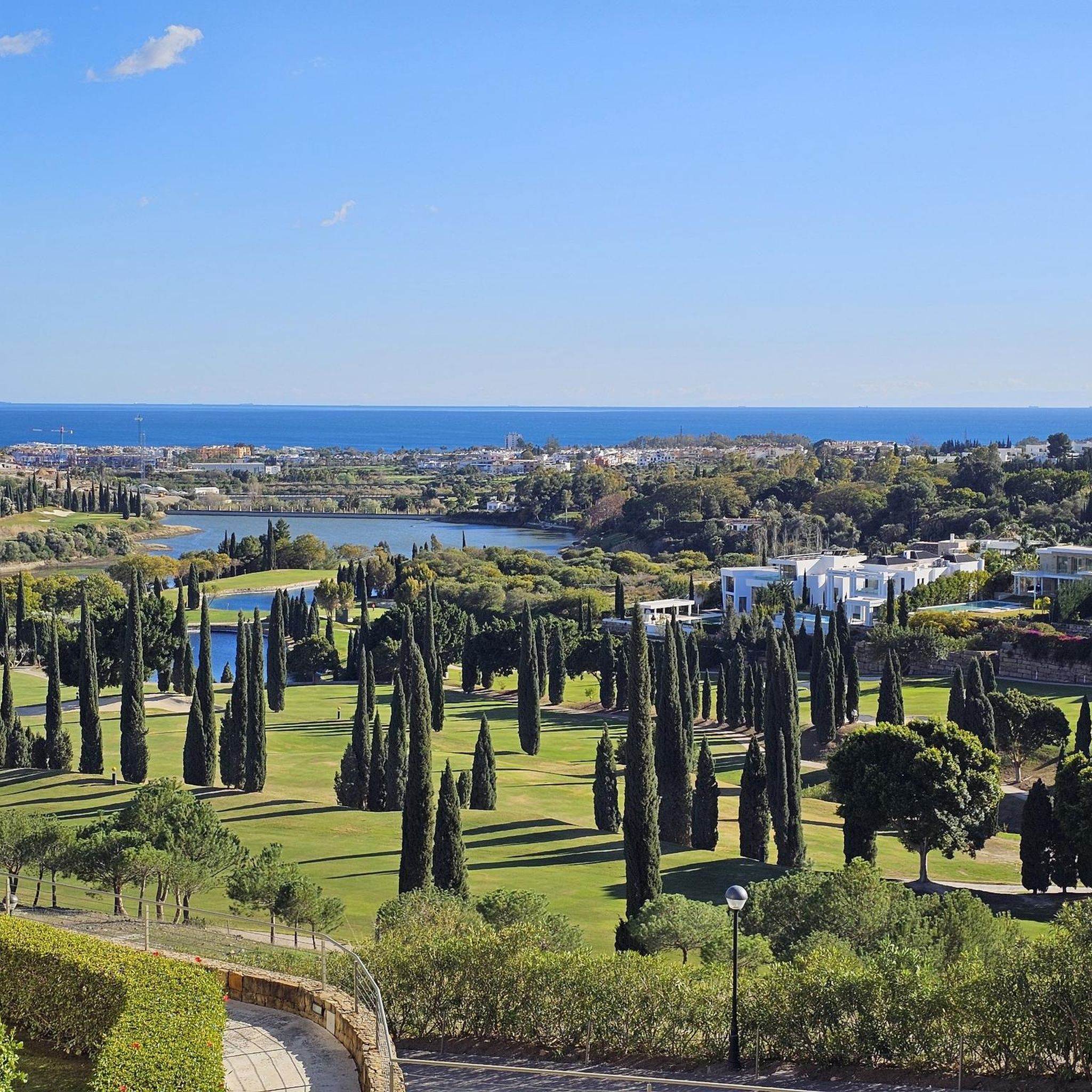
Touring cycling around Río Guadalmansa, situated between Estepona and Benahavís, offers diverse terrain for outdoor activities. The region is characterized by its coastal paths, such as the Senda Litoral, and the dramatic mountainous backdrop of Sierra Bermeja. Riverine ecosystems with unique flora also contribute to the scenic variety, providing a blend of flat coastal routes and challenging inland climbs. The Valle del Guadalmansa features picturesque landscapes with forests and secluded valleys.
Best touring cycling routes around Río Guadalmansa
- The most…
Last updated: August 27, 2026
4.8
(9)
169
riders
53.7km
04:15
1,200m
1,200m
Hard bike ride. Very good fitness required. Mostly paved surfaces. Suitable for all skill levels.
4.1
(7)
57
riders
44.5km
02:49
450m
450m
Hard bike ride. Very good fitness required. Mostly paved surfaces. Suitable for all skill levels.

Sign up for free
31
riders
76.6km
05:18
1,290m
1,290m
Hard bike ride. Very good fitness required. Mostly paved surfaces. Suitable for all skill levels.
3.0
(1)
30
riders
36.8km
03:20
750m
750m
Hard bike ride. Very good fitness required. Mostly paved surfaces. Suitable for all skill levels.
12
riders
Easy bike ride. Great for any fitness level. Mostly paved surfaces. Suitable for all skill levels.
3.0
(1)
12
riders
72.7km
05:02
930m
930m
Hard bike ride. Very good fitness required. Mostly paved surfaces. Suitable for all skill levels.
4.3
(3)
34
riders
7.74km
00:35
20m
20m
Easy bike ride. Great for any fitness level. Mostly paved surfaces. Suitable for all skill levels.
7
riders
Easy bike ride. Great for any fitness level. Mostly paved surfaces. Suitable for all skill levels.
5
riders
141km
10:12
2,920m
2,920m
Hard bike ride. Very good fitness required. Mostly paved surfaces. Suitable for all skill levels.
Get access to more routes and recommendations from other explorers.
Sign up for free
Already have an account?
Our route recommendations are based on thousands of hikes, rides, and runs completed by other people on komoot.
Start today with a free account
Your next adventure awaits.
Login or Signup



Tips from the Community

Known as "the garden of the Costa del Sol", the old town of Estepona surprises with its whitewashed pedestrian streets, decorated with hundreds of flowerpots of all colors. In the heart of the neighborhood, the Plaza de las Flores brings together orange trees, terraces, and the most lively atmosphere of the town.
0
0
Known as "the garden of the Costa del Sol", the old town of Estepona surprises with its whitewashed pedestrian streets, decorated with hundreds of flowerpots of all colors. In the heart of the neighborhood, the Plaza de las Flores brings together orange trees, terraces, and the liveliest atmosphere of the town.
1
0

The Torre El Velerín is a historic coastal watchtower on the Senda Litoral near Estepona. It was built in the 16th century as part of a coastal defense system designed to protect against pirate attacks. From the tower, movements at sea were observed and warning signals were relayed to neighboring watchtowers. Its distinctive features are its round shape and elevated entrance. Today, the Torre El Velerín is a listed historical monument and a testament to coastal history.
1
0
The Puerto Deportivo de Estepona is the city's modern marina, located directly on Playa de la Rada. Along the promenade, there are numerous restaurants, bars, and cafés with sea views. Boat tours depart from the marina, including dolphin watching excursions and coastal trips. Especially in the evenings, the illuminated marina invites visitors to enjoy leisurely bike rides along the coast.
3
0
“Ecos del Mar” is a mural created in 2024 by the artist Felipe Pincel, commissioned as part of the III Concurso Internacional de Murales de Estepona. Located on Calle José Luis Díez, it depicts a striking maritime scene: a weather-beaten sailor gazes thoughtfully into the distance, flanked by a boat and a lighthouse, while seagulls circle the scene. The work reflects Estepona's close connection to the sea and its traditional fishing trade, blending realistic depiction with a poetic atmosphere. With its monumental scale and serene, narrative imagery, “Ecos del Mar” integrates seamlessly into the city's artistic identity and is among the most distinctive new murals on Estepona's “Ruta de Murales” (Mural Route).
2
0
The open-air museum in Estepona features sculptures by the Spanish sculptor Santiago de Santiago. Among the twelve works on display are a homage to Francisco de Goya, as well as figures such as Kalima, Némesis, Diana de Estepona, and Piedad. The exhibition is complemented by conceptual works by the artist, showcasing his diverse artistic range. Santiago de Santiago is internationally renowned: his works have been exhibited in museums in Saint Petersburg, Moscow, and Tokyo, and he has also created numerous public monuments and busts of prominent figures from the worlds of politics and business.
1
0
The Albero route between Marbella and Estepona is a varied coastal path that largely follows the promenade and the Senda Litoral (coastal path). The terrain alternates between firm natural ground, wooden boardwalks, paved sections, and sandy paths, creating a diverse landscape. It frequently runs directly along the sea, offering unobstructed views of the coastline and the mountain panorama in the hinterland. Along the way, you'll pass quiet beaches, small coves, well-maintained promenades, and numerous beach restaurants, perfect for a break. The route is generally easy to moderately challenging and suitable for both hiking and leisurely cycling.
1
0

The tower is located in the Velerín neighborhood. Dating from the second half of the 16th century, it has a circular plan and comprises a room with a fireplace and a brick dome, a staircase, and a terrace. Some of these watchtowers in Estepona also feature a 19th-century guardhouse and machicolations pointing to the four cardinal directions.
1
0
Frequently Asked Questions
How many touring cycling routes are available around Río Guadalmansa?
There are over 60 touring cycling routes in the Río Guadalmansa area, catering to various skill levels. You'll find a mix of easy, moderate, and difficult trails to explore.
What types of touring cycling routes can I find in the Río Guadalmansa area?
The region offers a diverse range of routes. You can enjoy relatively flat coastal rides along the Senda Litoral, moderate loops around marinas, and more challenging mountain trails with significant elevation gains in the Sierra Bermeja Natural Park. The area is known for its blend of scenic coastal paths and dramatic inland landscapes.
Are there any easy touring cycling routes suitable for beginners or casual riders?
Yes, there are 15 easy routes perfect for beginners or those seeking a relaxed ride. A great option is the Marbella Promenade loop from Villacana Club Estepona, which offers a relatively flat ride along the coastal promenade.
What about more challenging touring cycling routes for experienced riders?
For experienced touring cyclists, there are 26 difficult routes, many venturing into the Sierra Bermeja. These routes can involve climbs of over 1000 meters, offering stunning panoramic views. An example of a challenging route is the Senda Litoral Coastal Path – Senda Litoral Coastal Path loop from Las Dunas Park, which leads through coastal areas with significant elevation changes.
Are there any circular touring cycling routes in the Río Guadalmansa region?
Yes, many of the touring cycling routes in the Río Guadalmansa area are designed as loops, allowing you to start and finish at the same point. For instance, the popular Puerto Banús Marina – Marbella Promenade loop from Sun Beach is a moderate circular route offering coastal views.
What is the best time of year for touring cycling around Río Guadalmansa?
The Costa del Sol generally enjoys mild winters and warm summers. For touring cycling, spring (March to May) and autumn (September to November) are often ideal, offering pleasant temperatures and less intense sun, making for more comfortable rides. The region's climate allows for cycling almost year-round, but avoiding the peak heat of summer afternoons is advisable.
What do other touring cyclists enjoy most about the routes in Río Guadalmansa?
The routes in Río Guadalmansa are highly rated by the komoot community, with an average score of 4.5 stars from over 199 reviews. Cyclists often praise the diverse terrain, from scenic coastal paths to challenging mountain climbs, and the beautiful natural surroundings, including riverine ecosystems and views of the Mediterranean.
Are there places to stop for food or drinks along the touring cycling routes?
Yes, the proximity to towns like Estepona, Marbella, and Benahavís means you'll find numerous cafes, restaurants, and amenities. Coastal routes, especially those along the Senda Litoral, often pass through or near populated areas with plenty of options for refreshments and meals.
Is there parking available near the touring cycling routes?
Yes, parking is generally available in the towns and coastal areas near the starting points of many routes. For routes originating from specific locations like Sun Beach or Villacana Club Estepona, there are often designated parking areas for visitors.
Can I access the touring cycling routes using public transport?
The region has a public transport network connecting coastal towns. While direct access to every trailhead might vary, you can often use local buses to get to towns like Estepona or Marbella, which serve as good starting points for many routes, especially those along the coast.
Are there any specific natural features or landmarks to look out for while cycling?
Absolutely! The region is a Special Conservation Zone (ZEC), highlighting its environmental value. You'll encounter the beautiful Senda Litoral coastal path, offering continuous sea views, and the dramatic landscapes of the Sierra Bermeja Natural Park with its lush forests. The riverine ecosystems of Río Guadalmansa itself, with their unique flora, also add to the scenic diversity.
Are there any routes that connect to larger cycling networks?
Yes, the area around Río Guadalmansa is part of a broader cycling-friendly region in Málaga province. The Gran Senda de Málaga Ciclable, for example, offers an extensive network of routes. This connectivity allows touring cyclists to integrate local routes into longer, multi-day explorations of Andalusia.
Most popular routes around Río Guadalmansa

Get inspired with the komoot mobile app


Explore more
Browse the best Cycling routes in other regions.
