Attractions and Places To See in Ponga - Top 11
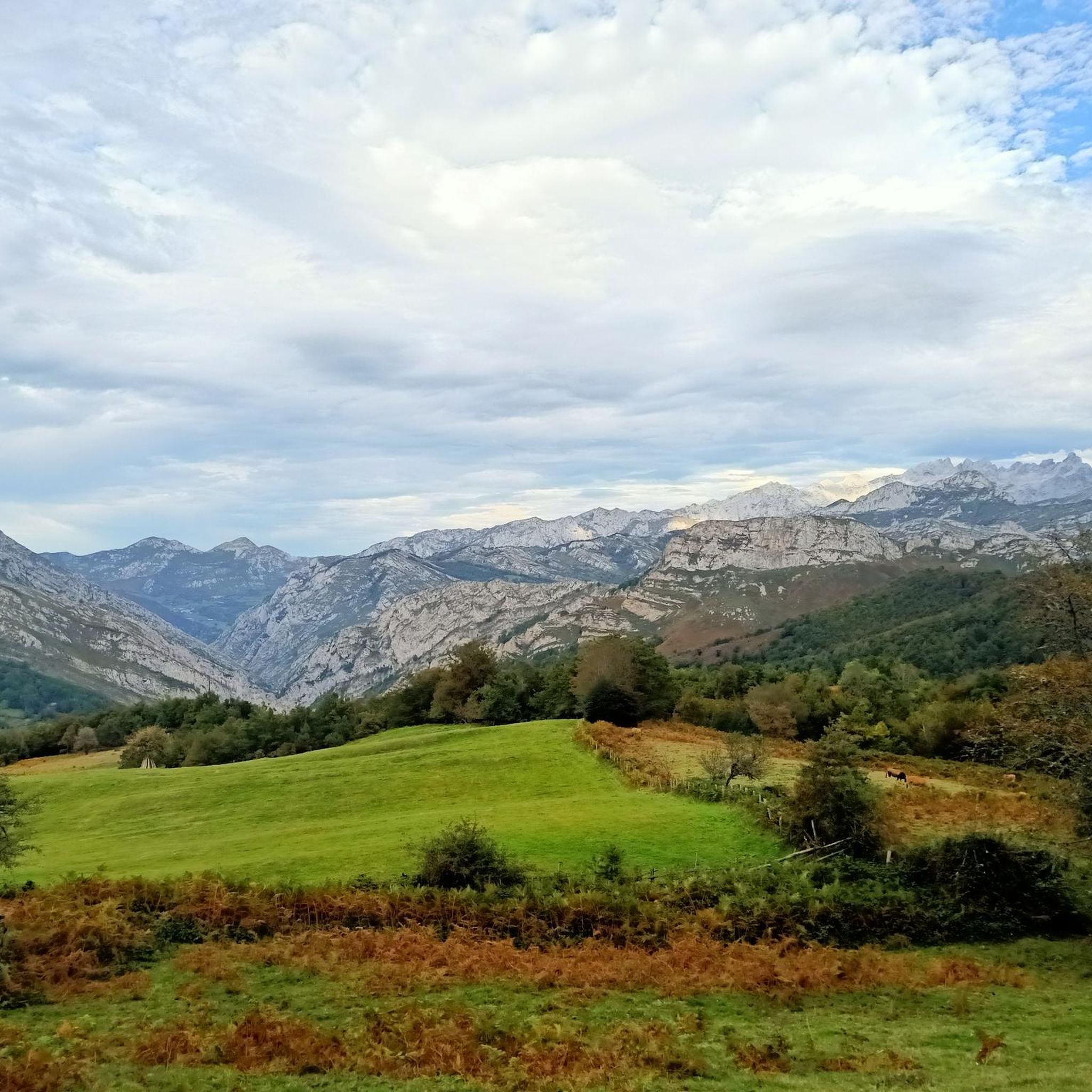
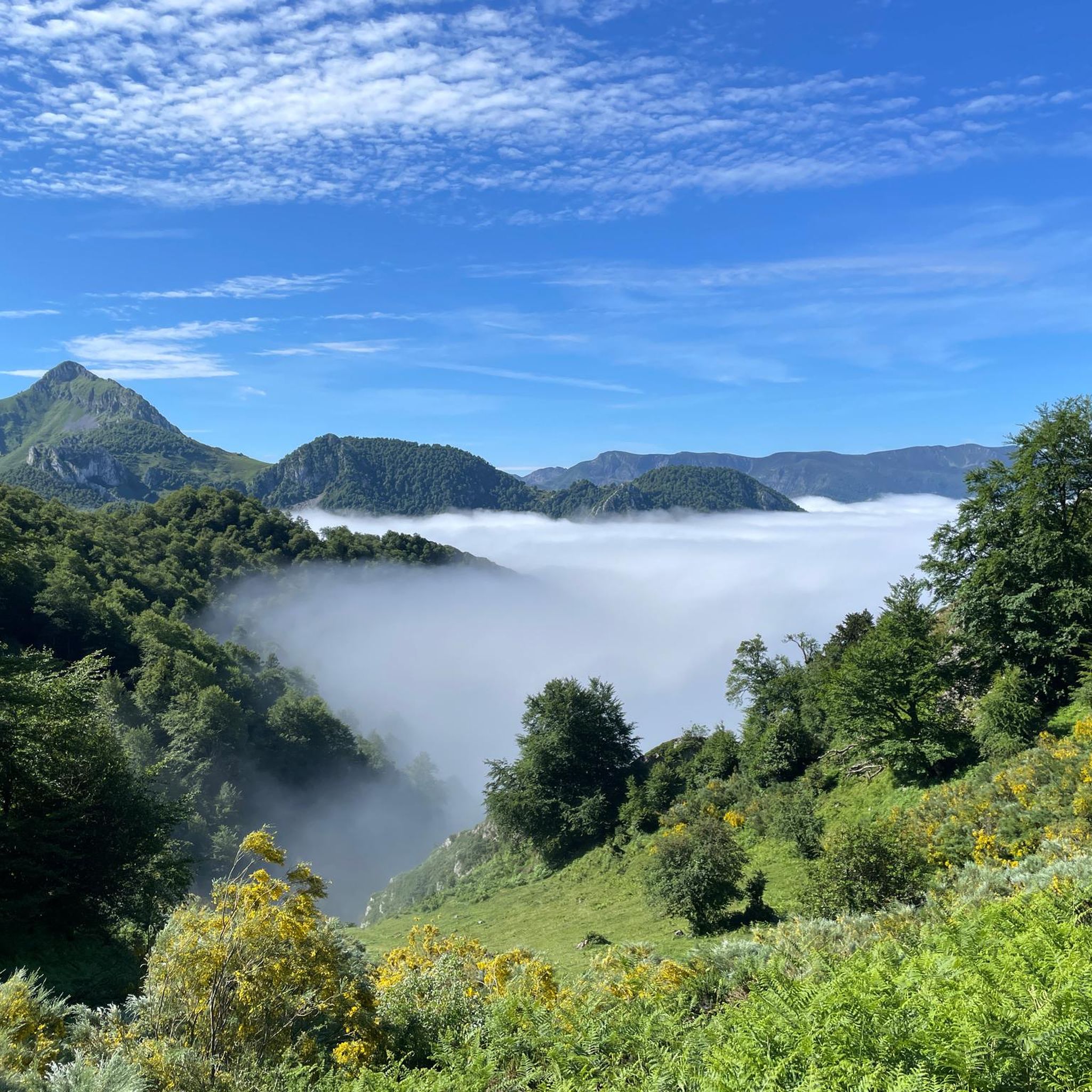
Best attractions and places to see in Ponga are found within the Cantabrian Mountains in Asturias, Spain. This region, a UNESCO Biosphere Reserve, is characterized by its natural beauty, traditional villages, and diverse ecosystems. Visitors can explore expansive natural parks, dramatic gorges, and well-preserved beech forests. The area also features historical sites and traditional architecture, offering a blend of outdoor adventure and cultural insight.
Best attractions and places to see in Ponga
- The most popular attraction is Collada Llomena,…
Last updated: October 4, 2026
Collada Llomena
Highlight • Mountain Pass
Translated by Google •
Tip by

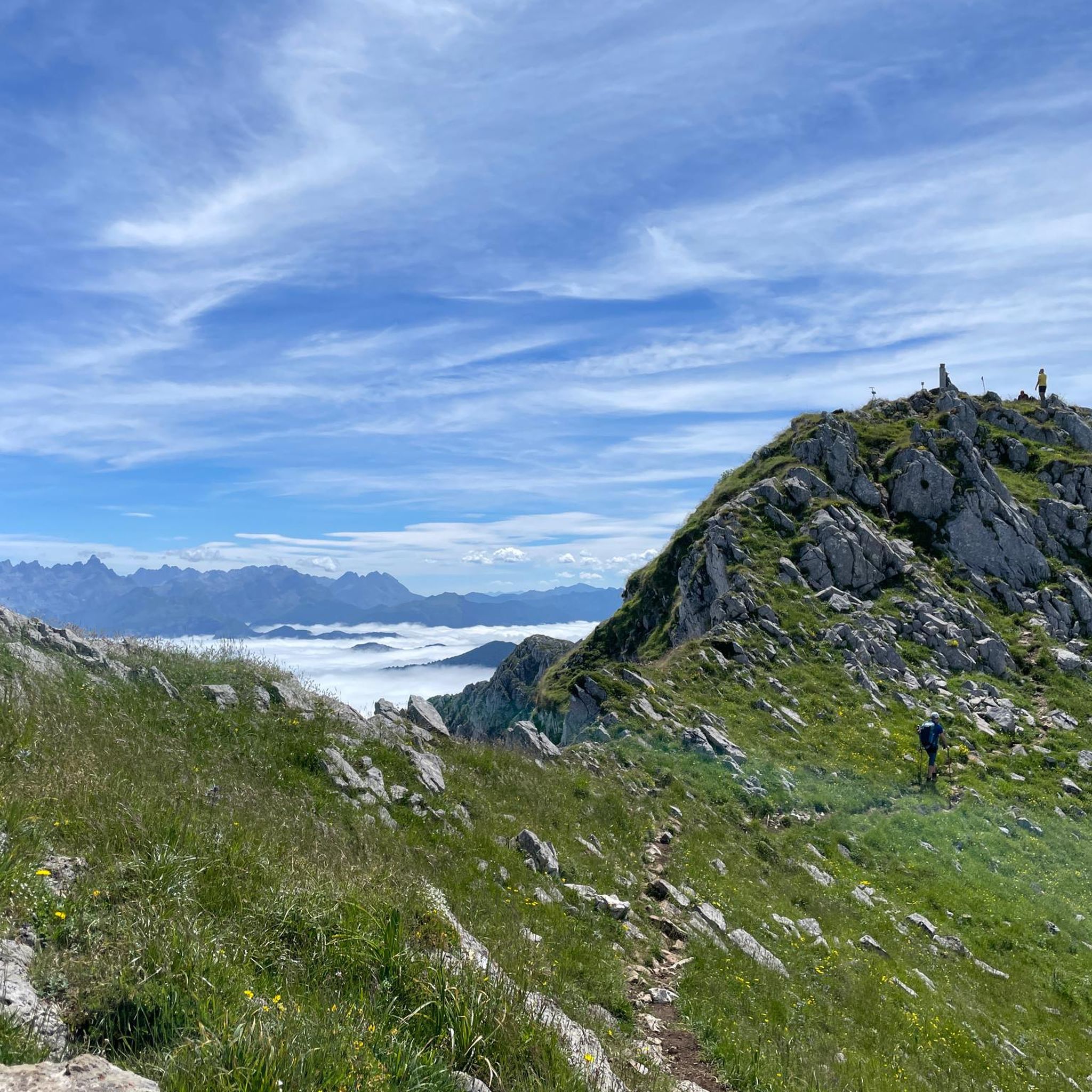
Pico Pierzu
Highlight • Summit
Translated by Google •
Tip by

Sign up now to discover places like this
Get recommendations on the best single tracks, peaks, & plenty of other exciting outdoor places.
Casielles
Highlight • Climb
The start was very hard due to the unevenness and broken asphalt.
The final part is better, although the …
Translated by Google •
Tip by

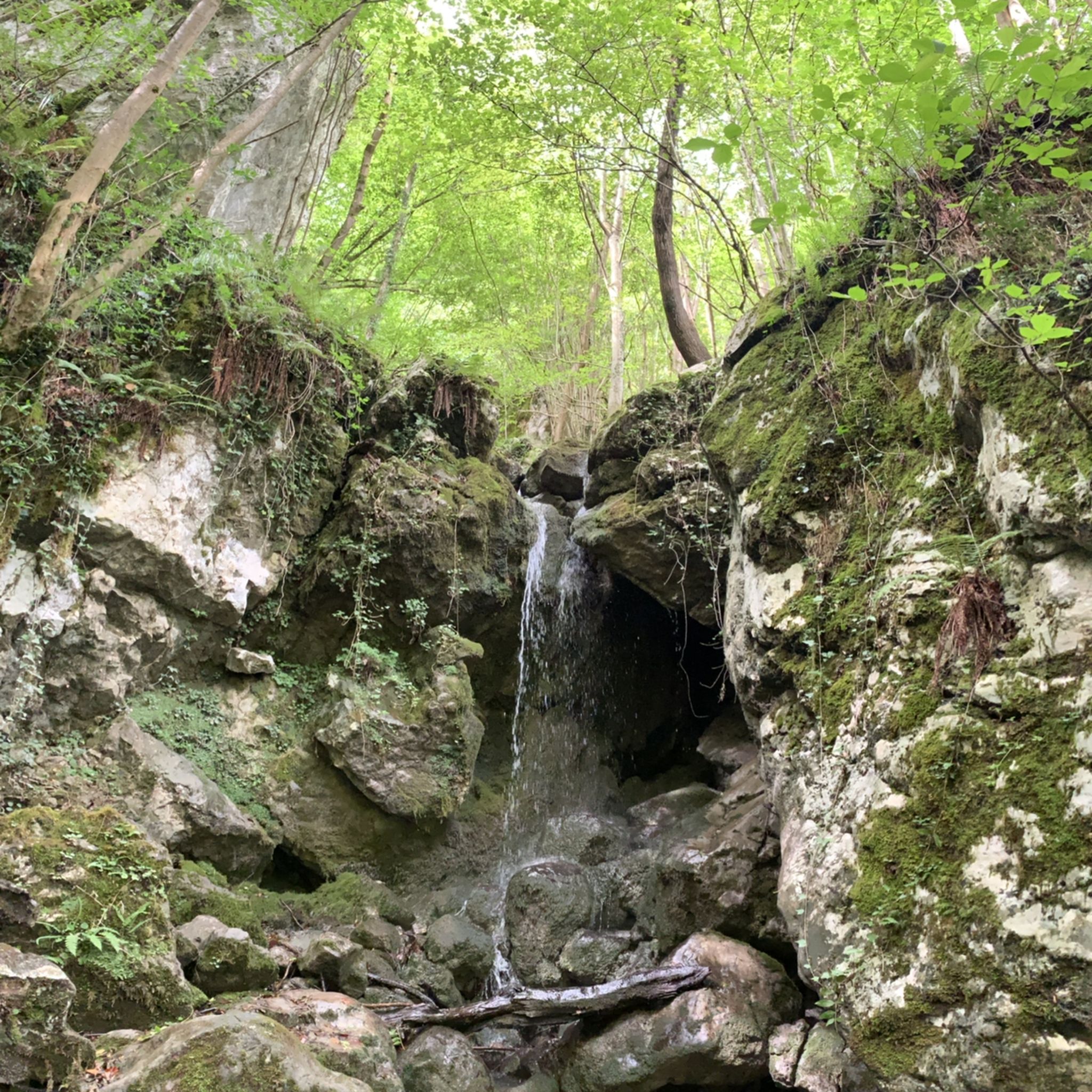
Roblón de los Bustiellos
Highlight • Natural Monument
Translated by Google •
Tip by

Abiegos–Sobrefoz–San Juan de Beleño Road (Ponga Natural Park)
Highlight (Segment) • Trail
Translated by Google •
Tip by

Sign up for free to discover even more attractions in Ponga.
Already have an account?
Start today with a free account
Your next adventure awaits.
Tips from the Community


The road is a bit broken, but the views are very enjoyable
0
0

Very beautiful road, with ups and downs, forests and beautiful landscapes, several viewpoints to see the park, towns with a lot of singing, the road has very bad and very good areas, it is to enjoy it, non-existent traffic.
0
0

Place with views of all the peaks of Europe, the track is indicative and I do not recommend following it
1
0

Centennial Roblon and of impressive dimensions. It serves as a midpoint between the Bedules and Collada Guaranga.
1
0

Part of the gigantic 17th Vuelta stage 2021, where Bernal and Roglic ran away 60 km from the finish.
1
0

Beautiful climb. It is worth making it circulate and discover the 2 valleys and their gorges.
1
0

Spectacularly hard climb as well as its beauty enjoying every meter. The start was very hard due to the unevenness and broken asphalt. The final part is better, although the unevenness is still very hard, the asphalt is good and you can take a little breather in each zig zag of the curves.
0
0
Frequently Asked Questions
What are the best places to experience Ponga's natural beauty?
Ponga is renowned for its natural landscapes. The expansive Ponga Natural Park covers nearly 40% of the region, offering impressive forests, deep valleys, and towering peaks. Within the park, you can explore the well-preserved Peloño Forest, one of Asturias's most emblematic beech forests. Another dramatic natural feature is Los Beyos Gorge, a 20 km long gorge carved by the Sella River, with a historic farmer's path offering spectacular views. Don't miss the centennial oak, Roblón de los Bustiellos, a natural monument of impressive dimensions.
Are there any challenging cycling routes or climbs in Ponga?
Yes, Ponga offers several challenging routes for cyclists. Collada Llomena is a mountain pass known for its beautiful climb and views of two valleys and their gorges, notably featured in a Vuelta stage. Another must-experience challenge is Casielles, a village reached by a steep mountain road with 23 hairpin bends, offering impressive views from the top. For more cycling options, you can explore various routes in the Road Cycling Routes in Ponga guide or the Cycling in Ponga guide.
What cultural or historical sites can I visit in Ponga?
Ponga preserves a rich cultural heritage. You can explore traditional villages like San Juan de Beleño (the capital), Taranes, and Sobrefoz, which feature stone, wood, and tile architecture, including unique hórreos (raised granaries) in Beyusco. The 12th-century Cazo Tower is one of Asturias's oldest medieval buildings. The Iglesia de San Juan Bautista showcases stunning stone architecture and religious artifacts. For a glimpse into local nobility, visit the Casona de Ponga, a traditional Asturian manor house.
What is the best time of year to visit Ponga for outdoor activities?
The best time to visit Ponga for outdoor activities largely depends on your preferences. Spring and autumn offer pleasant temperatures and stunning scenery, especially in autumn when the beech forests, like Peloño Forest, display vibrant colors. Summer is ideal for longer days and warmer weather, though some trails might be busier. Winter can be beautiful for snow-covered landscapes, but some higher-altitude routes may be inaccessible due to snow.
Are there any specific roads or trails that offer scenic drives or walks through Ponga's landscapes?
Absolutely. The Abiegos–Sobrefoz–San Juan de Beleño Road (Ponga Natural Park) is highly recommended. This road offers beautiful landscapes, forests, and viewpoints, connecting several traditional towns within the Ponga Natural Park. It's perfect for a scenic drive or a leisurely walk to enjoy the region's natural beauty and cultural charm.
What kind of wildlife can I expect to see in Ponga?
Ponga Natural Park is a haven for diverse wildlife, including protected species. You might spot brown bears, wolves, and otters. The skies are home to various birds of prey, such as the golden eagle and peregrine falcon. While sightings of larger mammals can be rare, the park's rich biodiversity makes it an exciting place for nature observation.
Are there running trails available in Ponga?
Yes, Ponga offers several running trails for various fitness levels. You can find options ranging from moderate to difficult, often leading through scenic natural areas. For detailed routes and distances, refer to the Running Trails in Ponga guide, which includes routes like the Vegabaño Mountain Hut loop and the Soto de Sajambre loop.
What do visitors enjoy most about the attractions in Ponga?
Visitors frequently praise the spectacular beauty and challenging nature of Ponga's routes and climbs, such as Casielles, where the effort is rewarded with impressive views. The scenic drives and walks, like the Abiegos–Sobrefoz–San Juan de Beleño Road, are appreciated for their beautiful landscapes and the opportunity to discover traditional towns. The tranquility and natural grandeur of areas like Los Beyos Gorge are also highly valued.
Where can I find information about Ponga Natural Park?
The Ponga Natural Park has a visitor center located in San Juan de Beleño. Here, you can find permanent exhibitions that offer insights into the reserve's ecological values and natural resources, helping you plan your exploration of this UNESCO Biosphere Reserve.
Are there any traditional festivals or folklore events in Ponga?
Ponga maintains a valuable cultural heritage, including its ethnography and folklore. One notable tradition is the legend of the Guirria, celebrated in San Juan de Beleño around the New Year. These traditional festivals offer a unique glimpse into the local customs and community spirit of the region.
What kind of terrain should I expect when hiking or cycling in Ponga?
Ponga's terrain is characterized by the Cantabrian Mountains, meaning you should expect varied and often challenging conditions. This includes impressive forests, deep valleys, and towering peaks. Trails can range from well-maintained paths to more rugged, uneven surfaces, especially in areas like Los Beyos Gorge. Cyclists will encounter steep ascents and descents, such as the 23 hairpin bends leading to Casielles, and mountain passes like Collada Llomena.

Get inspired with the komoot mobile app


Explore more
Still not found the Highlight you’re looking for? See guides of the top attractions in other regions:
