Attractions and Places To See in Enseada De San Simón - Top 7
Best attractions and places to see in Enseada De San Simón are found within a protected natural area at the head of the Ría de Vigo. This region is characterized by a diverse natural landscape where freshwater rivers meet the Atlantic Ocean, creating a unique ecosystem. It features historical landmarks, significant natural conservation, and a variety of coastal and cultural sites. The area offers a blend of natural beauty and historical narratives for visitors to explore.
Best attractions and places…
Last updated: October 2, 2026
Ulló Salt Flats
Highlight • Structure
Translated by Google •
Tip by

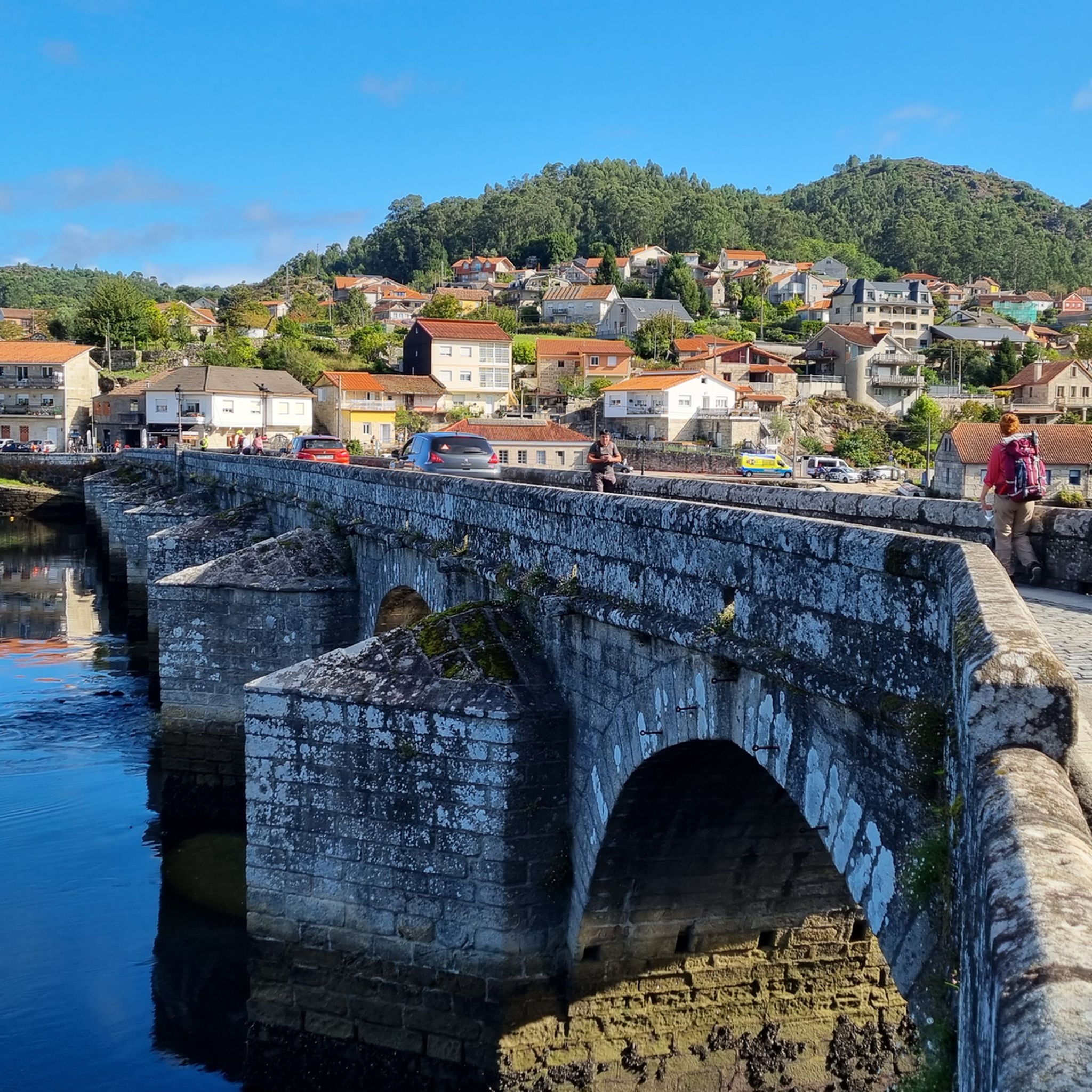
Ponte do Esteiro do Verdugo
Highlight (Segment) • Bridge
Tip by

Sign up now to discover places like this
Get recommendations on the best single tracks, peaks, & plenty of other exciting outdoor places.
Muxeira Beach
Highlight • Beach
Translated by Google •
Tip by

Forno do Cal
Highlight • Historical Site
Translated by Google •
Tip by

San Adrián Lime Kiln
Highlight • Monument
Translated by Google •
Tip by
Sign up for free to discover even more attractions in Enseada De San Simón.
Already have an account?
Start today with a free account
Your next adventure awaits.

Tips from the Community

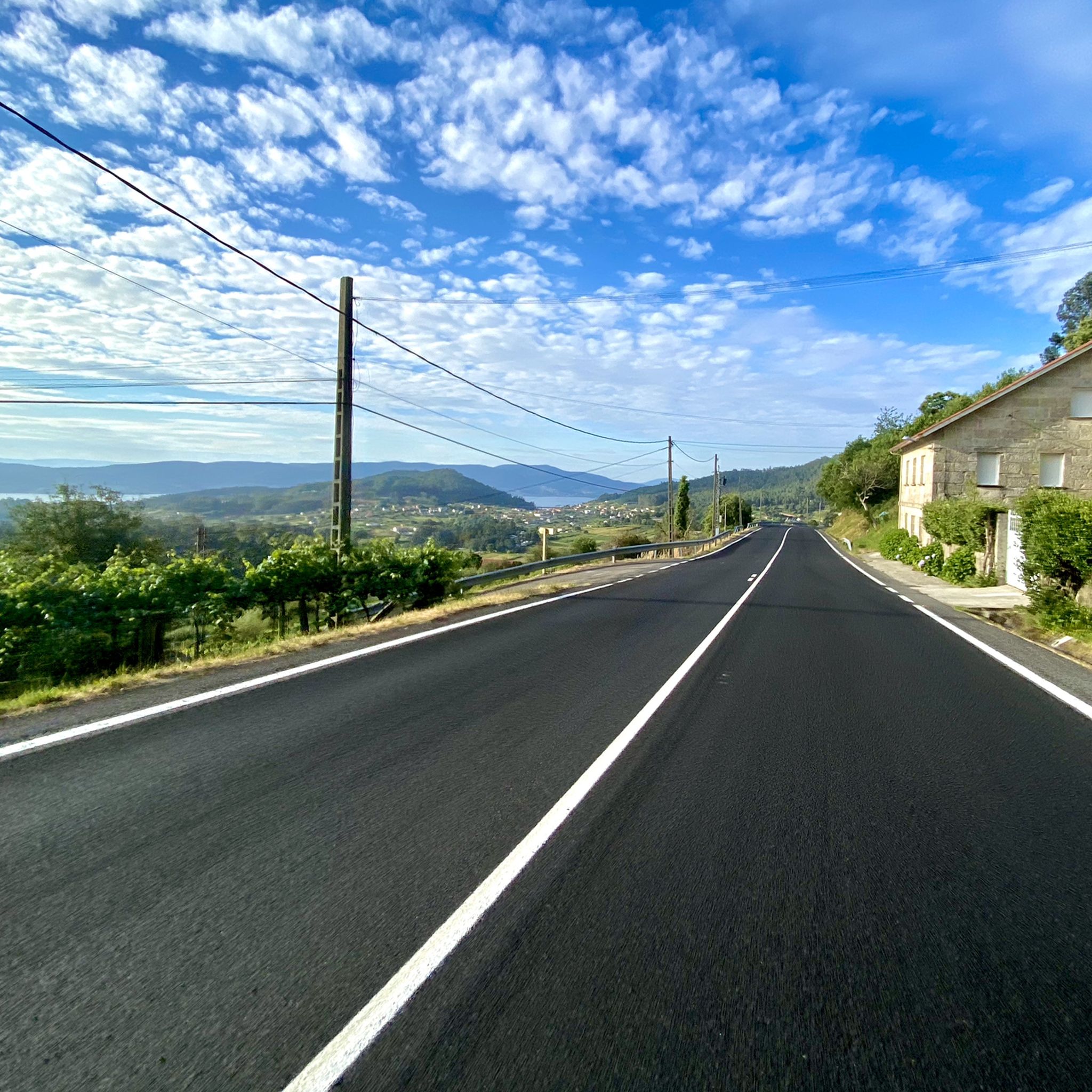
Good area for a bike ride
0
0


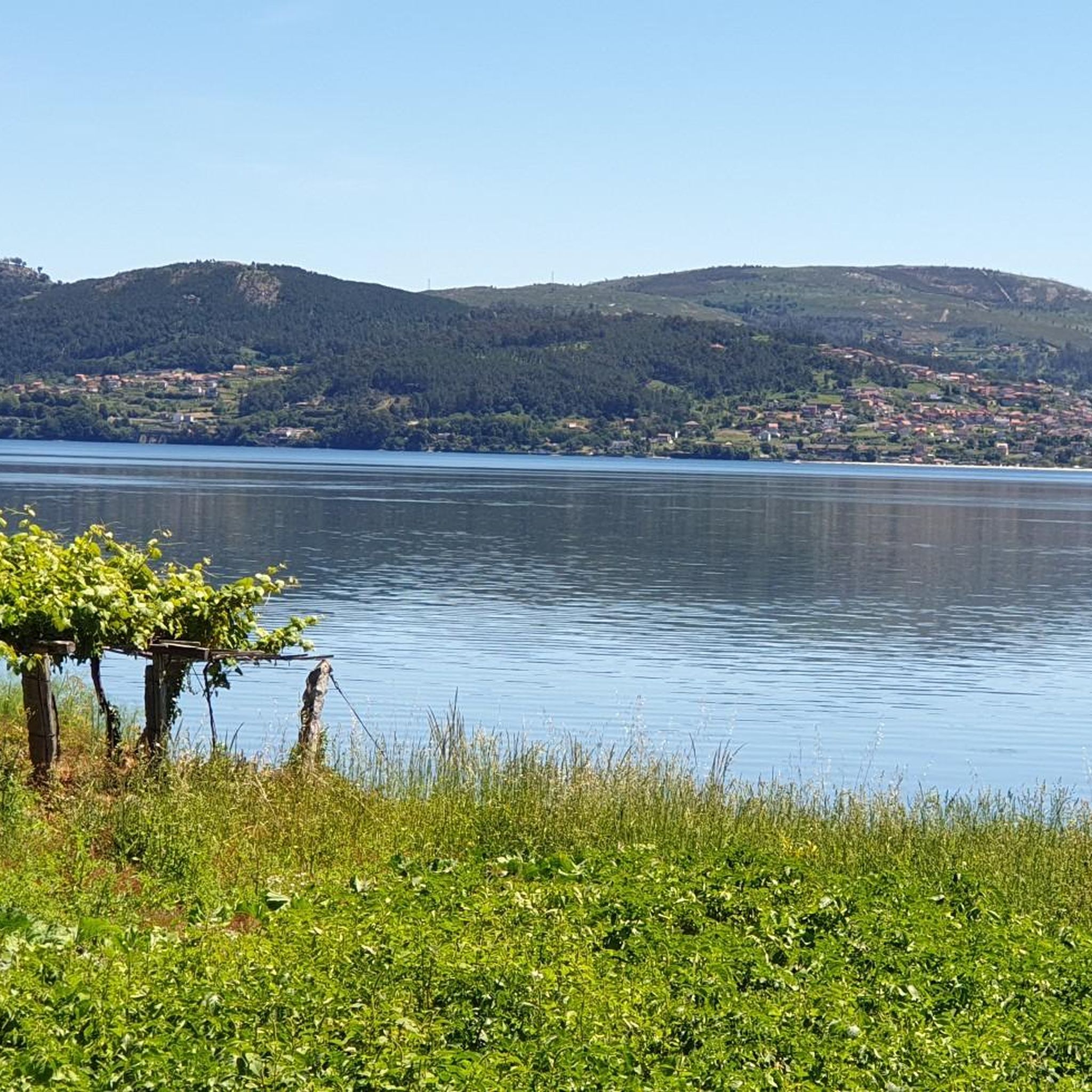
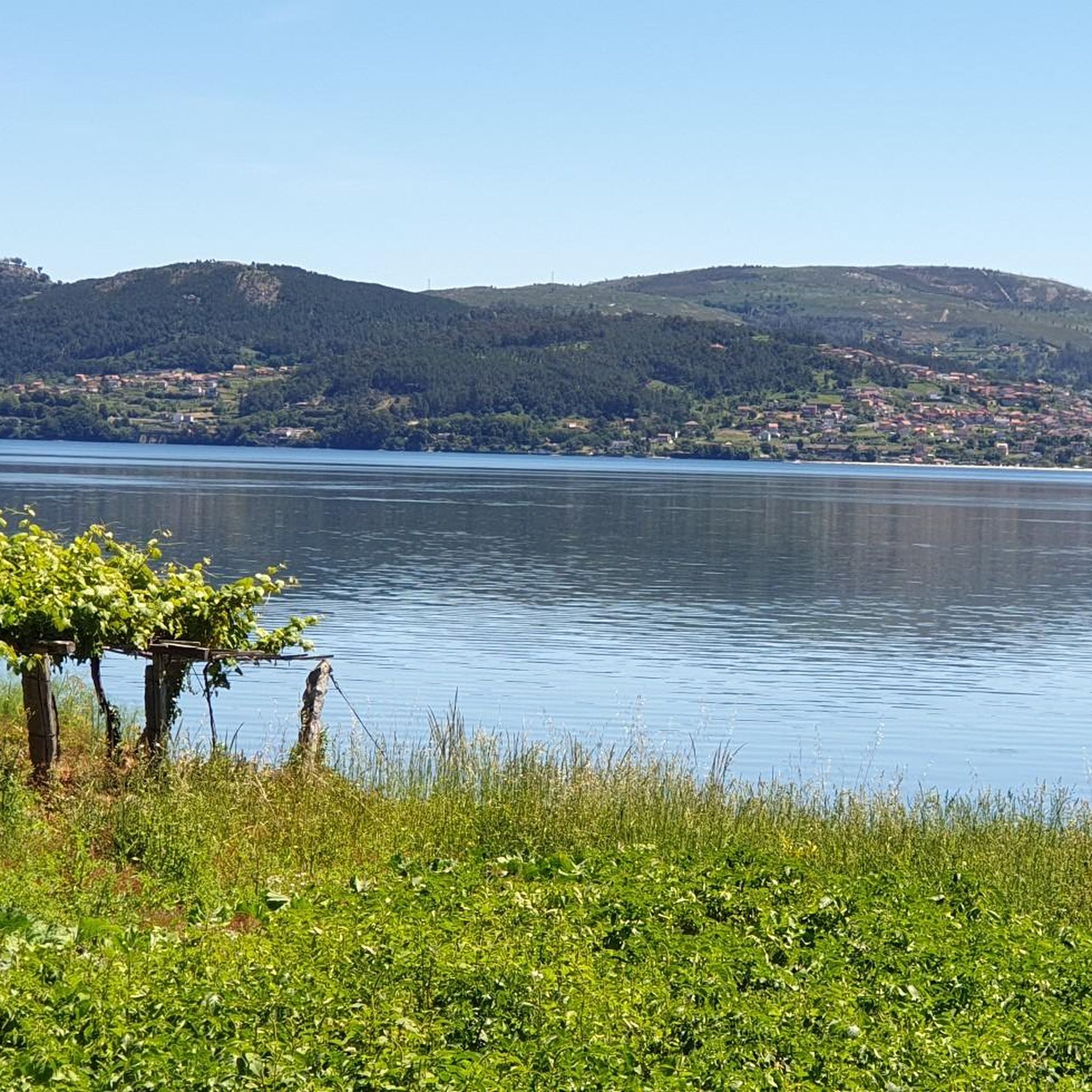
Along the northern coast of the Ría de Vigo is an incredibly diverse natural landscape where the fresh water of the rivers meets the salt water of the San Simón coast, near Vilaboa. This swampy aquatic environment is attractive to explore.
1
0

Kiln used for the manufacture of lime.
1
0

Former salt extraction area, now a nature reserve
1
0
The San Adrián kiln is located in a protected natural area - the Site of Community Importance Ensenada de San Simón - of great beauty and importance, in a prominent position facing the sea. Its location is unusual in Galicia, as most of the industrial furnaces are inland, especially in areas with calcareous subsoils. What is special about this kiln is that the limestone was brought by boat from Cantabria, which made the transport costs cheaper than transporting it by land and also explains the relationship between the kiln and the landscape in which it stands. A purpose-built quay was built for unloading the raw material, which was done by hand by the company's employees. These stones were placed in the kiln and, once full, calcined, turning them into quicklime stones, which were then sold for various uses. This
1
0
The San Adrián kiln is located in a protected natural area - the Site of Community Importance Ensenada de San Simón - of great beauty and importance, in a prominent position facing the sea. Its location is unusual in Galicia, as most of the industrial furnaces are inland, especially in areas with calcareous subsoils. What is special about this kiln is that the limestone was brought by boat from Cantabria, which made the transport costs cheaper than transporting it by land and also explains the relationship between the kiln and the landscape in which it stands. A purpose-built quay was built for unloading the raw material, which was done by hand by the company's employees. These stones were placed in the kiln and, once full, calcined, turning them into quicklime stones, which were then sold for various uses. This
0
0
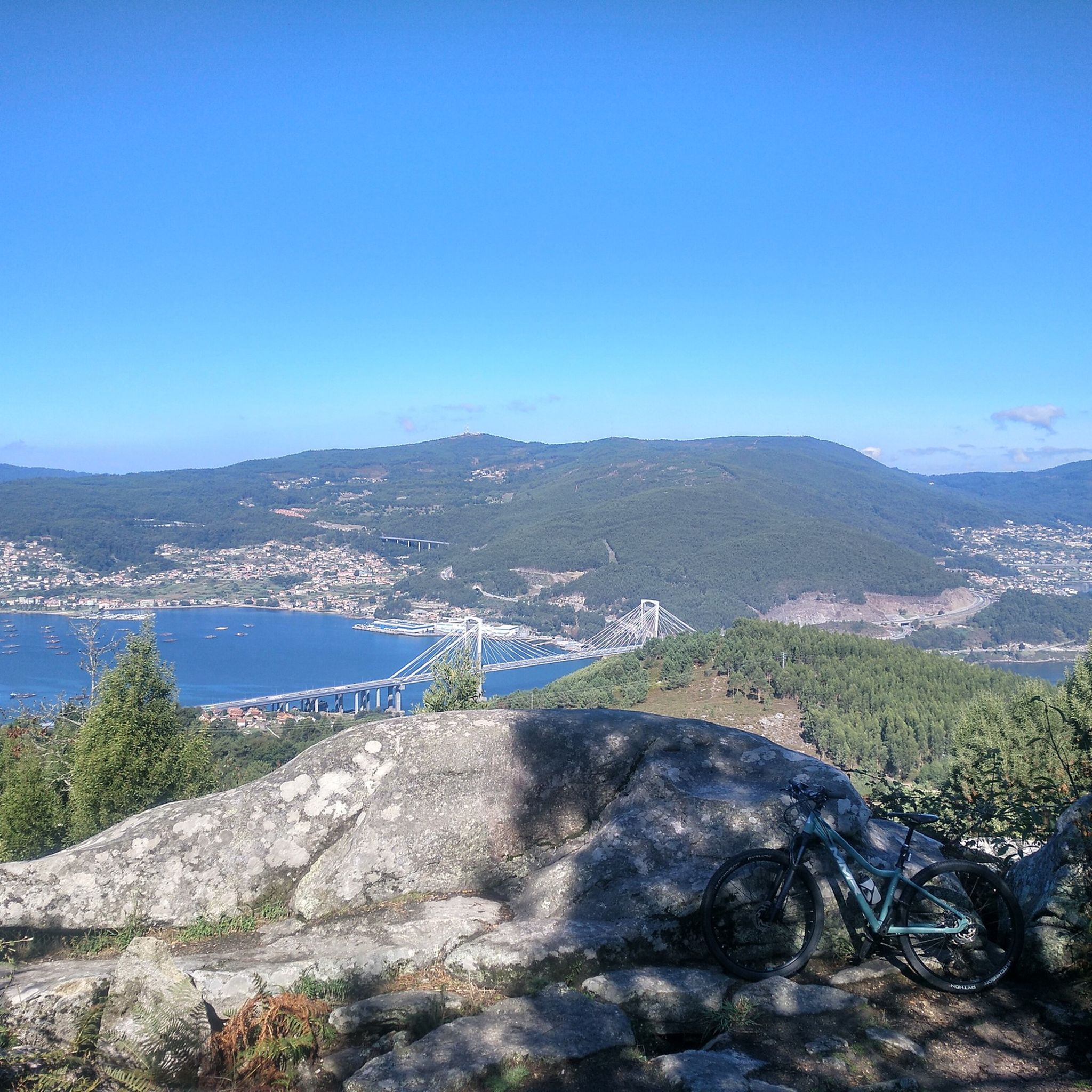
Old lime kiln with incredible views
0
1
Frequently Asked Questions
What unique historical sites can I visit in Enseada De San Simón?
The region is rich in history. You can explore the Ulló Salt Flats, a former salt extraction area now a nature reserve, which dates back to the 17th century. Another significant site is the Forno do Cal (San Adrián Lime Kiln), unique in Galicia for its coastal location and the method of bringing limestone by boat from Cantabria. Don't miss the San Simón Island Archipelago, which has served as a monastery, lazaretto, prison, and now a cultural center, accessible by boat, especially in summer.
Where can I experience the natural beauty and wildlife of the Enseada De San Simón?
The Enseada De San Simón is a protected natural area where freshwater rivers meet the Atlantic Ocean, creating a unique ecosystem. You can visit the Ulló Salt Flats to see this diverse landscape. The area is also a haven for numerous resident and migratory birds, making it excellent for birdwatching, particularly in the muddy and soft shallows. The cove itself offers stunning green plains revealed at low tide.
Are there any family-friendly attractions or activities in the area?
Yes, several attractions are suitable for families. Muxeira Beach is a semi-urban beach with calm waters and golden sand, perfect for a relaxing day. The Ulló Salt Flats offer an interesting natural reserve to explore. Additionally, the Forno do Cal (San Adrián Lime Kiln) is a historical site with incredible views that can be enjoyed by all ages.
What kind of beaches can I find in Enseada De San Simón?
The Enseada De San Simón offers beautiful coastal spots. Muxeira Beach is a semi-urban beach with golden sand and calm waters, connected by a promenade. Cesantes Beach is another two-kilometer-long sandy beach with spectacular views of San Simón Island and the Rande Bridge, featuring a statue of Captain Nemo.
Can I find accessible viewpoints or attractions in Enseada De San Simón?
Yes, the Ponte do Esteiro do Verdugo is a bridge with wide sidewalks, offering great views of the Verdugo river just before it opens into the Ensenada do San Simón, making it a good accessible option for enjoying the scenery.
What outdoor activities, like hiking or cycling, are available near the attractions?
The region offers various outdoor activities. For hiking, you can explore routes like 'Las Salinas de Ulla — circular' or 'Alto de Cabaleira from Cesantes — round trip,' which are considered easy. Cyclists can enjoy a 'Good area for a bike ride' near the Ponte do Esteiro do Verdugo. For more options, check out the dedicated guides for Hiking in Enseada De San Simón and MTB Trails in Enseada De San Simón.
What is the significance of San Simón Island, and can I visit it?
San Simón Island is a prominent feature of the Enseada, connected to San Antón Island by a bridge. It has a layered history, serving as a monastery, lazaretto, prison, and now a cultural center known as the 'Island of Thought.' It hosts cultural activities and events, including the Festival Sinsal. Visitors can explore its historical buildings, sculpture gardens, and a monument to Jules Verne. Access is typically by boat, especially during the summer months.
Where can I learn more about the Battle of Rande?
The Enseada de San Simón was the site of the significant naval Battle of Rande in 1702, which inspired legends of sunken treasures and Jules Verne's 'Twenty Thousand Leagues Under the Sea.' You can learn more about this historic event at the Meirande Museum (Interpretation Centre of the Battle of Rande), located in Redondela, which preserves the socio-cultural legacy of the Ría de Vigo.
What is the best time of year to visit Enseada De San Simón?
The summer months are generally ideal for visiting Enseada De San Simón, especially if you plan to access San Simón Island by boat or enjoy water sports like sailing and windsurfing in the cove. The pleasant weather also makes it perfect for exploring the beaches and natural areas.
Are there any specific places for birdwatching in the Enseada?
Yes, the estuary environment of Enseada De San Simón, with its muddy and soft shallows, intertidal flats, and marshy aquatic environments, is a prime location for birdwatching. Numerous resident and migratory birds are attracted to the bivalves and worms in the sandy sediments, offering excellent opportunities for observation.
What is the Rande Bridge, and what views does it offer?
The Rande Bridge (Ponte de Rande) is an iconic cable-stayed bridge that crosses the Rande Strait, the narrowest part of the Ría de Vigo. It is considered a significant engineering feat and offers impressive views of the estuary and surrounding landscape.
What are the Ulló Salt Flats, and what can I do there?
The Ulló Salt Flats are a former salt extraction area, now designated as a nature reserve. Located near Vilaboa, they offer a diverse natural landscape where freshwater rivers meet the saltwater of the San Simón coast. Visitors can explore this swampy aquatic environment, observe local wildlife, and learn about its historical significance dating back to the 17th century. There's also an easy circular hiking route called 'Las Salinas de Ulla — circular' that allows you to explore the area.
Most popular routes in Enseada De San Simón

Get inspired with the komoot mobile app


Explore more
Still not found the Highlight you’re looking for? See guides of the top attractions in other regions:
