Attractions and Places To See in Illas Cíes - Top 6
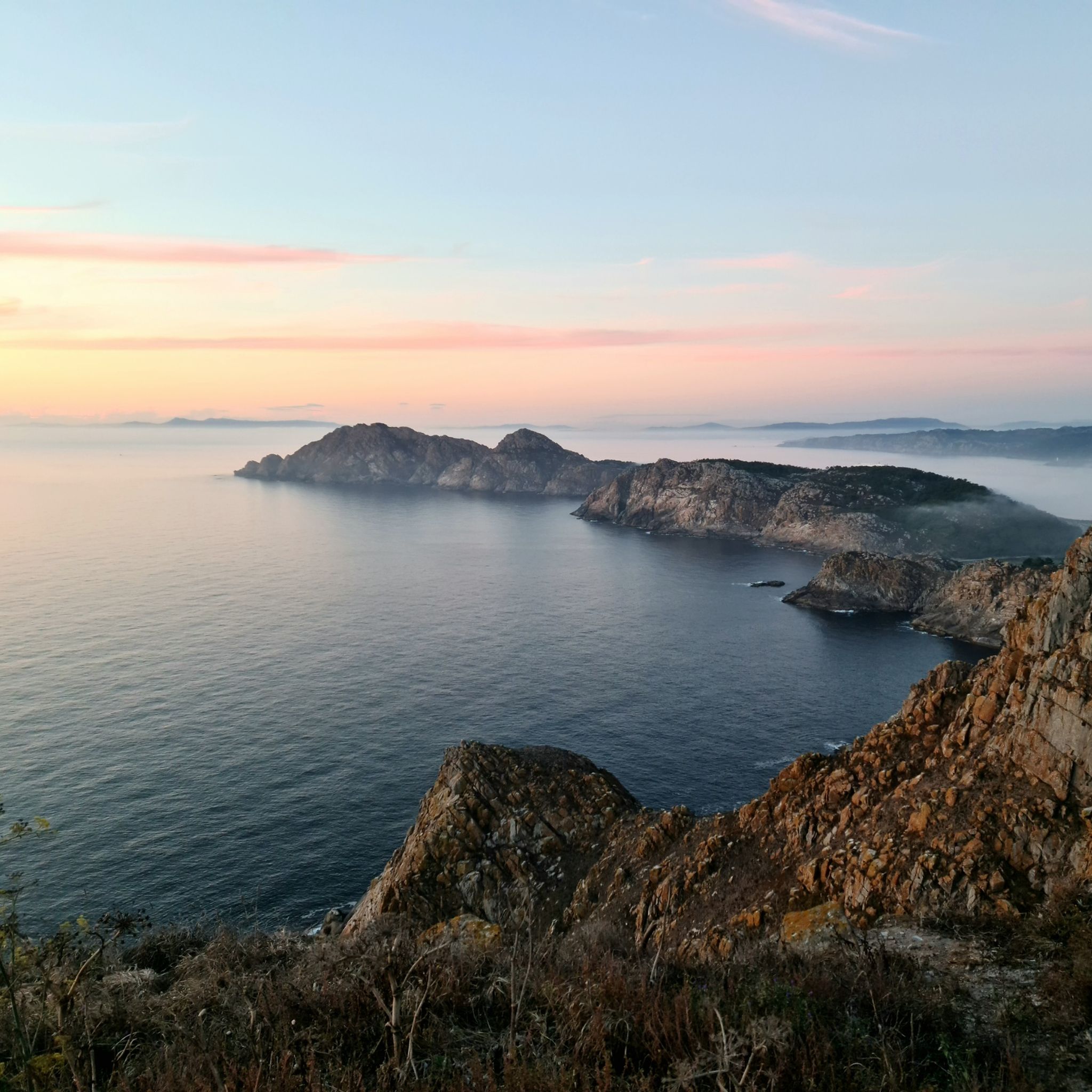
Best attractions and places to see in Illas Cíes are found within this archipelago, part of the Atlantic Islands of Galicia National Park. The three main islands, Monteagudo, Faro, and San Martiño, offer a blend of natural beauty and historical points of interest. Monteagudo and Faro are connected by a natural sand strip and a man-made dike. The islands feature diverse landscapes, from pristine beaches to dramatic cliffs and unique geological formations.
Best attractions and places to see in Illas…
Last updated: May 26, 2026
Peito Lighthouse
Highlight • Monument
It is located …
Translated by Google •
Tip by

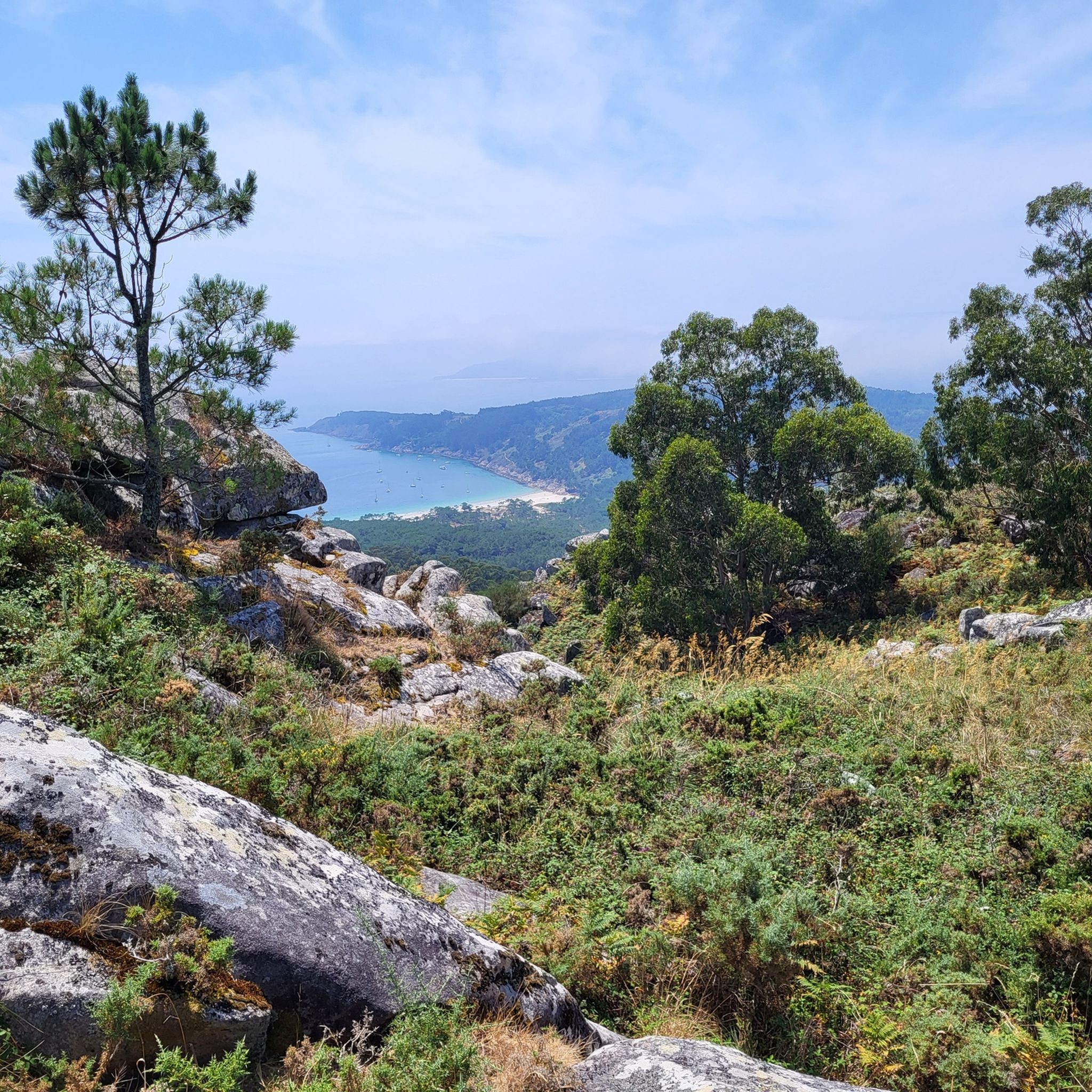
Geological Pools on Monte do Príncipe, Cíes Islands
Highlight • Natural Monument
Translated by Google •
Tip by
Sign up now to discover places like this
Get recommendations on the best single tracks, peaks, & plenty of other exciting outdoor places.
Sign up for free
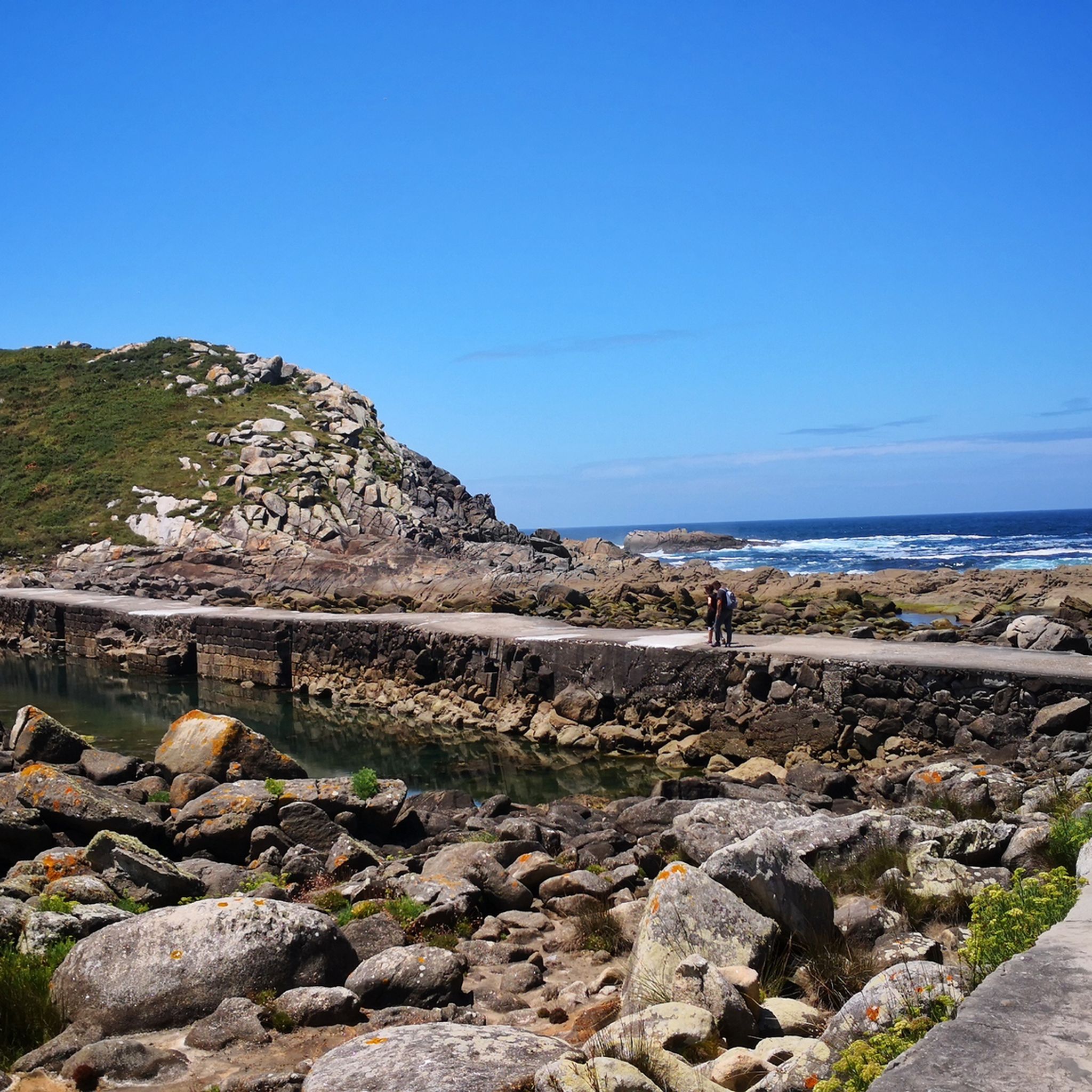
Figueiras Beach
Highlight (Segment) • Beach
Translated by Google •
Tip by
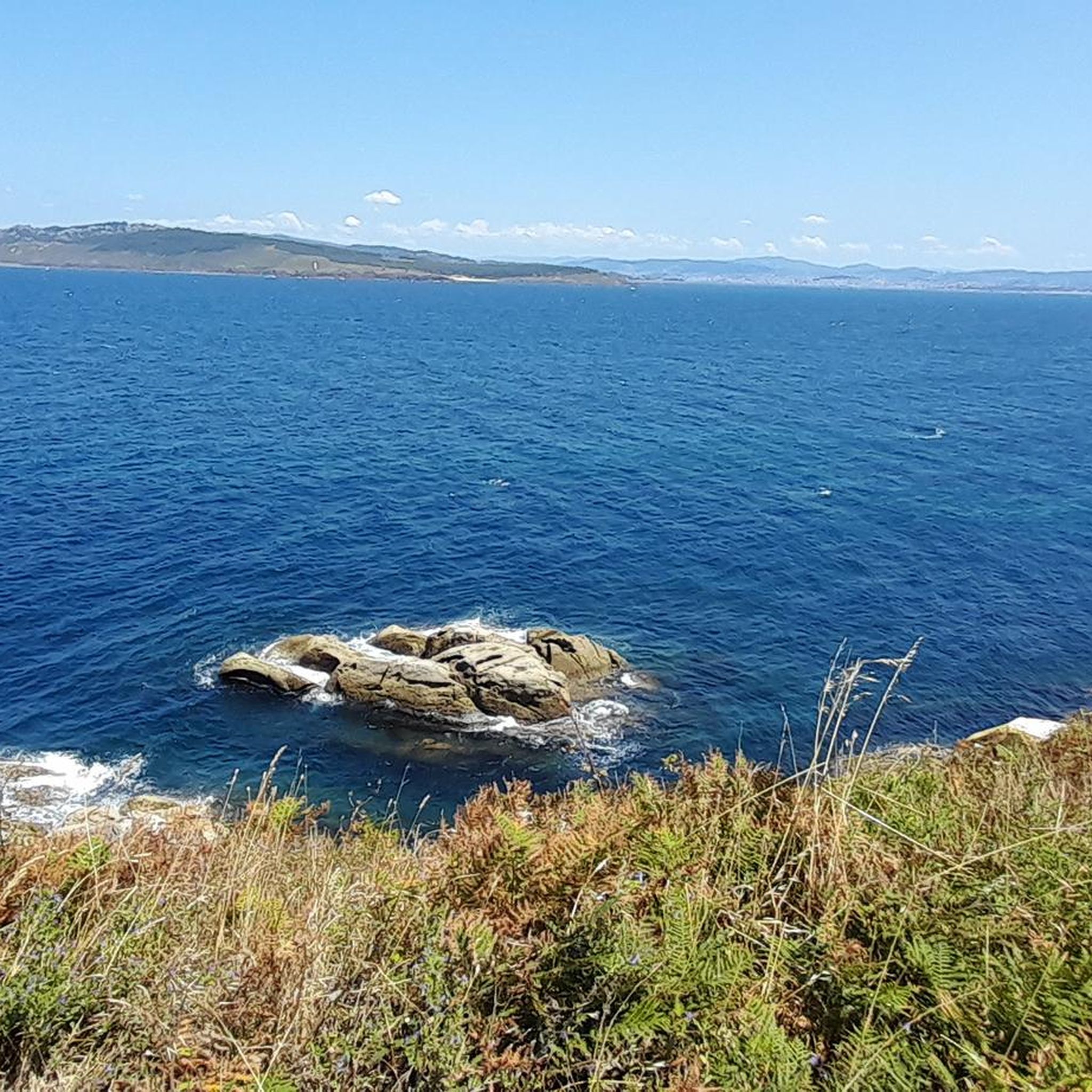
Ferreiriños Cliffs
Highlight • Natural Monument
Translated by Google •
Tip by

View of Cíes Islands Lighthouse
Highlight • Viewpoint
Translated by Google •
Tip by
Start today with a free account
Your next adventure awaits.
Login or Signup
Tips from the Community

some great views from upper there
1
0

Good hiking area and at the same time appreciate the sea views.
1
0

Impressive panoarmic views over the island. The path leading to the lighthouse is a beautiful hairpin road, in very good condition to walk
2
0

Very beautiful cliffs and easy access
1
0
Must visit place, the sunset is fantastic
2
0
A must-visit place in the Cíes Islands, the sunset is magnificent
3
0
The Cíes Lighthouse Route is the longest and most popular, and offers some of the most spectacular views of the Vigo estuary.
5
0
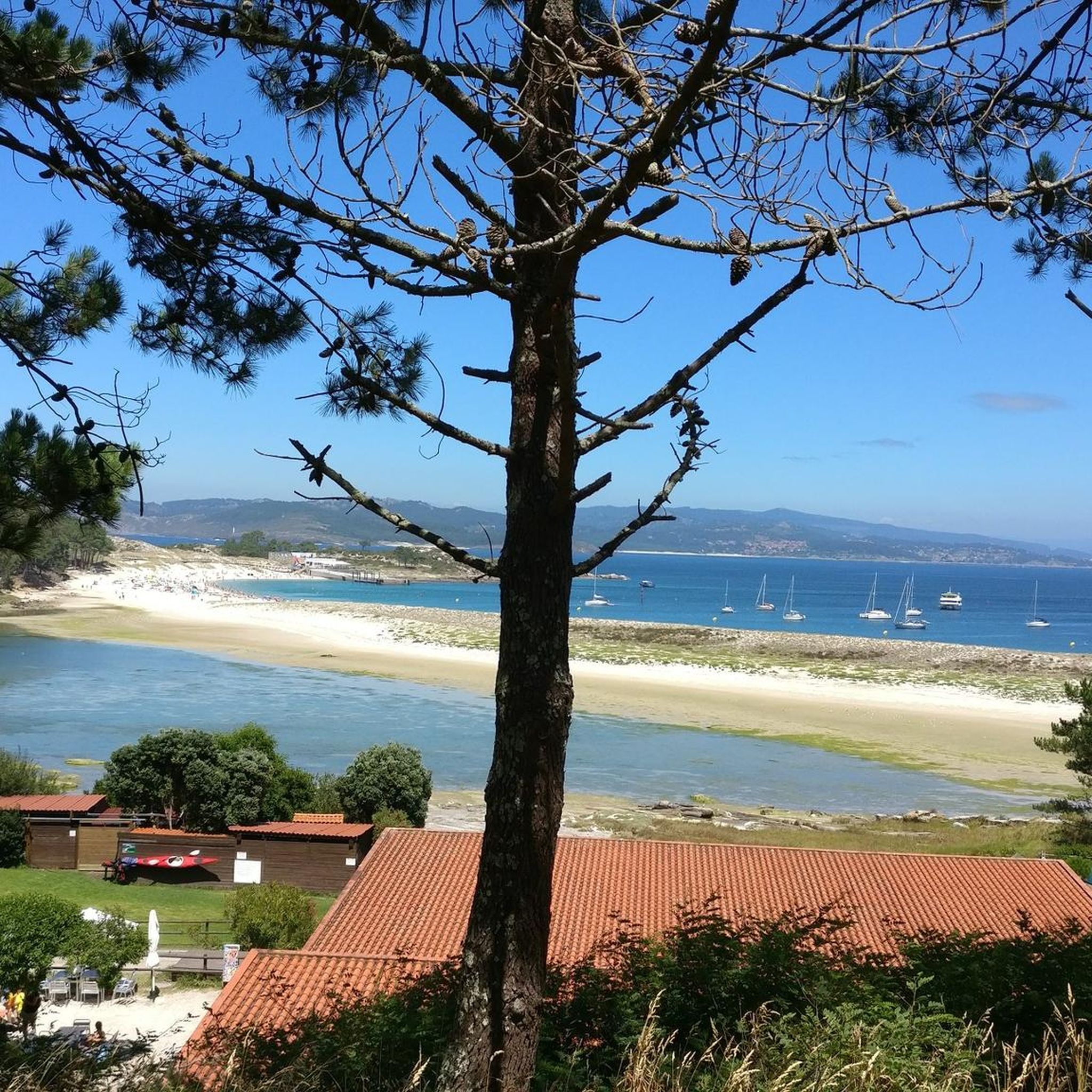
From the top of the Principe peak you can see Rodas beach, as a natural union between the two main islands, and the island on the other side.
4
0
Frequently Asked Questions
What are the most beautiful beaches to visit in Illas Cíes?
Beyond the famous Rodas Beach, often cited as one of the world's best, you can explore other stunning options. Figueiras Beach, located on Monteagudo (North Island), is known for its quiet atmosphere and is a beautiful nudist beach. Playa de Nuestra Señora is ideal for snorkeling, and Praia dos Viños holds historical remnants. Smaller, picturesque coves like Areíña and Bolos also offer serene spots.
Are there any historical or cultural sites to explore in Illas Cíes?
Yes, the islands have a rich past. You can find the ruins of the Monastery of San Estevo on Faro Island, which now houses an information center. The Castro das Hortas, also on Faro Island, is an archaeological site with Bronze Age-Roman settlements. Additionally, remnants of salting factories and carabinieri warehouses reflect the islands' historical economic importance.
What kind of natural formations can I see in Illas Cíes?
Illas Cíes boasts diverse natural formations. You can visit the Geological Pools on Monte do Príncipe, which offer spectacular formations and panoramic views of Rodas Beach. The islands also feature dramatic cliffs, especially on their western side, and unique granite formations like Pedra da Campá on Faro Island, known for excellent sunset views. Don't miss O Lago (Lago de Nenos), a unique ecosystem acting as a refuge for aquatic life.
What are the best viewpoints in Illas Cíes?
For breathtaking views, hike to the Faro de Cíes on Faro Island, the highest point accessible to visitors, offering panoramic vistas. The Faro da Porta provides great views towards San Martiño Island. From the top of the Principe peak, you can see Rodas beach and the surrounding islands. The Ferreiriños Cliffs also offer beautiful sea views.
Are there family-friendly activities or attractions in Illas Cíes?
Yes, Illas Cíes is suitable for families. Many beaches, including Figueiras Beach, are considered family-friendly. The well-maintained hiking routes are generally accessible, and the calm waters of Rodas Beach are perfect for children. The unique ecosystem of O Lago (Lago de Nenos) is also a fascinating spot for younger visitors.
What outdoor activities can I do near the attractions in Illas Cíes?
While the islands themselves offer excellent hiking, you can find various outdoor activities in the surrounding region. For mountain biking, explore routes like the Punta Robaleira Lighthouse loop. Road cycling enthusiasts can enjoy scenic rides such as the Parador of Baiona – View of the Cíes Islands loop. There are also general cycling routes like the Baiona Marina loop. You can find more details on these activities in the MTB Trails in Illas Cíes, Road Cycling Routes in Illas Cíes, and Cycling in Illas Cíes guides.
What is the best way to get to Illas Cíes?
Access to Illas Cíes is primarily by ferry from various ports on the mainland, such as Vigo, Baiona, and Cangas. As a protected National Park, visitor numbers are limited, so it's essential to book your ferry tickets and obtain the necessary permits in advance, especially during peak season.
Can I stay overnight in Illas Cíes?
Yes, you can stay overnight. There is an official campsite located near Rodas Beach, offering a unique opportunity to immerse yourself in the island's natural environment. Booking in advance is highly recommended due to limited capacity.
What is the best time of year to visit Illas Cíes?
The best time to visit Illas Cíes is typically during the warmer months, from late spring to early autumn (May to September), when the weather is pleasant for beaches, hiking, and outdoor activities. September, in particular, can offer a wonderfully quiet experience on beaches like Figueiras Beach, as mentioned by visitors.
Are there specific hiking routes to explore the islands?
Yes, Illas Cíes offers several well-maintained and signposted hiking routes. Popular options include the Ruta del Monte Faro, which leads to the main lighthouse, the Ruta del Faro da Porta, and the Ruta del Alto do Príncipe, which takes you to the Geological Pools on Monte do Príncipe. These trails allow you to explore the diverse landscapes and historical sites.
What kind of wildlife can I expect to see in Illas Cíes?
As a protected National Park and Special Protection Area for Birds, Illas Cíes is a haven for wildlife. Birdwatching is a popular activity, with large colonies of yellow-legged gulls and cormorants. The islands also host various plant species, including Pyrenean oaks and birches, contributing to a rich natural environment.
What do visitors enjoy most about the attractions in Illas Cíes?
Visitors frequently praise the spectacular formations and panoramic views from spots like the Geological Pools on Monte do Príncipe. The quiet atmosphere of beaches like Figueiras Beach is also highly appreciated, especially in September. The dramatic cliffs, such as the Ferreiriños Cliffs, are noted for their beauty and easy access, providing great sea views during hikes.
Most popular routes in Illas Cíes

Get inspired with the komoot mobile app


Explore more
Still not found the Highlight you’re looking for? See guides of the top attractions in other regions:
