Attractions and Places To See in Parc National De Doñana - Top 12
Best attractions and places to see in Parc National De Doñana, a UNESCO World Heritage Site in Andalusia, Spain, offers a diverse landscape where the Guadalquivir River meets the Atlantic Ocean. This critical wetland is known for its extensive marshlands, dynamic moving sand dunes, and pristine beaches. The park also features Mediterranean forests and scrubland, providing habitat for various wildlife. Visitors can explore a blend of natural beauty and cultural significance within its ecosystems.
Best attractions and places to see in Parc National De Doñana
- The most popular attractions is Hermitage of El Rocío, a religious building that is the destination of an annual pilgrimage attracting approximately 1 million visitors. This hermitage houses the Virgin of El Rocío and is central to the village's cultural identity.
- Another must-see spot is Charco de la Boca Trail, Doñana National Park, a trail with observatories for birdwatching. This approximately 4 km circular route offers opportunities to view various bird species, especially during times of abundant water.
- Visitors also love Doñana - Sanlúcar de Barrameda Ferry, a facility that transports visitors across the Guadalquivir River. This ferry provides a unique perspective of the park's surroundings and connects to Sanlúcar de Barrameda.
- Parc National De Doñana is known for its natural features like marshlands, sand dunes, and beaches, alongside cultural sites and visitor centers. The region offers a variety of attractions to see and explore, from wildlife observation to historical landmarks.
- The attractions in Parc National De Doñana are appreciated by the komoot community, with 106 upvotes and 146 photos shared by visitors.
Last updated: July 7, 2026
Hermitage of El Rocío
Highlight • Religious Site
Translated by Google •
Tip by

Charco de la Boca Trail, Doñana National Park
Highlight • Trail
Translated by Google •
Tip by

Sign up now to discover places like this
Get recommendations on the best single tracks, peaks, & plenty of other exciting outdoor places.
Sign up for free
Doñana - Sanlúcar de Barrameda Ferry
Highlight • Rest Area
Tip by

Torre Carbonero Beach
Highlight (Segment) • Beach
Translated by Google •
Tip by

Castilla Beach (Doñana National Park)
Highlight • Beach
Translated by Google •
Tip by

Sign up for free to discover even more attractions in Parc National De Doñana.
Sign up for free
Already have an account?
Start today with a free account
Your next adventure awaits.
Login or Signup
Popular around Parc National De Doñana
Other adventures in Parc National De Doñana

Tips from the Community

The ferry runs from sunrise to sunset. You have to call the number and then the ferry will come. Out of season it can take a while for it to pick you up, but it will come.
1
0

Undoubtedly one of the greatest epicenters of Marian devotion in the world, the Sanctuary of Nuestra Señora del Rocío is visited by hundreds of thousands of believers throughout the year. Surrounded by marshes and fervor, the sanctuary stands in the village of El Rocío in Almonte, a magical and esoteric place where all roads converge.
6
1
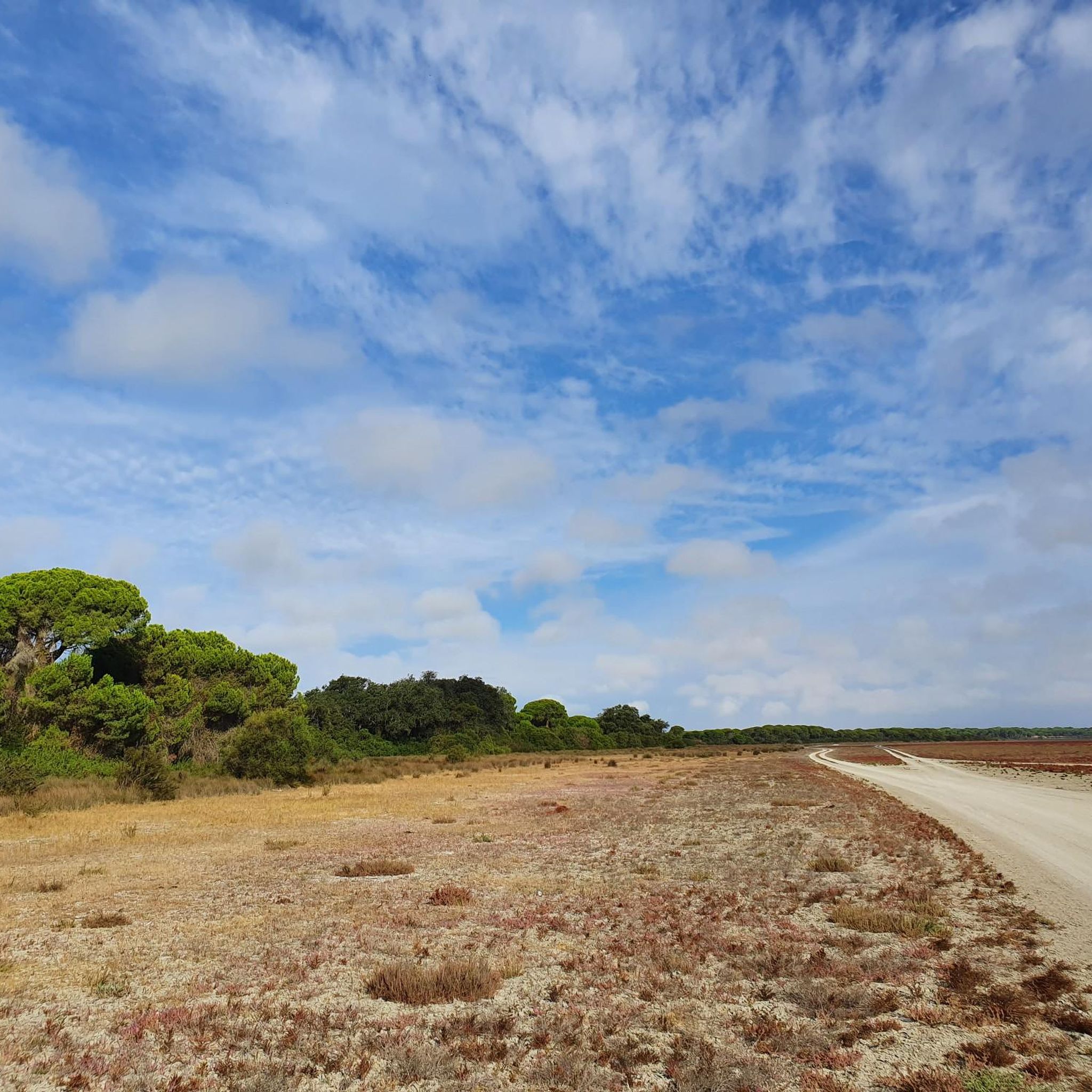
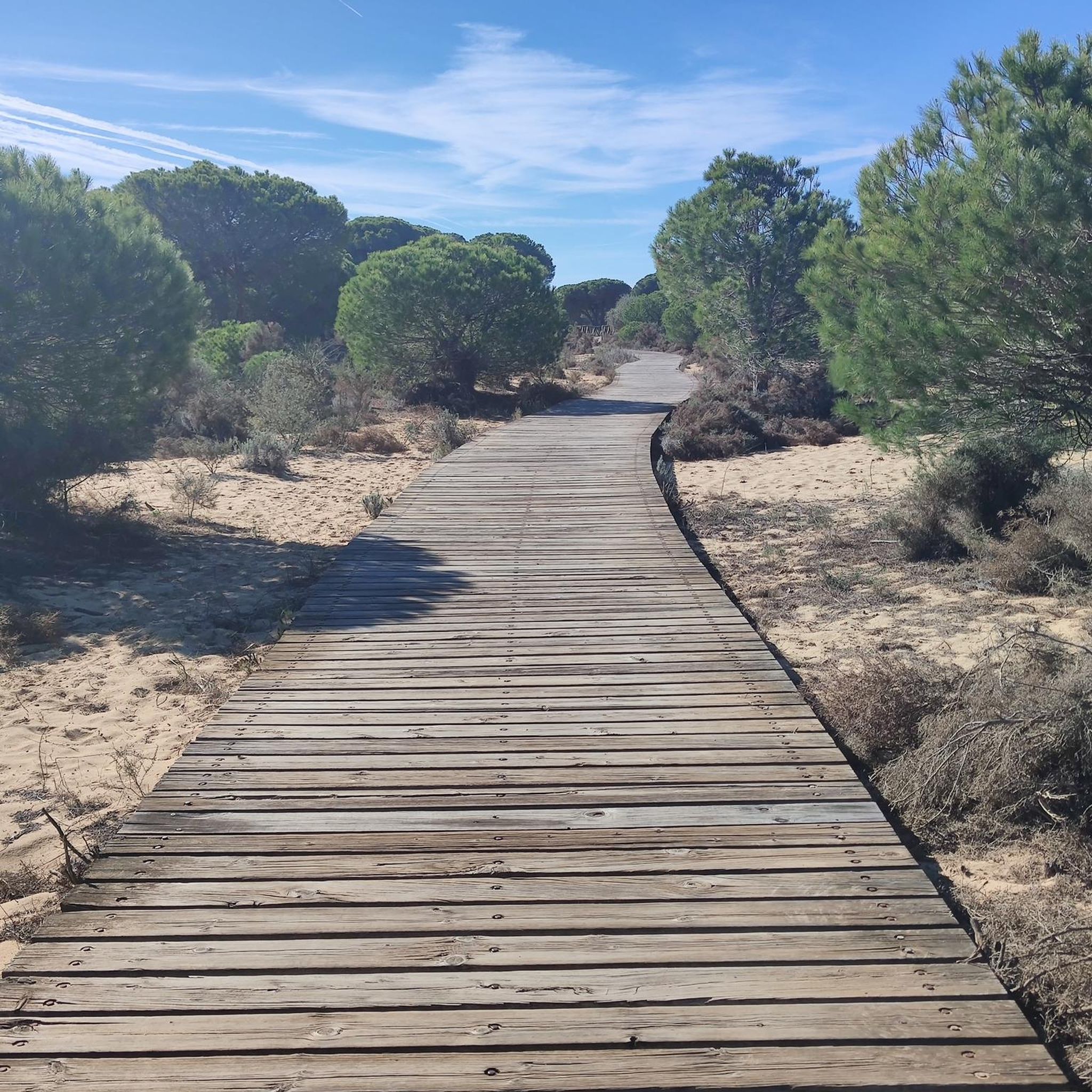
The La Rocina stream is one of the main sources of water for the marshes of the Doñana National Park and at this point it leads to an extension of the channel called Charco de la Boca. The path of the same name crosses a great biodiversity of the landscape, from a pine forest to riparian vegetation, ferns, reed beds and aromatic plants. Along the path, four observatories built as "huts" allow
7
0

Beautiful decking route with approximately 4 bird watching huts
12
1
About 1,000,000 come every year! Pilgrims
9
0

Since the middle of the 18th century, pilgrimages (Romerías) have taken place on a large scale in El Rocío. Today, what happens in the town every year during Pentecost can be described as a huge spectacle. And as one of the weirdest religious celebrations on the European continent. Around a million (!) pilgrims come to El Rocío from all parts of the country at Pentecost. The highlight is the procession that begins on the night of Whit Monday. The almost human-sized, festively decorated Madonna is then carried under a canopy through the surging crowd for around twelve (!) hours.
1
2

Yes, it's difficult to drive, like when you're constantly going up a 6-8% grade We also had panniers and front bags, handlebar bags. It took us 4 hours with breaks, so don't wait for the tide to go out, starting a little earlier is very good. As already written, there is no shade, no bushes and only a few shrimp fishermen were out. The experience is extraordinary and makes up for the hardship.
1
1

Very difficult but what an adventure! Probably the toughest 30km of our tour (so far). We had loaded touring bikes (with road tires, panniers and handlebar bags etc). As others have advised it made a huge difference to let out air from tires. Would advise to start cycling around 2 hours before low tide. There is no shade, are completely exposed, and so have no option but to push on! We did it in 3 hours cycling time but this included strong headwind which caught us off guard and slowed our pace. IMPORTANT: completely depends on tide times, which, to use that old nautical idiom, means you really are stuck between the devil and the deep blue sea!
1
0
Frequently Asked Questions
What natural features can I explore in Parc National De Doñana?
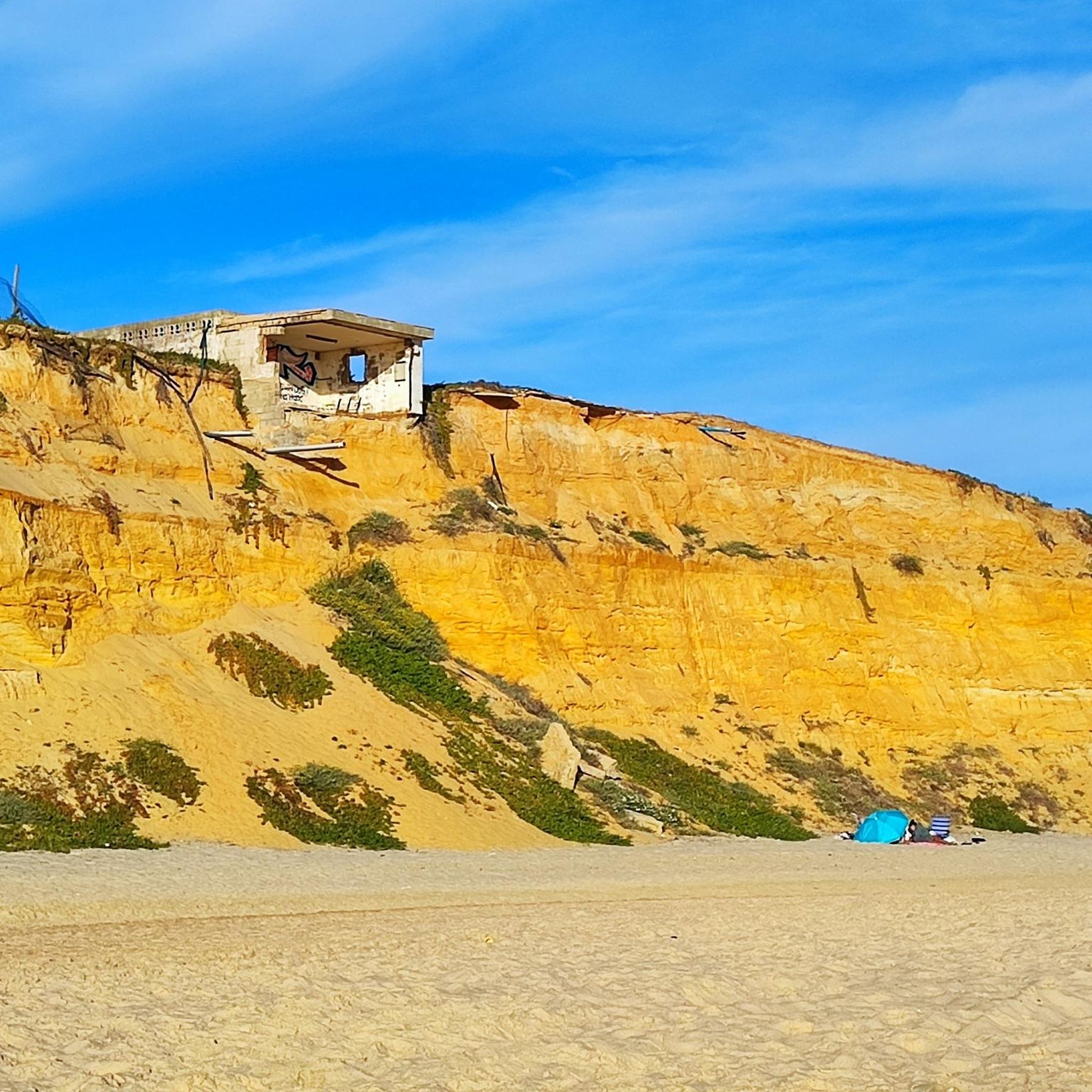
Parc National De Doñana is renowned for its diverse natural landscapes. You can explore extensive Marismas (Marshlands), which are crucial breeding grounds for migratory birds. Along the Atlantic coast, particularly near Matalascañas, you'll find impressive Moving Sand Dunes, including the notable Asperillo Dunes. The park also features pristine, unspoiled beaches like Maneli Beach, Matalascañas Beach, and Torre Carbonero Beach and Castilla Beach. Beyond these, there are Mediterranean forests of pine and cork oak, as well as dense scrubland.
Are there family-friendly activities available in Parc National De Doñana?
Yes, Parc National De Doñana offers several family-friendly options. Many visitor centers, such as El Acebuche and La Rocina, provide facilities like rest areas and picnic spots. The Charco de la Boca Trail is an easy, approximately 4 km circular route with birdwatching observatories, suitable for families. The Doñana - Sanlúcar de Barrameda Ferry also offers a unique and enjoyable experience for all ages, providing a different perspective of the park from the Guadalquivir River.
What cultural or historical sites can I visit in the region?
The region around Parc National De Doñana is rich in cultural and historical significance. The picturesque El Rocío Village and Hermitage, home to the Hermitage of El Rocío, is famous for its annual Romería pilgrimage. The village itself, with its sandy streets, offers a unique cultural experience. Additionally, the La Rábida Tourist Complex, located in the north-western part of Doñana, includes the Monastery of La Rábida, the Wharf of the Caravels, and the Celestino Mutis Botanical Garden, all connected to Christopher Columbus.
Where are the best places for birdwatching in Doñana National Park?
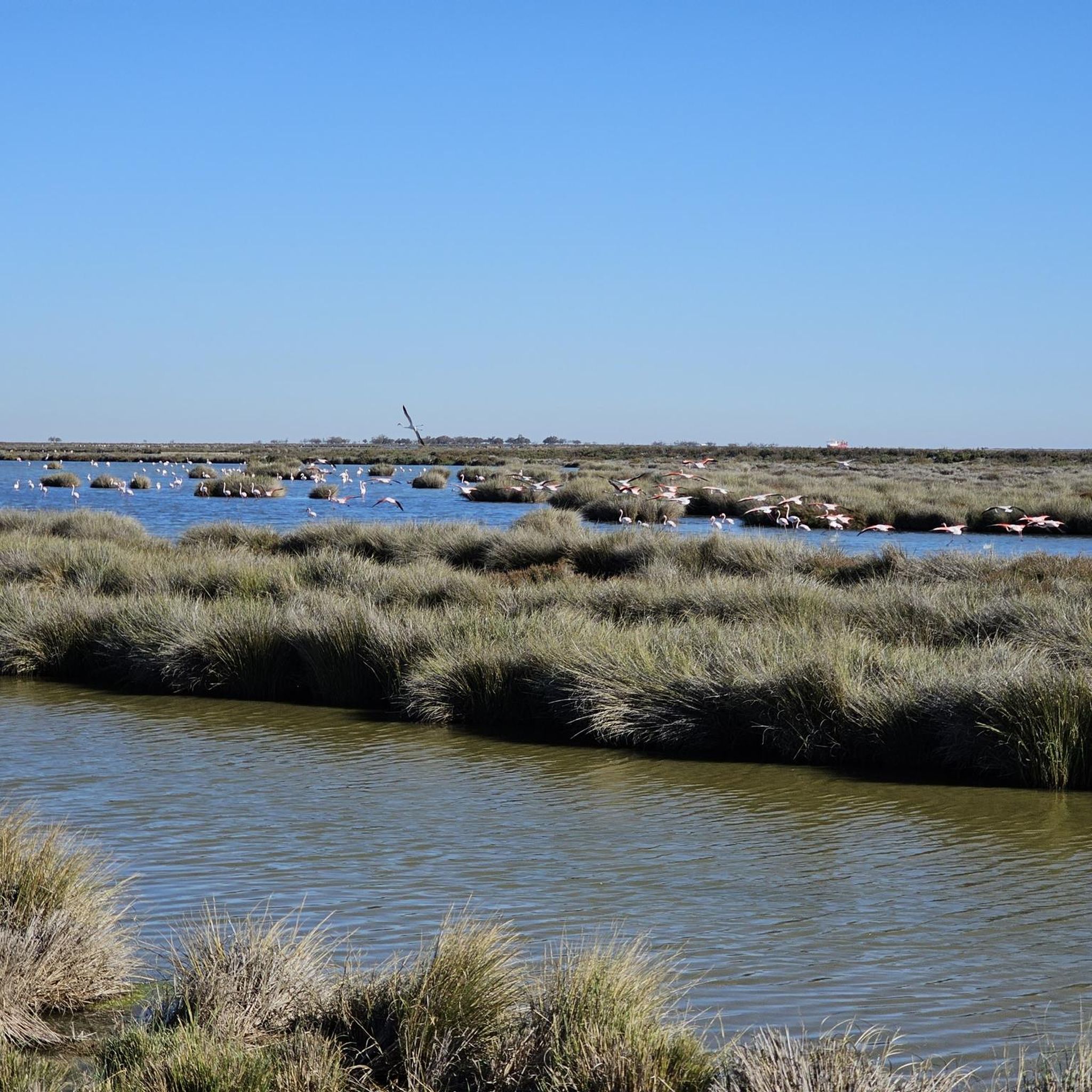
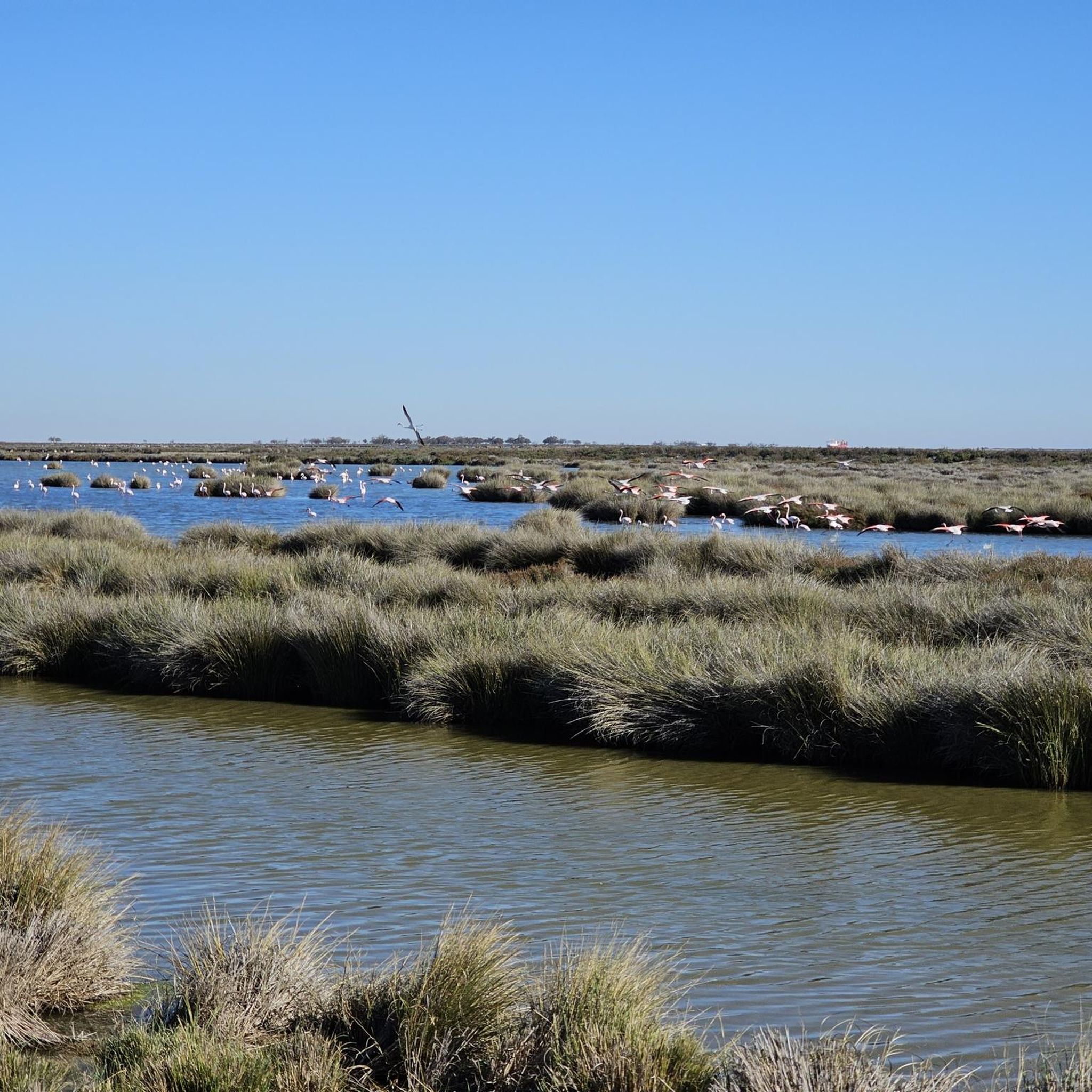
Doñana National Park is a prime destination for birdwatching, especially in its extensive marshlands. The José Antonio Valverde Centre, located deep within the marshes, provides exceptional viewpoints for observing flamingos and other water birds. The La Rocina Visitor Centre also offers a 3.5 km footpath with observatories, and the Charco de la Boca Trail is another excellent spot with birdwatching huts, particularly when water levels are high.
Are there hiking trails available near the attractions?
Yes, there are several hiking opportunities near the attractions. For easy walks, consider routes like the Doñana Natural Park - circular via the Charco de la Boca Trail or the Marshland Promenade Loop. These trails often feature observatories for wildlife viewing. You can find more details and other easy hiking routes on the Easy hikes in Parc National De Doñana guide.
What are the options for cycling or running in Parc National De Doñana?
While direct access to some areas of the National Park is restricted, there are routes suitable for cycling and running in the surrounding areas. For runners, options include the Raya Real and Paseo Marismeño Loop or the Dunar de Matalascañas – running circular along the coast. Mountain biking enthusiasts can explore routes like the Almonte and El Rocío Doñana Loop or the challenging Matalascañas Dune – Mazagón Beach Cliffs loop. Always check specific trail conditions and regulations, especially for beach cycling, which is often only feasible at low tide.
What is the best time of year to visit Parc National De Doñana?
The best time to visit Parc National De Doñana largely depends on your interests. For birdwatching, the migratory seasons (autumn and spring) are ideal, as hundreds of thousands of birds pass through the wetlands. Spring also brings blooming wildflowers. For general exploration and milder temperatures, spring and autumn are preferable. Summers can be very hot, while winters are generally mild but can be wet.
Where can I find visitor information and starting points for tours?
Several visitor centers serve as excellent starting points for exploring the park and offer valuable information. El Acebuche Visitor Centre near Matalascañas is one of the main entrances and a departure point for guided tours. La Rocina Visitor Centre, near El Rocío, is ideal for bird watching. The Palacio de Acebrón Visitor Centre houses a museum about the region's customs and ecosystems. For those arriving from Sanlúcar de Barrameda, the Bajo de Guía Visitor Centre is available.
Can I see endangered species like the Iberian lynx or Spanish imperial eagle?
Parc National De Doñana is a vital refuge for endangered species, including the Iberian lynx and the Spanish imperial eagle. While wildlife spotting is a significant attraction, these animals are wild and elusive, making sightings rare and dependent on luck. Guided tours, particularly those that venture deeper into the restricted areas of the park, offer the best chance of observing these magnificent creatures in their natural habitat.
What is the Doñana - Sanlúcar de Barrameda Ferry, and what does it offer?
The Doñana - Sanlúcar de Barrameda Ferry is a facility that transports visitors across the Guadalquivir River, connecting the park to Sanlúcar de Barrameda. It offers a unique way to experience the park's surroundings from the water, providing a different perspective of the diverse ecosystems where the river meets the Atlantic Ocean. It's a practical option for crossing and an attraction in itself.
Are there any unique geological formations to see?
Yes, the park features unique geological formations, most notably the Moving Sand Dunes along the Atlantic coast. These dynamic dunes, particularly the Asperillo Dunes, are a natural monument showcasing a landscape constantly shaped by wind. They slowly shift, engulfing and revealing vegetation, primarily pine forests, offering a fascinating example of natural processes at work.
Most popular routes in Parc National De Doñana
Most popular attractions in Parc National De Doñana

Get inspired with the komoot mobile app


Explore more
Still not found the Highlight you’re looking for? See guides of the top attractions in other regions:
