The best gravel rides in Parc National De Doñana
4.8
(4)
31
riders
3
rides
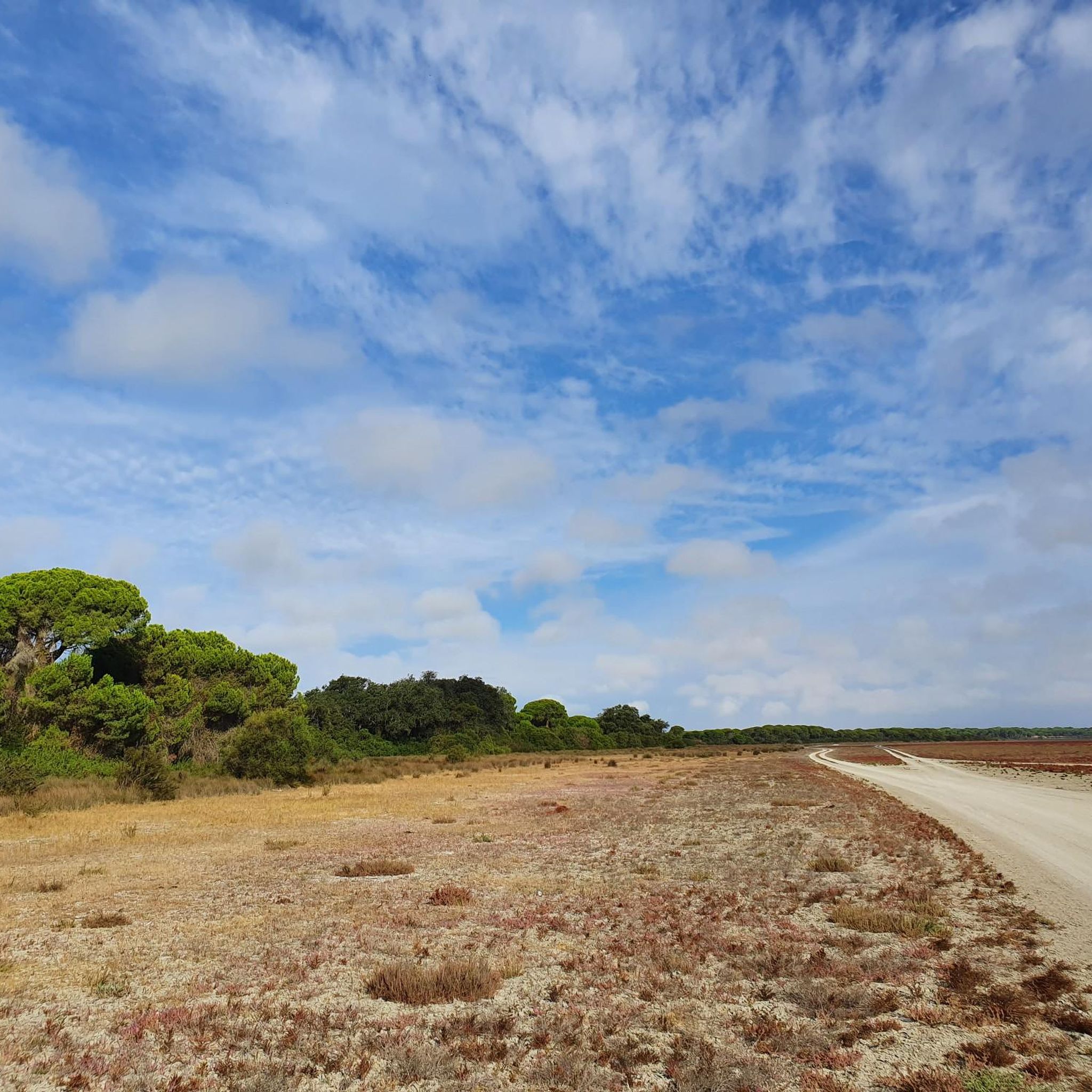
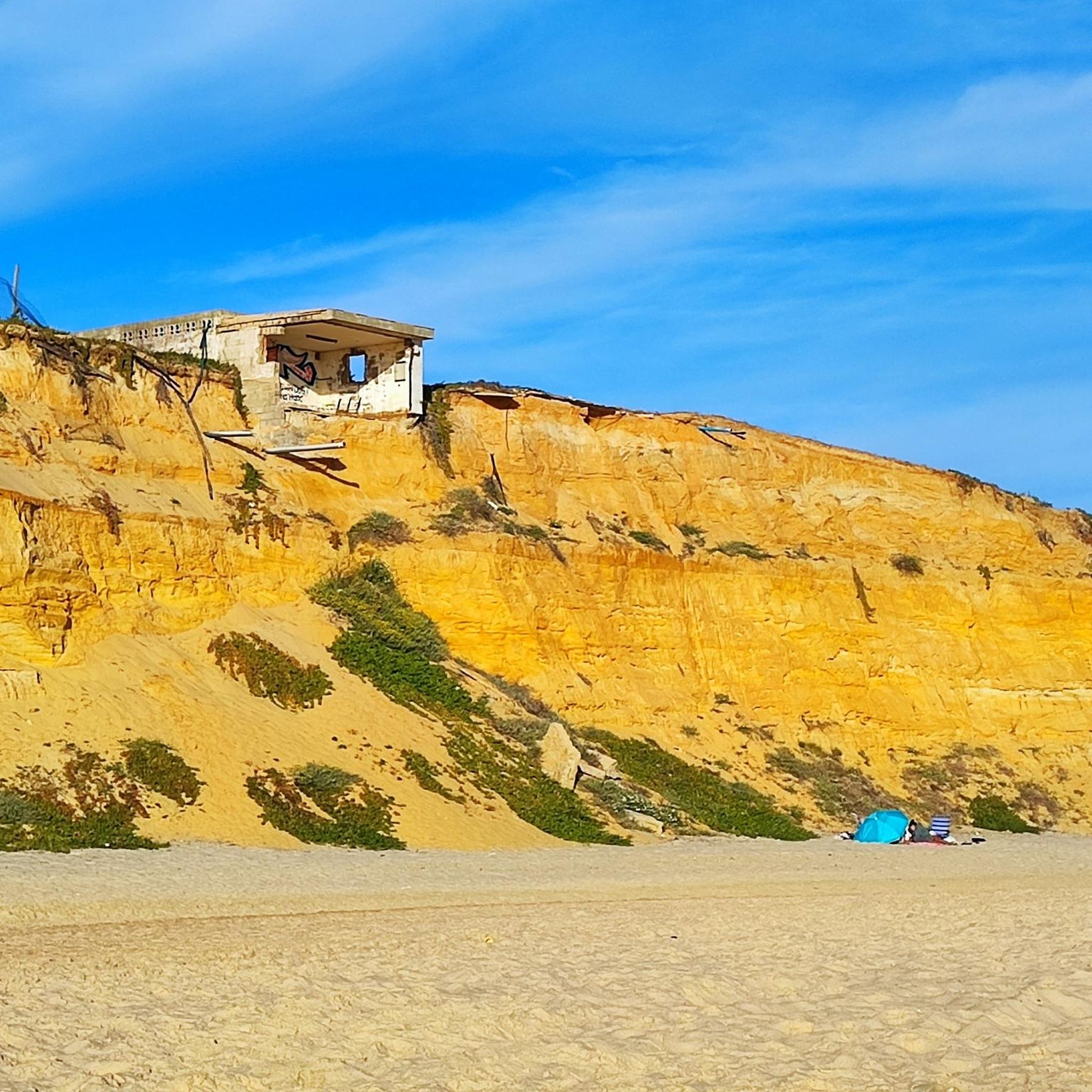
Gravel biking in Parc National De Doñana offers routes through a diverse landscape at the mouth of the Guadalquivir River. The region features extensive coastal beaches, dynamic sand dune systems including the fossil dunes of El Asperillo, and vast freshwater marshes known as the Marismas de Guadalquivir. Cyclists can also explore areas of stone pine and cork oak forests, alongside Mediterranean scrubland and lagoons, particularly within the Doñana Natural Park buffer zone.
Best gravel bike trails in Parc National De…
Last updated: June 30, 2026
4.5
(2)
22
riders
50.5km
02:40
110m
110m
Moderate gravel ride. Good fitness required. Mostly paved surfaces. Suitable for all skill levels.
5.0
(1)
6
riders
Moderate gravel ride. Good fitness required. Mostly paved surfaces. Suitable for all skill levels.

Sign up for free
5.0
(1)
3
riders
Easy gravel ride. Great for any fitness level. Mostly paved surfaces. Suitable for all skill levels.
Our route recommendations are based on thousands of hikes, rides, and runs completed by other people on komoot.
Start today with a free account
Your next adventure awaits.
Login or Signup
Other adventures in Parc National De Doñana

Tips from the Community


The Torre de la Higuera, also known as the "Matalascañas Stone", is a beacon tower located on the beach of Matalascañas, in the municipality of Almonte, province of Huelva. This tower was built in 1577 during the reign of Philip II as part of a coastal defence system against attacks by corsairs and pirates. The tower suffered significant damage during the Lisbon earthquake in 1755, causing it to tip over and remain in its current position. Today, it is an iconic symbol of the area and has been declared a Site of Cultural Interest since 1985.
3
0

The route is partly impassable - deep ditches with water and mud - impossible to get through between points 8 and 9
0
0

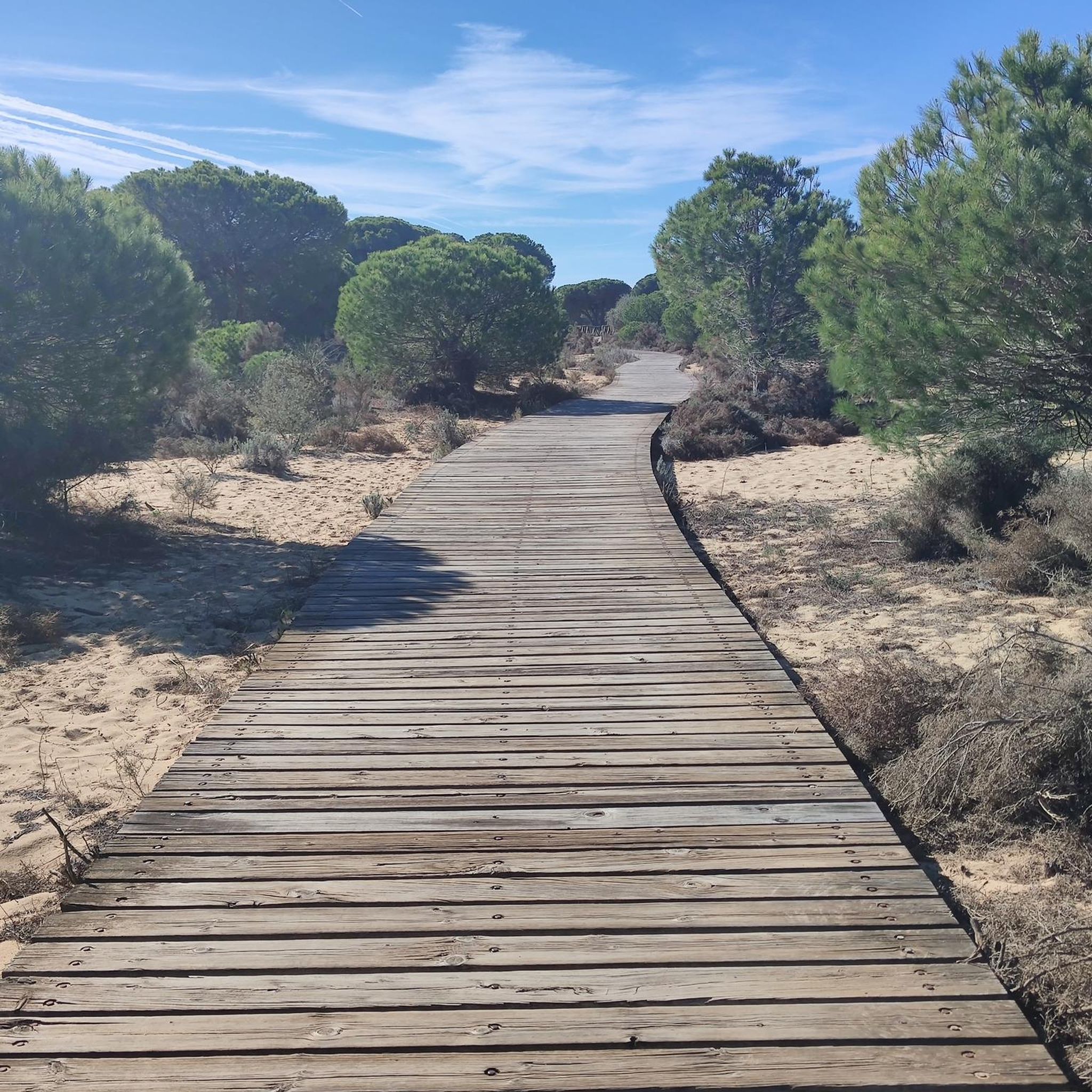
The wooden walkway takes you to the viewpoint from where you can enjoy sensational views of the coast. It is an ideal place to rest while listening to the sound of the sea and contemplating the golden sand of the beach.
1
0


Centennial specimen of the Stone Pine species with more than 12m in height and just over 4m in diameter at its base and it is estimated to be 400 years old.
1
0
Frequently Asked Questions
What kind of terrain can I expect on gravel bike trails in the Doñana area?
Gravel biking in the Doñana area offers a diverse landscape. You can expect to ride through extensive coastal beaches, dynamic sand dune systems, including the impressive fossil dunes of El Asperillo, and vast freshwater marshes known as the Marismas de Guadalquivir. Many routes also traverse areas of stone pine and cork oak forests, alongside Mediterranean scrubland and lagoons, particularly within the Doñana Natural Park buffer zone.
What is the general difficulty level of gravel biking in the Doñana area?
The gravel biking routes in the Doñana area are generally categorized as moderate or easy. For instance, the Torre del Loro Beach and Ruins – Almonte–Matalascañas Route is considered moderate, as is the Pinar de La Algaida – Doñana Marshes loop. While some routes require good fitness, there are options suitable for various ability levels.
Are there gravel routes suitable for beginners or families in the Doñana area?
Yes, there are gravel biking options suitable for different ability levels. For example, the Sunflower Fields – Shrine of the Virgen del Rocío loop from Sanlúcar de Barrameda is rated as easy, making it a good choice for those seeking a less strenuous ride. The trails within the Doñana Natural Park often provide accessible paths through diverse ecosystems.
What natural features or landmarks can I see while gravel biking in the Doñana area?
While gravel biking, you can encounter a variety of natural features and landmarks. Highlights include the 30-meter tall fossil dunes of El Asperillo, the vast Marismas de Guadalquivir (Spain's most important wetlands), and extensive pine and cork oak forests. You might also pass by cultural sites such as the charming village of El Rocío and its famous Hermitage of El Rocío. Coastal routes offer views of beaches like Torre Carbonero Beach and Castilla Beach.
Can I spot wildlife while cycling in the Doñana area?
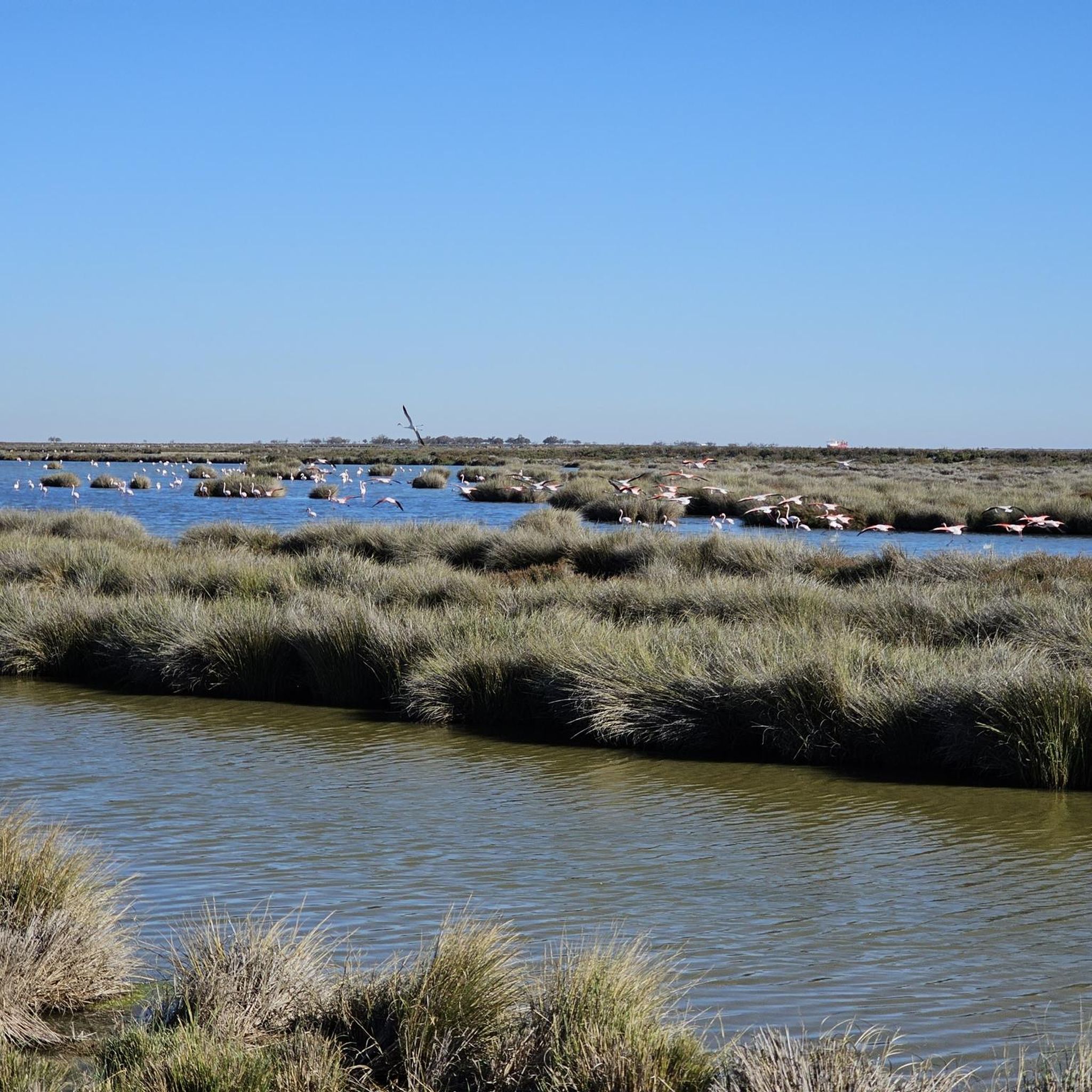
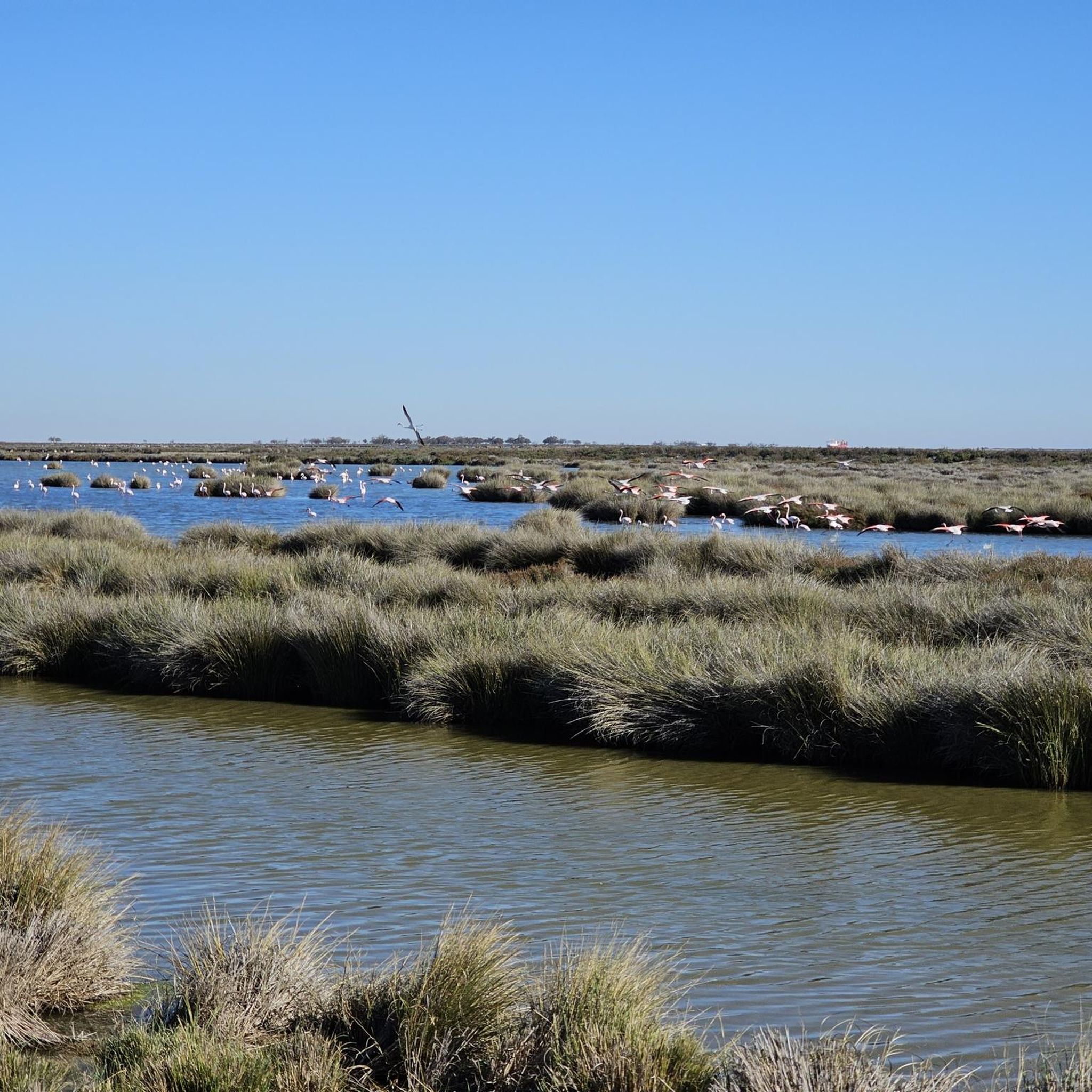
The Doñana area is a sanctuary for biodiversity, making wildlife spotting a significant attraction. While cycling, especially in the less restricted areas of the Natural Park, you have opportunities to see a wide array of migratory birds, including flamingos, gulls, geese, and white storks. The park is also home to mammals like red deer, fallow deer, and wild boar, though sightings of the highly endangered Iberian lynx are rare and require luck.
Are there any specific regulations for gravel biking in Parc National De Doñana?
Yes, there are strict conservation regulations. Direct cycling through the most restricted areas of the core Doñana National Park is generally prohibited. However, the surrounding Doñana Natural Park (buffer zone) offers excellent opportunities for gravel biking on dedicated cycling trails. It's important to stick to authorized routes and be aware that official 4x4 tours are the primary way to access the most sensitive zones of the National Park.
What is the best time of year to go gravel biking in the Doñana area?
The Doñana area experiences a Mediterranean climate. Spring (March to May) and autumn (September to November) are generally considered the best times for gravel biking. During these seasons, temperatures are milder, and the natural landscape is vibrant, especially in spring with blooming flora and active migratory birds. Summers can be very hot, and some areas might be less accessible due to heat or dry conditions.
Are there circular gravel bike routes available in the Doñana area?
Yes, many of the gravel biking routes in the Doñana area are designed as loops, offering a convenient way to explore the region. Examples include the Torre del Loro Beach and Ruins – Almonte–Matalascañas Route loop and the Sunflower Fields – Shrine of the Virgen del Rocío loop, both starting and ending in the same general vicinity.
Where can I find parking or public transport access for gravel biking trails?
Visitor centers like El Acebuche and La Rocina often serve as starting points for exploration and may offer parking facilities. For routes originating from towns like Sanlúcar de Barrameda or Matalascañas, public parking is typically available. Public transport options might be limited directly to trailheads, so checking local bus schedules for access to towns near the Natural Park is advisable.
Are there cafes or places to eat near the gravel biking routes?
Yes, towns and villages bordering the Doñana Natural Park, such as El Rocío, Matalascañas, and Sanlúcar de Barrameda, offer various amenities including cafes, restaurants, and accommodation. These locations are often convenient starting or ending points for gravel bike routes, allowing you to refuel and relax after your ride.
What do other gravel bikers enjoy the most about gravel biking in the Doñana area?
The Doñana area is highly rated by the komoot community, with an average score of 4.7 stars. Reviewers often praise the unique combination of diverse landscapes, from coastal paths and sand dunes to pine forests and vast marshes. The opportunity to experience the region's rich biodiversity and explore its natural beauty on two wheels is frequently highlighted as a major draw.
Most popular routes in Parc National De Doñana
Most popular attractions in Parc National De Doñana

Get inspired with the komoot mobile app


Explore more
Browse the best Gravel rides in other regions.
