Parco Naturale Regionale delle Dolomiti d’Ampezzo
Parco Naturale Regionale delle Dolomiti d’Ampezzo
The 17 Most Amazing Peaks around Parco Naturale Regionale delle Dolomiti d’Ampezzo
Best mountain peaks around Parco Naturale Regionale delle Dolomiti d’Ampezzo are characterized by dramatic limestone formations and extensive forests. This UNESCO World Heritage site offers a variety of peaks, from the Tofane Massif to the Nuvolau Group. The region provides diverse landscapes, including karst plateaus and needle formations. Many peaks hold historical significance, featuring restored World War I tunnels and trenches.
Best mountain peaks around Parco Naturale Regionale delle Dolomiti d’Ampezzo
- The most popular mountain peaks is Son Forca Hut…
Last updated: July 7, 2026
View of Lake Braies from Croda del Becco (Seekofel)
Highlight • Summit
From the parking lot to the Seekofelhütte about 3 hours, easy ascent.
Translated by Google •
Tip by

Cimabanche Pass
Highlight • Mountain Pass
Translated by Google •
Tip by

Sign up now to discover places like this
Get recommendations on the best single tracks, peaks, & plenty of other exciting outdoor places.
Sign up for free
Malga Ra Stua
Highlight • Mountain Hut
Translated by Google •
Tip by

Son Forca Hut
Highlight • Mountain Hut
Translated by Google •
Tip by

Lerosa Pass
Highlight • Mountain Pass
Translated by Google •
Tip by

Sign up for free to discover even more peaks around Parco Naturale Regionale delle Dolomiti d’Ampezzo.
Sign up for free
Already have an account?
Start today with a free account
Your next adventure awaits.
Login or Signup
Popular around Parco Naturale Regionale delle Dolomiti d’Ampezzo
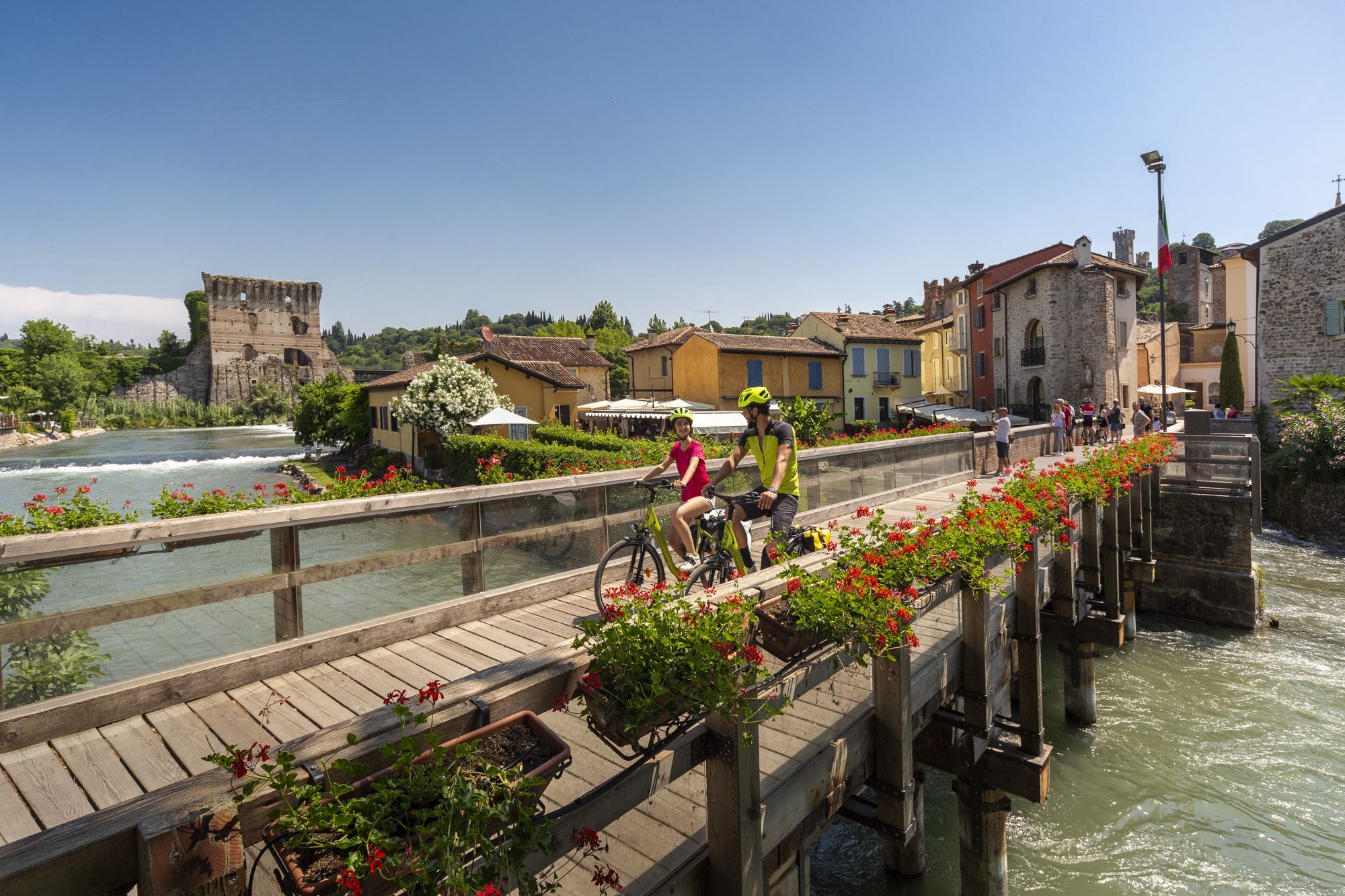
Explore Veneto at a slow pace – day trips by bike
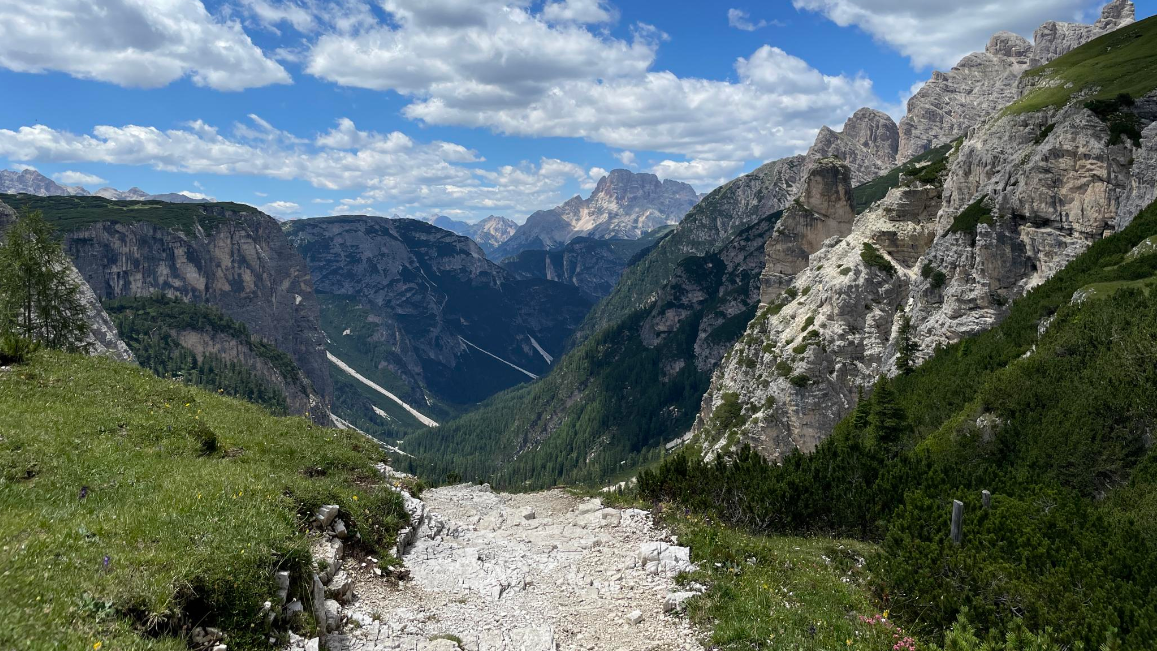
Trail running between the peaks of the Dolomites – Lavaredo Ultra Trail
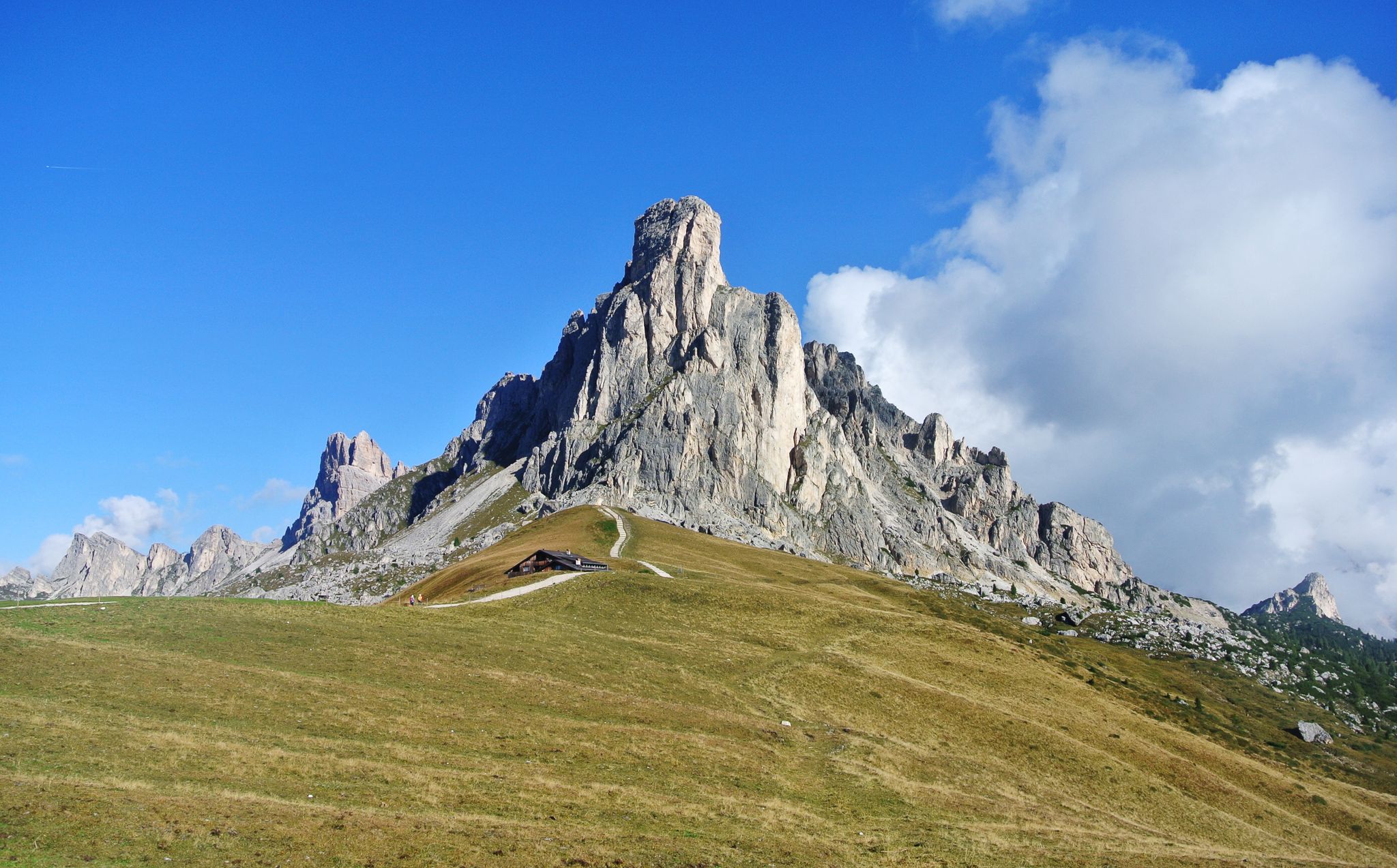
Refuge to refuge in the Dolomites – discovering Lavaredo
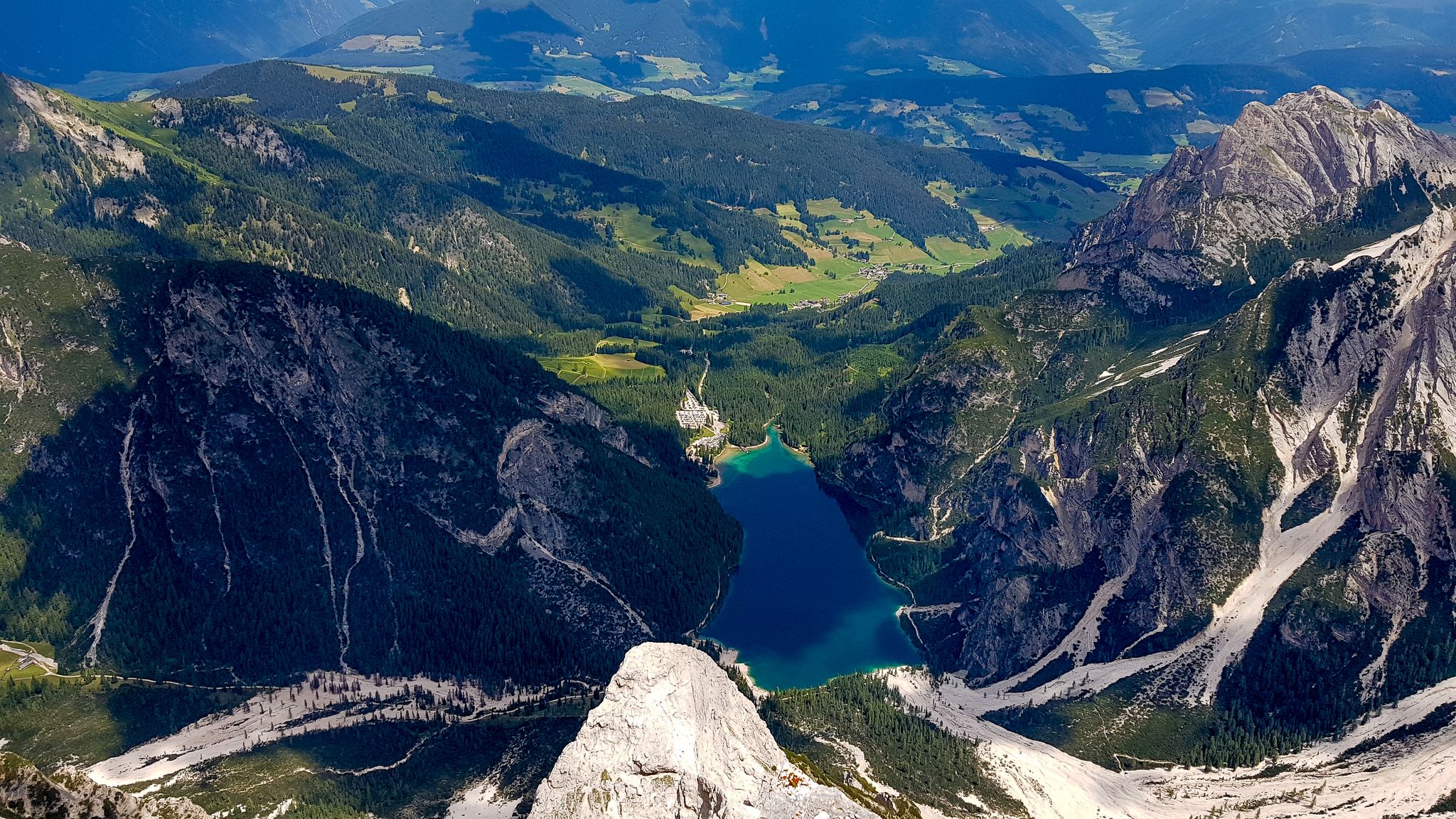
Wild Braies Valley – hikes in Alta Pusteria
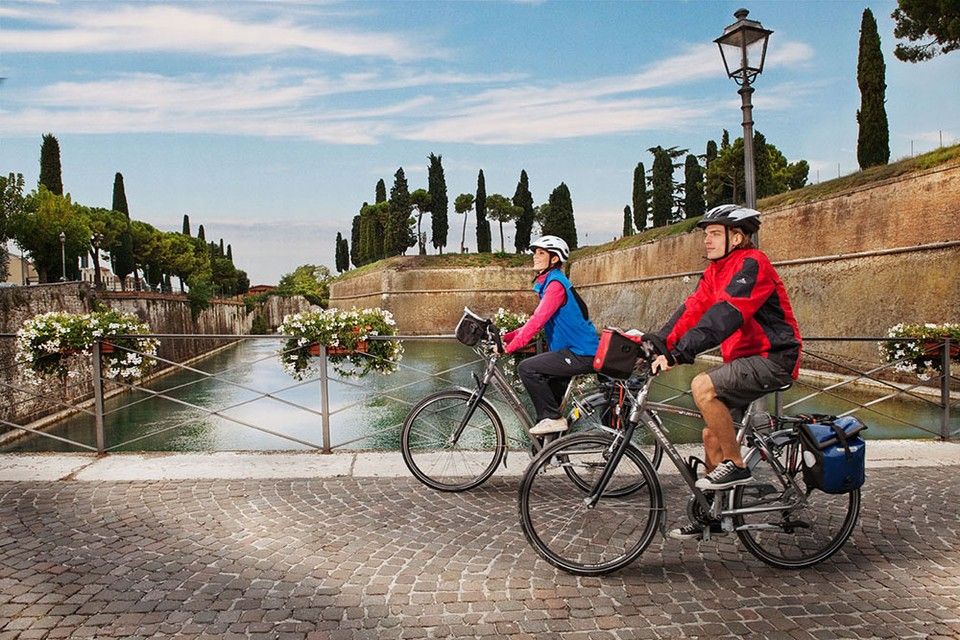
Between Lake Garda and the Adriatic Sea – cycle Tours in Italy’s Veneto
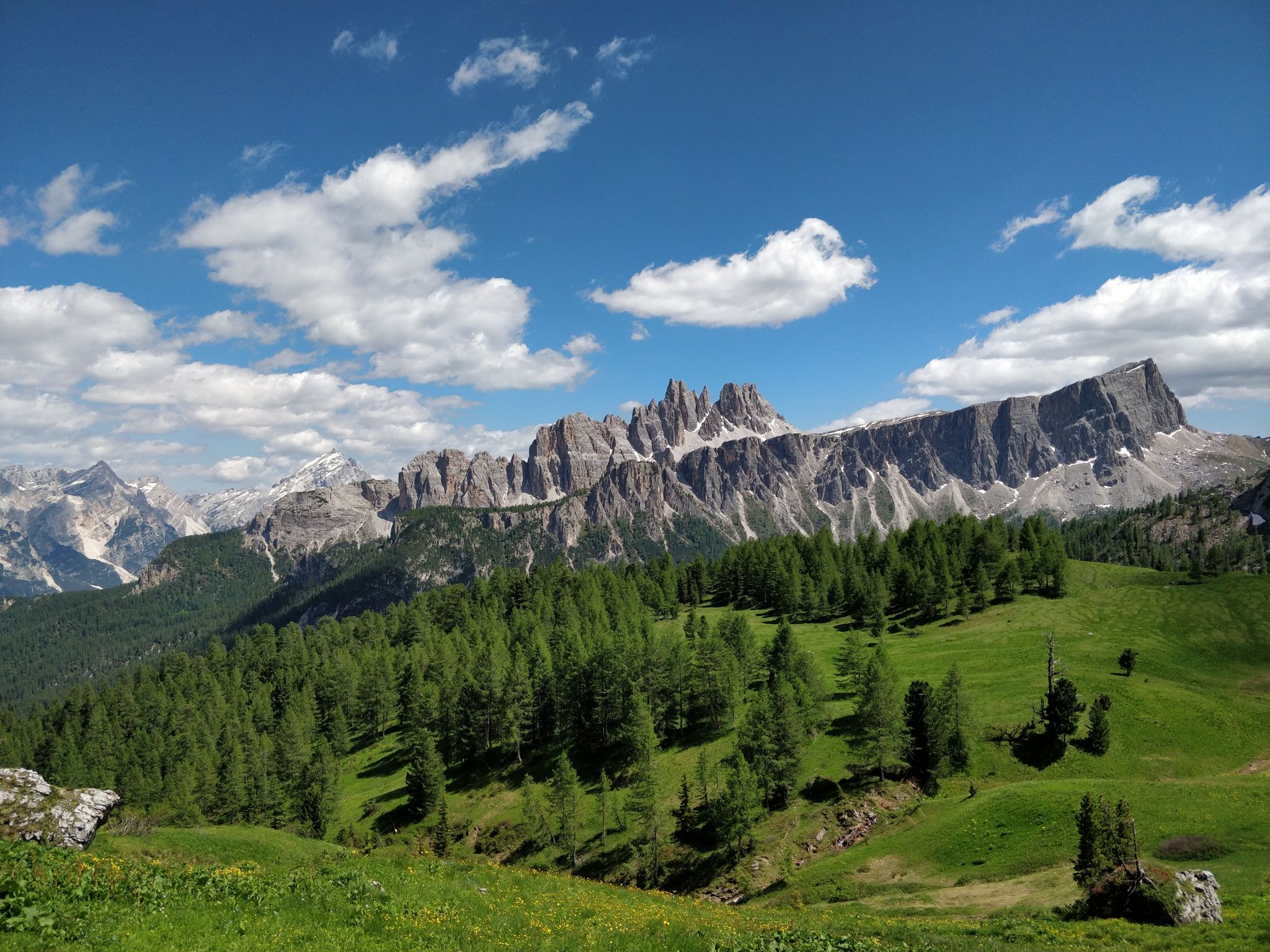
Hiking one step from heaven – Alta Via delle Dolomiti 1
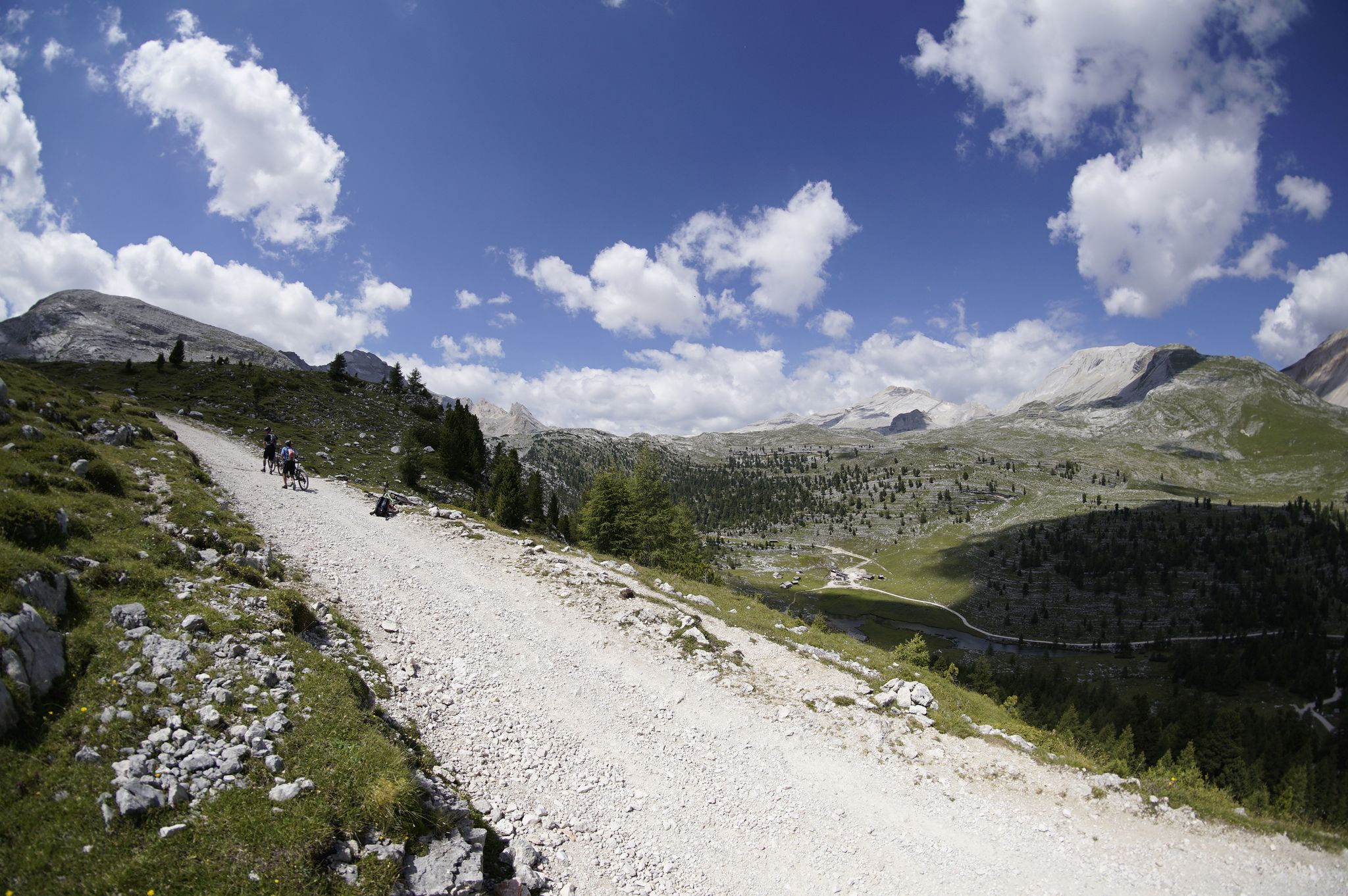
Bike & hike in the Dolomites – MTB hut Tour with summit hikes
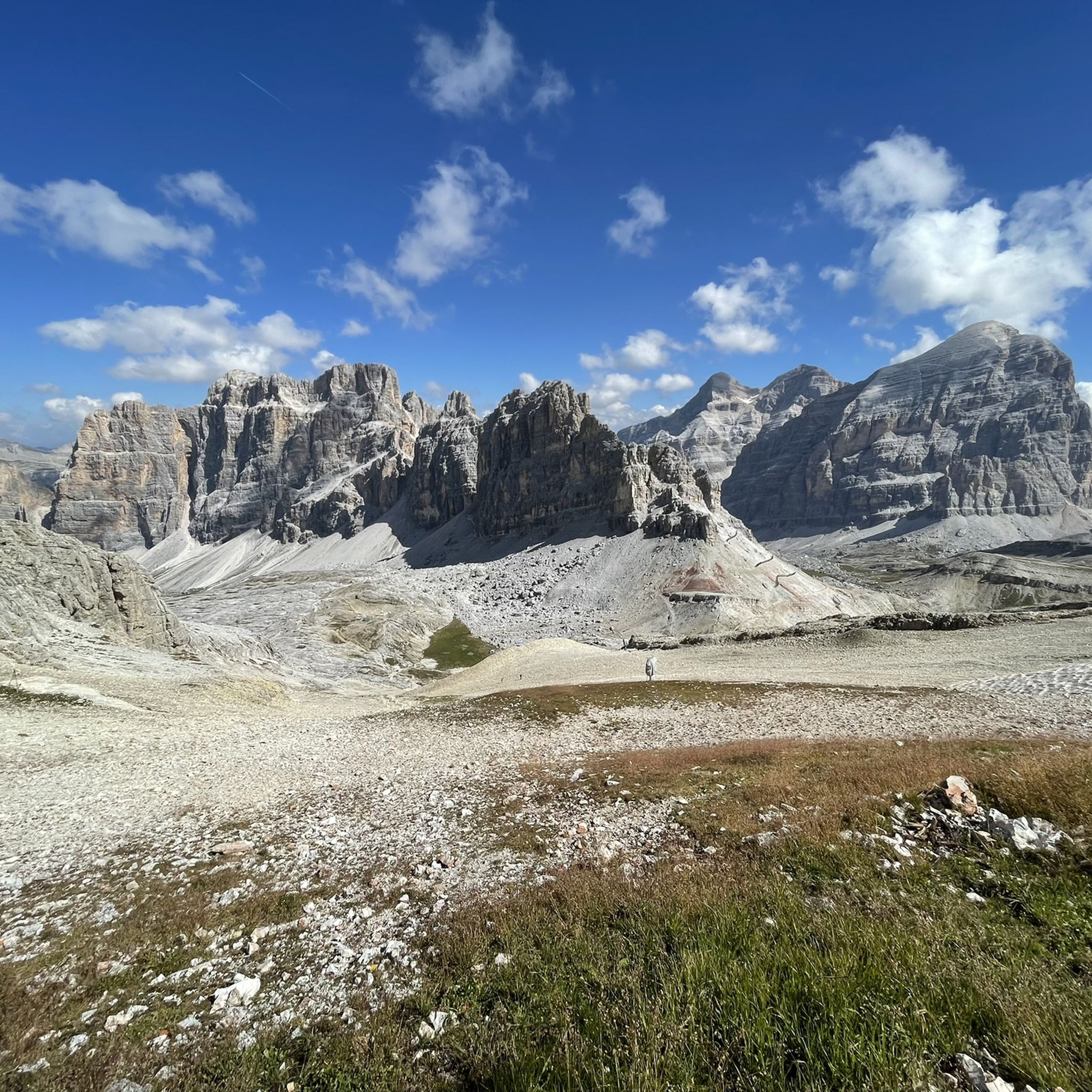
Hiking around Parco Naturale Regionale delle Dolomiti d’Ampezzo
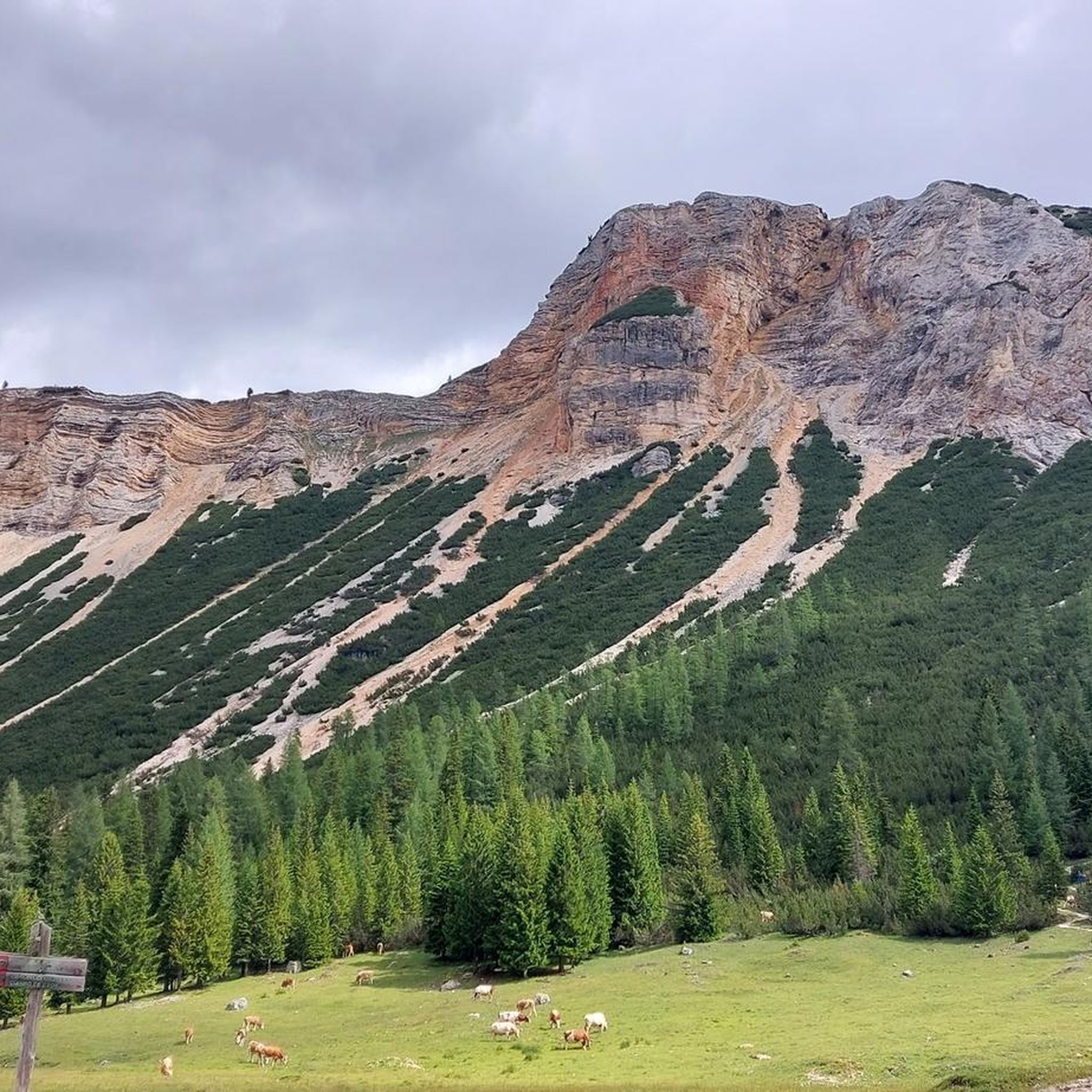
Road Cycling Routes around Parco Naturale Regionale delle Dolomiti d’Ampezzo
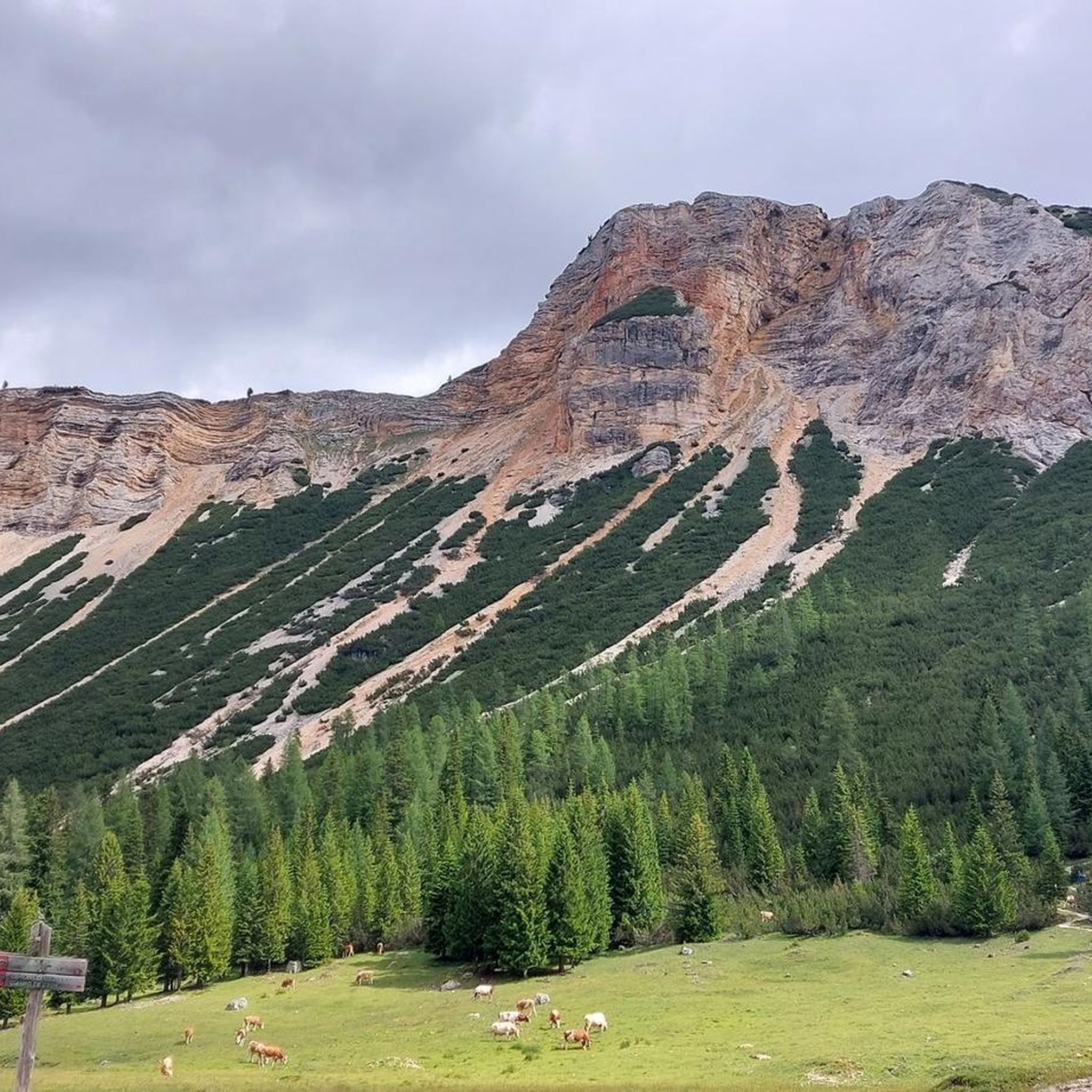
Cycling around Parco Naturale Regionale delle Dolomiti d’Ampezzo
Other adventures around Parco Naturale Regionale delle Dolomiti d’Ampezzo


Tips from the Community

magnificent view of the Dolomites
0
0

Located at 2,235 meters above sea level, at the foot of Mount Cristallo, the Son Forca refuge offers a remarkable panoramic view. From here, the view sweeps across the Cortina d'Ampezzo valley and the surrounding Dolomite peaks. It's easy to reach via the Rio Gere - Son Forca chairlift.
0
0

Refuge in a panoramic position reachable by chairlift or numerous paths for all levels of difficulty
1
0


The Rifugio Son Forca, at 2,235 m, is located in the Cortina d'Ampezzo basin, facing Monte Cristallo. It offers typical Ampezzo cuisine, a large panoramic terrace, and there are several rooms for overnight stays. Open both in summer and winter, I recommend checking availability on the refuge's website: https://rifugiosonforca.it/
2
0

Well-positioned high alpine pasture. Accessible via asphalt road, many hiking and biking opportunities from the pasture.
1
0

A must-see/stay cabin! Wide beds, warm shower, really good food and a 😎 team.
1
0

Located at an altitude of 1,695 metres, the Malga Ra Stua refuge serves as a farmhouse and mountain hut for grazing cattle and horses. The property can be reached by car via the state road that connects Cortina to Dobbiaco. During the months of July and August, the road is closed to vehicular traffic, but a paid shuttle service is available that leaves from Fiames. Known as a popular destination for both summer and winter excursions, the mountain hut offers delicious dishes, including Ra Stua tagliatelle with sausages and mushrooms, and chops with polenta and melted cheese. The menu also includes delicious desserts, including the classic sacher. The surroundings are lovely; the lush green meadows create a beautiful contrast with the mountainous backdrop. Running on these beaten paths is amazing.
2
0
Frequently Asked Questions
What are some of the most prominent mountain peaks in the Parco Naturale Regionale delle Dolomiti d’Ampezzo?
The region is home to several spectacular peaks. The Tofane Massif, including Tofana di Mezzo, Tofana di Dentro, and Tofana di Rozes, dominates the western side of Cortina d'Ampezzo. Other notable peaks include Monte Cristallo, known for its majestic appearance, and Croda Rossa d'Ampezzo, distinctive for its red-ochre color. The Nuvolau Group features peaks like Monte Averau and Monte Nuvolau, along with the iconic Son Forca Hut, which offers panoramic views.
Are there any family-friendly mountain peaks or accessible viewpoints in the Parco Naturale Regionale delle Dolomiti d’Ampezzo?
Yes, several areas offer easier access and family-friendly options. The Son Forca Hut, located at the foot of Mount Cristallo, is easily reachable via a chairlift and provides remarkable panoramic views. Malga Ra Stua is another accessible hut with tour possibilities, reachable via a long but not steep asphalt surface. The Cinque Torri area, while offering climbing, also has an open-air museum with preserved World War I trenches that can be explored by families.
What unique natural features can I expect to see among the mountain peaks in this region?
The Parco Naturale Regionale delle Dolomiti d’Ampezzo is characterized by dramatic limestone formations, extensive forests, karst plateaus, and distinctive needle formations. Peaks like Croda Rossa d'Ampezzo display a unique red-ochre tinge, especially at sunset. The area is also rich in flora, including rare species like the Dolomite Evergreen, and diverse wildlife such as ibex, chamois, and eagles.
What historical sites are associated with the mountain peaks in the Parco Naturale Regionale delle Dolomiti d’Ampezzo?
The region holds significant historical importance, particularly from World War I. Lagazuoi is renowned for its restored tunnels and trenches, offering a powerful historical experience alongside extensive panoramic views. The Cinque Torri area also features an open-air museum with preserved WWI trenches, providing a unique blend of natural beauty and historical insight.
What is the best time of year to visit the mountain peaks in the Parco Naturale Regionale delle Dolomiti d’Ampezzo?
The best time to visit for hiking and outdoor activities is generally from late spring to early autumn (June to September), when the weather is milder and trails are clear of snow. During this period, mountain huts are typically open, and cable cars operate. Winter offers opportunities for snow-based activities, but many trails become challenging or inaccessible.
Are there mountain huts or refuges available near the peaks for rest or accommodation?
Yes, the region has numerous mountain huts (rifugi) that provide rest, sustenance, and sometimes accommodation. Notable examples include Rifugio Nuvolau, Rifugio Averau, Rifugio Cinque Torri, Rifugio Scoiattoli, and Rifugio Lagazuoi. The Son Forca Hut is also a popular spot, offering typical Ampezzo cuisine and overnight stays.
What kind of outdoor activities can I do near the mountain peaks of Parco Naturale Regionale delle Dolomiti d’Ampezzo?
The area offers a wide range of outdoor activities. You can find numerous running trails, including challenging loops like the Cinque Torri – Nuvolau Hut loop. Cycling is also popular, with routes such as the E1 – Long Trail of the Dolomites by bike. For gravel biking, options like the Lake Dürrensee – View of Lake Dobbiaco loop are available. You can explore more options on the Running Trails, Cycling, and Gravel Biking guides for the region.
What do visitors enjoy most about the mountain peaks in the Parco Naturale Regionale delle Dolomiti d’Ampezzo?
Visitors frequently praise the breathtaking scenery, with rugged cliffs, jagged spires, and impressive massifs creating postcard-perfect views. The diverse activities, from easy walks to challenging climbs, cater to all levels. The unique blend of natural beauty and historical insight, particularly at sites like Lagazuoi and Cinque Torri, is also highly valued. Many appreciate the accessibility provided by cable cars and the hospitality of the mountain huts.
Are there any challenging hiking trails or climbs for experienced mountaineers?
Yes, the region offers challenging routes for experienced hikers and climbers. Tofana di Rozes is known for its significant south wall, attracting climbers. For experienced hikers, the ascent to Tofana di Mezzo offers exposed passages and panoramic views. The area also features various via ferrata routes and demanding treks that require good fitness and experience.
Can I access some of the higher peaks or viewpoints without extensive hiking?
Yes, several peaks and viewpoints are accessible via cable car. The "Freccia nel Cielo" cable car provides access to the summit of Tofana di Mezzo, offering panoramic views. The Lagazuoi cable car from Passo Falzarego takes you to the Lagazuoi Hut, providing extensive views and access to historical sites without a strenuous climb. The Son Forca Hut is also easily reached by chairlift.
What are some notable mountain passes in the Parco Naturale Regionale delle Dolomiti d’Ampezzo?
The region features several important mountain passes. The Cimabanche Pass connects the provinces of Belluno and Bolzano, linking Cortina d'Ampezzo with Dobbiaco. Another significant pass is Lerosa Pass, which offers stunning views of the Hohe Gaisl summit and Monte Cristallo, along with historical evidence of the Great War.
Most popular routes around Parco Naturale Regionale delle Dolomiti d’Ampezzo
Most popular attractions around Parco Naturale Regionale delle Dolomiti d’Ampezzo

Get inspired with the komoot mobile app


Explore more
See even more amazing summits around Parco Naturale Regionale delle Dolomiti d’Ampezzo with these guides:
