Attractions and Places To See around Parco Nazionale del Gran Sasso e Monti della Laga - Top 20
Best attractions and places to see around Parco Nazionale del Gran Sasso e Monti della Laga include a vast protected area spanning three Italian regions, characterized by diverse landscapes from towering peaks to serene plateaus. The park is home to the Gran Sasso d'Italia Massif, featuring Corno Grande, the highest peak in the Apennines, and the expansive Campo Imperatore plateau. Visitors can explore well-preserved medieval villages, numerous waterfalls in the Monti della Laga, and significant historical sites. This region offers a rich tapestry of natural beauty and cultural experiences.
Best attractions and places to see around Parco Nazionale del Gran Sasso e Monti della Laga
- The most popular attractions is Rocca Calascio Castle, a castle located at 1,460 meters above sea level. This medieval fortress is one of Italy's highest and offers panoramic views of the Gran Sasso group and the Plain of Navelli.
- Another must-see spot is Duca degli Abruzzi Hut, a hut situated at 2,388 meters on the crest of Monte Portella. It serves as a refreshment and overnight stay point for hikers, offering views of the "little Nepal" valley.
- Visitors also love Corno Grande Western Summit, the highest peak on the Italian Peninsula at 2,912 meters. It is part of the Gran Sasso massif and features Europe's southernmost glacier, Ghiacciaio del Calderone.
- Parco Nazionale del Gran Sasso e Monti della Laga is known for its mountain summits, historical castles, and mountain huts. The region offers a variety of natural monuments, viewpoints, and historical sites to see and explore.
- The attractions around Parco Nazionale del Gran Sasso e Monti della Laga are appreciated by the komoot community, with 264 upvotes and 231 photos shared by visitors.
Last updated: July 6, 2026
Corno Grande Western Summit
Highlight • Summit
You can hike it as a loop, following the 'direttissima' sign going up, and the main trail coming down. Also helps to avoid the weekend crowds in the morning ;-) Campo Imperatore is the starting point komoot.de/tour/3906922
Tip by

Campo Imperatore
Highlight • Natural Monument
Showing Translation
Tip by

Sign up now to discover places like this
Get recommendations on the best single tracks, peaks, & plenty of other exciting outdoor places.
Sign up for free
Duca degli Abruzzi Hut
Highlight • Mountain Hut
Translated by Google •
Tip by

Abruzzo Astronomical Observatory
Highlight • Monument
Historical tidbit: one of the observatory's most important telescopes has a remarkable history. The AZT-24 infrared telescope was originally intended as a gift from Adolf Hitler to Benito Mussolini during World War II and was known as the "Mussolini telescope." However, due to the fall of the fascist regime, the telescope was never delivered. After the war, the instrument was taken by the Soviet Union to the Pulkovo Observatory. It wasn't until after the end of the Cold War that the telescope returned to Italy, where it finally found a permanent home on Campo Imperatore in 1997.
The observatory also played an important role in modern astronomy. Between 2001 and 2004, during the CINEOS project, scientists discovered more than 1,500 new asteroids, including several so-called Near-Earth Objects that approach Earth's orbit. Thus, Campo Imperatore is not only one of the most beautiful places to stargaze but also a location that makes a significant contribution to the research of our solar system and the monitoring of potential space risks.
Showing Translation
Tip by
Our Lady of Pity
Highlight • Religious Site
Translated by Google •
Tip by

Sign up for free to discover even more attractions around Parco Nazionale del Gran Sasso e Monti della Laga.
Sign up for free
Already have an account?
Start today with a free account
Your next adventure awaits.
Login or Signup
Popular around Parco Nazionale del Gran Sasso e Monti della Laga
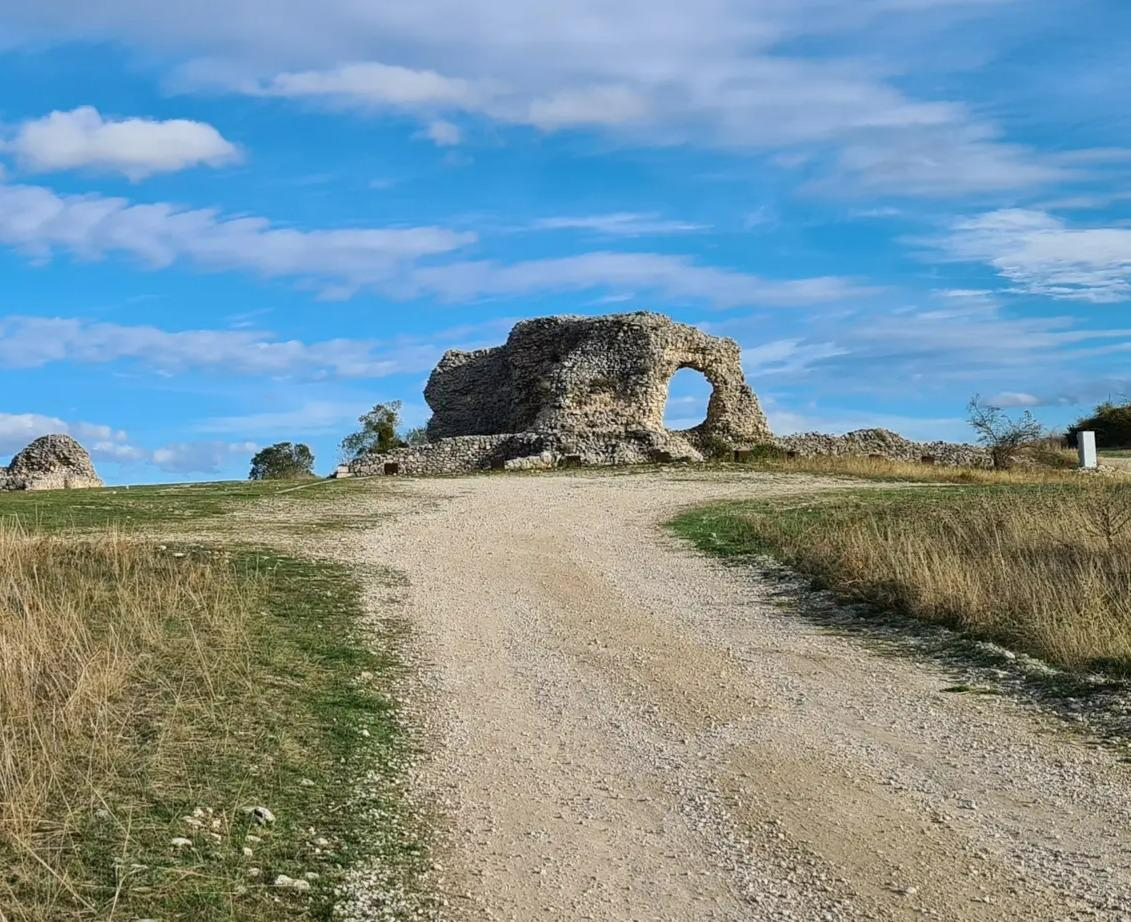
Tratturo Magno – On the roads of transhumance
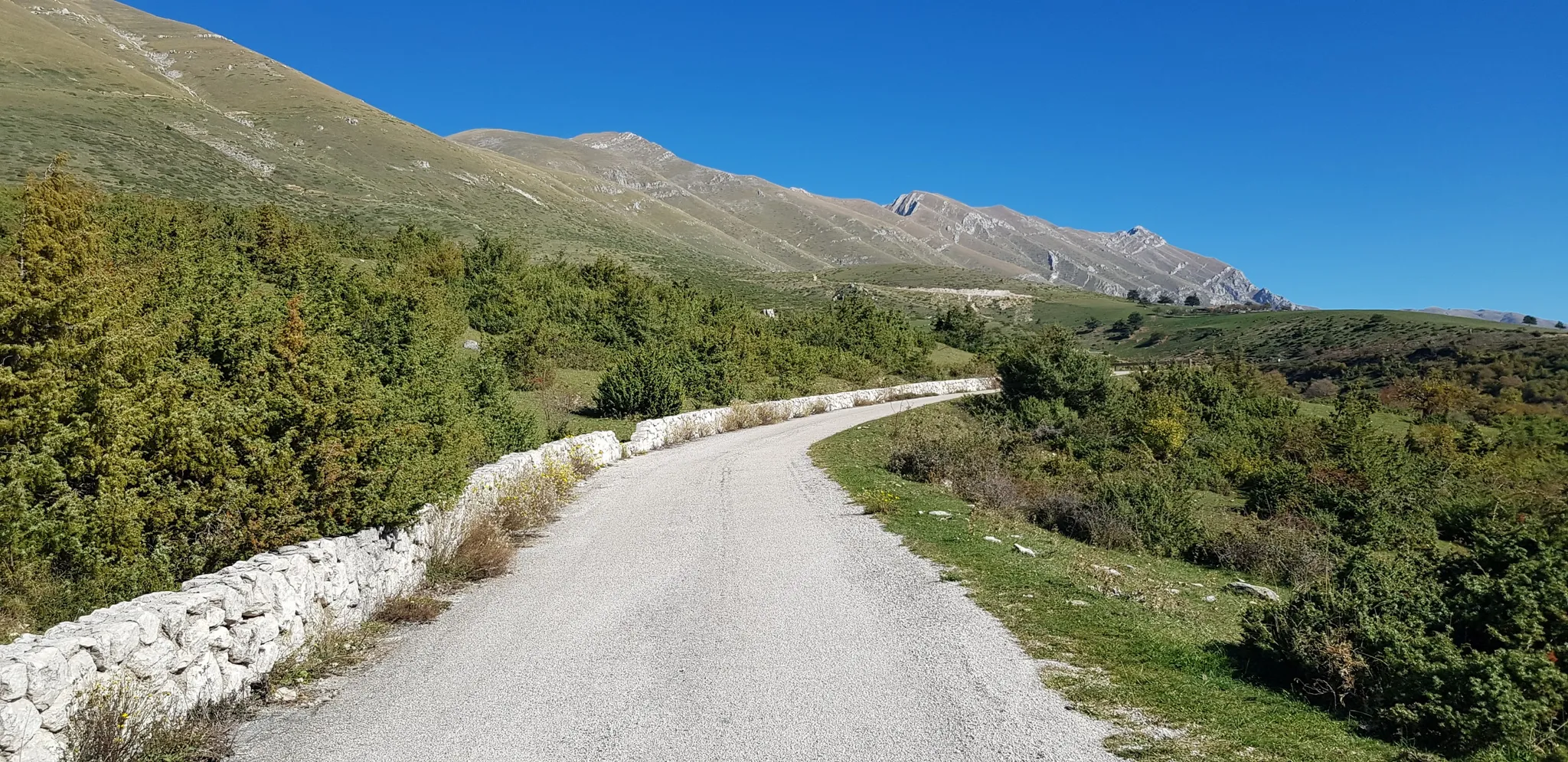
The Apennine Cycleway (Part 2) - From Umbria to Calabria
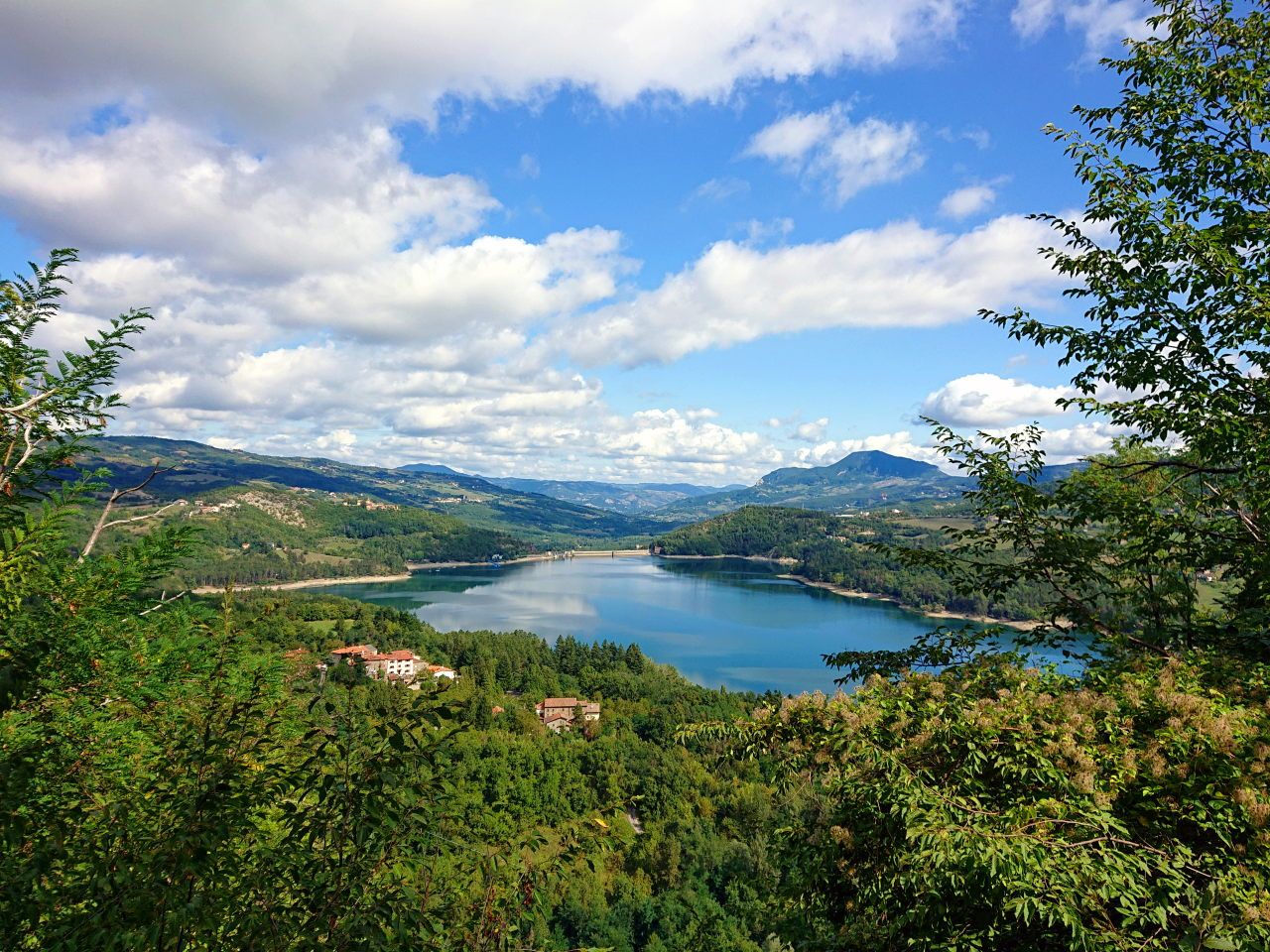
Interiora - A Journey into the Remote Areas of Italy
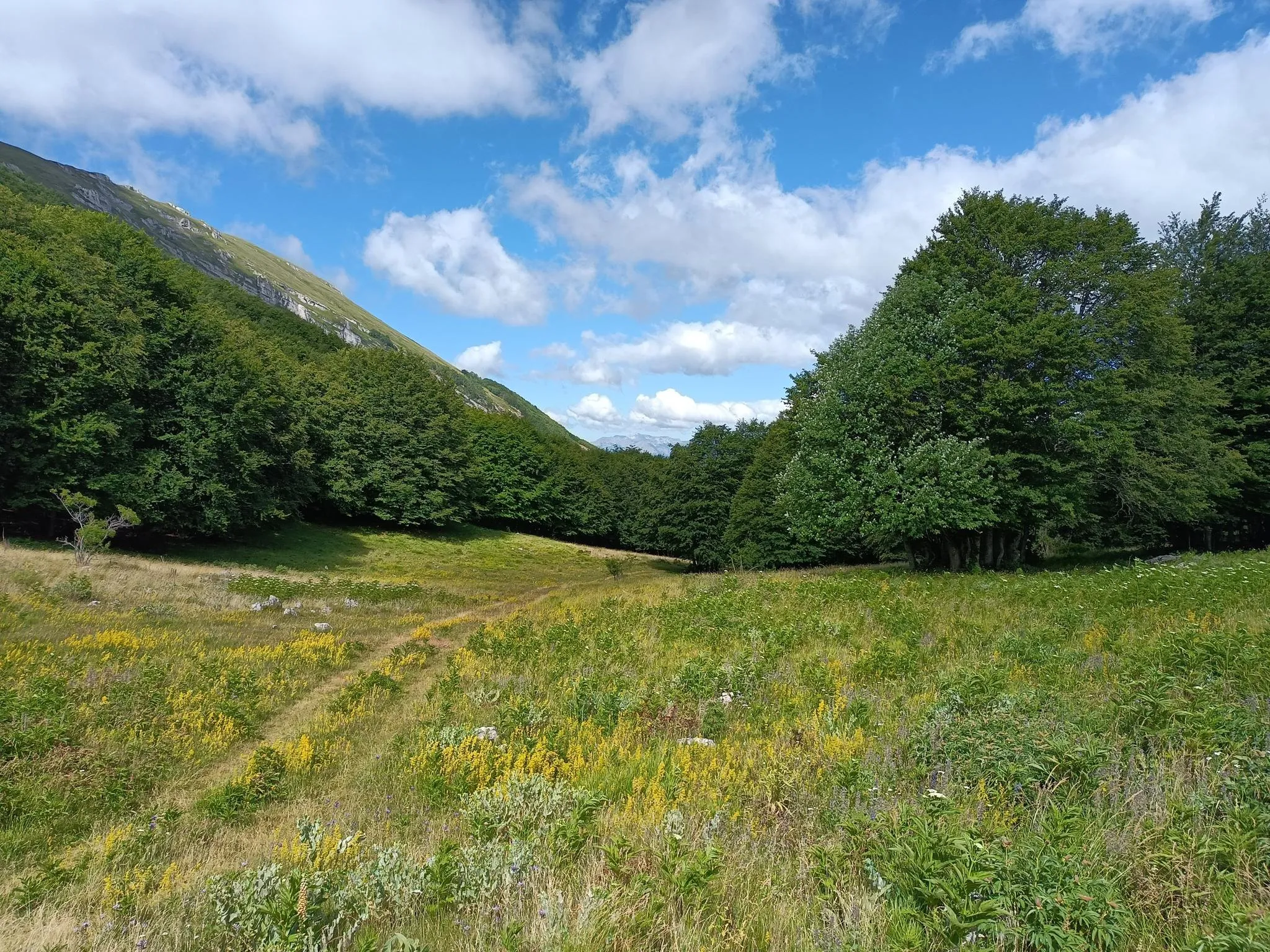
Natural Park Walk – part 4 from Accumoli to L'Aquila
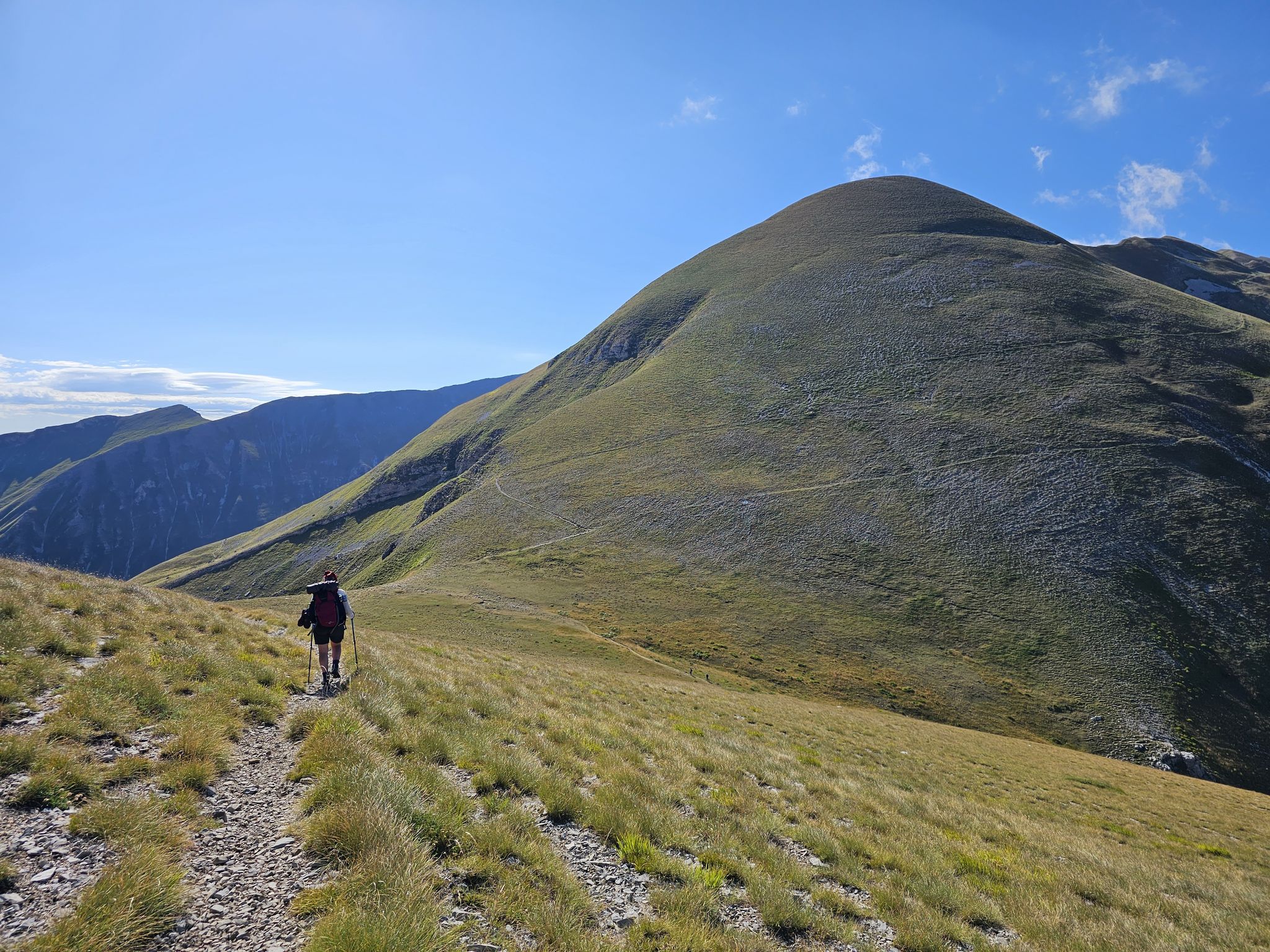
The Sibillini Mountains to Gran Sasso – the Great Apennine Crossing
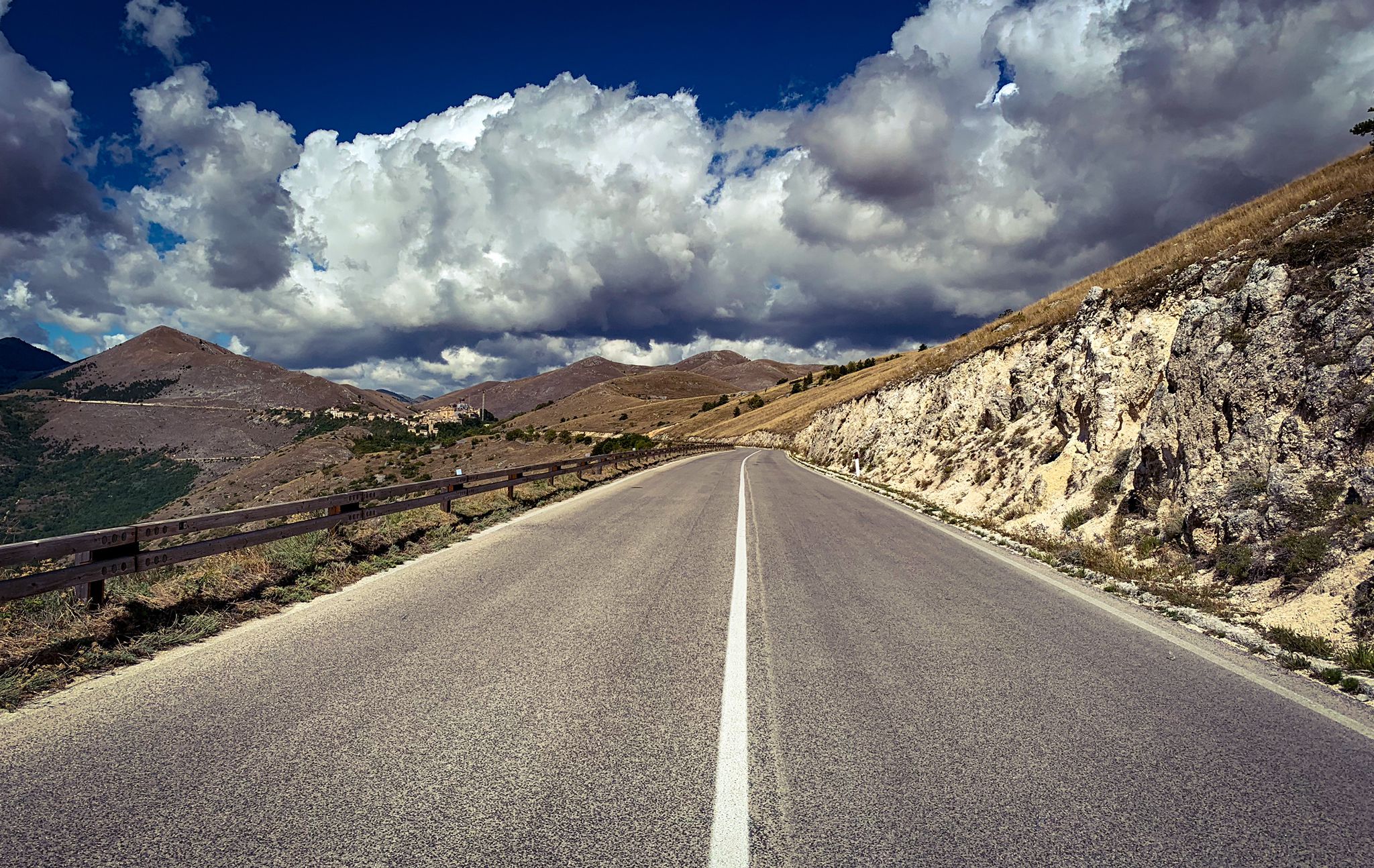
The Apennines to the Adriatic – cycling to discover Abruzzo
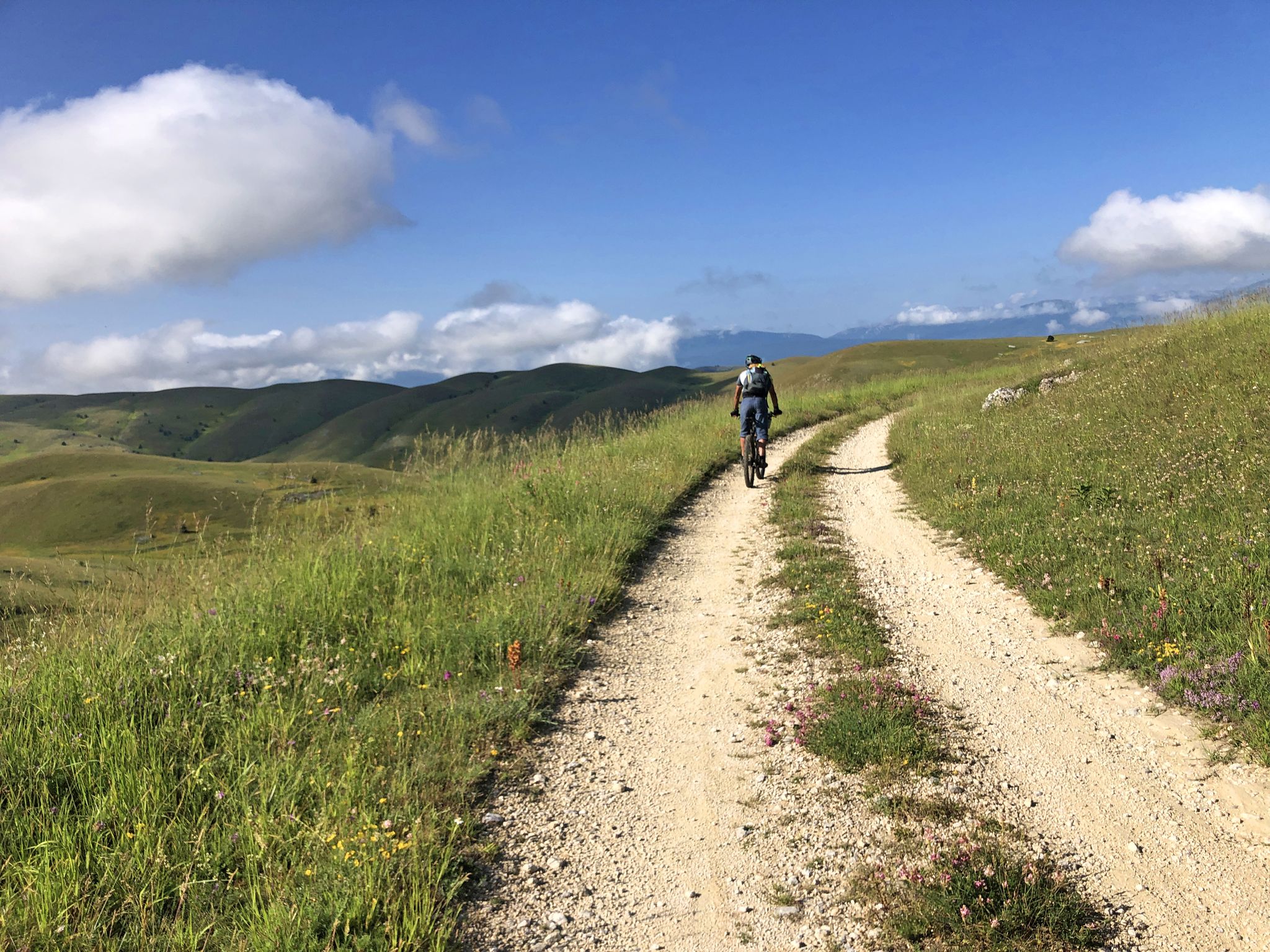
The Adriatic Sea to Gran Sasso – MAGS Abruzzo Trail 2023
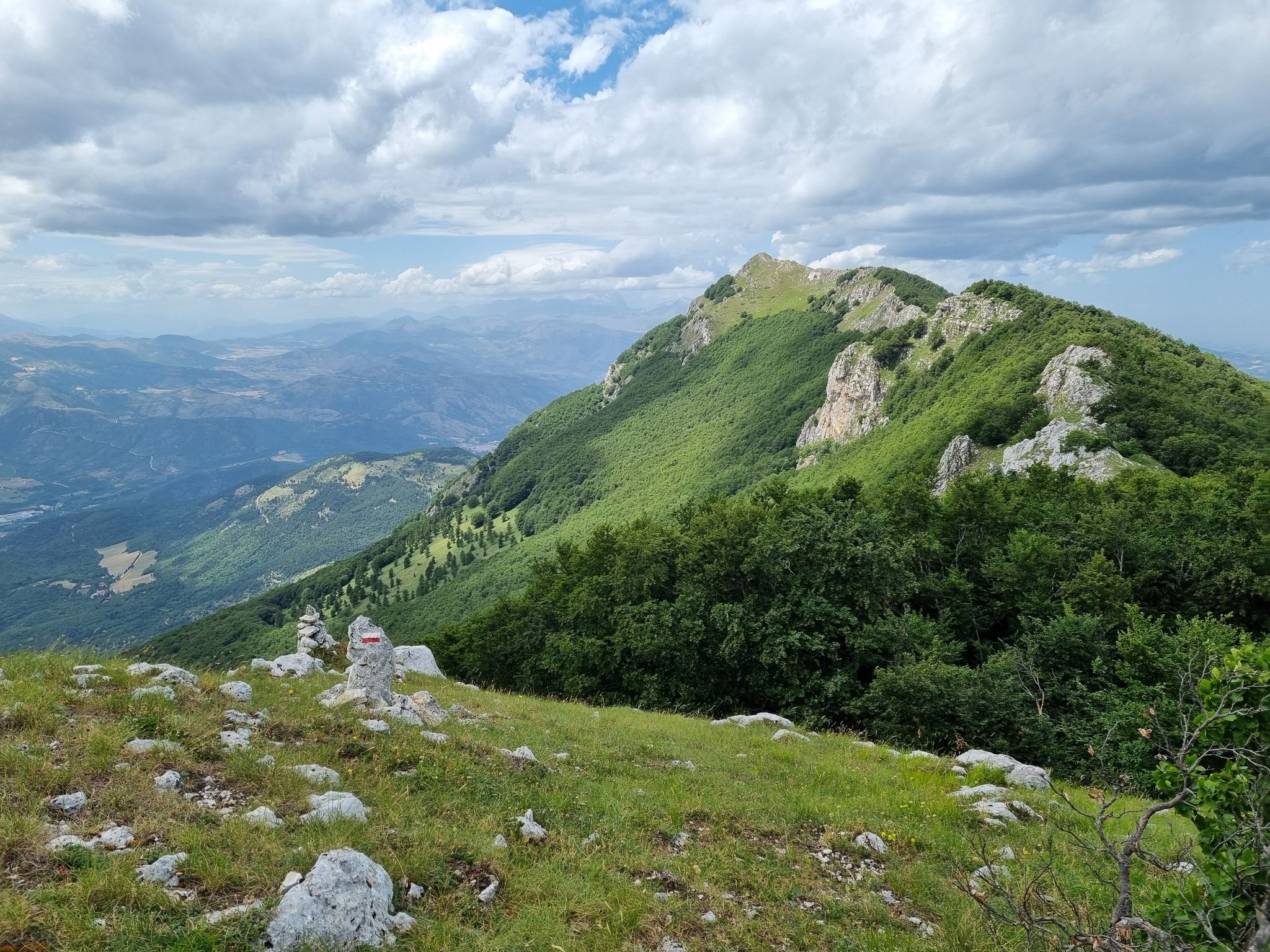
Through the green lungs of Abruzzo – Sentiero Italia
A journey through changed lands – Cammino nelle Terre Mutate
Bikepacking the Wolf's Lair – through Abruzzo in southern Italy
Other adventures around Parco Nazionale del Gran Sasso e Monti della Laga


Tips from the Community

The Funivia del Gran Sasso d'Italia (the cable car to Campo Imperatore) was originally opened in 1934 and was recently reopened on June 15, 2026, after a period of significant maintenance. The cable car connects the valley station in Fonte Cerreto (Assergi, at 1,117 meters) with the Campo Imperatore plateau (at 2,130 meters). The cable car to Campo Imperatore has a rich history. The first installation was built in 1934 during the reign of Benito Mussolini and was considered a technical masterpiece and one of the longest cable cars in the world at the time. It also played a role in the spectacular liberation of Mussolini during World War II. The original cabins remained in use until 1985. After a complete modernization, the current cable car was put into operation in 1988. With two cabins for 100 passengers each, it covers a distance of over 3 kilometers and an altitude difference of 1,013 meters in just seven minutes. Following extensive safety works, including the replacement of the support cables, the cable car has been fully operational again since June 2026. Opening hours: During the summer season (until the end of August 2026), the cable car to Campo Imperatore is open daily from 07:30 to 19:30. The cabins depart every 30 minutes. Please note that in case of strong winds or other extreme weather conditions, the cable car may be temporarily taken out of service to ensure the safety of travelers.
4
0
Campo Imperatore is one of Italy's most impressive natural areas. This vast, treeless high plain at an altitude of approximately 2,000 meters is not called 'Little Tibet' for nothing. Surrounded by the rugged peaks of the Gran Sasso massif, it offers a spectacular setting for hikers of all levels. From relaxed walks across the rolling plateau between grazing sheep and horses to challenging climbs of Monte Aquila, the Rifugio Duca degli Abruzzi, or even Corno Grande (2,912 m), the highest peak in the Apennines. Thanks to accessibility by car or cable car, you can start your hike right in the middle of the high mountains, with breathtaking panoramas along the way and a landscape that has served as a backdrop for countless films.
5
0
The Abruzzo Astronomical Observatory on Campo Imperatore, officially the Stazione Osservativa di Campo Imperatore, is one of Italy's most special observatories, located at an altitude of 2,150 meters. Since its opening in 1965, astronomers here have benefited from exceptionally clear nights. Thanks to a natural phenomenon, thermal inversion, clouds and artificial light often remain trapped in the valleys, making the night sky above the plateau remarkably dark and clear. Historical tidbit: one of the observatory's most important telescopes has a remarkable history. The AZT-24 infrared telescope was originally intended as a gift from Adolf Hitler to Benito Mussolini during World War II and was known as the "Mussolini telescope." However, due to the fall of the fascist regime, the telescope was never delivered. After the war, the instrument was taken by the Soviet Union to the Pulkovo Observatory. It wasn't until after the end of the Cold War that the telescope returned to Italy, where it finally found a permanent home on Campo Imperatore in 1997. The observatory also played an important role in modern astronomy. Between 2001 and 2004, during the CINEOS project, scientists discovered more than 1,500 new asteroids, including several so-called Near-Earth Objects that approach Earth's orbit. Thus, Campo Imperatore is not only one of the most beautiful places to stargaze but also a location that makes a significant contribution to the research of our solar system and the monitoring of potential space risks.
4
0
OPENING HOURS, always useful to know before you go up! Rifugio Duca degli Abruzzi is open daily for the summer season. The opening hours and seasons are arranged as follows: summer season (continuously open) Period: From June 15 to the end of September, the mountain hut is open non-stop every day. Daytime (kitchen/bar): You can usually go there from approx. 08:30 to 17:00 for drinks, snacks, and lunch. Overnight stay: If you have booked an overnight stay in advance, you can join for dinner in the evening. Autumn, Winter & Spring (limited opening) Period: from October to May. Days: The hut is then in principle only open on weekends (Friday evening to Sunday afternoon), provided the weather and snow conditions allow it safely. Closure: the hut often closes completely in the month of November due to the start of the heavy winter snowfall. Important to know: because the mountain hut is located at an altitude of almost 2400 meters, the opening hours are always dependent on the weather. In case of heavy storms, dense fog, or sudden snowfall, the hut may remain unexpectedly closed. Do you want to be sure whether the manager is present or do you want to book a place to sleep? Check the current status via the official CAI Booking Platform or contact the managers directly via +39 388 186 7703.
4
0
Rifugio Duca degli Abruzzi is located at an altitude of 2,388 meters on Monte Portella and is one of the most beautiful viewpoints in the Gran Sasso massif. The mountain hut, built in 1908 by the Italian Alpine Club (CAI), is named after the famous explorer and mountaineer Luigi Amedeo of Savoy. From the terrace, you can enjoy a spectacular 360° panorama over the Campo Imperatore plateau, the imposing Corno Grande – the highest peak in the Apennines at 2,912 meters – and the rugged Val Maone. The relatively short hike to the hut immediately offers a real high-mountain feeling and is an ideal stopover for lunch or an espresso, but also serves as a starting point for more challenging climbs. Historical fact: just below the mountain hut lies the Hotel Campo Imperatore, where Benito Mussolini was held captive in 1943. From this area, he looked out over the endless peaks of the Apennines until he was freed by a glider during the spectacular German rescue operation, Operation Oak. This combination of impressive nature, mountaineering history, and a remarkable chapter from World War II makes a visit to Rifugio Duca degli Abruzzi extra memorable.
4
0

small church in Abruzzo at 1400m
0
0

The Normal Route is a fairly simple route, except for the last 400 meters, the gully and the ridge, which, being EEA grade (expert equipped hikers), require considerable physical strength and technique. Mountaineering boots are also required, and a helmet is recommended. Since the ridge is also quite technical, it is absolutely not suitable for those with a fear of heights, the elderly, children, or anyone without mountaineering experience.
3
0

When walking around the Rocca Calascio you pass this little church, which is uniquely situated in the barren landscape of Abruzzo.
0
0
Frequently Asked Questions
What are some of the most impressive natural features to explore in Parco Nazionale del Gran Sasso e Monti della Laga?
The park boasts diverse natural wonders. You can visit the expansive Campo Imperatore plateau, often called "Little Tibet," offering breathtaking views and a starting point for treks. The Monti della Laga area is known for its numerous waterfalls, streams, and dense forests. Don't miss Lake Campotosto, a large artificial lake popular for outdoor activities, or the dramatic Gorges of Salinello.
Where can I find historical sites and medieval architecture within the park?
The region is rich in history. The iconic Rocca Calascio Castle, one of Italy's highest fortresses, offers panoramic views and a glimpse into medieval times. You can also explore well-preserved medieval villages like Castel del Monte, Santo Stefano di Sessanio, and Pietracamela, all recognized among Italy's "Most Beautiful Villages." The historic center of Civitella del Tronto with its 10th-century fortress is also a significant site.
Are there family-friendly activities or attractions in the Parco Nazionale del Gran Sasso e Monti della Laga?
Yes, there are several options for families. The Stiffe Caves offer an exciting underground river system exploration. In Assergi, you'll find the Gran Sasso Adventure Park. Lake Campotosto provides opportunities for easy walks, cycling, and birdwatching. Many of the park's less strenuous hiking trails are also suitable for families.
What kind of hiking trails are available, and where can I find them?
The park offers an extensive network of trails ranging from easy walks to challenging mountaineering routes. For demanding ascents, consider routes to Corno Grande Western Summit, the highest peak in the Apennines. Moderate hikes can be found around Campo Imperatore or leading to the Duca degli Abruzzi Hut. For more detailed information on various hiking options, including difficulty levels, you can explore the Hiking around Parco Nazionale del Gran Sasso e Monti della Laga guide.
What is the best time of year to visit Parco Nazionale del Gran Sasso e Monti della Laga?
The best time to visit largely depends on your planned activities. For hiking and mountaineering, late spring (May-June) and early autumn (September-October) offer pleasant temperatures and fewer crowds. Summer (July-August) is ideal for enjoying the high-altitude plateaus like Campo Imperatore, though it can be busier. Winter brings opportunities for snow sports and photography, especially around Lake Campotosto when it freezes.
Are there any challenging treks for experienced hikers in the region?
Absolutely. The Gran Sasso massif is renowned for its challenging routes. The ascent to Corno Grande Western Summit, the highest peak, is a demanding but rewarding experience. Other challenging trails include those around Monte Aquila and various mountaineering routes detailed in the Mountain Hikes around Parco Nazionale del Gran Sasso e Monti della Laga guide.
What cultural experiences can I find beyond natural attractions?
Beyond the stunning landscapes, you can delve into the region's rich cultural history. Explore the traditional crafts in artisan shops in the medieval villages. The Navelli Plateau is particularly famous for its saffron cultivation, offering a unique local experience. You can also savor the local cuisine, known for its delicious cheeses and salamis.
Can I go cycling or mountain biking in the Parco Nazionale del Gran Sasso e Monti della Laga?
Yes, the park offers excellent opportunities for cycling and mountain biking. The expansive landscapes of Campo Imperatore and the surrounding areas are popular for gravel biking. You can find various routes, including loops around Castel del Monte and Santo Stefano di Sessanio. For specific routes and difficulty levels, check out the Gravel biking around Parco Nazionale del Gran Sasso e Monti della Laga guide.
What do visitors enjoy most about the attractions in Parco Nazionale del Gran Sasso e Monti della Laga?
Visitors frequently praise the breathtaking panoramic views, especially from high points like Rocca Calascio Castle and the Duca degli Abruzzi Hut. The sense of immersion in pristine nature, the challenging yet rewarding hikes, and the charm of the well-preserved medieval villages are also highly appreciated. Many are captivated by the unique geological features and the rich biodiversity.
Are there any less crowded attractions or hidden viewpoints in the park?
While popular spots like Campo Imperatore and Rocca Calascio can attract visitors, the vastness of the park allows for quieter exploration. The more rugged and less accessible areas of the Monti della Laga, with their numerous waterfalls and dense forests, often offer a more secluded experience. Exploring some of the smaller medieval villages away from the main tourist routes can also provide a peaceful cultural immersion.
What types of wildlife can I expect to see in the Parco Nazionale del Gran Sasso e Monti della Laga?
The park is a haven for biodiversity. Keep an eye out for rare animals such as the Apennine chamois, the elusive Apennine wolf, and majestic golden eagles soaring overhead. The diverse flora includes over 2,000 plant species, some of which are unique to this protected area.
Where can I find accommodation or places to eat near the attractions?
Accommodation and dining options are available in and around the park's villages. Mountain huts like the Duca degli Abruzzi Hut offer refreshment and overnight stays for hikers. Many of the medieval villages, such as Castel del Monte and Santo Stefano di Sessanio, have local restaurants and guesthouses where you can experience traditional cuisine and hospitality.
Most popular routes around Parco Nazionale del Gran Sasso e Monti della Laga
Most popular attractions around Parco Nazionale del Gran Sasso e Monti della Laga

Get inspired with the komoot mobile app


Explore more
Still not found the Highlight you’re looking for? See guides of the top attractions in other regions:
