The best MTB trails around Montesinho
4.1
(29)
265
riders
44
rides
Montesinho mountain bike trails traverse a wild and rural landscape in northeast Portugal, characterized by deep valleys, expansive hills, and rolling heather-clad terrain. The region features dense oak forests, ancient chestnut groves, and riparian galleries along crystal-clear streams and rivers. Schist and granite bedrock contribute to the distinctive geological formations, offering varied surfaces for mountain biking.
Best mountain bike trails around Montesinho
- The most popular mountain bike trail is Ring tour in Parco Naturale di Montesinho, a 11.8 miles…
Last updated: August 17, 2026
4.5
(2)
5
riders
19.1km
01:48
360m
360m
Moderate mountain bike ride. Good fitness required. Suitable for all skill levels.
5.0
(1)
2
riders
48.7km
04:48
1,120m
1,130m
This difficult 30.2-mile mountain bike route in Montesinho Natural Park offers wild landscapes and panoramic views, requiring advanced skill

Sign up for free
2
riders
65.7km
06:28
1,580m
1,580m
Hard mountain bike ride. Very good fitness required. Suitable for all skill levels.
5
riders
60.5km
06:03
1,430m
1,430m
Hard mountain bike ride. Very good fitness required. Suitable for all skill levels.
3
riders
Hard mountain bike ride. Very good fitness required. Suitable for all skill levels.
Get access to more routes and recommendations from other explorers.
Sign up for free
Already have an account?
Our route recommendations are based on thousands of hikes, rides, and runs completed by other people on komoot.
Start today with a free account
Your next adventure awaits.
Login or Signup
Tips from the Community


Rio de Onor is not just a beautiful village; it's a "living museum" of a way of life that has almost disappeared in Europe. It's worth visiting because it is possibly the village with the most fascinating social history in Portugal. Here are the 4 main reasons to go there: 1. It's a Community Village ("Communitarianism") This is Rio de Onor's great trademark. For centuries, the village lived under a system of total sharing among neighbors, something very rare: Sharing of Goods: The bread oven, the watermill, and even the village bull belonged to everyone. The "Rod of Justice": Decisions and fines for infractions in the village were marked on a wooden rod, managed by the "judge" elected by the people. You can see this history explained at the Casa do Touro (House of the Bull), a small, unmissable museum in the village. 2. One Village, Two Countries Rio de Onor is a village bisected by the international border. On this side is Rio de Onor (Portugal); on the other side is Rihonor de Castilla (Spain). For the inhabitants, the border never really existed: they share land, livestock, and even speak their own dialect (Rionorês), an ancient mixture of Portuguese and Castilian. It's very curious to cross from one country to the other on foot in the middle of the main street. 3. The Schist Landscape and Nature Located in the Montesinho Natural Park, the village is visually stunning. The houses are made of dark schist with wooden balconies, typical of Trás-os-Montes, and are very well preserved. The Onor River, which crosses the village, has clear waters and creates a very pleasant natural river beach in the summer, perfect for picnics. 4. The "Roman" Bridge The old stone bridge (which is actually from the 19th century, despite its popular name) is the village's postcard image. The reflection of the arches in the water with the schist houses in the background creates one of the most photogenic landscapes in Northern Portugal. Visiting Rio de Onor is like stepping back in time and understanding how communities survived in isolation in the mountains, supporting each other. It's a lesson in life and history in an incredible natural setting.
2
0

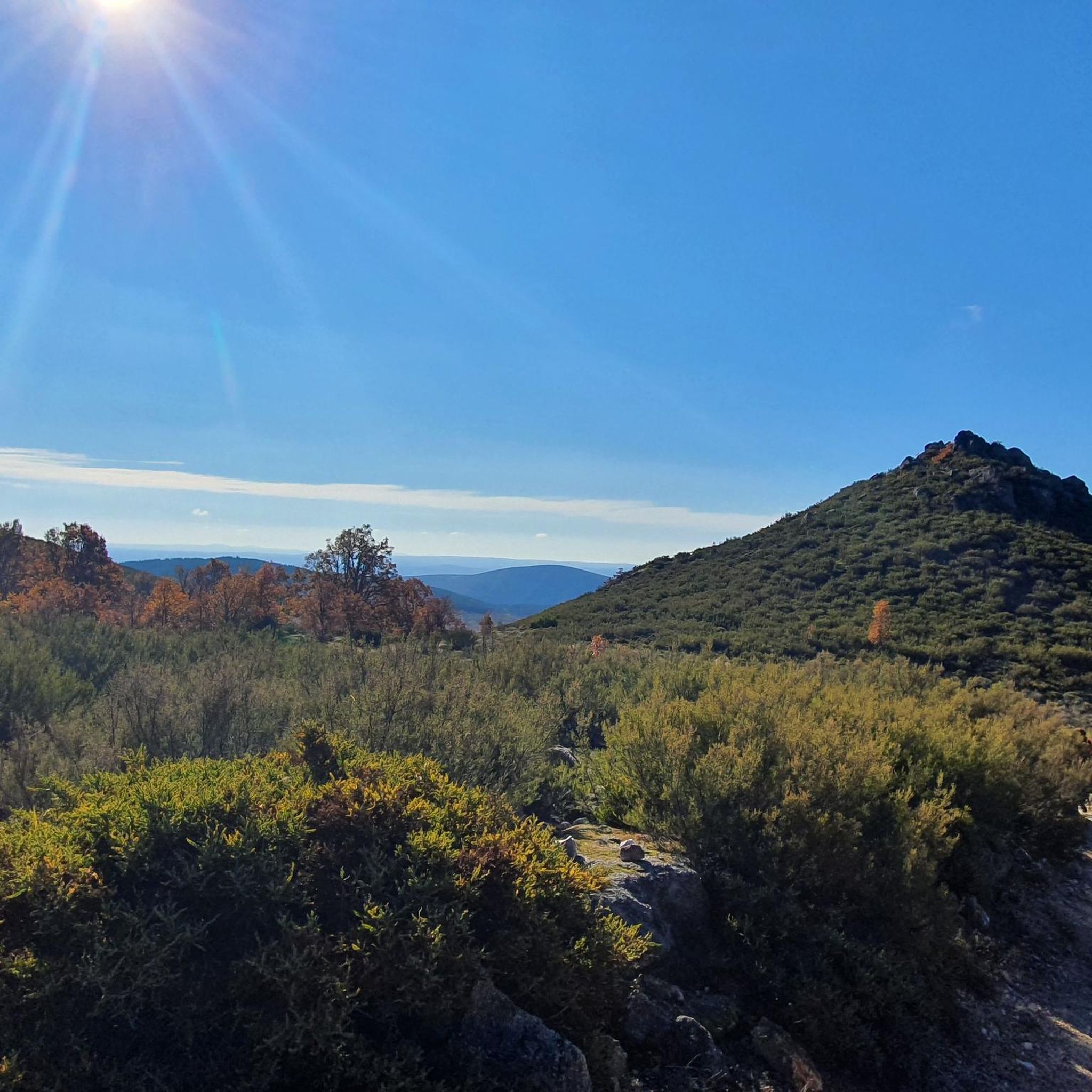
Here you cycle in a rural and mountainous environment, where the peaks follow one another as far as the eye can see. The road passes through deep valleys and rolling hills covered with varied vegetation. In the distance, the silhouettes of the mountains create layers of shades of blue and gray that blend with the sky, especially with the soft light of sunrise or sunset.
0
0
Here you can sit on comfortable benches and appreciate a splendid and vast landscape. The view extends over the surrounding nature of Vinhais, characterized by the dominant presence of oaks (carvalho) and large natural areas.
0
0
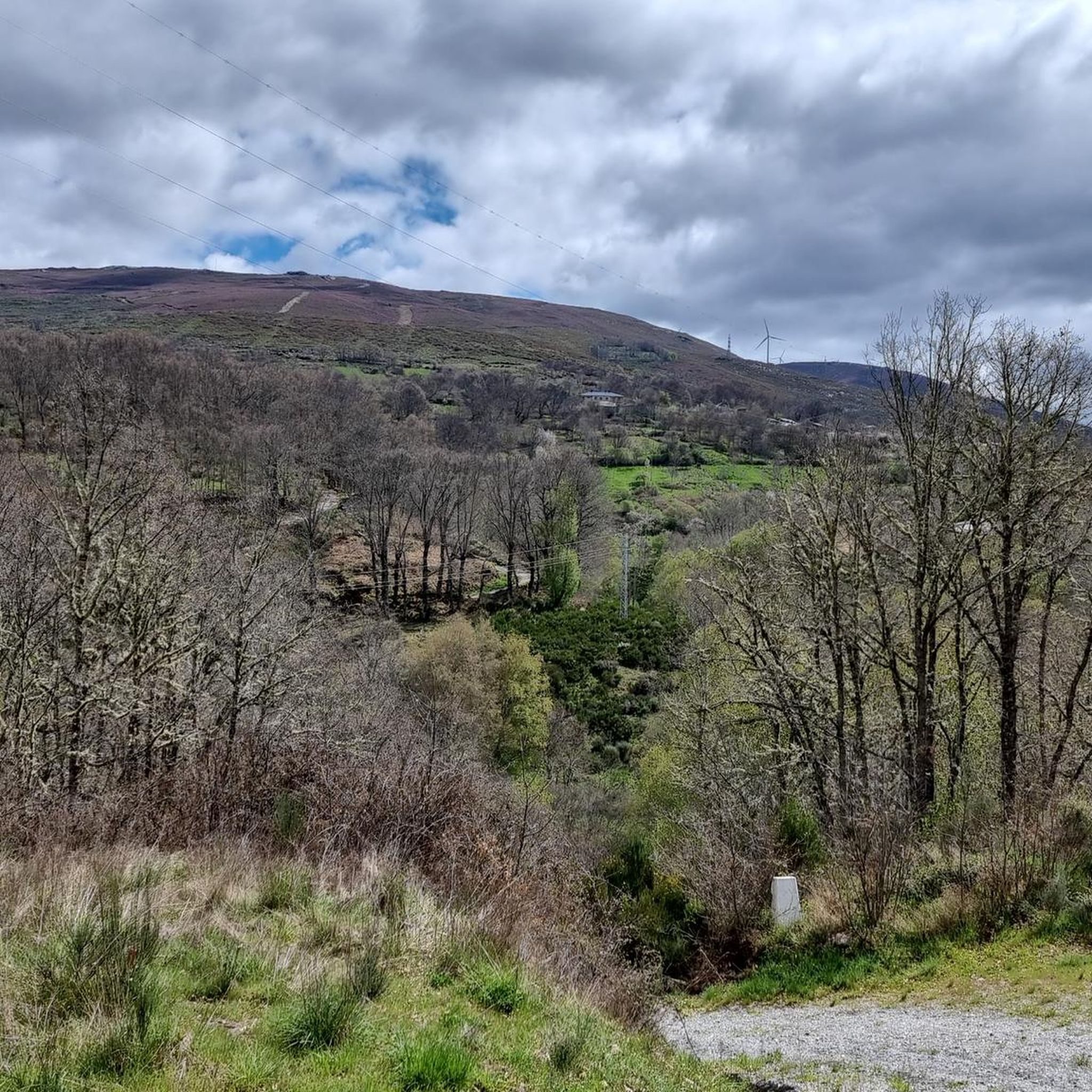
Moimenta is a small village with small stone houses. It is located in the Montesinho Natural Park, a sparsely populated area with panoramic views of the Gamoneda mountains in Spain and the Tuela River valley.
0
0
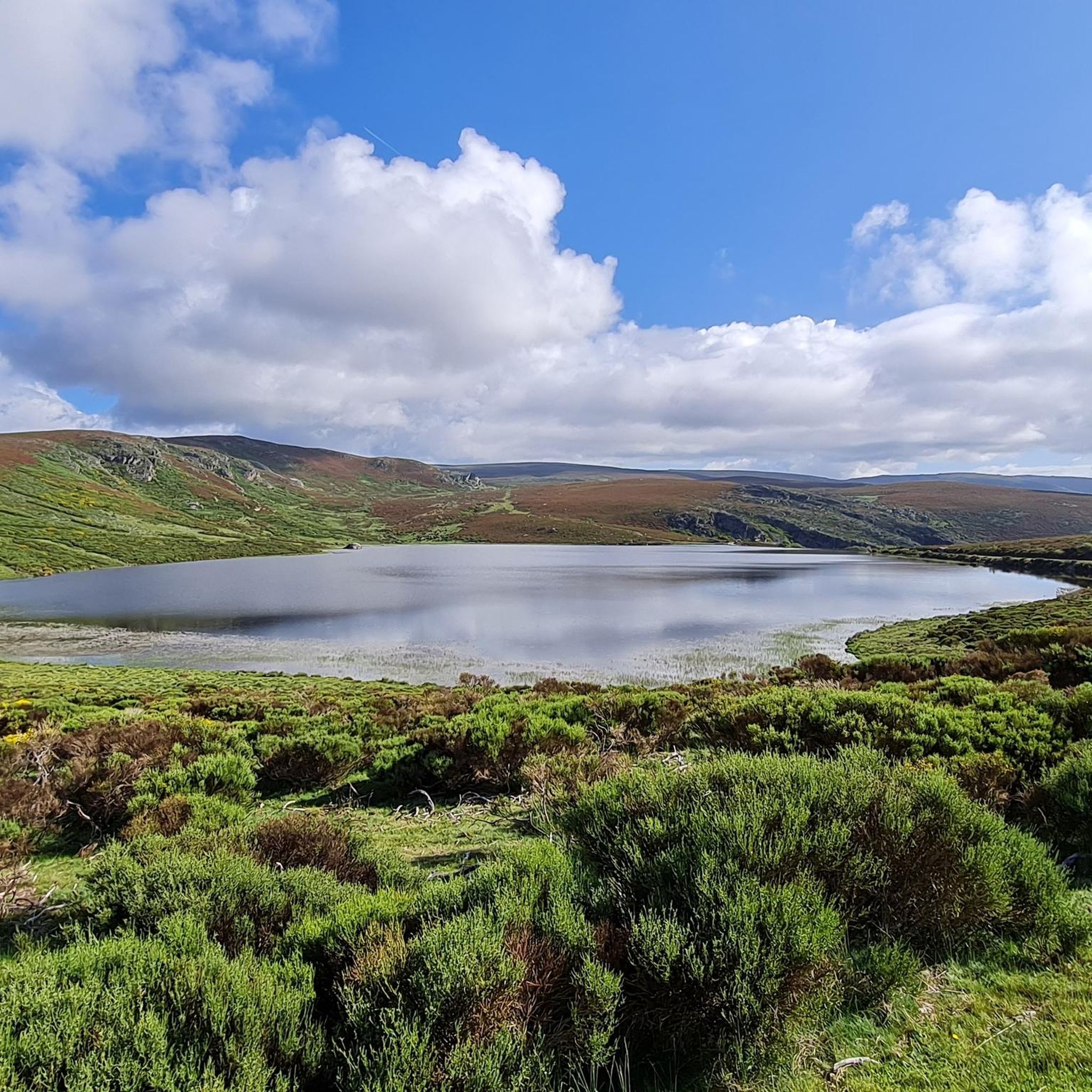
Amid the arid and gentle mountains of the hinterland, this wide road crosses the border between Spain and Portugal.
0
0
The Vinhais Biological Park is a protected natural area and conservation center located in the municipality of Vinhais, in northern Portugal, within the Montesinho Natural Park. This park plays an important role in the conservation of local biodiversity and in the promotion of environmental education.
0
0

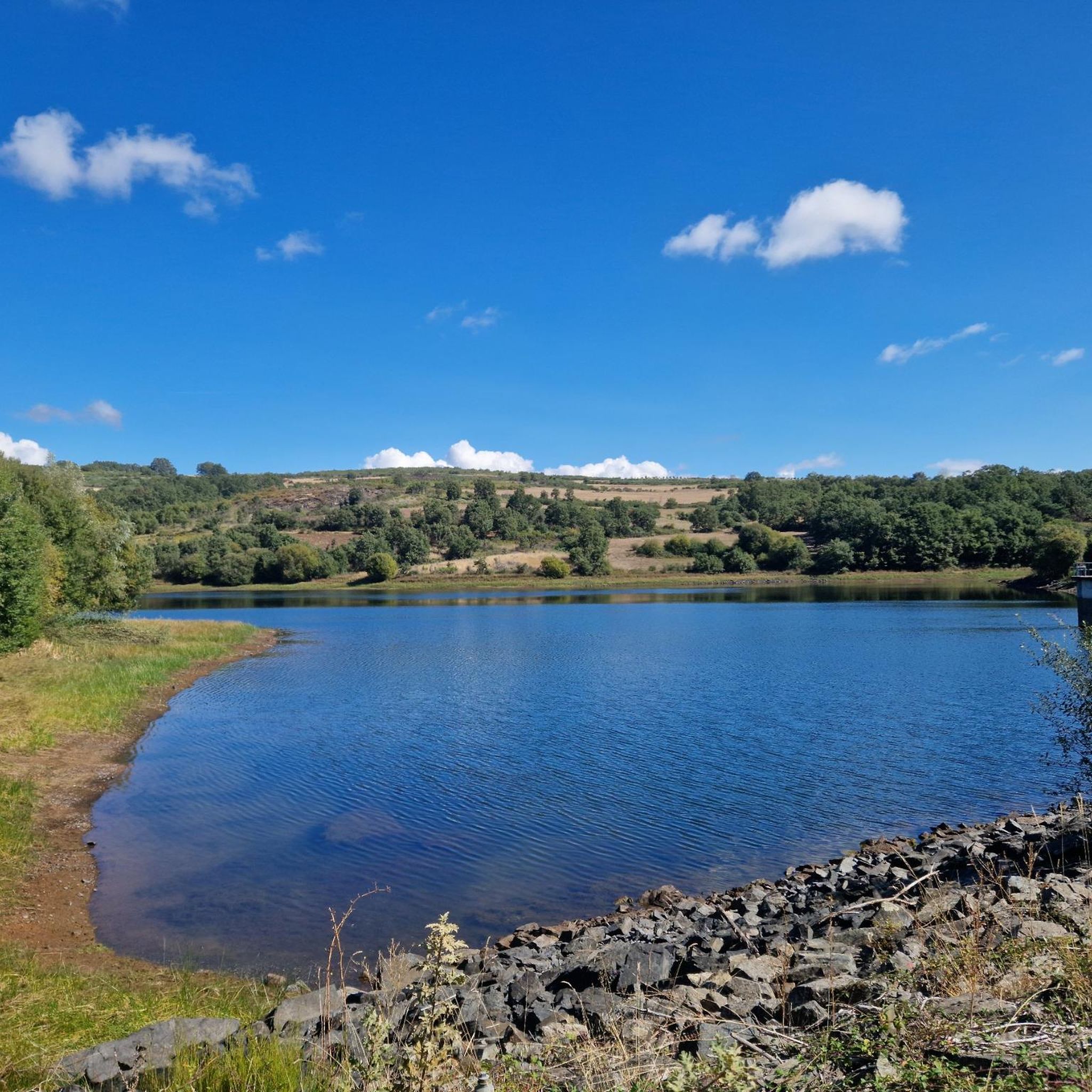
This is a beautiful reservoir, with calm waters where you can even spot big fish, although fishing is prohibited. On sunny days (which is almost always), the view of the lake is simply breathtaking. You can cycle along the entire western side of the lake.
0
0
Frequently Asked Questions
How many mountain bike trails are available in Montesinho?
Montesinho offers a wide selection of mountain bike trails, with over 45 routes available on komoot. These trails cater to various skill levels, from moderate rides to those requiring advanced fitness and technical abilities.
What are the difficulty levels of mountain bike trails in Montesinho?
The trails in Montesinho range from moderate to difficult. You'll find 29 moderate routes, perfect for those looking for a good workout without extreme technical challenges, and 18 difficult routes for experienced riders seeking more demanding terrain and significant elevation changes.
Are there any circular mountain bike routes in Montesinho?
Yes, Montesinho features several excellent circular mountain bike routes. A popular option is the Ring tour in Parco Naturale di Montesinho, which is a moderate 11.8-mile loop. For a longer, more challenging ride, consider the Ring Tour from the Biological Park of Vinhais in the Montesinho Natural Park, spanning 40.8 miles.
What kind of landscapes can I expect to see while mountain biking in Montesinho?
Montesinho's mountain bike trails immerse you in a wild and rural landscape characterized by deep valleys, expansive hills, and rolling heather-clad terrain. You'll ride through dense oak forests, ancient chestnut groves, and along crystal-clear streams and rivers, with the schist and granite bedrock adding to the distinctive geological formations.
What attractions or points of interest can I find along the mountain bike routes?
Many routes pass by charming traditional villages and natural landmarks. You might encounter the historic Rio de Onor Village, known for its communal traditions, or the picturesque Montesinho Village. The Biological Park of Vinhais is also a notable attraction within the park, offering insights into local biodiversity.
Is Montesinho suitable for long-distance mountain biking?
Absolutely. Montesinho offers several long-distance mountain biking options for those looking for extended rides. Trails like the Ring Tour from the Biological Park of Vinhais (40.8 miles) or the Roman Bridge of Mirandela – Gimonde loop (59.7 km) provide challenging, full-day adventures through diverse landscapes.
What do other mountain bikers say about the trails in Montesinho?
The mountain bike trails in Montesinho are highly rated by the komoot community, with an average score of 4.0 stars from over 20 reviews. Riders often praise the wild, unspoiled landscapes, the variety of terrain, and the immersive experience of riding through ancient forests and along pristine rivers.
Are there any specific routes that offer panoramic views?
Yes, many routes in Montesinho provide stunning panoramic views due to the park's expansive hills and deep valleys. The Vinhais MTB Center Red Route 3, a difficult 30.2-mile path, is particularly noted for its panoramic vistas across wild landscapes.
What kind of wildlife might I encounter while mountain biking in Montesinho?
Montesinho Natural Park is a sanctuary for biodiversity, home to 80% of all mammal species found in Portugal. While mountain biking, you might spot deer, wild boar, or roe deer. The park is also known for its diverse birdlife, making it a great spot for birdwatching.
Are there any trails that pass by water features like lakes or reservoirs?
Yes, some routes offer views of or pass near water bodies. You might encounter natural monuments like Albufeira de Prada or Serra Serrada Reservoir, which are beautiful spots to pause and enjoy the scenery.
What is the best time of year for mountain biking in Montesinho?
The diverse ecosystems of Montesinho make it enjoyable across seasons, but spring and autumn generally offer the most pleasant conditions for mountain biking. The weather is milder, and the natural scenery is particularly vibrant, with lush greenery in spring and rich colors in autumn. Summer can be warm, while winter rides are possible but may involve colder temperatures and potentially wet conditions.
Most popular routes around Montesinho
Most popular attractions around Montesinho

Get inspired with the komoot mobile app


Explore more
Browse the best MTB trails in other regions.
