The best walks and hikes around Montesinho
4.4
(266)
901
hikers
22
hikes
Hiking trails around Montesinho Natural Park traverse a diverse landscape of rounded hills, deep river valleys, and extensive oak and chestnut forests. The region features crystal-clear streams and rivers, with geological formations predominantly of schist and granite. Hikers can explore a range of ecosystems, from lush riparian zones to higher elevations in the Serra de Montesinho.
Best hiking trails around Montesinho
- The most popular hiking route is PR3 Porto Furado Trail, a 5.0 miles (8.0 km) trail that takes…
Last updated: May 10, 2026
4.8
(57)
181
hikers
7.99km
02:23
260m
260m
Moderate hike. Good fitness required. Easily-accessible paths. Suitable for all skill levels.
4.2
(25)
104
hikers
7.89km
02:16
200m
190m
Moderate hike. Good fitness required. Easily-accessible paths. Suitable for all skill levels.

Sign up for free
4.6
(29)
63
hikers
6.10km
01:41
100m
110m
Easy hike. Great for any fitness level. Easily-accessible paths. Suitable for all skill levels.
3.9
(18)
56
hikers
Easy hike. Great for any fitness level. Easily-accessible paths. Suitable for all skill levels.
4.7
(6)
18
hikers
8.80km
02:29
180m
180m
Moderate hike. Good fitness required. Easily-accessible paths. Suitable for all skill levels.
Get access to more routes and recommendations from other explorers.
Sign up for free
Already have an account?
Our route recommendations are based on thousands of hikes, rides, and runs completed by other people on komoot.
Start today with a free account
Your next adventure awaits.
Login or Signup
Tips from the Community

Rio de Onor is not just a beautiful village; it's a "living museum" of a way of life that has almost disappeared in Europe. It's worth visiting because it is possibly the village with the most fascinating social history in Portugal. Here are the 4 main reasons to go there: 1. It's a Community Village ("Communitarianism") This is Rio de Onor's great trademark. For centuries, the village lived under a system of total sharing among neighbors, something very rare: Sharing of Goods: The bread oven, the watermill, and even the village bull belonged to everyone. The "Rod of Justice": Decisions and fines for infractions in the village were marked on a wooden rod, managed by the "judge" elected by the people. You can see this history explained at the Casa do Touro (House of the Bull), a small, unmissable museum in the village. 2. One Village, Two Countries Rio de Onor is a village bisected by the international border. On this side is Rio de Onor (Portugal); on the other side is Rihonor de Castilla (Spain). For the inhabitants, the border never really existed: they share land, livestock, and even speak their own dialect (Rionorês), an ancient mixture of Portuguese and Castilian. It's very curious to cross from one country to the other on foot in the middle of the main street. 3. The Schist Landscape and Nature Located in the Montesinho Natural Park, the village is visually stunning. The houses are made of dark schist with wooden balconies, typical of Trás-os-Montes, and are very well preserved. The Onor River, which crosses the village, has clear waters and creates a very pleasant natural river beach in the summer, perfect for picnics. 4. The "Roman" Bridge The old stone bridge (which is actually from the 19th century, despite its popular name) is the village's postcard image. The reflection of the arches in the water with the schist houses in the background creates one of the most photogenic landscapes in Northern Portugal. Visiting Rio de Onor is like stepping back in time and understanding how communities survived in isolation in the mountains, supporting each other. It's a lesson in life and history in an incredible natural setting.
2
0

The Vinhais Biological Park is a protected natural area and conservation center located in the municipality of Vinhais, in northern Portugal, within the Montesinho Natural Park. This park plays an important role in the conservation of local biodiversity and in the promotion of environmental education.
0
0

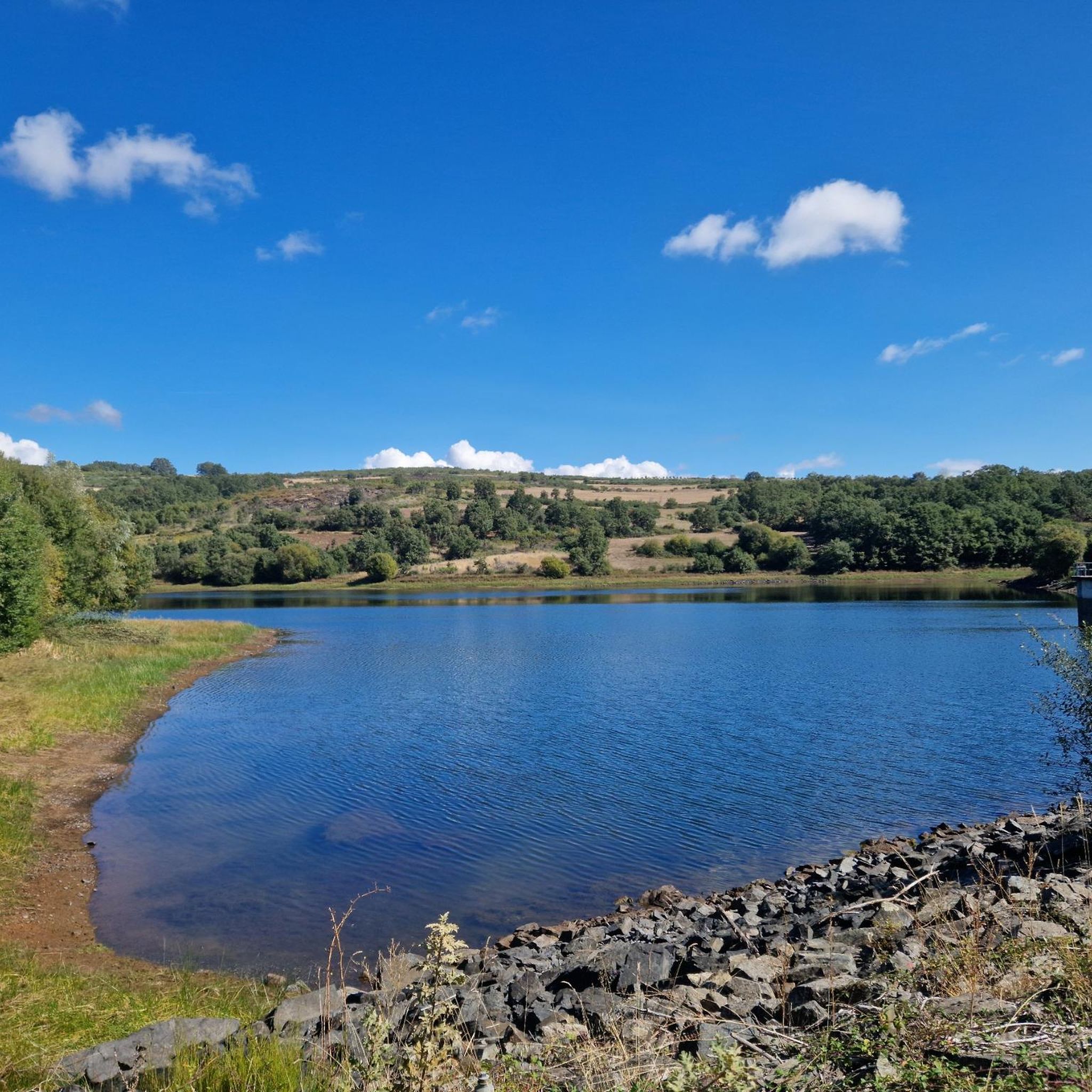
This is a beautiful reservoir, with calm waters where you can even spot big fish, although fishing is prohibited. On sunny days (which is almost always), the view of the lake is simply breathtaking. You can cycle along the entire western side of the lake.
0
0

Located in the heart of the Montesinho Natural Park, the Vinhais Biological Park invites you to discover the local landscape in all its forms, from fauna and flora to geology, culture and history. A space dedicated to conservation, biodiversity and ecotourism.
1
0
The trail follows the banks of the River Onor until it takes you to a charming weir, or small dam, where you can cross the river with the water murmuring beneath your feet. An idyllic spot, where the landscape is dazzling and the sound of the stream soothes you.
2
0
As you walk along the trails of Rio de Onor, prepare to be surprised by a silent giant: a majestic, centuries-old Pyrenean oak, declared a Tree of Public Interest in 2012. Its grandeur is a sight to behold and invites you to contemplate.
1
0
At this point, the trail invites you to embark on a little adventure: crossing the bed of a stream on the Baceiro River. When the rain lets up, the crossing is easy. And with a touch of excitement!
1
0
Frequently Asked Questions
How many hiking trails are available in Montesinho?
Montesinho offers a wide variety of hiking experiences, with over 20 routes documented on komoot. These trails cater to different fitness levels, ranging from easy walks to more challenging routes through the diverse landscape.
What kind of terrain can I expect on hikes in Montesinho?
The terrain in Montesinho is quite varied, featuring rounded hills, deep river valleys carved by the Sabor, Maçãs, and Baceiro rivers, and extensive oak and chestnut forests. You'll encounter crystal-clear streams, lush riparian zones, and higher elevations in the Serra de Montesinho. The geological makeup predominantly features schist and granite, contributing to unique rock formations.
Are there easy hiking options suitable for beginners or families?
Yes, Montesinho has several easy hiking options perfect for beginners or families. For instance, the Prada Dam Trail is an easy 3.8-mile (6.1 km) route that takes about 1 hour 41 minutes. Another great choice is The Portuguese Side of Rio de Onor (PR 11), an easy circular route that explores the picturesque village and river.
Can I find circular hiking routes in Montesinho?
Yes, Montesinho offers several circular hiking routes that allow you to start and end in the same location. An example is The Portuguese Side of Rio de Onor (PR 11), which is an easy loop trail.
What are some natural attractions or landmarks to look out for while hiking?
While hiking in Montesinho, you can discover several natural attractions and charming villages. Keep an eye out for the European chestnut (Castanea sativa) trees, which are abundant in the park. You can also visit the Biological Park of Vinhais to learn more about the local flora and fauna. The Albufeira de Prada and Serra Serrada Reservoir are also notable natural features.
Are there any picturesque villages to explore along the trails?
Absolutely. Montesinho is dotted with 88 charming villages, many retaining their traditional character. The namesake Montesinho Village, situated at 1020 meters, features the old stone Igreja de Santo António. Another highlight is Rio de Onor Village, known for its schist houses and communal way of life, split by the Spanish border.
What is the best time of year to hike in Montesinho?
Montesinho offers unique experiences throughout the year. For pleasant hiking weather, spring and autumn are ideal. If you're interested in wildlife, the red deer rutting season from September to November is a particularly unforgettable experience for nature lovers. The park's diverse flora also provides beautiful scenery in spring and vibrant colors in autumn.
Is Montesinho Natural Park suitable for wildlife spotting?
Yes, Montesinho is a sanctuary of biodiversity and excellent for wildlife spotting. It's home to 80% of all mammal species found in Portugal, including elusive Iberian wolves, wild boars, foxes, deer, roe deer, and otters. Over 150 bird species also inhabit the park, making it a paradise for birdwatchers. Look for signs of red deer, especially during the rutting season from September to November.
What do other hikers enjoy most about hiking in Montesinho?
The komoot community highly rates hiking in Montesinho, with an average score of 4.5 stars from over 240 reviews. Hikers often praise the diverse landscapes, from lush forests and crystal-clear streams to rugged peaks. The well-marked trails and the opportunity to explore traditional villages and rich biodiversity are also frequently highlighted.
Are there any trails that offer river views or pass by historic mills?
Yes, the region's rivers and streams are integral to the hiking experience. The PR4 Ornal Trail is a moderate 4.9-mile (7.9 km) path that specifically offers beautiful river views and passes by historic mills, providing a glimpse into the area's heritage.
Are there any trails that go through extensive forests or offer views of reservoirs?
Certainly. Montesinho is characterized by extensive oak and chestnut forests. The PR3 Porto Furado Trail, for example, winds through granite landscapes and woodlands, offering views of reservoirs along its moderate 5.0-mile (8.0 km) course.
Most popular routes around Montesinho
Most popular attractions around Montesinho

Get inspired with the komoot mobile app


Explore more
Browse the best Hikes in other regions.
